Artwork
Saint Ambrose
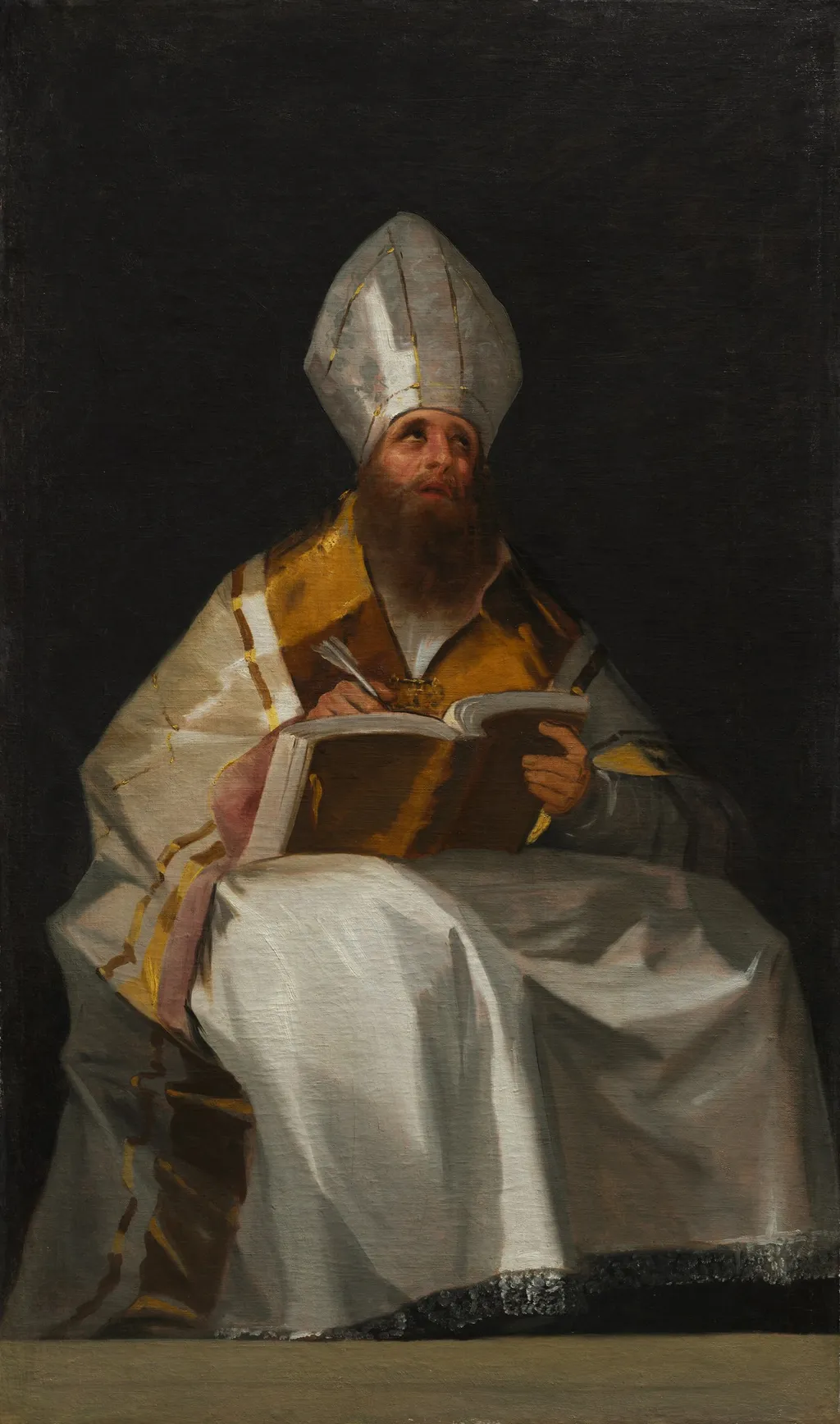
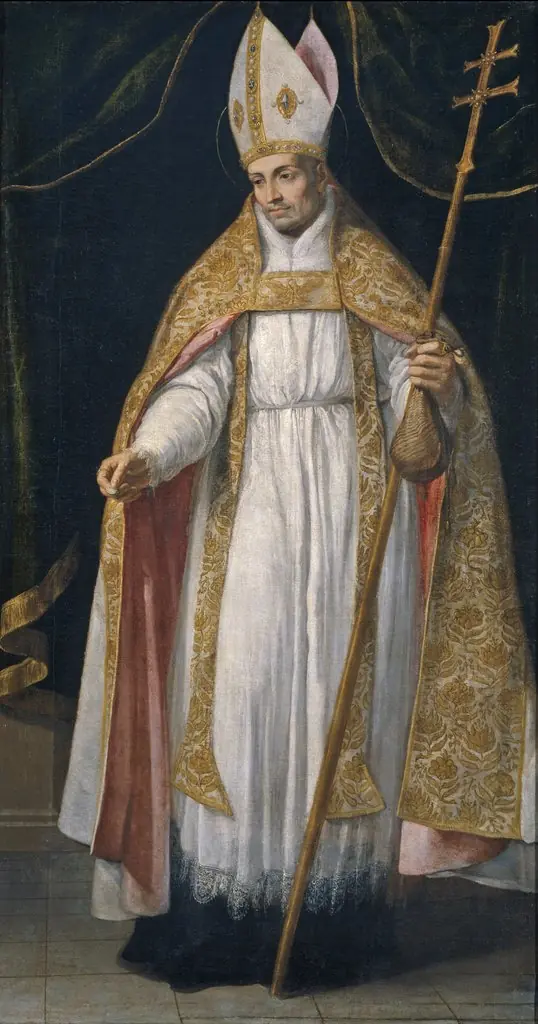
Saint Ambrose is an oil painting by the Spanish Baroque Tenebrist artist Francisco de Goya. It dates from 1798 and is held in the collection of the Cleveland Museum of Art.
About this work
Subject & Meaning
The painting presents Saint Ambrose, a 4th‑century bishop, identified by his episcopal mitre, crozier and often a book or a staff, attributes that signal his role as a teacher of the Church and a defender of orthodoxy. In Goya’s 1796 work the saint is shown in a contemplative pose, his hand resting on a scroll that alludes to his writings and sermons, while the surrounding chiaroscuro emphasizes his spiritual authority. The composition underscores Ambrose’s significance as a model of pastoral guidance and doctrinal clarity, reflecting the religious context of late‑18th‑century Spain.
Technique & Style
The work measures 190 cm in height by 113 cm in width, giving it a pronounced vertical format suited to the standing, full-length depiction of the saint.
Saint Ambrose is executed in oil paint on canvas, a standard support for Goya's religious commissions of the period. The work measures 190 cm in height by 113 cm in width, giving it a pronounced vertical format suited to the standing, full-length depiction of the saint. As a religious painting produced in Spain in 1796, it belongs to the broader category of devotional oil paintings on canvas, consistent with the medium and handling typical of Goya's late eighteenth-century practice.
The canvas support and oil medium allow for the layered, tonal modeling associated with the artist's mature style.
History & Provenance
The painting Saint Ambrose was executed by Francisco Goya in 1796 in Spain, rendered in oil on canvas. While no specific commission is documented in the sources, the work’s provenance indicates it passed through the hands of Pinakos Inc and the dealer Rudolf J. Heinemann before entering the collection of the Cleveland Museum of Art, where it is presently housed. Its dating to 1796 is supported by both the artwork’s inscription and museum records, establishing it as a late‑18th‑century religious portrait of Saint Ambrose.
Overview
Francisco Goya's painting, Saint Ambrose, created in 1798 with oil on canvas, portrays the revered religious figure. This work exemplifies the artist's output during the late 18th century, a period when he was recognized as a preeminent Spanish painter. The artwork is presently housed in the collection of The Cleveland Museum of Art.
Context
Created in 1798, Saint Ambrose belongs to a period when Francisco Goya was a leading artistic voice in Spain. His prolific output encompassed religious commissions, alongside significant contributions to portraiture, drawing, and printmaking. Goya's work often reflected the societal and political transformations of his era, positioning him as a pivotal figure who both honored the legacy of the Old Masters and foreshadowed developments in modern art.
Own this work as a print
Artist & collection
Artist
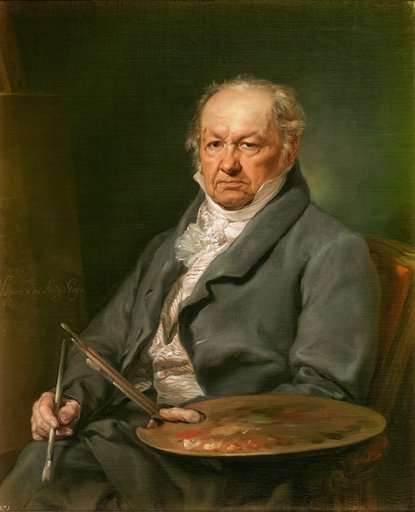
Francisco José de Goya y Lucientes was a Spanish romantic painter and printmaker.


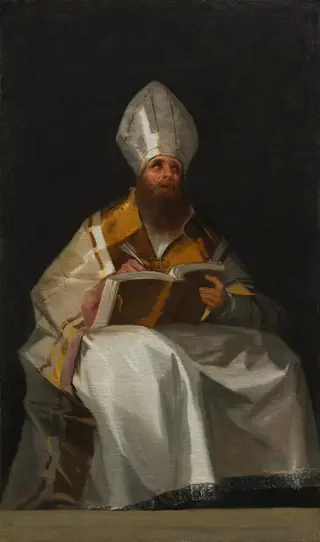 Saint Ambrose
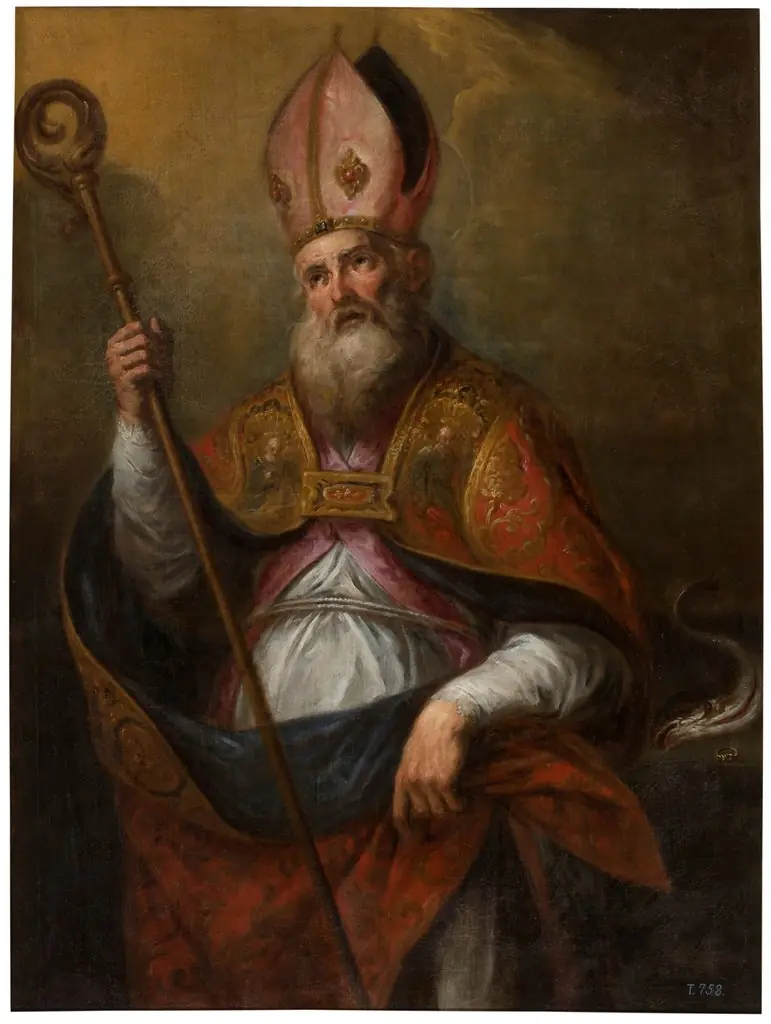 Saint Attila
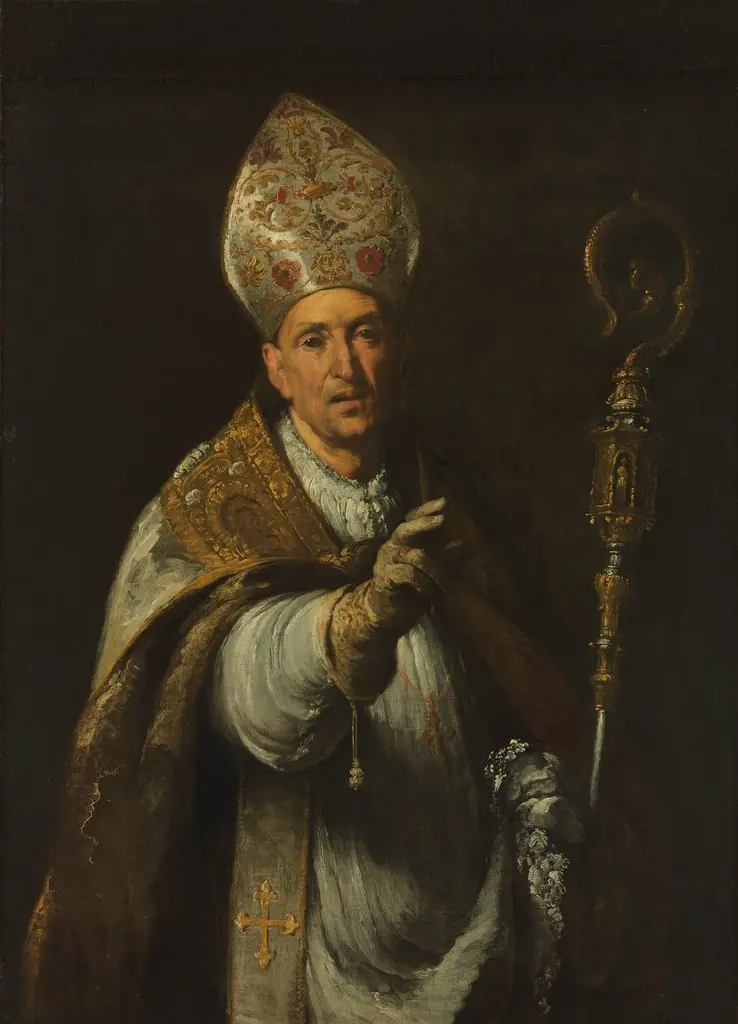 St. Gerardo Sagredo, Bishop of Csanád
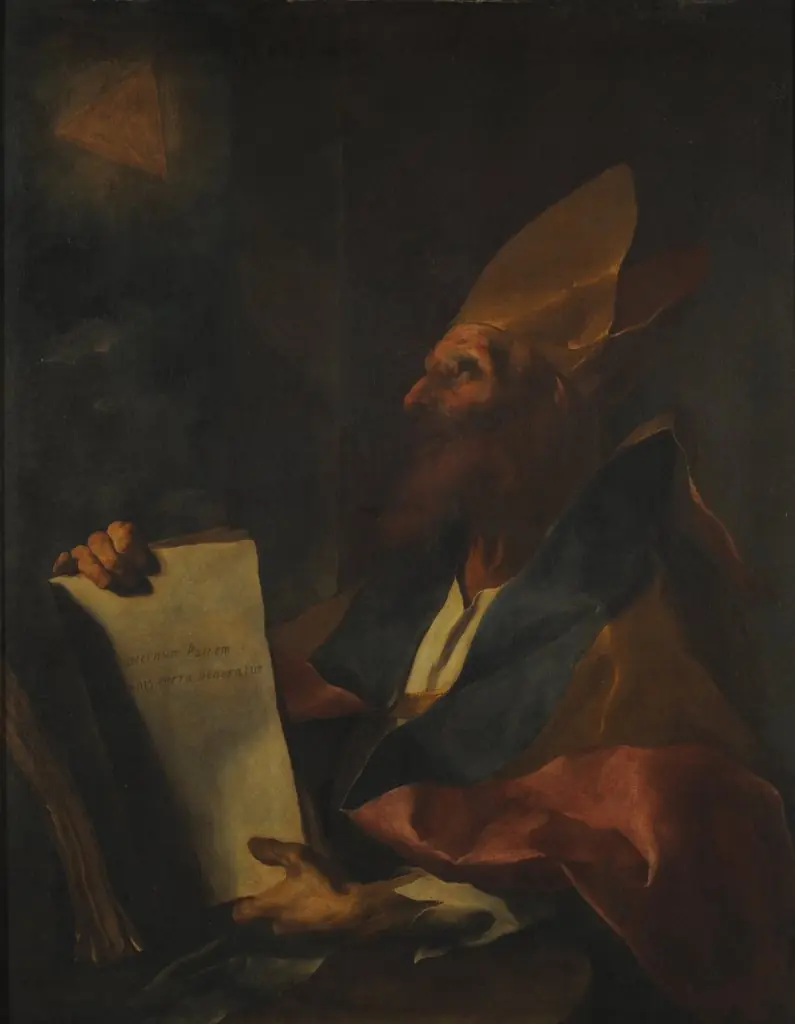 San Agustín meditando sobre la Trinidad - Título anterior: Obispo mártir
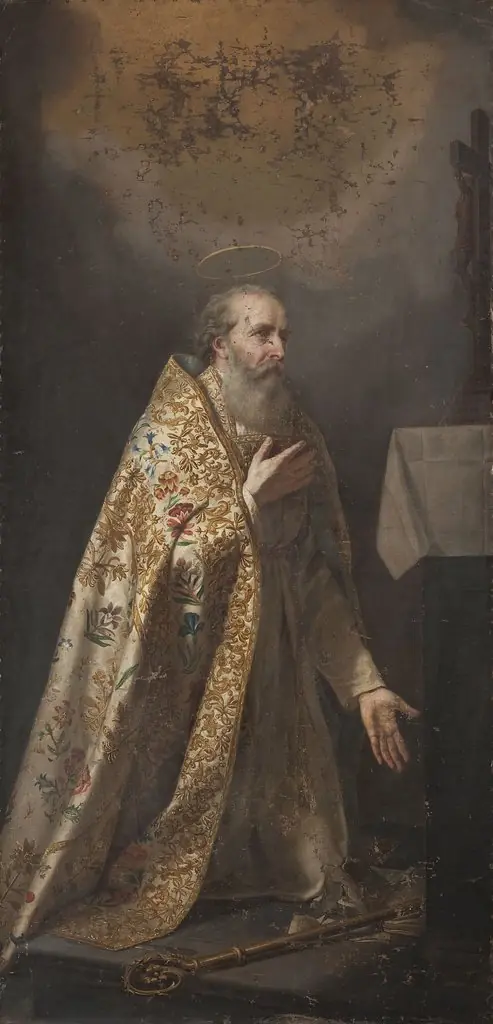 Bishop Wincenty Popiel (1825–1912)
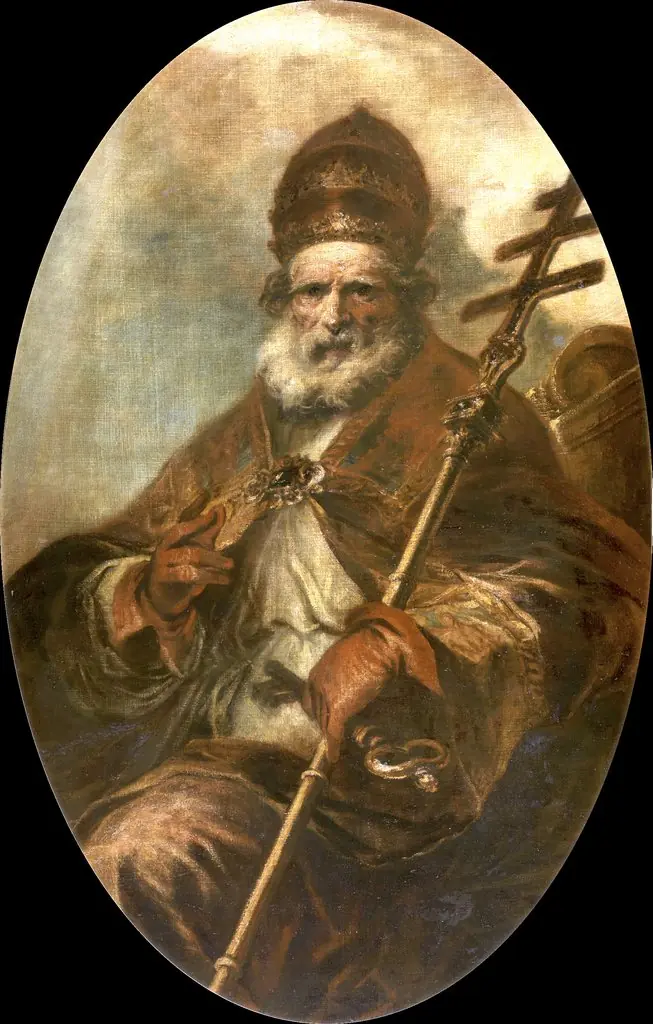 El papa San León I Magno
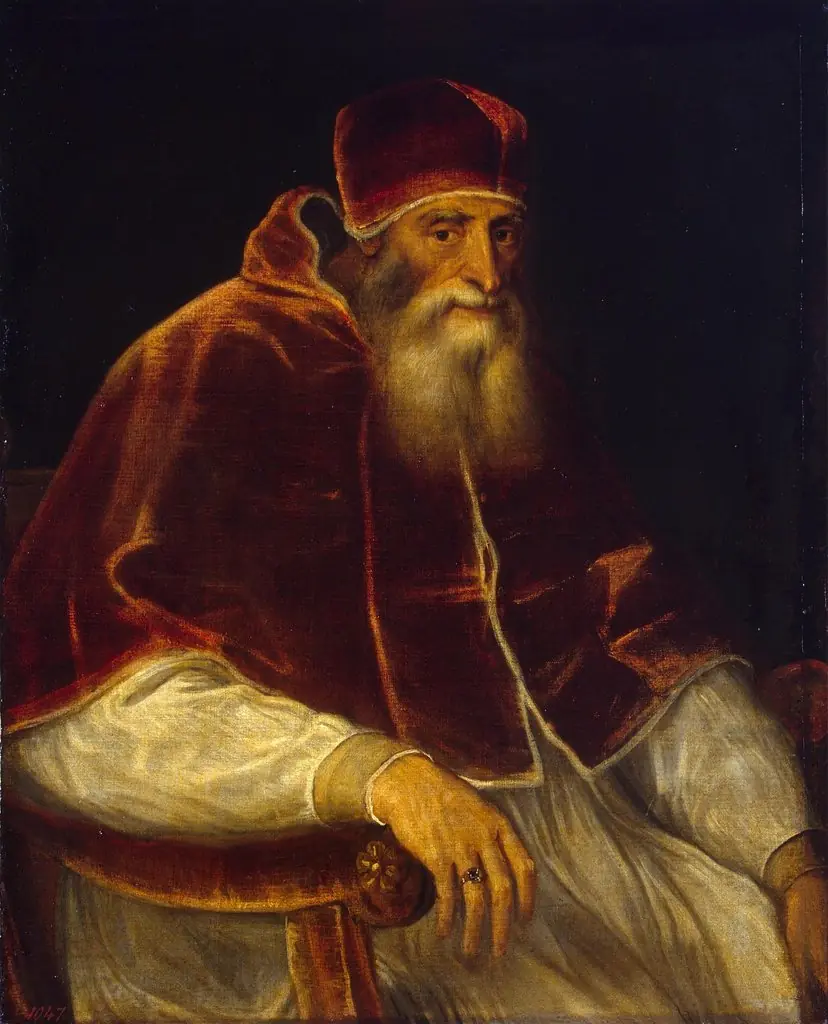 Portrait of Pope Paul III
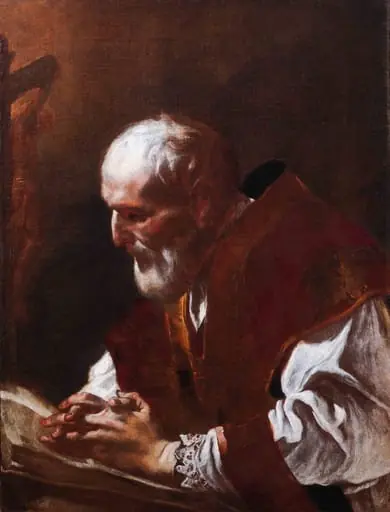 Sfântul Filippo Neri în meditație
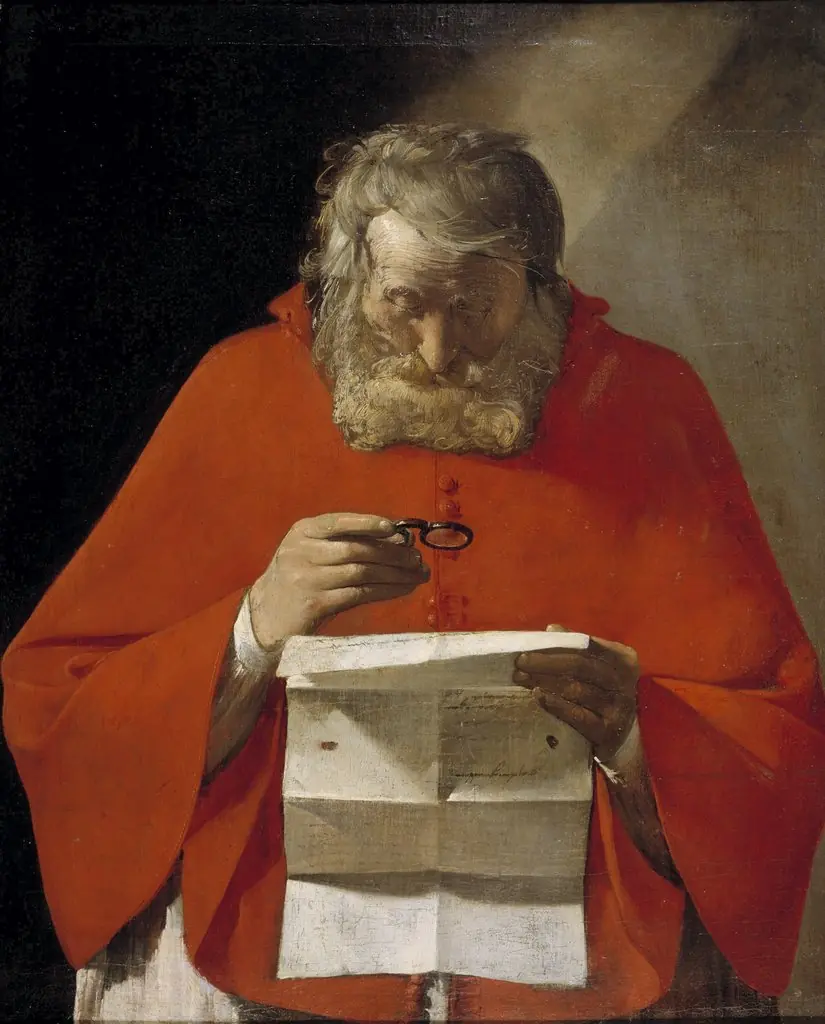 Saint Jerome reading a letter
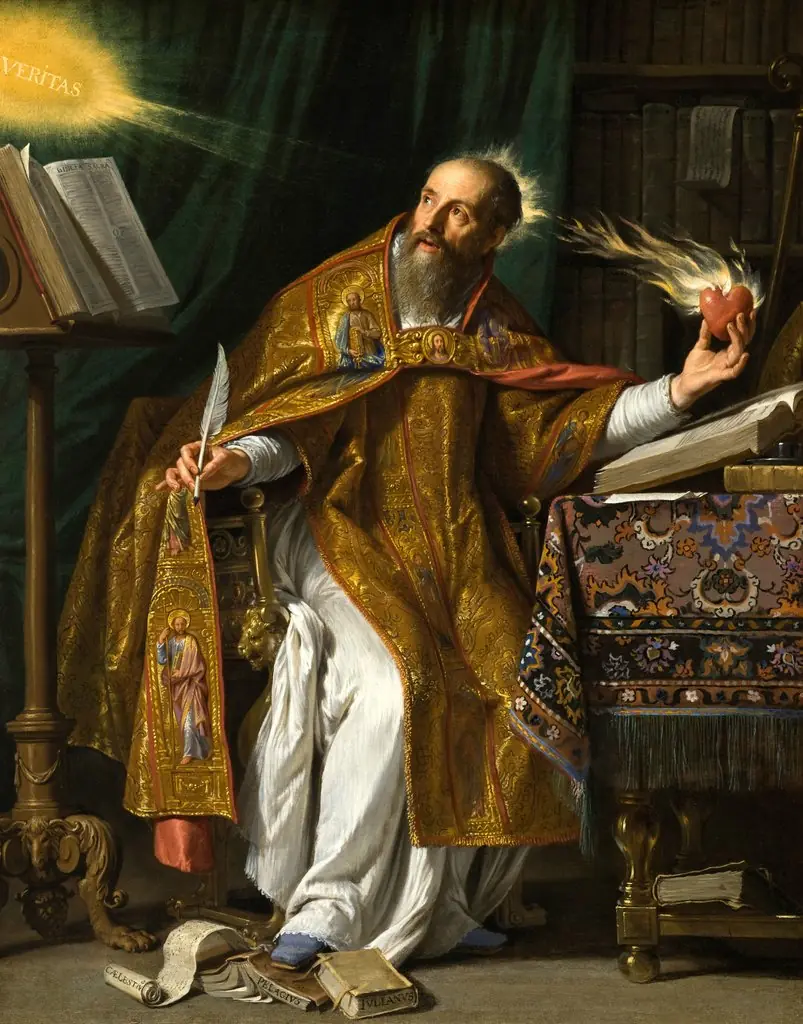 Saint Augustine
 Santo Tomás de Villanueva
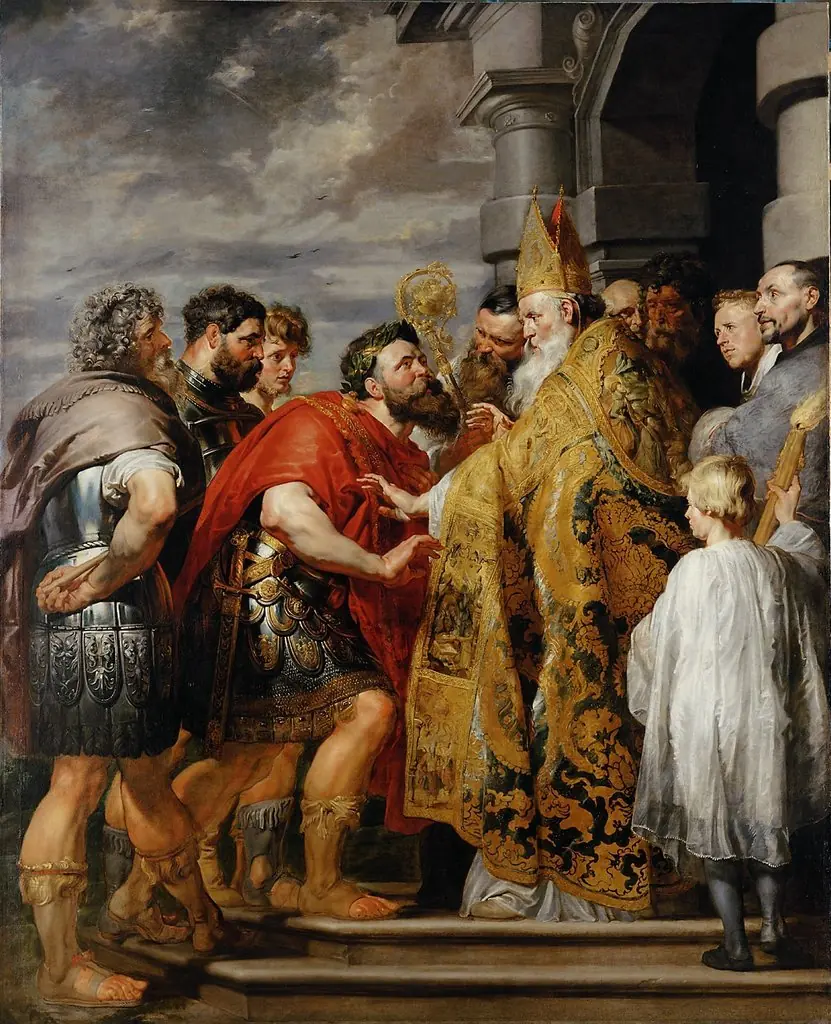
- Theodosius and Saint Ambrose