Artwork
The Duchess of Abrantes
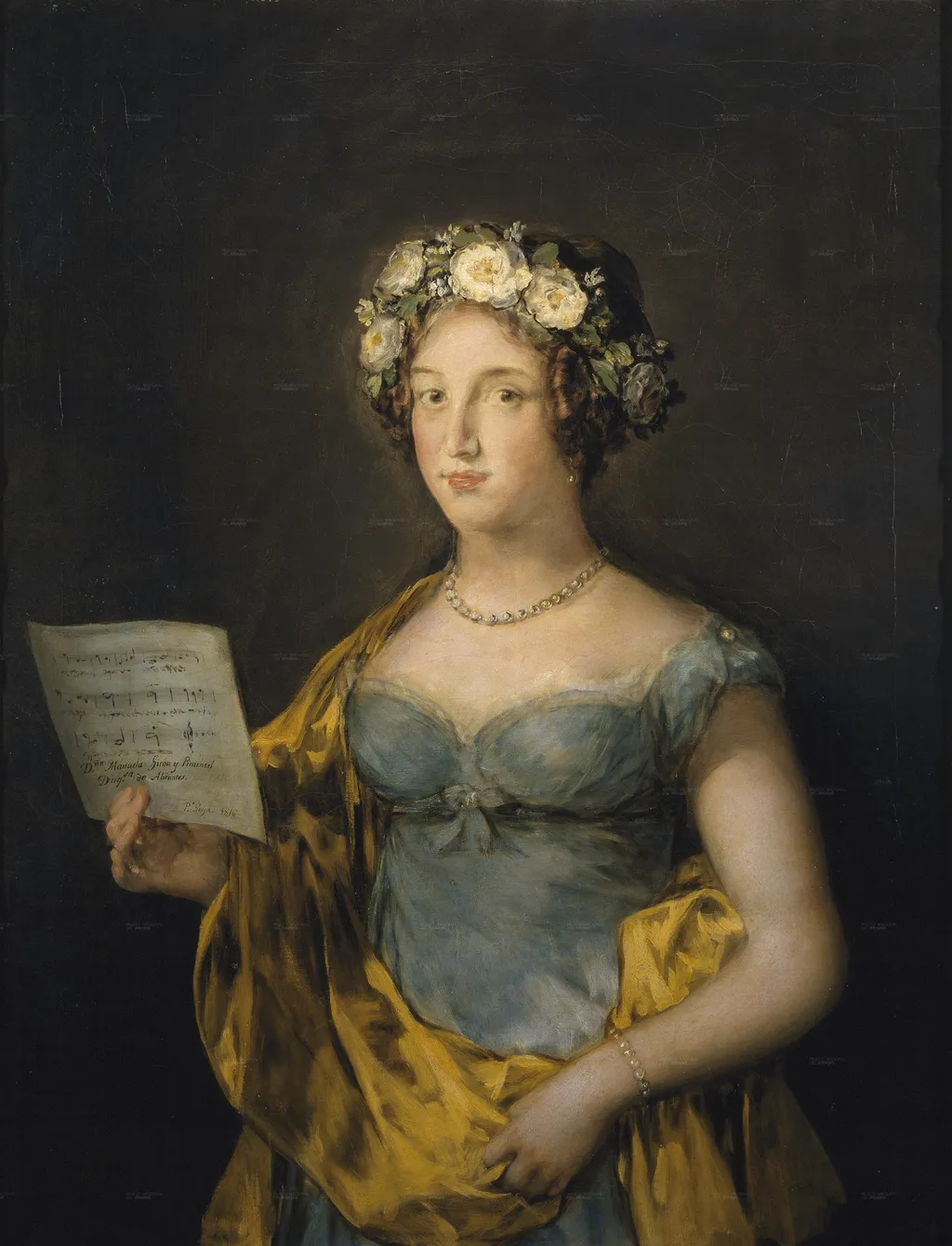
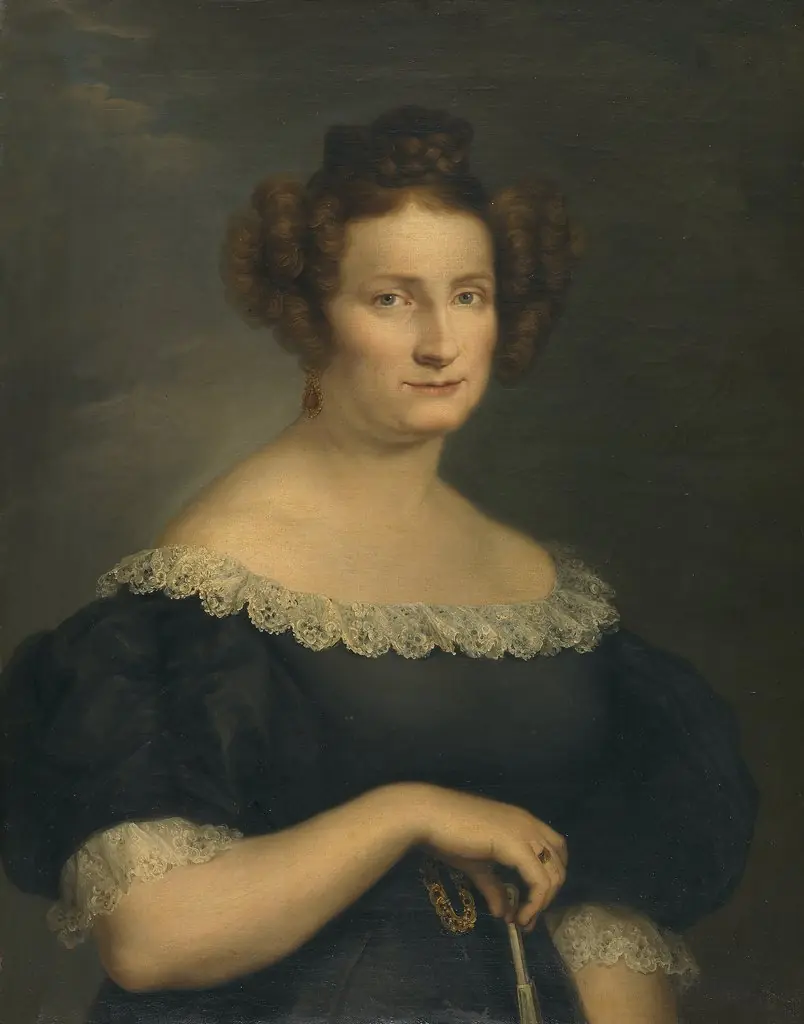
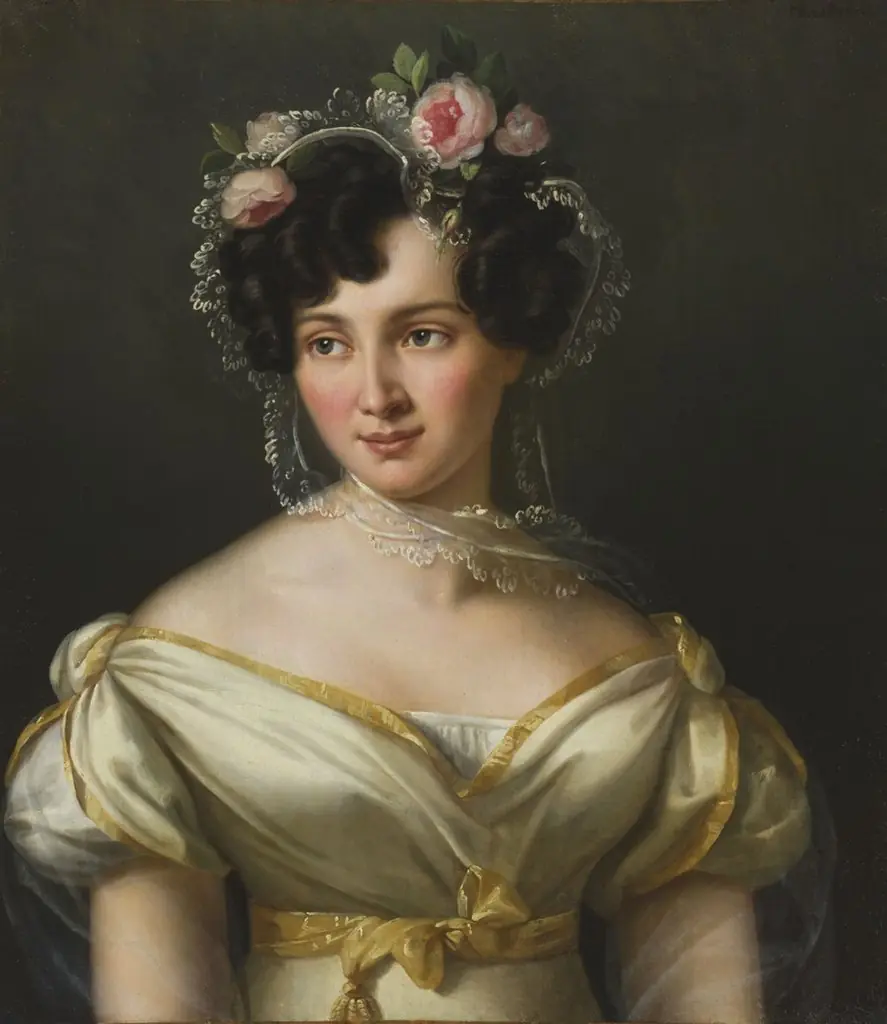
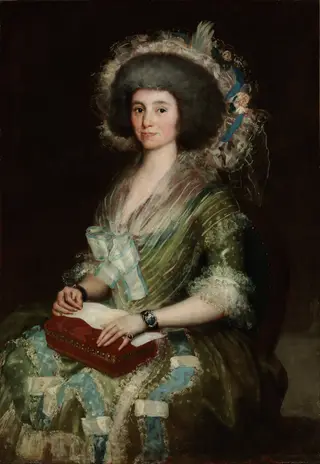
The Duchess of Abrantes is an oil painting by Francisco de Goya. It dates from 1816 and is held in the collection of the Museo del Prado.
About this work
Overview
It remains part of the permanent collection at the Museo del Prado in Madrid, where it is displayed among other significant Spanish paintings of the era.
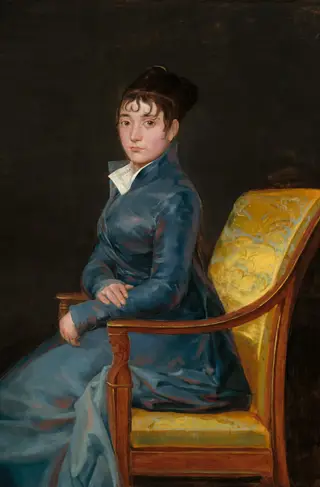
Painted in 1816, this oil portrait by Francisco Goya captures the Duchess of Abrantes, a Spanish noblewoman of the early 19th century. Executed during Goya’s later period, the work reflects his evolving approach to portraiture, blending formal tradition with psychological nuance. It remains part of the permanent collection at the Museo del Prado in Madrid, where it is displayed among other significant Spanish paintings of the era.
Subject & Meaning
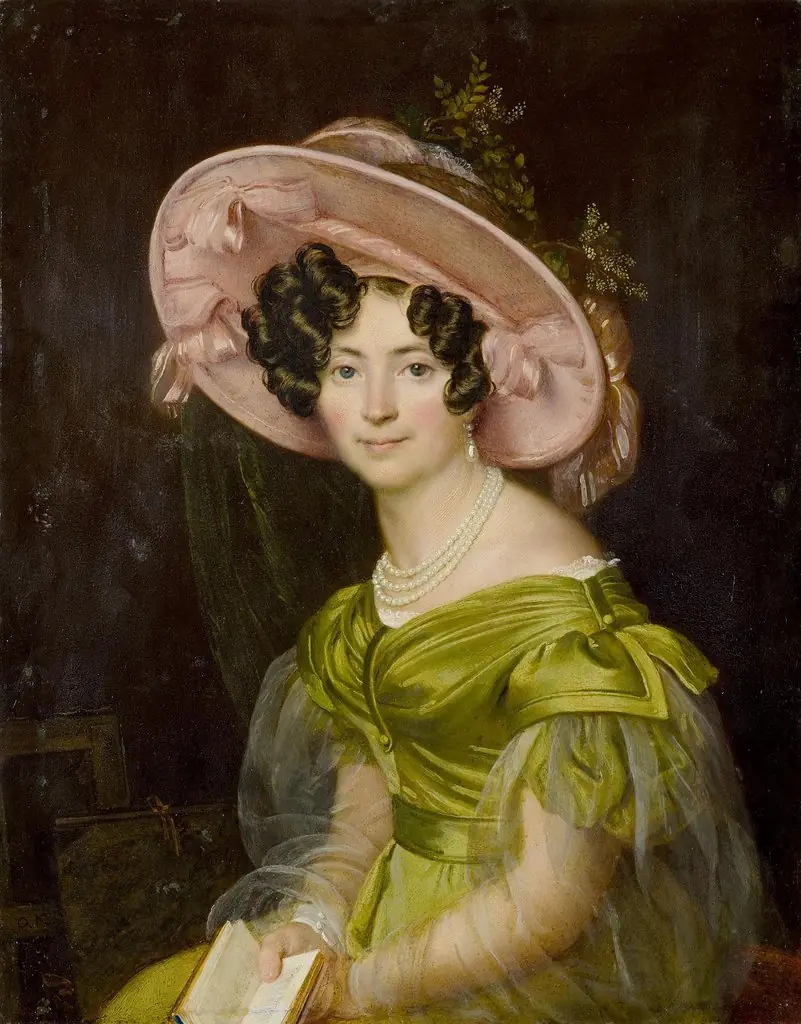
The subject is identified as the Duchess of Abrantes, a member of the Spanish aristocracy. Her pose and attire convey quiet dignity rather than overt grandeur. The inclusion of sheet music suggests an engagement with the arts, possibly indicating her personal interests or cultivated identity. Goya avoids idealization, presenting her with subtle realism that invites contemplation over ceremonial display.
Technique & Style
Goya employs loose, expressive brushwork to render fabric and texture, particularly in the blue dress and yellow shawl, while maintaining clarity in the facial features. The floral wreath and delicate handling of light reflect his command of Old Master conventions, yet the immediacy of the composition and unadorned presence signal a shift toward modern portraiture. The palette is restrained, emphasizing tonal harmony over ornamental flourish.
History & Provenance
Commissioned during Goya’s return to Spain after his time in France, the portrait was likely created for private circulation among court circles. It entered the Museo del Prado’s collection in the 19th century, following the nationalization of aristocratic holdings. Its documented history aligns with other portraits Goya produced for Spanish nobility during the post-Napoleonic period, when the monarchy sought to reassert cultural continuity.
Context
Painted in the aftermath of the Peninsular War and during Ferdinand VII’s restoration, the portrait reflects a society navigating political upheaval and cultural recalibration. While aristocratic patrons still commissioned portraits, Goya’s approach grew more introspective, moving away from courtly flattery. The Duchess’s quiet demeanor may mirror broader societal tensions between tradition and change in early 19th-century Spain.
Legacy
This portrait exemplifies Goya’s role in transforming Spanish portraiture by infusing it with psychological depth and informal realism. It stands as a quiet counterpoint to the grandeur of earlier royal images, influencing later artists who sought authenticity over ceremony. Its presence in the Prado ensures its continued study as a bridge between 18th-century formalism and 19th-century individualism in European painting.
Own this work as a print
Artist & collection
Artist
Francisco José de Goya y Lucientes was a Spanish romantic painter and printmaker.