Artwork
José mostrando a su padre y sus hermanos al Faraón
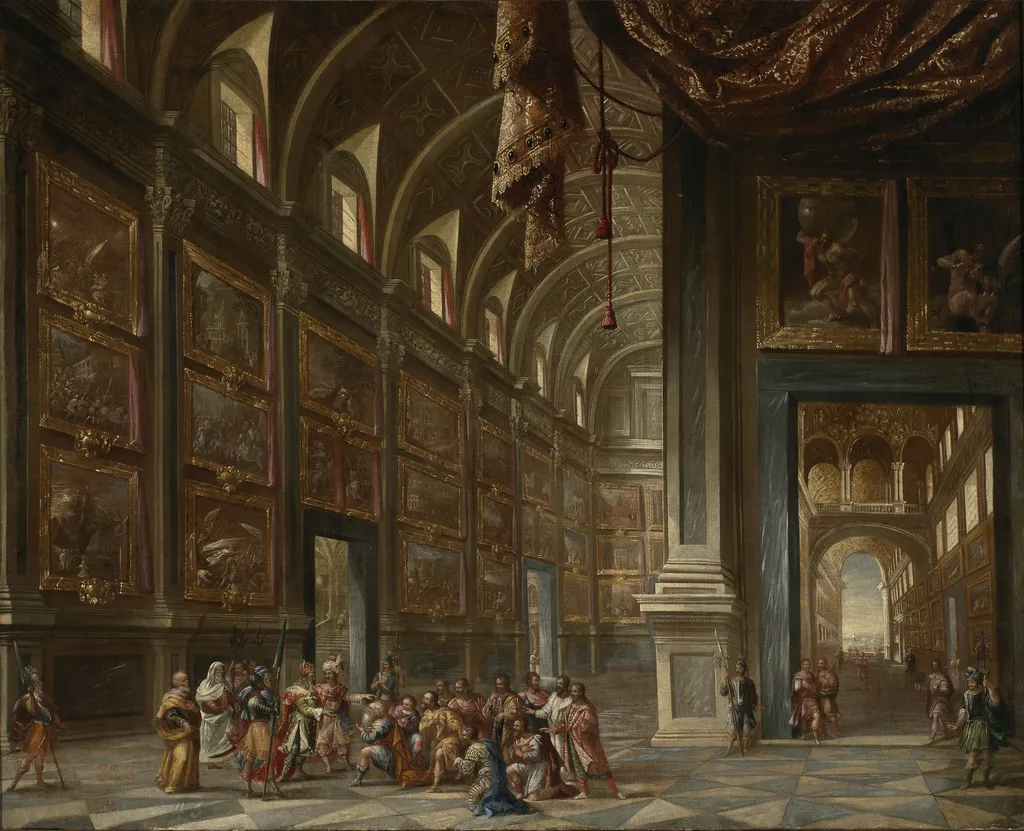
José mostrando a su padre y sus hermanos al Faraón is an oil painting by the Early Baroque Italian artist Francisco Gutiérrez Cabello. It dates from 1601 and is held in the collection of the Museo del Prado.
About this work
Subject & Meaning
The composition emphasizes themes of authority, reconciliation, and divine providence within the Old Testament story of Joseph and his family.
The canvas portrays José presenting his father and brothers before the Egyptian monarch, a moment steeped in biblical narrative. José, recognizable by his ornate robe and dignified stance, gestures toward his kin who kneel in respectful posture, while the Pharaoh, clad in regal armor and crowned, receives their homage. The composition emphasizes themes of authority, reconciliation, and divine providence within the Old Testament story of Joseph and his family.
The work's formal balance and symbolic use of light underscore the transition from familial discord to restored harmony, reflecting Counter-Reformation ideals of order and moral clarity.
Technique & Style
The work is an oil painting executed on canvas, reflecting the conventions of early 17th-century Spanish art. Its formal composition presents the biblical scene with a dignified arrangement of figures, emphasizing clarity of gesture and detail characteristic of the period.
History & Provenance
The painting was created in 1601 by Francisco Gutiérrez Cabello. It is an oil on canvas work measuring 111 cm in height and 138 cm in width. The artwork entered the collection of the Museo del Prado, where it remains on display.
Its provenance traces directly to its creation and acquisition by the museum, with no documented earlier ownership or commission recorded.
Overview
Francisco Gutiérrez Cabello’s oil on canvas, dated 1601, is part of the Prado Museum’s collection. The work portrays a lavish interior scene in which a group of figures, dressed in richly colored garments, surrounds a central male figure who appears wounded or subdued. Architectural elements such as arched ceilings, towering columns, and intricate wall carvings frame the composition, while a chandelier and gilded details emphasize the setting’s opulence.
Context
The painting reflects the Counter‑Reformation’s interest in biblical themes that underscore loyalty, providence, and divine order. Its sumptuous setting aligns with contemporary courtly aesthetics, where religious narratives were often staged within regal environments to reinforce the authority of both church and monarchy.
Legacy
While not as widely reproduced as works by Cabello’s more famous contemporaries, this canvas offers scholars insight into the visual strategies used to convey biblical stories within a courtly framework. Its preservation in the Prado ensures continued study of early Spanish narrative painting and its interplay of drama, ornamentation, and theological messaging.
Own this work as a print
Artist & collection
Artist
Francisco Gutiérrez Cabello (1616–1670) was an artist, born in Madrid.

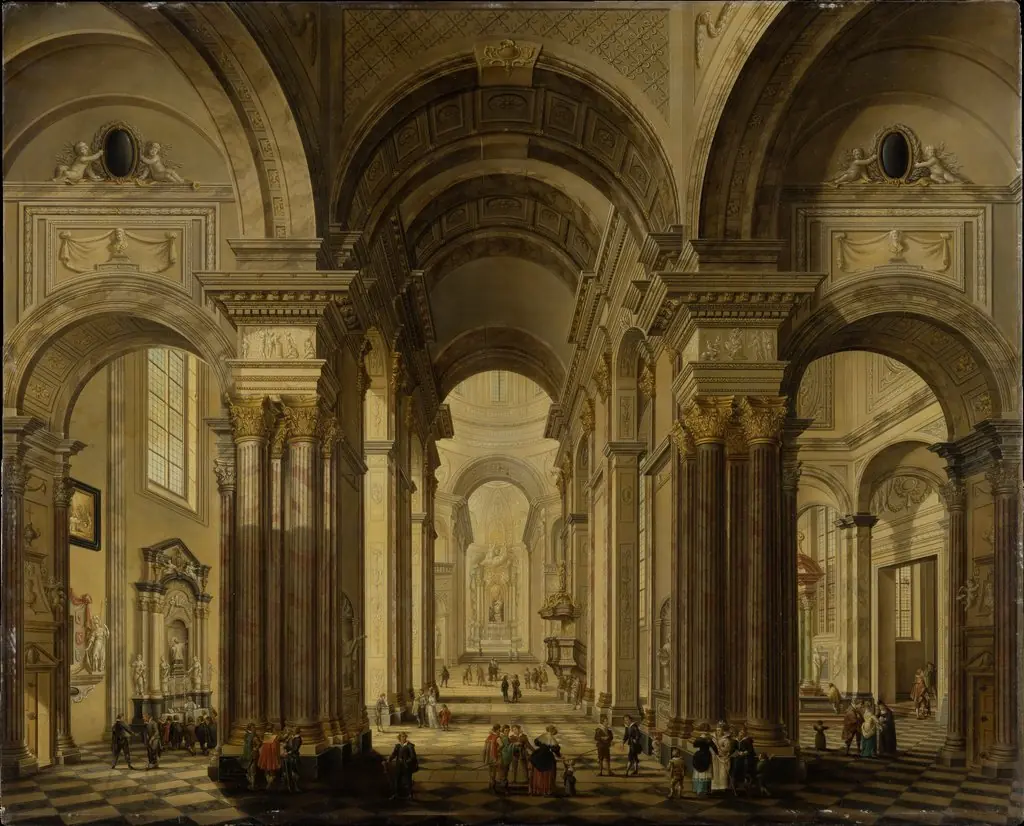
- Interior of a Baroque Church
 Picture Gallery with Views of Modern Rome
 Alexander the Great Cutting the Gordian Knot
 Ancient Rome
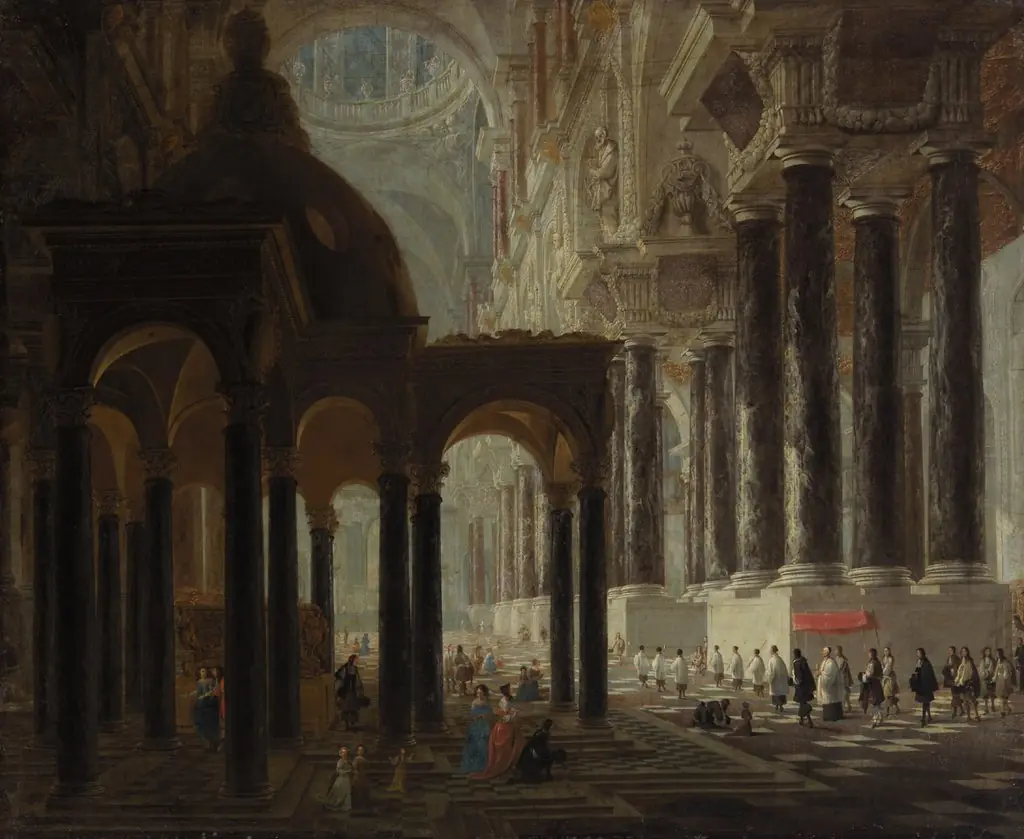 Church Interior
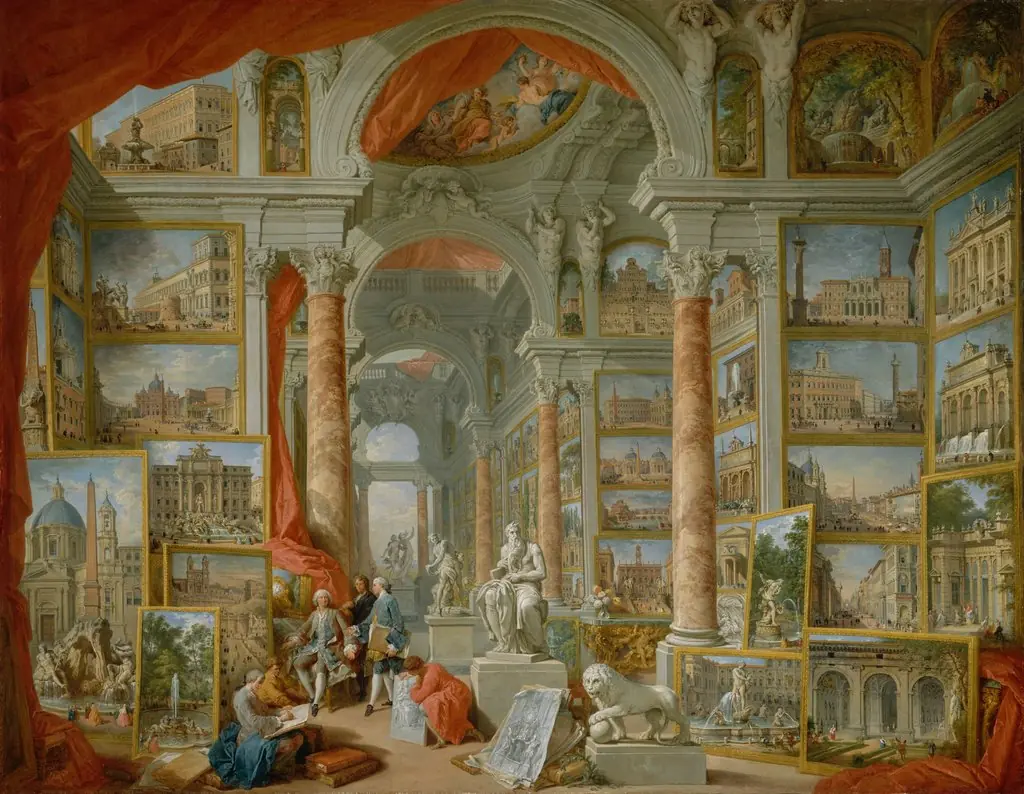 Modern Rome
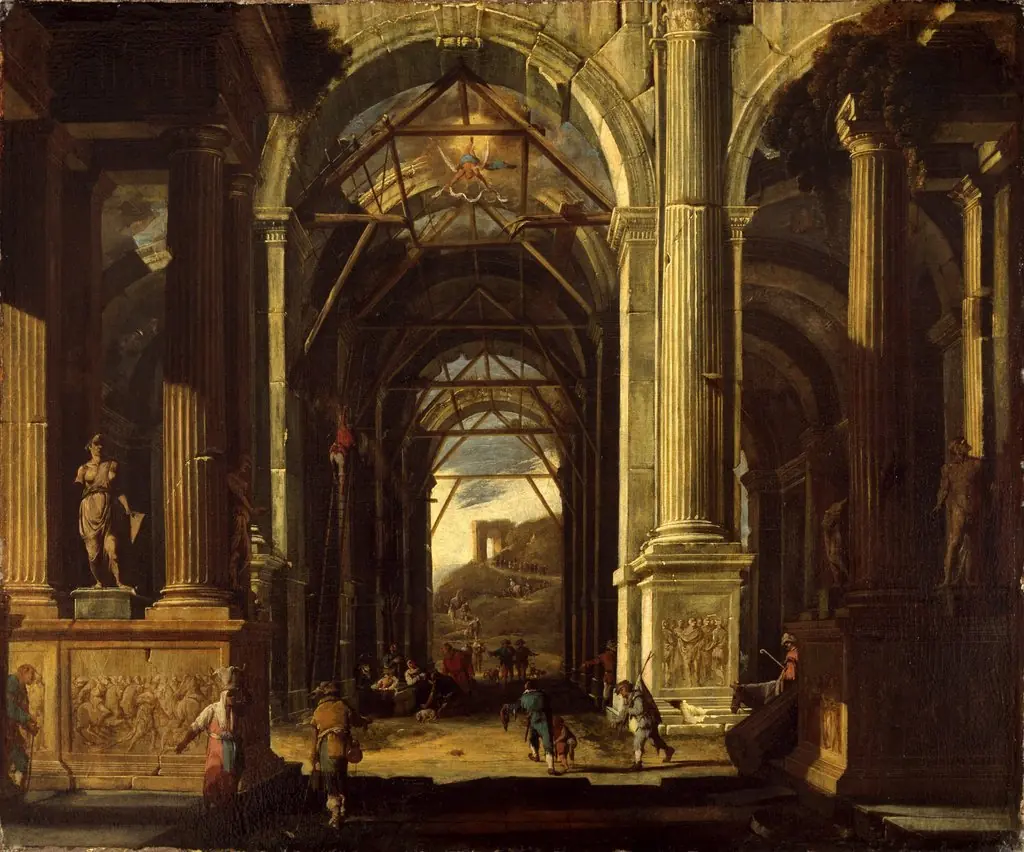 The Adoration of the Shepherds
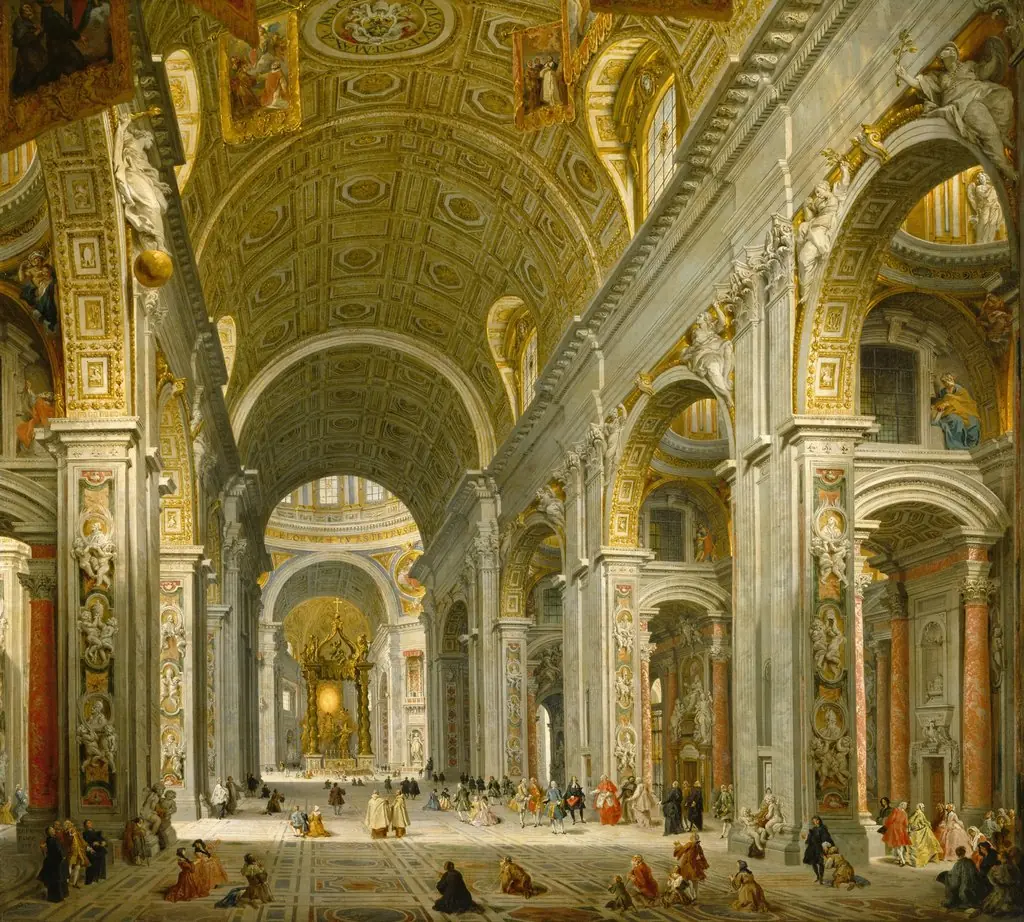 Interior of St. Peter's, Rome
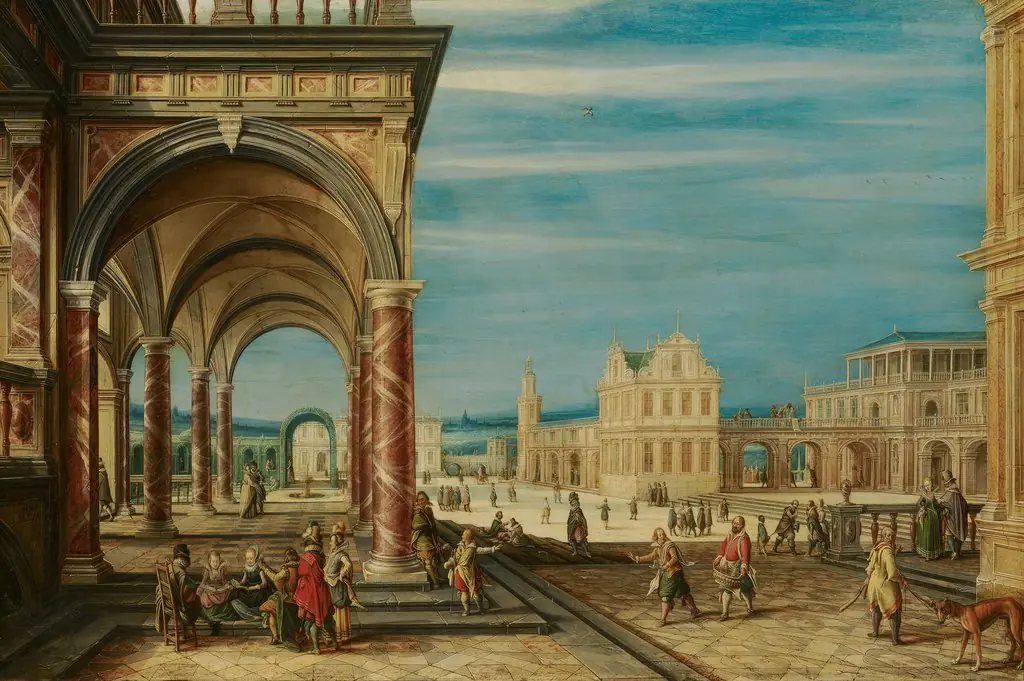 A Square with Imaginary Buildings
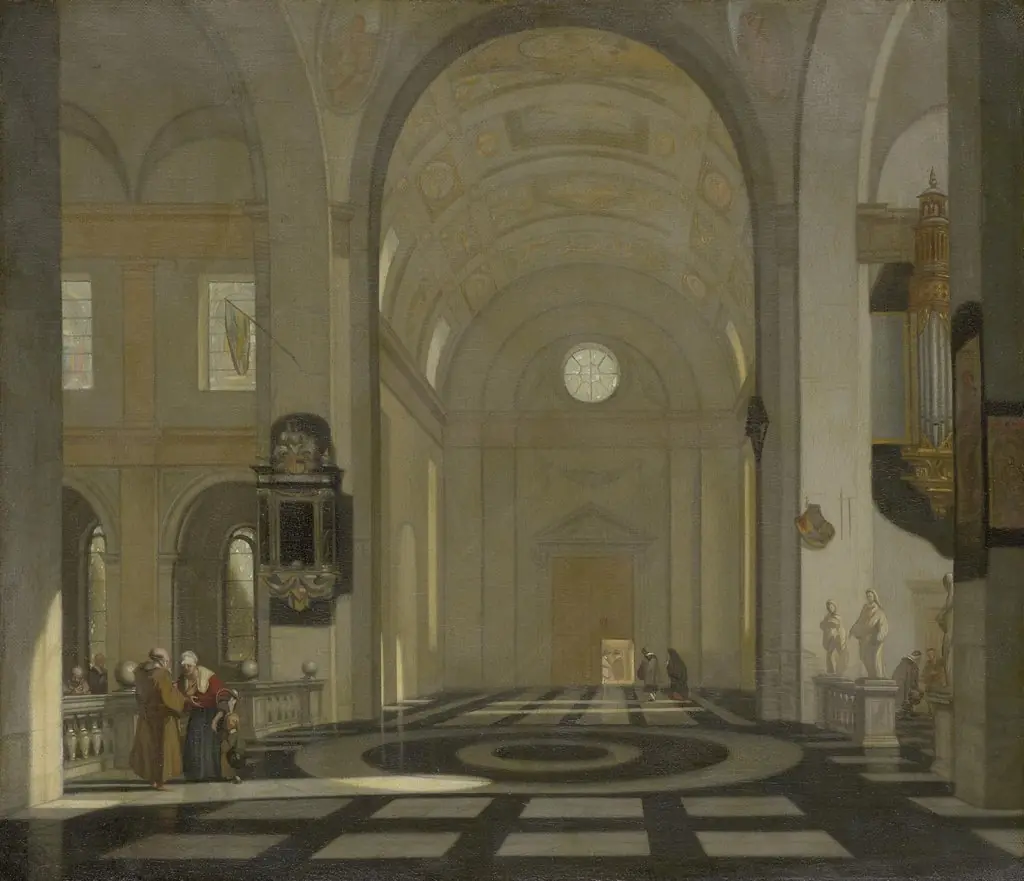 Interior of a Baroque Church
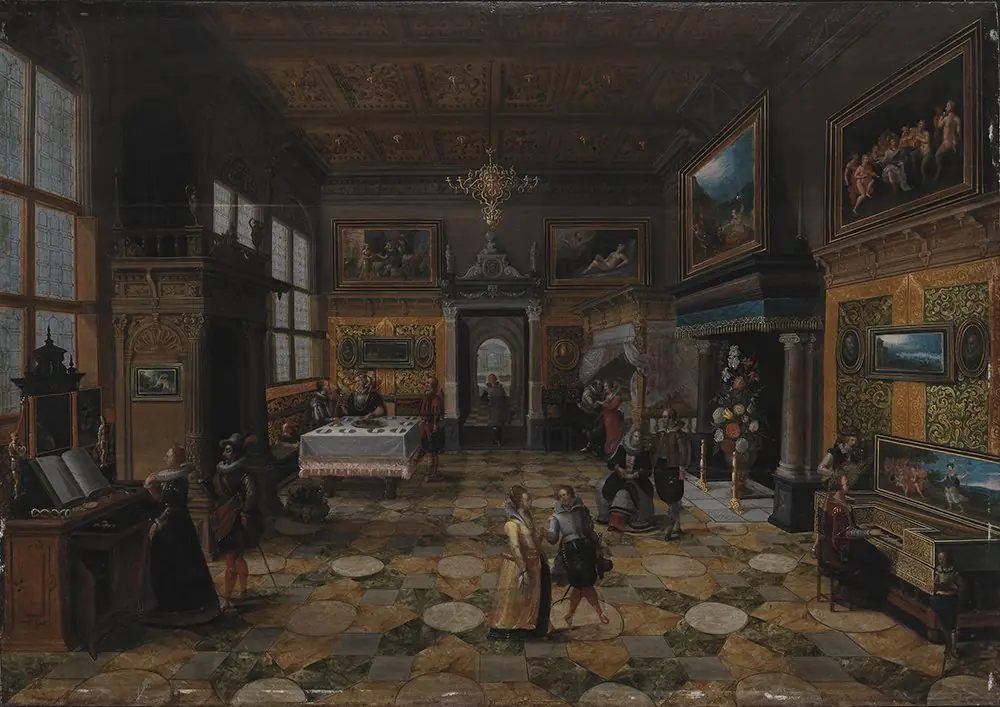 Party Scene
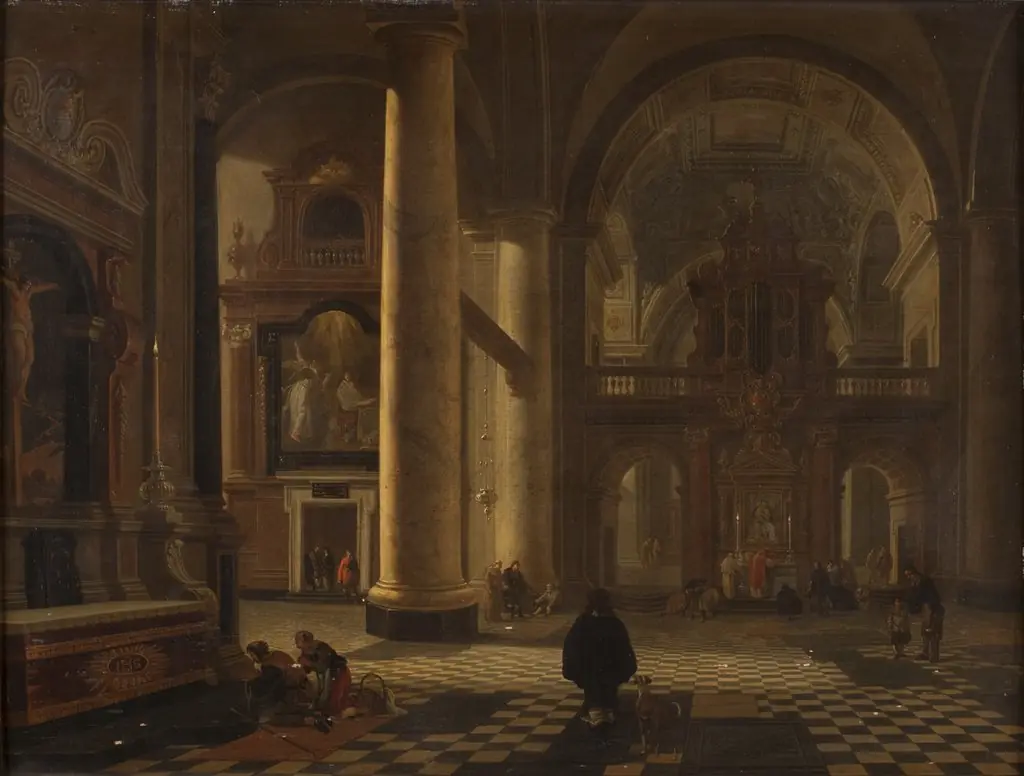 Interior of a Catholic Church