Artwork
Portrait of a man
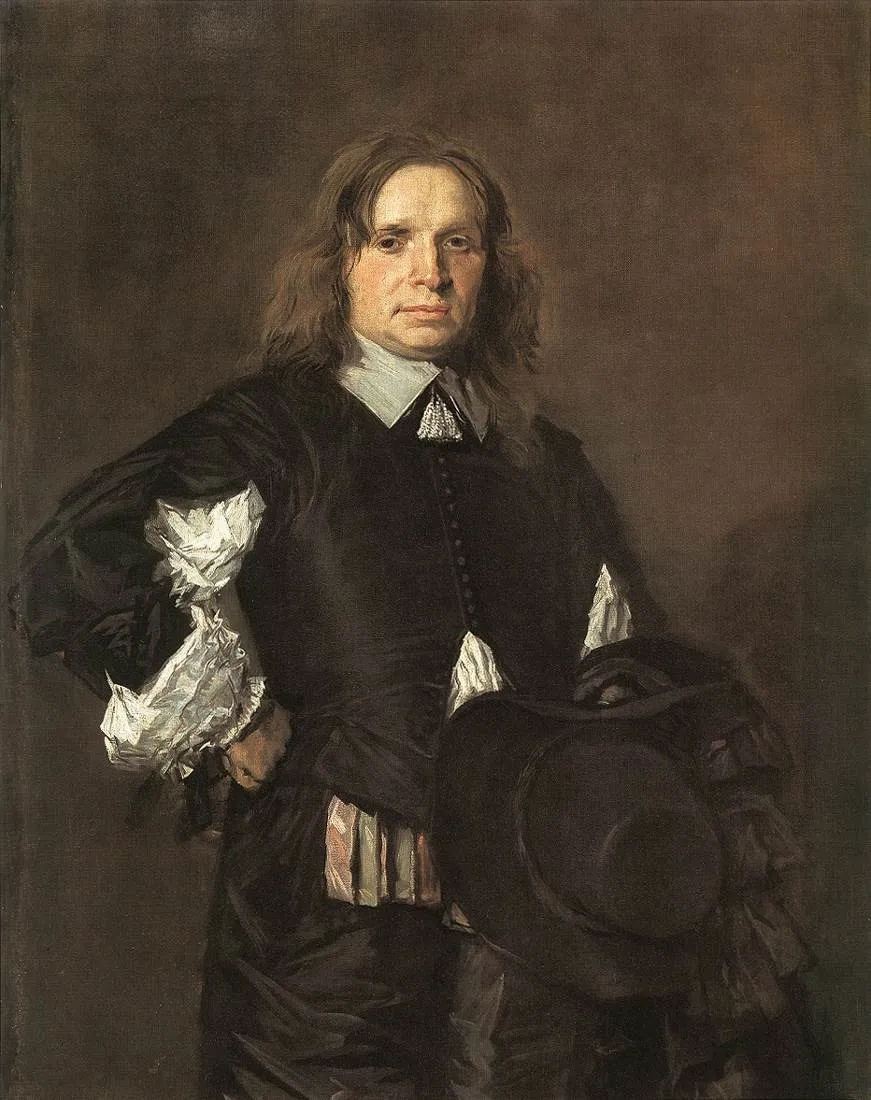
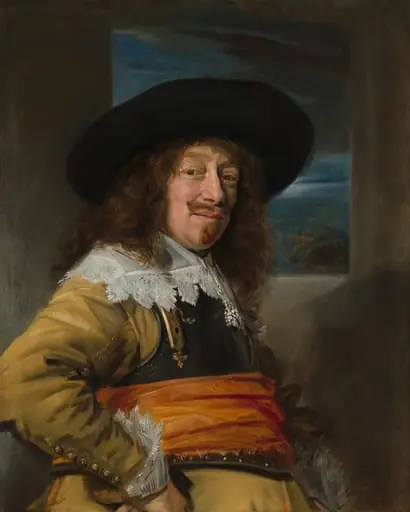
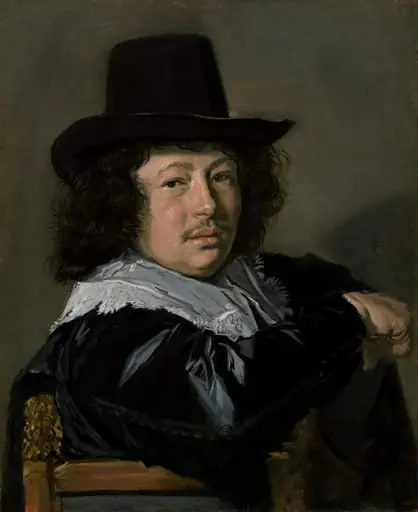
Portrait of a man is an oil painting by the Dutch Golden Age artist Frans Hals. It dates from 1650 and is held in the collection of the Metropolitan Museum of Art.
About this work
Subject & Meaning
The sitter, depicted without overt accessories, is presented with a direct gaze that suggests the sitter’s status within the urban bourgeoisie.
The painting, titled Portrait of a man, shows a solitary male sitter rendered in oil on canvas in 1650. Executed in Haarlem, the work belongs to the portrait genre and exemplifies the realistic treatment of facial expression and attire characteristic of mid‑seventeenth‑century Dutch portraiture. The sitter, depicted without overt accessories, is presented with a direct gaze that suggests the sitter’s status within the urban bourgeoisie.
As a portrait, the piece functions to record the individual’s appearance and, by extension, his social identity, reflecting the conventions of status representation in the Dutch Golden Age.
History & Provenance
The portrait is dated to 1650 by internal documentation, aligning with its classification as a mature work by Frans Hals during his Haarlem period. It entered the Metropolitan Museum of Art as part of its collection without a documented pre-19th-century provenance, indicating a modern acquisition history. The sitter’s identity remains unattributed, though the painting’s iconography and technique support its attribution to Hals and situate its creation in Haarlem around mid-century.
Overview
Frans Hals, a prominent Dutch Golden Age artist, executed this oil portrait of an unidentified man around 1650. The painting exemplifies the artist's characteristic approach to portraiture, capturing individual likenesses with a directness that distinguished his work. It is currently housed in the collection of The Metropolitan Museum of Art, representing a key example of 17th-century Dutch art.
Technique & Style
Hals employed a distinctive painterly technique, evident in the loose, visible brushstrokes that define the man's attire, particularly his coat and sleeves, creating a textured and dynamic surface. The artist utilized dramatic contrasts of light and shadow, known as chiaroscuro, to highlight the subject's face and hands, drawing the viewer's attention while allowing the background to recede into darkness. This approach lends the portrait a sense of vitality and presence.
Artist & collection
Artist
Frans Hals the Elder (UK: US:; Dutch:; c. 1582 – 26 August 1666) was a Dutch Golden Age painter. He lived and worked in Haarlem, a city in which the local authority of the day frowned on religious painting in places of…

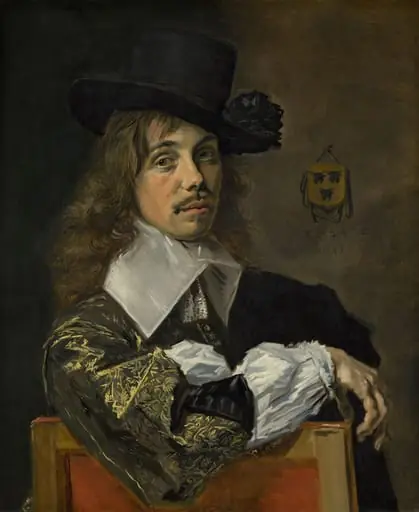
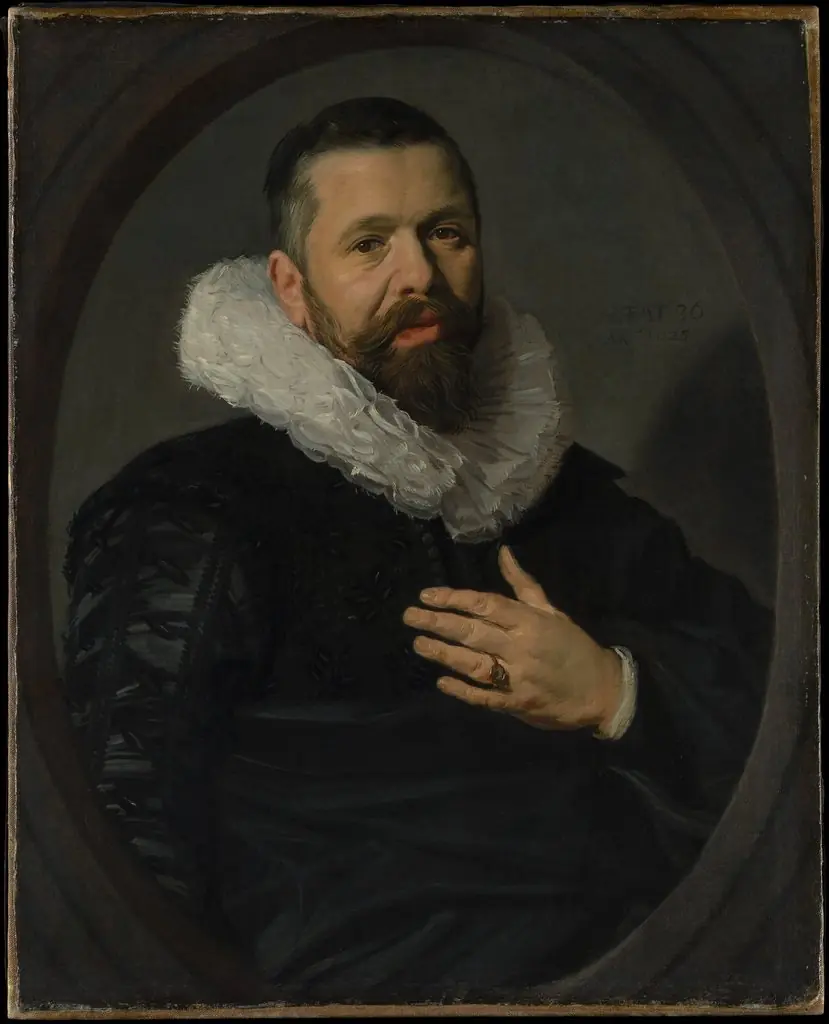
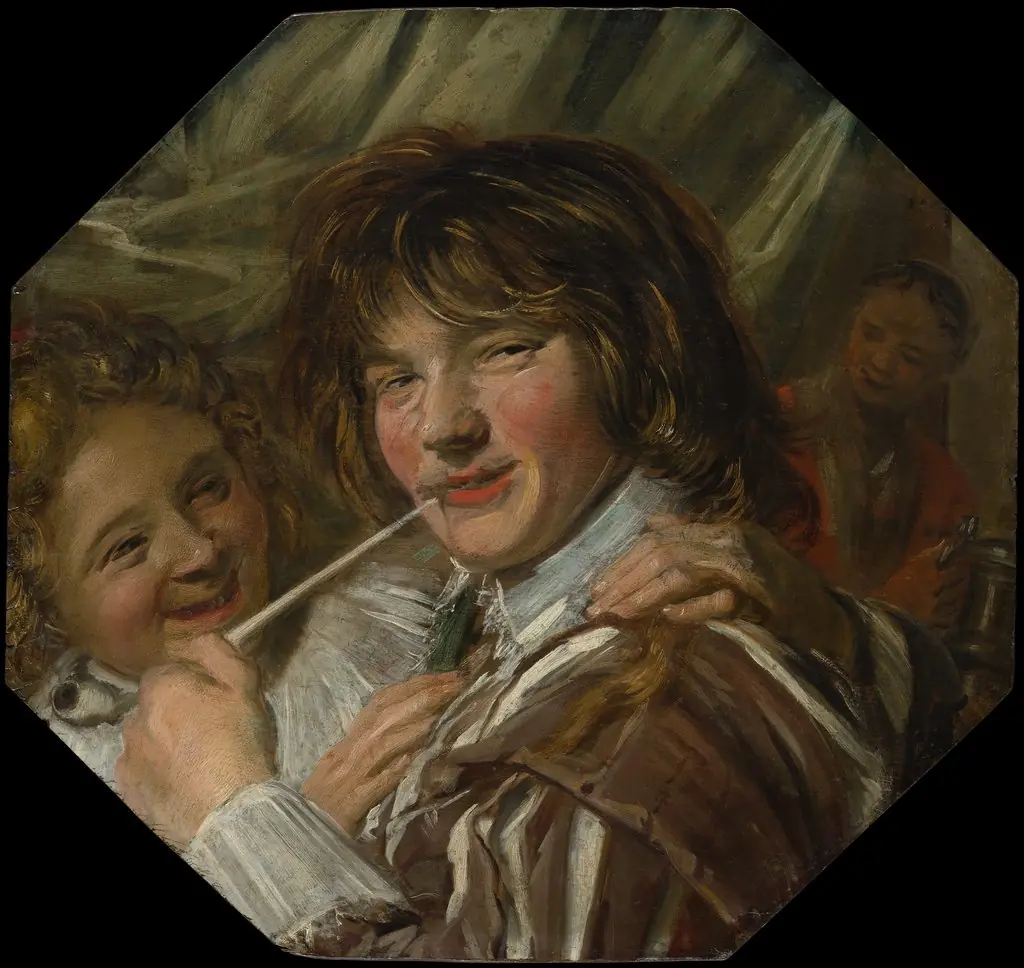
- Portrait of a man
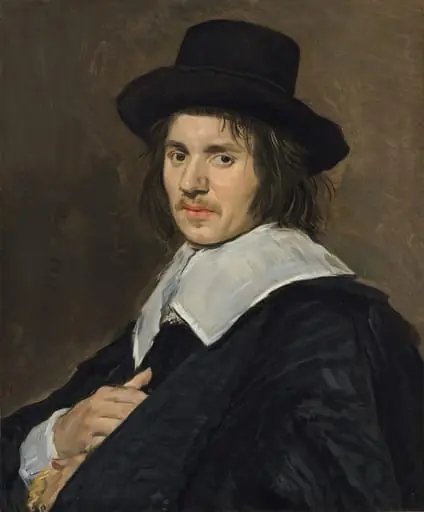 Portrait of a Man
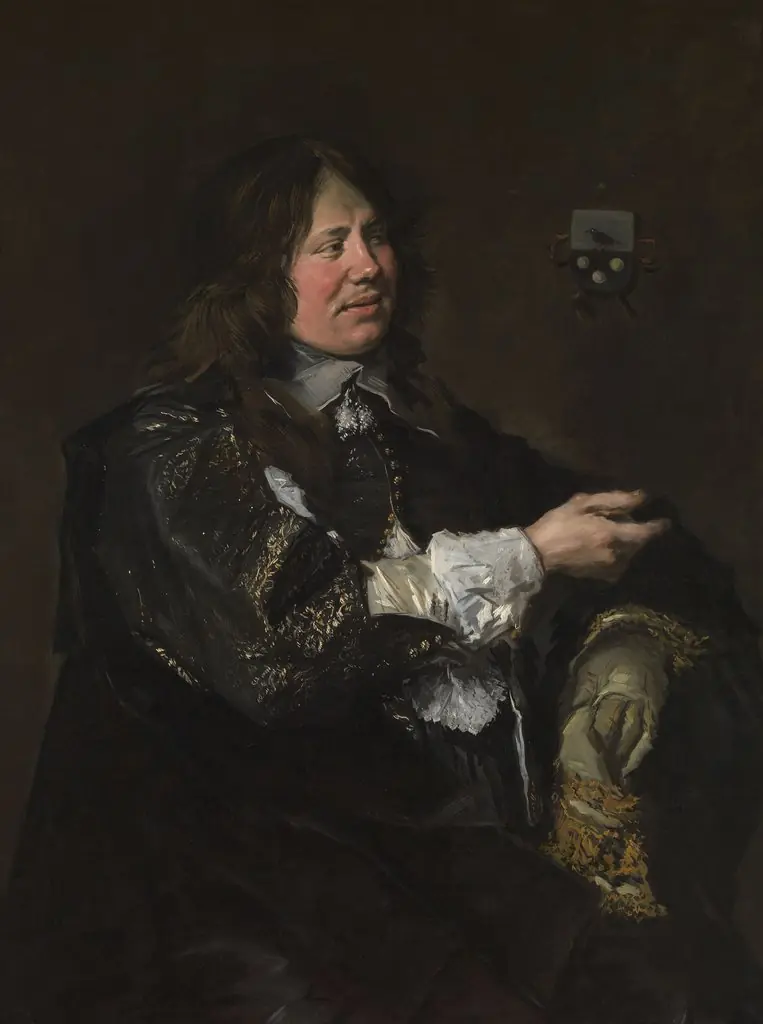 Stephanus Geeraerdts Alderman in Haarlem
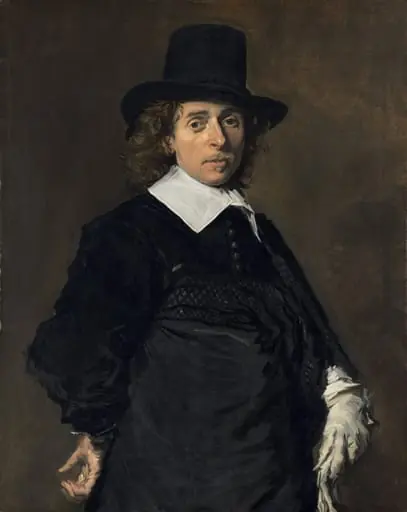 Adriaen van Ostade
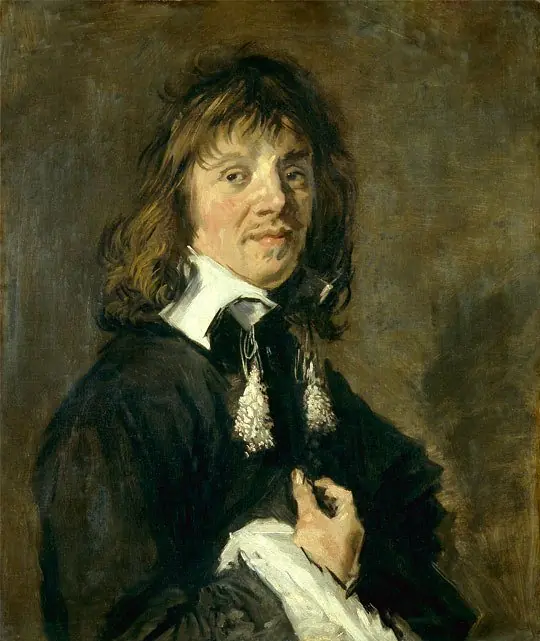 Portrait of a man
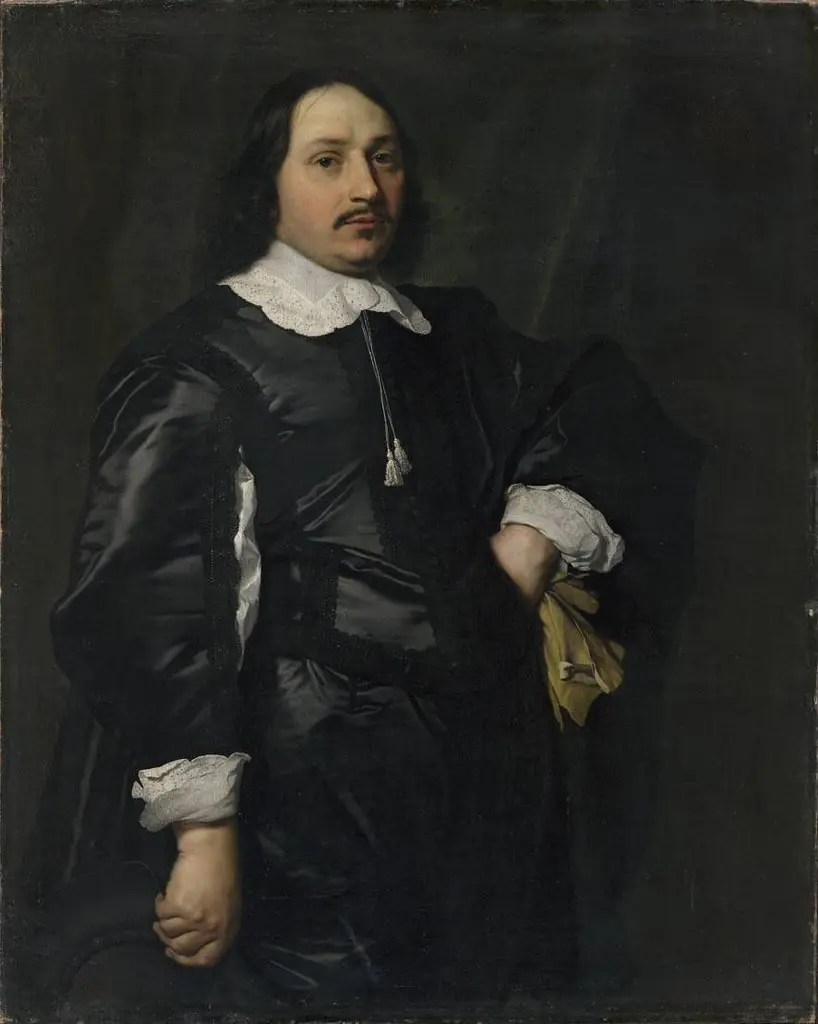 Portrait of a Man in Black
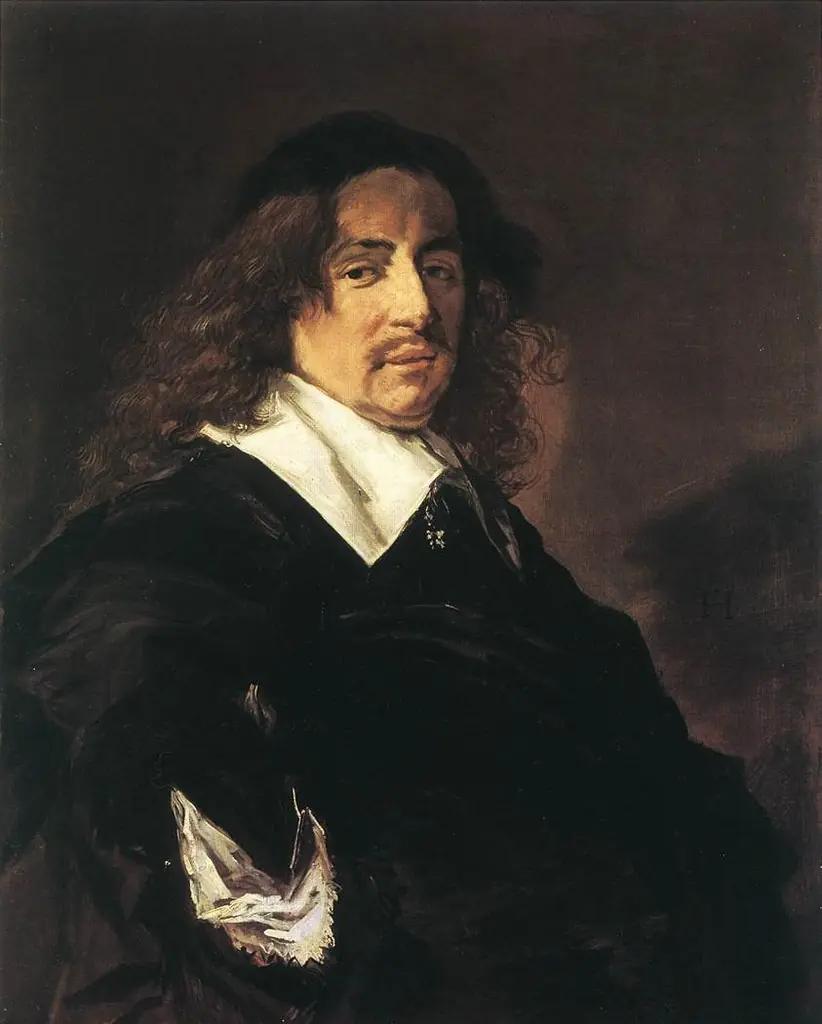 Portrait of a man with long hair and a mustache
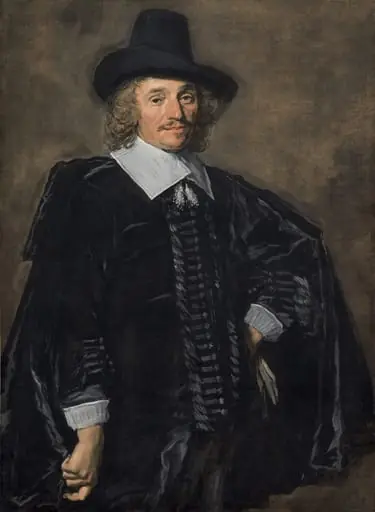 Portrait of a Gentleman
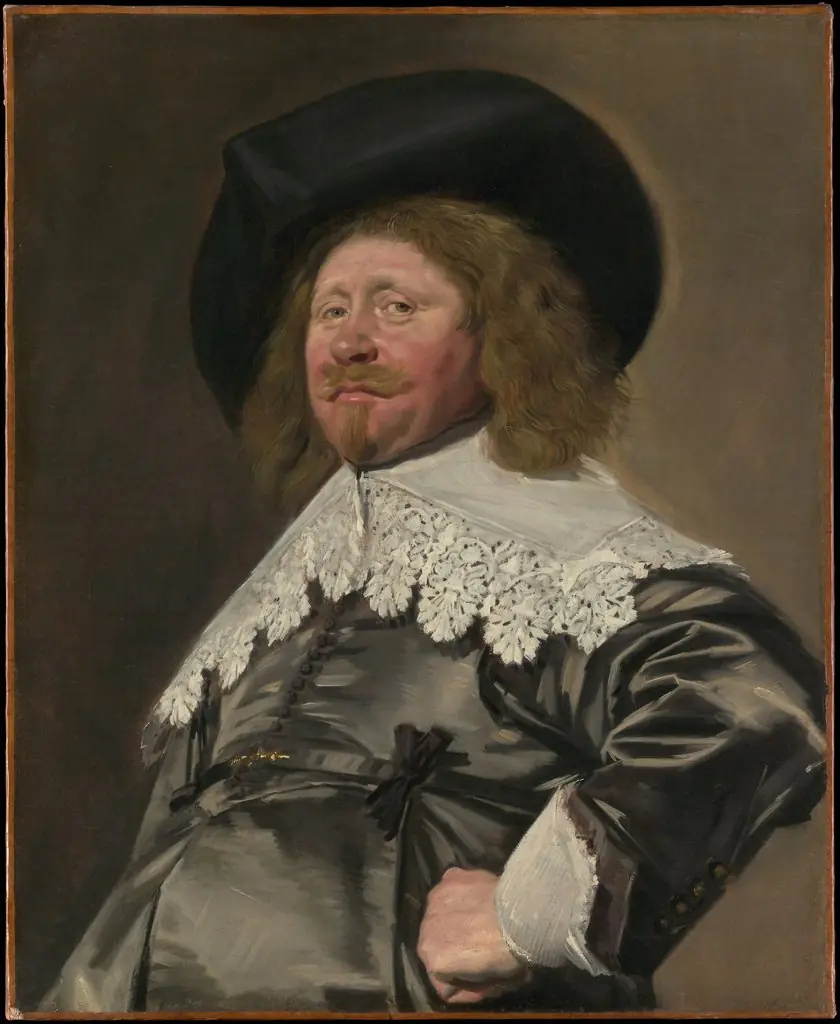 Portrait of Claes Duyst van Voorhout
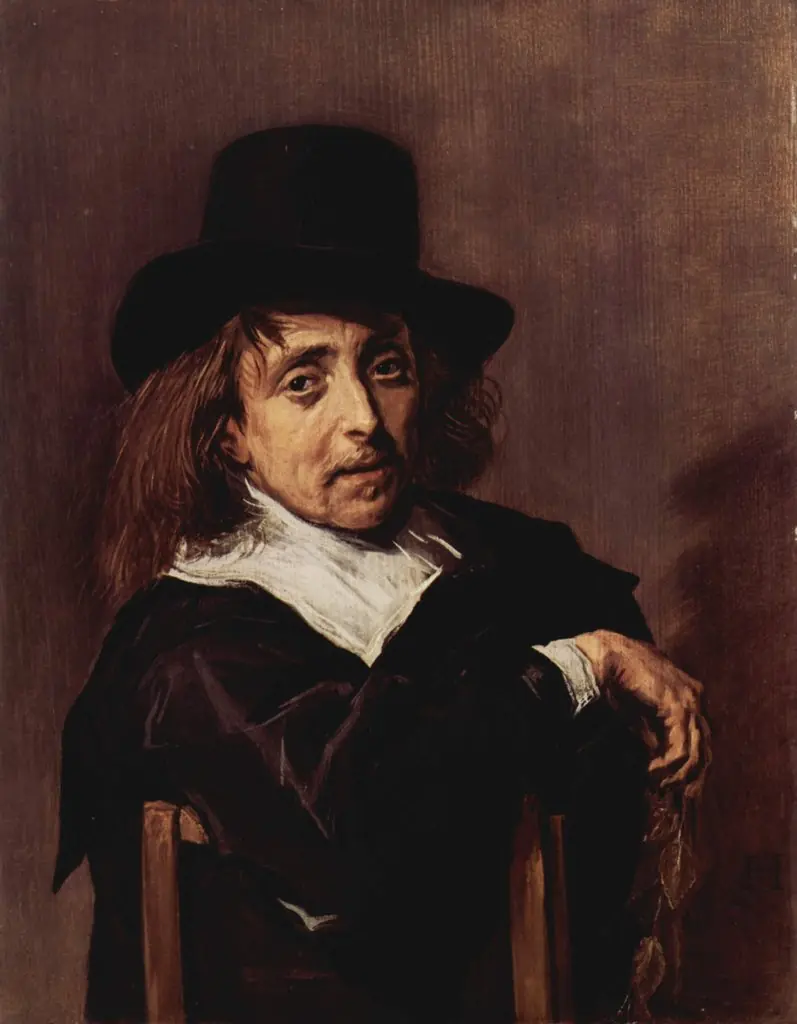 Portrait of a man
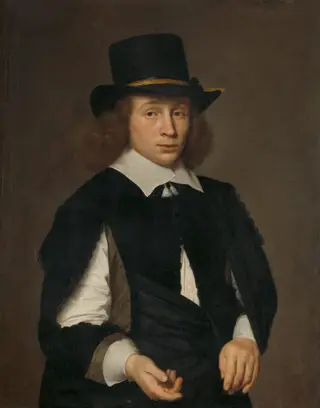 Portrait of Dirck Hendrick Meulenaer (1620-in or after 1649 ?)
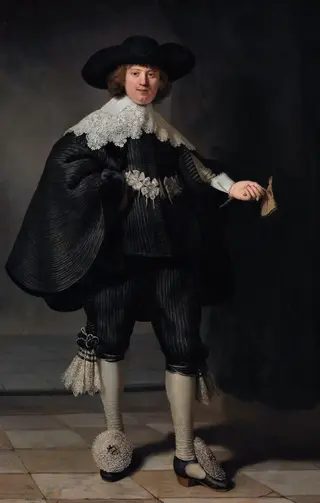 Portrait of Maerten Soolmans