Artwork
Adriaen van Ostade
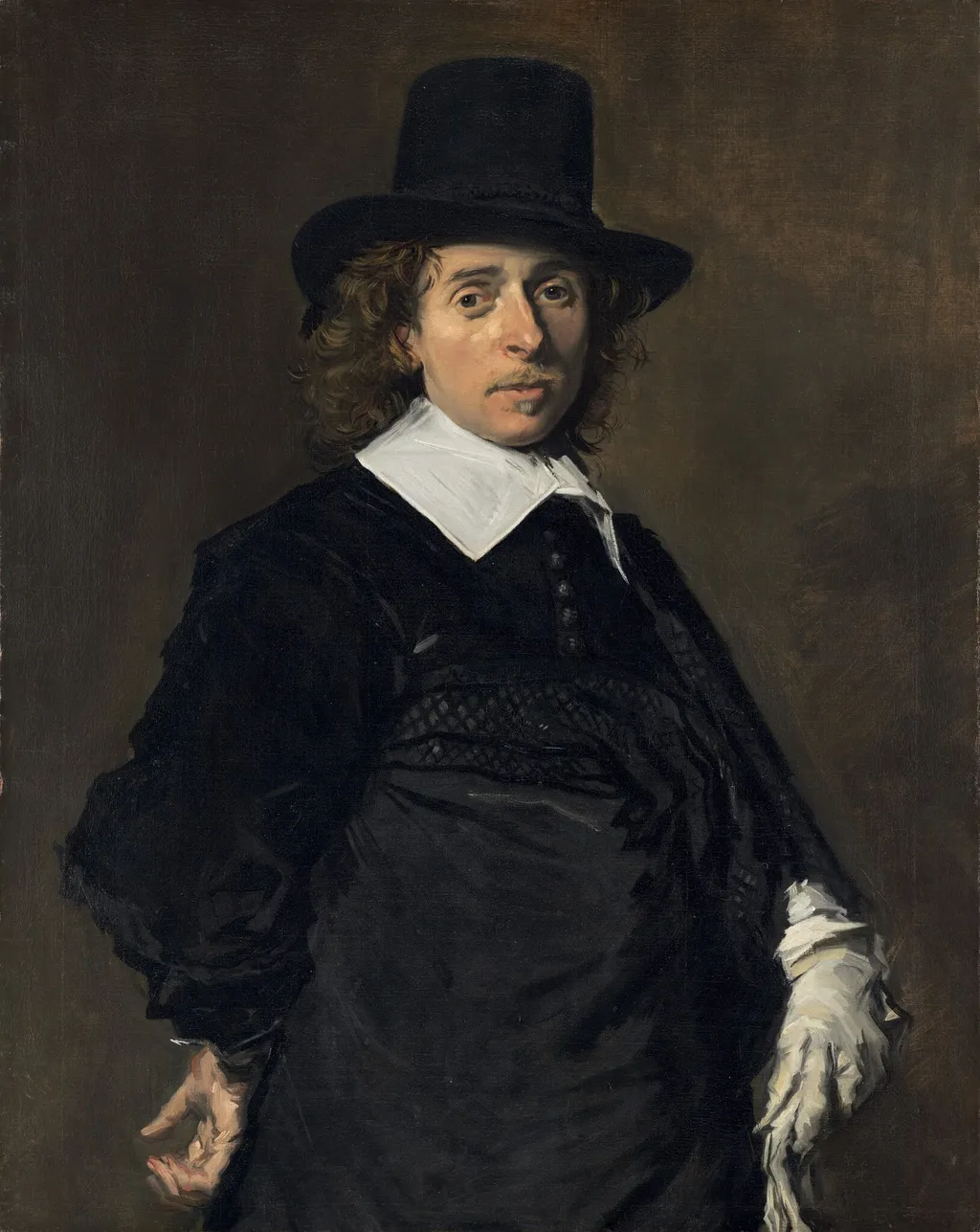
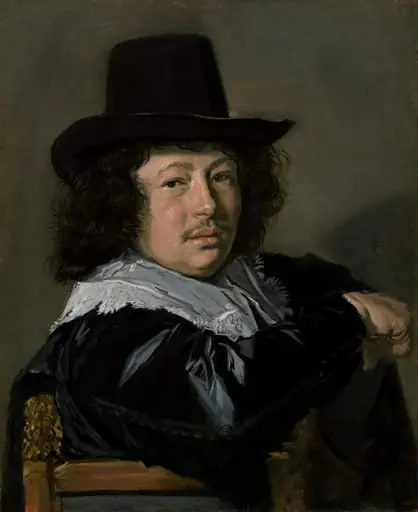
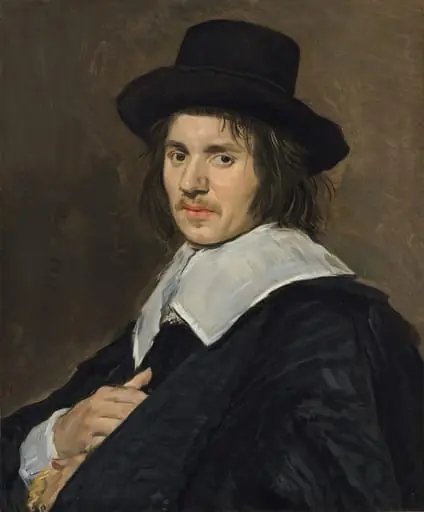
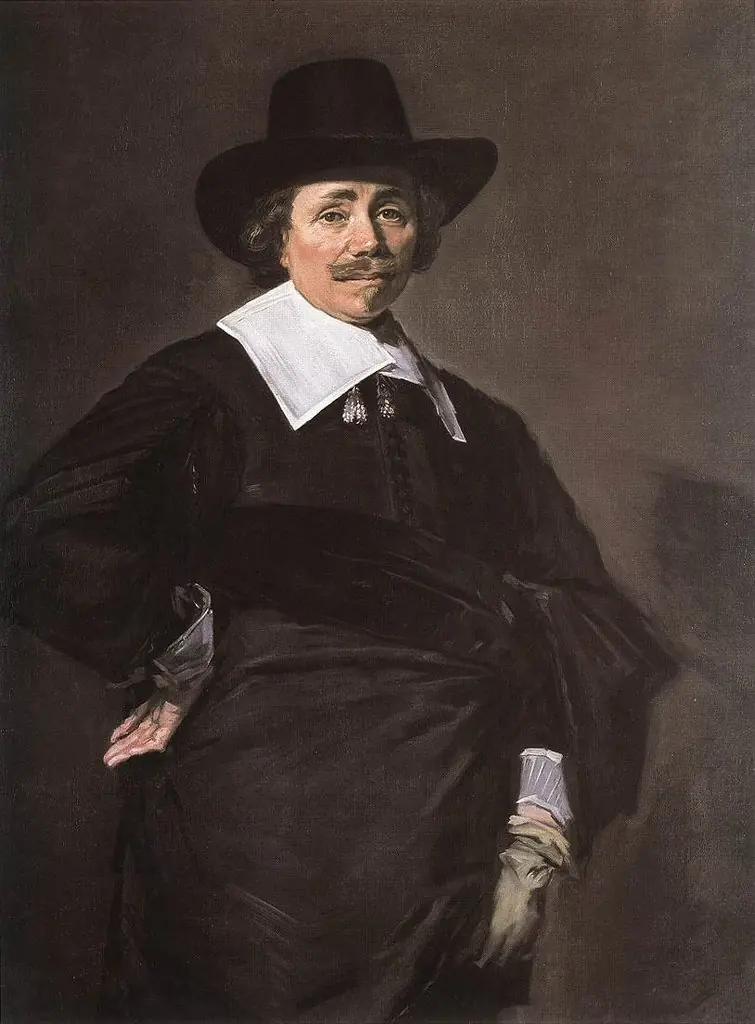
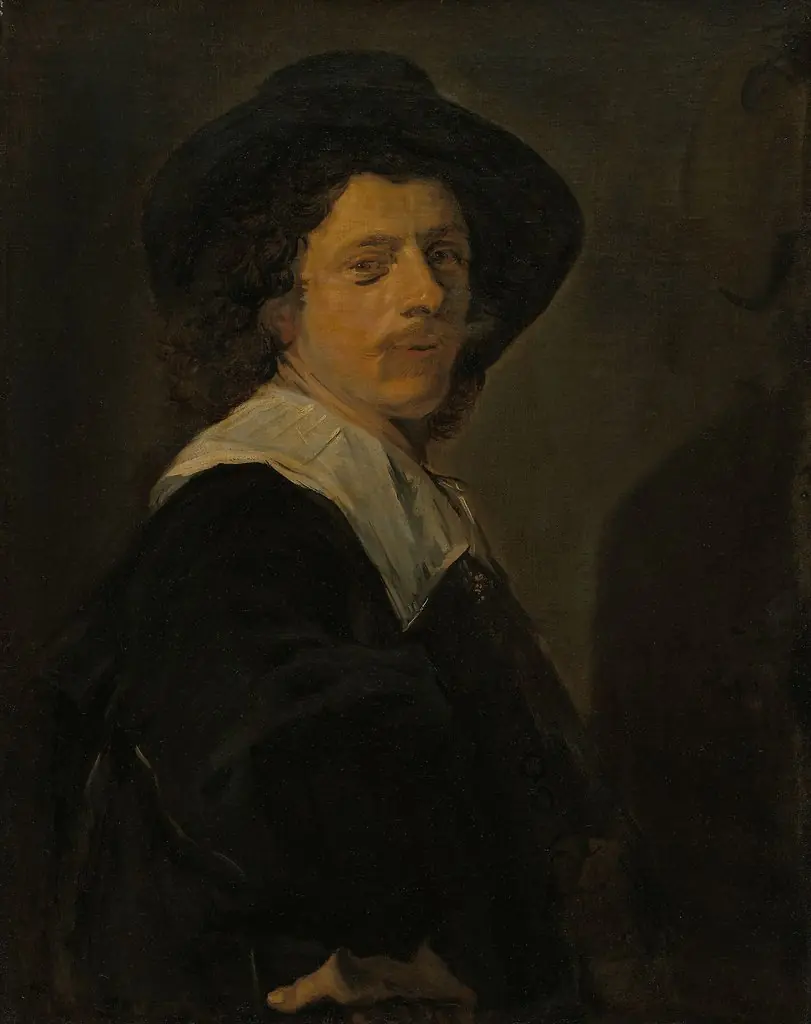
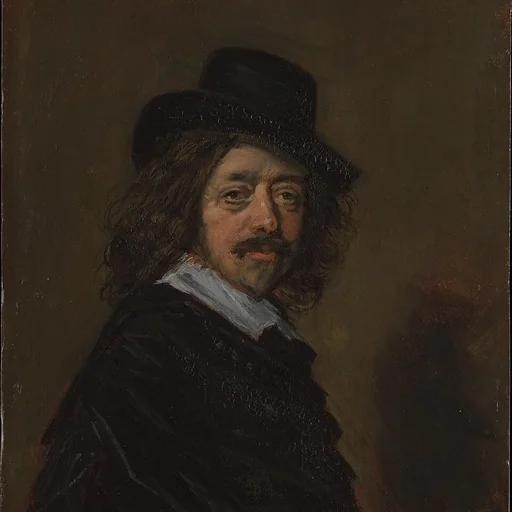
Adriaen van Ostade is an oil painting by the Baroque artist Frans Hals. It dates from 1647 and is held in the collection of the National Gallery of Art.
About this work
Subject & Meaning
The painting is a 1647 portrait by Frans Hals depicting Adriaen van Ostade, a fellow Dutch Golden Age painter known for his genre scenes.
The painting is a 1647 portrait by Frans Hals depicting Adriaen van Ostade, a fellow Dutch Golden Age painter known for his genre scenes. As a portrait it functions as a record of the sitter's appearance and social standing, typical of Dutch Golden Age depictions that combined realistic rendering with subtle indications of character and status. The work's composition, attire, and direct gaze convey a sense of individuality and civic pride, reflecting the cultural emphasis on personal reputation among the professional and merchant classes.
Legacy
The painting's journey from a 1919 London auction through joint dealer purchases to acquisition by Andrew W. Mellon and eventual donation to the National Gallery of Art illustrates its recognized stature in art historical discourse. Its inclusion in the Andrew W. Mellon collection and subsequent gift to the National Gallery of Art placed the work within a premier public collection, ensuring ongoing scholarly attention and exhibition. Documentation in the Getty Provenance Index and Wikidata entries underscores its documented legacy, while its attribution to Frans Hals has contributed to sustained appreciation of the piece as a representative example of 17th-century portraiture.
Overview
Frans Hals the Elder, a prominent painter of the Dutch Golden Age, completed Adriaen van Ostade in 1647. This oil-on-canvas work exemplifies the artist's renowned skill in portraiture, a genre for which he was highly sought after in Haarlem. The painting captures a specific individual, reflecting the period's cultural emphasis on depicting distinct human likenesses. It stands as a testament to the artistic flourishing characteristic of 17th-century Netherlands.
Technique & Style
Hals employed oil on canvas to achieve a detailed and realistic depiction of his subject. The artist meticulously rendered the man's facial features and the texture of his clothing, emphasizing an individualized likeness. This attention to detail, combined with a potential use of strong contrasts between light and shadow, contributes to the painting's lifelike quality and depth. Such techniques were characteristic of the period's emphasis on capturing the tangible world.
Context
Created during the Dutch Golden Age, a period of significant cultural and economic prosperity, this portrait reflects a burgeoning market for art. Wealthy burghers frequently commissioned portraits to document their status and identity, fostering a demand for skilled artists like Hals. The painting thus serves as an example of how art functioned within the social fabric of 17th-century Dutch society, catering to both personal commemoration and broader artistic appreciation.
Own this work as a print
Artist & collection
Artist
Frans Hals the Elder (UK: US:; Dutch:; c. 1582 – 26 August 1666) was a Dutch Golden Age painter. He lived and worked in Haarlem, a city in which the local authority of the day frowned on religious painting in places of…