Artwork
Portrait of a man, possibly Palamedes
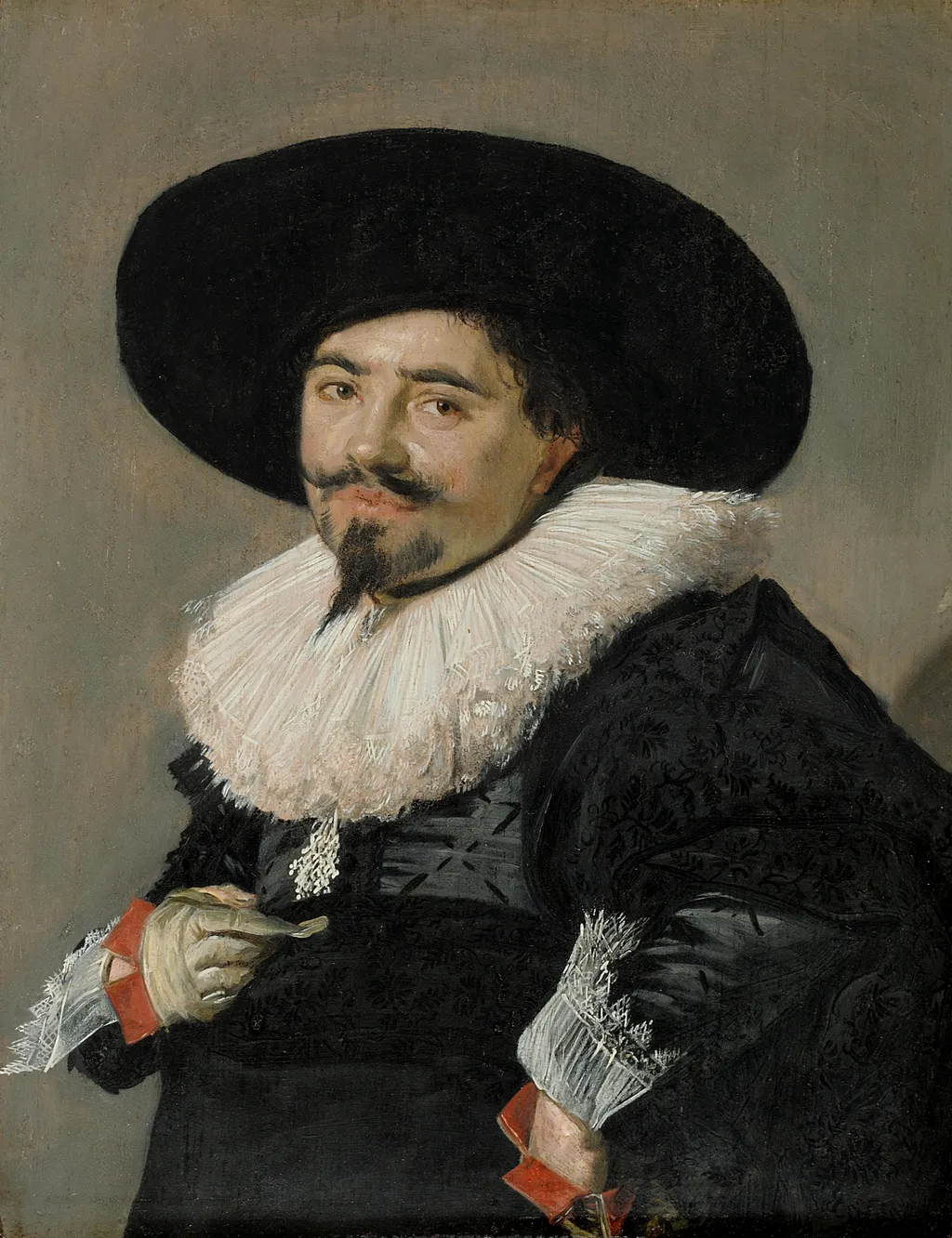
Portrait of a man, possibly Palamedes is an oil painting by the Dutch Golden Age artist Frans Hals. It dates from 1625 and is held in the collection of the Gemäldegalerie Berlin.
About this work
Overview
Portrait of a Man, Possibly Palamedes is an oil painting on oak panel by the Dutch Golden Age painter Frans Hals, executed in 1625 in Haarlem.
Portrait of a Man, Possibly Palamedes is an oil painting on oak panel by the Dutch Golden Age painter Frans Hals, executed in 1625 in Haarlem. Measuring 26.2 by 20 centimetres, this small-scale work is held in the collection of the Gemäldegalerie, Berlin. The painting exemplifies Hals's early portraiture, combining the formal conventions of Dutch elite portraiture with the lively, direct handling that would become his signature. Its tentative identification of the sitter as Palamedes Palamedesz., a fellow Haarlem artist, adds to its art-historical interest, though this attribution remains unproven.
Subject & Meaning
The sitter is depicted as a half-length figure turned three-quarters toward the viewer, a conventional pose in Dutch portraiture of the period. He wears a wide-brimmed black hat and an elaborate white ruffled collar that frames his face, while his dark clothing features subtle patterned texture with red cuffs and white lace trim at the wrists. His gloved right hand holds a thin object near his chest. The wide-brimmed hat functions as a common motif in contemporary Dutch portraiture, expressing authority or high social rank. The restrained palette of blacks, whites, grays, and touches of red against a neutral ground focuses attention on the sitter's face and bearing. The tentative identification as Palamedes Palamedesz., a Dutch painter, suggests the portrait may represent a fellow artist, a type of commission Hals undertook frequently in Haarlem.
Technique & Style
Hals painted the work in oil on oak panel, a support typical for Dutch cabinet portraits of this era. Light falls from the left, illuminating the collar, face, and hand while casting the hat and right shoulder in deep shadow, creating a dramatic chiaroscuro effect. The brushwork varies from smooth in the flesh tones to more visible, textured strokes in the lace and fabric, demonstrating Hals's characteristic fluency and his ability to suggest material richness through economical means. The flat, muted gray-brown background isolates the figure and concentrates attention on the sitter's presence. This combination of precise observation in the face with looser handling in costume elements would become a hallmark of Hals's mature style, contributing to the impression of immediacy and psychological penetration for which his portraits are celebrated.
History & Provenance
The painting was created in Haarlem in 1625, during a formative period in Hals's career when he was establishing himself as the leading portraitist of the city. The work is now in the Gemäldegalerie, Berlin, having entered the museum's collection through standard acquisition channels. Its accession and earlier provenance are not documented in the available sources. The painting has been exhibited and published as part of the Gemäldegalerie's holdings of Dutch Golden Age painting, one of the most significant collections of its kind outside the Netherlands.
Legacy
The painting's reputation rests on its attribution to Hals and its place within his early oeuvre. The work has been reproduced commercially as an art print, indicating its continued circulation in popular visual culture. Its presence in the Gemäldegalerie ensures its accessibility to scholars and the public, contributing to ongoing study of Hals's development and the broader field of Dutch portraiture. The tentative identification as Palamedes has kept the work within discussions of artist portraiture in the Dutch Republic, even as scholarly opinion remains divided. Like many of Hals's smaller portraits, it continues to attract interest for its technical bravura and the enduring mystery of its sitter's identity.
Own this work as a print
Artist & collection
Artist
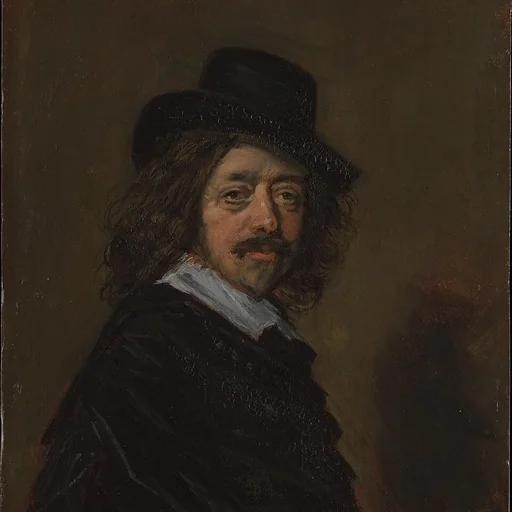
Frans Hals the Elder (UK: US:; Dutch:; c. 1582 – 26 August 1666) was a Dutch Golden Age painter. He lived and worked in Haarlem, a city in which the local authority of the day frowned on religious painting in places of…

- Portrait of Isaak Abrahamsz. Massa
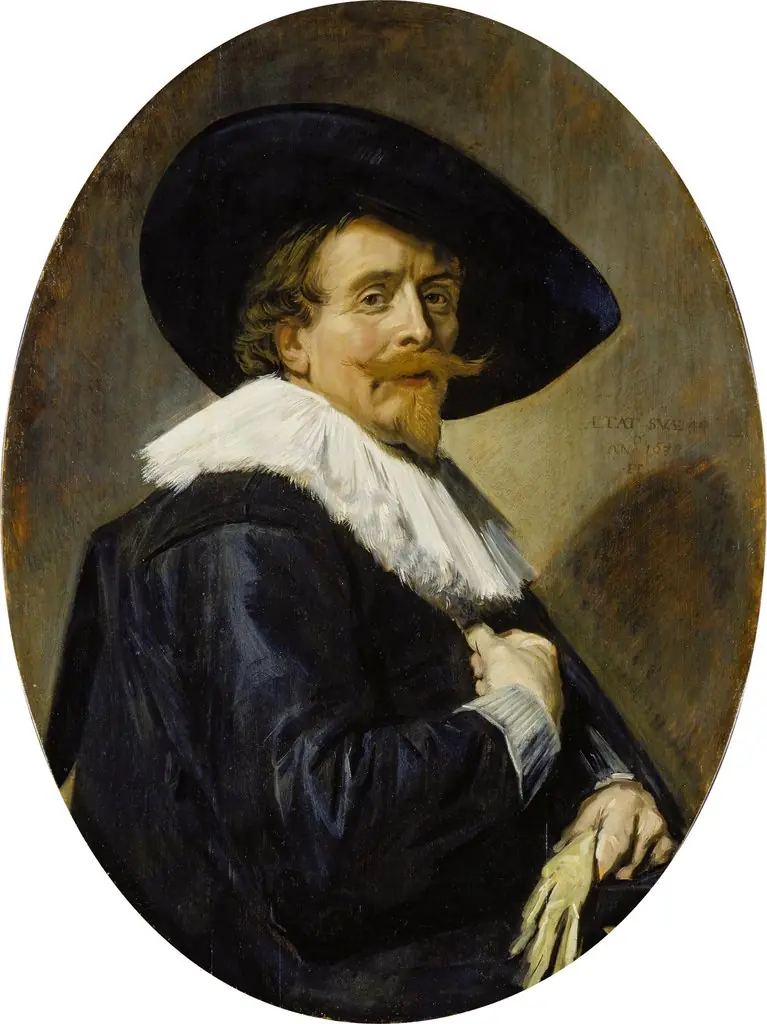 Portrait of a man aged 34
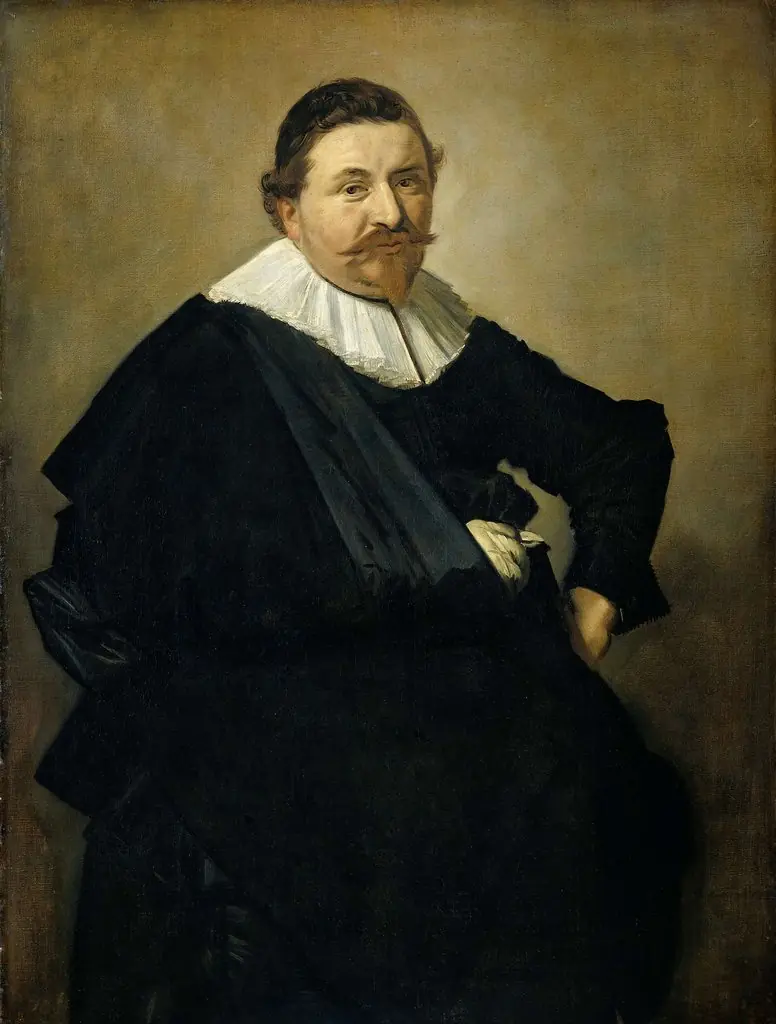 Portrait of Lucas de Clercq
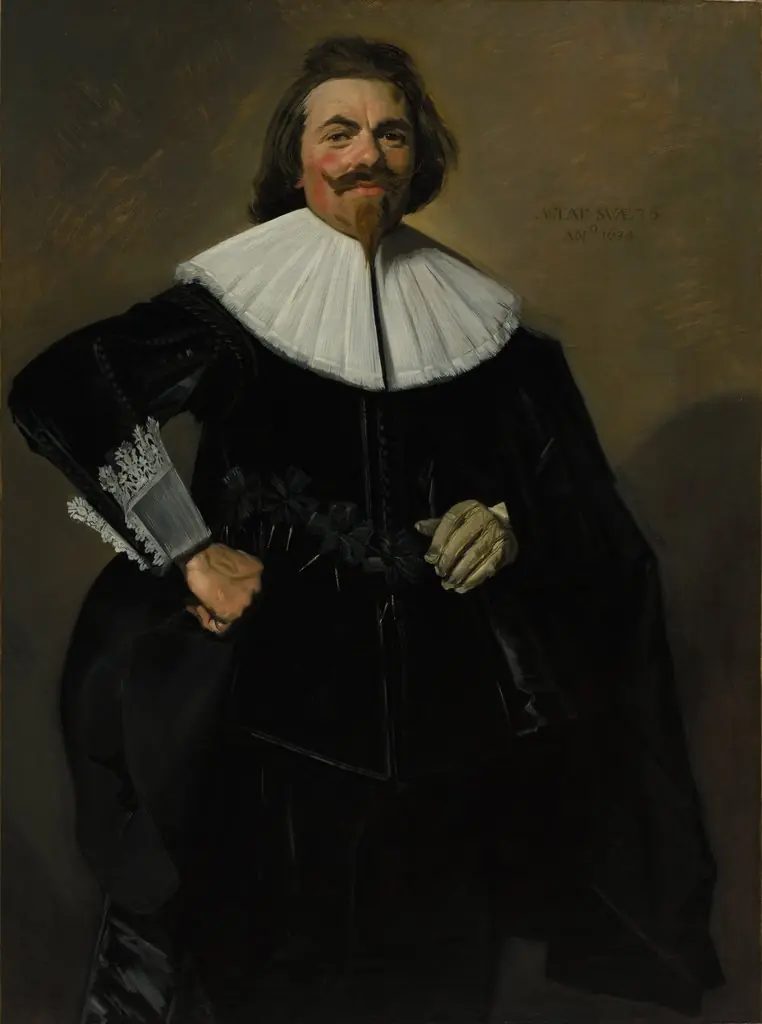 Portrait of Tieleman Roosterman
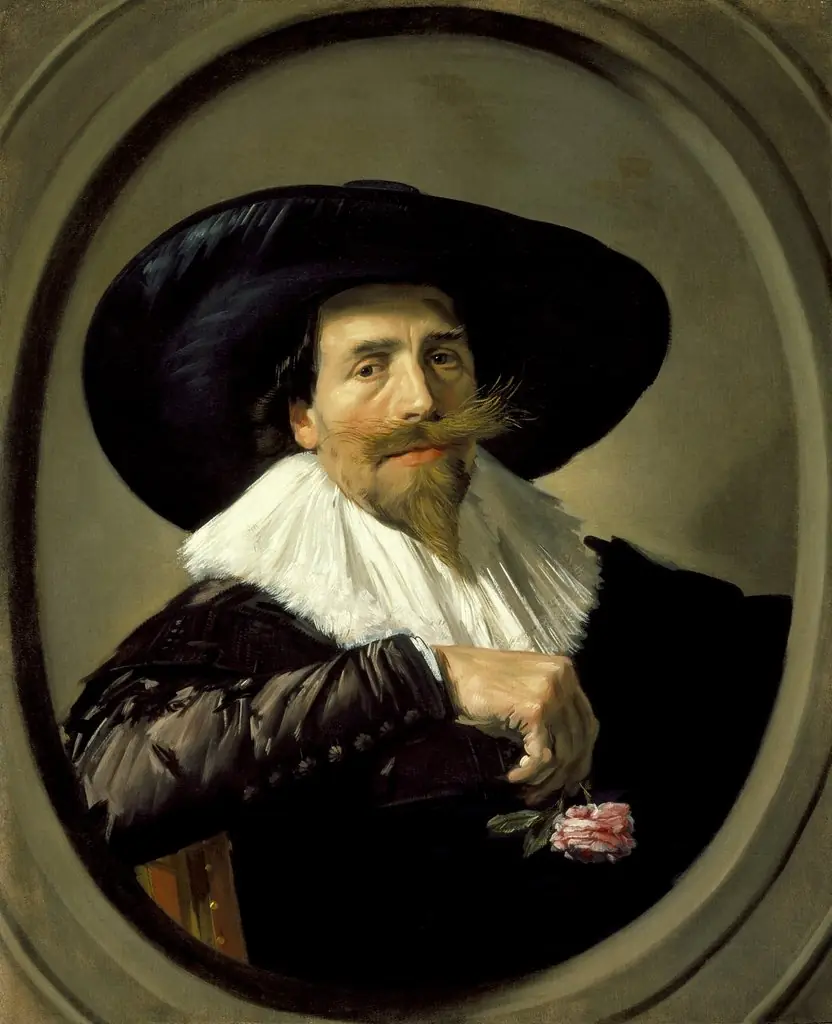 Portrait of Pieter Tjarck
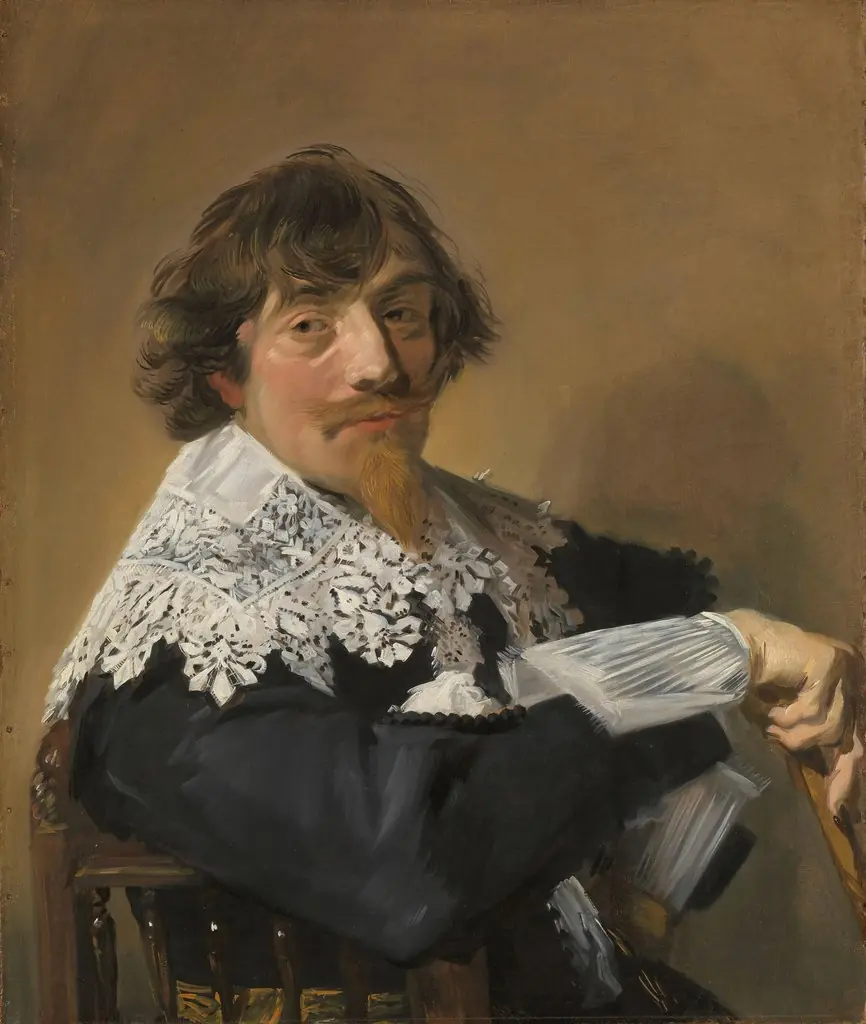 Portrait of Nicolaes Hasselaer (1593-1635)
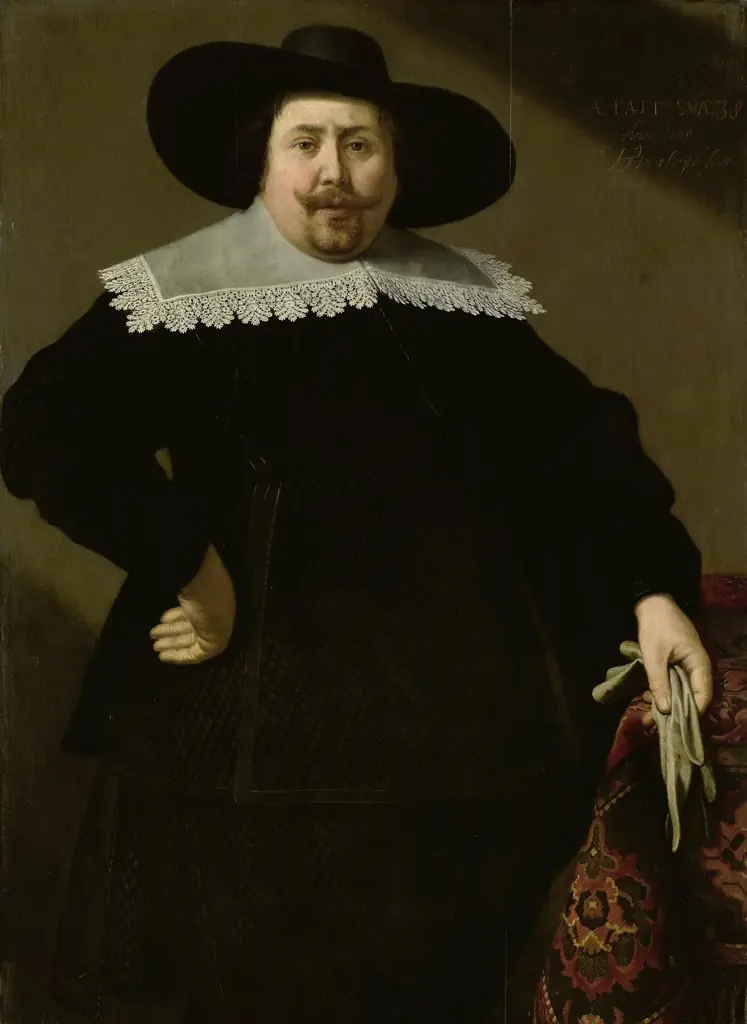 Portrait of Philips Denijs (1604-66)
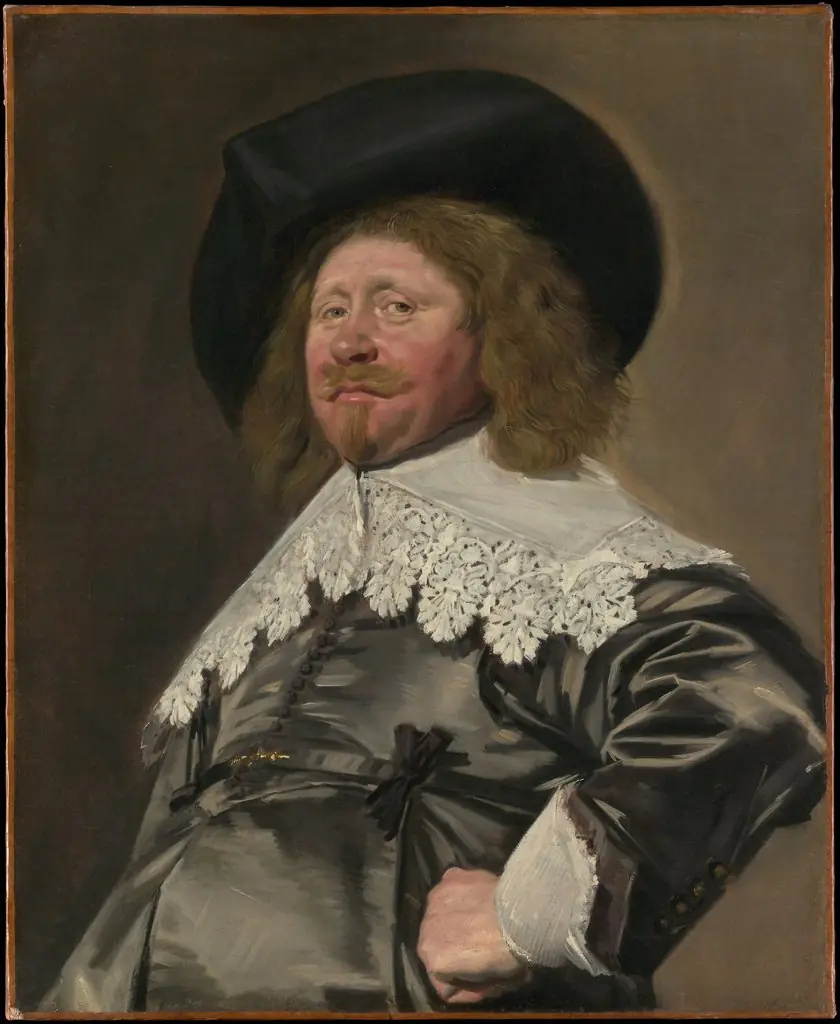 Portrait of Claes Duyst van Voorhout
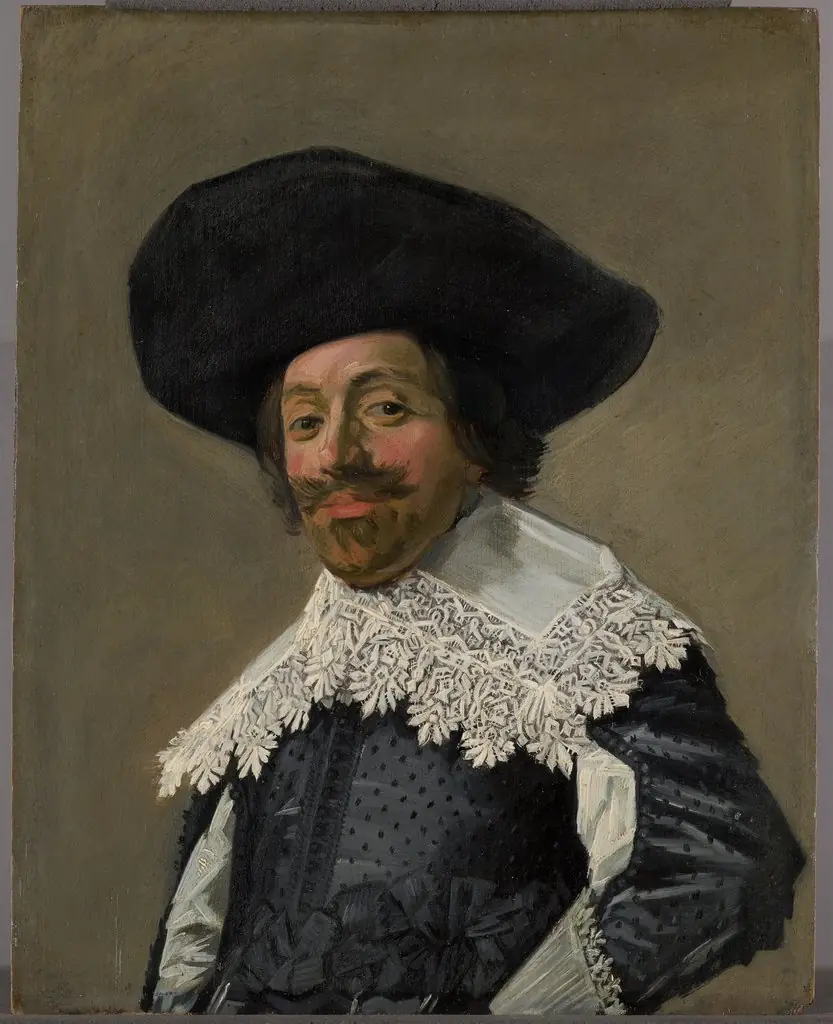 Portrait of a man with a hat
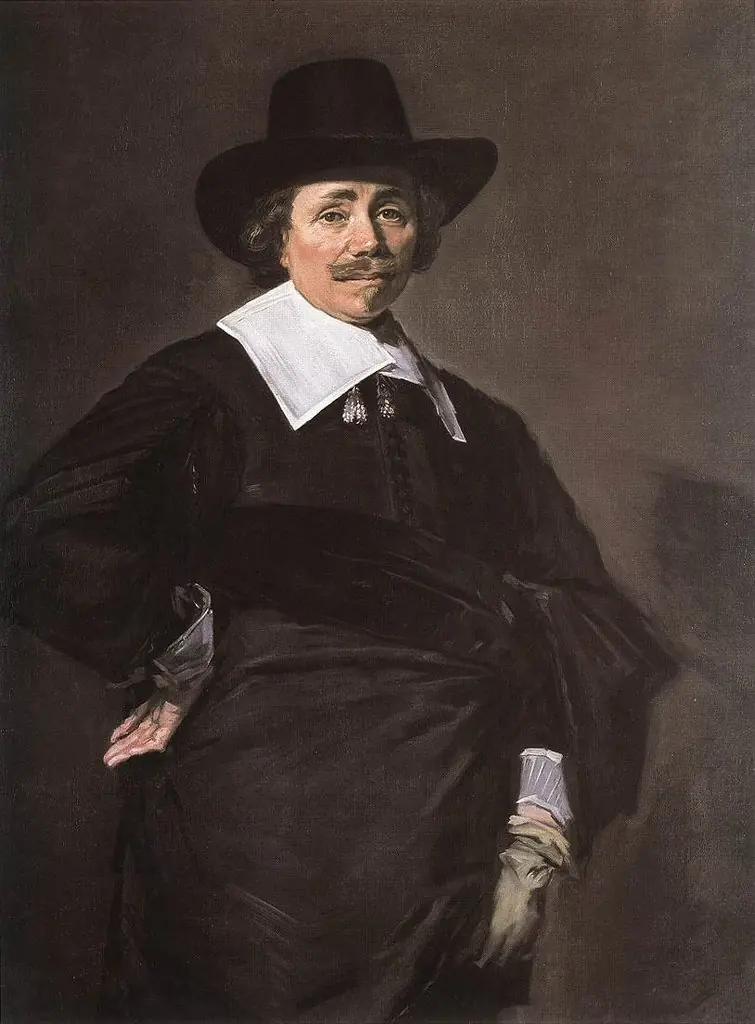 Portrait of a man
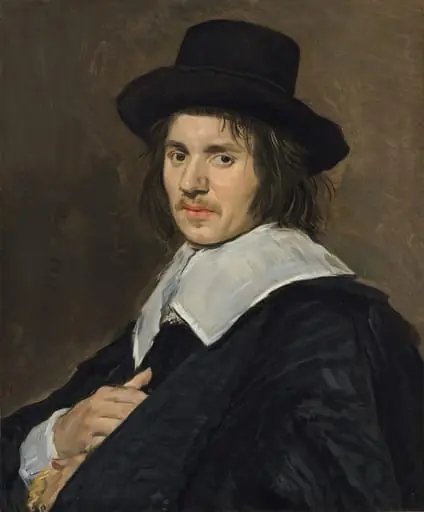 Portrait of a Man
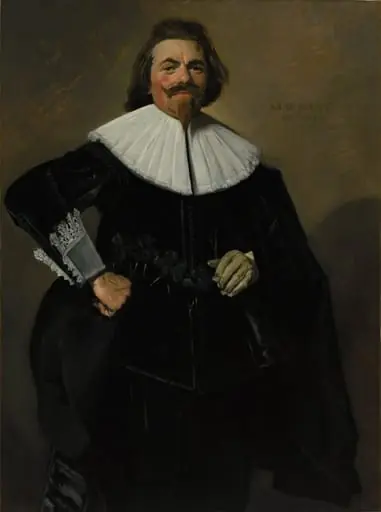 Portrait of Tieleman Roosterman