Artwork
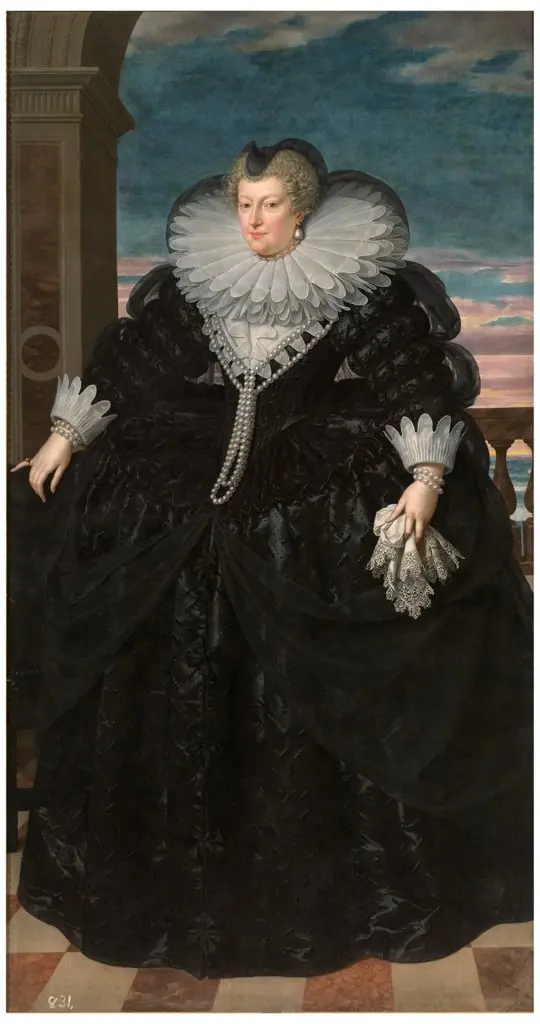
Erzherzogin Konstanze (1588-1631), Königin von Polen in schwarzem Kleid
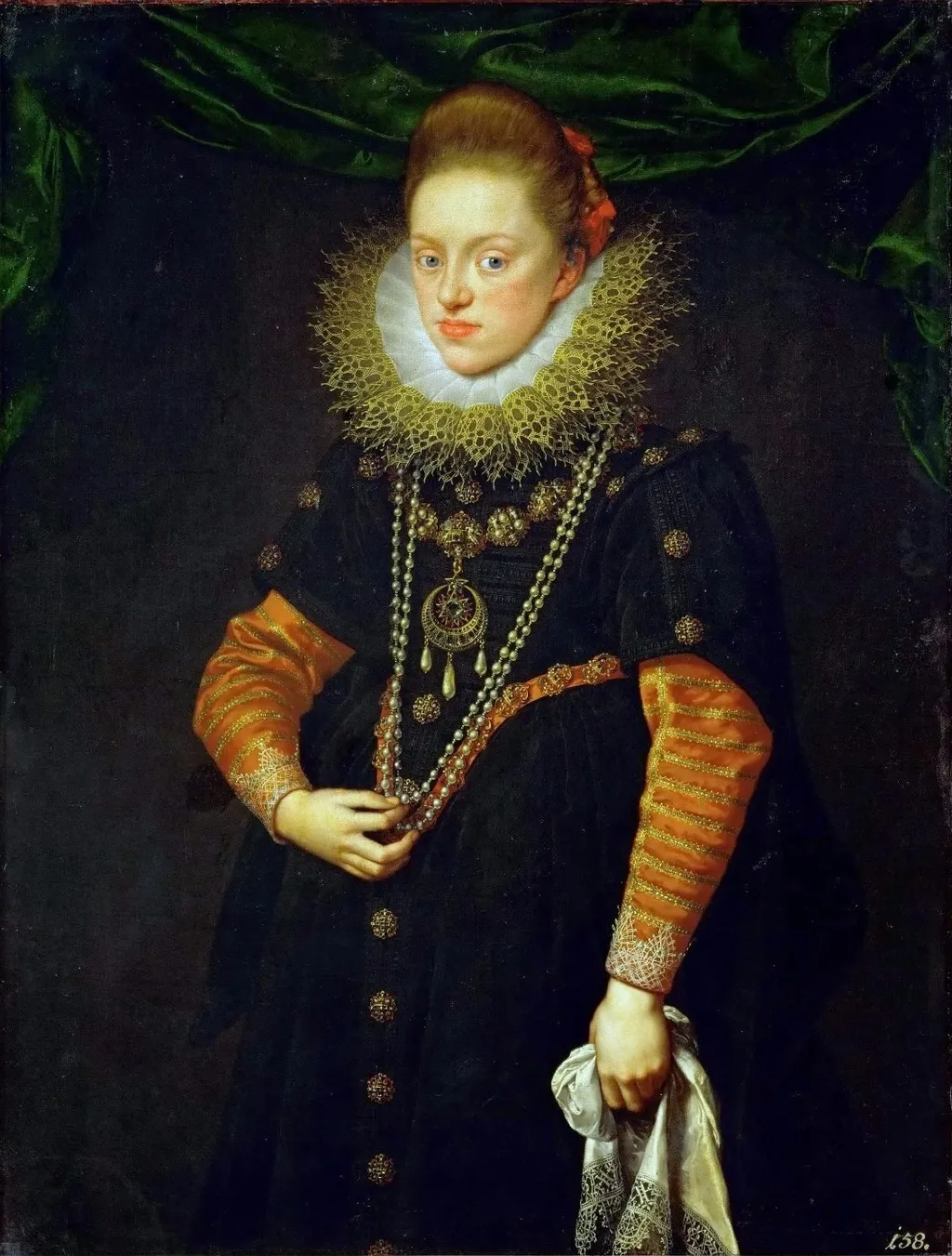
Erzherzogin Konstanze (1588-1631), Königin von Polen in schwarzem Kleid is an oil painting by the Flemish Baroque painting artist Frans Pourbus, the Younger. It dates from 1603 and is held in the collection of the Kunsthistorisches Museum.
About this work
Subject & Meaning
The portrait depicts Constance of Austria (1588–1631), who became Queen of Poland through her marriage to Sigismund III Vasa in 1605.
The portrait depicts Constance of Austria (1588–1631), who became Queen of Poland through her marriage to Sigismund III Vasa in 1605. Painted in 1603 by Frans Pourbus the Younger, the work presents her in formal attire, wearing a black dress that signals courtly mourning or solemnity, a convention in elite portraiture of the period. The somber palette and composed demeanor emphasize her royal status and gravitas, aligning with the ceremonial portrait tradition for European queens of her time.
Technique & Style
The portrait is executed in oil paint on canvas, measuring 114 by 87 centimeters. It depicts Constance of Austria, an archduchess of Austria and queen consort of Poland, rendered in a formal courtly style characteristic of early 17th-century portraiture. The work is housed in the Kunsthistorisches Museum in Vienna and is classified as a portrait from 1603.
Overview
This 1603 oil painting by Frans Pourbus the Younger portrays Constance of Austria (1588-1631), Queen of Poland, in a somber yet richly detailed attire. The work exemplifies the Flemish Baroque style, characteristic of Pourbus's royal portraits.
History & Provenance
Created during Pourbus's tenure as a court painter to various European nobles, this painting is now part of the Kunsthistorisches Museum's collection. Pourbus's career spanned service to the Archdukes of Brussels, the Gonzaga Duke of Mantua, and the French court.
Context
As a Flemish Baroque portrait, it aligns with the era's emphasis on realism, detail, and the depiction of power. Pourbus's work for multiple European courts situates the painting within a broader tradition of cross-border artistic patronage in early 17th-century Europe.
Legacy
While specific legacy details of this piece are not highlighted, it contributes to the broader appreciation of Pourbus's contribution to Flemish Baroque portraiture and the visual heritage of European royal courts of the time.
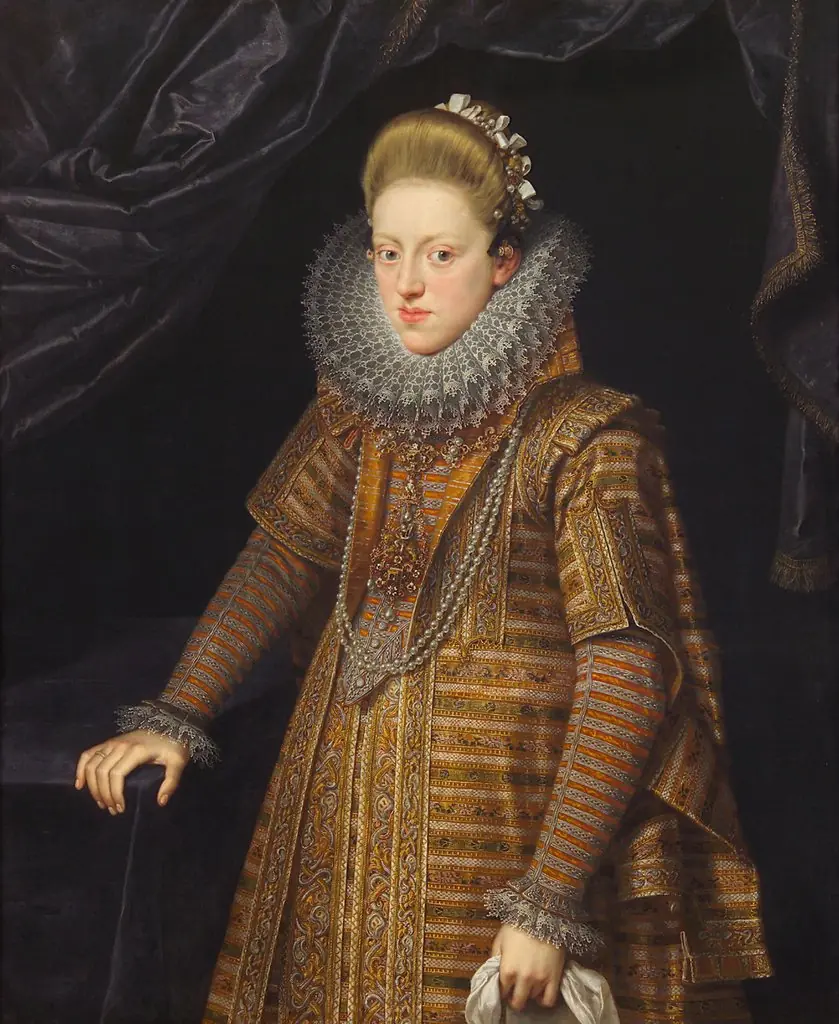
Artist & collection
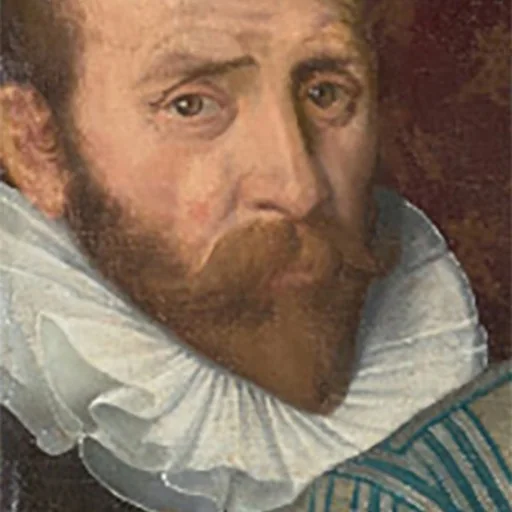
Artist
Frans Pourbus the Younger or Frans Pourbus (II) (Antwerp, 1569 – Paris, 1622) was a Flemish painter, specialised in portrait painting.

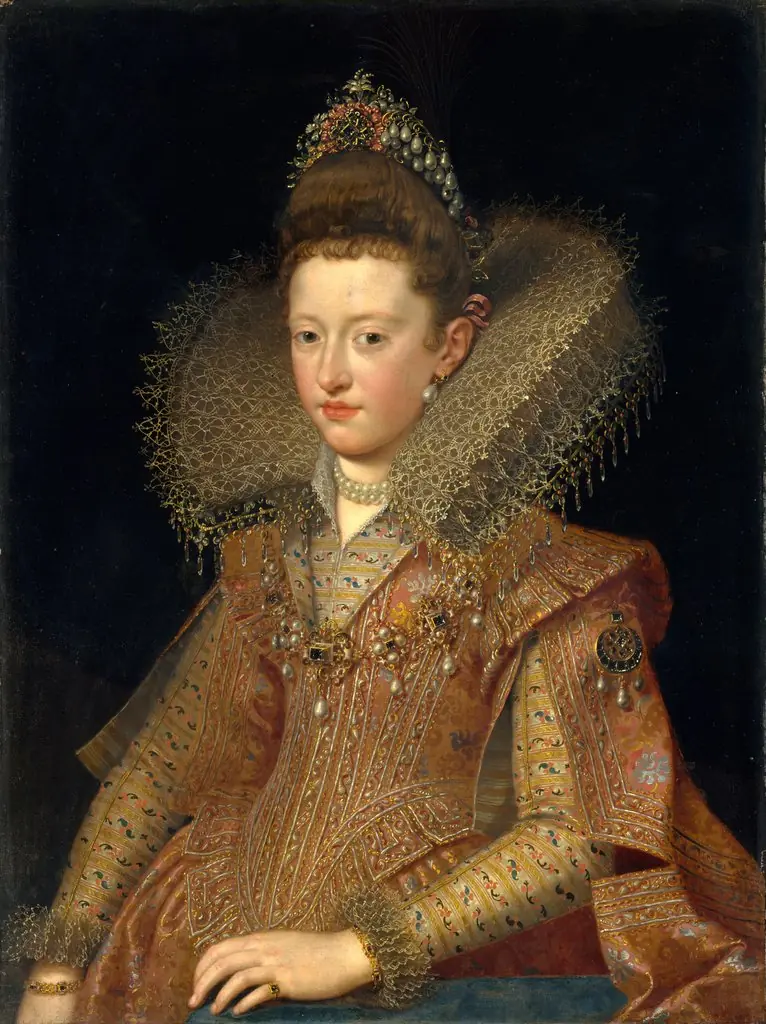
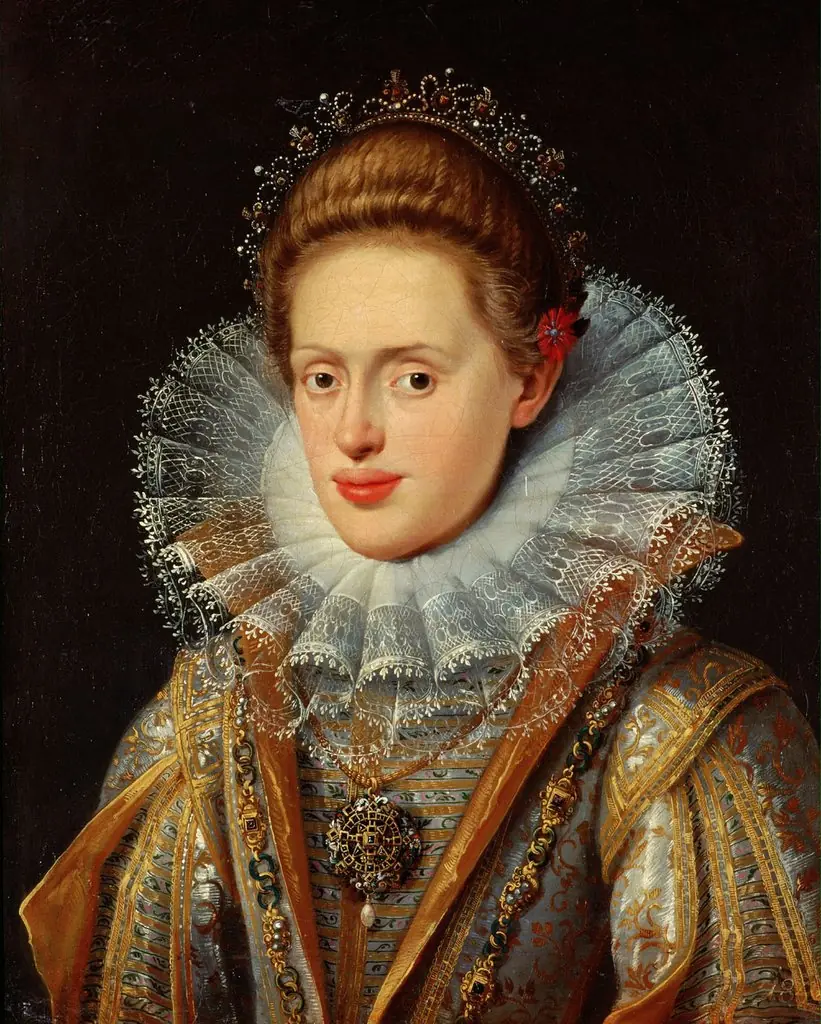 Erzherzogin Anna (1585-1618), Gemahlin von Kaiser Matthias und Tochter von Erzherzog Ferdinand II., Landesfürst von Tirol; Brustbild
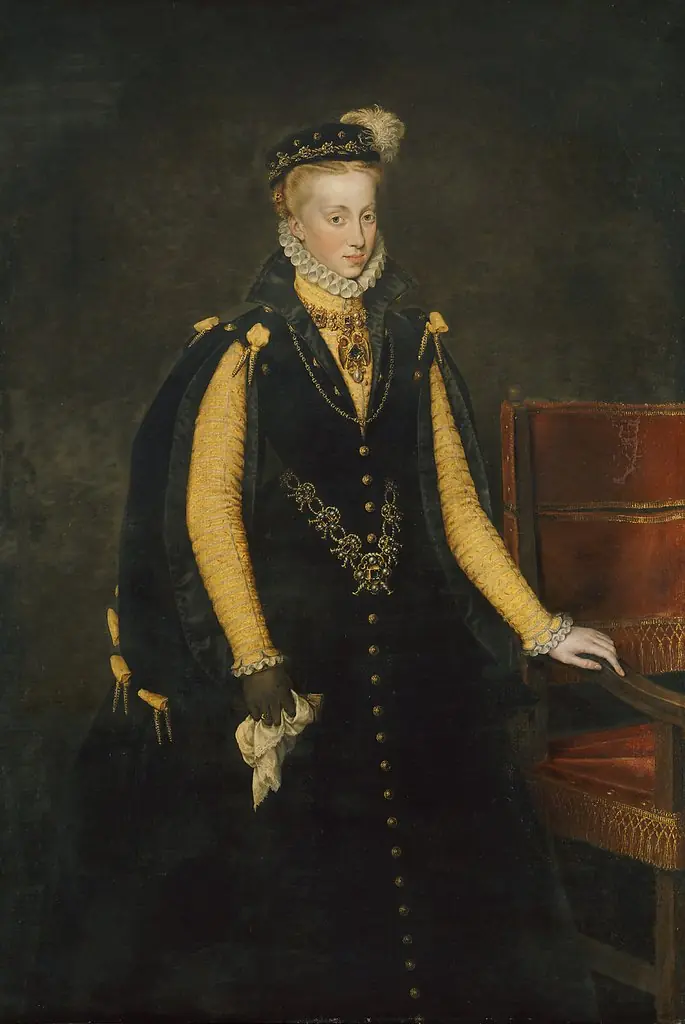 Anna von Österreich, Königin von Spanien
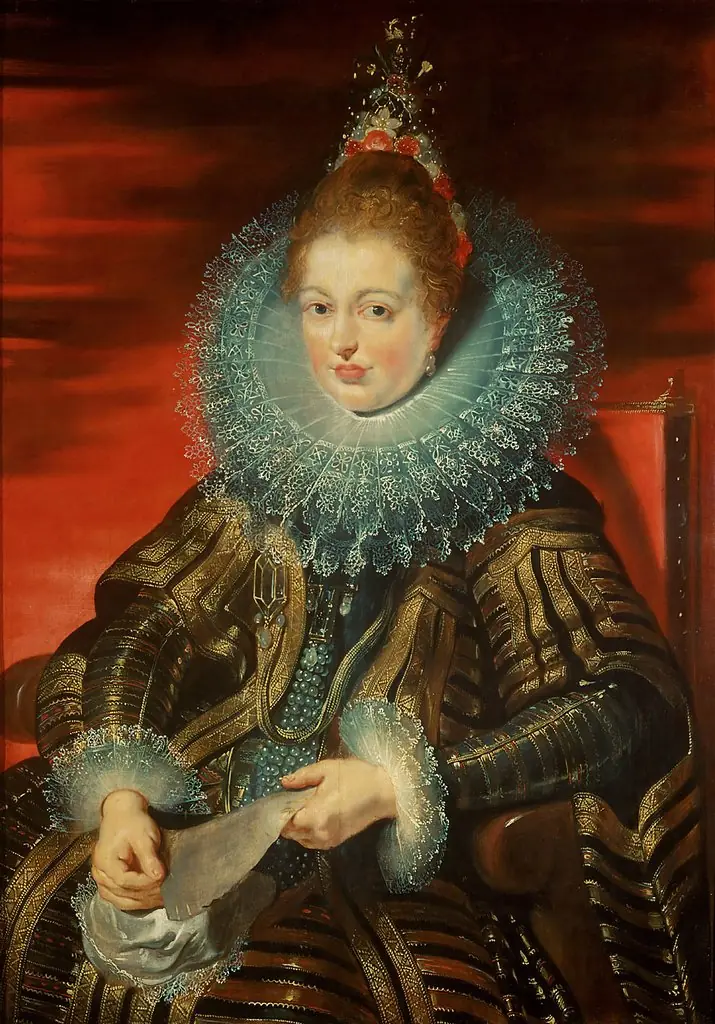 Isabella Clara Eugenia, wife of Albrecht VII
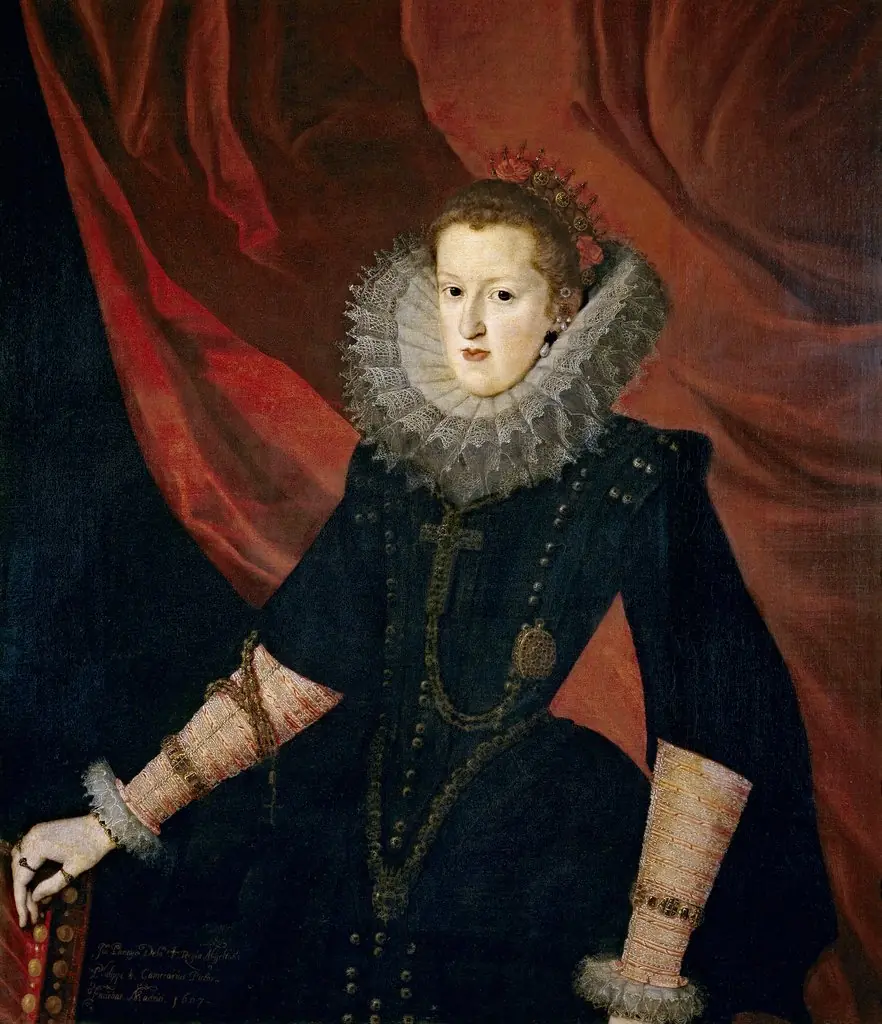 Margaret of Austria
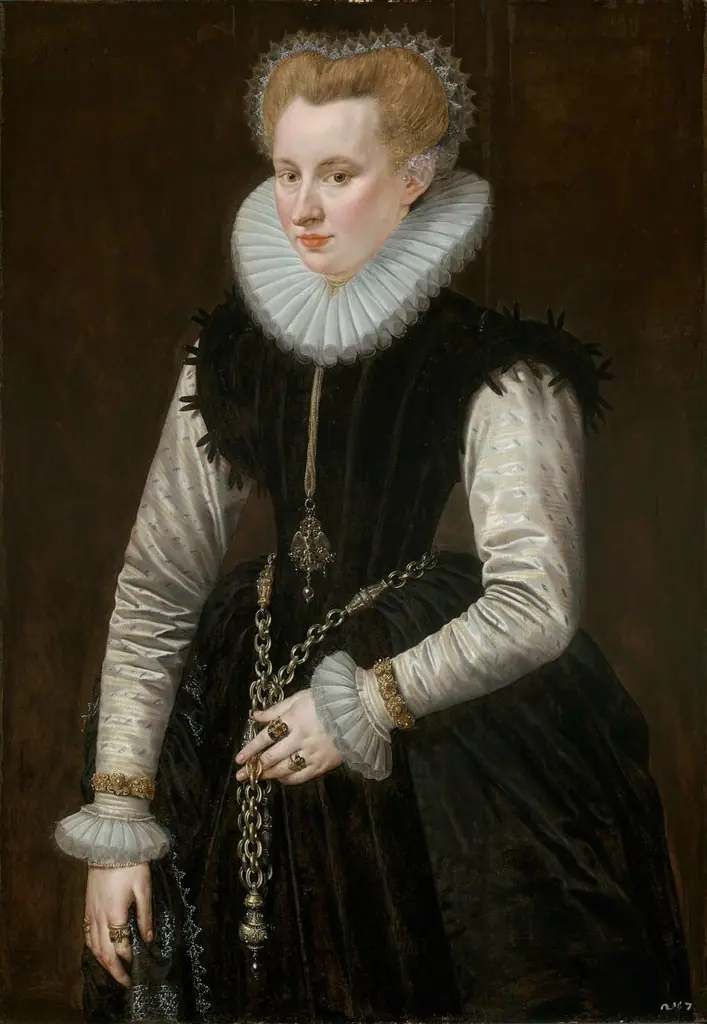 Portrait of a Woman
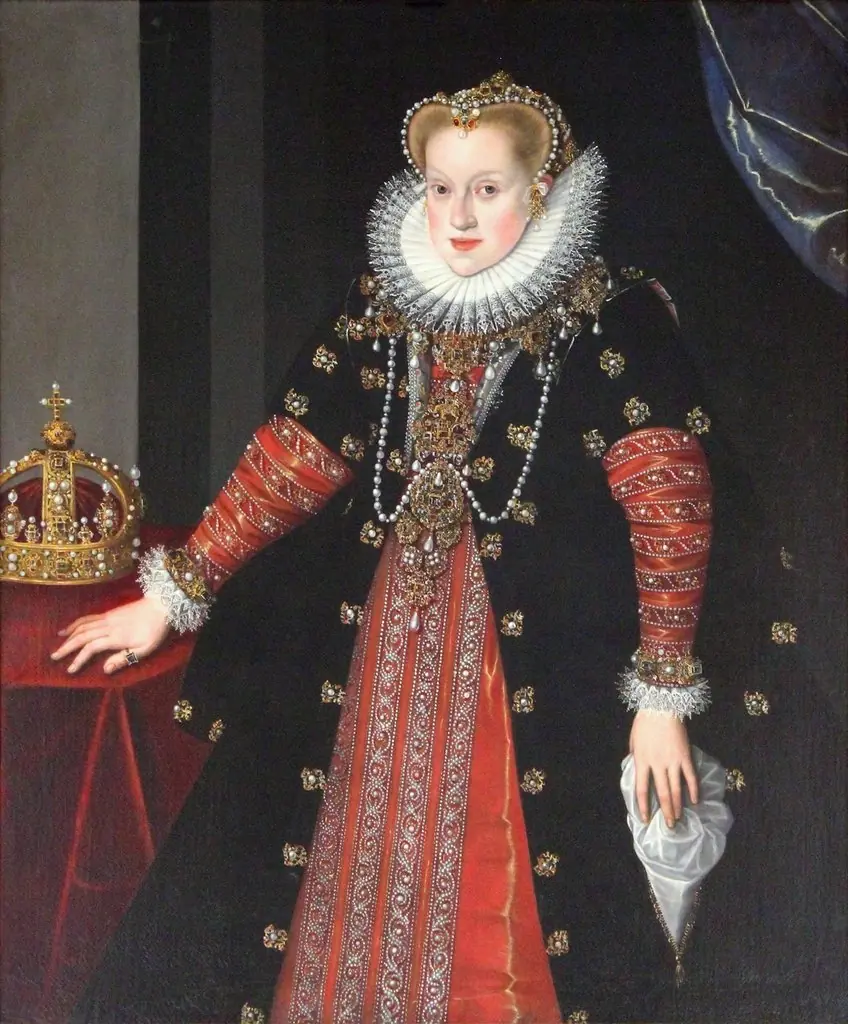 Portrait of Anne of Austria, Queen of Poland (1573-1598)
 Jane Dormer, Duchess of Feria (?)
 Archduchess Maria Magdalena of Austria