Artwork
A Passing Storm
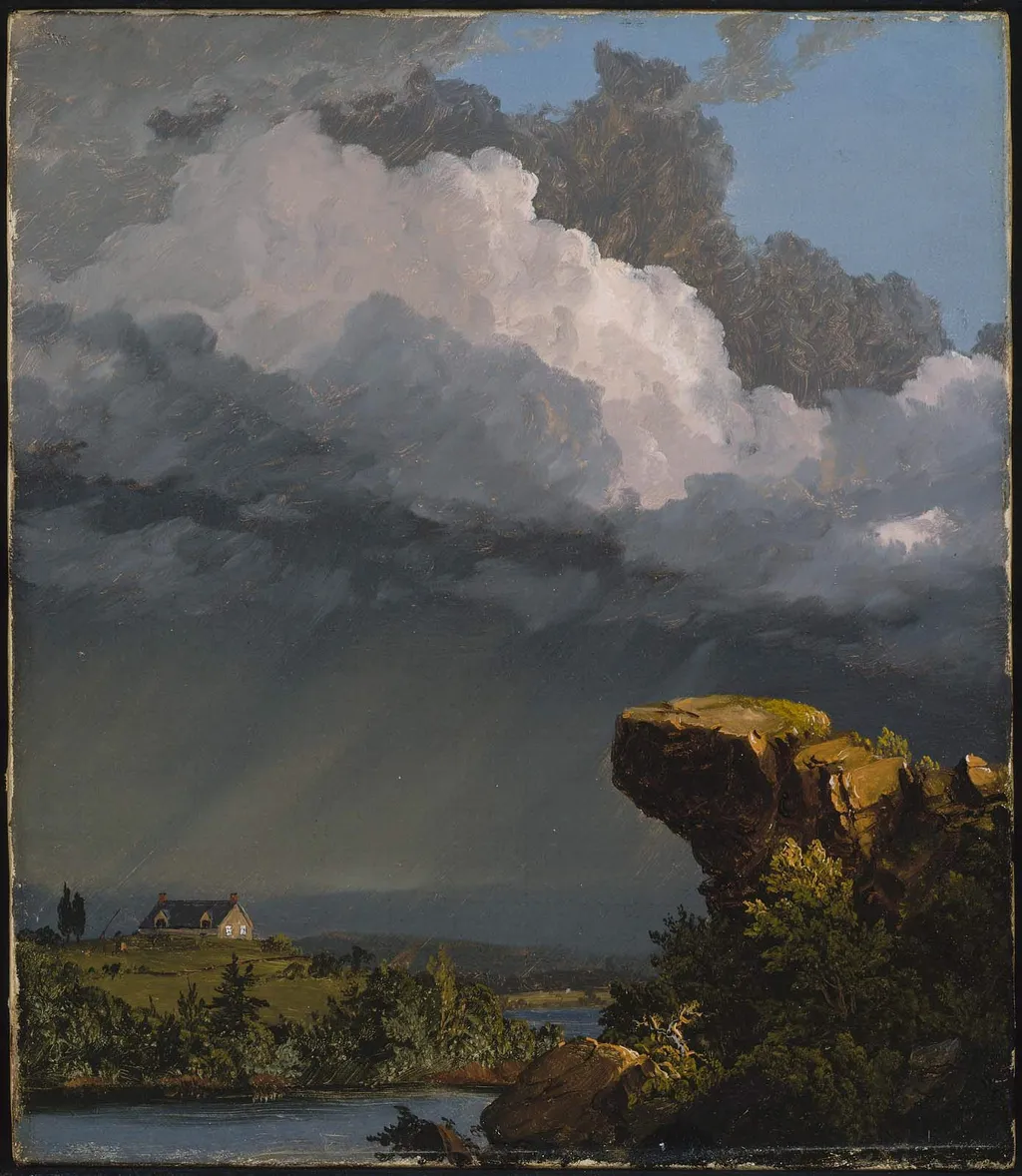
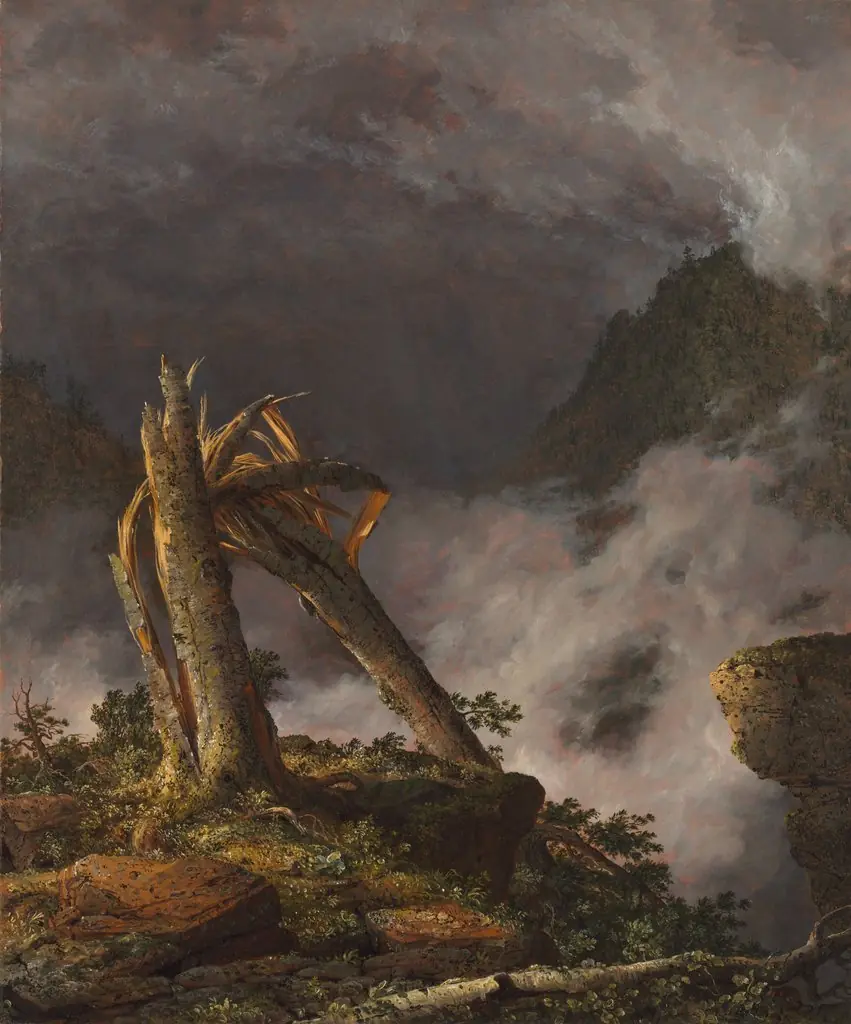
A Passing Storm is an oil painting by the Hudson River School artist Frederic Edwin Church. It dates from 1849 and is held in the collection of the Museum of Fine Arts Boston.
About this work
Overview
Its composition emphasizes atmospheric tension through shifting light and turbulent skies, reflecting the influence of Romantic landscape traditions.
A Passing Storm, painted by Frederic Edwin Church in 1849, is an oil-on-canvas landscape that captures the transient power of nature. The work belongs to the collection of the Museum of Fine Arts, Boston, and exemplifies Church’s early engagement with the American sublime. Its composition emphasizes atmospheric tension through shifting light and turbulent skies, reflecting the influence of Romantic landscape traditions.
Subject & Meaning
The painting depicts a fleeting meteorological event over a rugged terrain, with dense clouds dominating the upper half and a quiet expanse of water receding into the distance. The contrast between the violent sky and the stillness below suggests nature’s dual capacity for destruction and serenity. No human figures are present, reinforcing the theme of nature’s autonomy and overwhelming presence.
Technique & Style
Church employed bold, deliberate brushwork to convey motion in the clouds and foliage, using layered glazes to deepen shadows and heighten luminosity where light breaks through. The palette shifts from cool grays and deep greens in the foreground to warmer, fractured hues in the sky’s edges, enhancing spatial depth. His technique balances precision with expressive energy, avoiding idealization in favor of observed natural force.
History & Provenance
Completed during Church’s formative years, the painting emerged shortly after his studies with Thomas Cole and before his travels to South America. It was likely exhibited in New York in the early 1850s and entered the Museum of Fine Arts, Boston, in the late 19th century. Its preservation reflects its significance as an early example of Church’s developing vision of American landscape as a site of emotional and spiritual resonance.
Context
Created amid the rise of the Hudson River School, the work aligns with contemporary interests in nature’s grandeur and moral symbolism. While European Romanticism influenced its emotional tone, Church grounded his vision in direct observation of American terrain. The painting responds to a cultural moment that sought to define national identity through the untamed wilderness, framing nature as both awe-inspiring and indifferent to human presence.
Legacy
A Passing Storm illustrates Church’s early mastery of atmospheric effects, foreshadowing his later, larger-scale works. Though less famous than his Andean or Arctic scenes, this painting remains a key study in his evolution as a landscape painter. It contributed to the broader acceptance of American scenery as worthy of serious artistic treatment, influencing subsequent generations of painters focused on natural phenomena and transient light.
Own this work as a print
Artist & collection

Artist
Frederic Edwin Church was an American landscape painter born in Hartford, Connecticut.


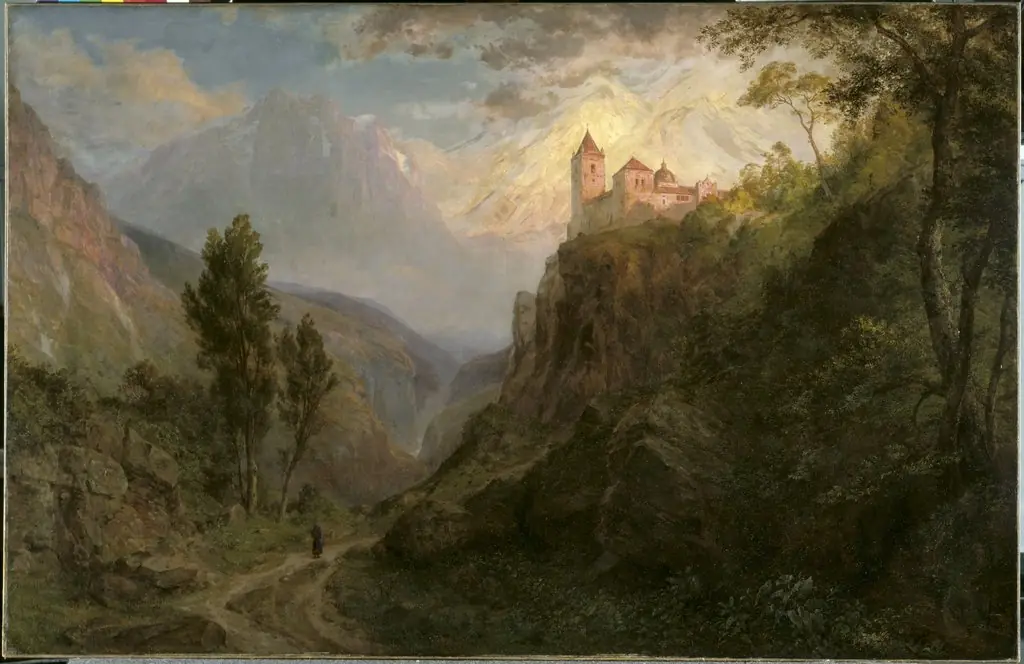
- The Glades at Cohasset
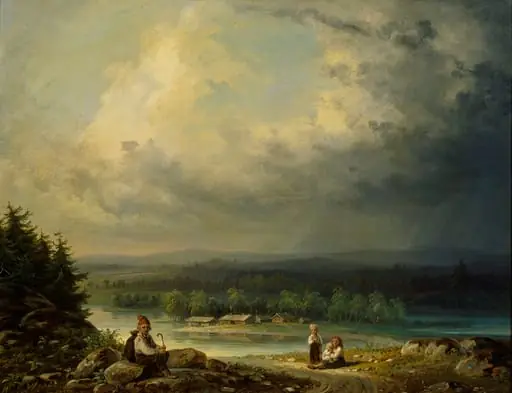 Neljä talonpoikaislasta maisemassa
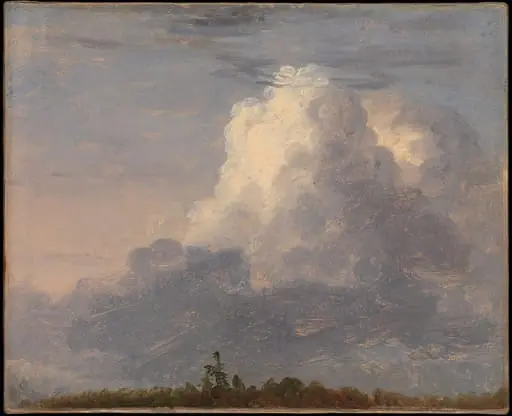 Clouds
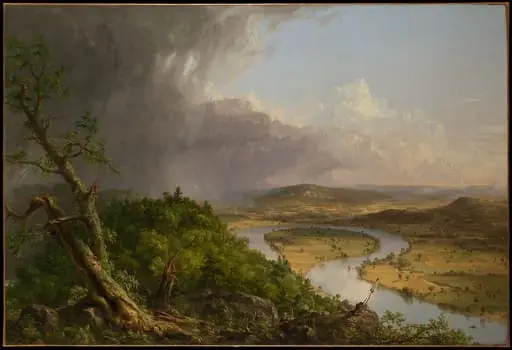 View from Mount Holyoke, Northampton, Massachusetts, after a Thunderstorm—The Oxbow
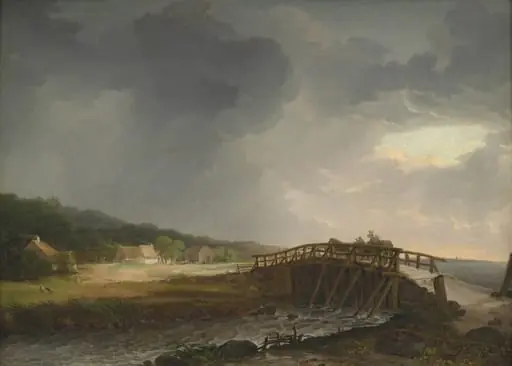 The Bridge across Tryggevælde River with a View of Køge, Zealand
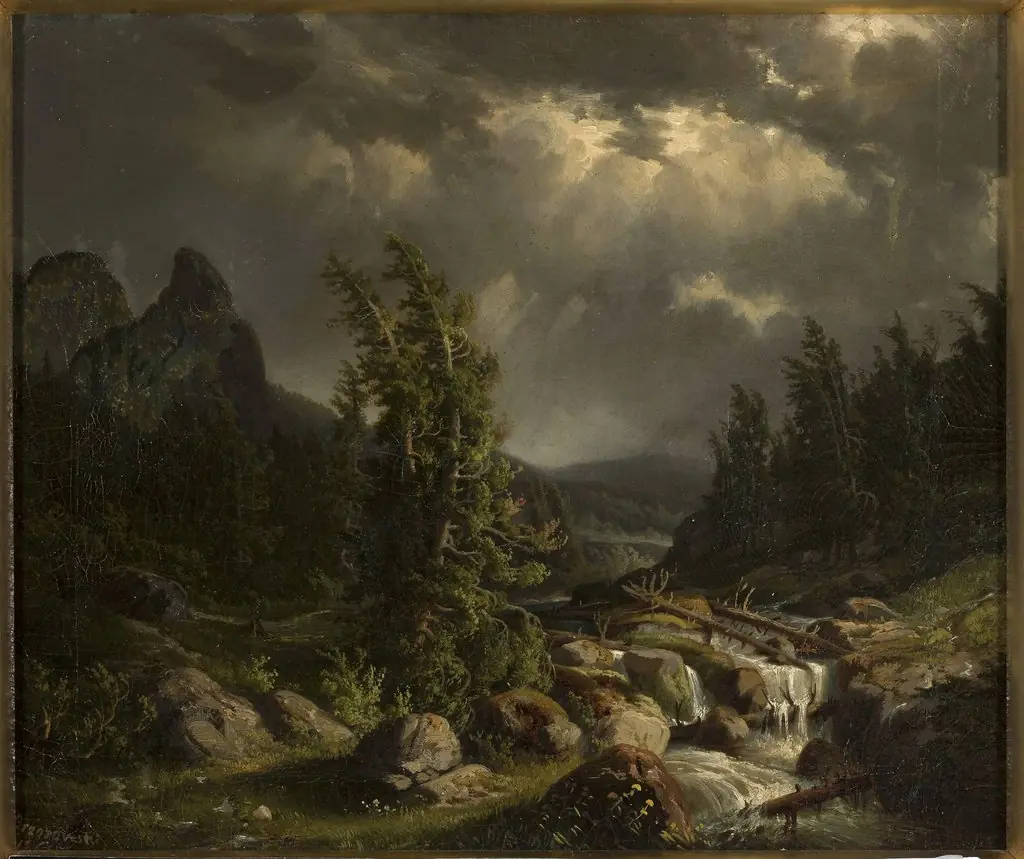 Storm in the mountains
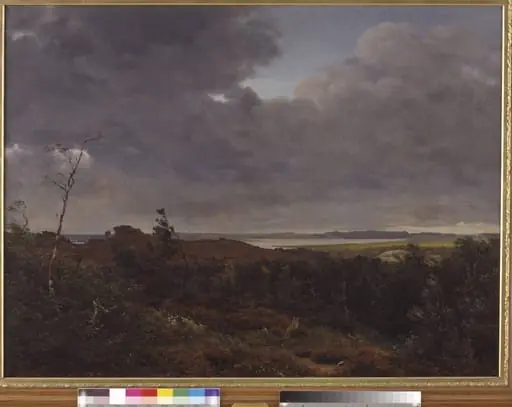 View of Frederiksværk from Tisvilde Wood, North Zealand
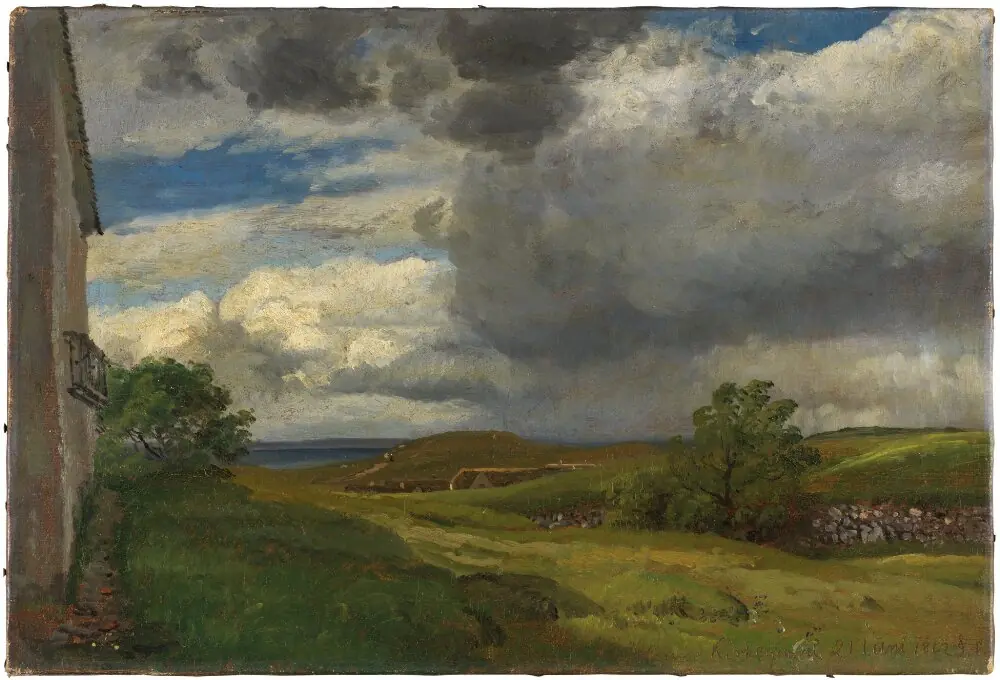 Landscape from Helgenæs with rain clouds
 Schaffhauser Rheinfall
 Suomalainen järvimaisema
 Landscape
 View of a Lake