Artwork
Emperor Franz I of Austria in the Austrian imperial dress
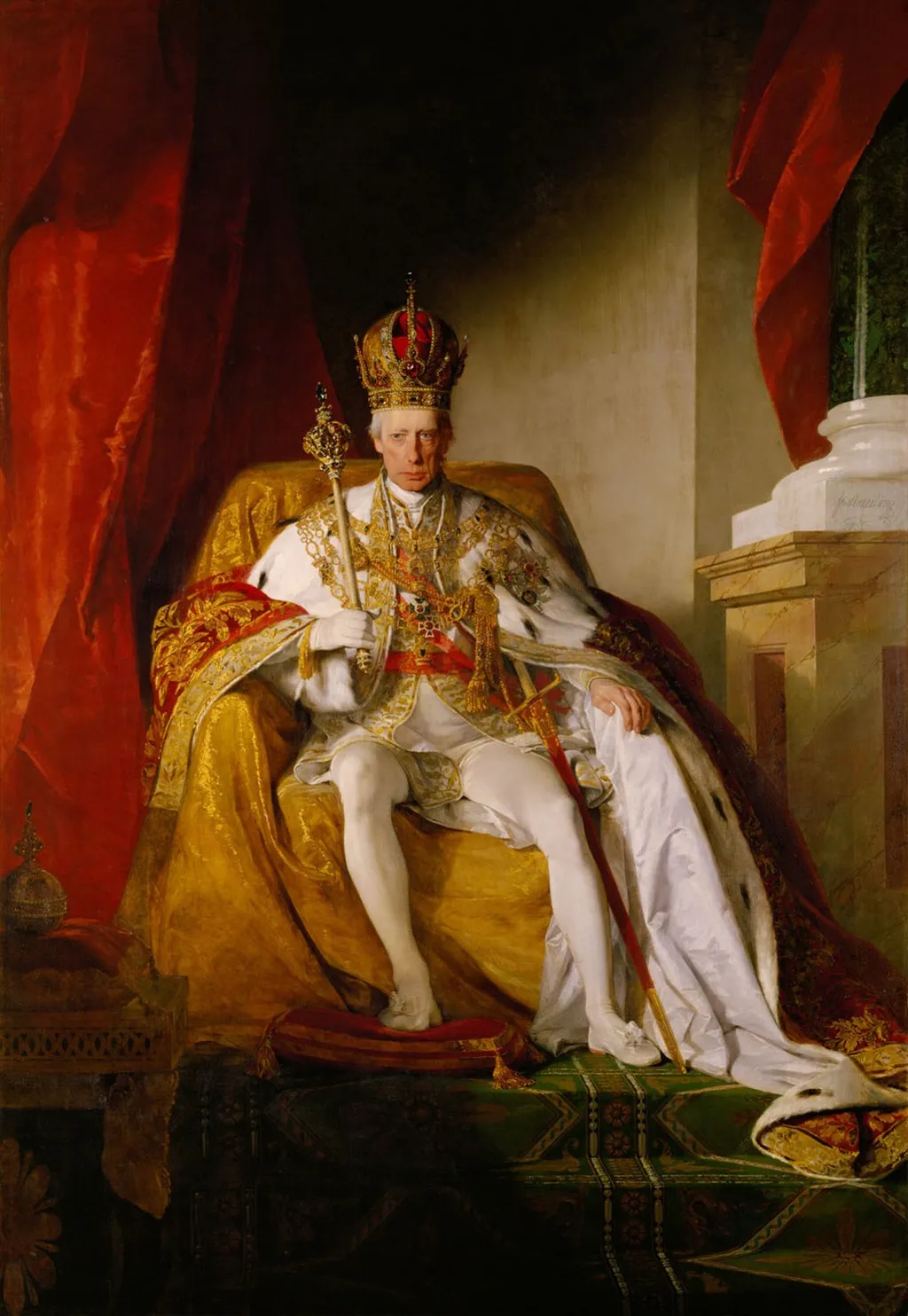
Emperor Franz I of Austria in the Austrian imperial dress is an oil painting by the Biedermeier artist Friedrich von Amerling. It dates from 1832 and is held in the collection of the Kunsthistorisches Museum.
About this work
Subject & Meaning
After joining the anti-French coalition in 1813, he was largely restored to his territories by 1814 and founded the Polytechnic Institute of Vienna in 1815.
The painting portrays Francis II, Holy Roman Emperor, who from 1804 also ruled as Francis I of Austria. Born in Florence in 1768 as the eldest son of Leopold II and Maria Luisa of Spain, he was elected Holy Roman Emperor in 1792 and later assumed the Austrian imperial title two years before the dissolution of the Holy Roman Empire in 1806. His reign was defined by prolonged conflict with revolutionary and Napoleonic France, culminating in military defeats at Austerlitz, Eckmühl, and Wagram, and the marriage of his daughter Marie-Louise to Napoleon.
After joining the anti-French coalition in 1813, he was largely restored to his territories by 1814 and founded the Polytechnic Institute of Vienna in 1815.
By depicting him in the Austrian imperial dress, Amerling presents the sovereign in the regalia of the Habsburg monarchy he had refounded, emphasizing continuity of dynastic authority rather than the lost imperial title of the Holy Roman Empire. The portrait thus functions as a statement of legitimate, hereditary rulership centered on Austria.
Technique & Style
Friedrich von Amerling executed the portrait Emperor Franz I of Austria in the Austrian imperial dress in 1832 using oil paint on a canvas support. The work measures 263 cm in height and 180 cm in width, presenting the monarch in a full-length format typical of grand imperial portraiture. As a portrait genre piece, the painting focuses on the formal depiction of Francis II, Holy Roman Emperor, dressed in his coronation attire.
The medium and scale underscore the official nature of the commission, intended to convey the dignity and authority of the Austrian ruler within the Kunsthistorisches Museum collection.
History & Provenance
The portrait of Emperor Franz I in Austrian imperial dress was created by Friedrich von Amerling in 1832. Executed in oil on canvas, the work measures 263 cm in height and 180 cm in width. The painting depicts Francis II, Holy Roman Emperor, who is also identified as Franz I of Austria.
It currently resides in the collection of the Kunsthistorisches Museum in Vienna, specifically within the Imperial Treasury (Kaiserliche Schatzkammer Wien).
The portrait of Emperor Franz I of Austria in the Austrian imperial dress, painted by Friedrich von Amerling in 1832, is housed at the Kunsthistorisches Museum in Vienna. It was accessioned as part of the museum's collection and has been displayed in exhibitions focused on 19th-century portraiture and imperial Austrian art. The work is cataloged under the museum's inventory system, reflecting its status as a key piece in the institution's holdings of imperial portraiture.
The painting, executed in oil on canvas, measures 263 cm in height and 180 cm in width. It depicts Francis II, Holy Roman Emperor, who reigned until 1835. The artwork is part of the permanent collection at the Kunsthistorisches Museum, where it has been featured in curated exhibitions highlighting the visual culture of the Habsburg dynasty.
The portrait's provenance traces directly to the museum's acquisition from the imperial collection, establishing its presence in the museum's exhibition history. It has been included in major retrospectives of Friedrich von Amerling's oeuvre and in thematic displays on Austrian imperial portraiture during the Biedermeier period.
Legacy
The portrait of Emperor Franz I of Austria in imperial dress by Friedrich von Amerling, painted in 1832, has become an iconic representation of Habsburg authority and 19th-century imperial portraiture. Its frequent reproduction in scholarly works and exhibitions has cemented its status as a visual emblem of the later Austrian Empire, influencing how the dynasty’s later emperors are visualized in both academic and popular contexts. The work’s presence in the Kunsthistorisches Museum’s collection has ensured its continued visibility within art-historical discourse, contributing to the broader legacy of Amerling’s oeuvre in shaping the iconography of Central European royalty.
This legacy is reflected in the painting’s enduring reputation as a standard reference for imperial portraiture in Central Europe.
The painting’s legacy is further reinforced by its inclusion in major institutional collections and its role in shaping scholarly interpretations of Habsburg visual culture.
Overview
In 1832 Friedrich von Amerling painted a portrait of Emperor Franz I of Austria, presenting the monarch in full ceremonial attire. Executed in oil on canvas, the work exemplifies the detailed realism of the Biedermeier period and is part of the Kunsthistorisches Museum’s collection.
Context
The painting reflects the Biedermeier era’s interest in intimate yet formal representations of elite subjects, combining personal likeness with state symbolism. Its composition aligns with contemporary European court portrait traditions, while Amerling’s Austrian background informs the specific details of imperial dress.
Artist & collection
Artist
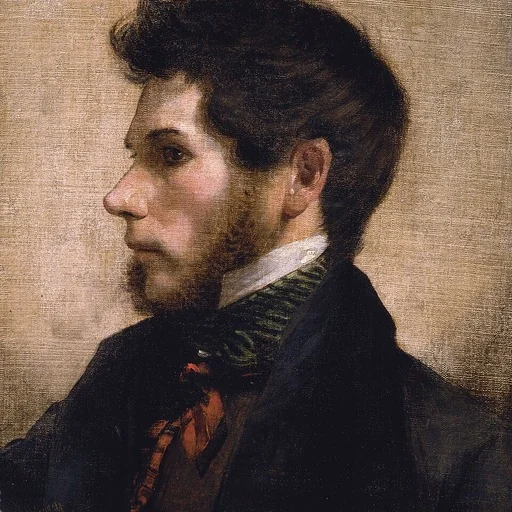
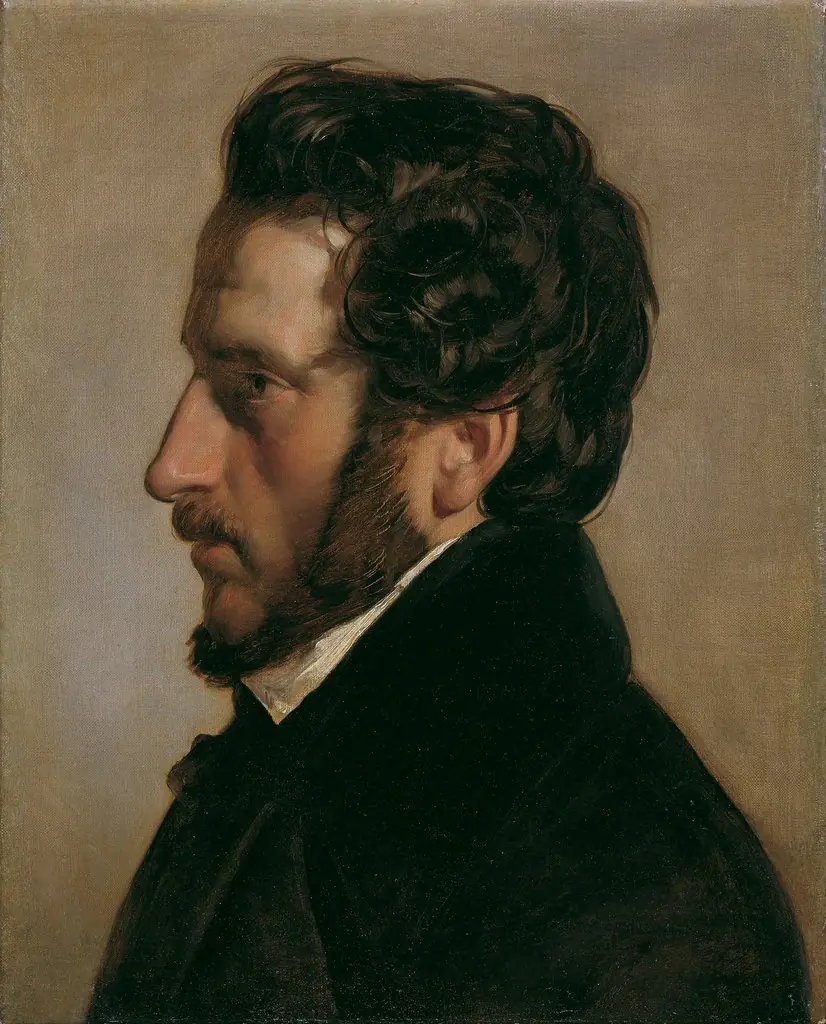
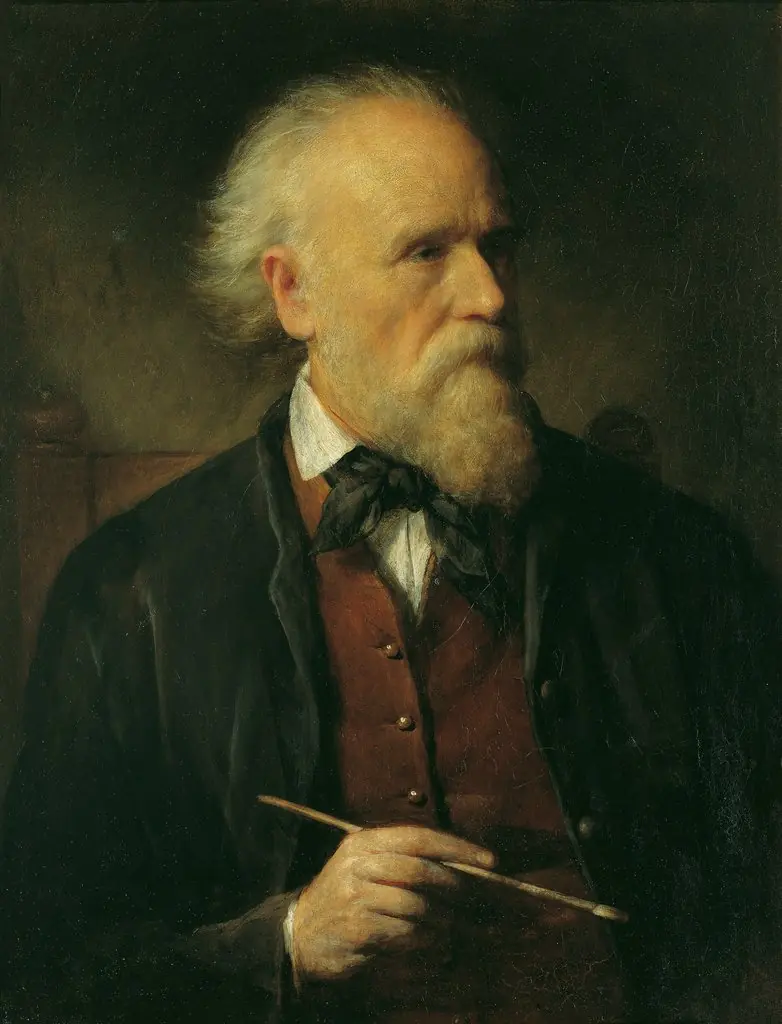
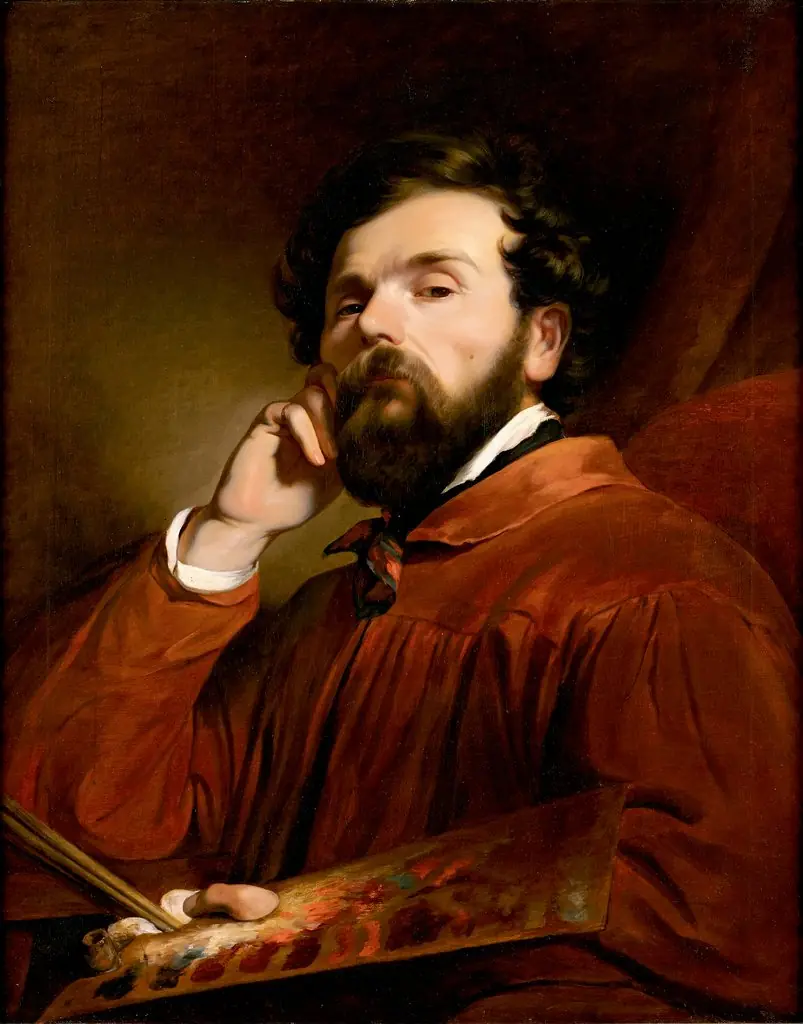
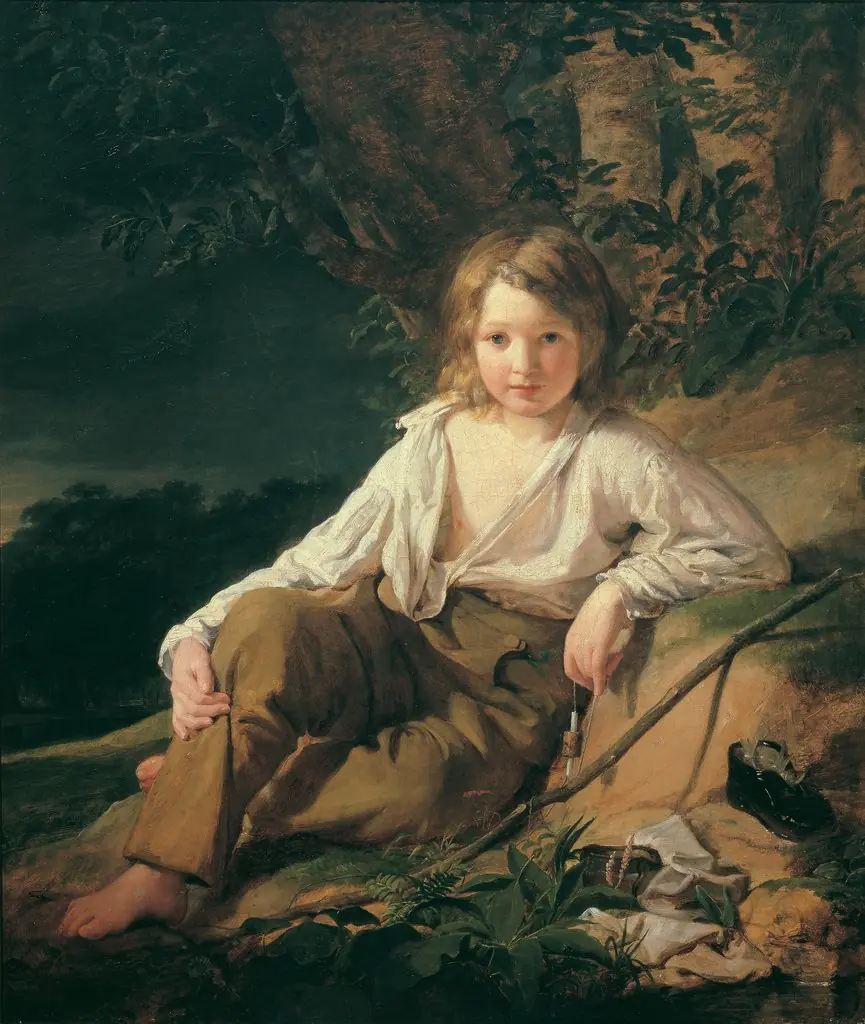
Friedrich Ritter von Amerling (14 April 1803 – 14 January 1887) was an Austrian portrait painter in the court of Franz Josef.

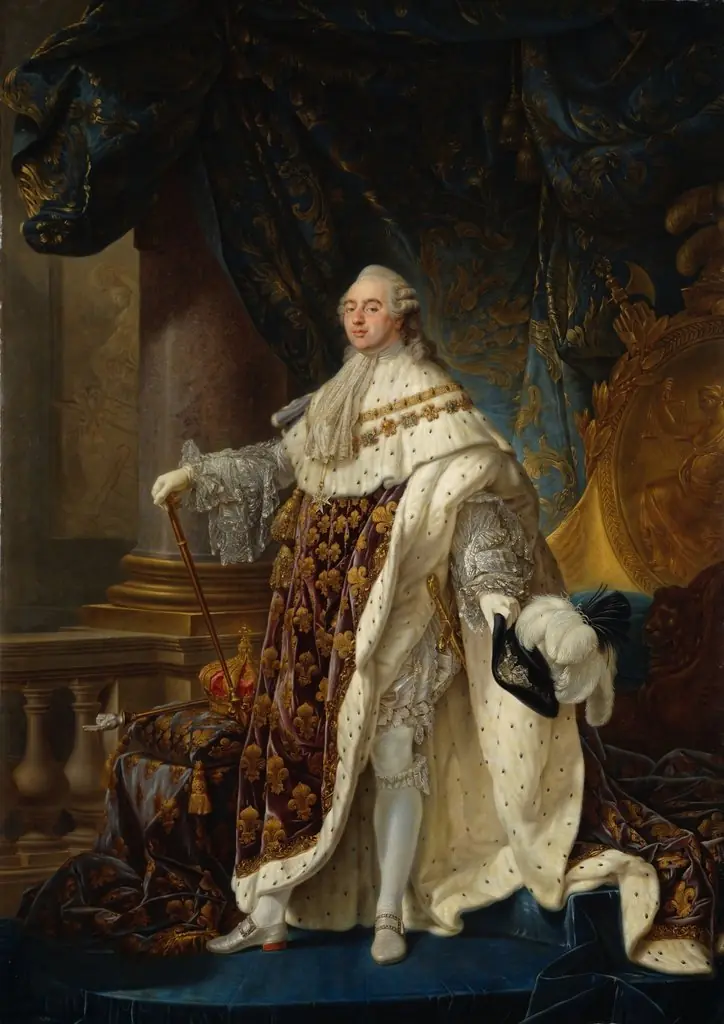 Louis XVI
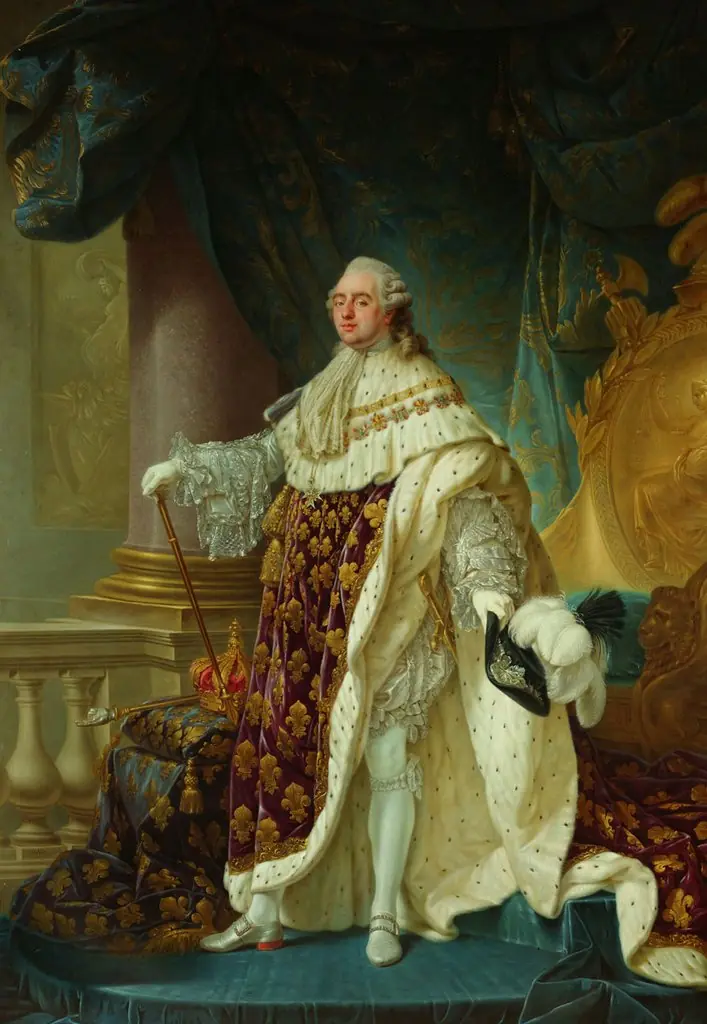 Portrait of Louis XVI of France
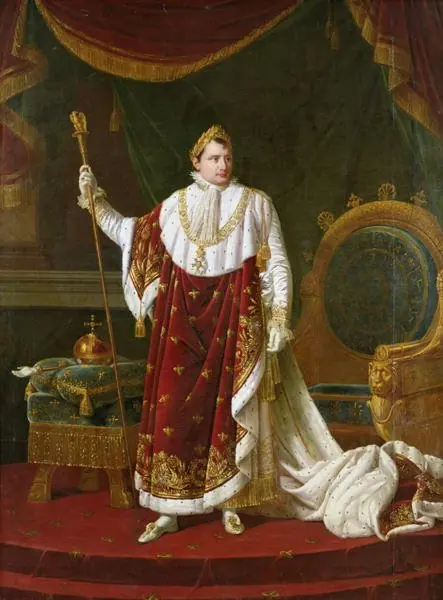 Napoleon I, Emperor of the French
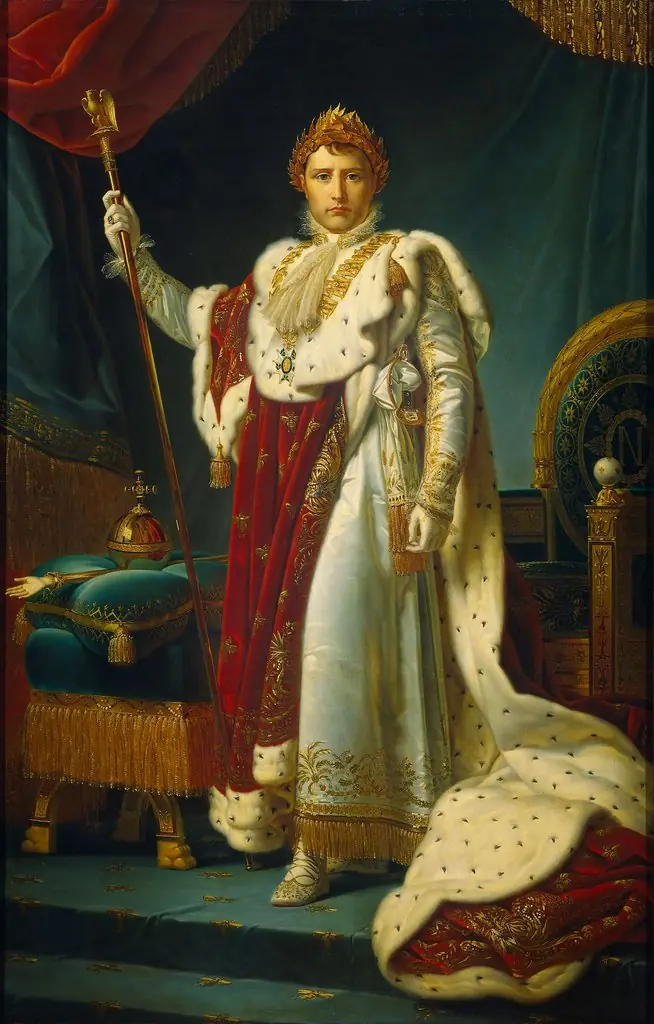
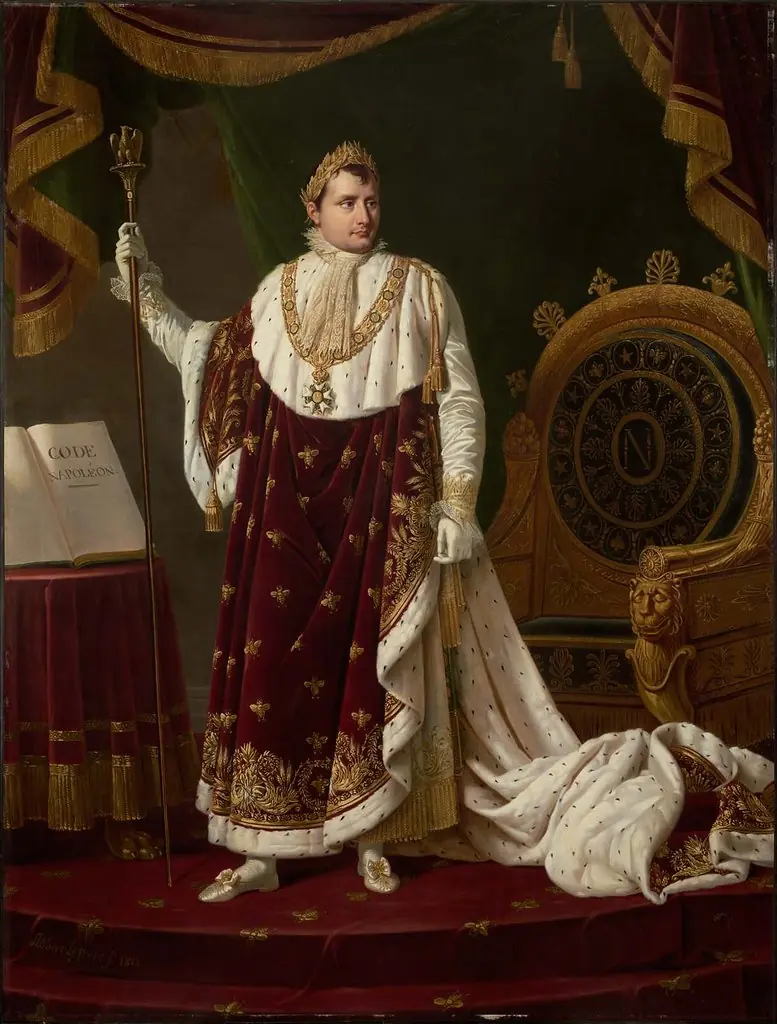 Portrait of Napoleon I in His Coronation Robes
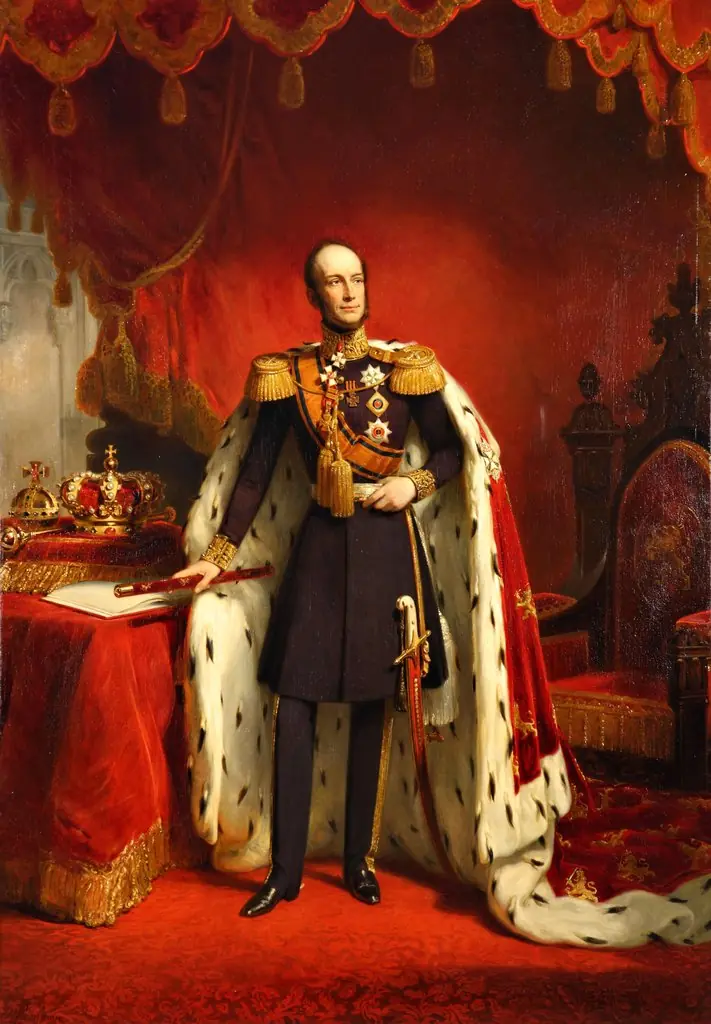 Portrait of William II of Orange, King of the Netherlands
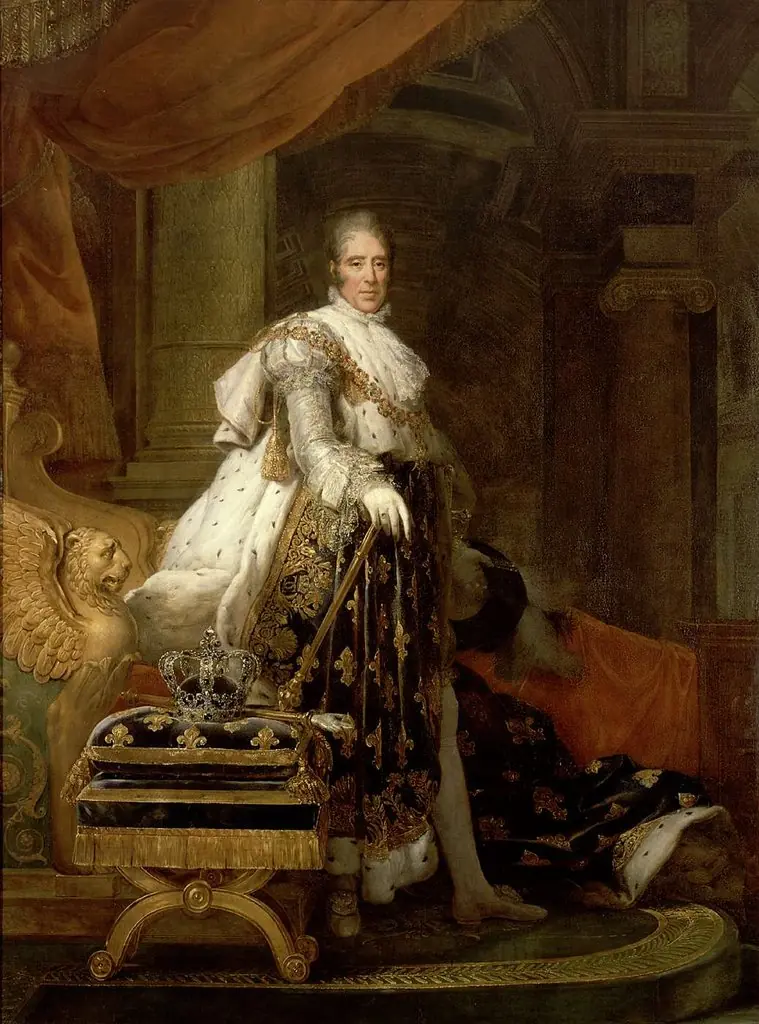 Charles X of France
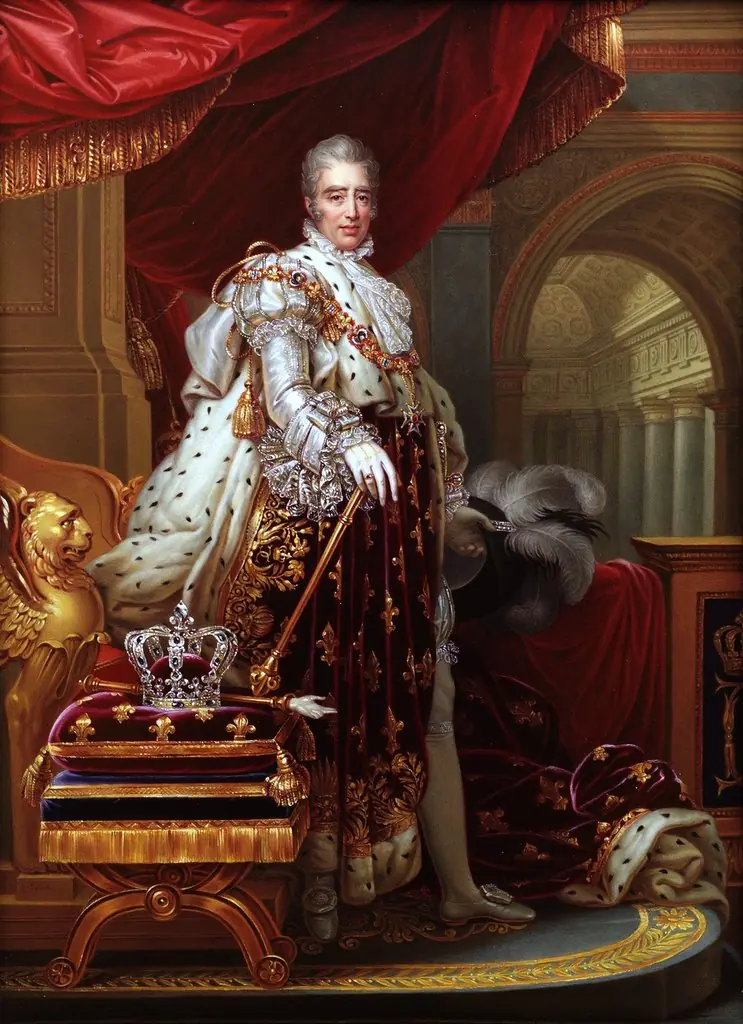 Charles X (1757–1836), King of France, after Gérard
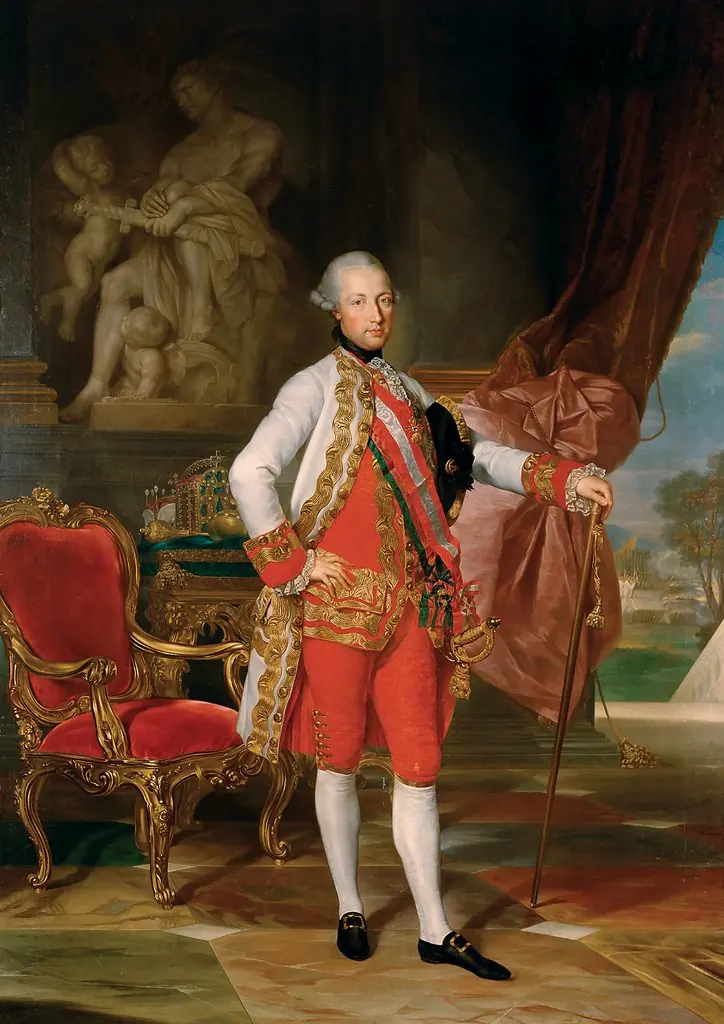 Kaiser Joseph II. (1741-1790) with a Statue of Mars
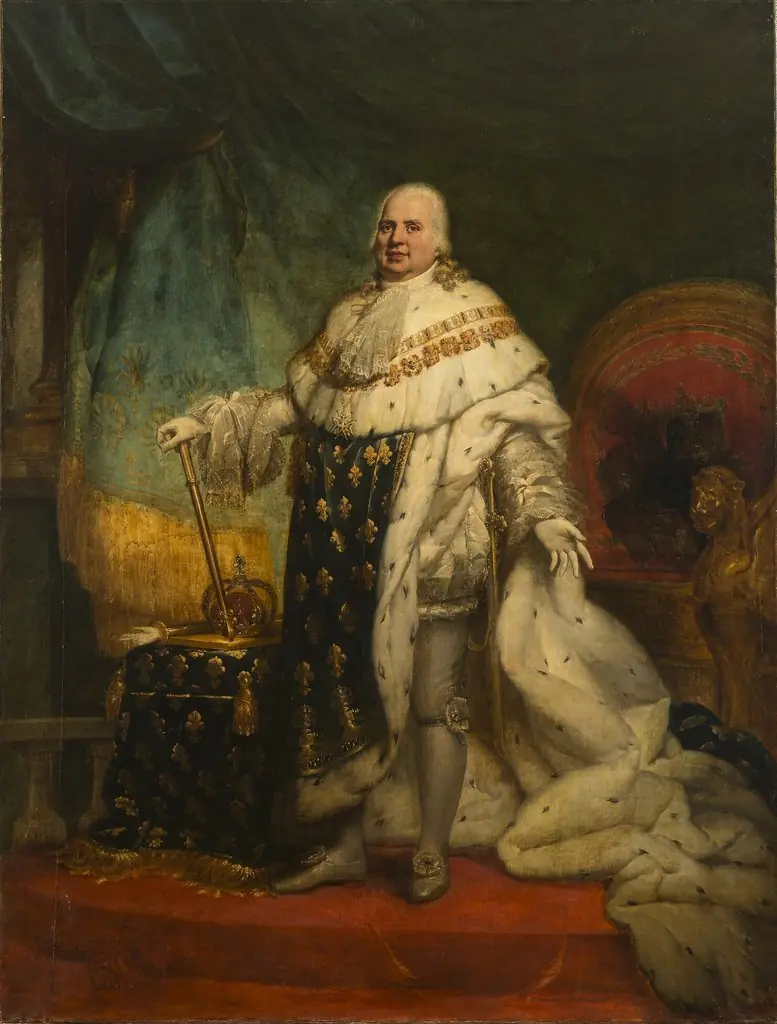 Louis XVIII of France in Coronation Robes