Artwork
Self Portrait
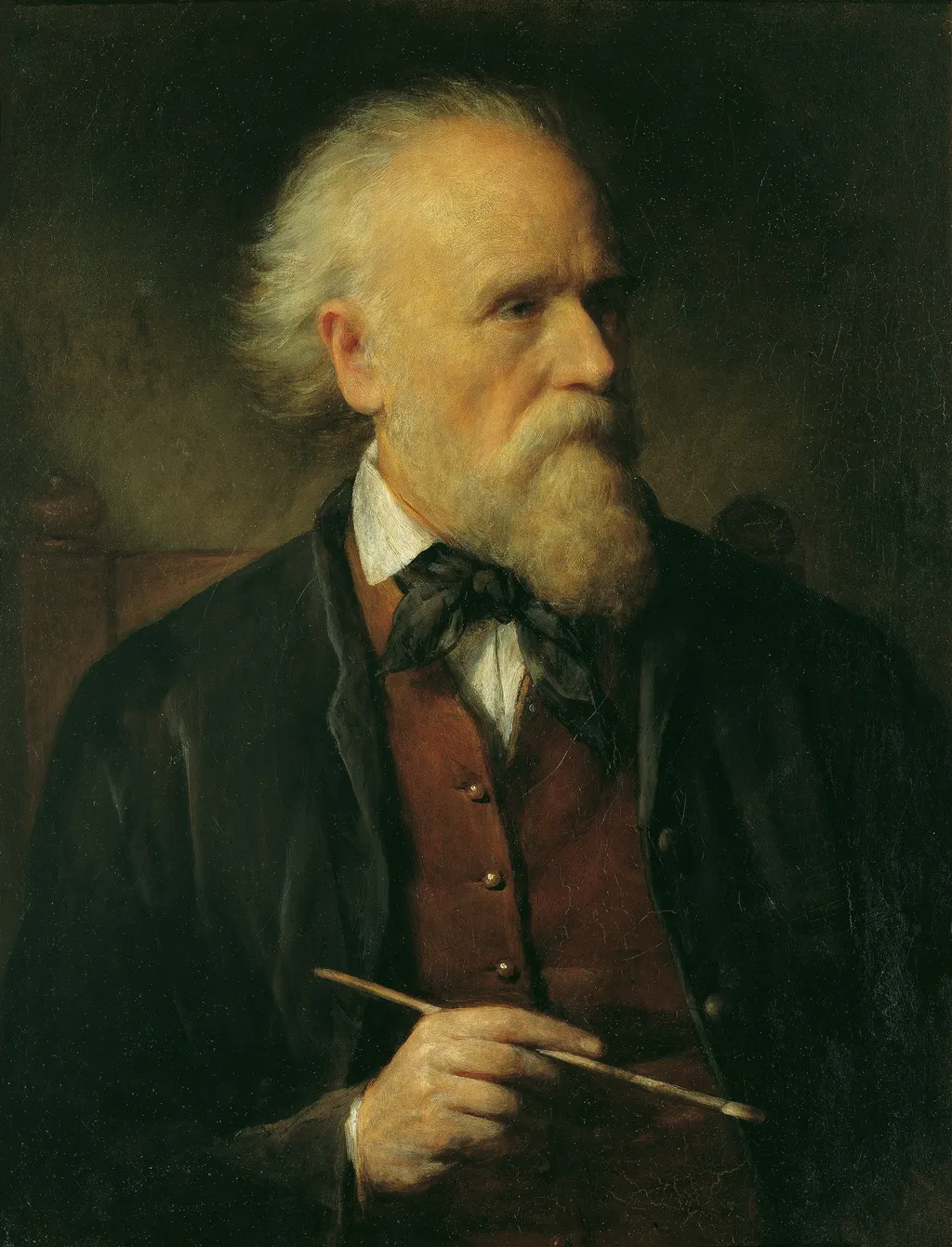
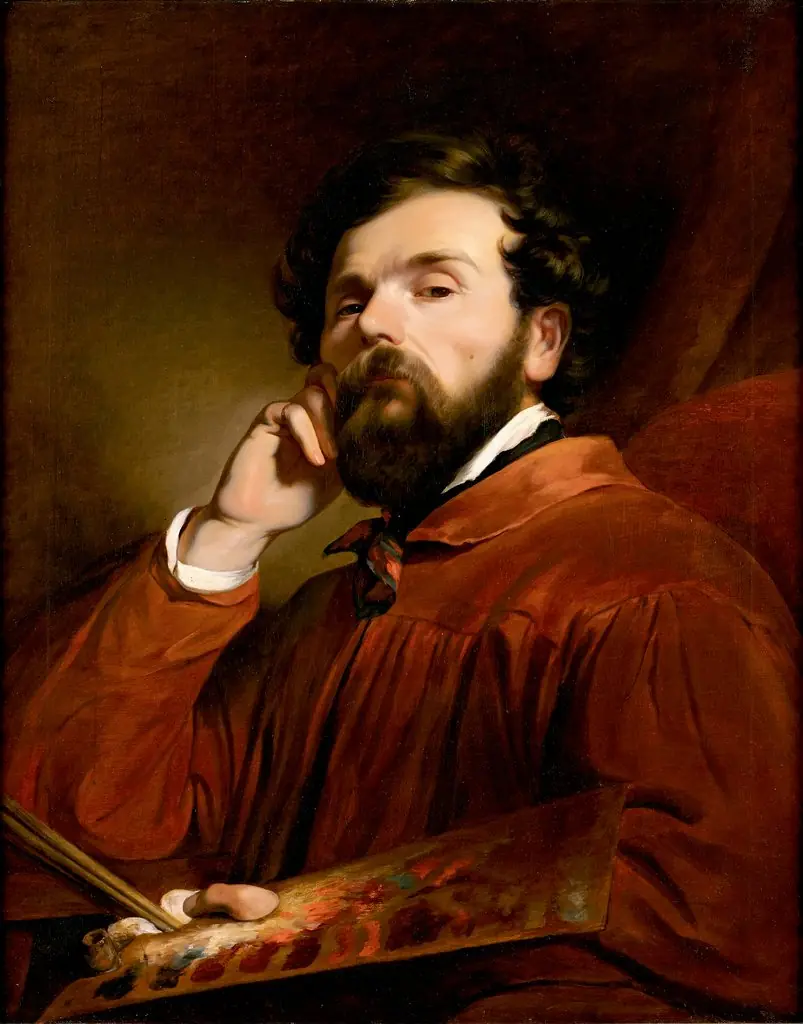
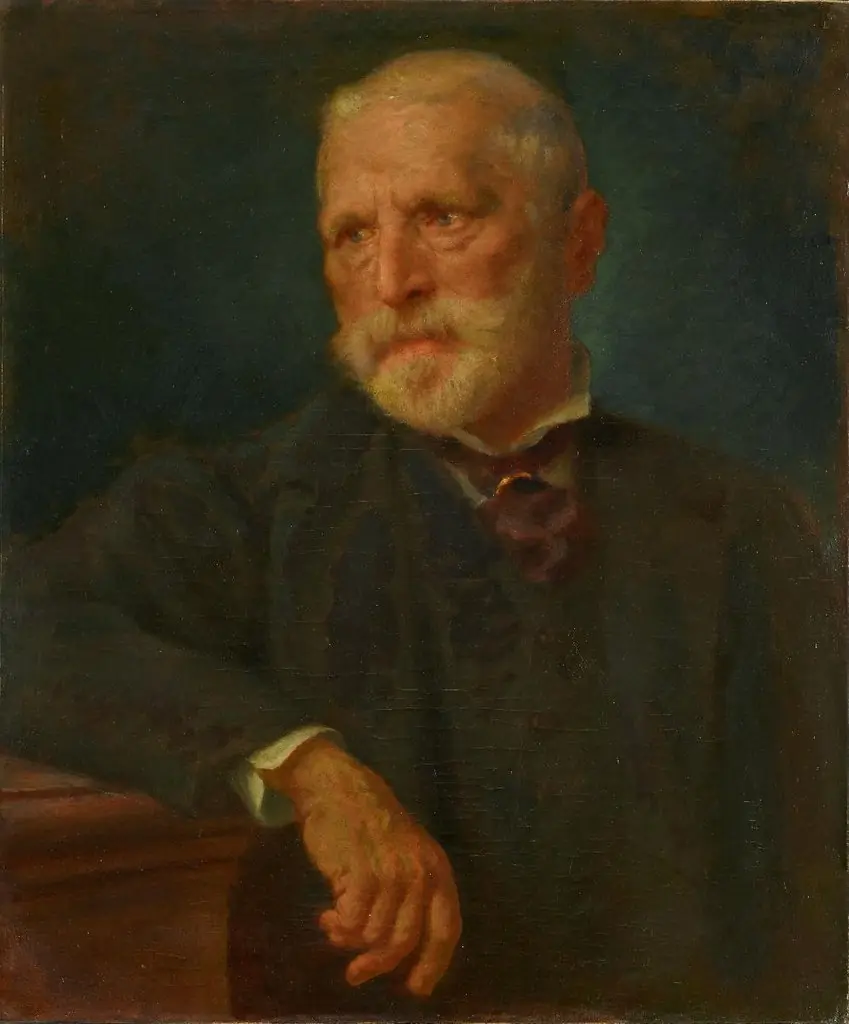
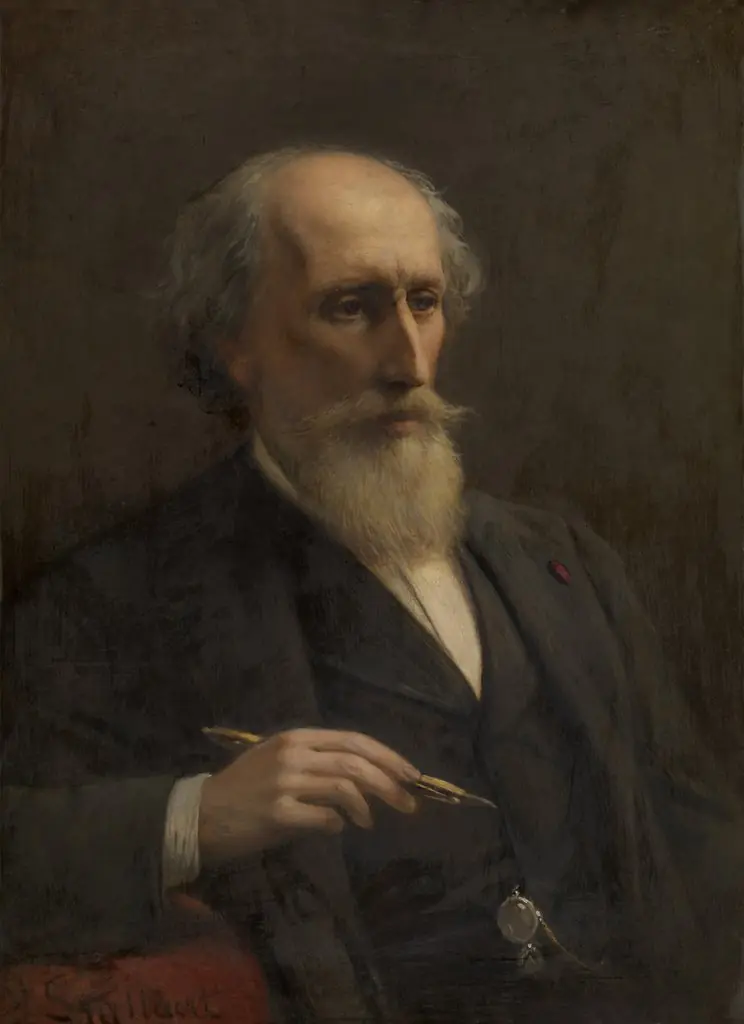
Self Portrait is an oil painting by the Realist artist Friedrich von Amerling. It dates from 1875 and is held in the collection of the Kunsthistorisches Museum.
About this work
Technique & Style
Executed in 1875, this self-portrait by Friedrich von Amerling is an oil painting on canvas. The work measures 76.3 cm in height and 61 cm in width. As a portrait genre piece, it depicts the artist himself and is currently held in the collection of the Belvedere.
History & Provenance
The painting entered the collection of the Belvedere, Kunsthistorisches Museum and has remained in that institution since its creation.
The work titled Self Portrait was created by Friedrich von Amerling in 1875 using oil paint on canvas. It measures 76.3 cm in height and 61 cm in width and belongs to the genre of self-portraiture. The painting entered the collection of the Belvedere, Kunsthistorisches Museum and has remained in that institution since its creation.
The work was commissioned as a personal likeness by the artist and executed shortly after the turn of the year 1875. It has been part of the Belvedere collection since its inception and is catalogued under that museum's inventory.
The painting Self Portrait by Friedrich von Amerling is housed at the Belvedere, Kunsthistorisches Museum in Vienna. It is catalogued under the inventory number 2678. The work has been exhibited in the Belvedere collection display, as documented in its provenance record.
Context
Friedrich von Amerling's 1875 oil painting Self Portrait was created during the height of his career as Austria's leading portraitist, reflecting the academic tradition of 19th-century European art. Executed in the realistic style characteristic of his time, the work depicts the artist in formal attire against a muted background, emphasizing his status and introspective presence. It is housed in the Belvedere in Vienna, where it remains part of their permanent collection.
The painting has been studied as an example of self-representation within the context of Austro-Hungarian cultural identity in the late 1800s.
Scholarship on the piece is limited, but it is noted in art historical surveys of 19th-century portraiture for its technical proficiency and as a representative work of the period's self-portrait genre. Its inclusion in the Belvedere's collection underscores its significance within the museum's holdings of Austrian art from the Habsburg era.
The work's reception during its time likely aligned with expectations of elite portraiture, presenting the artist as both creator and subject in a manner that reinforced social standing. Contemporary critiques did not widely discuss the painting beyond its technical execution, and it did not spark major debates about artistic style or national identity in the way some contemporaries did. Its enduring scholarly interest stems primarily from its role as a document of artistic practice rather than as a catalyst for theoretical discourse.
Within art history, Self Portrait occupies a transitional space between the academic traditions of the early 19th century and the emerging naturalistic approaches of the late 1800s. It does not represent a radical departure from convention but rather exemplifies the skills valued by institutions like the Academy of Fine Arts in Vienna, where Amerling trained and taught. The painting's placement in a major museum collection highlights its importance as part of the institutional narrative of Central European art, though it remains less studied than works by more avant-garde contemporaries.
Overview
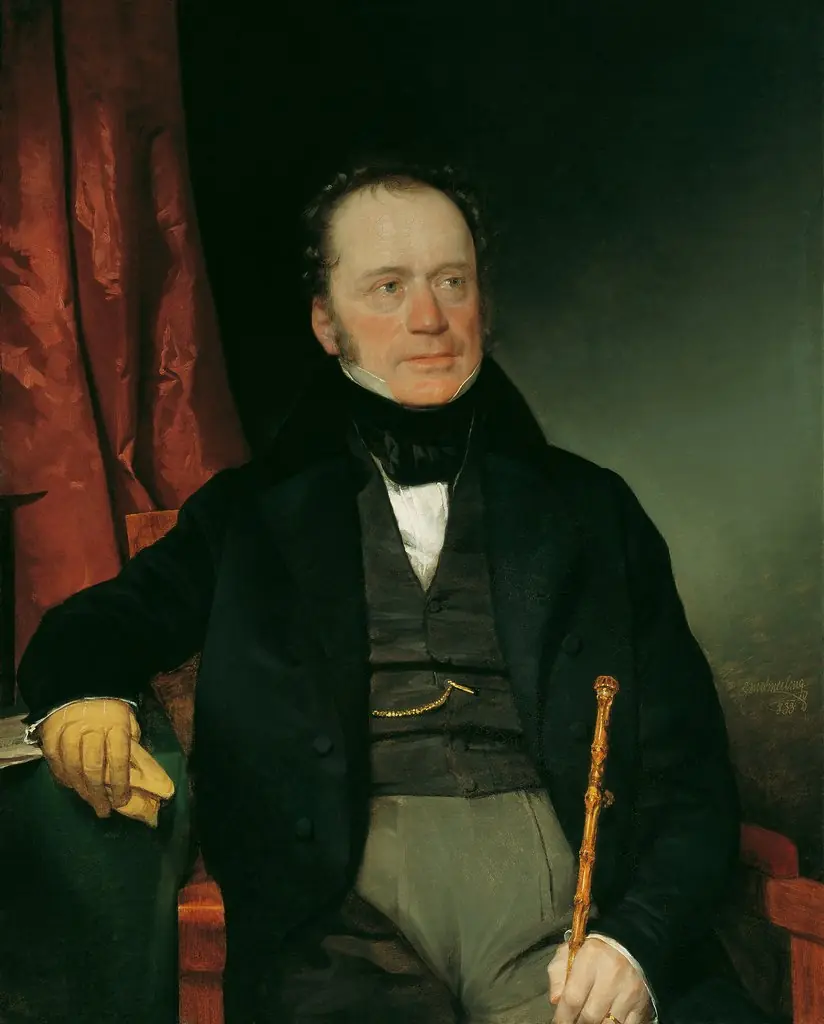
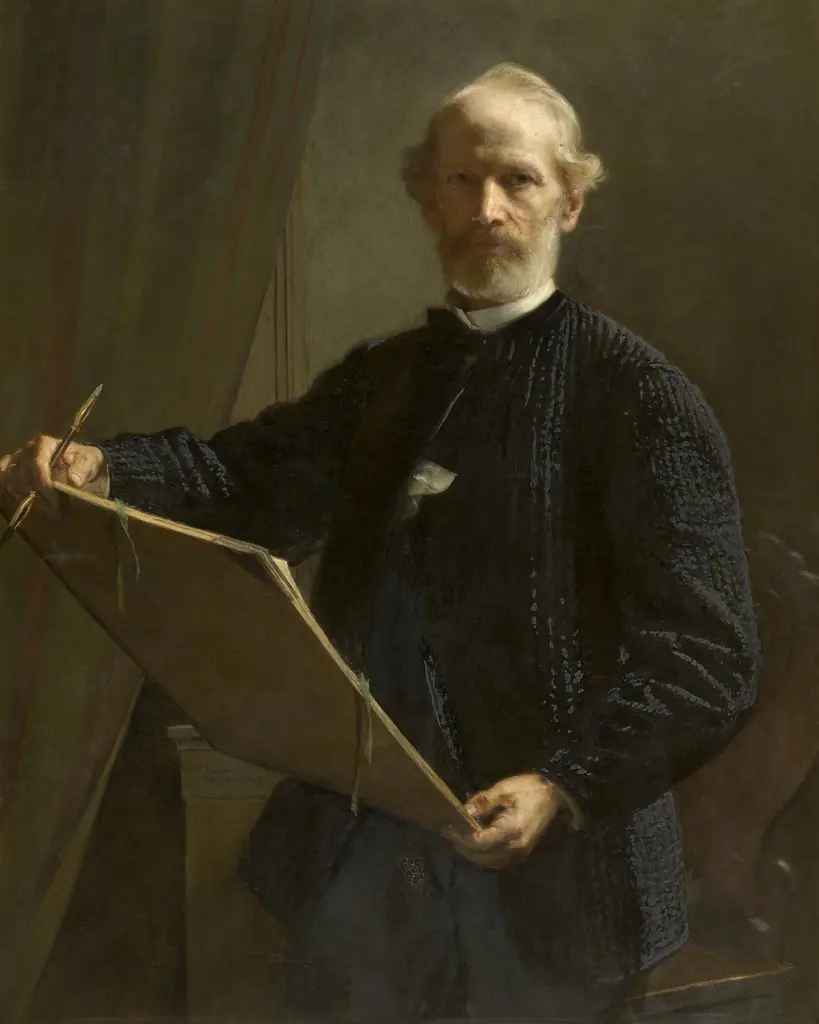
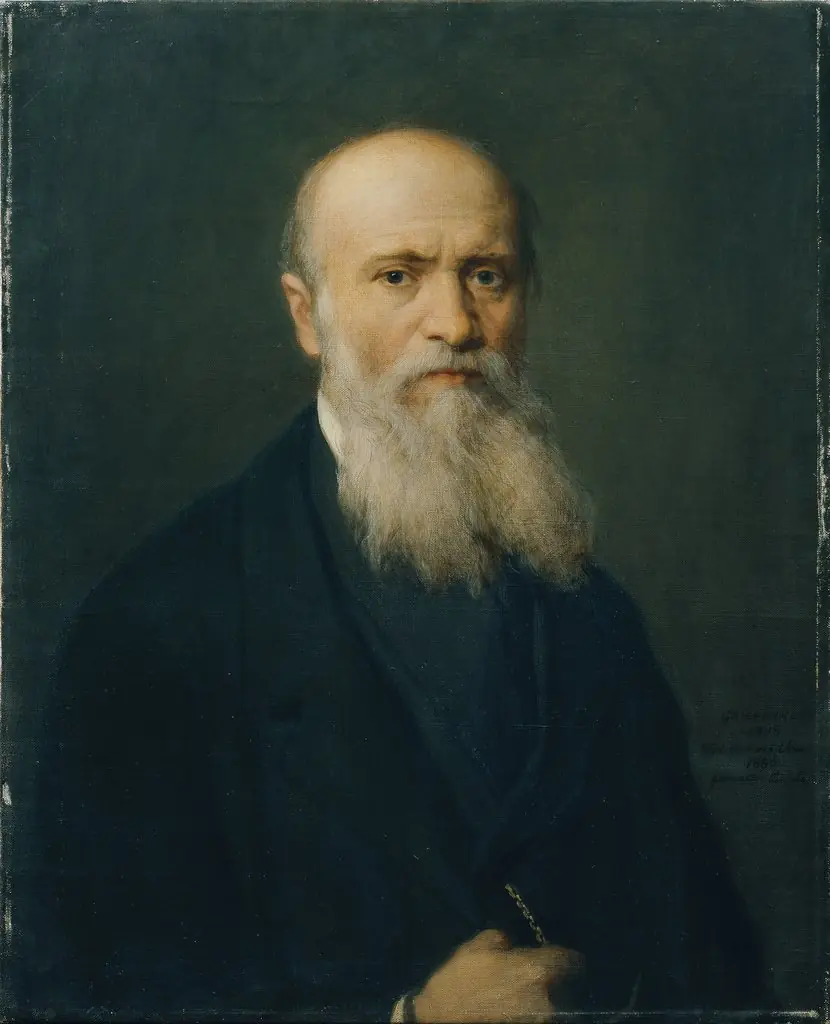
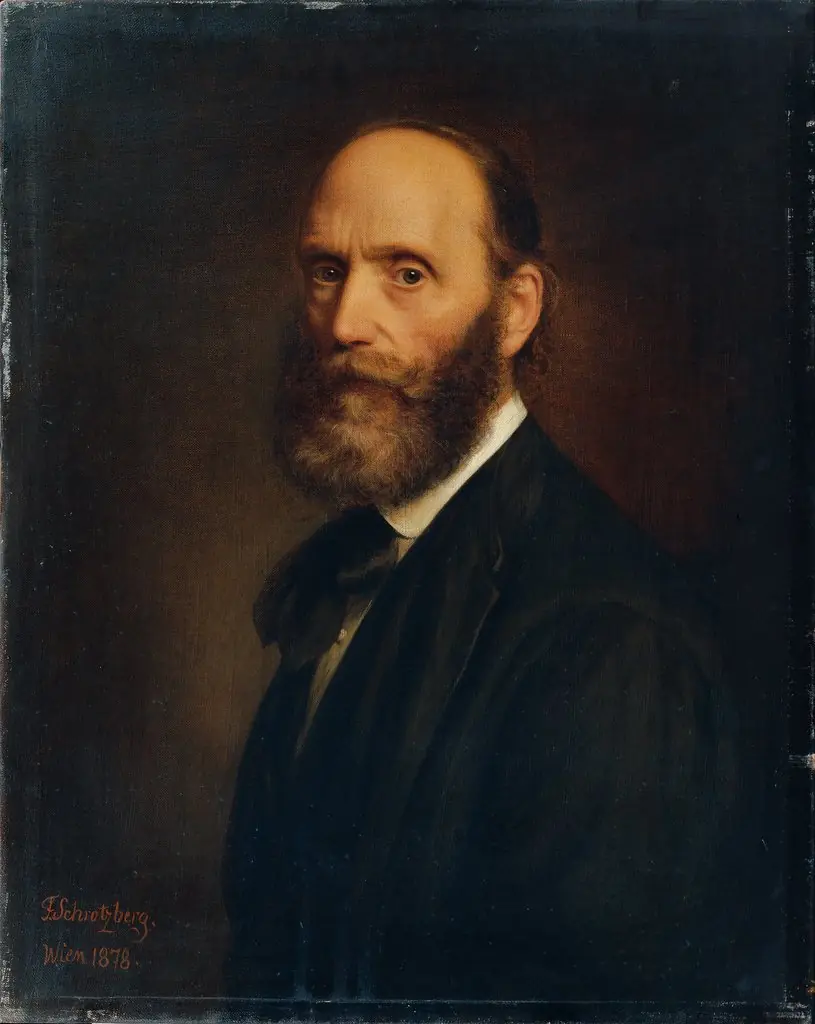
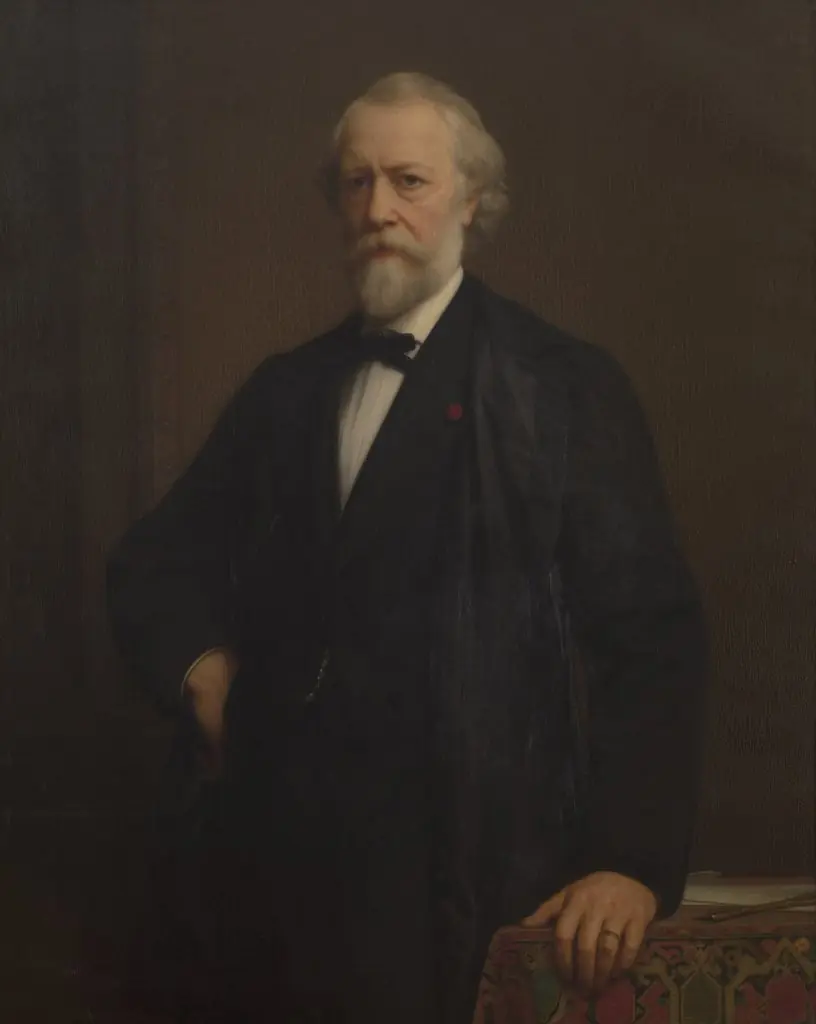
Friedrich von Amerling’s self‑portrait, executed in oil in 1875, presents the artist in his later years. The canvas shows a bearded man with white hair, dressed in a dark coat, brown vest, white shirt and black bow tie, his left hand holding a slender staff. The figure is illuminated against a dark backdrop, his face turned slightly, conveying a contemplative presence.
Subject & Meaning
The work functions as a personal statement, depicting Amerling himself as both creator and subject. The thoughtful gaze and the modest pose suggest a reflective assessment of his career and status, while the inclusion of the thin stick may allude to the tools of his artistic practice or the authority of his court position.
Own this work as a print
Artist & collection
Artist
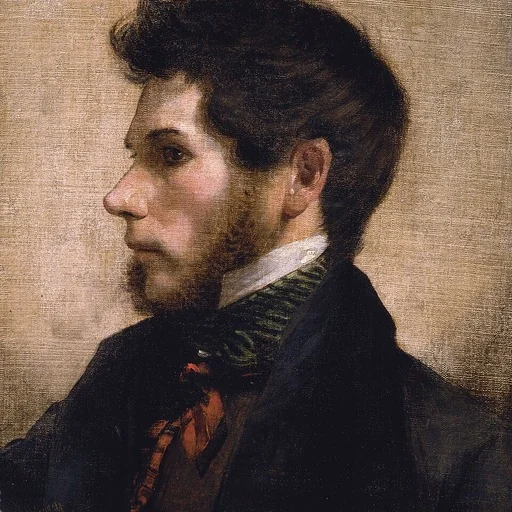
Friedrich Ritter von Amerling (14 April 1803 – 14 January 1887) was an Austrian portrait painter in the court of Franz Josef.