Artwork
Saint Augustine
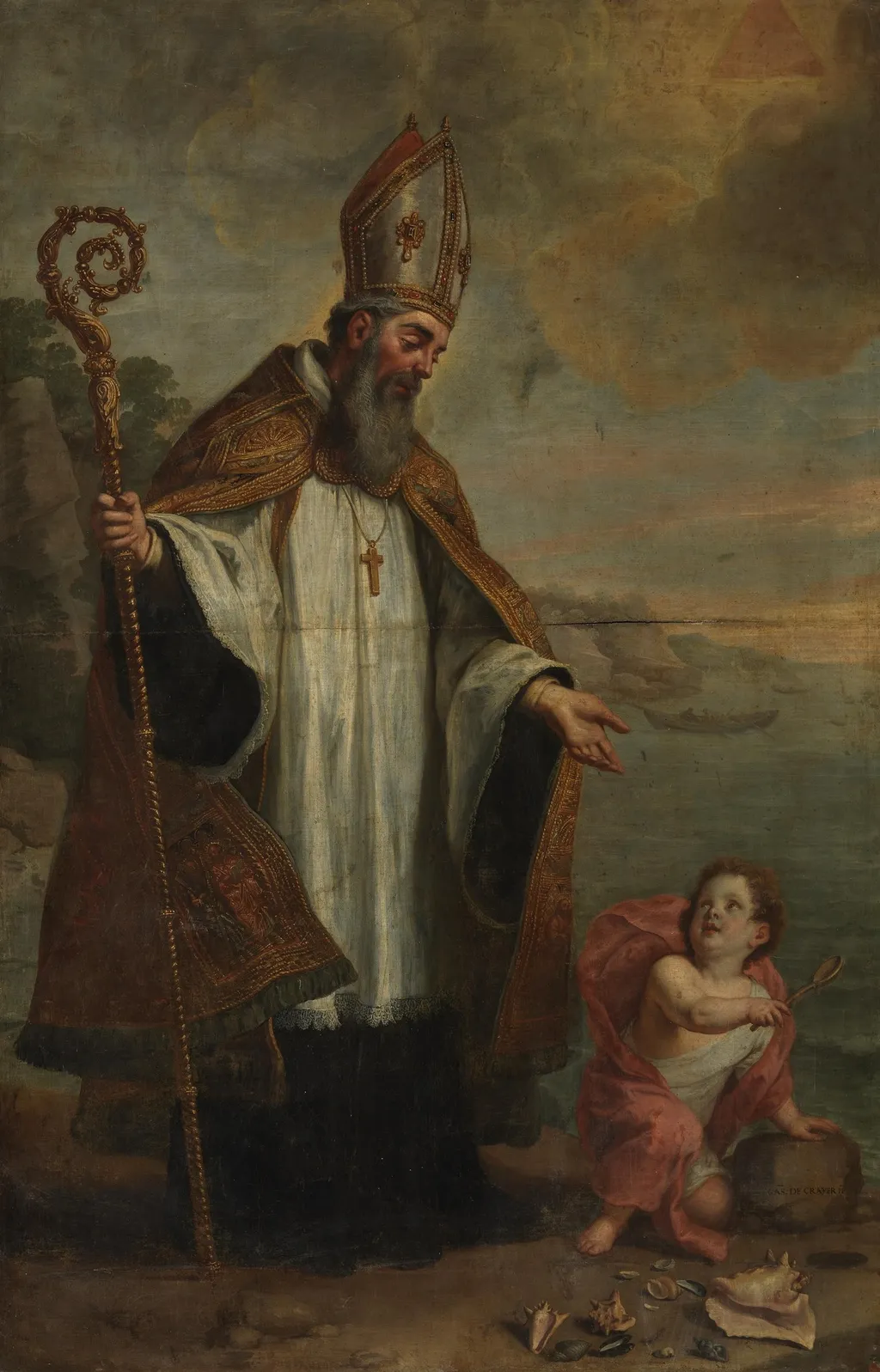
Saint Augustine is an oil painting by the Flemish Baroque painting artist Gaspar de Crayer. It dates from 1655 and is held in the collection of the Museo del Prado.
About this work
Subject & Meaning
By isolating Augustine as the central focus, the composition directs the viewer's attention to his identity and legacy rather than to narrative action.
The painting depicts Augustine of Hippo, the early Christian theologian and Doctor of the Church, as its main subject. Created as a religious work, it presents the saint in the contemplative tradition typical of Counter-Reformation imagery, where Augustine is often shown as a bishop or scholar engaged in theological reflection. The work belongs to the genre of religious art, situating the figure within a devotional context intended to inspire meditation on his teachings and his role in shaping Western Christian thought.
As a sacred image, the painting functions both as a portrait of a specific historical saint and as an iconographic vehicle for the values associated with him, doctrinal authority, intellectual rigor, and spiritual conversion. By isolating Augustine as the central focus, the composition directs the viewer's attention to his identity and legacy rather than to narrative action.
History & Provenance
The painting Saint Augustine by Gaspar de Crayer was created in 1655 as an oil on canvas work measuring 273 cm by 176 cm. It entered the collection of the Museo del Prado and the Museo de la Trinidad, institutions that later consolidated their holdings within the Museo del Prado. The composition portrays Augustine of Hippo, a central figure in Christian theological discourse.
Overview
Created in 1655, Gaspar de Crayer’s oil on canvas portrays Saint Augustine, the influential fourth‑century theologian. Executed in the Flemish Baroque idiom, the work is part of the Prado Museum’s collection in Madrid. It presents the saint in elaborate vestments, holding a golden staff, while a child kneels before him, suggesting a moment of instruction or blessing.
Technique & Style
De Crayer employs the dramatic chiaroscuro and rich coloration typical of Flemish Baroque, echoing the influence of Peter Paul Rubens. The painter renders the textures of silk, gold embroidery, and the smooth flesh of the figures with meticulous brushwork, while the background recedes into a softened, atmospheric haze that focuses attention on the interaction between saint and child.
Context
In the mid‑seventeenth century, Flemish artists responded to Catholic reform by emphasizing didactic religious imagery. De Crayer’s depiction of Augustine aligns with this agenda, presenting the saint as a learned authority imparting moral instruction, a theme that resonated with contemporary ecclesiastical patrons seeking visual reinforcement of doctrinal teachings.
Own this work as a print
Artist & collection
Artist
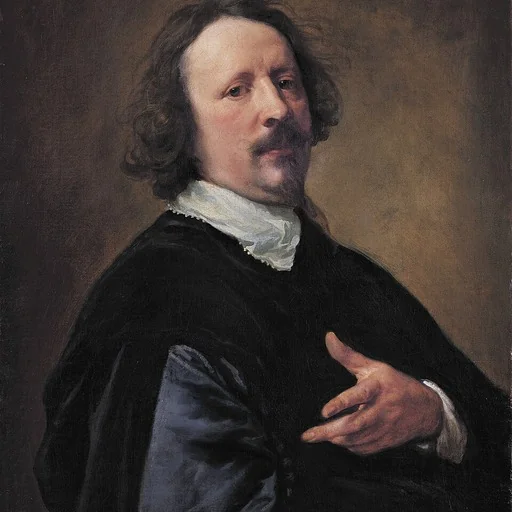
Gaspar de Crayer or Jasper de Crayer (18 November 1584 – 27 January 1669) was a Flemish painter known for his many Counter-Reformation altarpieces and portraits.

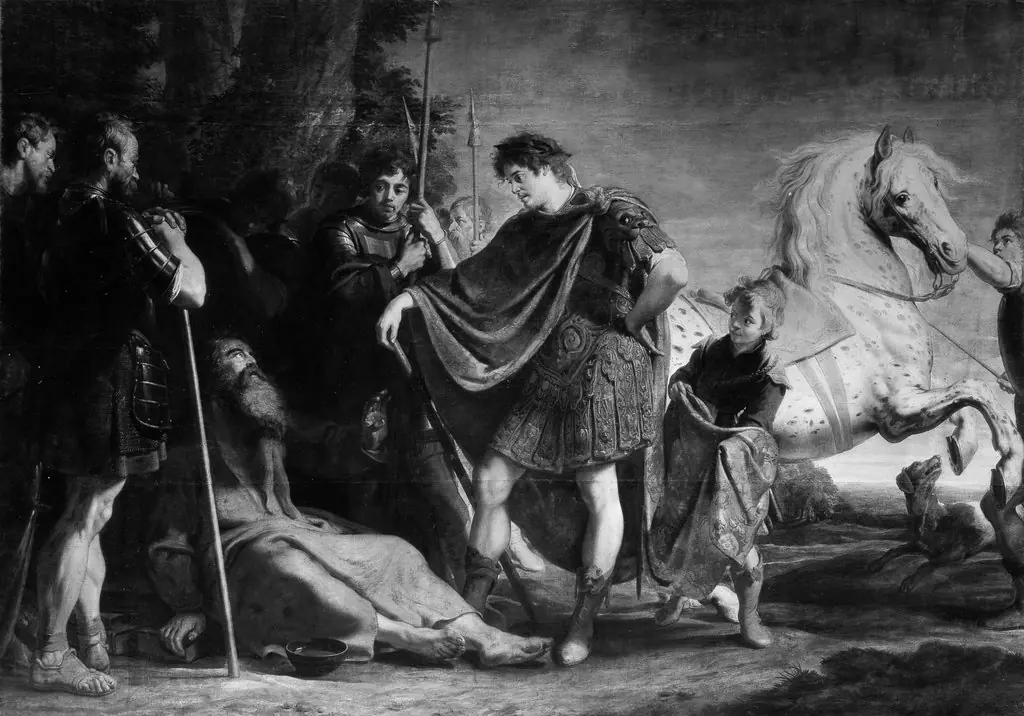 The Meeting of Alexander the Great and Diogenes
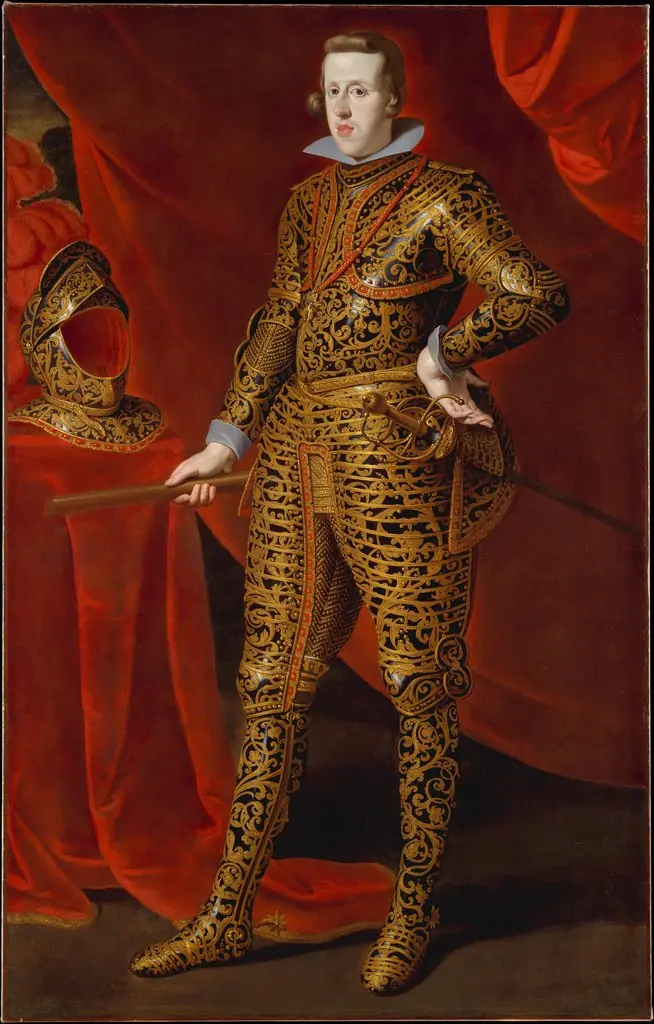 Philip IV (1605–1665) in Parade Armor
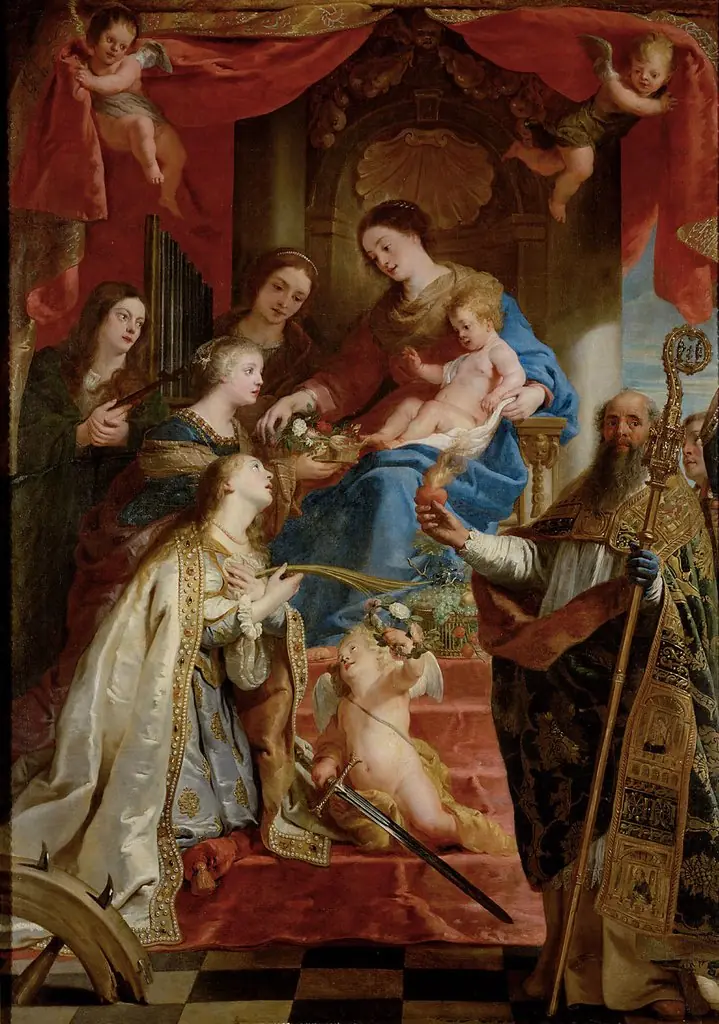 Virgin with child and saints Maria Magdalen, Cecilia, Dorothea, Catharina and Augustine
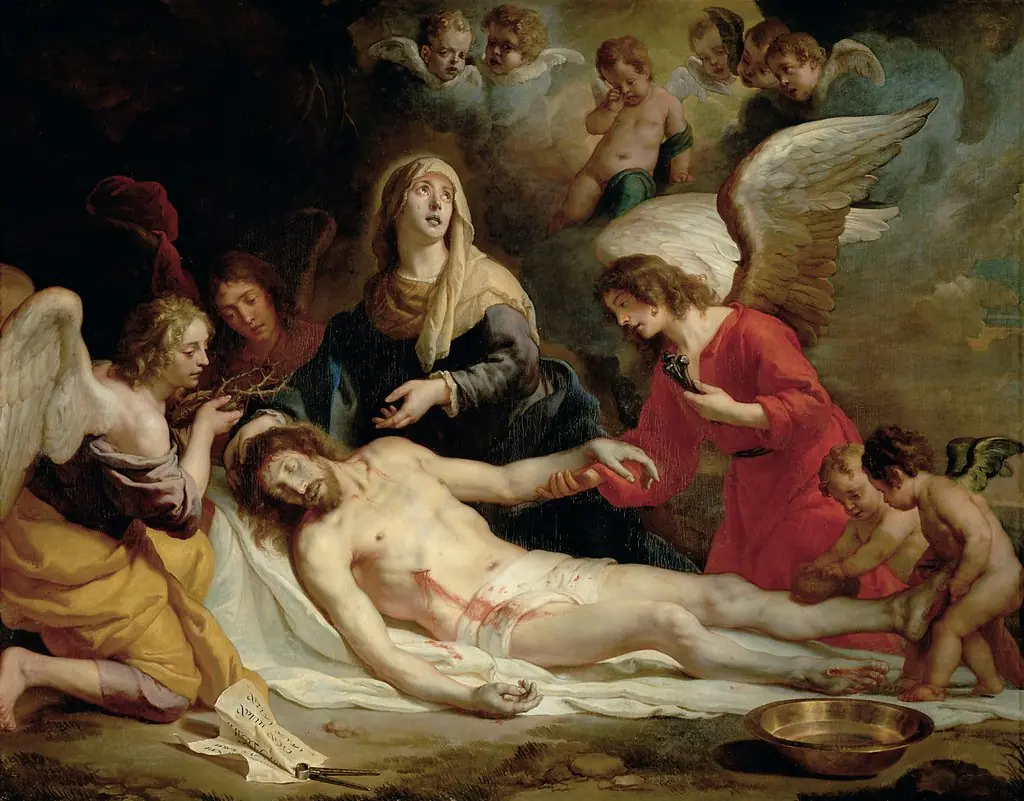 Lamentation
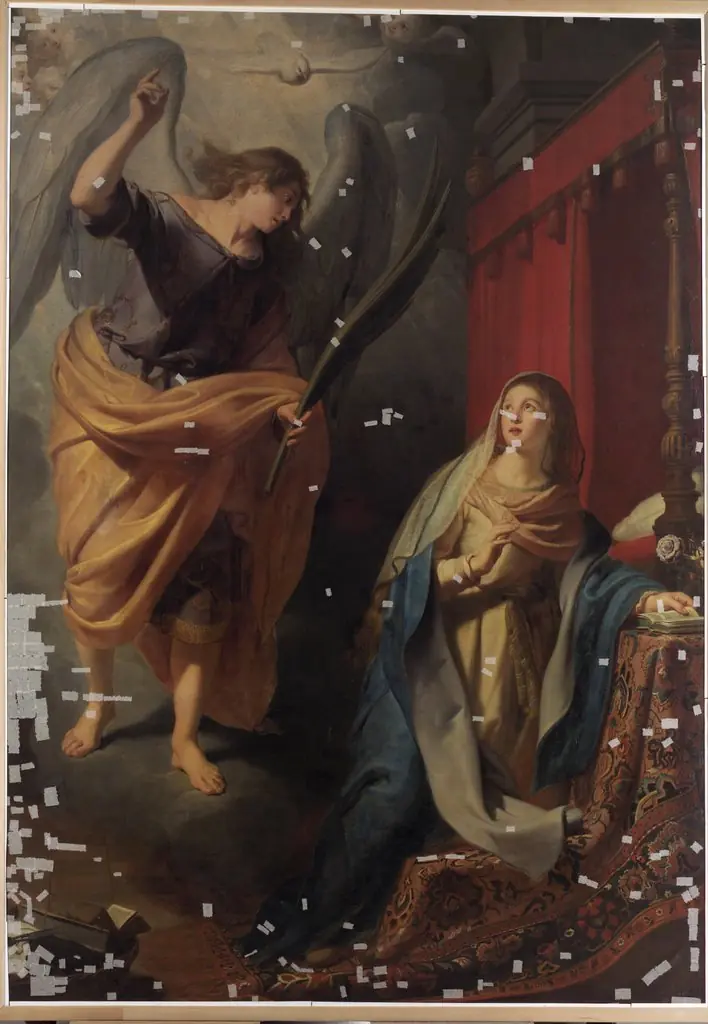 The Annunciation
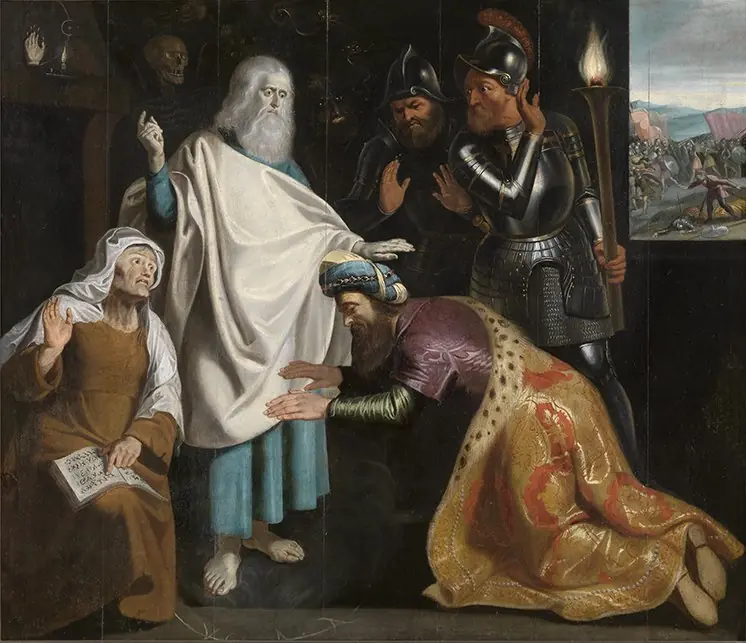 The ghost of Samuel appears to the witch of Endor; Saul falls prostrate to the ground (1 Samuel 28:3-20)
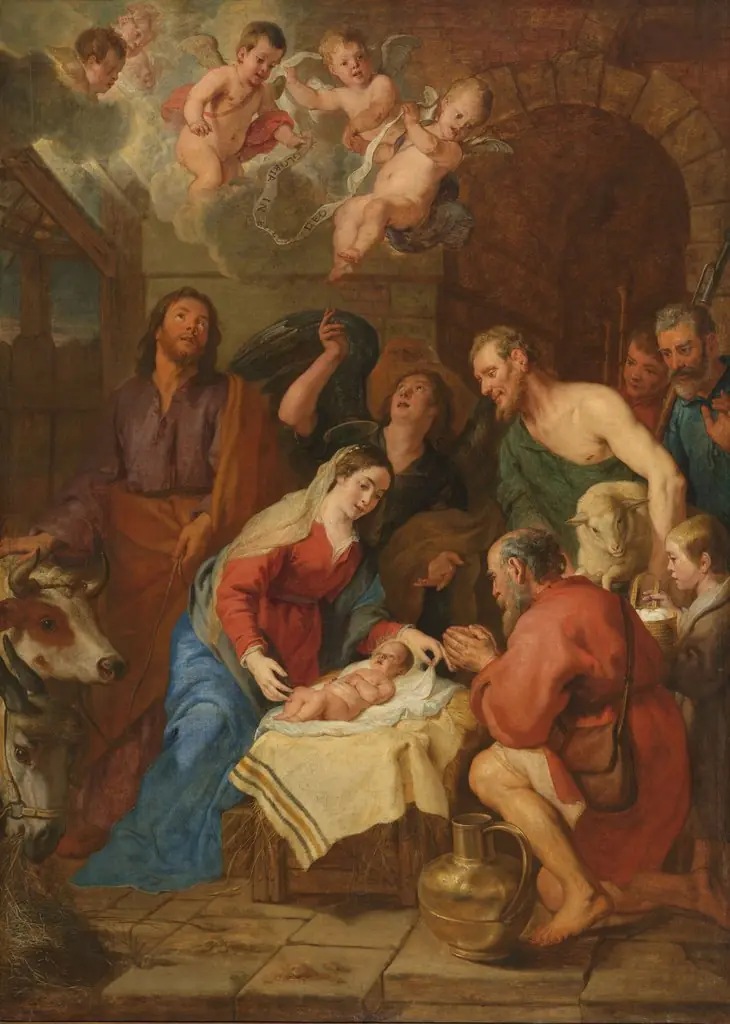 The adoration of the shepherds
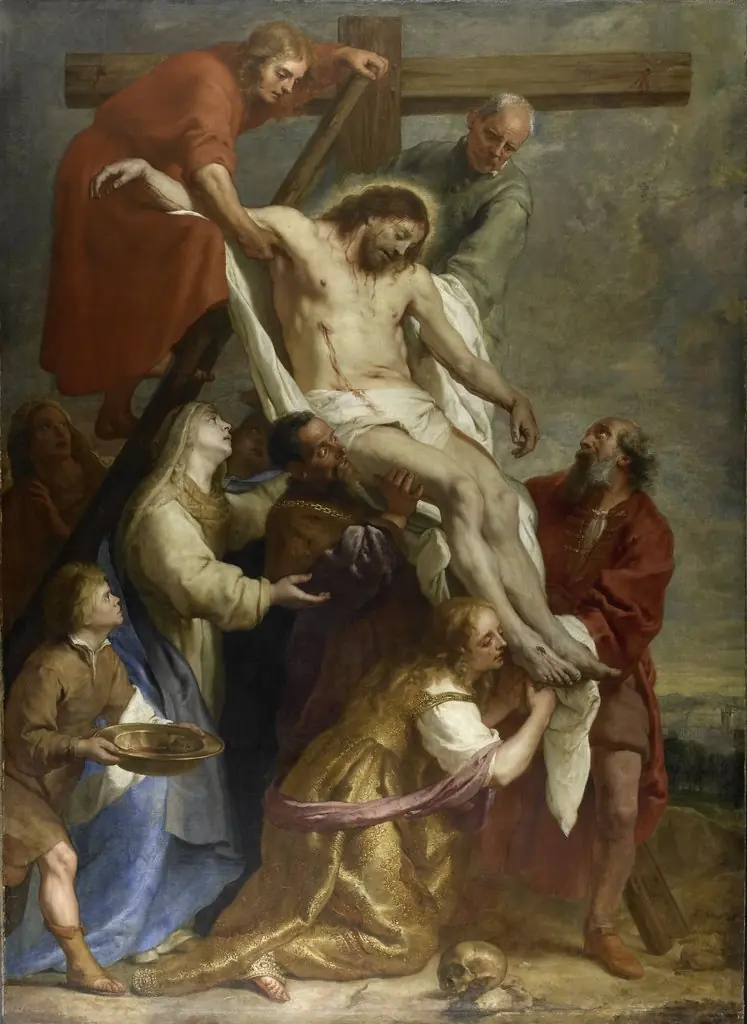 The descent from the cross
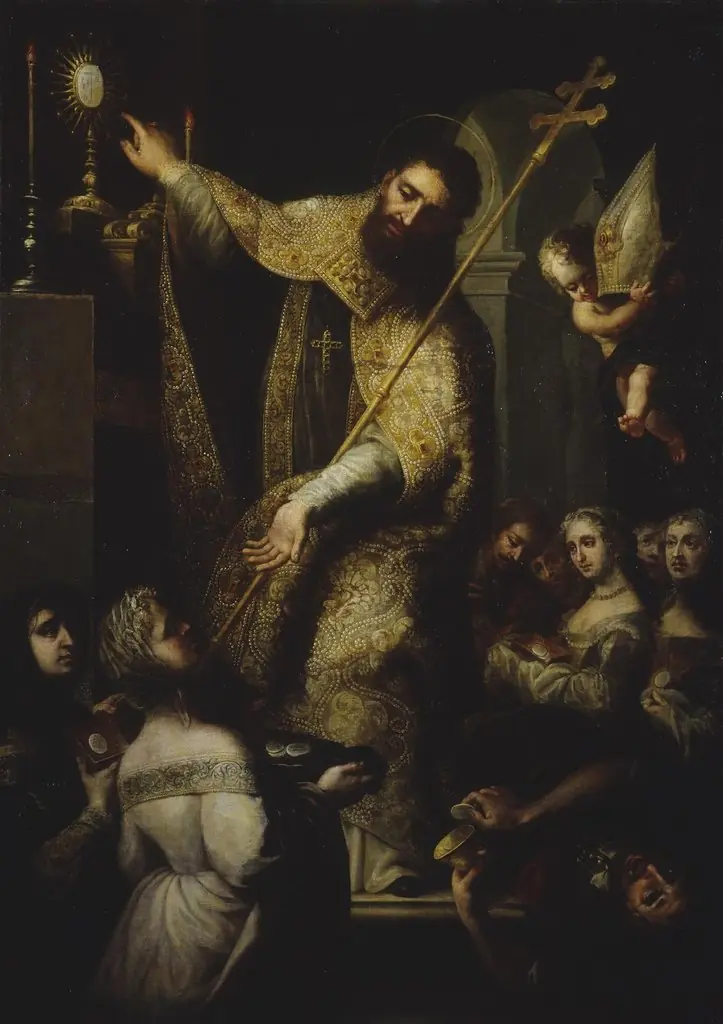 Triumph of St Norbert
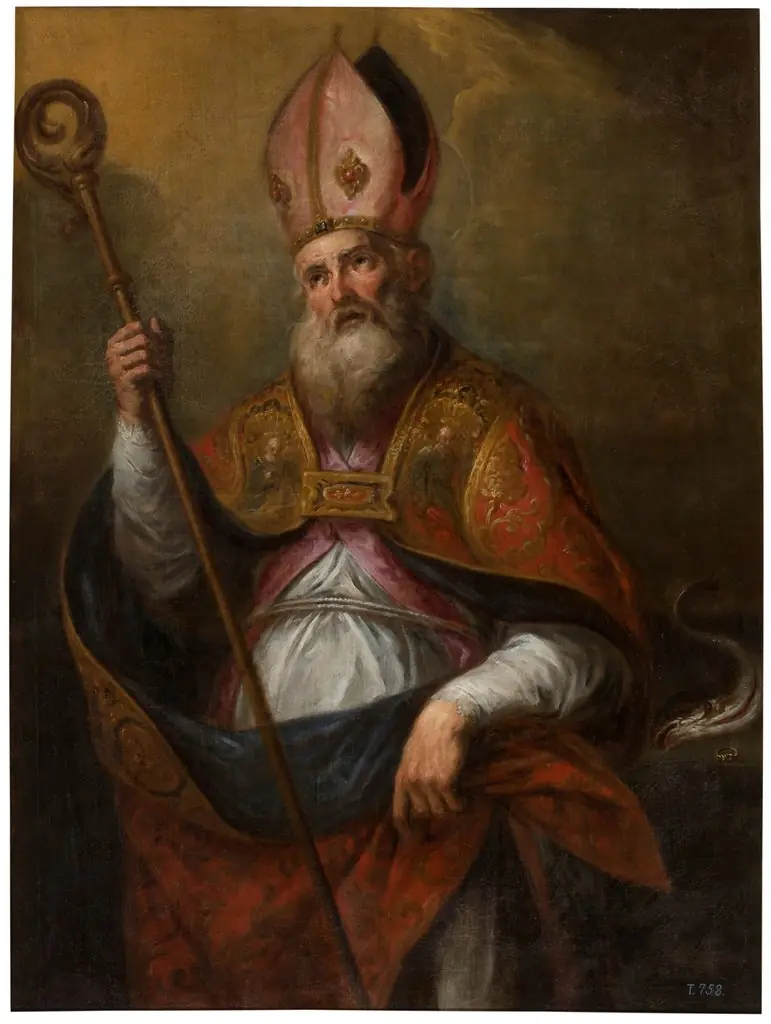 Saint Attila
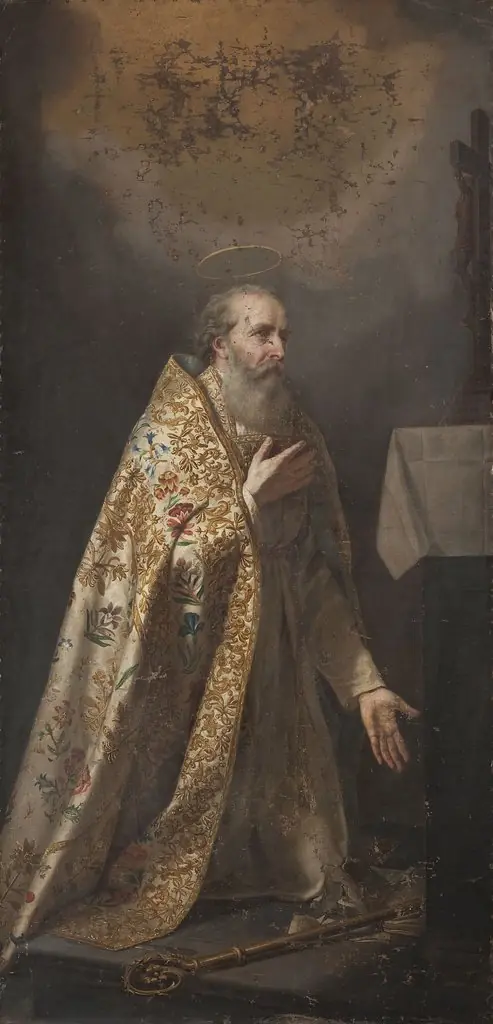 Bishop Wincenty Popiel (1825–1912)
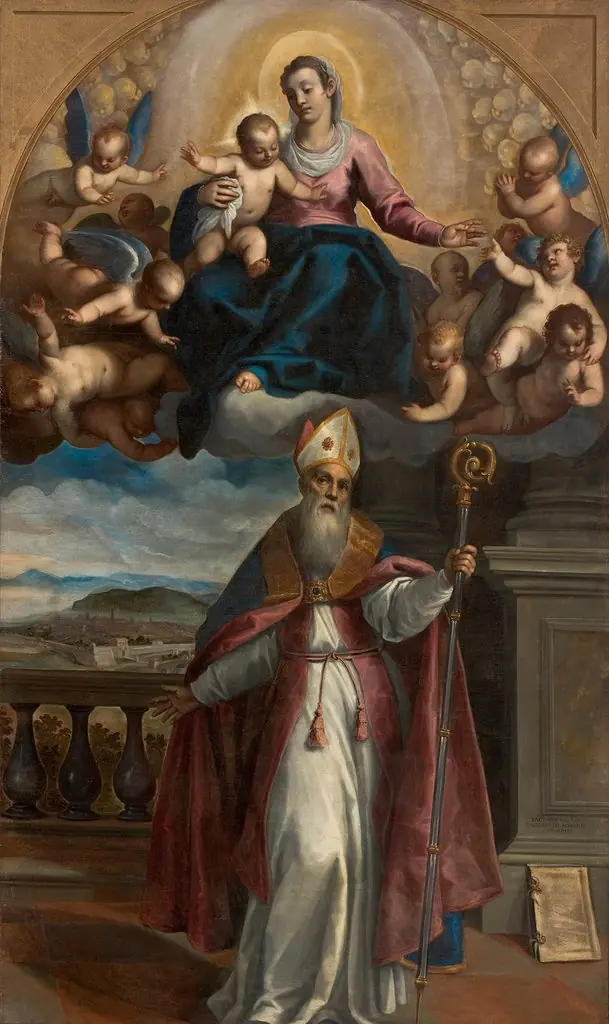 Aparição da Virgem com o Menino a santo Ubaldo, bispo de Gubbio, que indica ao fundo a cidade de Pesaro
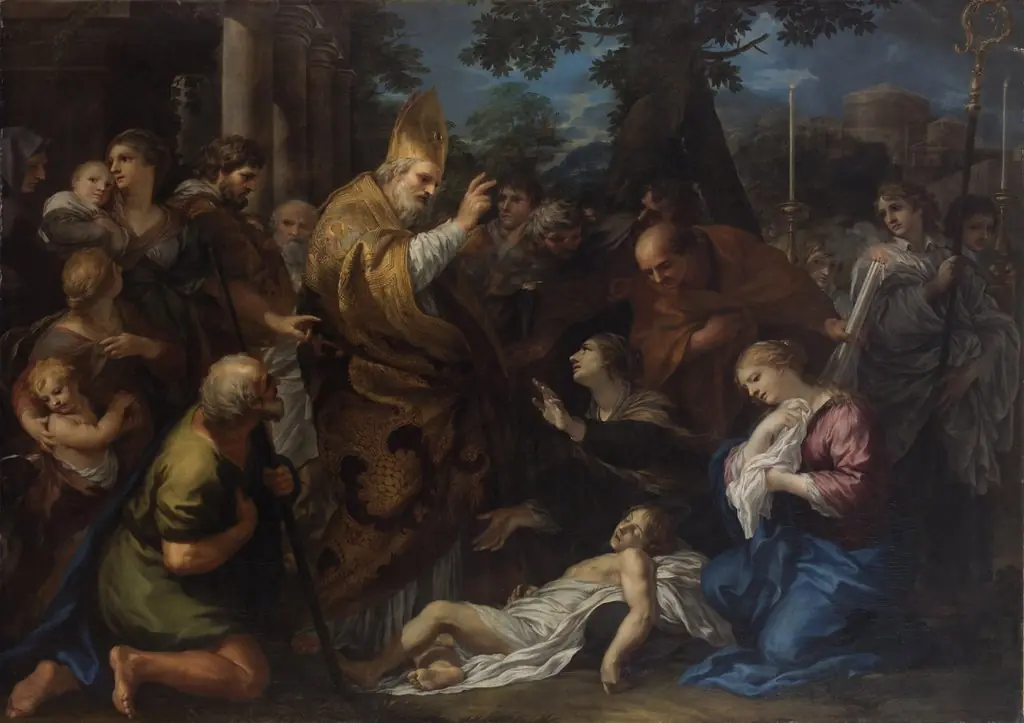 Miracle of Saint Martin of Tours
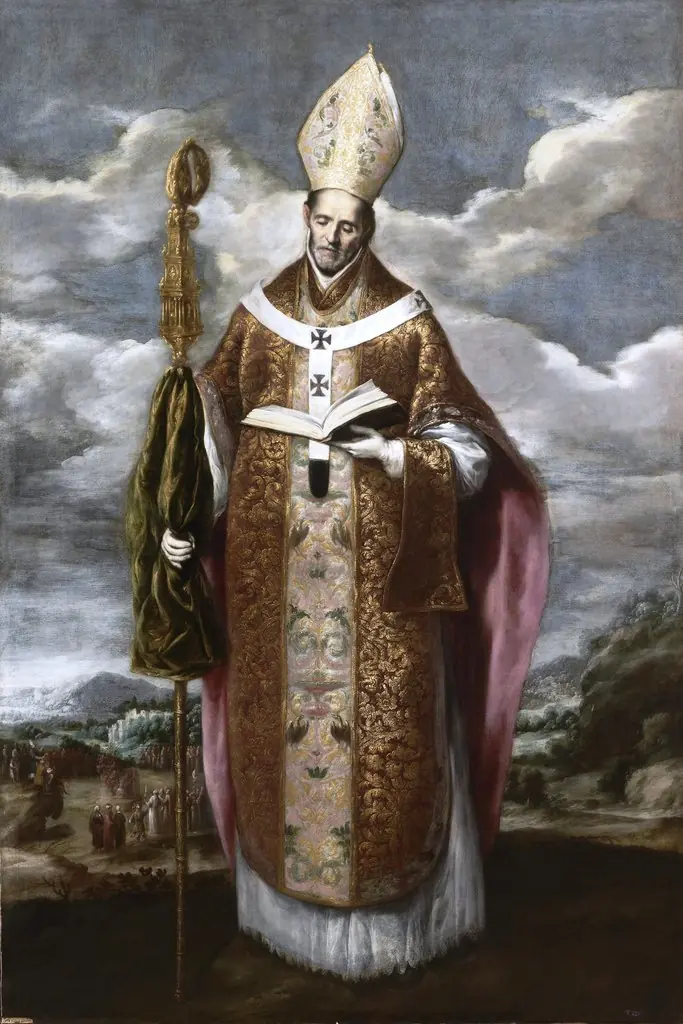 Saint Eugenius
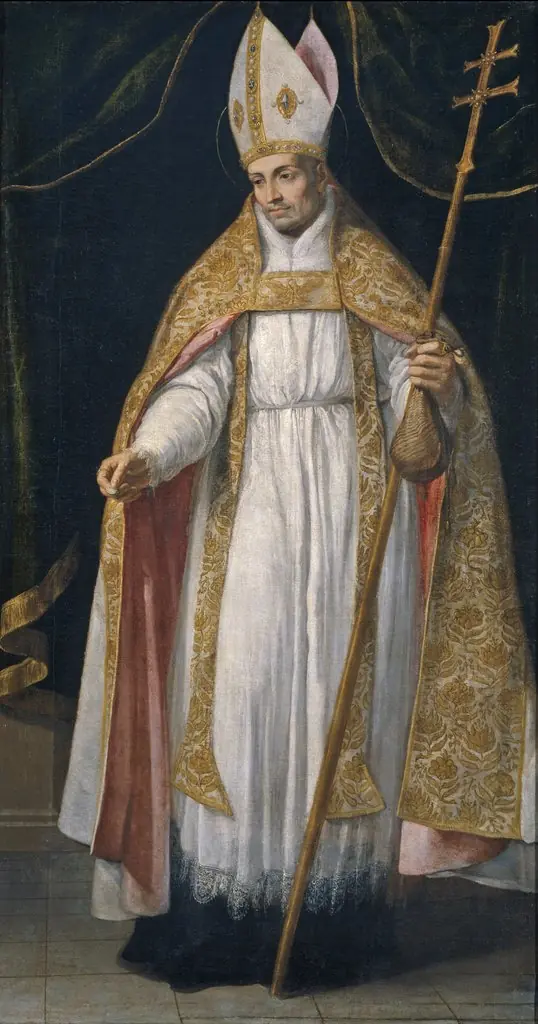 Santo Tomás de Villanueva
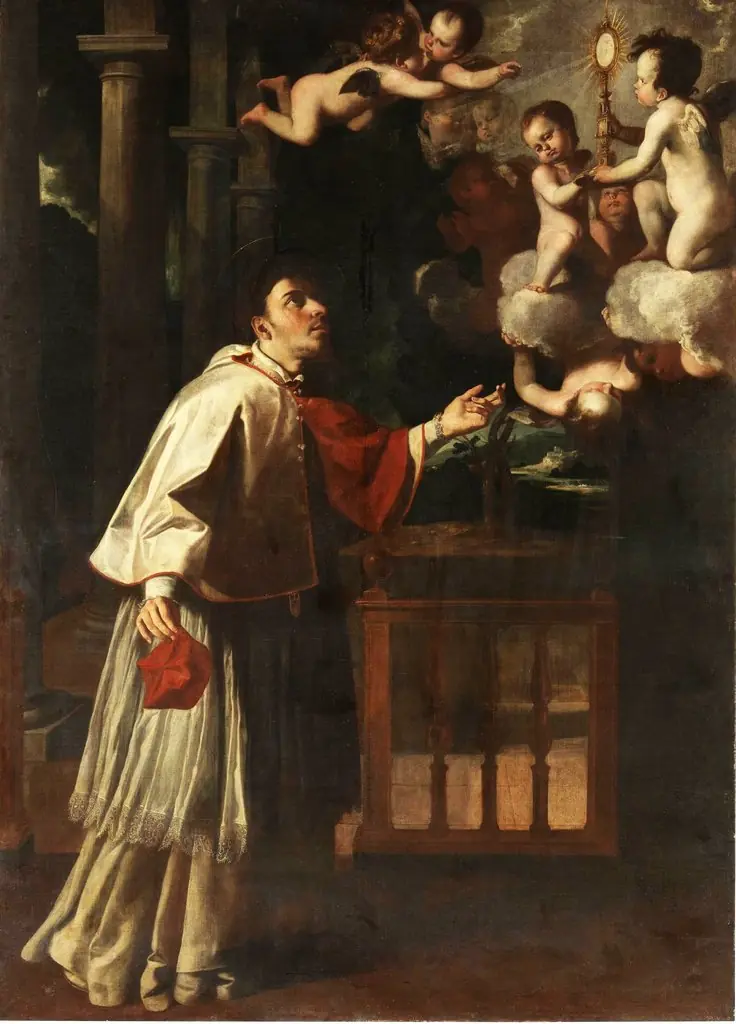 St. Raymond Nonnatus
 Madonna and Child Appearing to Saint Philip Neri