Artwork
Dr. Richard Wilmot Hall
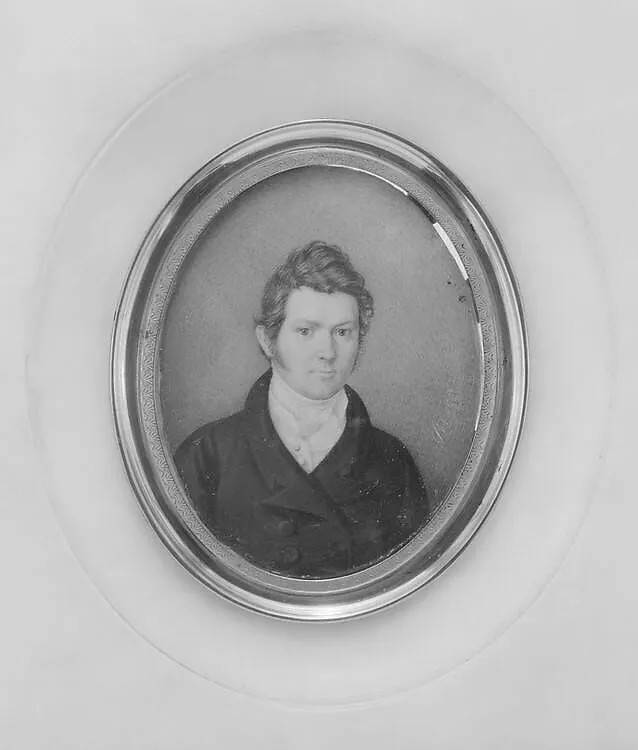
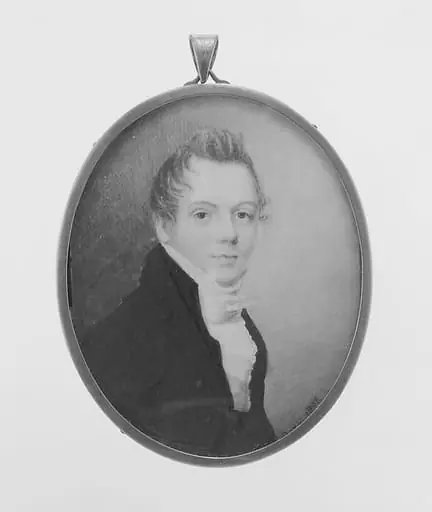
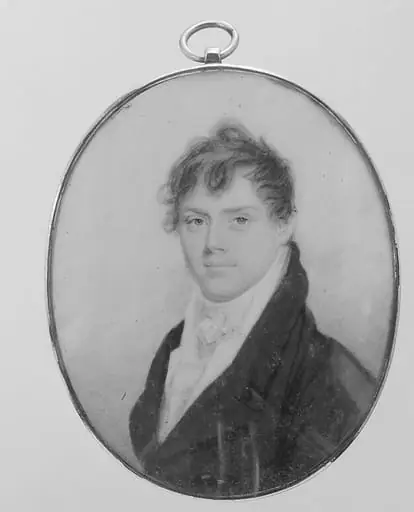
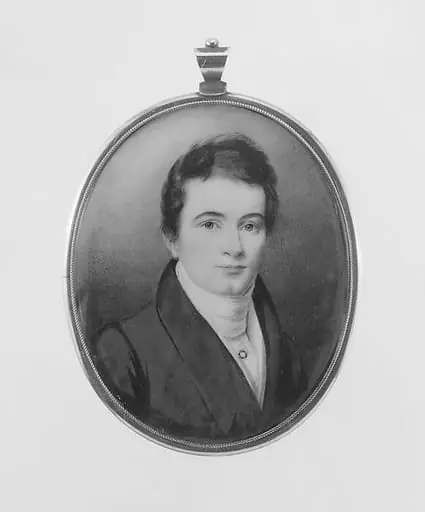
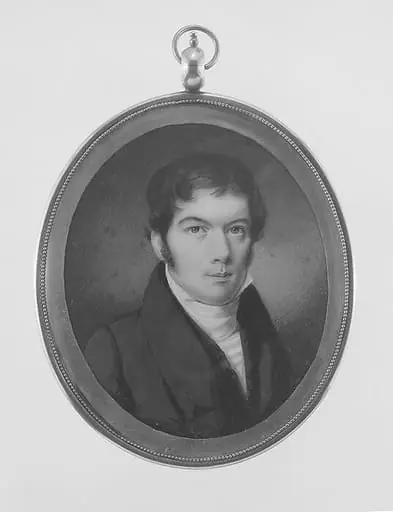
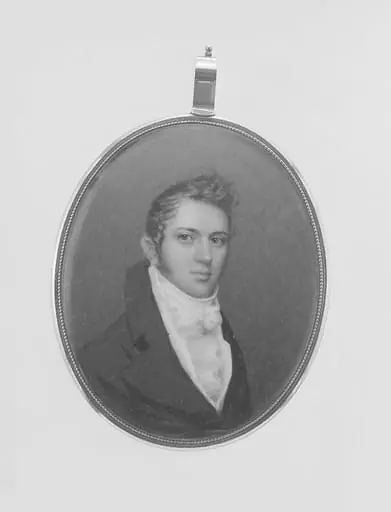
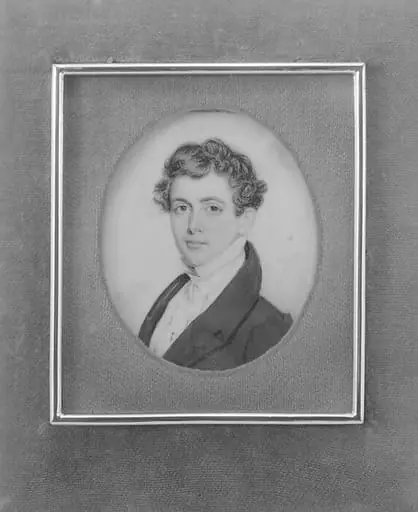
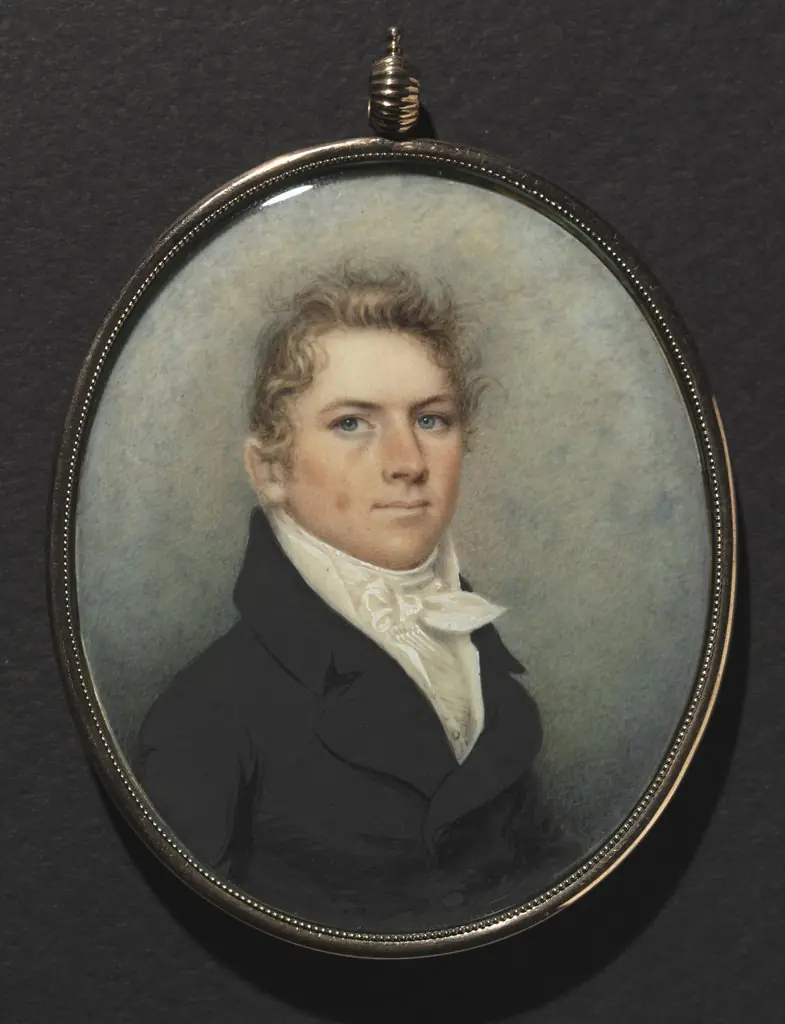
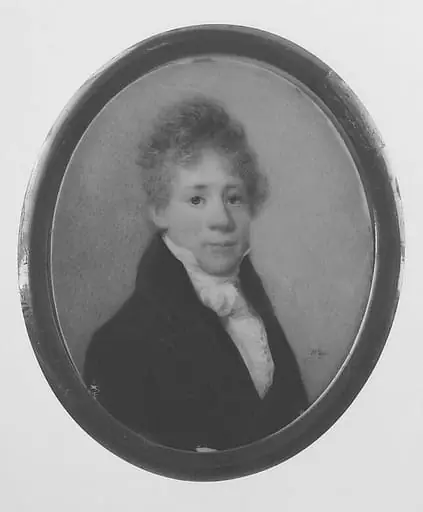
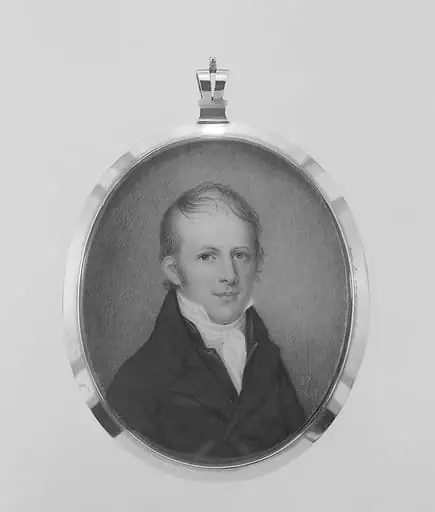
Dr. Richard Wilmot Hall is a watercolor painting by the Romanticist artist Gennarino Persico. It dates from 1832 and is held in the collection of the Metropolitan Museum of Art.
About this work
Subject & Meaning
No additional symbolic elements or metaphorical meanings beyond the straightforward representation of the doctor are indicated in the available documentation.
Created in 1832 by Gennarino Persico, this watercolor on ivory functions as a formal portrait depicting Dr. Richard Willmott Hall. The work's primary subject is the man himself, identified specifically as Richard Willmott Hall in historical records. As a piece classified within the portrait genre, the image focuses exclusively on representing the individual's likeness rather than incorporating complex allegorical symbols or broader iconographic narratives.
The artwork serves as a direct visual record of the sitter, capturing his appearance for posterity within the context of early nineteenth-century American portraiture. No additional symbolic elements or metaphorical meanings beyond the straightforward representation of the doctor are indicated in the available documentation.
Technique & Style
Dr. Richard Wilmot Hall is rendered in watercolor on a thin ivory support, a technique that creates a luminous, translucent surface. The artist applies delicate washes to define facial features and the crisp lapel of the sitter’s coat, emphasizing a realistic yet understated rendering typical of early‑19th‑century American portraiture. The portrait measures approximately 6.8 × 5.3 inches, as recorded in the Metropolitan Museum of Art catalog, and is housed within The American Wing, reflecting its classification as a portrait genre work.
The handling of light and subtle tonal modulation conveys a formal stiffness, while the restrained palette underscores the sitter’s genteel status.
History & Provenance
The work titled Dr. Richard Wilmot Hall is a watercolor on ivory portrait painted in 1832 by Gennarino Persico. It portrays Dr. Richard Willmott Hall and was classified within The American Wing collection of the Metropolitan Museum of Art. According to the documented record, the piece entered the museum’s holdings as part of the museum’s collection, establishing the Metropolitan Museum of Art as its current owner.
The painting’s dimensions are 6.8 × 5.3 units, and its creation is dated to the year 1832, reflecting Persico’s activity as a portraitist of that period.
The watercolor portrait of Richard Willmott Hall, created by Gennarino Persico in 1832, is held in the collection of the Metropolitan Museum of Art. Within the museum's structure, the work is classified under The American Wing. The piece is executed in watercolor on ivory and depicts the subject as a man.
While specific accession numbers are not detailed in the provided documentation, the artwork's physical dimensions are recorded as 6.8 units in height and 5.3 units in width. The sources confirm the museum as the current location and repository for this 19th-century portrait, establishing its presence within the institution's holdings. No specific exhibition history or past display dates are mentioned in the available records.
Context
Dr. Richard Wilmot Hall is an 1832 watercolor portrait by Gennarino Persico, held in the Metropolitan Museum of Art’s American Wing. The work belongs to the portrait genre and depicts the sitter Richard Willmott Hall, exemplifying early nineteenth‑century American portraiture within the museum’s decorative‑arts classification. Its inclusion in the American Wing reflects the institution’s emphasis on the period’s artistic production and provides a point of reference for scholarship on transatlantic influences in American art.
Overview
Gennarino Persico's watercolor portrait, Dr. Richard Wilmot Hall, dates to 1832. Executed on ivory, this miniature depicts its namesake, Richard Willmott Hall, presenting a direct gaze. The artwork exemplifies the intimate scale and detailed execution characteristic of such portraits from the early 19th century. Its small size was typical for personal objects intended for close viewing.
Artist & collection