Artwork
Saint Paul
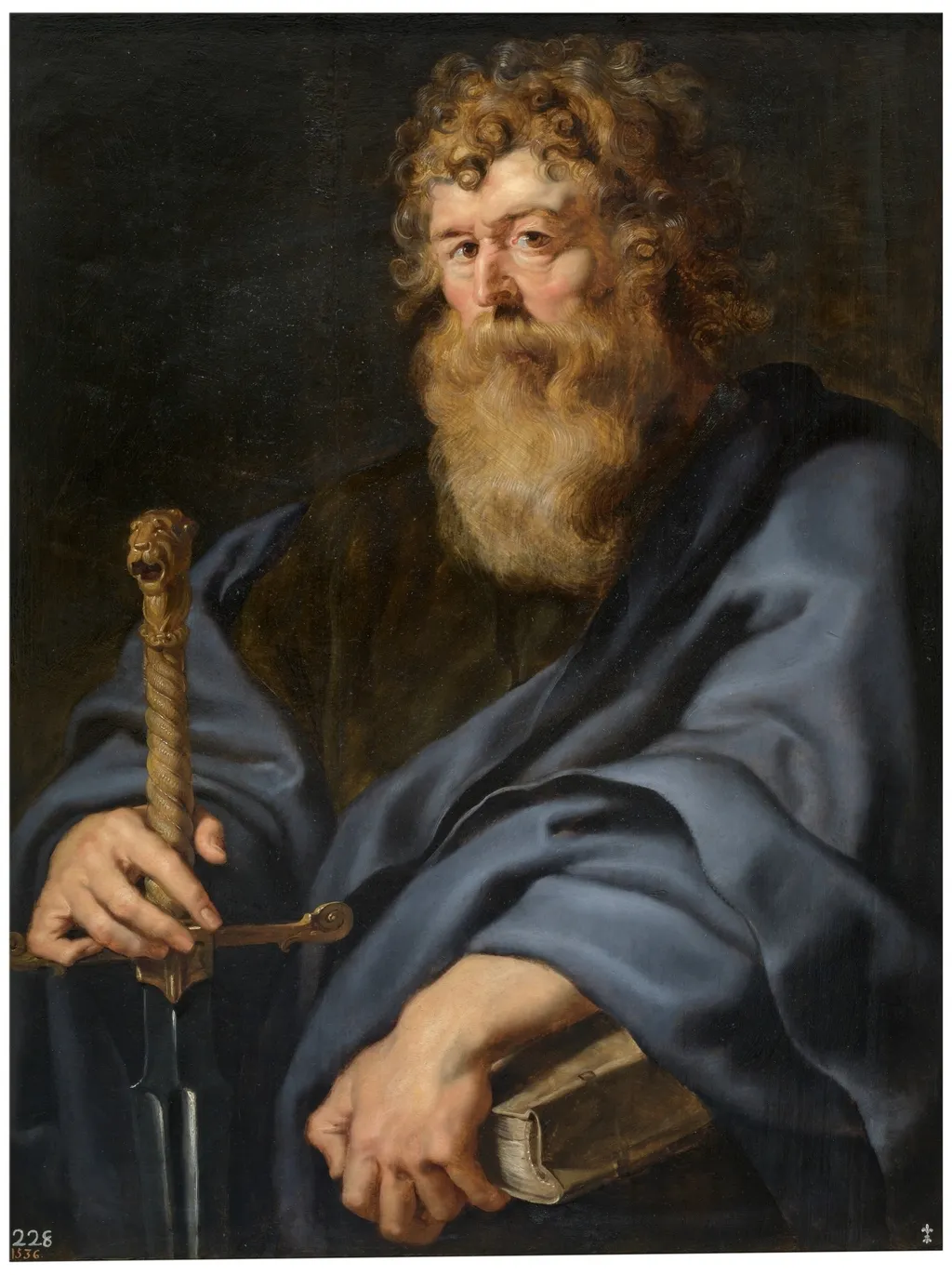
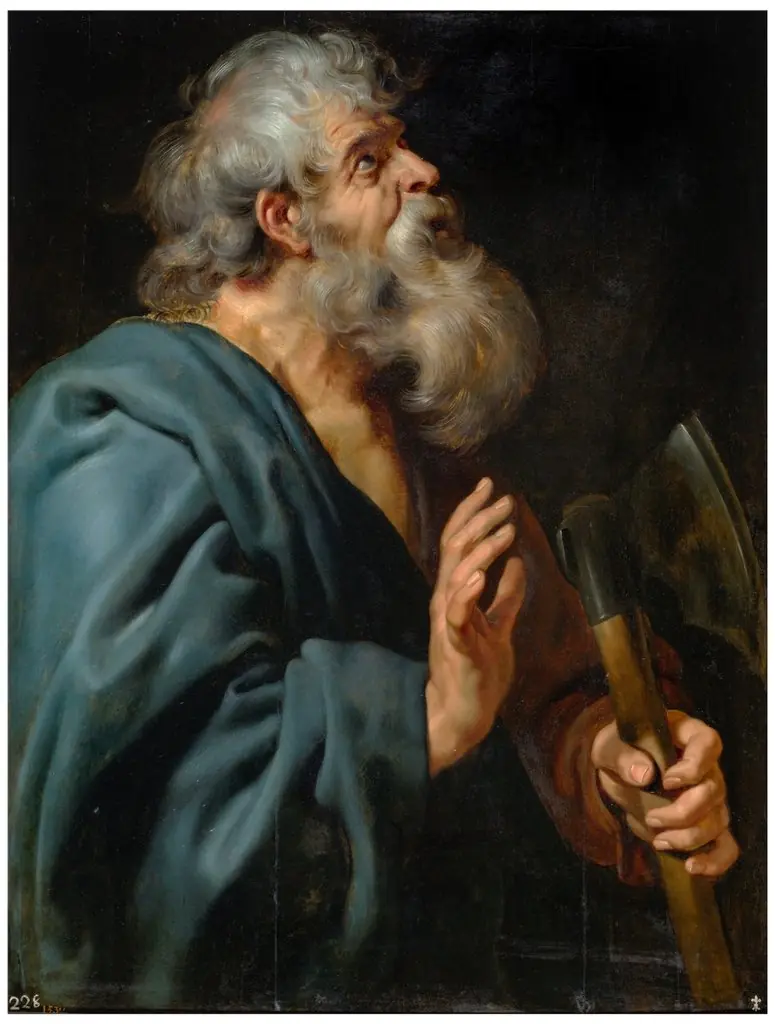
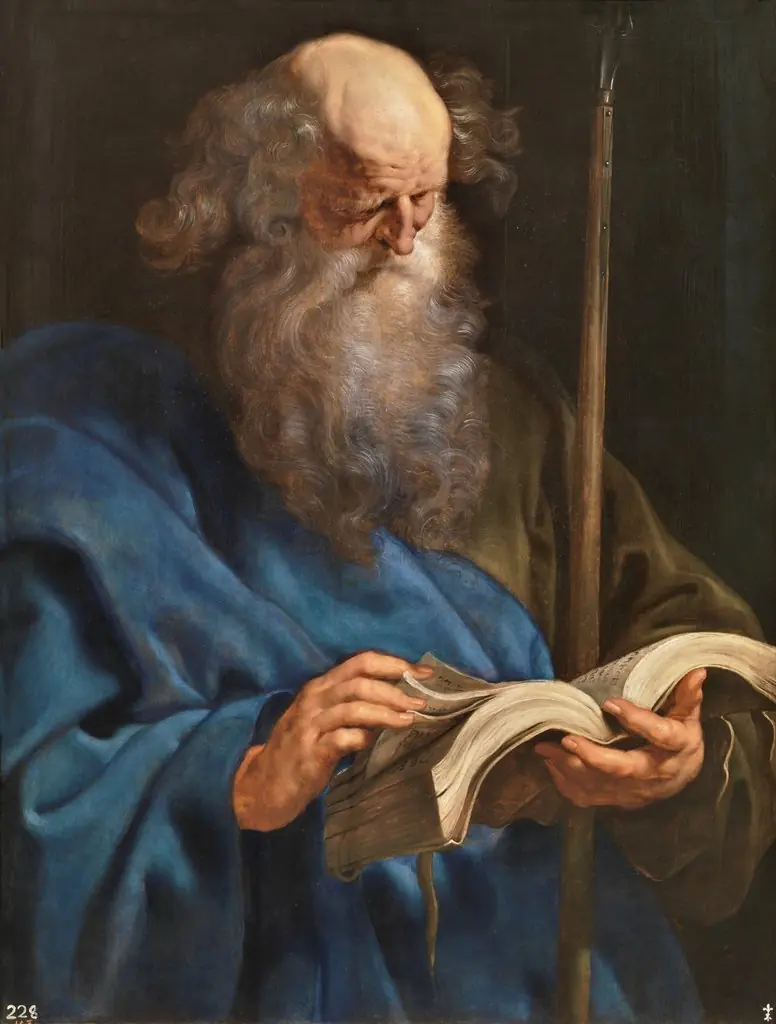
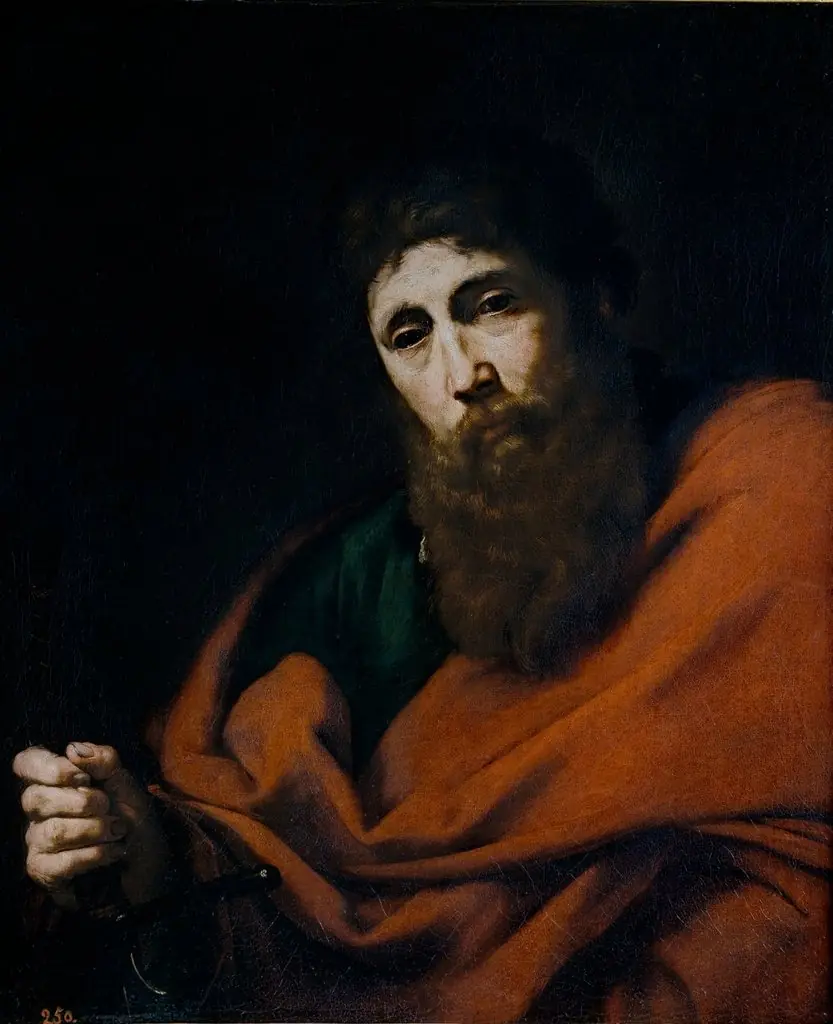
Saint Paul is an oil painting by the Flemish Baroque painting artist Peter Paul Rubens. It dates from 1610 and is held in the collection of the Museo del Prado.
About this work
Subject & Meaning
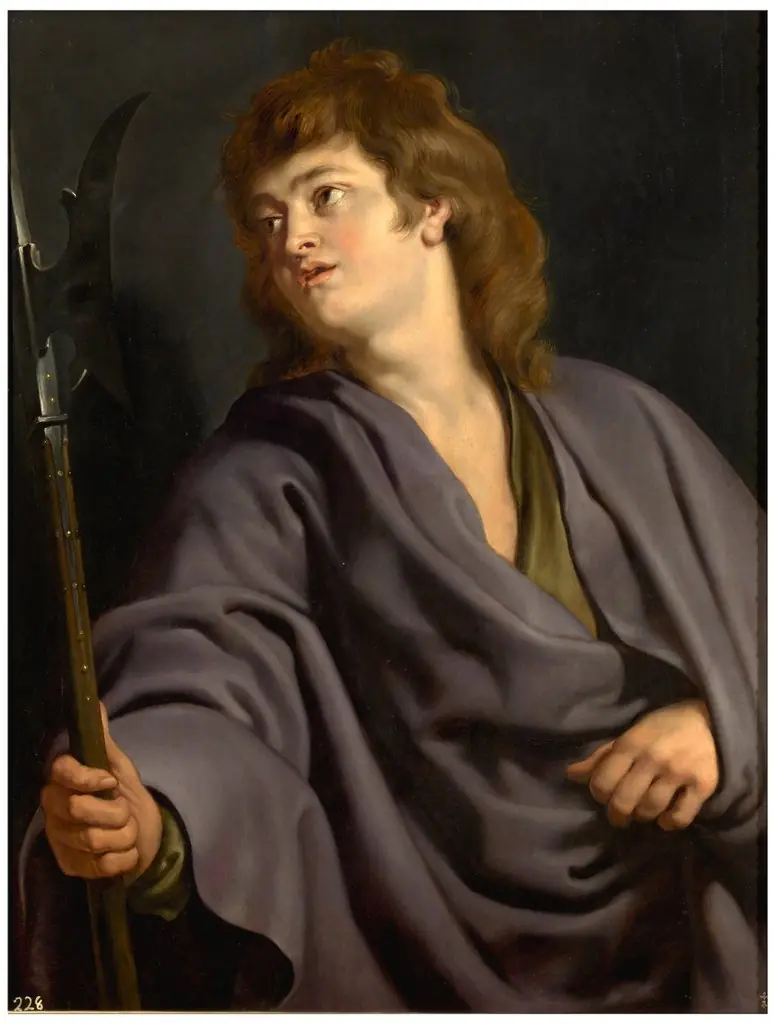
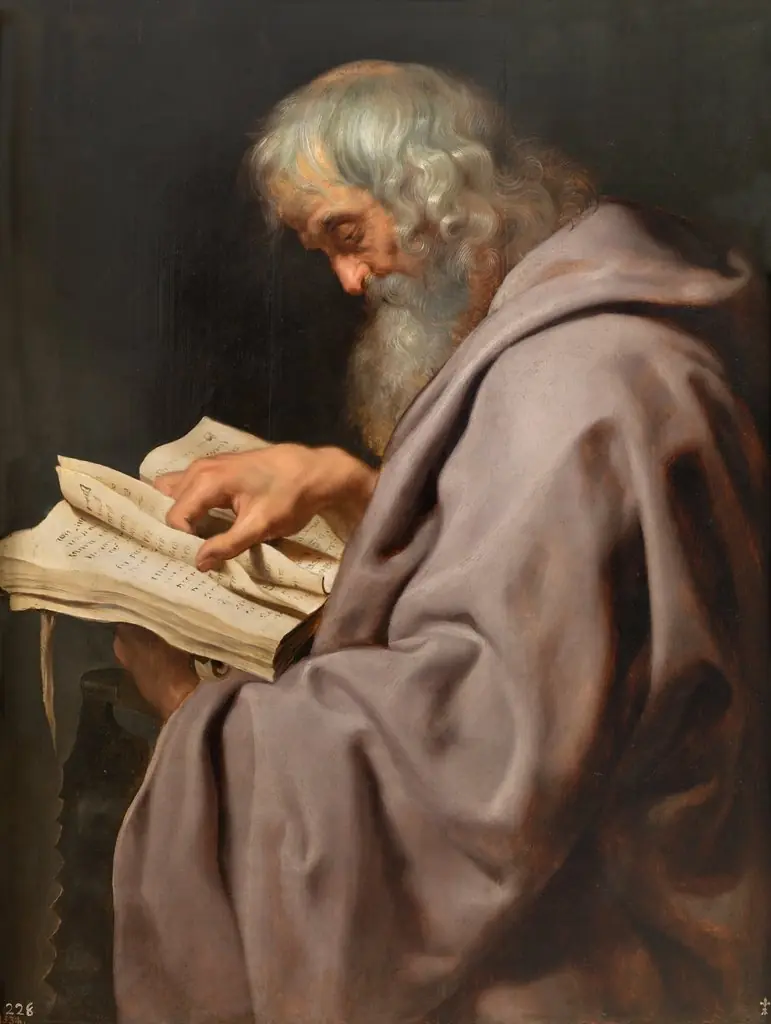
The painting depicts Saint Paul the Apostle, identifiable by his traditional attributes.
The painting depicts Saint Paul the Apostle, identifiable by his traditional attributes. Rubens portrays him with a long beard and balding head, seated in contemplation while holding an open book, likely a reference to his epistles in the New Testament. A sword lies at his side, symbolizing his martyrdom by beheading in Rome under Nero.
The work emphasizes Paul’s intellectual and spiritual authority, aligning with Counter-Reformation iconography that valorized apostolic figures as models of faith and learning.
The composition’s restrained palette and focused composition reinforce the subject’s pensive gravity, underscoring the theological significance of Paul’s writings within Christian tradition.
Technique & Style
Peter Paul Rubens executed Saint Paul in 1610 using oil paint applied to a canvas support. The work measures 107.5 cm in height and 83 cm in width. As a religious painting, the composition centers on the Apostle Paul and includes the depiction of a sword.
The handling and formal qualities align with the artist's established style for devotional subjects of this period, utilizing the medium to define the figure within the specified dimensions.
History & Provenance
Peter Paul Rubens executed the oil painting Saint Paul in 1610. The work depicts Paul the Apostle holding a sword and is rendered on canvas.
The painting entered the Spanish royal collection, where it was owned successively by Philip V, Elisabeth Farnese, Charles III, and Ferdinand VII. It was historically located at various royal sites, including the Royal Palace of Aranjuez and the Royal Palace of La Granja de San Ildefonso. The artwork is currently held in the collection of the Museo del Prado.
The painting Saint Paul by Peter Paul Rubens is held in the collection of the Museo del Prado. It entered the Spanish royal collection, owned successively by Ferdinand VII of Spain, Charles III of Spain, Elisabeth Farnese, and Philip V of Spain. The work has been displayed in exhibitions at the Museo del Prado, including presentations of the royal collection in the early 20th century.
The canvas measures 107.5 cm in height and 83 cm in width, painted in oil on canvas in 1610. It depicts Saint Paul holding a sword and belongs to the religious art genre.
Context
The painting Saint Paul by Peter Paul Rubens, created in 1610 as an oil on canvas work, occupies a significant position within the artist's oeuvre and the broader trajectory of Baroque religious art. Its depiction of the apostle wielding a sword aligns with Counter-Reformation visual strategies aimed at conveying spiritual intensity and narrative clarity, reflecting Rubens' deep engagement with Counter-Reformation theology and Italianate compositional models. The work's provenance through the Spanish royal collections, including ownership by Ferdinand VII and Philip V, underscores its diplomatic and artistic significance, linking Flemish artistic production with Iberian court patronage.
Its presence in major institutions such as the Museo del Prado highlights its enduring scholarly and curatorial relevance, with the painting frequently cited in studies of Rubens' late period and the evolution of apostolic imagery in European art.
Overview
The painting Saint Paul is a 1610 oil-on-panel work by Peter Paul Rubens, a prominent Flemish artist. It is now held in the Museo del Prado.
Own this work as a print
Artist & collection
Artist
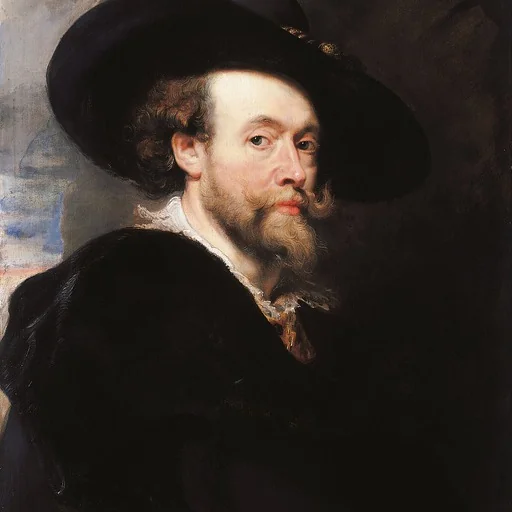
Sir Peter Paul Rubens ( ROO-bənz; Dutch:; 28 June 1577 – 30 May 1640) was a Flemish artist and diplomat.