Artwork
The Musicians' Brawl
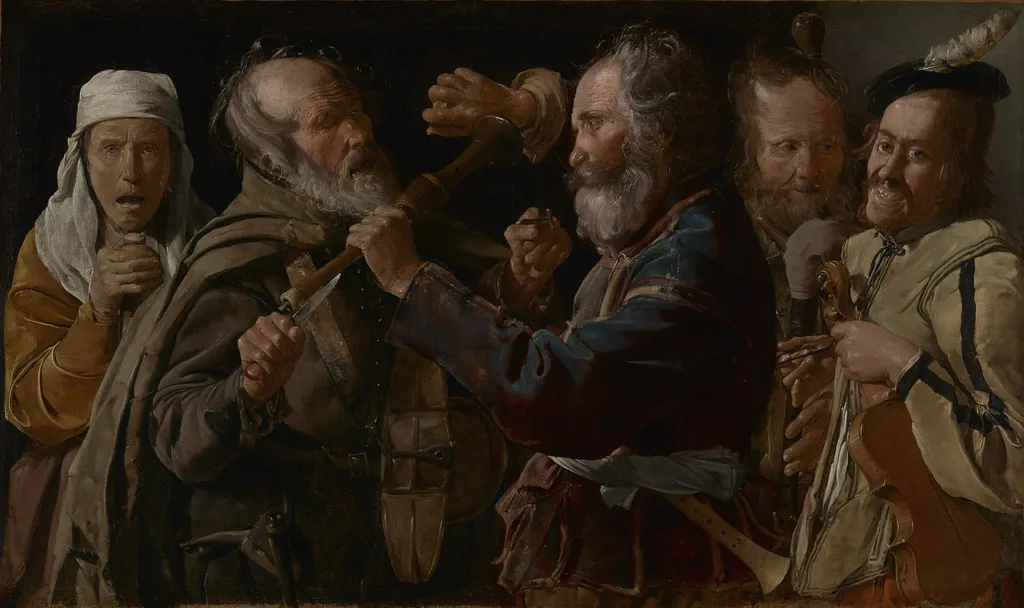
The Musicians' Brawl is an oil painting by the Baroque artist Georges de La Tour. It dates from 1620 and is held in the collection of the J. Paul Getty Museum.
About this work
Overview
An oil painting attributed to Georges de La Tour, created between 1620 and 1630, depicts a tense confrontation among street musicians. Once misattributed to Caravaggio, the work was reidentified in 1958 by scholars Charles Sterling and François-Georges Pariset. It entered the Getty Museum’s collection in 1973 after passing through private hands, including that of Lord Trevor by 1928.
Subject & Meaning
The onlookers’ expressions convey alarm or detachment, hinting at the fragility of social order in marginalized urban spaces.
The scene captures a moment of violent discord among four men and a woman, likely street performers in a dim interior. One figure brandishes a knife, another grips a bottle, suggesting escalating aggression. The onlookers’ expressions convey alarm or detachment, hinting at the fragility of social order in marginalized urban spaces. The subject reflects de La Tour’s interest in raw human interaction under pressure.
Technique & Style
De La Tour employs stark chiaroscuro, with a single light source from the left casting sharp contrasts across the figures. Dark, muted garments recede into shadow, while faces and hands are partially illuminated, heightening emotional intensity. The composition focuses attention on the central conflict, using minimal background detail to isolate the drama. Brushwork is restrained, emphasizing form over ornamentation.
History & Provenance
The painting was long misattributed to Caravaggio before being correctly identified as de La Tour’s work in 1958. It was documented in Lord Trevor’s collection by 1928 and later entered the art market. Acquired by the Getty Museum in 1973, its provenance reflects the shifting scholarly understanding of early 17th-century French painting and the reevaluation of Caravaggisti works in the 20th century.
Context
Created during a period when French artists were absorbing Caravaggio’s naturalism, de La Tour adapted his style toward quieter, more introspective scenes. This work stands apart for its depiction of lower-class life and unidealized violence, aligning with broader trends in Northern European genre painting. The setting suggests a tavern or lodging house, common locales for such narratives in the early Baroque era.
Legacy
The painting contributes to the reassessment of de La Tour’s role in French Baroque art, highlighting his ability to convey psychological depth through light and gesture. Its reattribution helped clarify the distinction between Caravaggio’s influence and the more subdued, intimate approach of his French followers. Today, it remains a key example of genre scenes rendered with moral gravity rather than theatricality.
Own this work as a print
Artist & collection
Artist
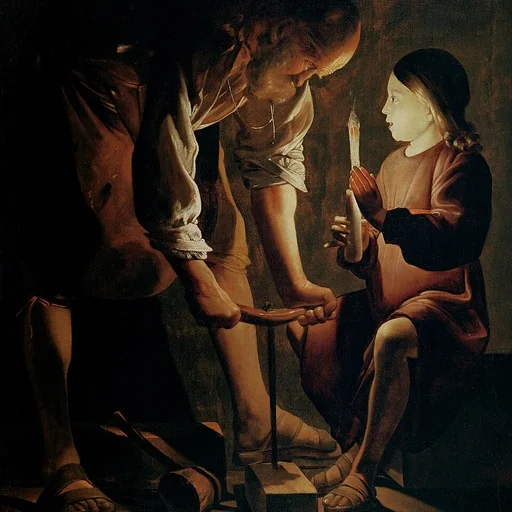
Georges de La Tour (French pronunciation:; 13 March 1593 – 30 January 1652) was a French Baroque painter, who spent most of his working life in the Duchy of Lorraine, which was temporarily absorbed into France between 1641 and 1648.

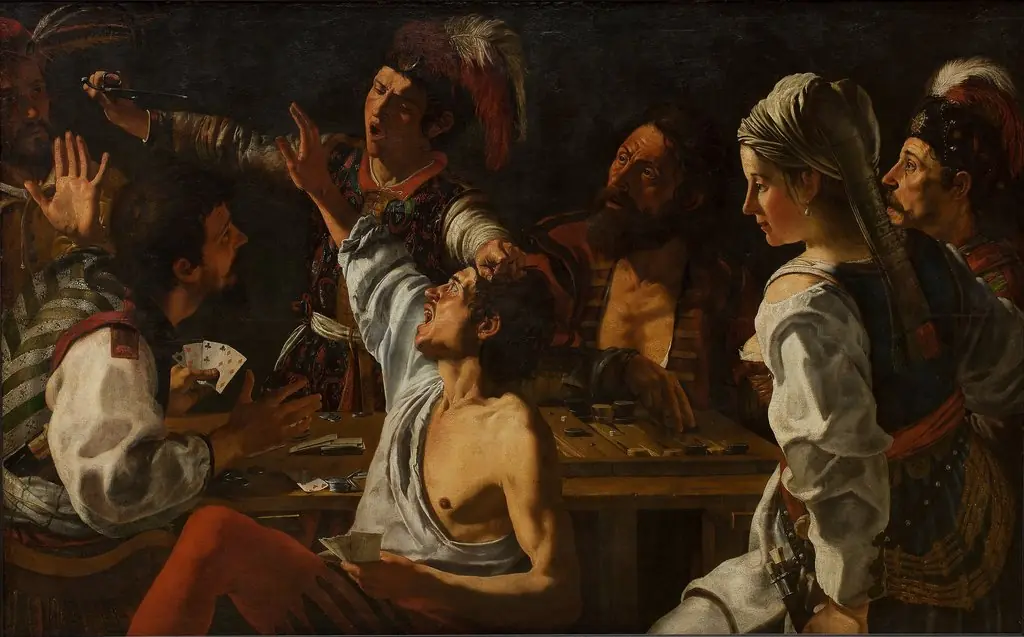 Card and Backgammon Players. Fight over Cards
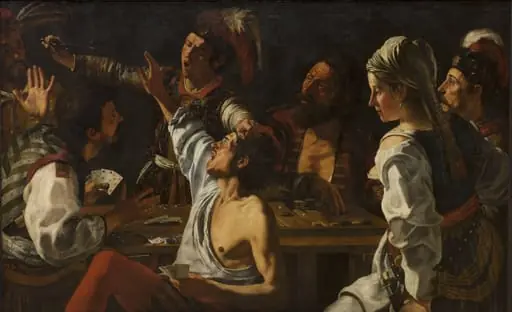 Card and Backgammon Players. Fight over Cards
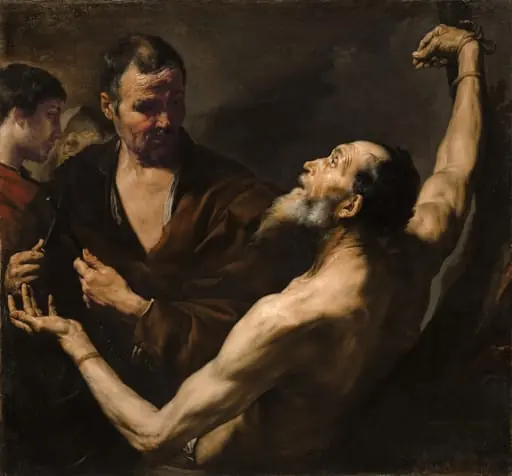 The Martyrdom of Saint Bartholomew
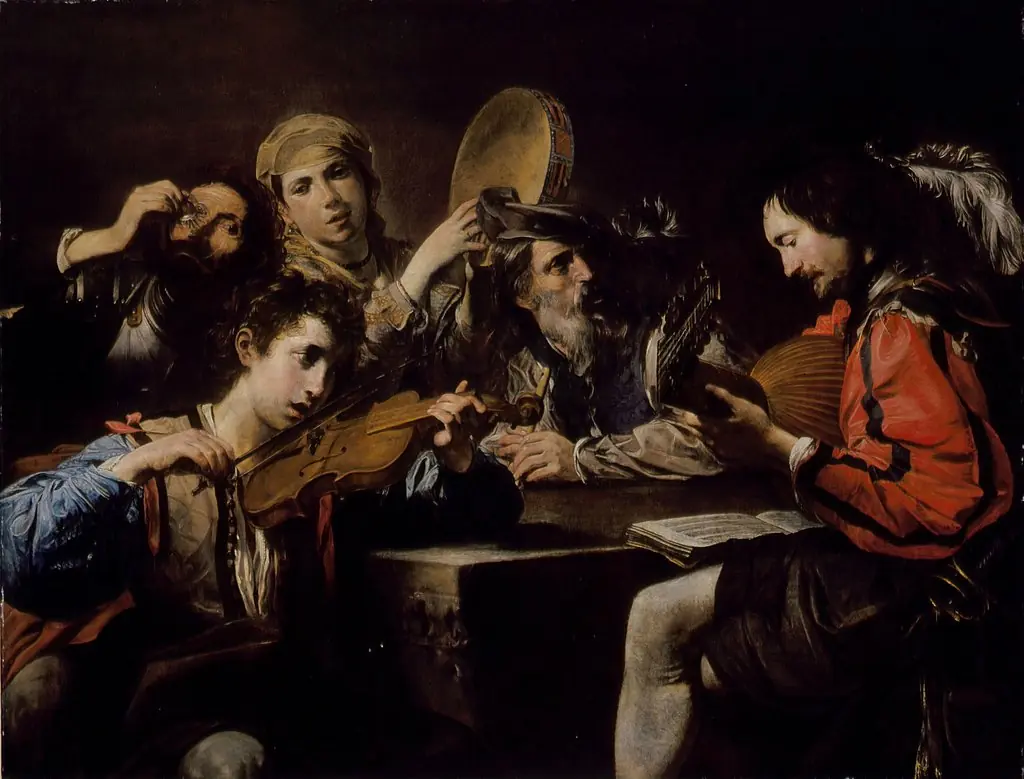 A Musical Party
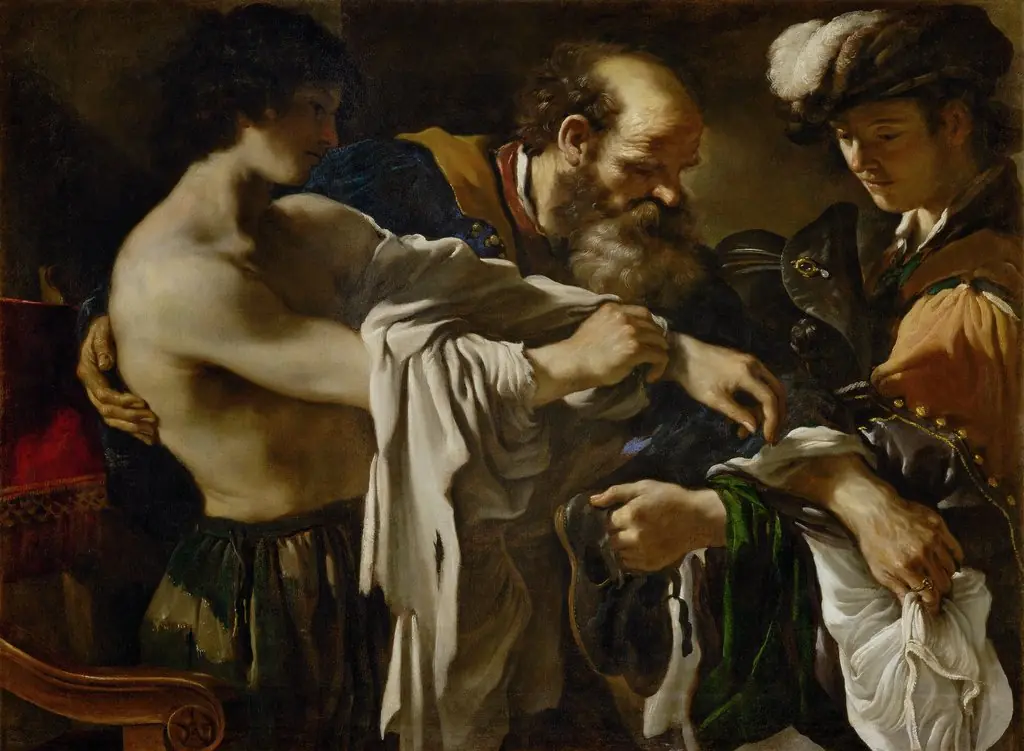 The Return of the Prodigal Son
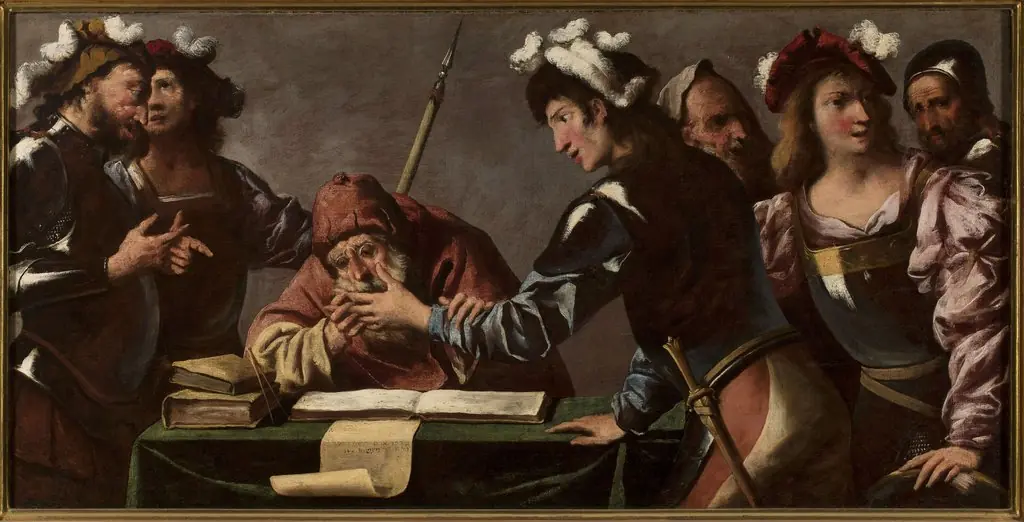 Chiromancer
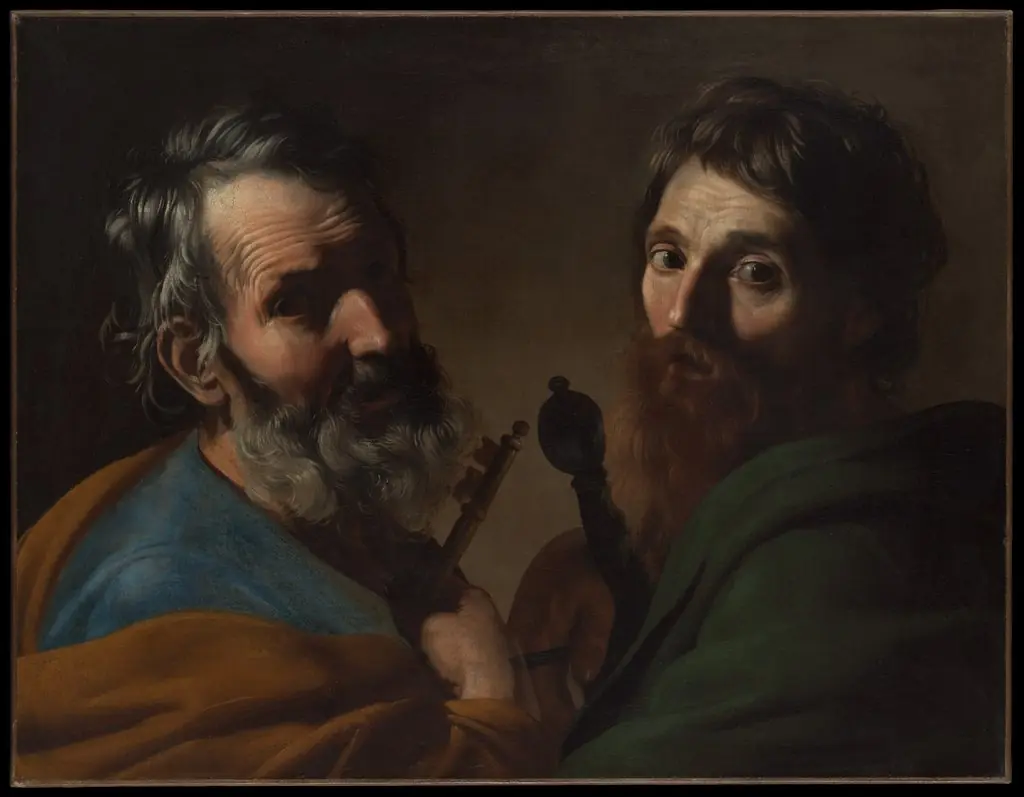 Saints Peter and Paul
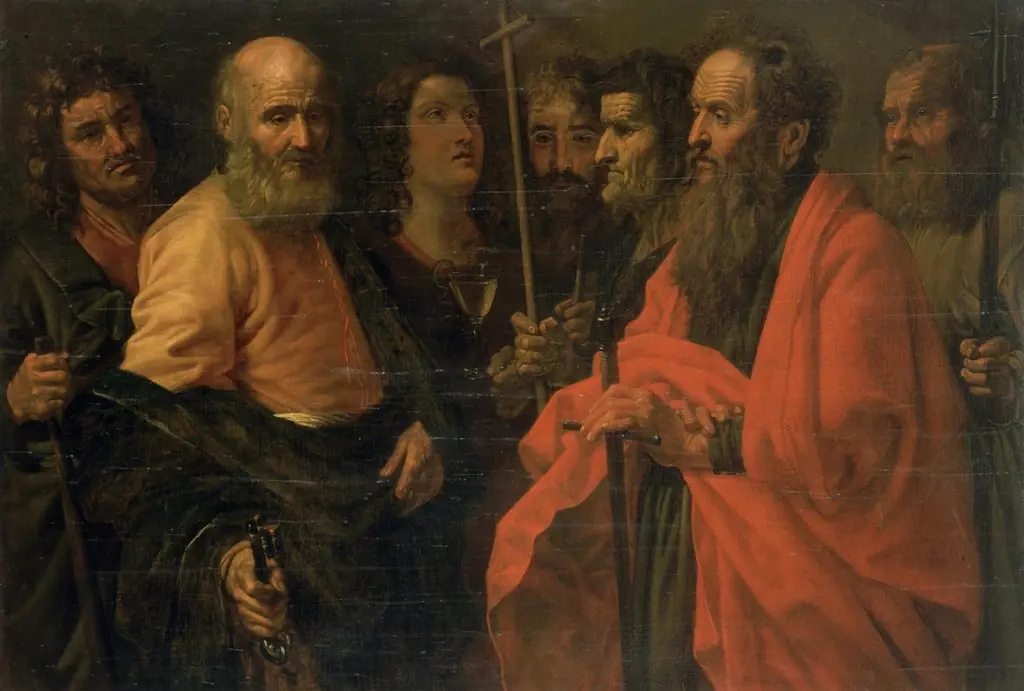 St James the Less, Sts Peter, Paul, John, Thomas, Philip, Judas and Thaddeus the Apostles
- Musicians and Soldiers