Artwork
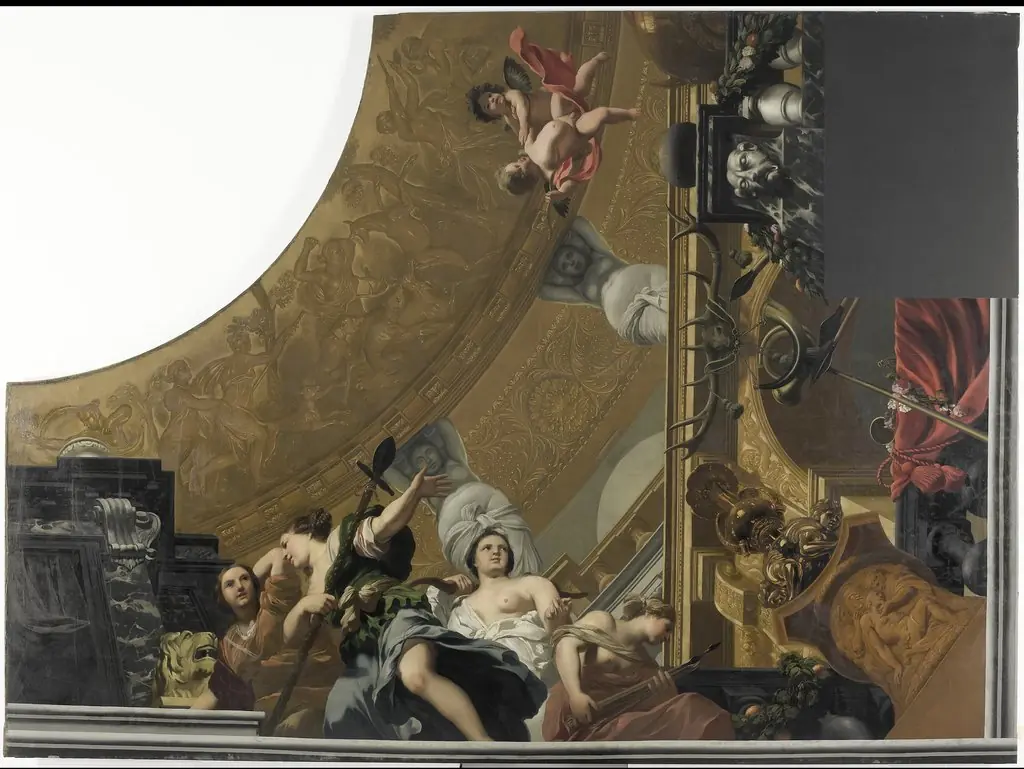
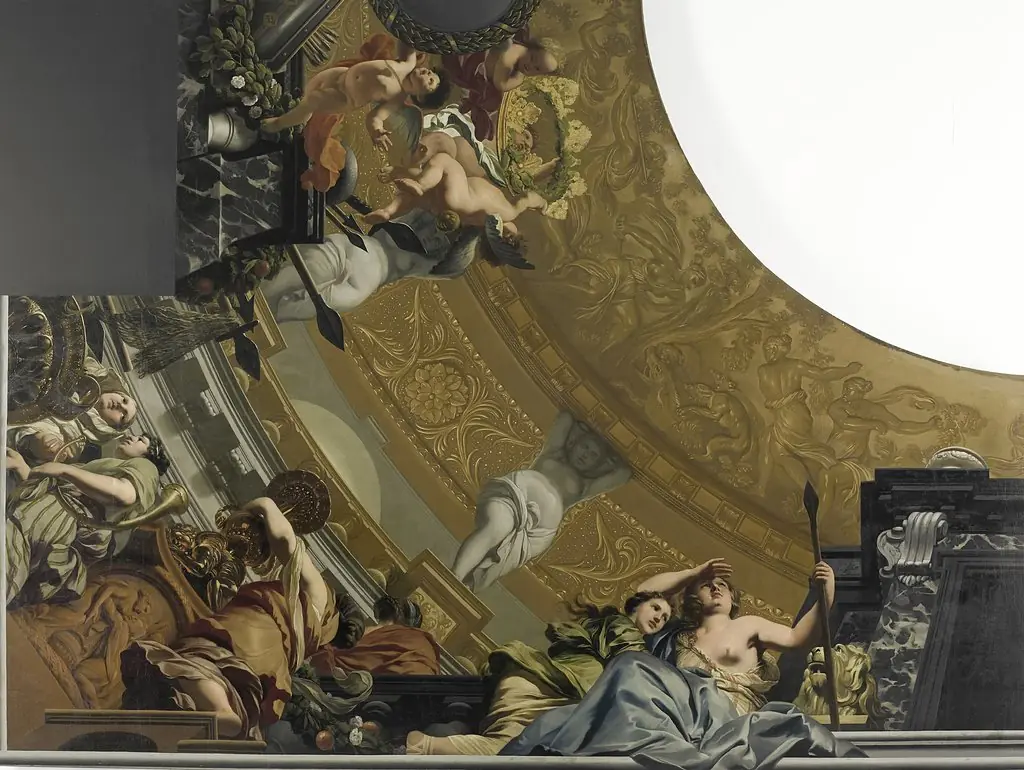
Onderdeel (linksboven) van een plafondschildering met als hoofdvoorstelling Diana en haar gezellinnen
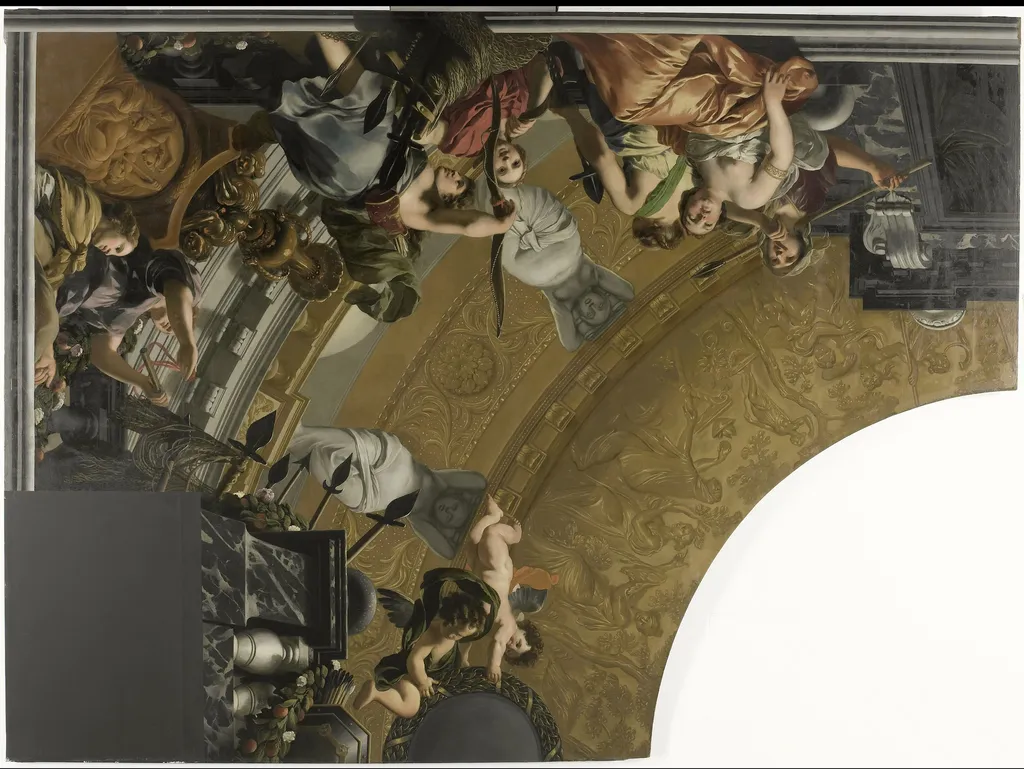
Onderdeel (linksboven) van een plafondschildering met als hoofdvoorstelling Diana en haar gezellinnen is an oil painting by the Dutch Golden Age artist Gerard de Lairesse. It dates from 1690 and is held in the collection of the Rijksmuseum.
About this work
Subject & Meaning
The fragment is part of the Rijksmuseum collection, reflecting the museum’s holdings of 17th‑century mythological decorative paintings.
The painted fragment shows the upper left portion of a ceiling decoration whose central scene portrays the mythological hunt of Diana accompanied by her nymphs and attendants. Executed in oil on canvas in 1679 by Gerard de Lairesse, the work belongs to the mythological painting genre and exemplifies the Baroque treatment of classical narrative. Its iconography draws on the Roman goddess of the hunt, emphasizing themes of chastity, chaste pursuit and divine patronage, which were common allegorical motifs in Dutch Golden Age ceiling programs. The fragment is part of the Rijksmuseum collection, reflecting the museum’s holdings of 17th‑century mythological decorative paintings.
Technique & Style
The ceiling fragment titled 'Onderdeel (linksboven) van een plafondschildering met als hoofdvoorstelling Diana en haar gezellinnen' is executed in oil paint on canvas. It forms part of a larger decorative scheme depicting the mythological scene of Diana and her companions, reflecting the mythological genre and the artist's mastery of Baroque compositional dynamism. The work originates from 1679 and is housed in the Rijksmuseum collection.
History & Provenance
The ceiling panel depicting Diana and her companions was commissioned for a specific interior and executed in 1679 by Gerard de Lairesse. It was painted in oil on canvas and originally installed as part of a decorative scheme. The work subsequently entered the collection of the Rijksmuseum, where it remains on view.
Context
Gerard de Lairesse created this mythological ceiling painting around 1679 for a private Amsterdam residence, depicting Diana and her attendants in the upper left corner. The work exemplifies the Dutch Golden Age's fascination with classical mythology rendered with Baroque dynamism. De Lairesse, a prominent Leiden-trained artist active in Amsterdam, frequently produced decorative cycles for elite patrons, positioning this piece within his significant contribution to interior decoration and mythological painting.
The composition draws on Counter-Reformation visual traditions while reflecting Dutch adaptations of mythological subjects. Contemporary records indicate it was part of a larger decorative scheme celebrating aristocratic virtue through mythological narratives. Modern scholarship analyzes it as representative of de Lairesse's synthesis of High Baroque theatricality with Dutch compositional clarity, cementing his reputation as a master of illusionistic ceiling paintings.
The painting's survival in the Rijksmuseum collection underscores its importance in tracing Dutch engagement with mythological themes beyond standalone canvases. Its technical execution in oil on canvas demonstrates de Lairesse's advanced approach to perspective and narrative integration within architectural spaces. As one of the few fully preserved ceiling paintings from this period, it provides critical evidence of how mythological subjects were adapted for domestic contexts in late 17th-century Amsterdam.
Overview
This 1690 oil painting by Gerard de Lairesse is a fragment of a larger ceiling work featuring Diana and her companions as its central theme. It combines a mythological, heavenly scene with a terrestrial, intimate setting.
Own this work as a print
Artist & collection
Artist
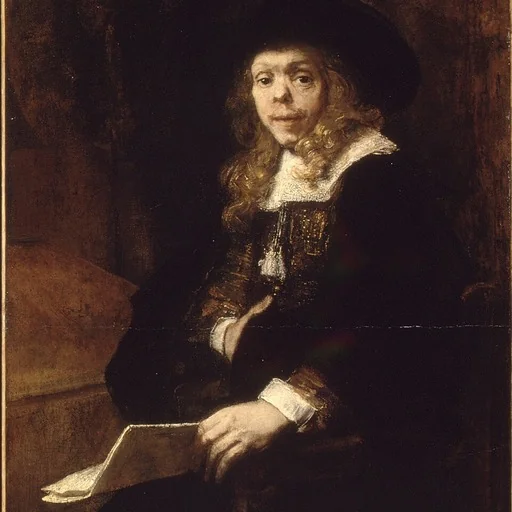
Gerard or Gérard (de) Lairesse (French pronunciation:; 11 September 1641 – June 1711) was a Dutch Golden Age painter and art theorist.

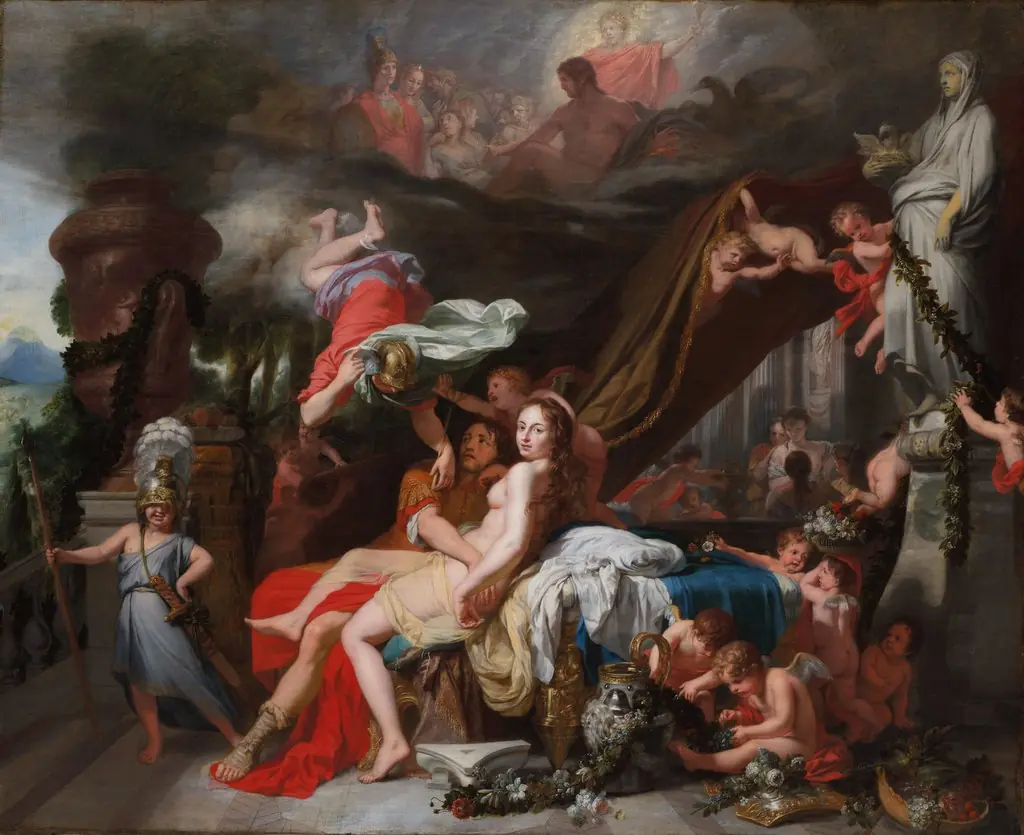
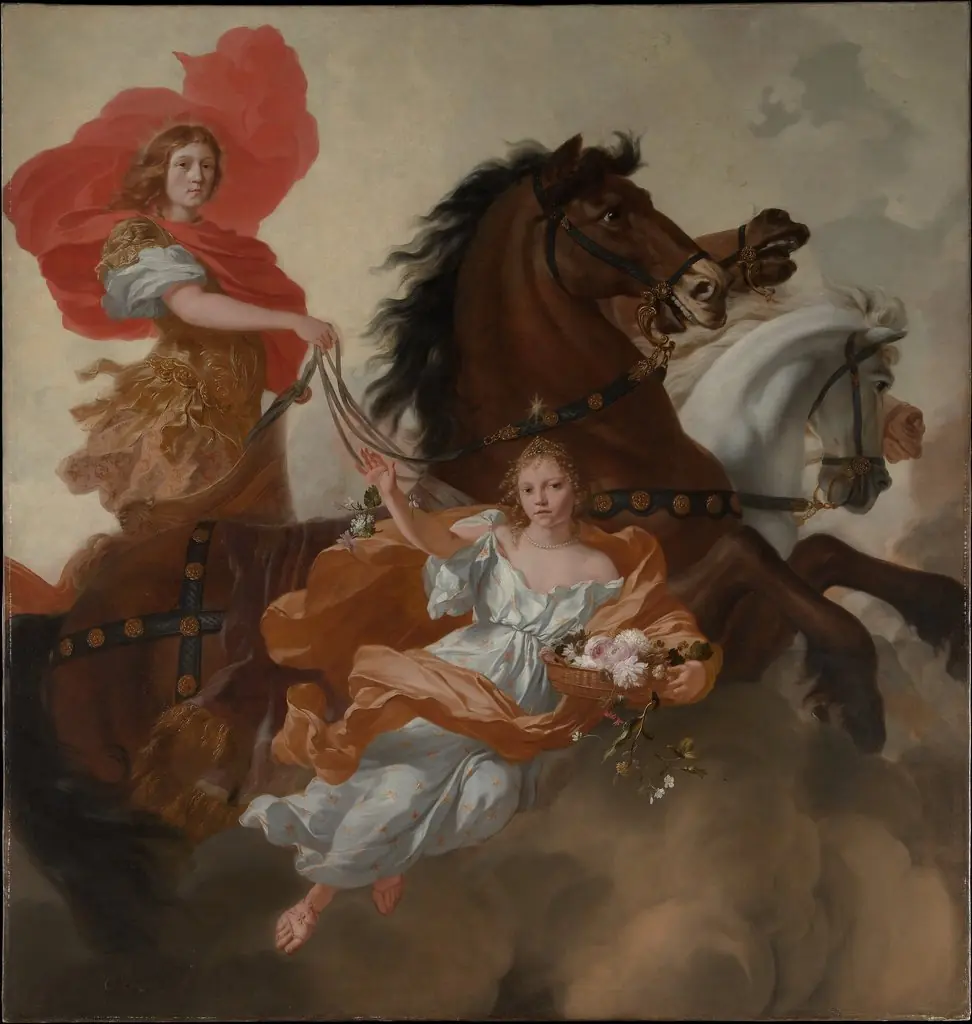
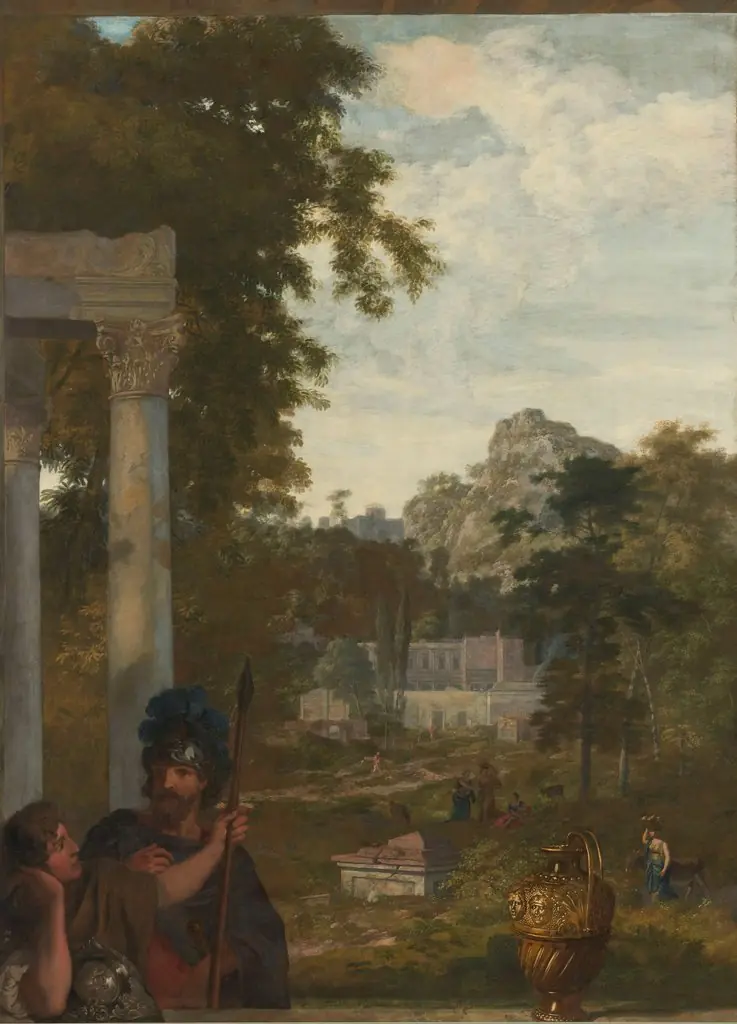
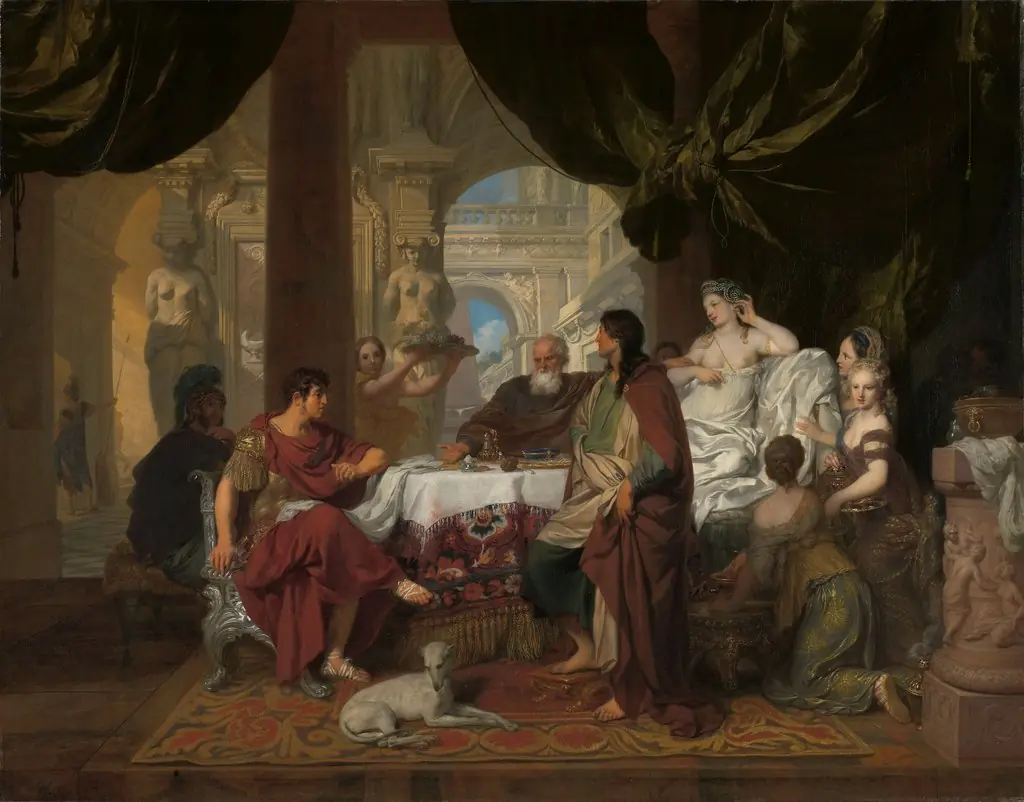
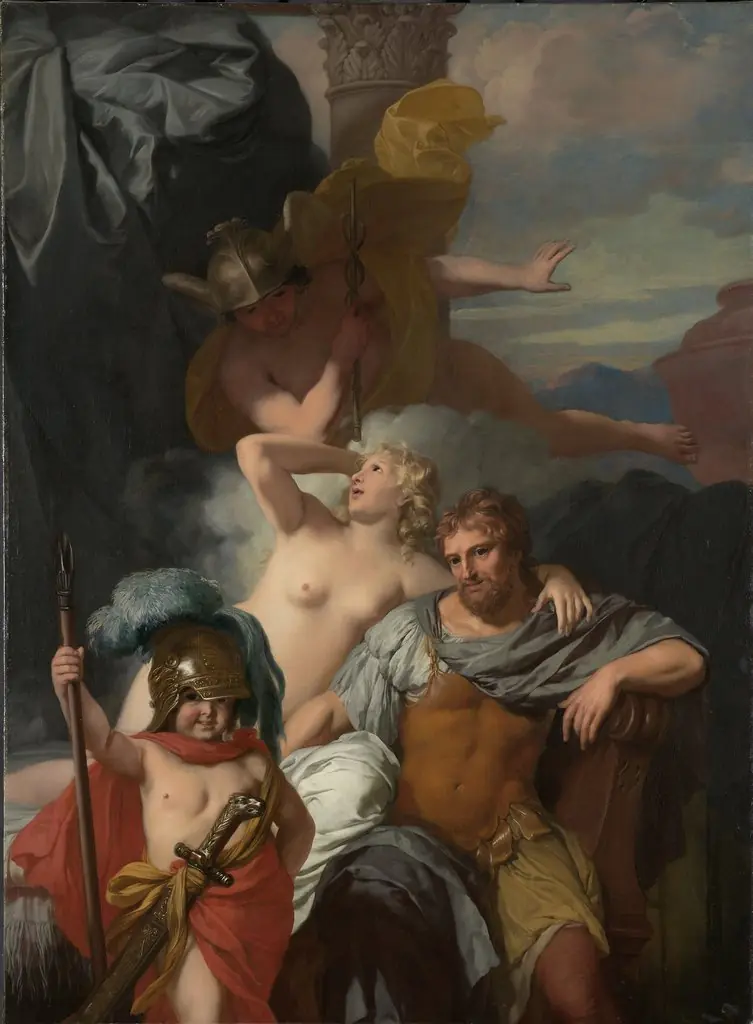
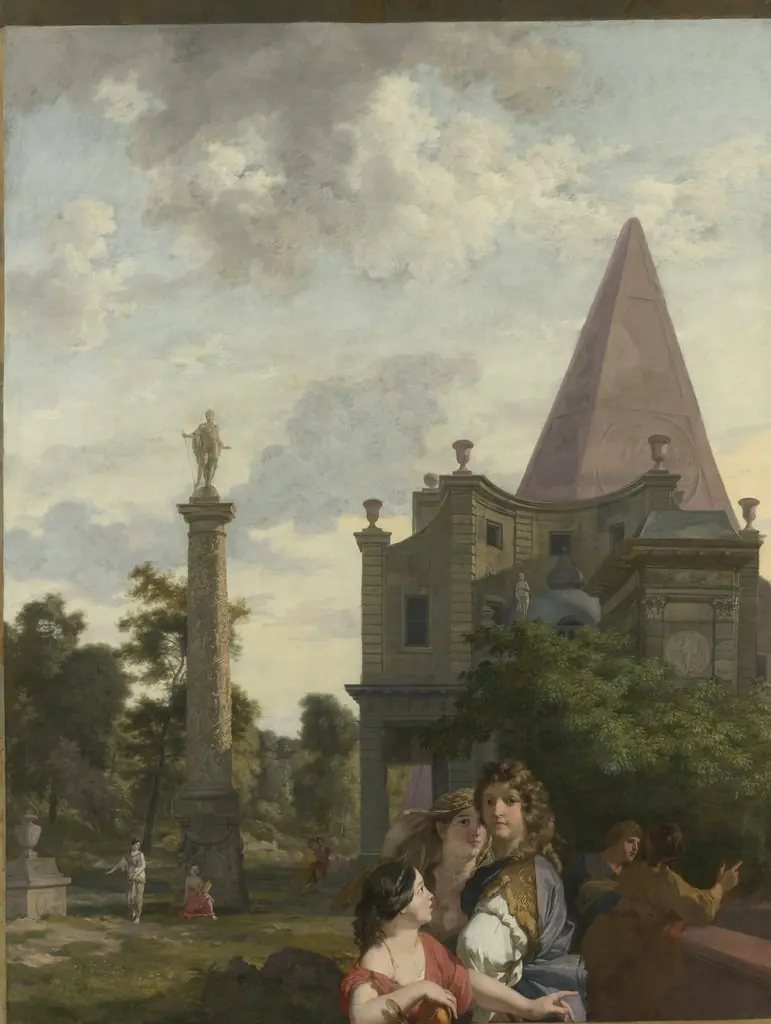
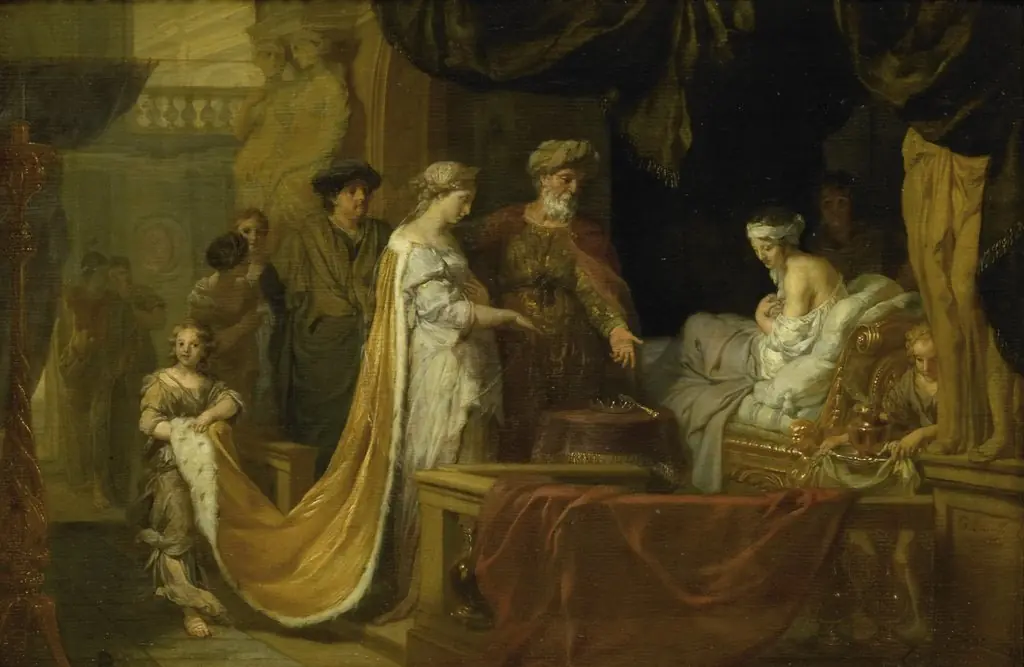
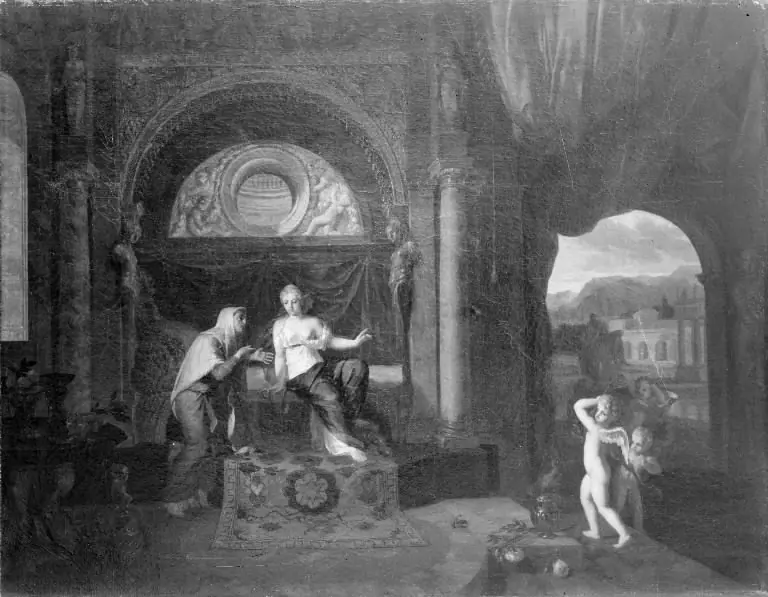
 Five-part ceiling decoration for the great hall of Soestdijk Palace, with Diana and her companions as the principal representation
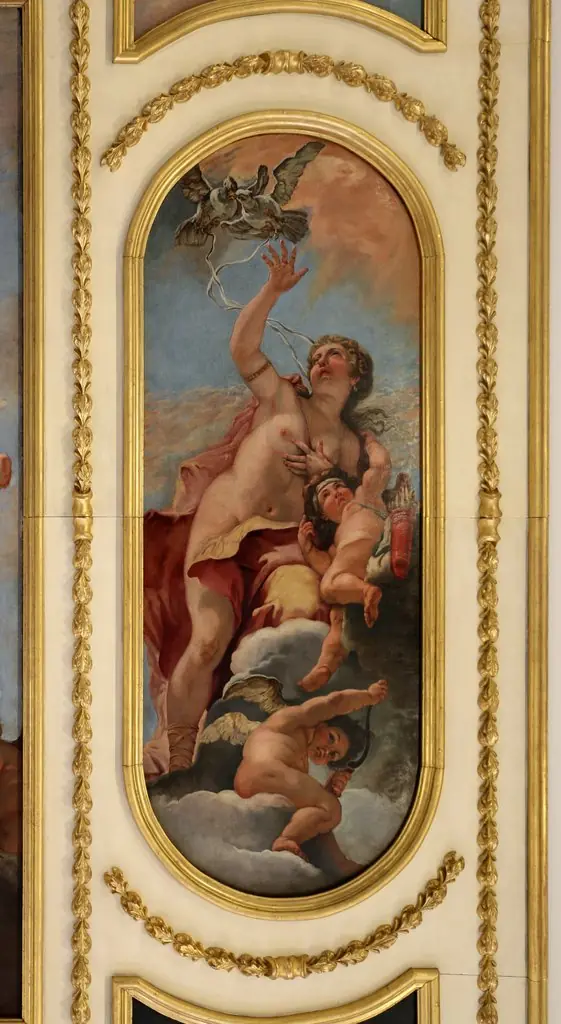 Venus und Cupido
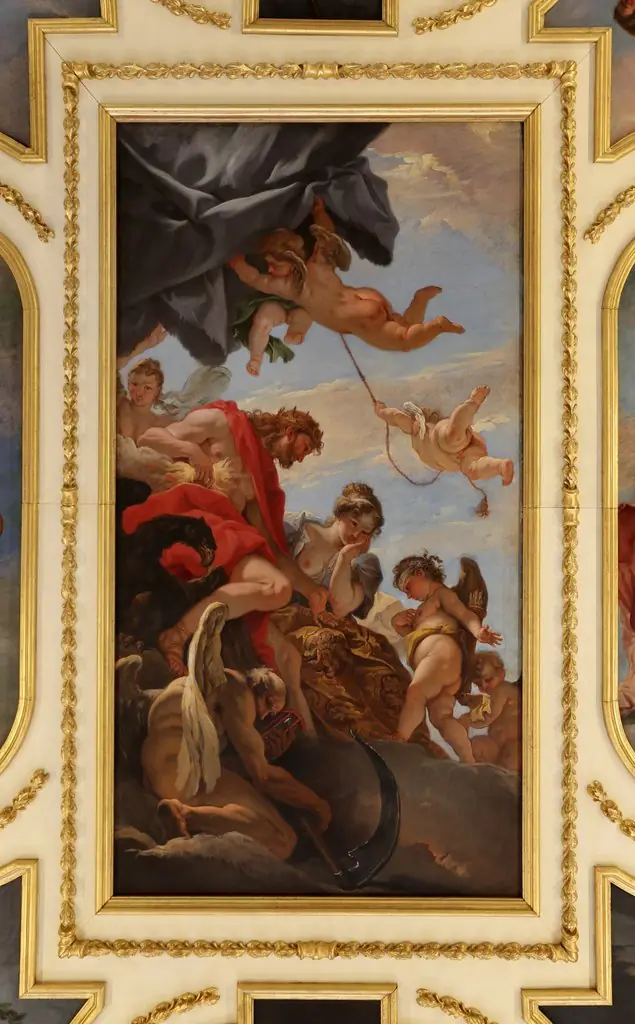 Amor vor Jupiter und Juno
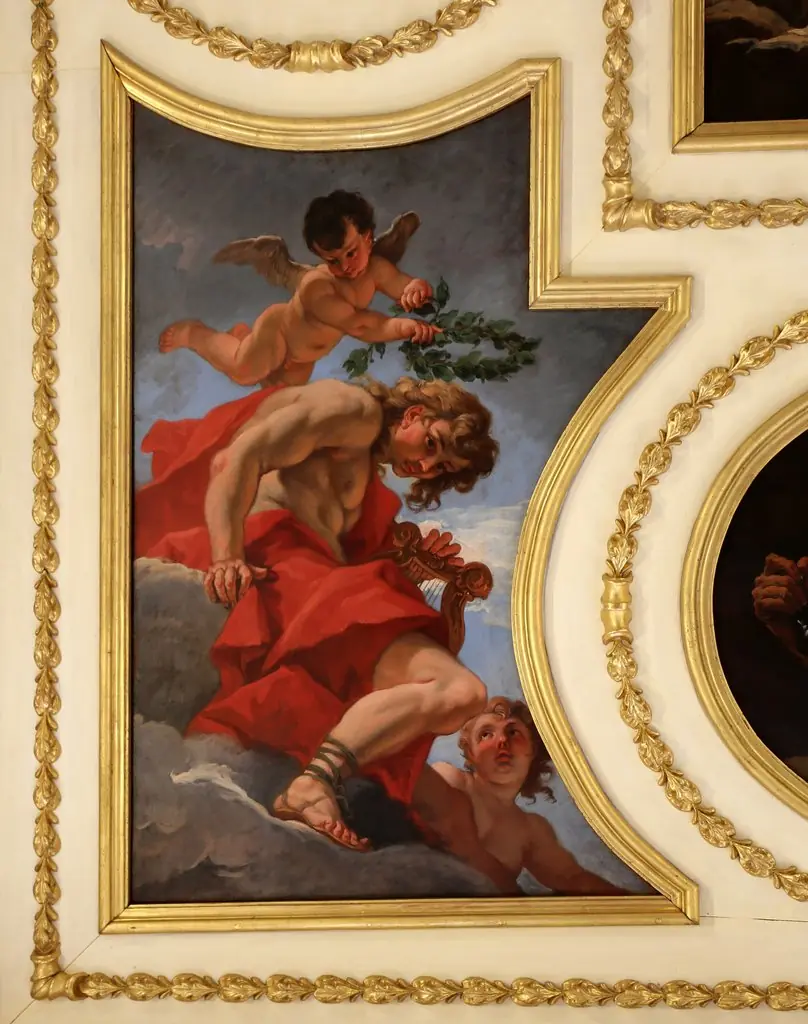 Apollo
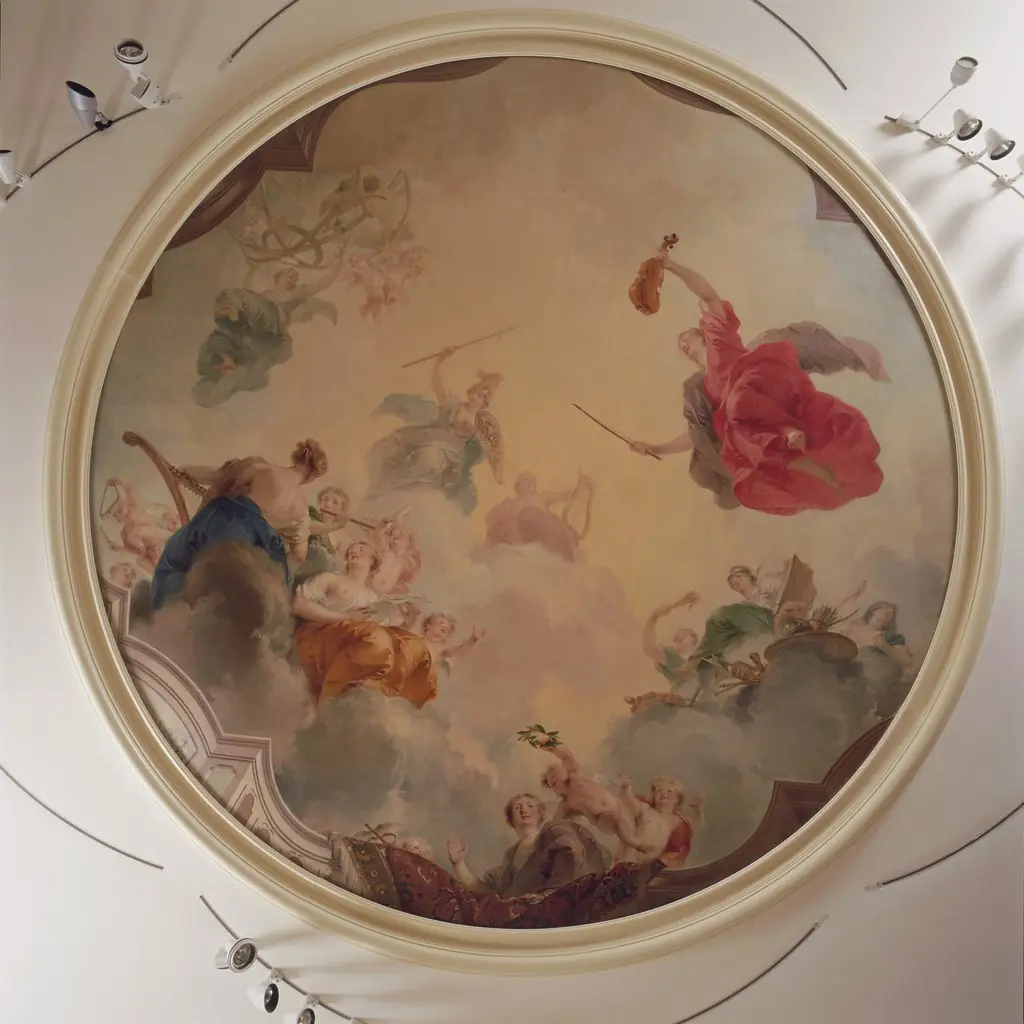 Apollo in the clouds with Minerva and the nine muses
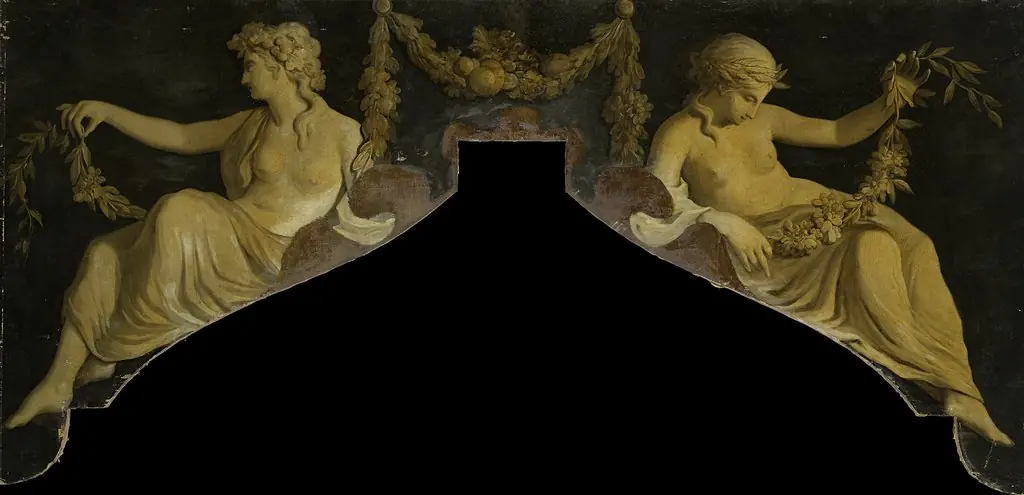 Dessus de porte with a presentation of two reclining women with garlands
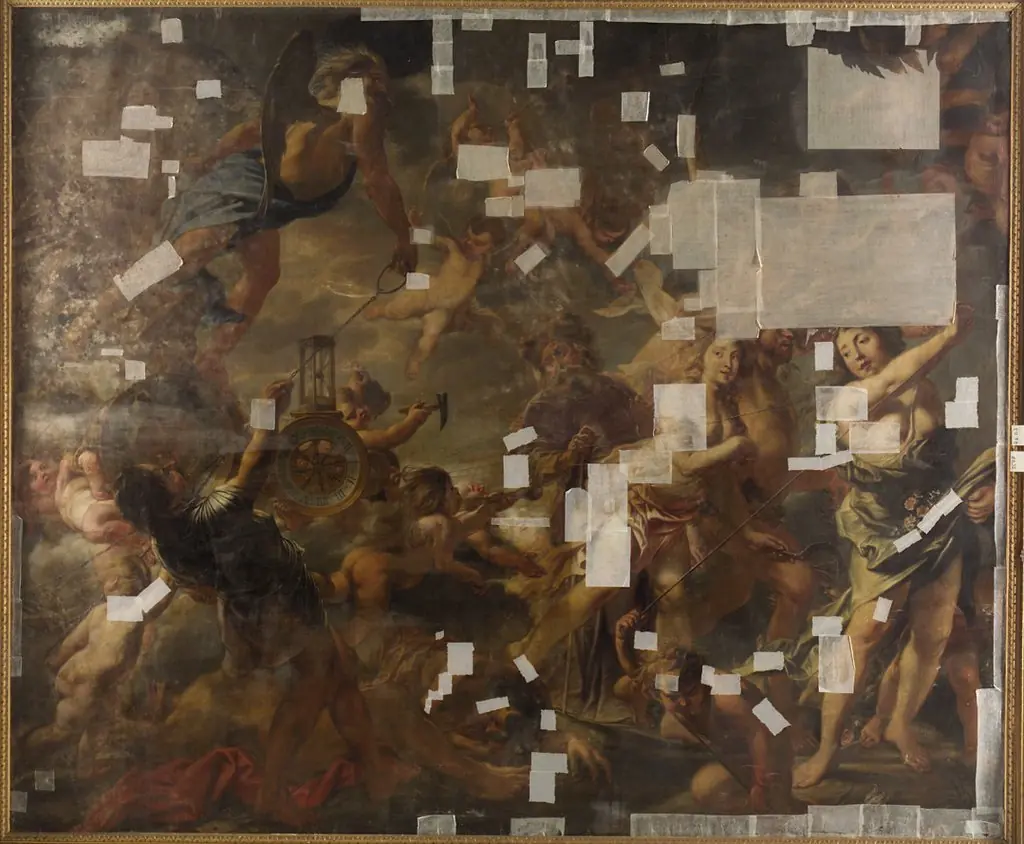 Triumph der Zeit
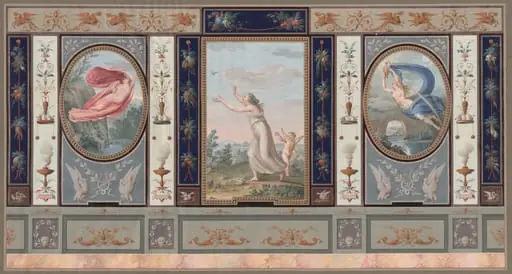 Elaborate Wall Decoration with Endymion and Hebe
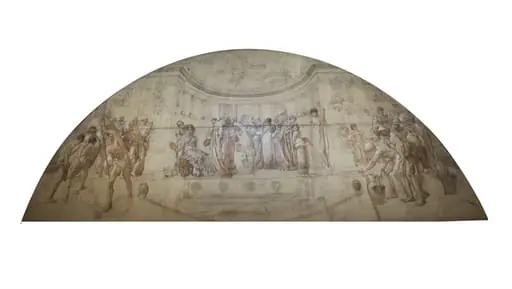 Full-scale monochrome cartoon for 'The Arts of Industry as Applied to Peace'