Artwork
Venus und Cupido
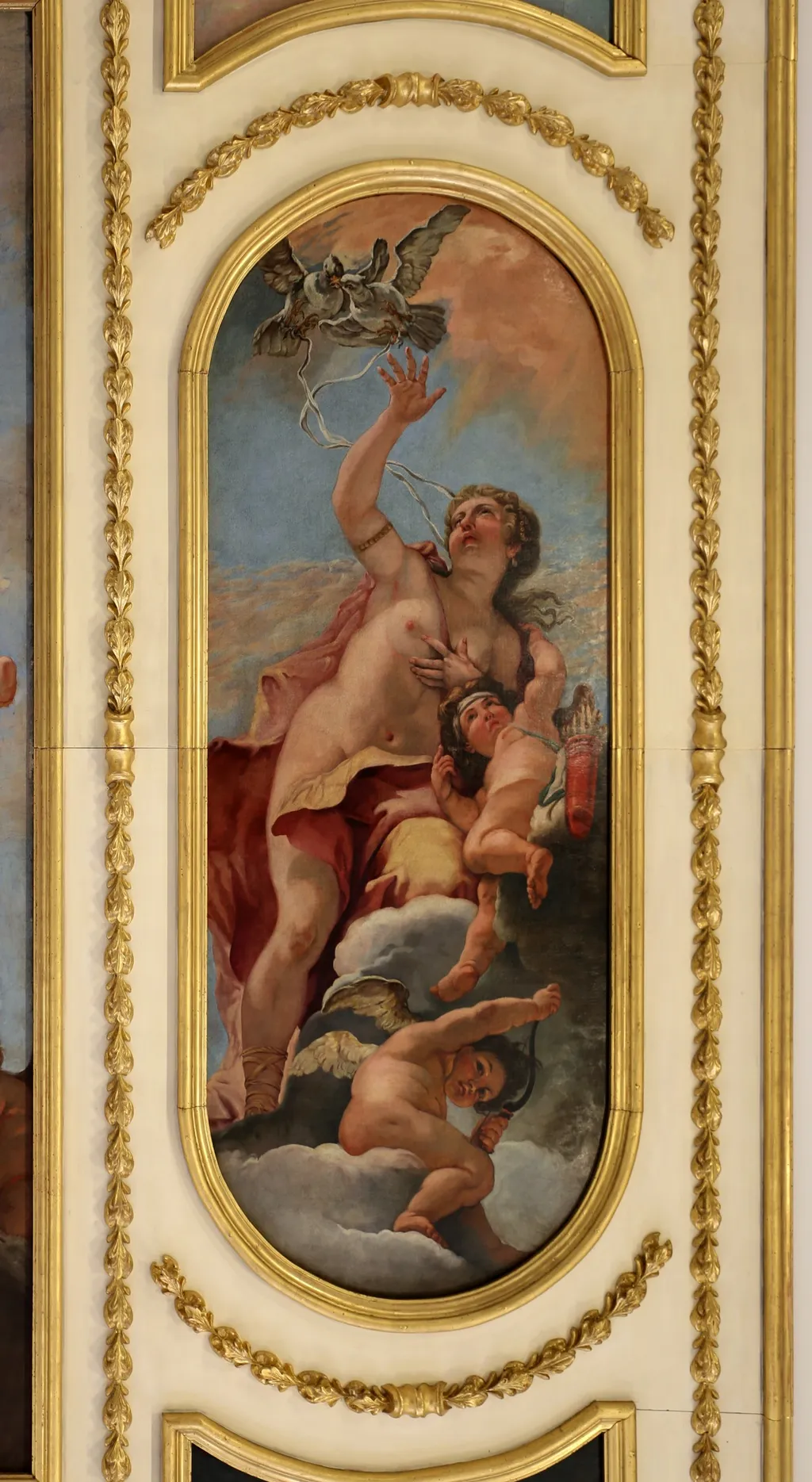
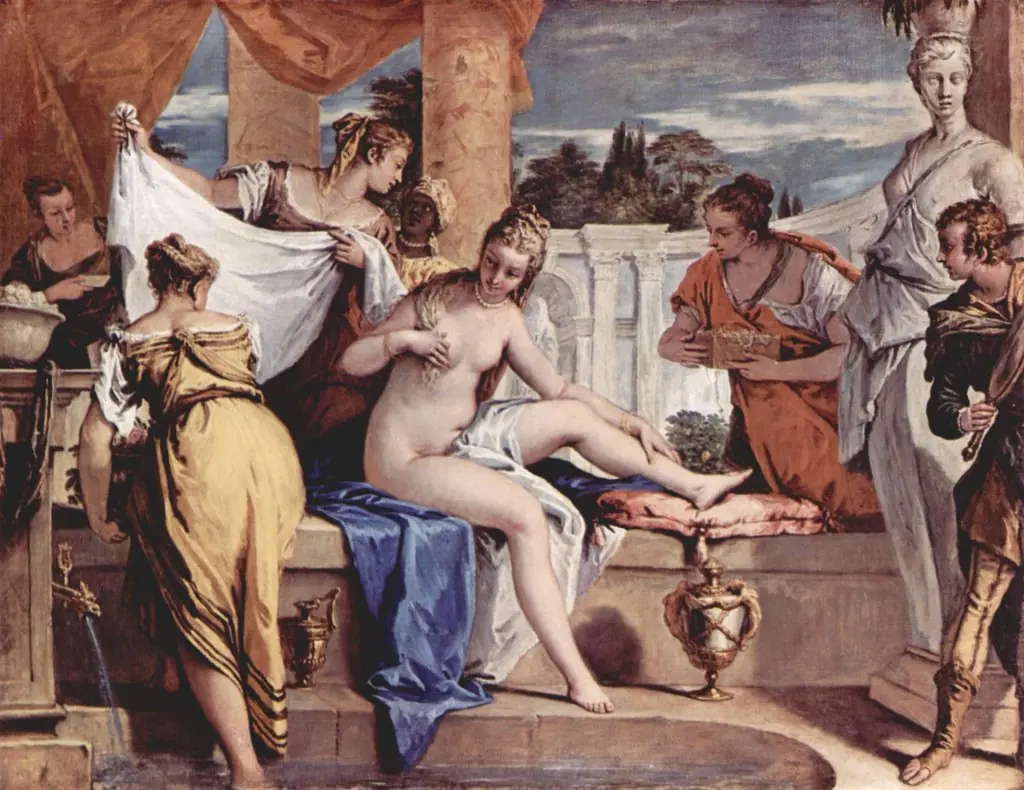
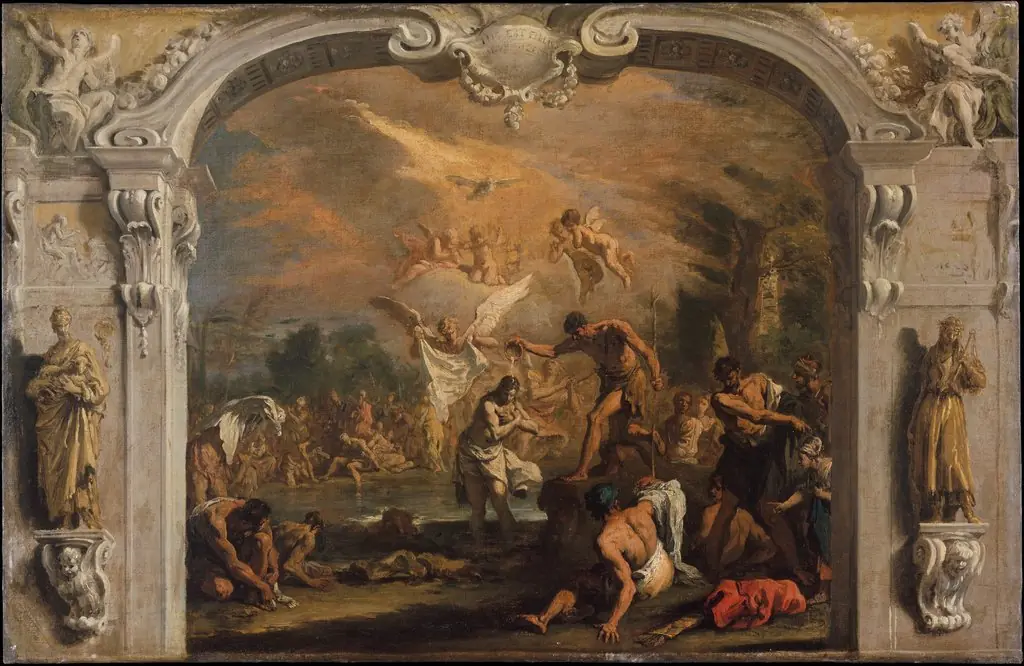
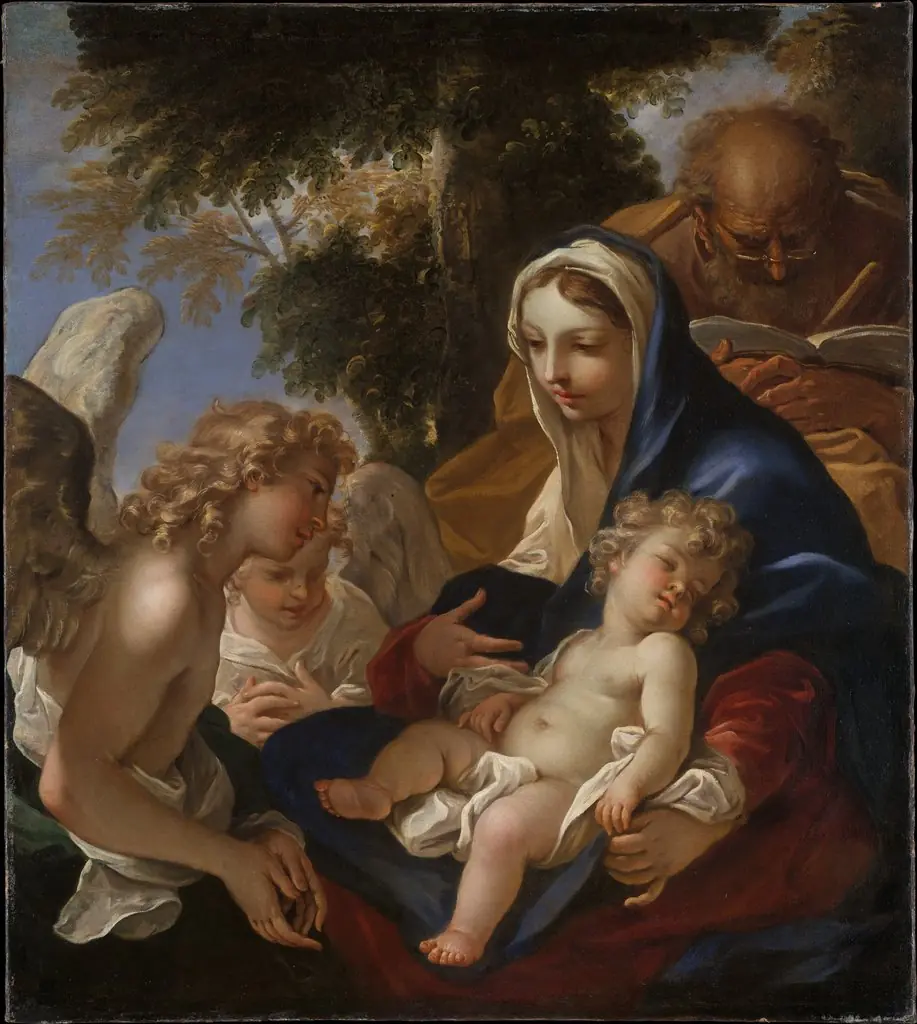
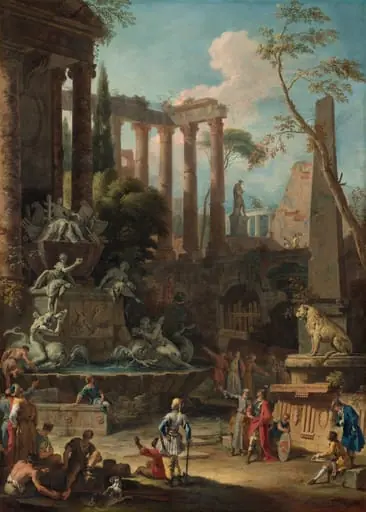
Venus und Cupido is a paint painting by the High Baroque Italian artist Sebastiano Ricci. It dates from 1700 and is held in the collection of the Gemäldegalerie Berlin.
About this work
Overview
Executed in the late Baroque tradition, it reflects Ricci’s dynamic approach to composition and light, influenced by the grandeur of Cortona’s style.
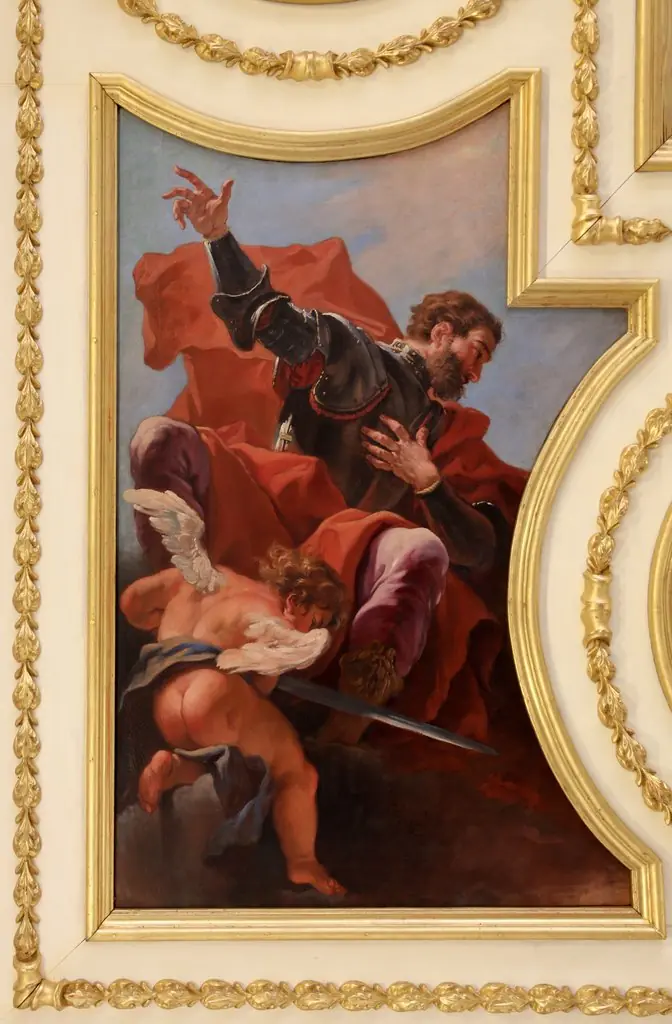
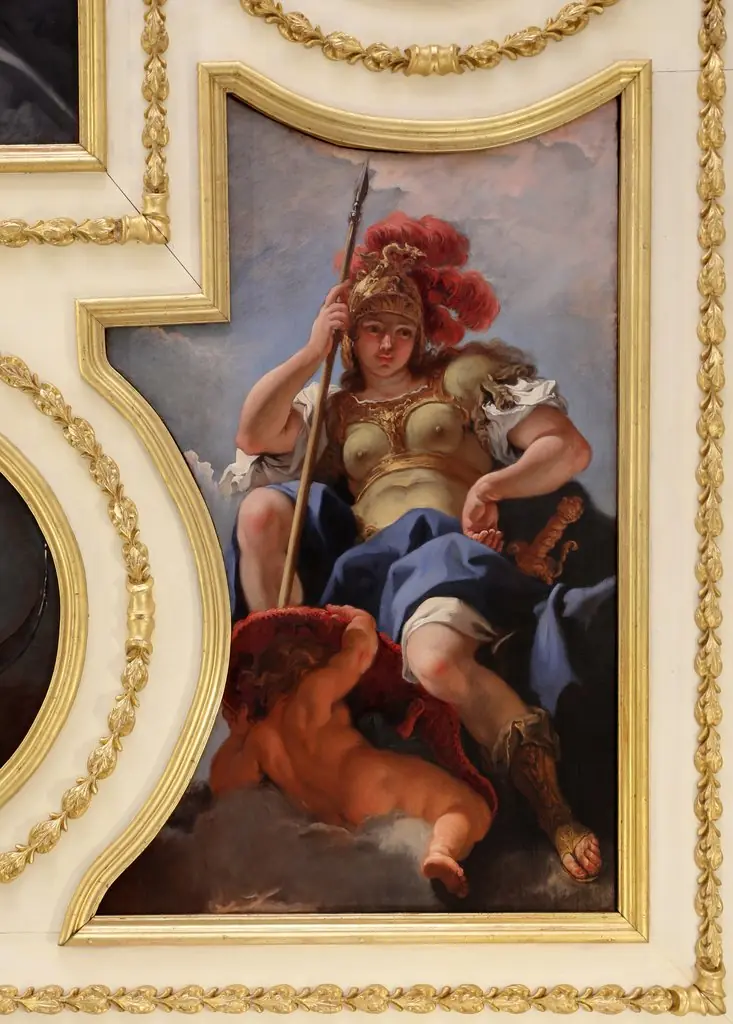
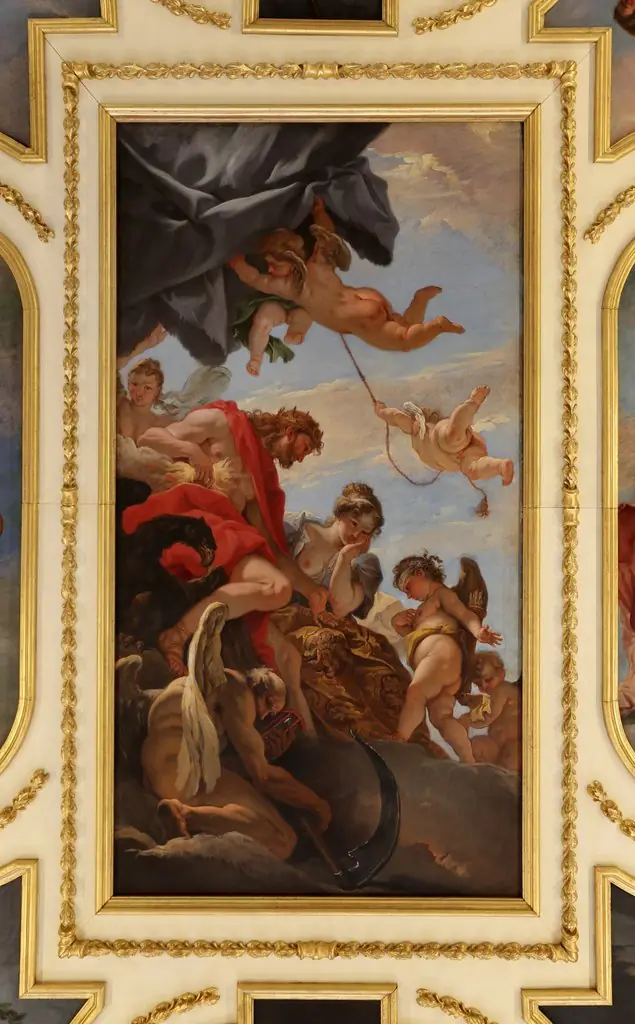
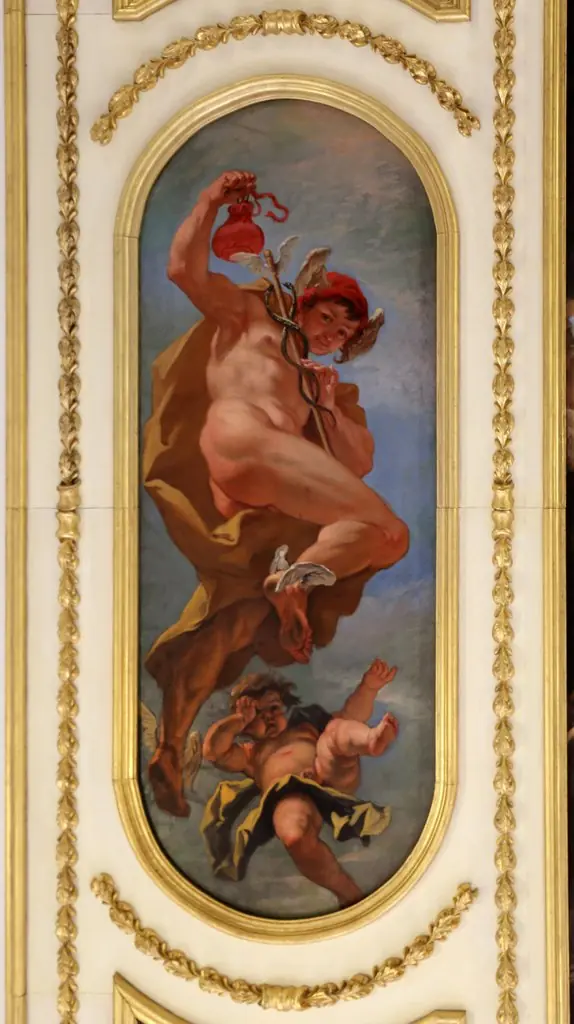
Painted in 1700 by Sebastiano Ricci, this oil on canvas work depicts a mythological scene centered on Venus and Cupid. Executed in the late Baroque tradition, it reflects Ricci’s dynamic approach to composition and light, influenced by the grandeur of Cortona’s style. The painting is part of the Gemäldegalerie Berlin’s collection, where it stands as an example of early 18th-century Venetian mythological painting.
Subject & Meaning
The painting portrays Venus, goddess of love, accompanied by Cupid and two putti, evoking themes of affection and divine nurture. The raised arm of the central figure suggests a gesture of blessing or invocation, while the flying bird may symbolize the soul or divine messenger. The presence of children reinforces the idea of love’s continuity, aligning with classical iconography that linked Venus with familial and generational bonds.
Technique & Style
Ricci employs chiaroscuro to model forms with dramatic contrasts, enhancing the three-dimensionality of the figures against a luminous sky. His brushwork is fluid and expressive, with rich textures in fabric and skin rendered through layered glazes. The palette, dominated by red, gold, and yellow, creates warmth, while the blue background adds depth and atmospheric perspective, characteristic of Venetian colorism.
History & Provenance
Created during Ricci’s mature period, the painting entered the Gemäldegalerie Berlin’s holdings in the 19th century, likely through royal or aristocratic collections. Ricci’s reputation as a decorative painter brought him commissions across Europe, and this work may have been part of a private collection before its institutional acquisition. His familial connection to Marco Ricci, a noted landscape artist, underscores his role in shaping Venetian artistic networks.
Context
In early 18th-century Venice, mythological subjects remained popular among patrons seeking elegant, allegorical decoration. Ricci’s style bridged the grandeur of High Baroque Rome with the lighter, more colorful tendencies of Venetian painting. This work reflects a broader trend of reviving classical themes through vivid, emotionally charged compositions, catering to aristocratic tastes across Europe.
Legacy
Though less celebrated than some contemporaries, Ricci’s influence endured through his teaching and stylistic innovations. His use of color and movement informed later Venetian painters and contributed to the transition from Baroque to Rococo. Venus und Cupido remains a representative example of his ability to blend narrative clarity with luminous technique, preserving his role in the evolution of Italian painting.
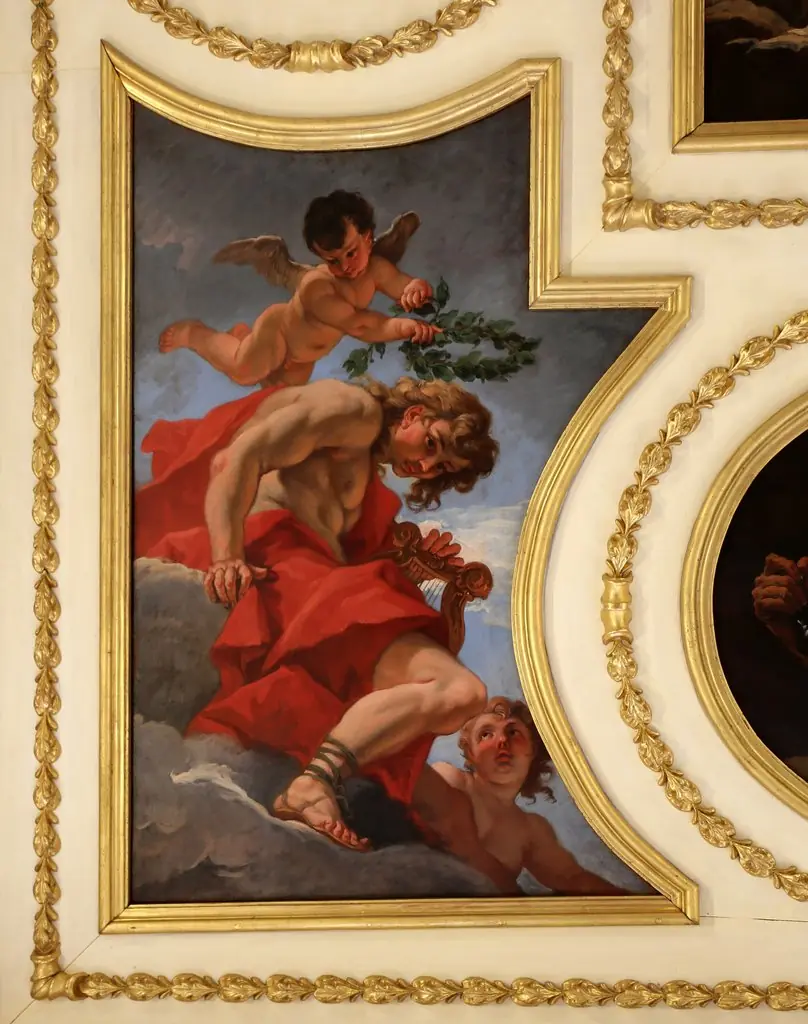
Artist & collection
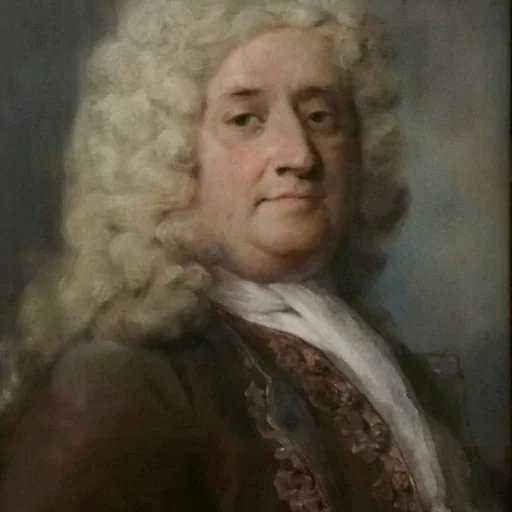
Artist
Sebastiano Ricci (1 August 1659 – 15 May 1734) was an Italian Baroque painter of the late Baroque period in Venetian painting.