Artwork
Adoration of the Magi
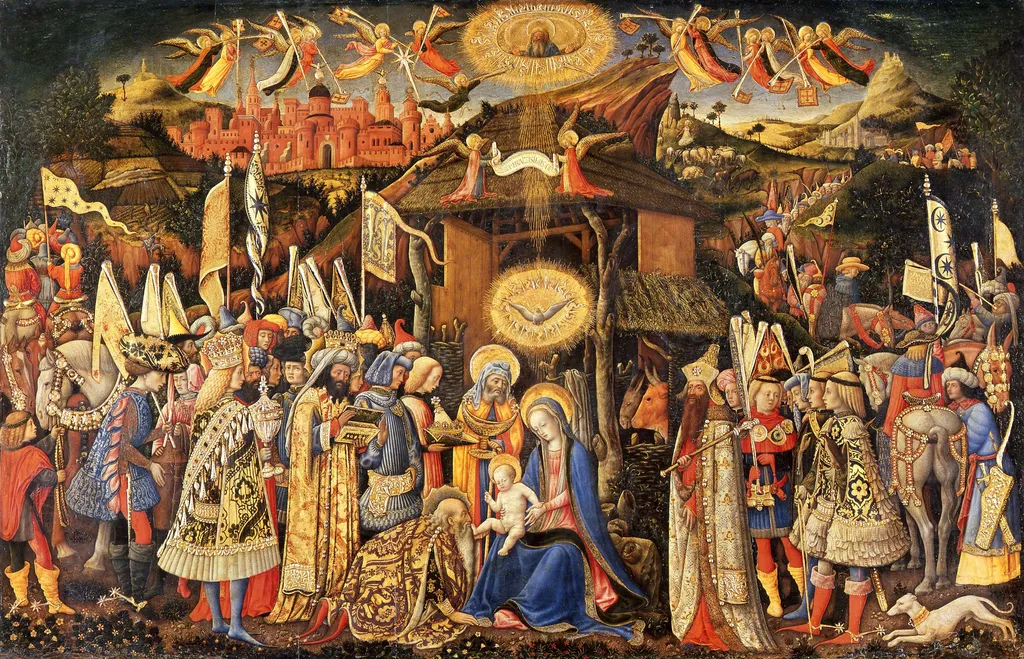
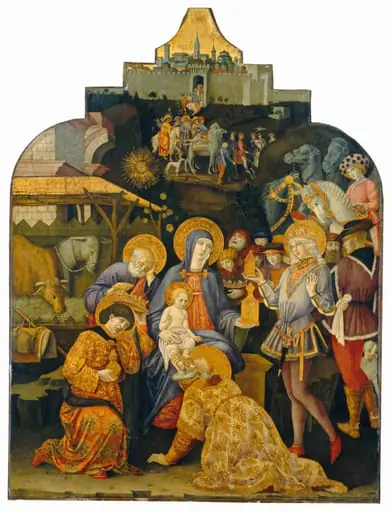
Adoration of the Magi is a paint painting by the Northern Renaissance artist Giovanni d'Alemagna. It is held in the collection of the Gemäldegalerie Berlin.
About this work
Subject & Meaning
As a work of religious art, the composition illustrates the moment these figures acknowledge the divinity of the newborn, a core event in Christian tradition.
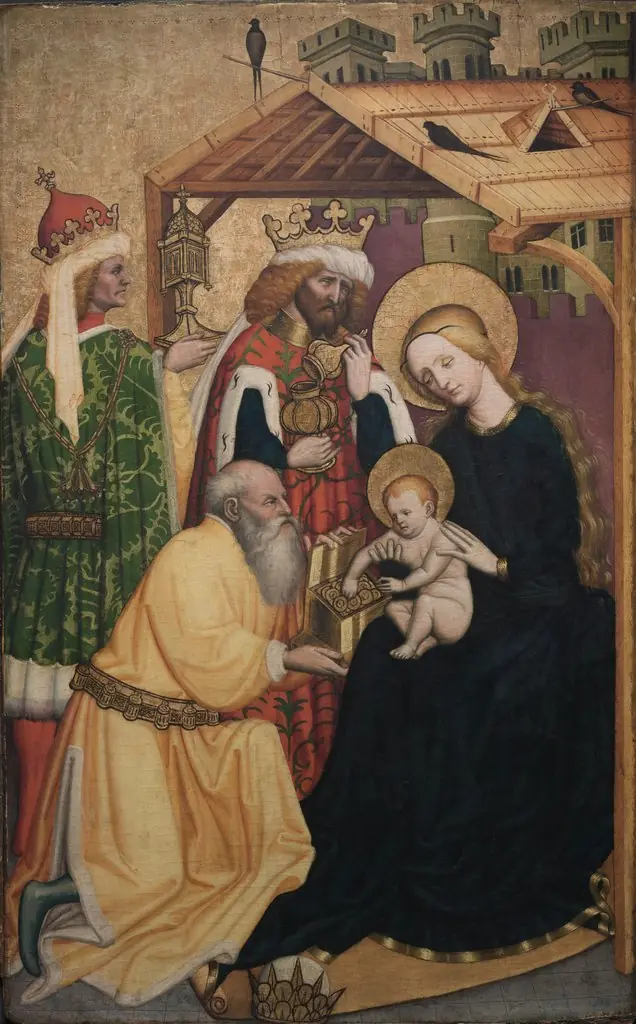
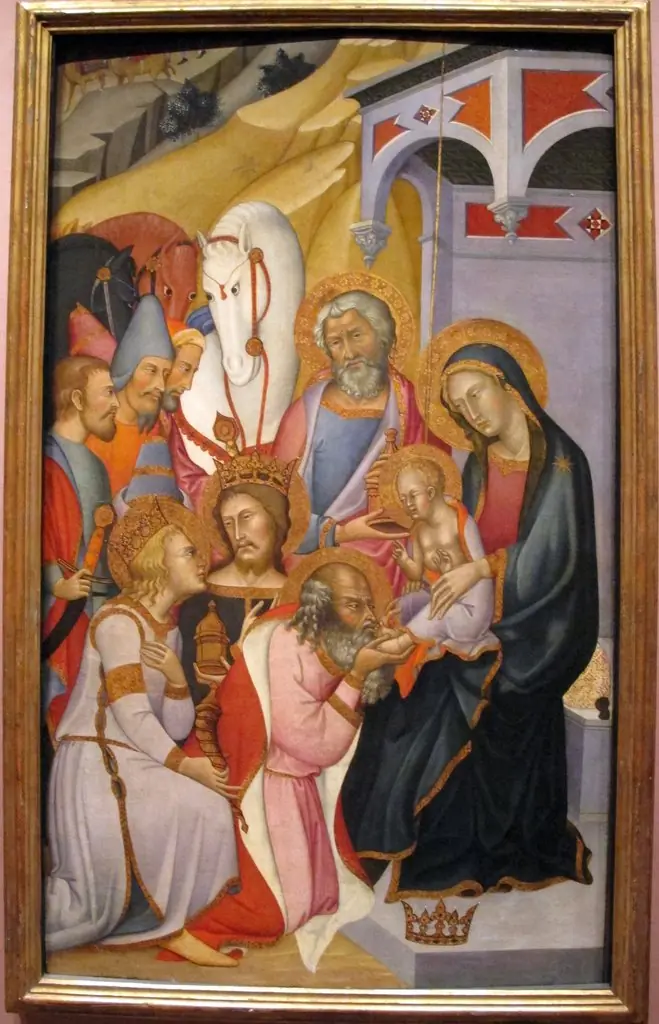
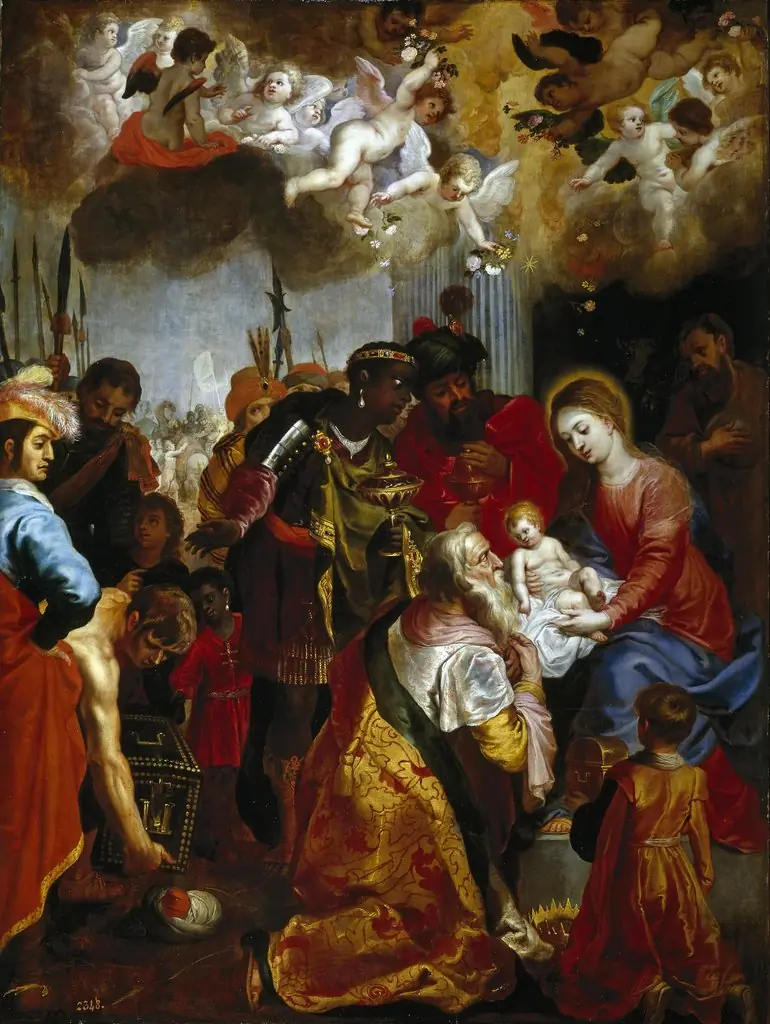
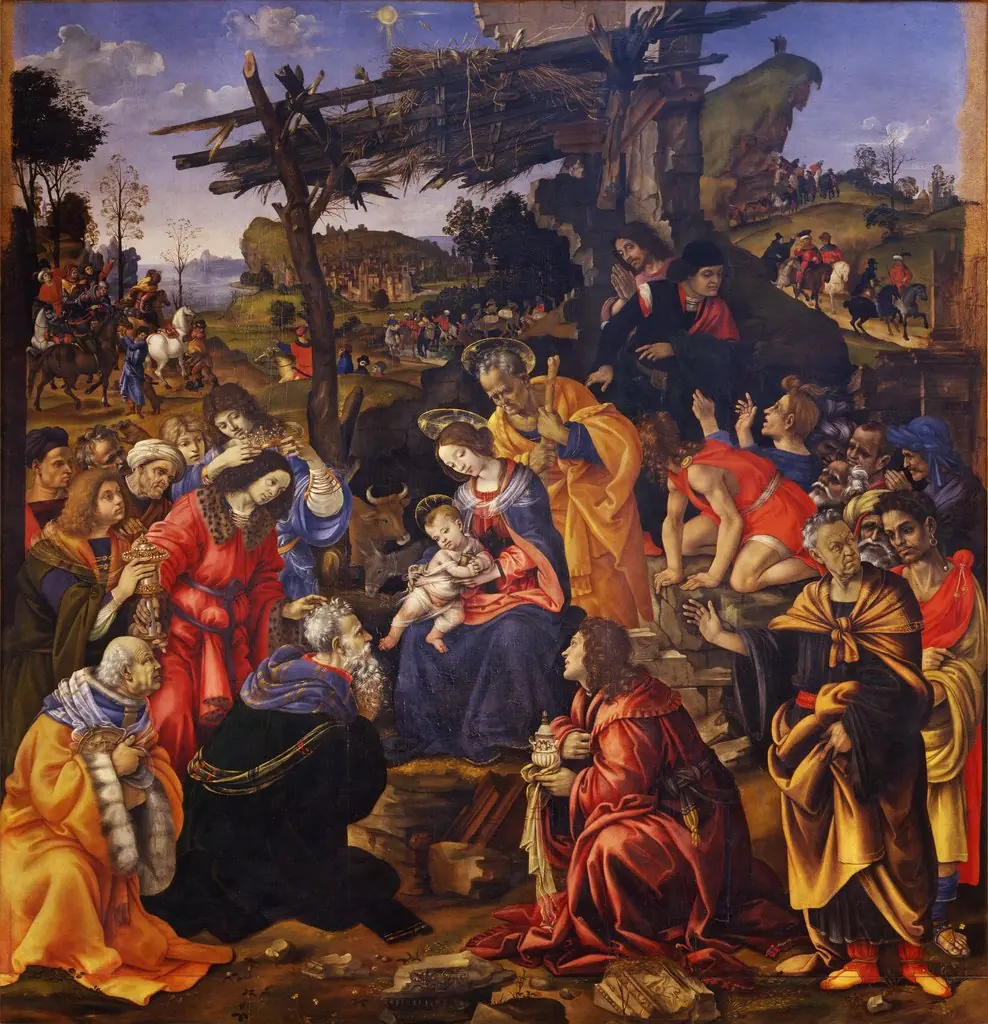
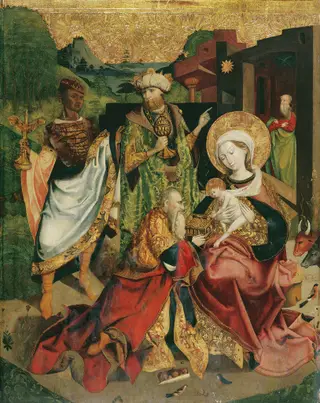
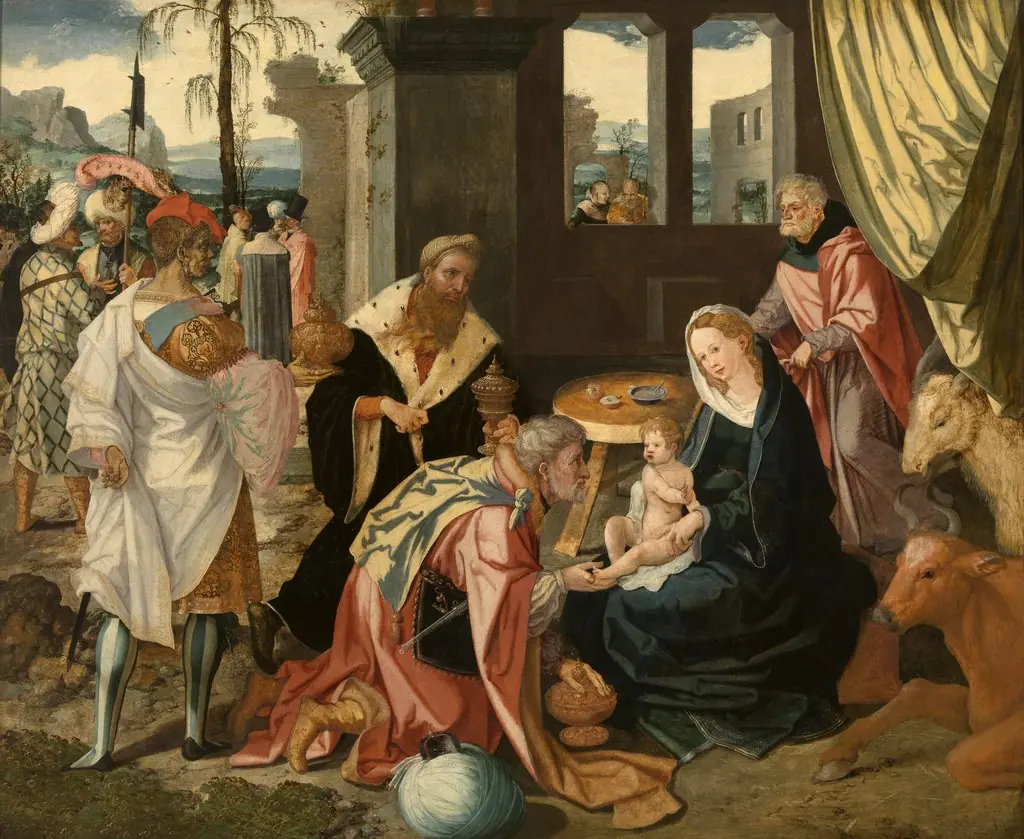
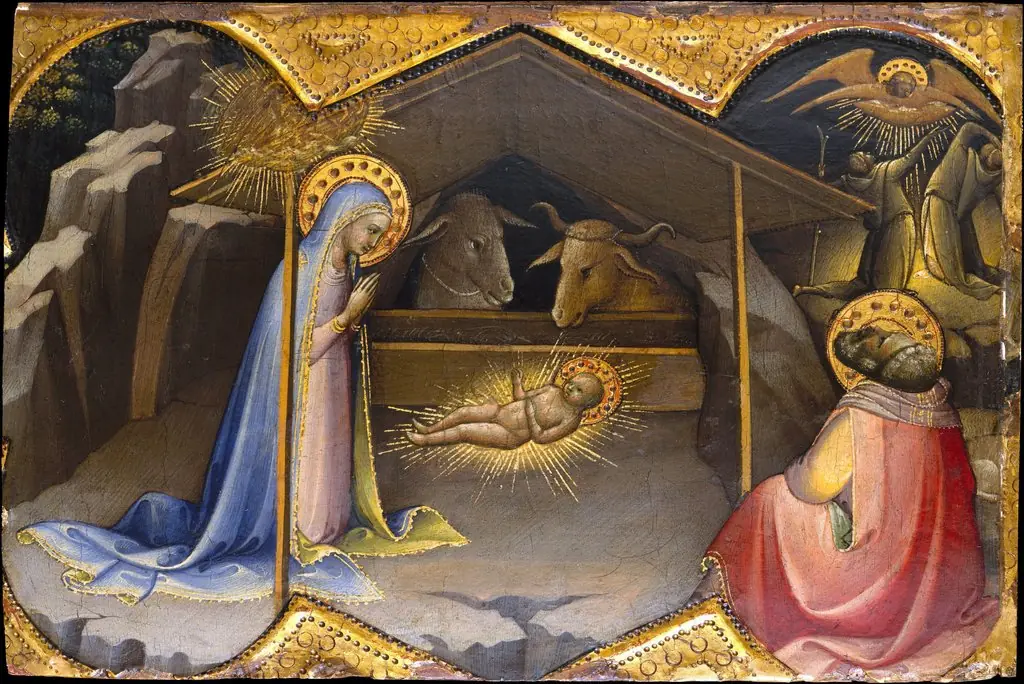
The painting depicts the Adoration of the Magi, a religious narrative centered on the worship of the Christ Child by the Biblical Magi. The scene includes the Virgin Mary and the three kings, identified as Melchior, Caspar, and Balthazar, presenting gifts to the infant Jesus. As a work of religious art, the composition illustrates the moment these figures acknowledge the divinity of the newborn, a core event in Christian tradition.
The visual focus remains on the interaction between the holy family and the visiting kings, emphasizing the theological significance of the Magi's homage.
Technique & Style
The Adoration of the Magi is executed in tempera on a poplar panel, a technique typical of early 15th-century Italian painting. The work measures 115.3 cm in height and depicts the Virgin Mary holding the infant Christ Child, attended by the three Magi presenting gifts beneath a celestial canopy. The composition emphasizes intimate devotional focus through delicate modeling of figures and richly patterned drapery, reflecting the stylistic refinement of the Venetian school.
The paint layer exhibits fine brushwork and subtle tonal transitions, contributing to a luminous surface that has retained its structural integrity despite centuries of handling and display.
History & Provenance
The Adoration of the Magi, painted circa 1446 by Giovanni d'Alemagna (and likely Antonio Vivarini), depicts the biblical scene of the Magi presenting gifts to the infant Christ. Executed in tempera on a poplar panel, the work measures 115.3 centimeters in height and is classified as a religious painting within the broader tradition of early Renaissance art. Originally part of the Gemäldegalerie Berlin's collection, the painting has remained in the museum's custody since its acquisition, forming a cornerstone of the institution's holdings of 15th-century Italian art.
Its creation is contextualized within the collaborative workshop practices of mid-15th-century Venice, reflecting both devotional intent and technical innovation in panel painting.
The work's provenance is anchored in its continuous presence at the Gemäldegalerie Berlin, where it has been cataloged under the accession number and maintained as a key example of the era's artistic output.
The Adoration of the Magi by Giovanni d'Alemagna (with Antonio Vivarini) is held in the Gemäldegalerie Berlin, as recorded in its collection and location data. The work is catalogued as a 1446 painting executed on a poplar panel, with a recorded height of 115.3 cm. No specific inventory or accession number, and no exhibition history, is documented in the available sources.
Legacy
The Adoration of the Magi by Giovanni d'Alemagna, created in 1446 as a religious painting, continues to be recognized for its early use of naturalistic detail within the Adoration composition. Its depiction of the infant Christ with Mary and the Magi figures, including identifiable gifts from Melchior, Caspar, and Balthazar, established a visual template later artists adapted for narrative emphasis. The work remained in the Gemäldegalerie Berlin collection, where its influence was noted in studies of 15th-century Venetian panels.
Later scholarship highlighted its role in shaping devotional imagery, particularly in how gift-bearing figures were rendered with individualized expression.
Overview
Created in 1446, the Adoration of the Magi is a painted panel by the Italian artist Giovanni d'Alemagna. The work portrays the biblical episode of the three wise men presenting gifts to the infant Jesus, set within a bustling, richly colored scene. Currently the painting is part of the collection of the Gemäldegalerie in Berlin.

Own this work as a print
Artist & collection