Artwork
The Annunciation
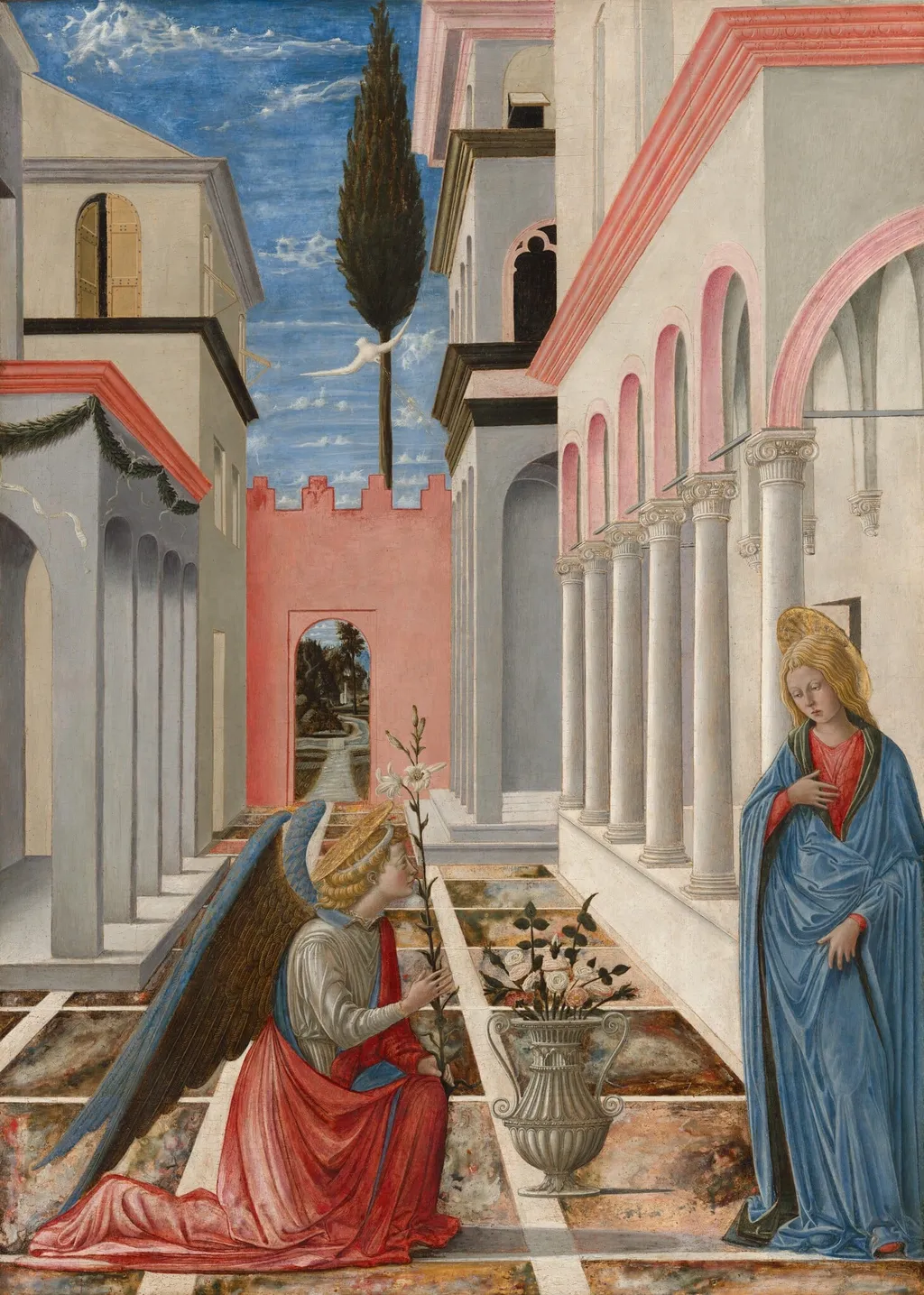
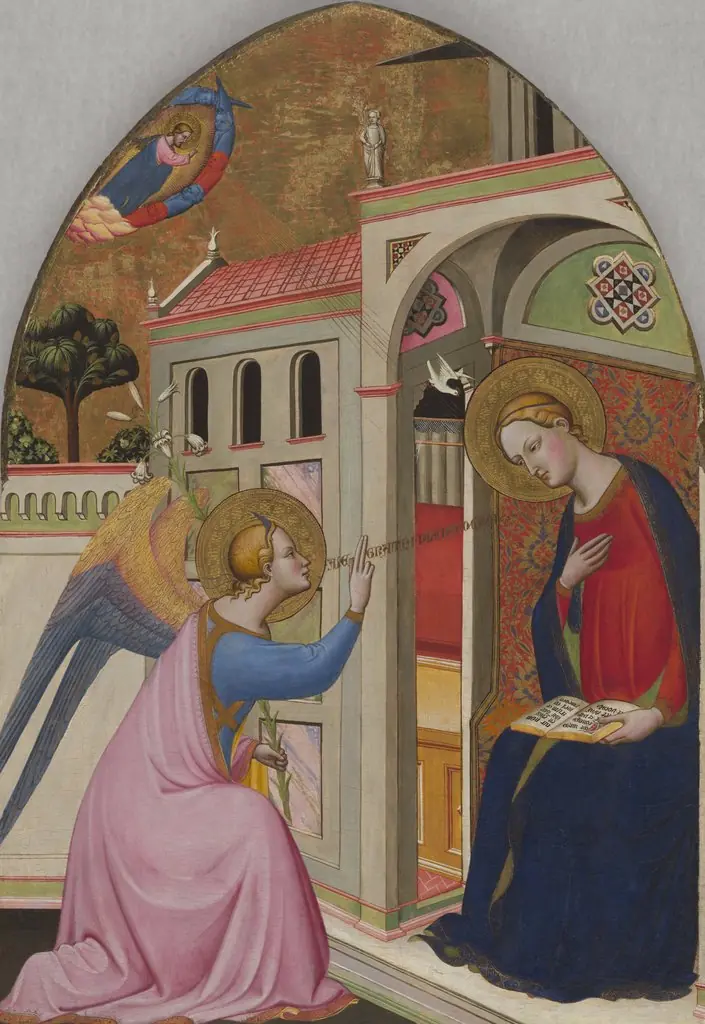
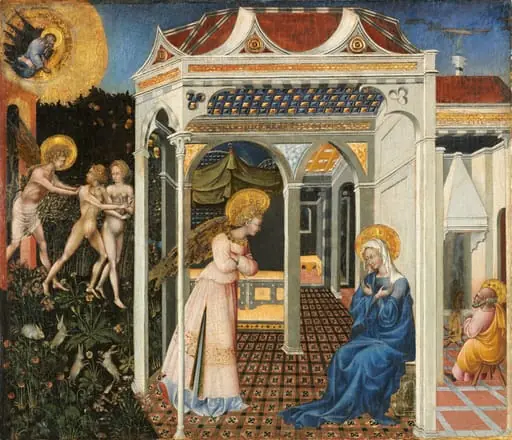
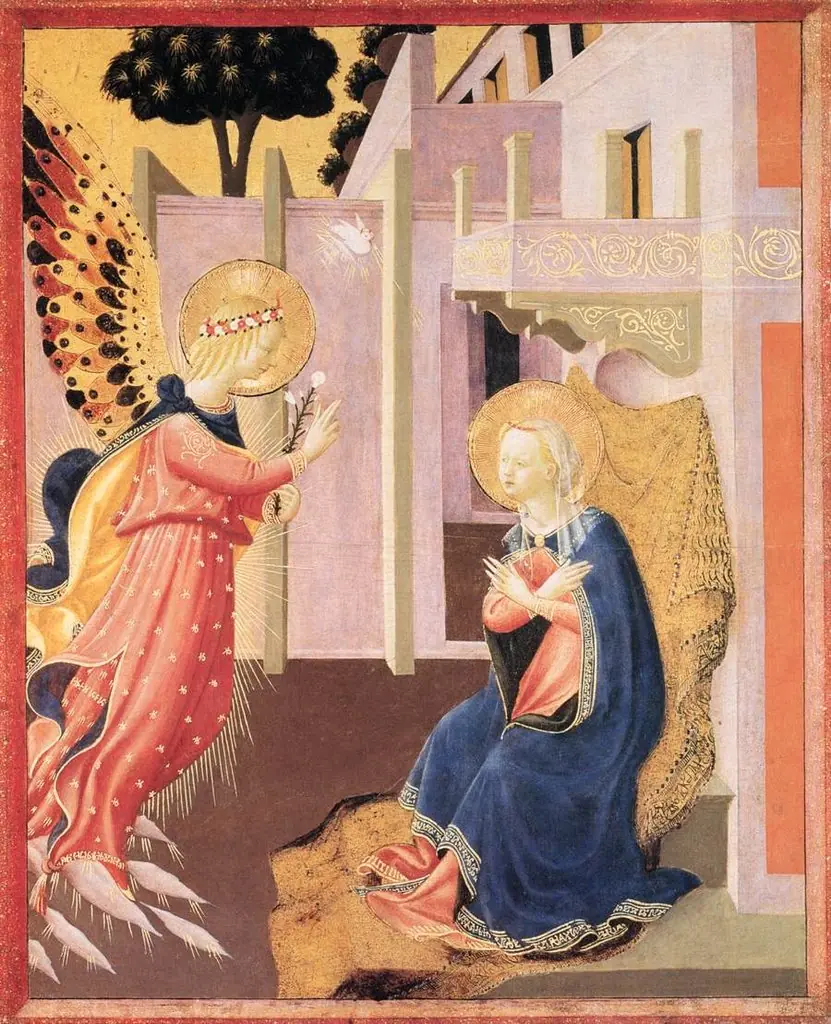
The Annunciation is a tempera painting by the Early Renaissance artist Fra Carnevale. It dates from 1448 and is held in the collection of the National Gallery of Art.
About this work
Subject & Meaning
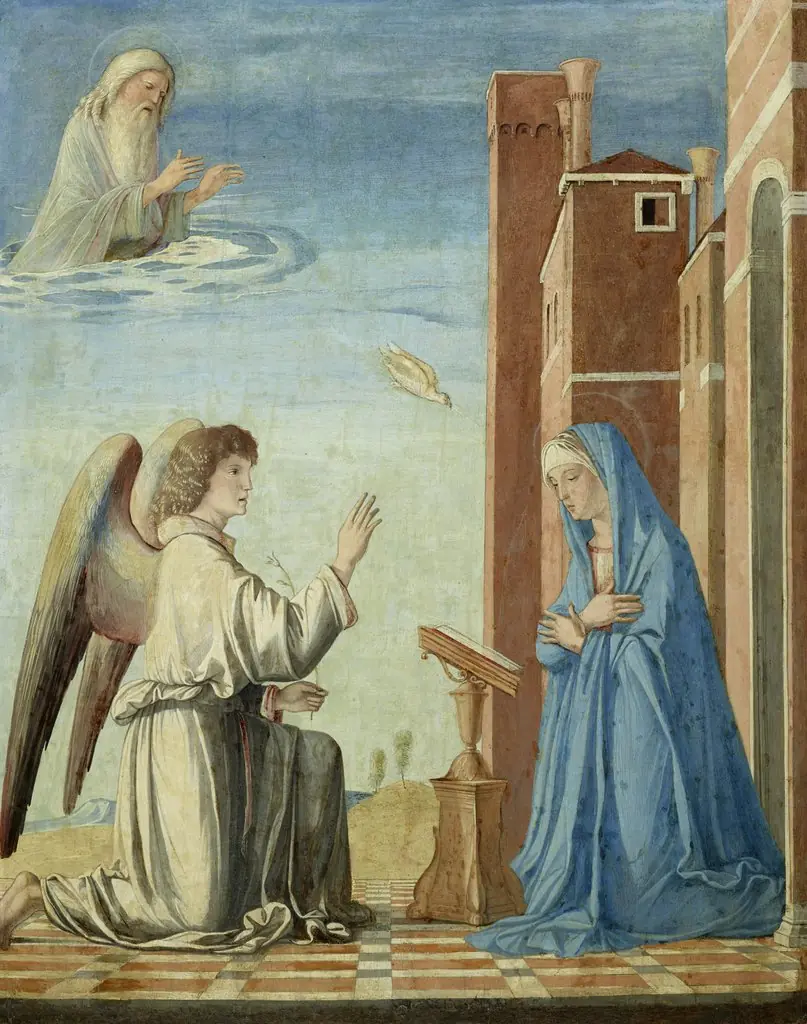
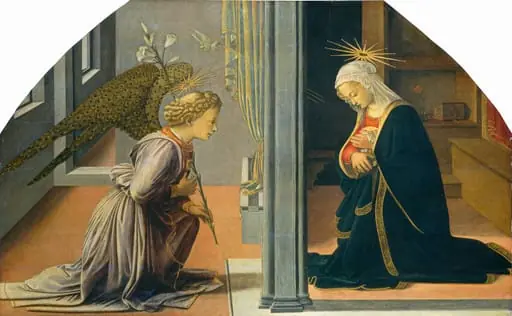
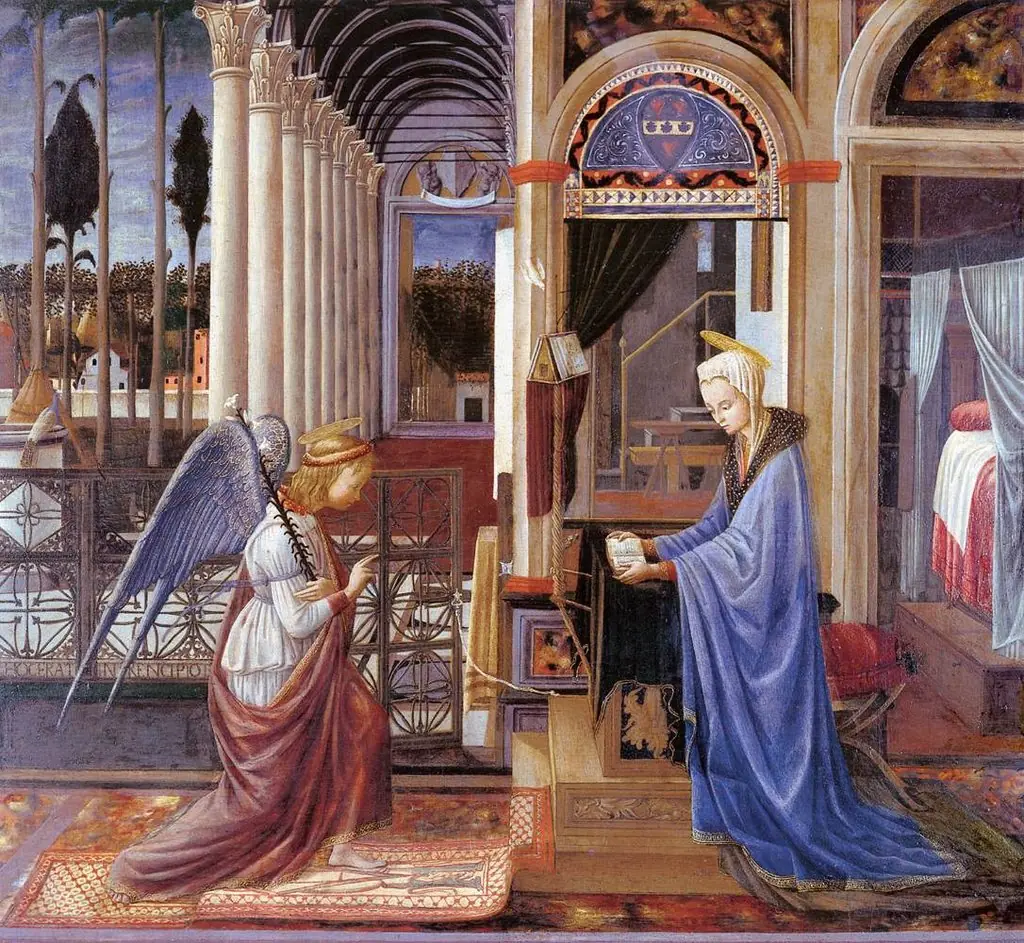
The work depicts the Annunciation, the biblical moment of the Archangel Gabriel announcing to the Virgin Mary that she will conceive and bear the Son of God.
The work depicts the Annunciation, the biblical moment of the Archangel Gabriel announcing to the Virgin Mary that she will conceive and bear the Son of God. Created by Fra Carnevale in 1448, this tempera on panel painting is classified as religious art. The composition centers on the main subject of the Annunciation, a foundational event in Christian theology representing the Incarnation.
While the specific iconographic details of the figures or accompanying symbols are not described in the provided sources, the painting's genre and explicit depiction confirm its role in visualizing this pivotal religious narrative. The work serves as a devotional image illustrating the divine intervention in human history, a standard theme in 15th-century Italian religious painting.
History & Provenance
The work titled The Annunciation, painted by Fra Carnevale in 1448 using tempera on panel, entered the Strozzi family collection in Florence by the late 1850s, where it remained until Prince Ferdinando Lorenzo’s death. The painting was subsequently owned by Louis‑Charles Timbal in Paris, sold in 1872 to Gustave Dreyfus, and after Dreyfus’s death passed to his heirs. In 1930 the entire Dreyfus holdings were sold to Duveen Brothers, who disposed of the piece in May 1936 to the Samuel H. Kress Foundation, New York. The foundation gifted the work to the National Gallery of Art in 1939.
The Annunciation by Fra Carnevale is currently held in the collection of the National Gallery of Art in Washington, D.C., specifically within the Samuel H. Kress Collection. The work bears the accession number 1939.1.218. Its path to the museum began with Prince Ferdinando Lorenzo Strozzi in Florence, where it was documented by 1857.
Following ownership by Louis-Charles Timbal in Paris and subsequent sale to Gustave Dreyfus, the painting was acquired by Duveen Brothers, Inc. in 1930. In May 1936, it was sold to the Samuel H. Kress Foundation, which gifted the panel to the National Gallery of Art in 1939. While specific public exhibition records are not detailed in the provided texts, its provenance tracks its movement through private European collections before entering the American institutional sphere.
Overview
Fra Carnevale's The Annunciation, created around 1448, represents a significant work from the early Italian Renaissance. Executed in tempera on panel, this painting emerged from the vibrant artistic environment of Urbino during the Quattrocento. It is one of the few definitively attributed works by an artist whose career remains largely enigmatic, offering valuable insight into his distinctive approach to religious narrative.
Technique & Style
Carnevale employed tempera on panel for The Annunciation, a characteristic medium of the 15th century in Italy. This technique, involving pigment mixed with egg yolk, allowed for crisp lines, luminous colors, and meticulous detail. The composition reflects the early Renaissance's growing interest in creating ordered, believable spaces, even within a devotional context, through careful arrangement of figures and architectural elements.
Context
Fra Carnevale, also known as Bartolomeo di Giovanni Corradini, was active in Urbino during the mid-15th century. Despite his evident skill and contribution to the early Renaissance, he remains one of the more elusive figures of the period, with only a small number of works securely attributed to him. The Annunciation is therefore crucial for understanding his individual style and place within the Quattrocento artistic landscape.
Own this work as a print
Artist & collection
Artist
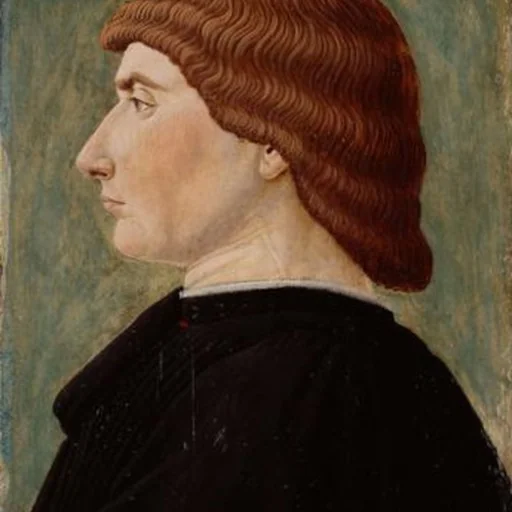
Fra Carnevale OP (c. 1420–25 – 1484) was an Italian painter of the Quattrocento, active mainly in Urbino. Widely regarded as one of the most enigmatic artists, there are only nine works that can be definitively…