Artwork
Self-portrait in the Uffizi
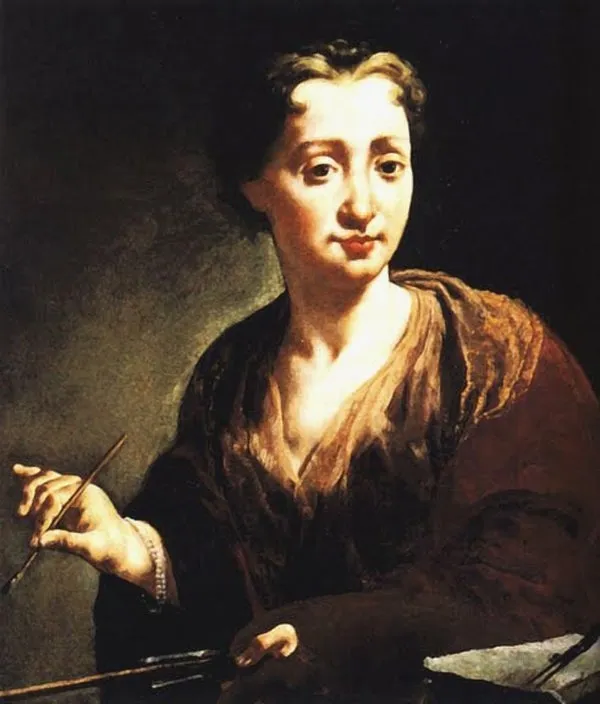
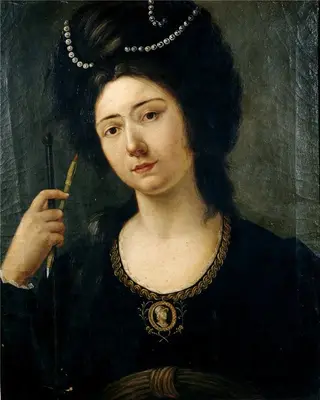
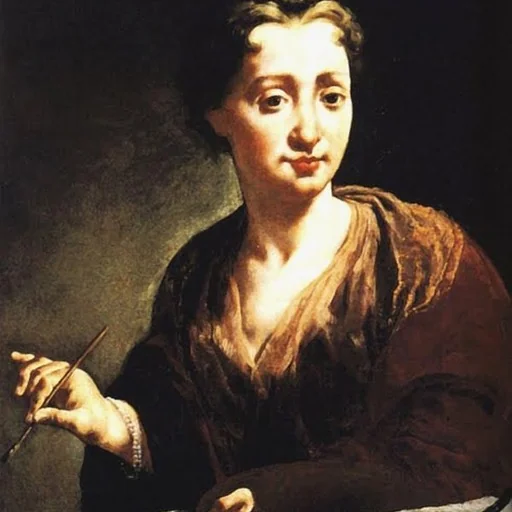
Self-portrait in the Uffizi is an oil painting by the Rococo painting artist Giulia Lama. It dates from 1725 and is held in the collection of the Uffizi Gallery. Giulia Elisabetta Lama painted this self-portrait in 1725 using oil on canvas.
About this work
Overview
It is one of the few surviving works by a Venetian woman artist of the early 18th century and is now held in the Uffizi Gallery.
Giulia Elisabetta Lama painted this self-portrait in 1725 using oil on canvas. It is one of the few surviving works by a Venetian woman artist of the early 18th century and is now held in the Uffizi Gallery. The composition centers on the artist herself, rendered with careful attention to light and form, reflecting both her technical training and her determination to assert her identity as a professional painter.
Subject & Meaning
Lama depicts herself as a working artist, holding a brush and palette, directly engaging with her craft. Her gaze, directed away from the viewer, suggests introspection rather than performance. The choice to portray herself in the act of painting asserts her professional status at a time when female artists were often marginalized. The absence of ornamental distractions emphasizes her role as a serious practitioner of the visual arts.
Technique & Style
The painting employs chiaroscuro to model the face and hands with strong contrasts between light and shadow, lending volume and presence. Her dark dress and the deep background isolate her figure, focusing attention on her expression and gestures. While contemporaries favored soft Rococo palettes, Lama’s use of muted browns and deep tones aligns more closely with the somber realism of late Baroque traditions, distinguishing her from prevailing Venetian trends.
History & Provenance
Created in 1725, the portrait entered the Uffizi’s collection in the 18th century, likely through the Medici’s broader efforts to document artistic achievement. Its inclusion in a major Florentine institution underscores its recognition by contemporary connoisseurs. Unlike many works by women artists of the period, it was preserved and cataloged, suggesting it was valued not merely as a curiosity but as a legitimate contribution to artistic practice.
Context
In early 18th-century Venice, few women were permitted formal artistic training, especially in life drawing. Lama was exceptional for studying the male nude, a practice reserved almost exclusively for men. Her self-portrait reflects this rare access to academic training and signals her ambition to be judged by the same standards as her male peers, challenging gendered limitations within the art world.
Legacy
Lama’s self-portrait remains a rare testament to the presence of women in academic art circles of the time. Though her broader oeuvre is largely lost, this work endures as evidence of her technical skill and determination. It contributes to the reassessment of female artists in the Baroque period, offering a quiet but firm assertion of artistic authority in a male-dominated field.
Artist & collection
Artist
Giulia Elisabetta Lama (1 October 1681 – 8 October 1747) was an Italian painter active in Venice during the late Baroque period.