Artwork
Madonna and Child
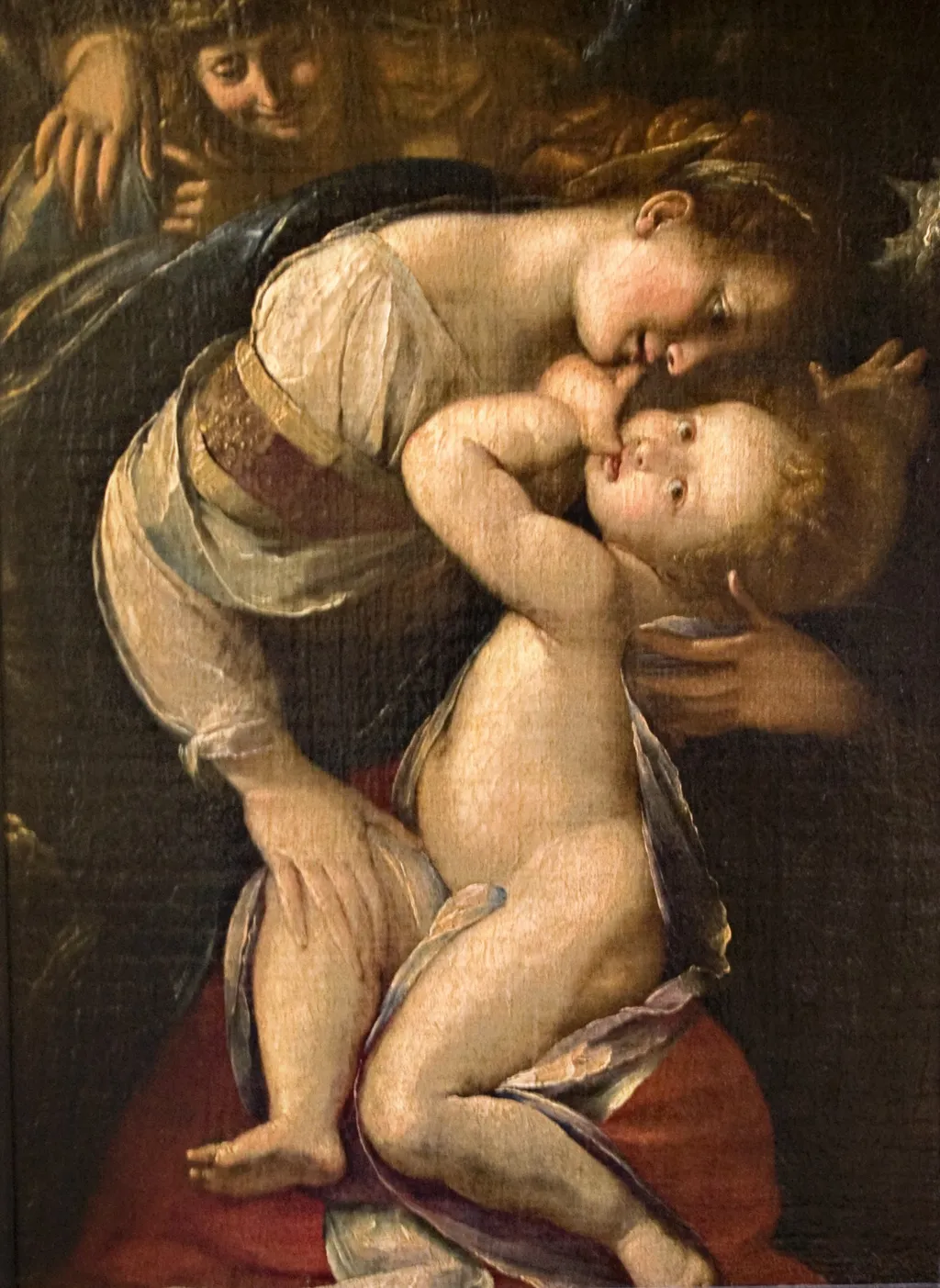
Madonna and Child is an unspecified painting by the Mannerist artist Giulio Cesare Procaccini. It dates from 1609 and is held in the collection of the Hermitage Museum.
About this work
Subject & Meaning
Giulio Cesare Procaccini's painting depicts the Madonna and Child, a central subject in religious art representing the Virgin Mary holding the infant Jesus.
Giulio Cesare Procaccini's painting depicts the Madonna and Child, a central subject in religious art representing the Virgin Mary holding the infant Jesus. The work focuses on these two figures, adhering to traditional iconography where Mary is presented as the mother of Christ. As a piece of religious genre painting created in Italy, the image serves as a devotional representation of the holy family, emphasizing the bond between mother and son without additional symbolic elements or background narratives specified in the available records.
Technique & Style
The work is an oil painting on wood panel, measuring 55.5 cm in height and 40.5 cm in width. It depicts the Virgin Mary cradling the Christ Child in a tender composition typical of late Renaissance religious art. The painting was created in Italy and is part of the collection at the Hermitage Museum.
History & Provenance
The painting was created by Giulio Cesare Procaccini in Italy. It entered the collection of the Hermitage Museum, where it remains today. The work measures 55.5 cm in height and 40.5 cm in width. It depicts Mary with the Christ Child in a religious composition.
Context
Procaccini's 'Madonna and Child' entered Hermitage collection as a religious painting by the Milanese artist Giulio Cesare Procaccini, reflecting Lombard devotional trends of the late 16th century. Scholarship emphasizes its compositional harmony and tender portrayal of sacred figures, situating it within Procaccini's broader oeuvre of devotional works that bridged Mannerist influences and Baroque naturalism. The painting's stylistic analysis draws on contemporary studies of Lombard religious art, highlighting Procaccini's role in shaping Counter-Reformation visual language through intimate sacred imagery.
Overview
Giulio Cesare Procaccini’s Madonna and Child, executed circa 1609, presents a tender encounter between the Virgin and the infant Jesus. Rendered in oil on canvas, the composition centers on the intimate gesture of the mother’s arm encircling the child, while a secondary, darker figure lingers in the background. The work is presently displayed in the State Hermitage Museum in St. Petersburg.
Artist & collection
Artist
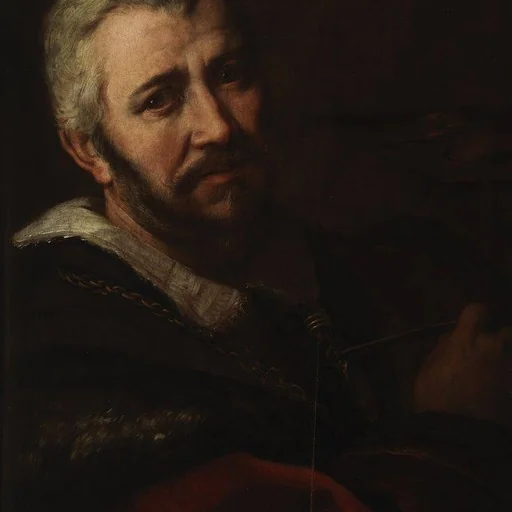
Giulio Cesare Procaccini (30 May 1574 – 14 November 1625) was an Italian painter and sculptor of the early Baroque era in Milan.

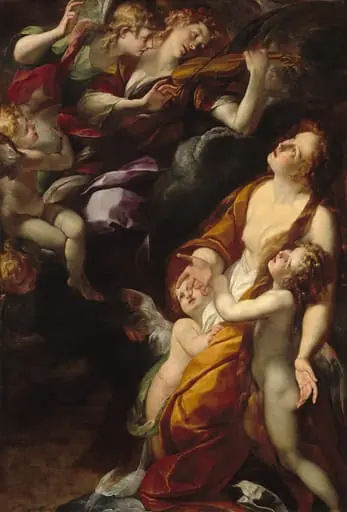
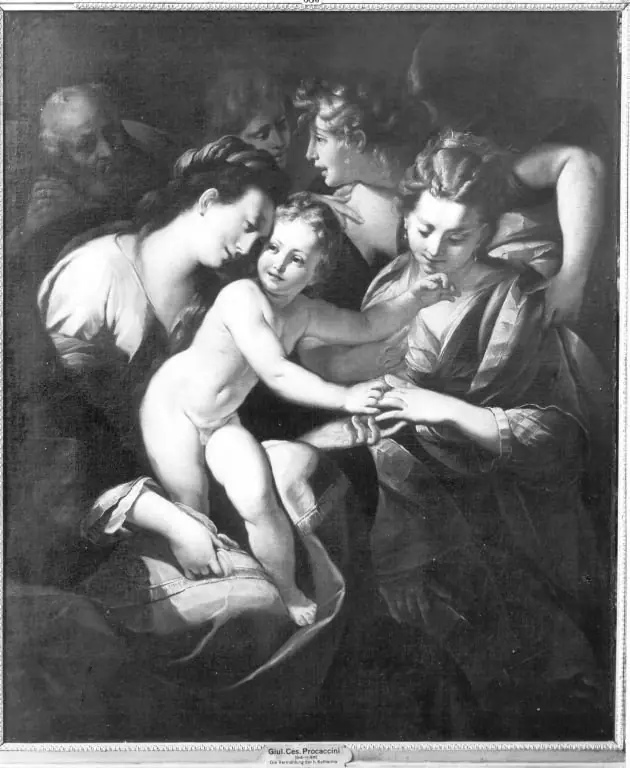
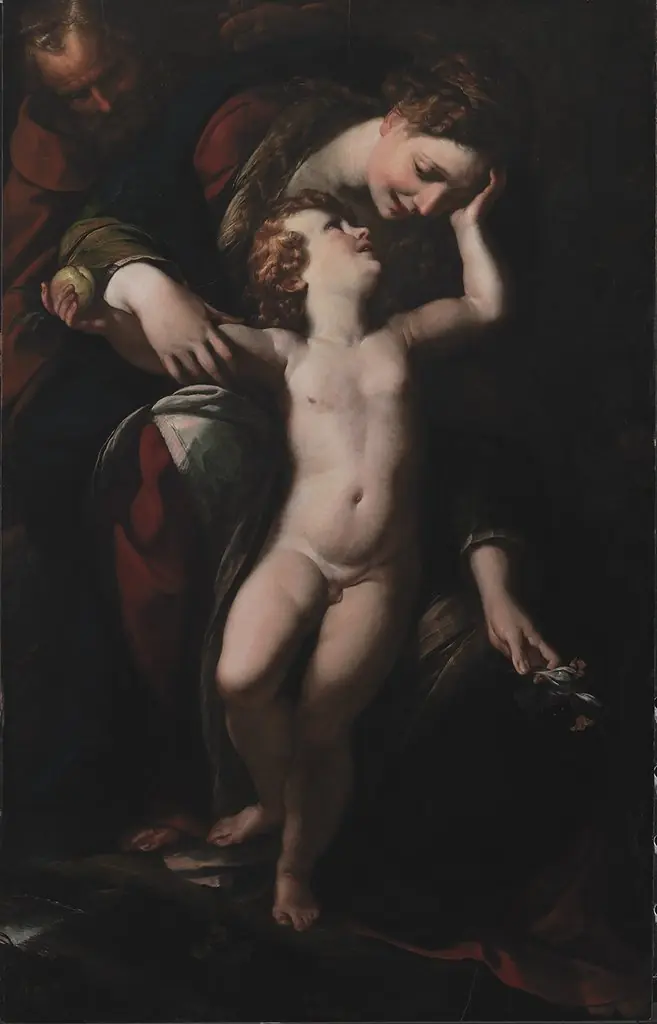
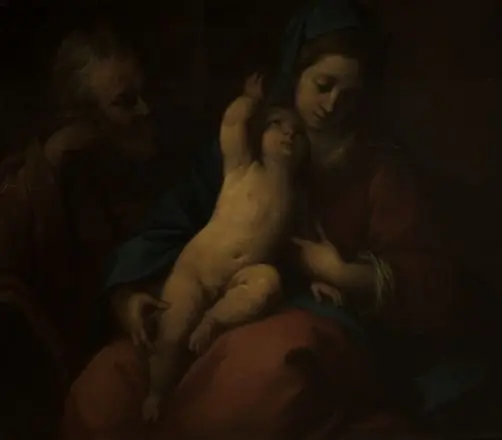
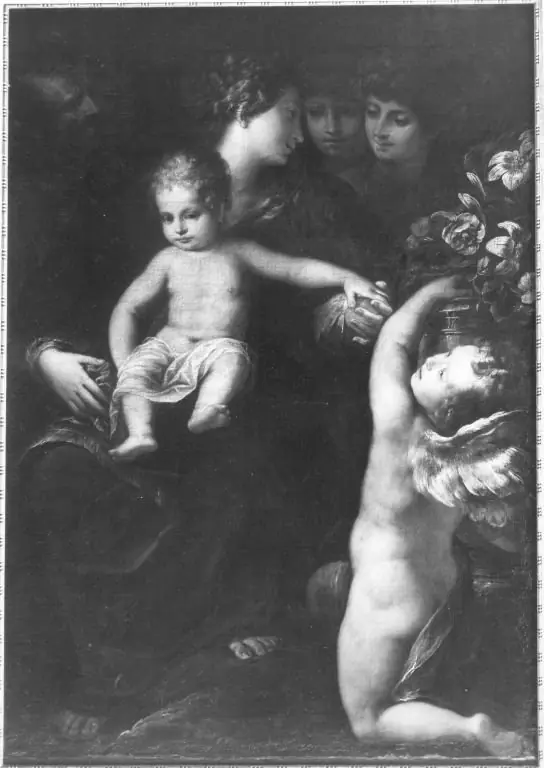
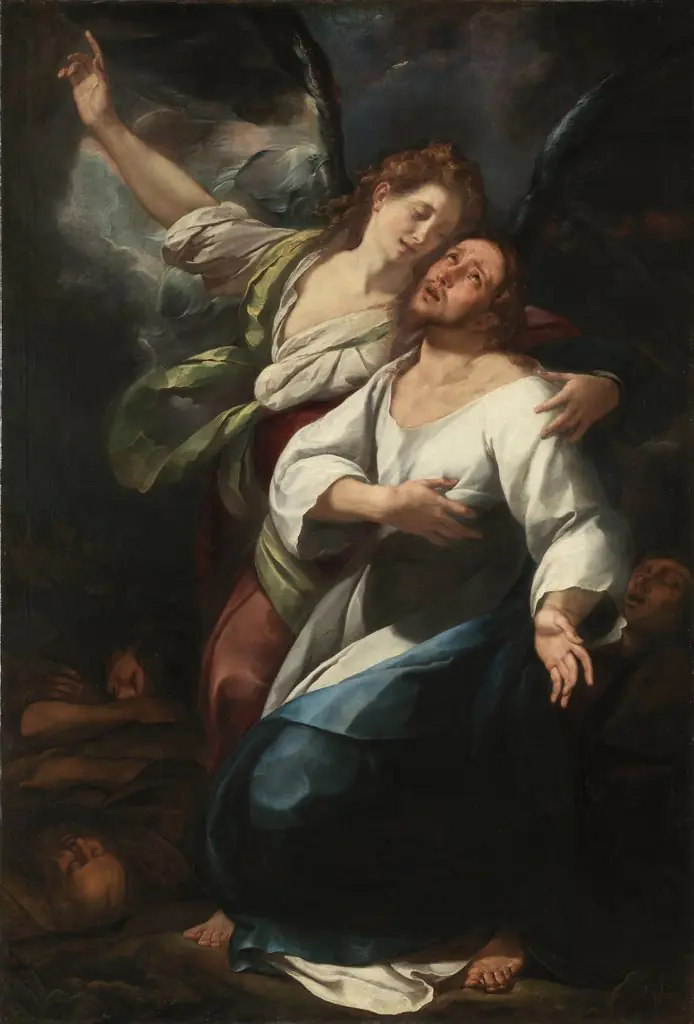
- Madonna and Child
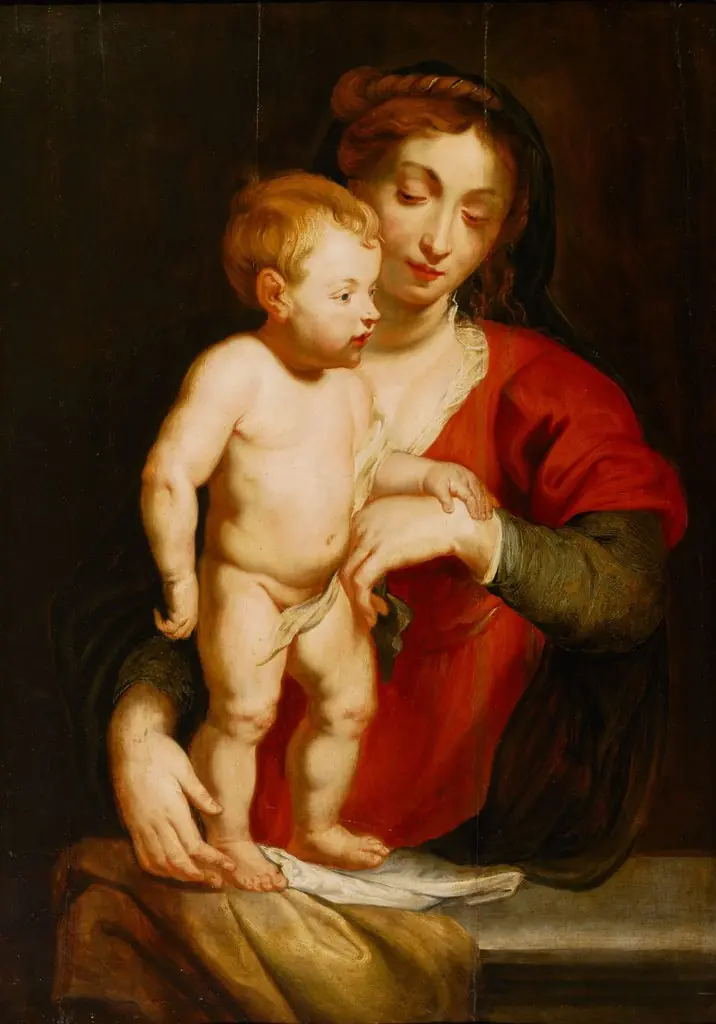 Madonna and Child
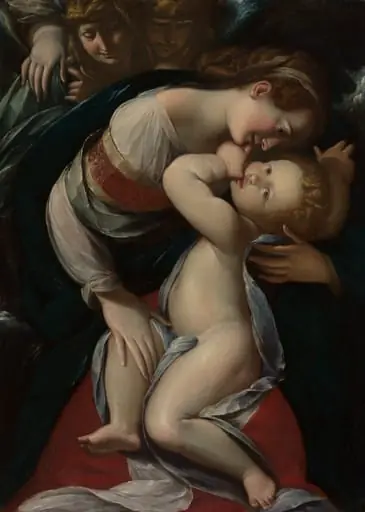 Virgin and Child with Angels
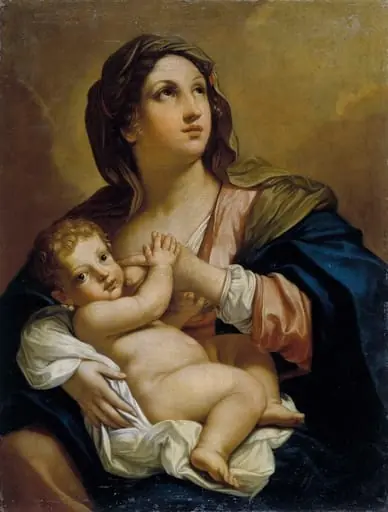 Neitsyt Maria ja Jeesus-lapsi
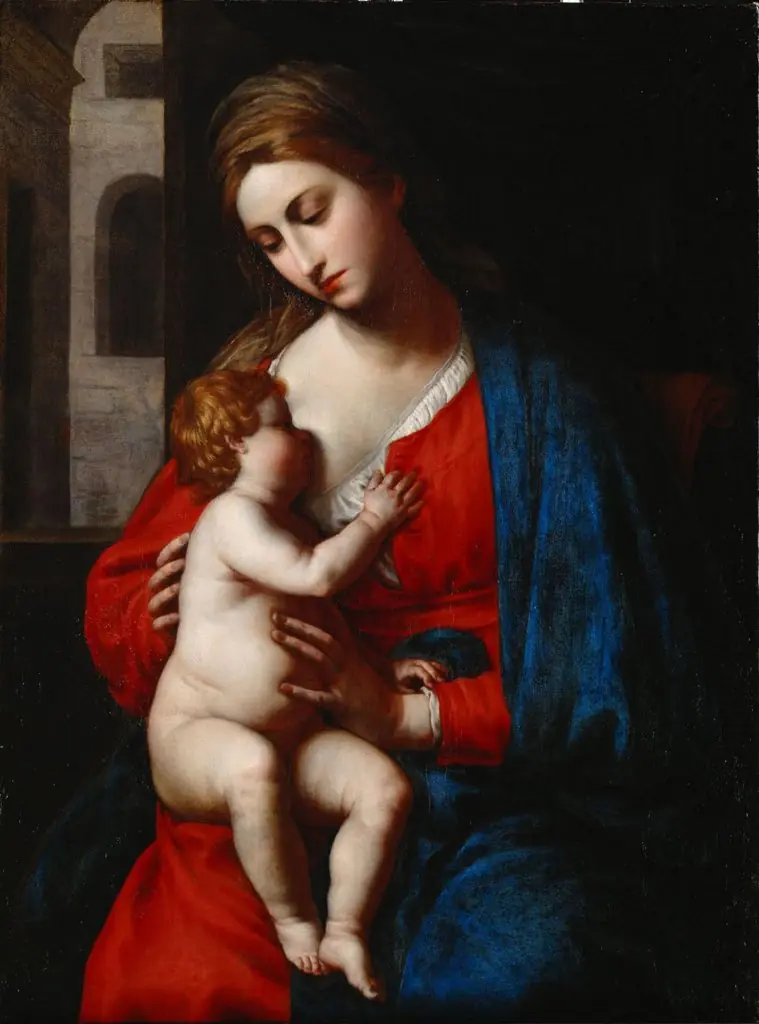 Maria with Child
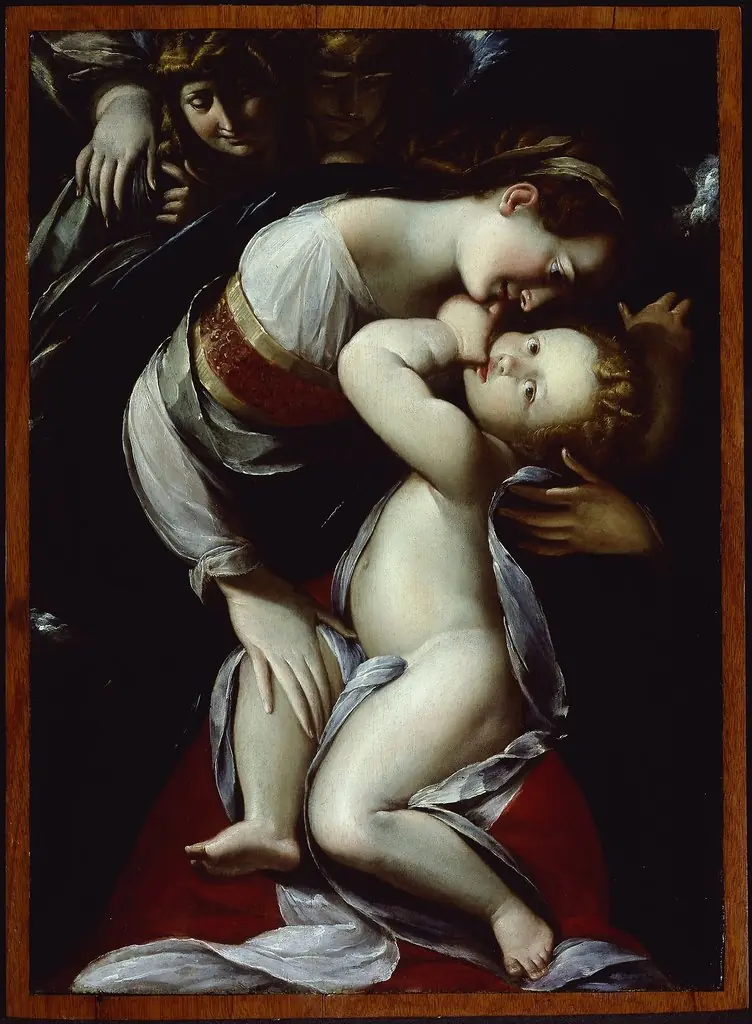 Virgin and Child with Angels
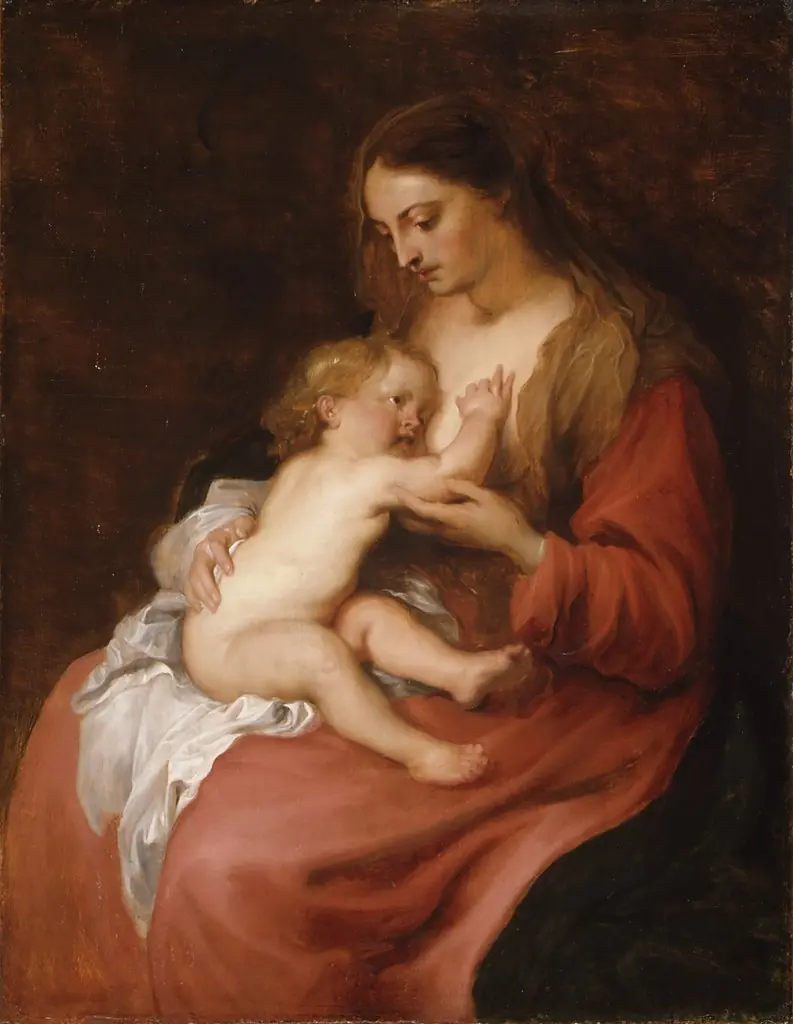 Virgin and Child
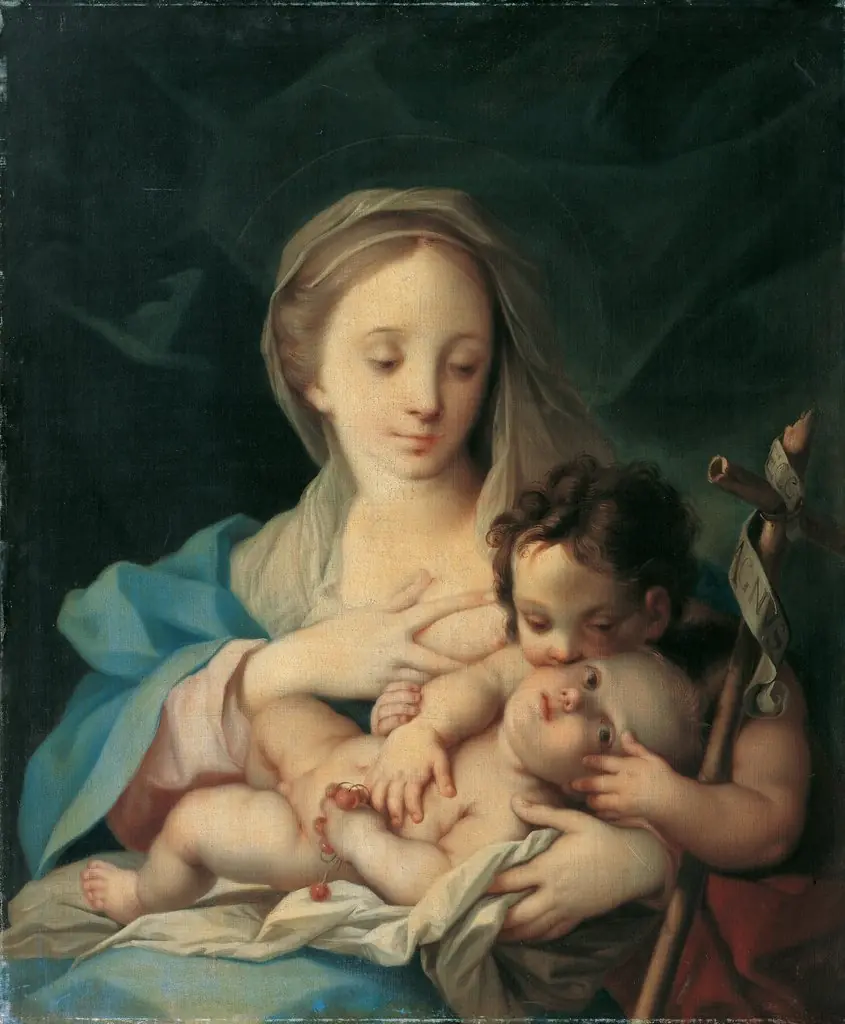 Mary with the Child and St John the Baptist
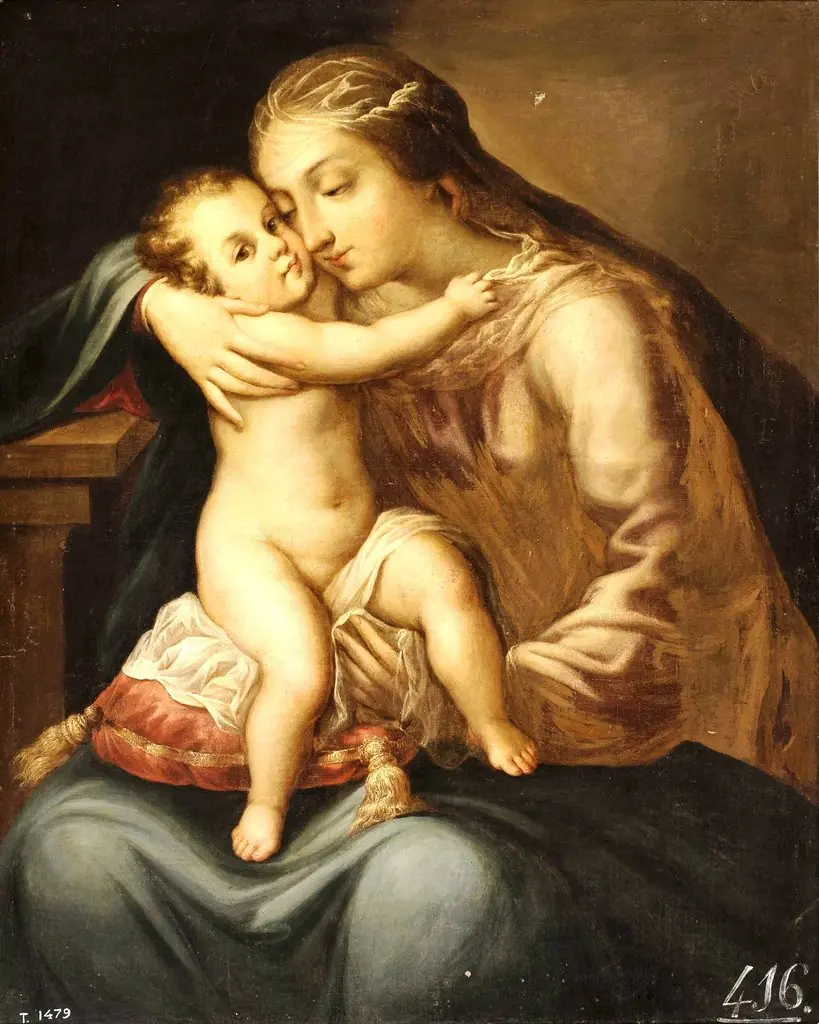 La Virgen con el Niño
 Virgin and Child with an Angel (Madonna del Latte)
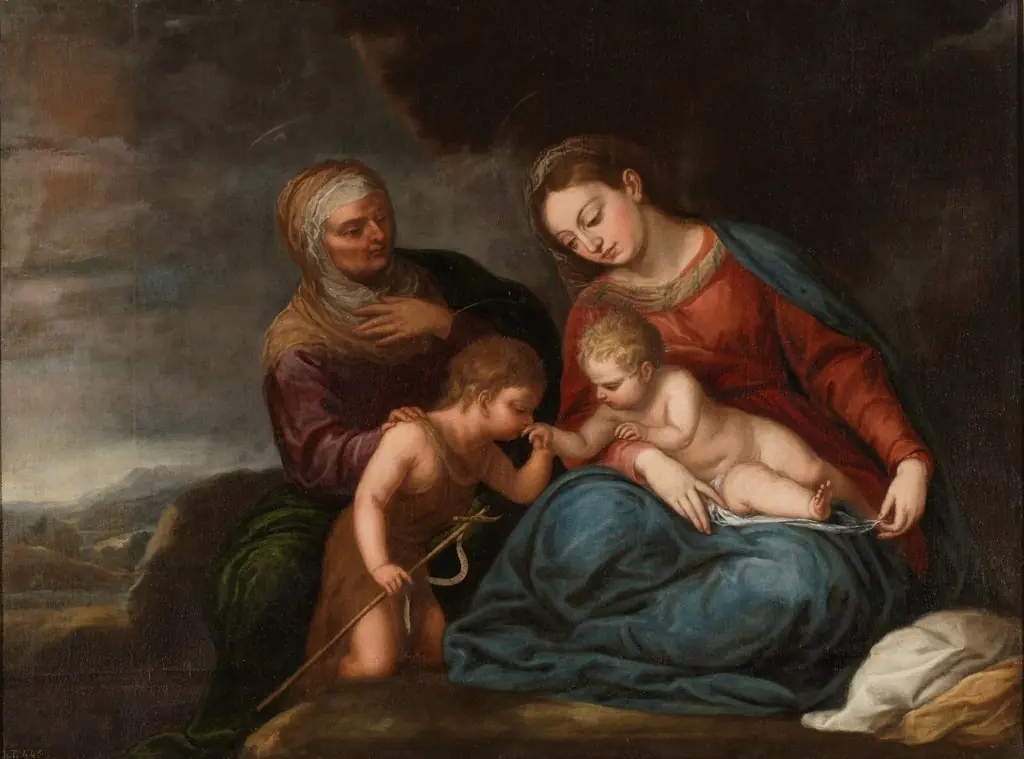 The Virgin and Child with Saints Elizabeth and John