Artwork
The Ecstasy of the Magdalen
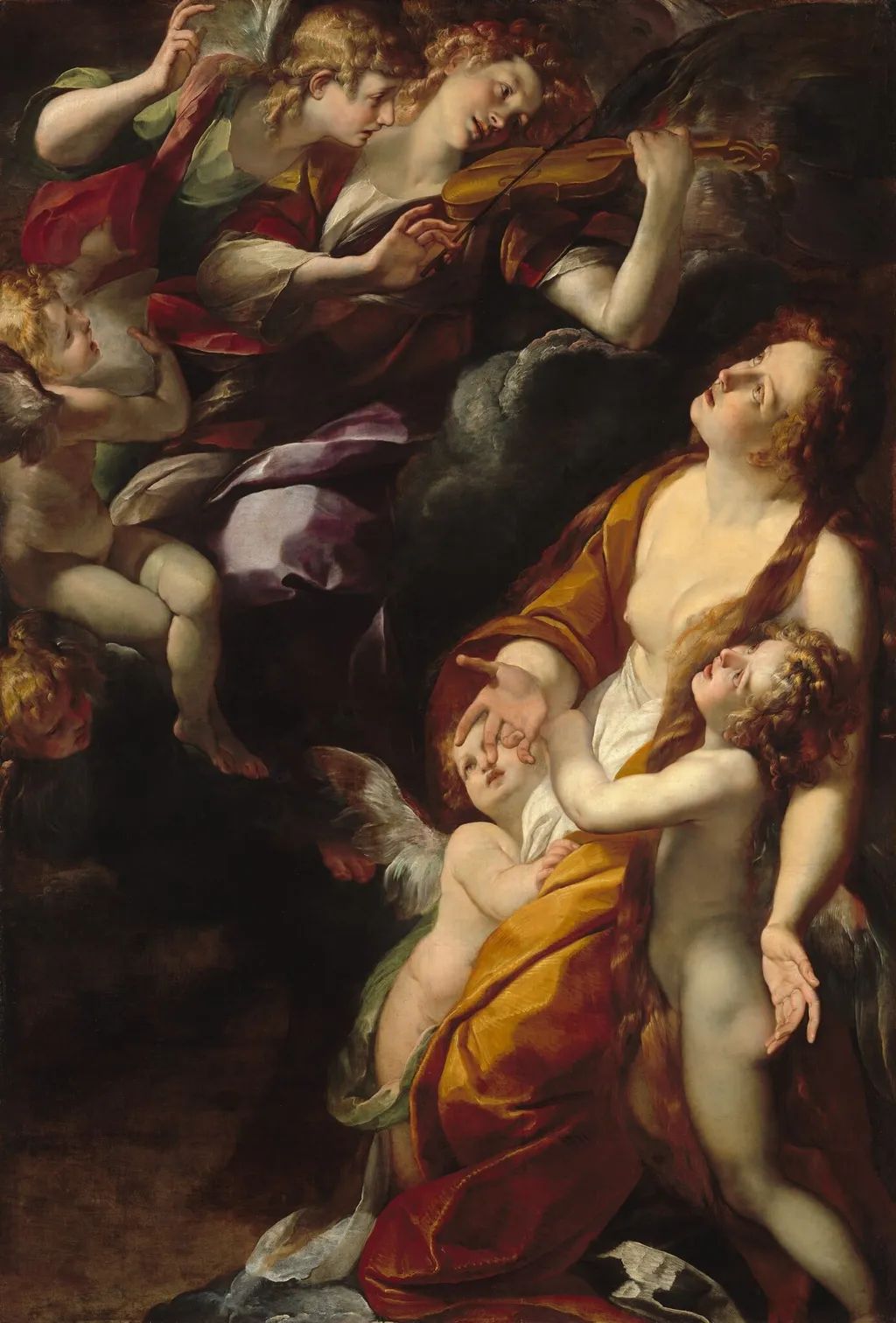
The Ecstasy of the Magdalen is an oil painting by the Baroque artist Giulio Cesare Procaccini. It dates from 1618 and is held in the collection of the National Gallery of Art.
About this work
Technique & Style
Executed in oil on canvas in 1618, the work measures 213.8 cm in height by 143.6 cm in width. Its composition centres on the kneeling Magdalene elevated by angelic figures, rendered with a dynamic interplay of light and shadow that heightens the visionary experience.
The handling reveals Procaccini's mature Lombard manner: fluid, elongated forms and softly modelled drapery articulate spiritual rapture, while delicate glazes modulate flesh and fabric into a luminous glow. The angelic throng is treated with swift, rhythmic brushwork that contrasts with the Magdalene's more sculptural modelling, underscoring the tension between earthly weight and ecstatic ascent.
History & Provenance
Its inventory number is not specified in the provided sources, and its exhibition history is not documented in the given material.
Procaccini painted The Ecstasy of the Magdalen in 1618 for the Genoese nobleman Gian Carlo Doria, whose family archives document numerous works commissioned from the artist. The painting remained in the Doria collection through the mid-17th century, later passing to the Counts of Adanero in Madrid by the late 19th century, where it remained until circa 1936. By the 1990s it had entered a private collection in Boston before being consigned to Hall & Knight Ltd. in New York and London.
The Ecstasy of the Magdalen is held by the National Gallery of Art in Washington, D.C. It entered the collection through a purchase on 8 February 2002 from Hall & Knight Ltd. Its inventory number is not specified in the provided sources, and its exhibition history is not documented in the given material.
Context
Giulio Cesare Procaccini's The Ecstasy of the Magdalen, painted in 1618, exemplifies the intense emotionalism and naturalistic detail of early Baroque religious painting in Lombardy. The work entered the Genoese Doria collection, likely commissioned by Gian Carlo Doria, and remained in the family until the mid-17th century, as documented in archival inventories that record it alongside other Procaccini pieces. Its provenance later traversed the Counts of Adanero and a Madrid collection before the painting was acquired by the National Gallery of Art in Washington, D.C., in 2002.
Its identification with a work described in the Doria inventories underscores its significance as a high-quality example of the artist's output.
Overview
Giulio Cesare Procaccini’s The Ecstasy of the Magdalen (1618) is an oil on canvas created in Milan during the early Baroque period. The work portrays a suspended female figure, eyes closed, surrounded by winged beings and musicians in a dark, swirling atmosphere. Deep reds, golds, and luminous whites dominate the palette, emphasizing the central figure’s radiant skin against the surrounding shadows.
Subject & Meaning
The central figure represents Mary Magdalene in a moment of spiritual rapture, her tranquil expression suggesting an inner vision beyond the material world. The surrounding angels and instrumentalists, floating weightlessly, reinforce a sense of heavenly ascent, while the ambiguous space eliminates earthly references, inviting viewers to contemplate the transcendental nature of devotion.
Own this work as a print
Artist & collection
Artist
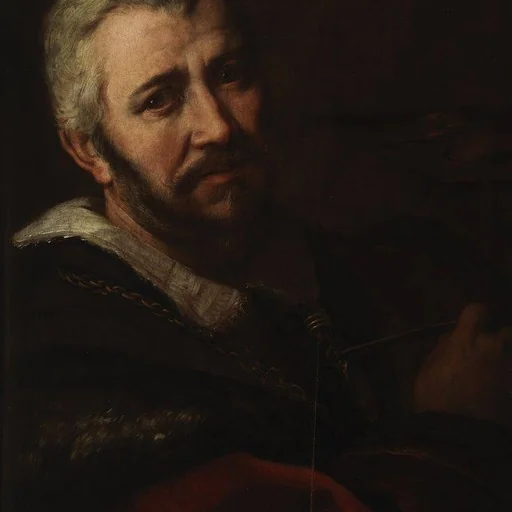
Giulio Cesare Procaccini (30 May 1574 – 14 November 1625) was an Italian painter and sculptor of the early Baroque era in Milan.

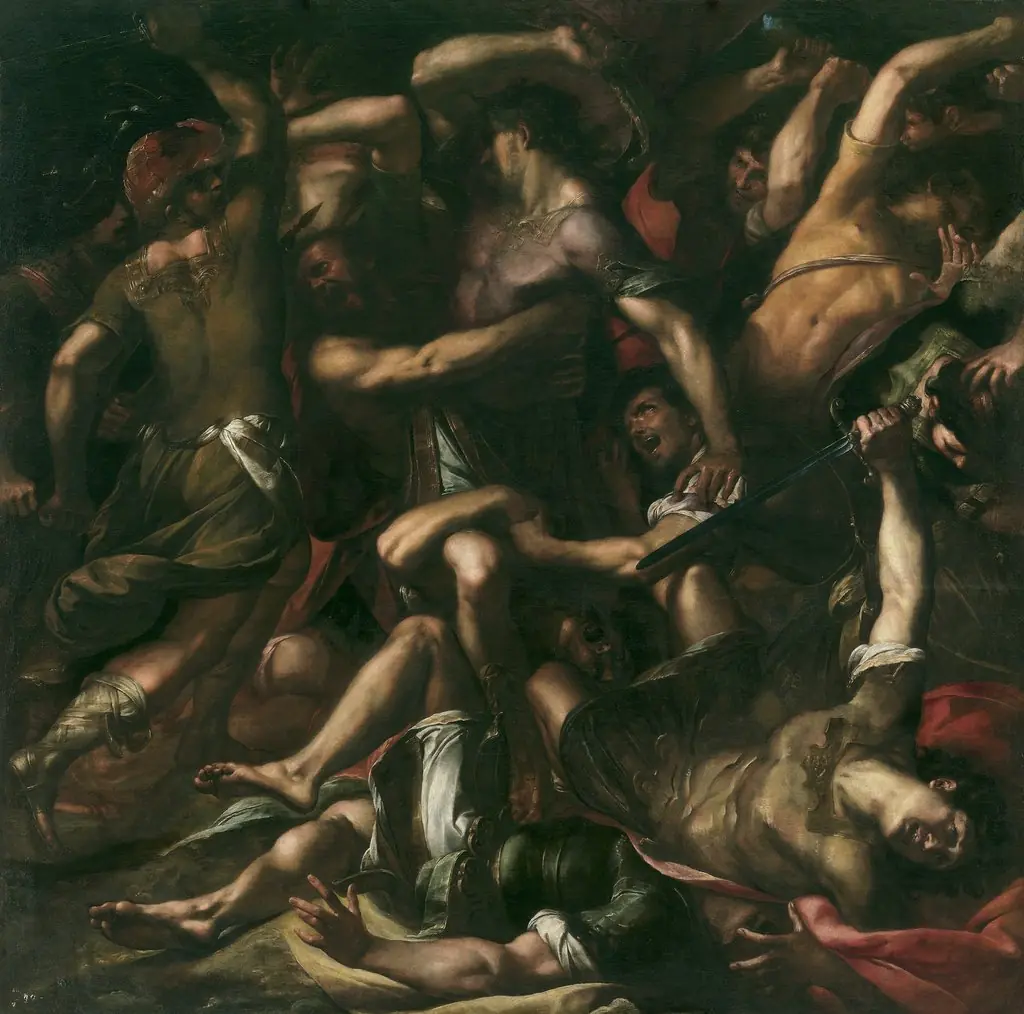
- The Assumption of the Virgin
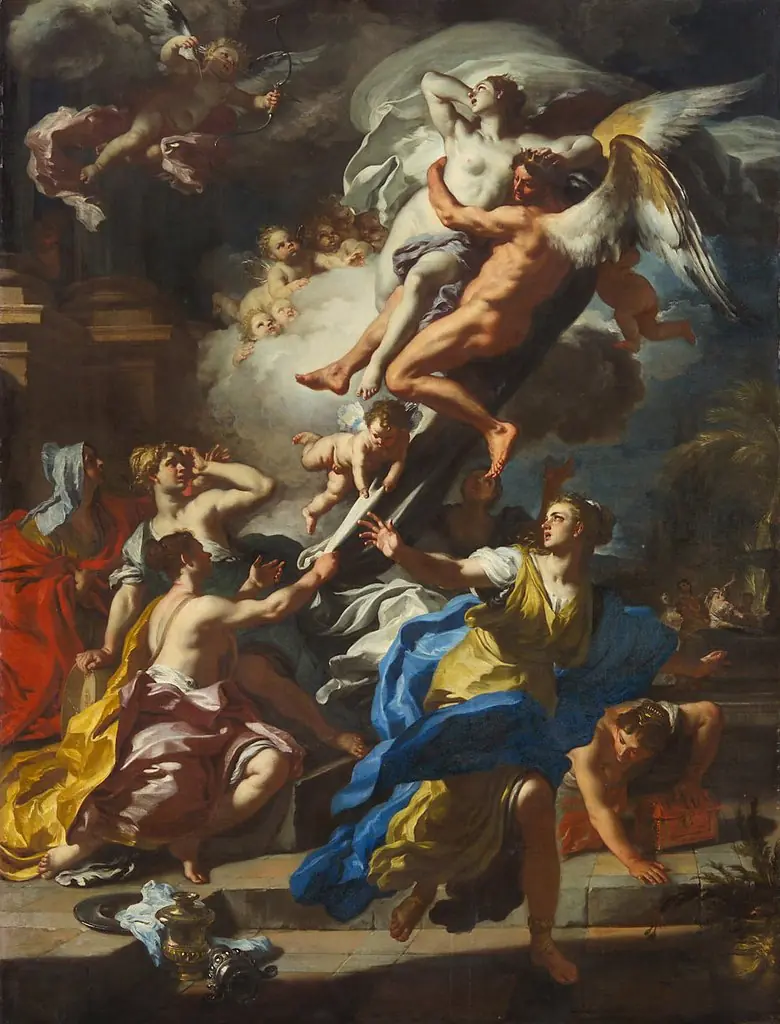 Boreas is robbing Orethyia
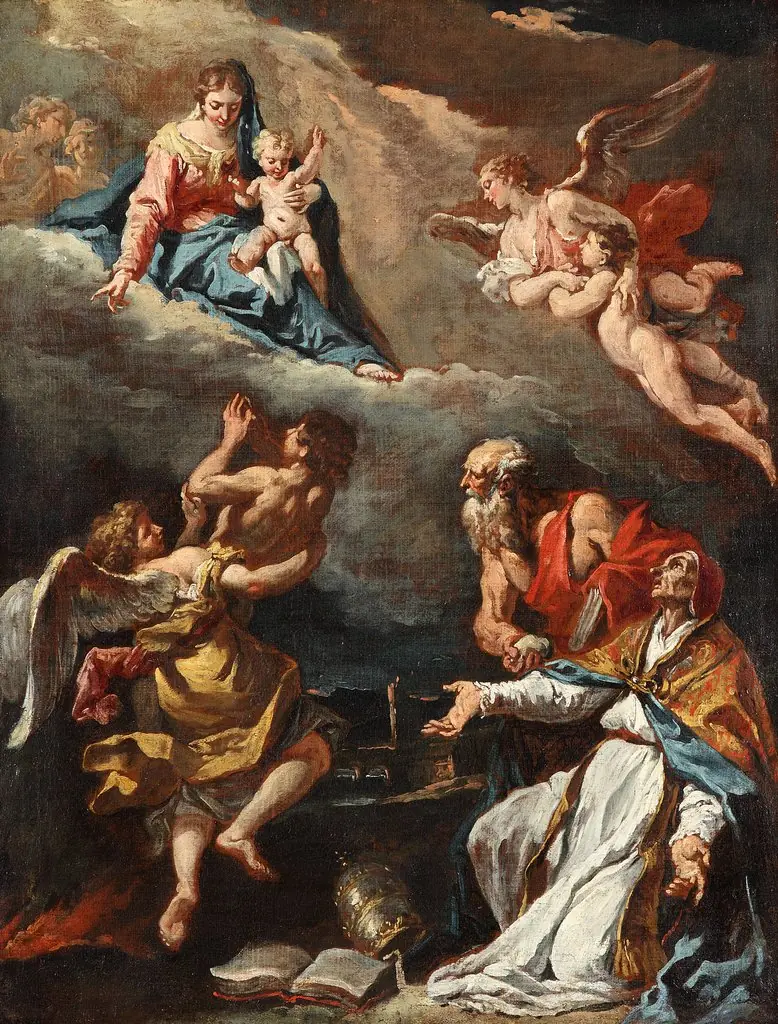 Die Fürbitte des Heiligen Gregor für die Seelen im Fegefeuer
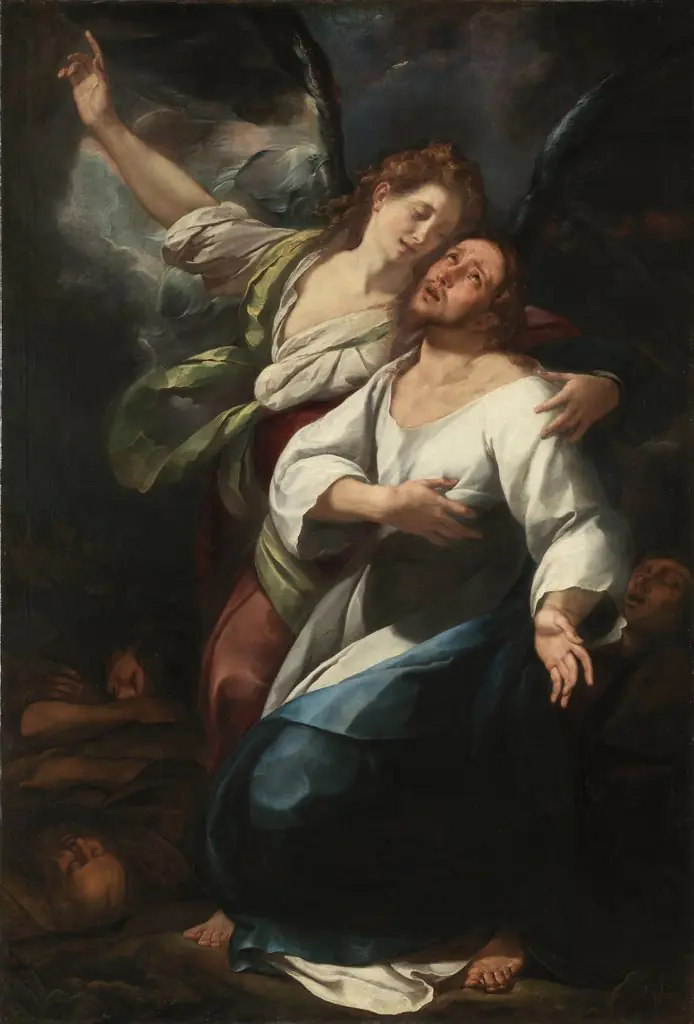 Agony in the Garden
 The Annunciation
 Madonna of the people
 The Annunciation
 Study for "An Apotheosis of a Saint" (for San Bernardino dei Morti, Milan)
 Diana and Virtus Punish Venus and Bacchus
 Time Unveiling Truth
 The Lowering of the Cross with Sts Mary ...
 The Dream of Saint Catherine of Alexandria