Artwork
Portrait of Johann Philipp Schönborn, elector of Mainz
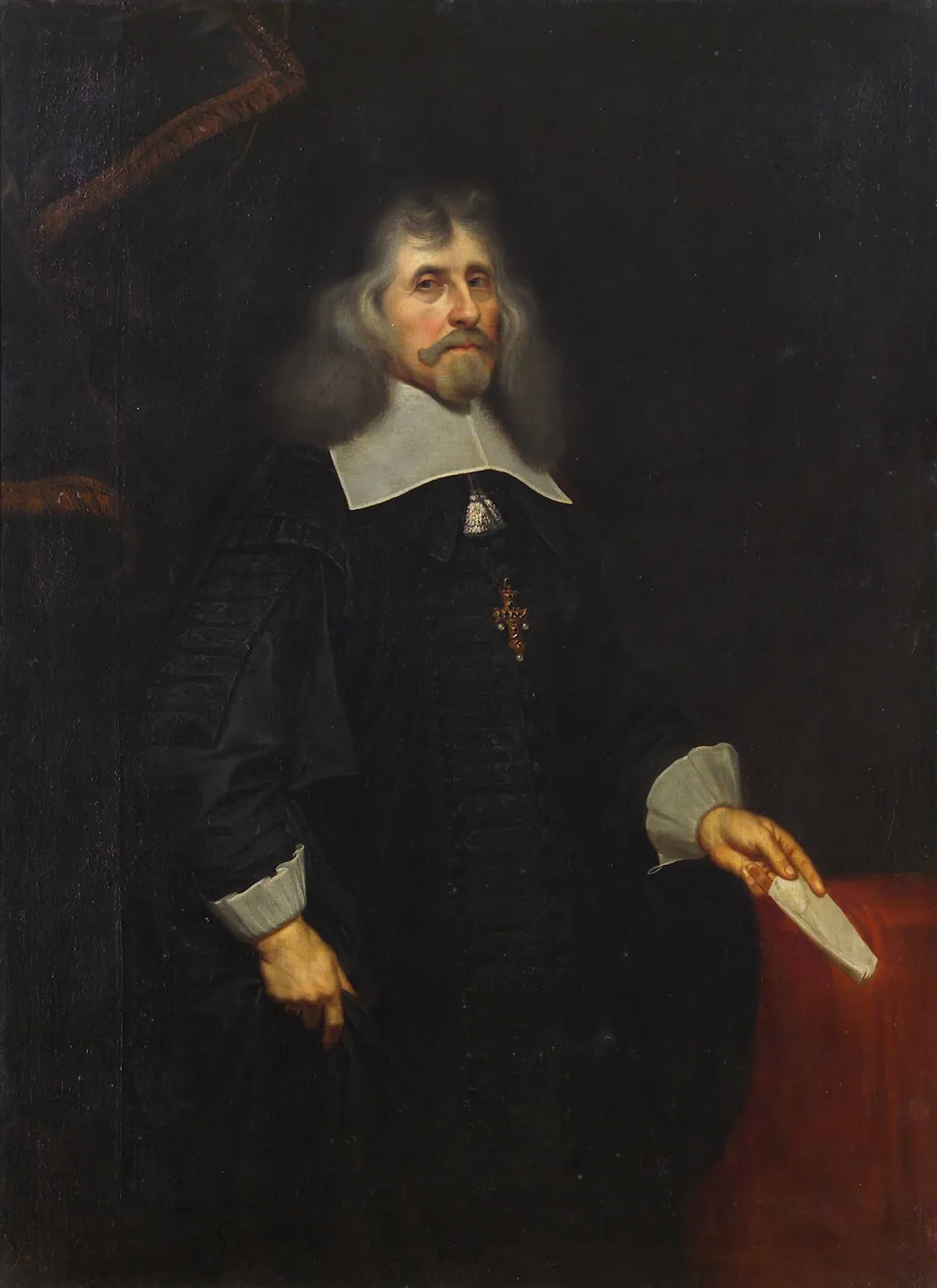
Portrait of Johann Philipp Schönborn, elector of Mainz is an oil painting by the Dutch Golden Age artist Sir Godfrey Kneller. It dates from 1666 and is held in the collection of the Kunsthistorisches Museum. In 1666 Godfrey Kneller executed an oil-on-canvas portrait of Johann Philipp von Schönborn, the elector of Mainz.
About this work
Overview
The Portrait of Johann Philipp Schönborn, Elector of Mainz is an oil on canvas painting executed in 1666 by Gottfried Kneller, later known as Sir Godfrey Kneller, one of the most influential portraitists of the late seventeenth and early eighteenth centuries. Measuring 151 by 111.5 centimetres, this full-length portrait depicts one of the most powerful ecclesiastical princes of the Holy Roman Empire and now resides in the collection of the Kunsthistorisches Museum in Vienna, specifically in the Gemäldegalerie, under inventory number 784. The work is significant as a rare surviving example from Kneller's formative German and Dutch period, predating by a decade his emigration to England in 1676, where he would achieve international fame as Principal Painter to the Crown. The painting is signed and dated "Gottfried Kneller fecit A°1666," providing crucial documentary evidence for the artist's early career, about which scholarly knowledge remains limited.
Subject & Meaning
The portrait represents Johann Philipp von Schönborn (1605-1673), who served simultaneously as Archbishop-Elector of Mainz from 1647 until his death, Bishop of Würzburg from 1642, and Bishop of Worms from 1663. His multiple ecclesiastical offices made him one of the most powerful figures in the post-Westphalian Holy Roman Empire, and his diplomatic skills at the Peace of Westphalia negotiations in 1648 earned him contemporary honorifics including "The Wise," "The German Solomon," and "The Cato of Germany." The iconography reflects his dual identity as prince and prelate: the voluminous black ecclesiastical garments with large flat white collar and cuffs signal his high clerical office, while the small ornate cross at his chest and the white tassel or pendant denote his specific rank within the Catholic hierarchy. His left hand rests upon a draped red fabric surface and holds a folded white paper or letter, possibly alluding to his administrative responsibilities and diplomatic correspondence. The rich red accent of the drapery, set against the dominant blacks and whites of his attire, introduces a note of princely magnificence appropriate to an elector who was also archchancellor of the empire. The strong illumination from the left, concentrating upon his face, hands, and collar, creates a dramatic focus on the sitter's physiognomy and conveys both psychological presence and institutional authority.
Technique & Style
The painting is executed in oil on canvas, a support and medium combination that allowed Kneller the flexibility to achieve the smooth, controlled brushwork evident throughout the composition. The technique displays careful modeling in the face and hands, with a polished finish that suggests the influence of Dutch Golden Age portraiture, particularly that of Ferdinand Bol, under whom Kneller is known to have studied in Amsterdam. The palette is restrained and purposeful: deep blacks and warm browns dominate, punctuated by the contrasting white of the collar, cuffs, and the folded paper, with the single rich red accent of the draped fabric providing chromatic focus. The lighting follows a strong left-to-right scheme, illuminating the facial features, hands, and textile details while allowing the background and much of the clothing to recede into shadow, a treatment that creates dramatic volume and focuses attention upon the sitter's presence. The composition positions the figure slightly off-center against a nearly black background, with a portion of gold-trimmed draped fabric visible in the upper left, adding a subtle note of ceremonial grandeur. The overall handling demonstrates the young Kneller's already considerable technical accomplishment in balancing psychological individuation with the formal requirements of official portraiture.
History & Provenance
The work is also associated with Schloss Ambras in Innsbruck, suggesting possible display or storage at that Habsburg repository of artistic collections.
The portrait was painted in 1666, when Kneller was approximately twenty years old and still working under his German name of Gottfried Kneller. The work is signed and dated "Gottfried Kneller fecit A°1666," providing secure attribution and chronology. The painting's provenance is documented from 1808, when it was acquired from Count Lodron, though earlier ownership history remains to be established. It subsequently entered the collection of the Kunsthistorisches Museum, where it is now held in the Gemäldegalerie under inventory number 784. The work is also associated with Schloss Ambras in Innsbruck, suggesting possible display or storage at that Habsburg repository of artistic collections. No exhibition history is recorded in the available sources.
Context
This portrait occupies a pivotal position in Kneller's early development, created during the period between his training in Amsterdam under Ferdinand Bol and his eventual departure for England in 1676. Born in Lübeck in 1646, Kneller had been sent by his father to study mathematics and fortification in the Dutch Republic, but his artistic inclinations led him to Amsterdam, where according to various early sources he received instruction from Rembrandt and more substantially from Bol. The absence of Rembrandtesque qualities in his work has led modern scholars to question the extent of that contact, while Bol influence is clearly manifest. The portrait of Schönborn represents Kneller's engagement with the demands of German princely patronage before his transformation into the dominant English portraitist of his generation. For the sitter, the commission formed part of a broader pattern of cultural patronage: Johann Philipp von Schönborn's court at Mainz was a significant centre of German politics and culture in the post-Westphalian era, and his reign initiated the "Schönbornzeit" (1642-1756), a period associated with a distinctive Rhenish and Franconian baroque style. The portrait thus functioned within a political culture that valued visual representation as an instrument of authority and dynasty, even as the Schönborn family itself rose from minor nobility to unprecedented ecclesiastical prominence through strategic accumulation of bishoprics and archbishoprics.
Legacy
The portrait's significance lies primarily in its value as documentary evidence for Kneller's early career, a period that has received far less scholarly attention than his English period from 1676 to 1723. While the numerous publications on Kneller concentrate almost entirely on his English years, the 1666 portrait of Schönborn offers material for understanding the formation of an artist who would become Principal Painter to the Crown, receive a knighthood from William III in 1692, and eventually a baronetcy from George I in 1715, the highest title ever granted to a painter at that time. The work also testifies to the international reach of Kneller's reputation even before his English period, and to the circulation of artistic training and patronage between the Dutch Republic, the German states, and eventually England. For the cultural memory of Johann Philipp von Schönborn, the portrait contributes to the visual identity of a ruler whose era was subsequently nostalgically remembered as a period of prosperity and whose name became attached to a distinctive regional baroque style. The painting remains in the Kunsthistorisches Museum as a tangible connection to both the artist's formative years and the visual culture of ecclesiastical princely power in the Holy Roman Empire.
Artist & collection
Artist
Sir Godfrey Kneller, 1st Baronet (born Gottfried Kniller; 8 August 1646 – 19 October 1723) was a German-born British painter.

 Portrait of a Man
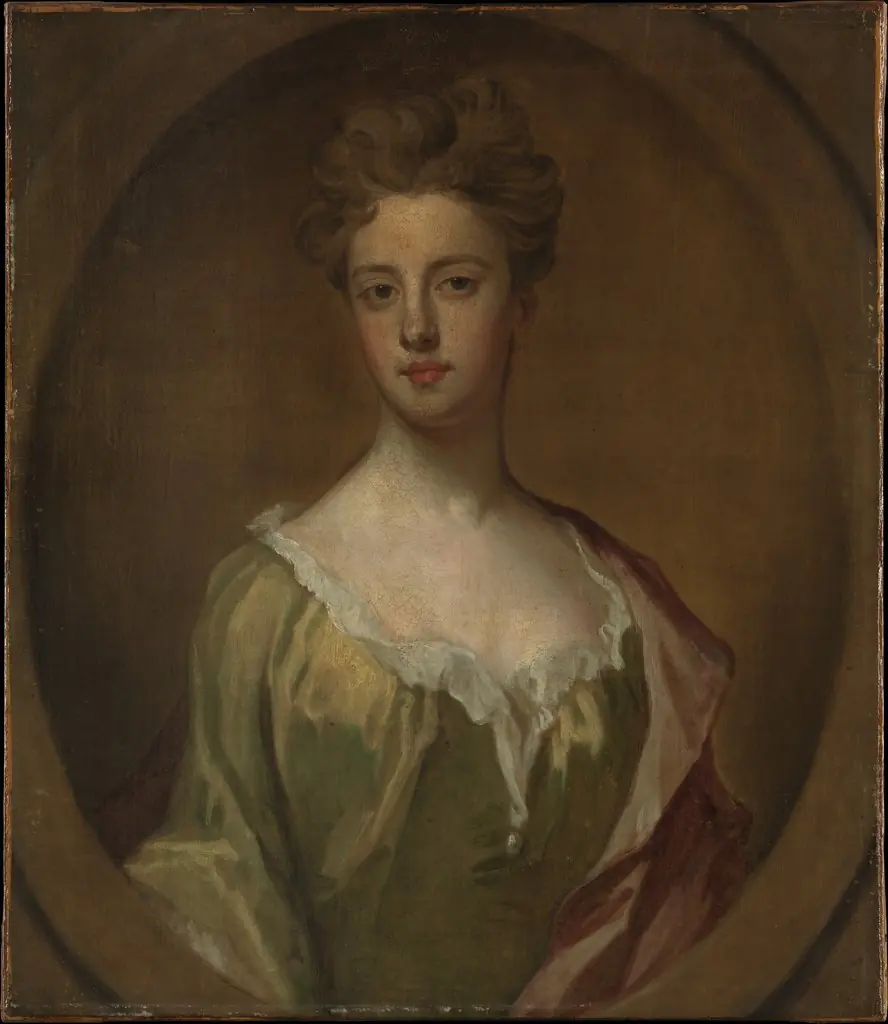 Lady Mary Berkeley, Wife of Thomas Chambers
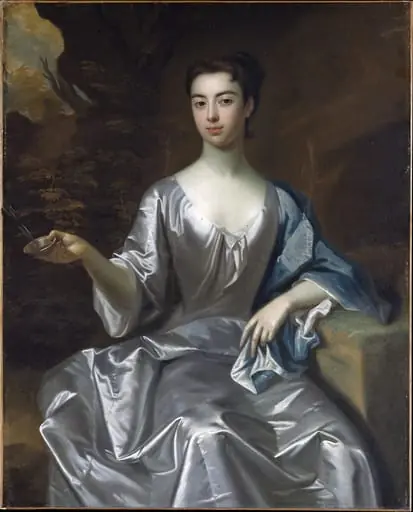 Portrait of a Woman, Called Maria Taylor Byrd
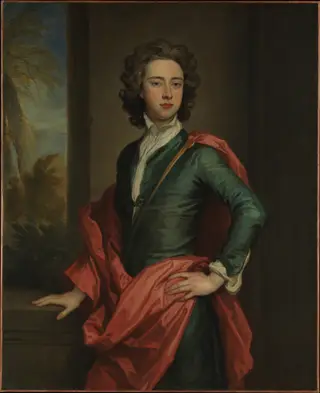 Charles Beauclerk (1670–1726), Duke of St. Albans
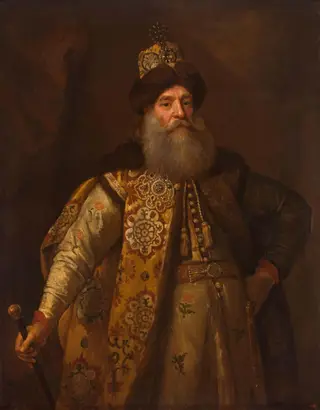 Portrait of Piotr Potyomkin (1617-1700)
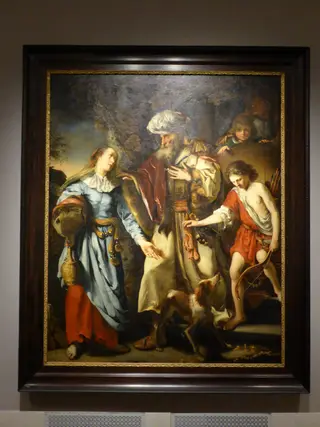 Abraham banishes Hagar and Ishmael
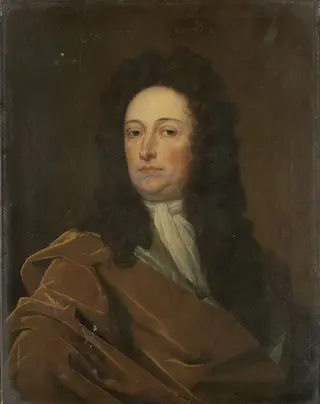 Aernout van Citters (1633-96), Ambassador of the Dutch Republic in London
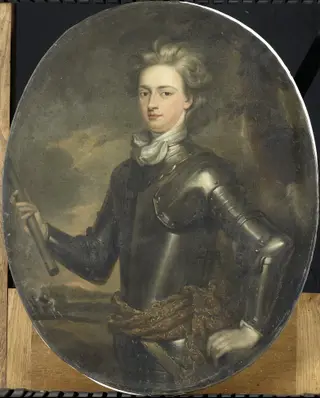 Portrait of the first Earl of Albemarle
- Judge Gwynne
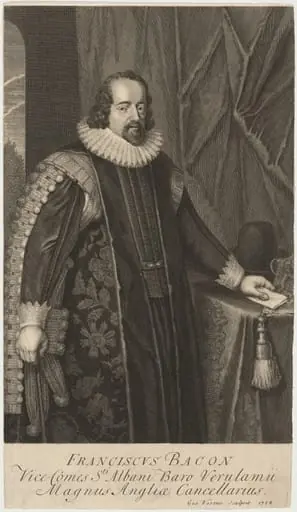 Francis Bacon, Viscount Saint Albans
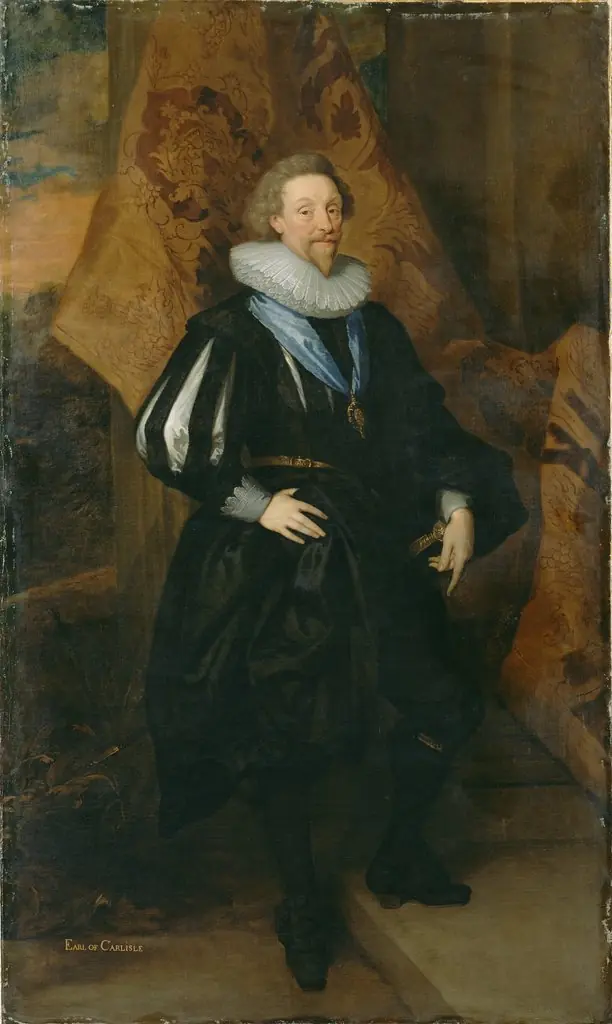 Portrait of James Hay, 1st Earl of Carlisle
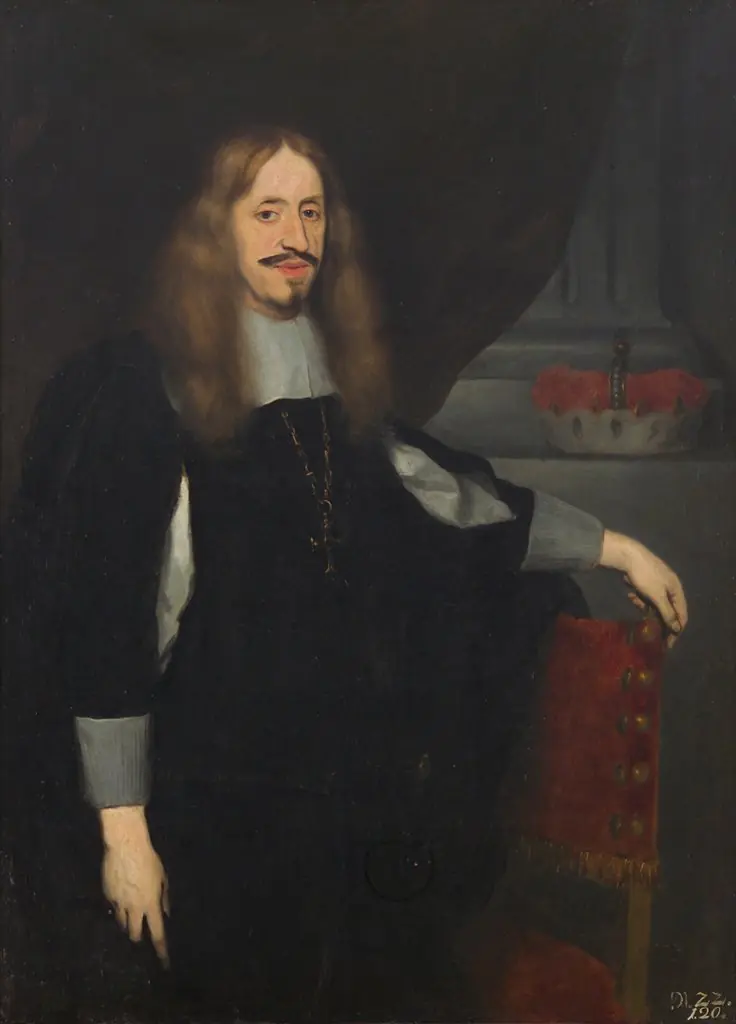 Portrait of archduke Leopold Wilhelm (1614-1662)
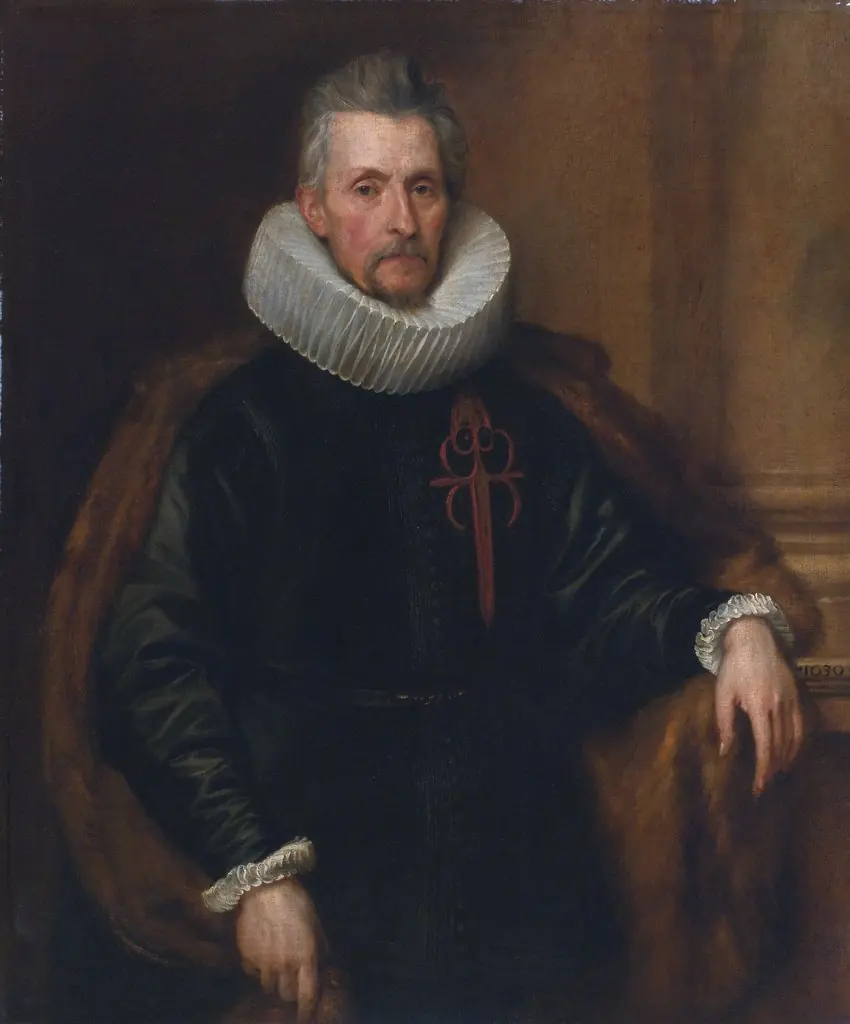 Portrait of Ferdinand van Boisschot
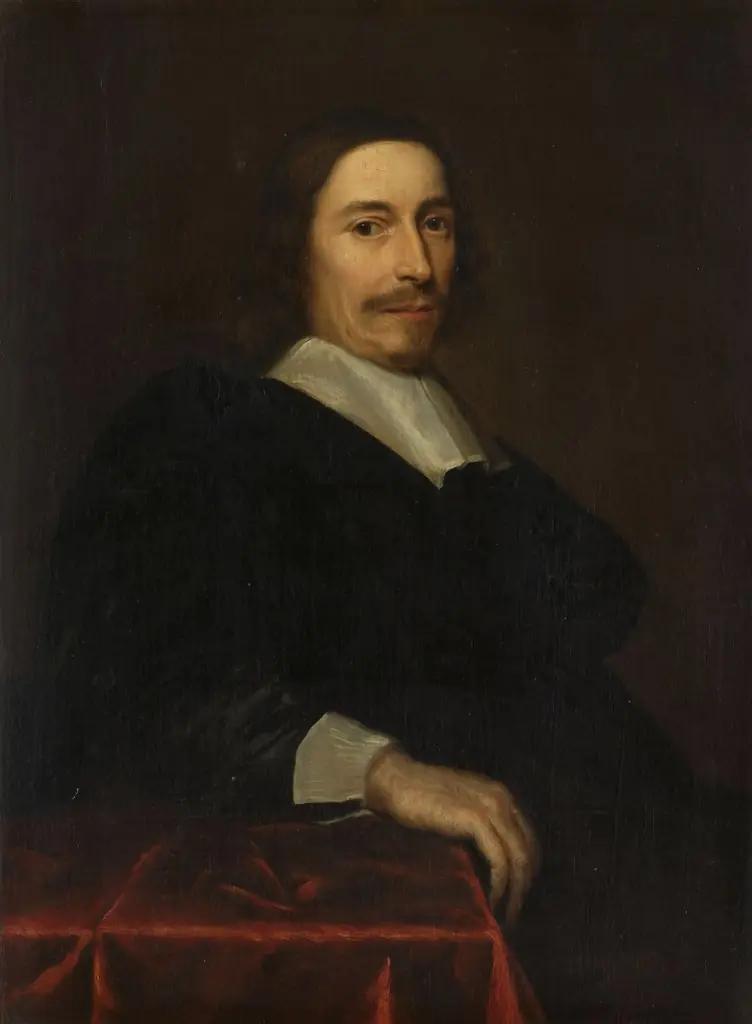 Jacob de Witt (1589-1674)
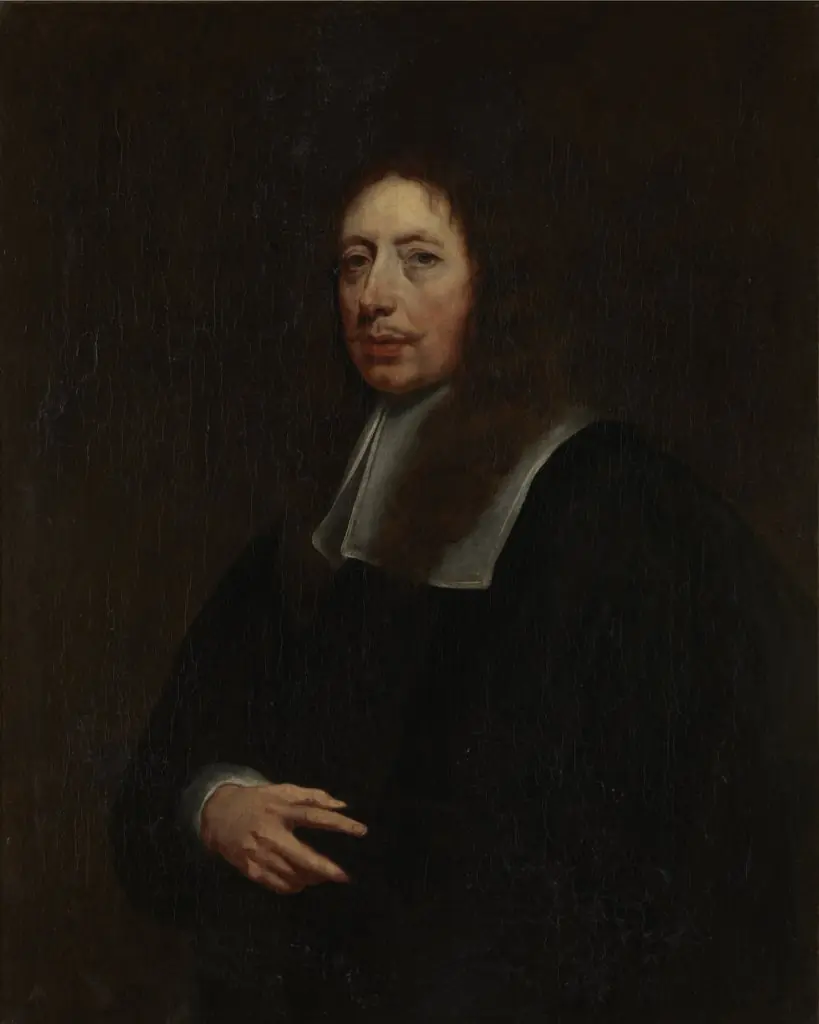 Maximus Gerardi
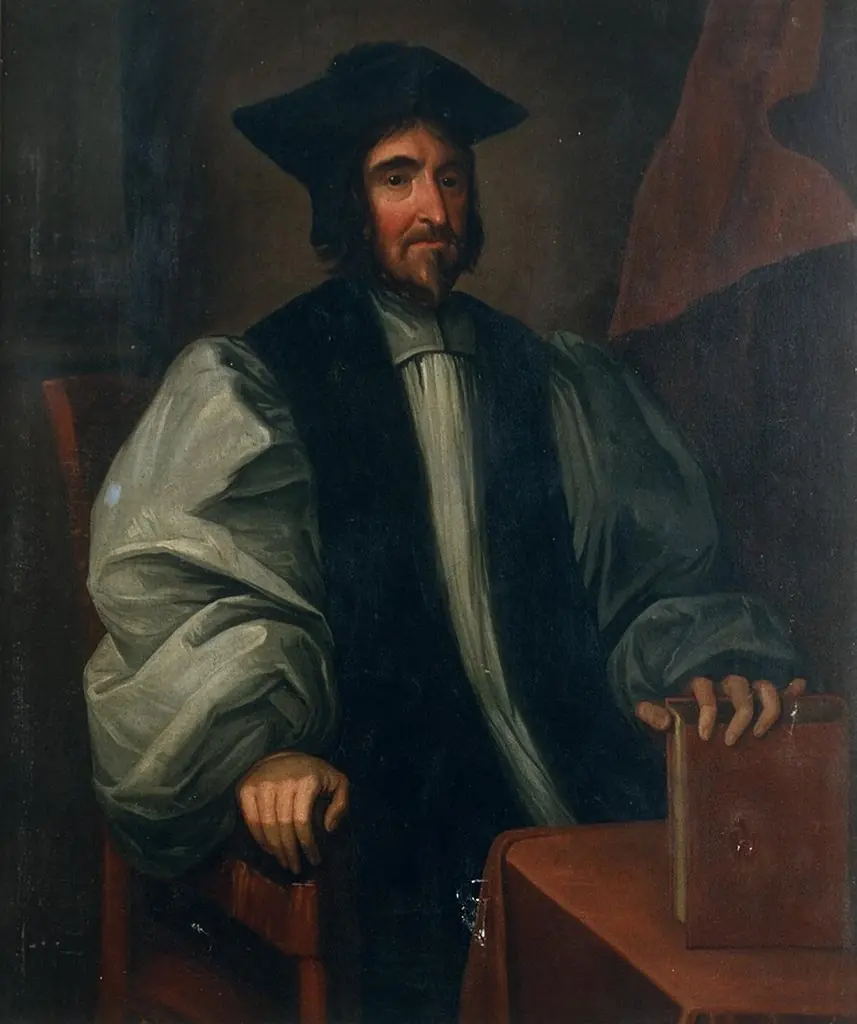 Robert Morgan, Bishop of Bangor (1608-73)
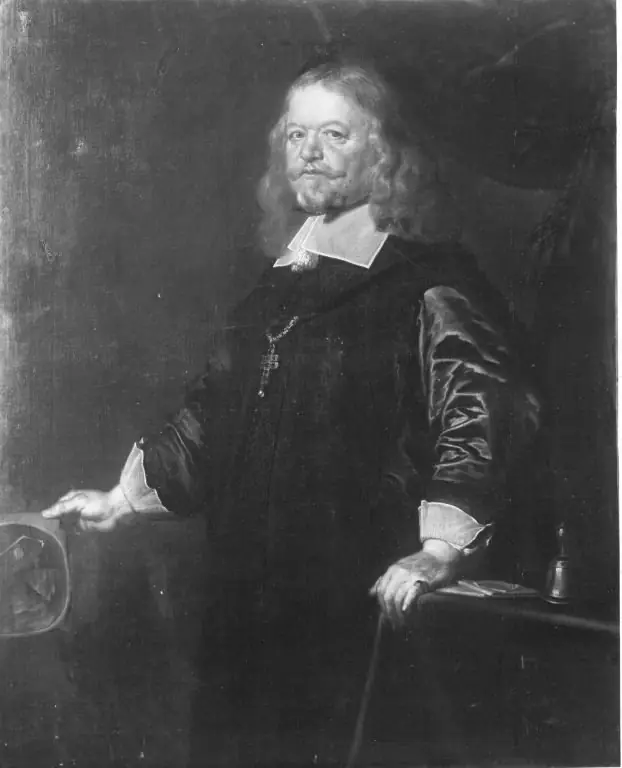 Bildnis des Philipp Valentin Voit von Rieneck, Fürstbischof von Bamberg (1612-1672)
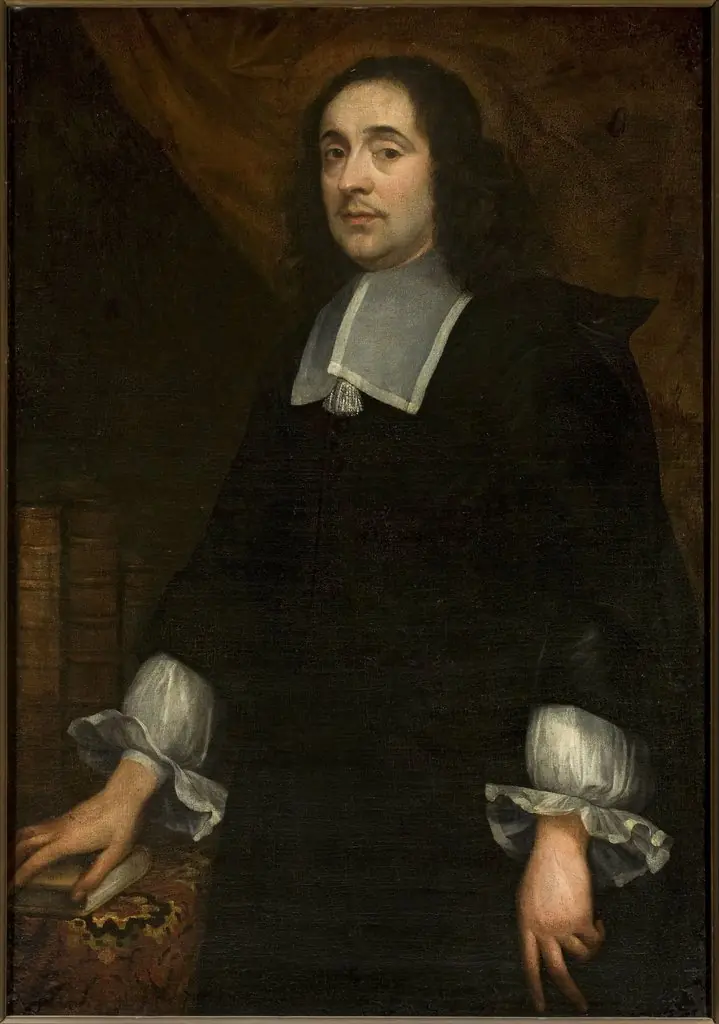 Portrait of a man at the table covered with a carpet
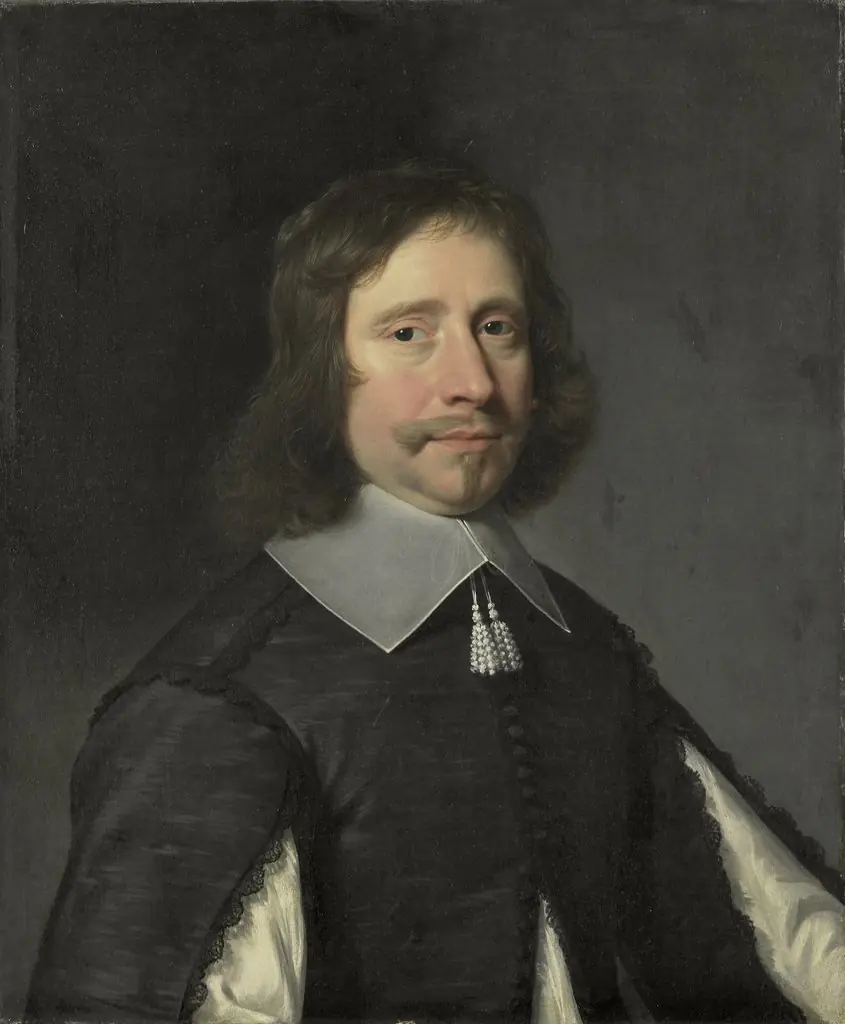 Portrait of a man, perhaps Philippe de la Trémoïlle (1596-?), count of Olonne
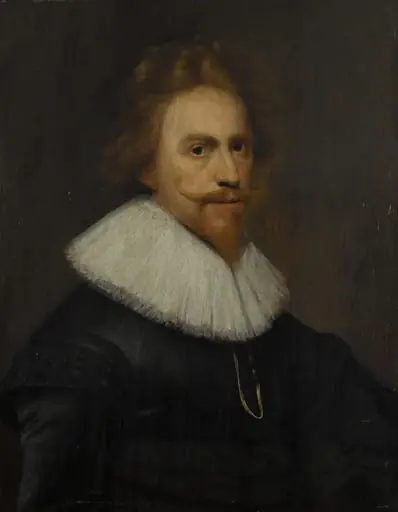 Self-Portrait