Artwork
Portrait of Ferdinand van Boisschot
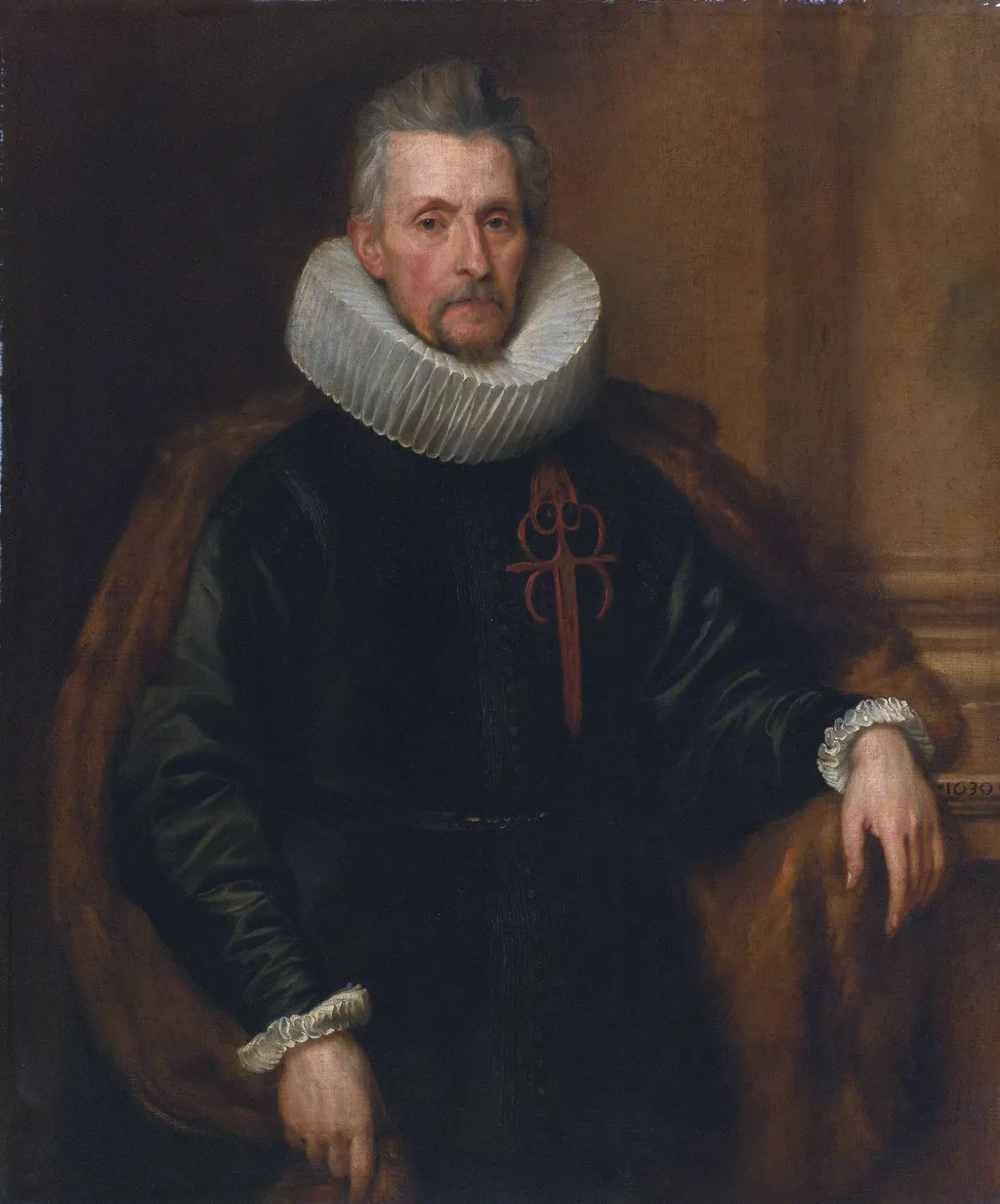
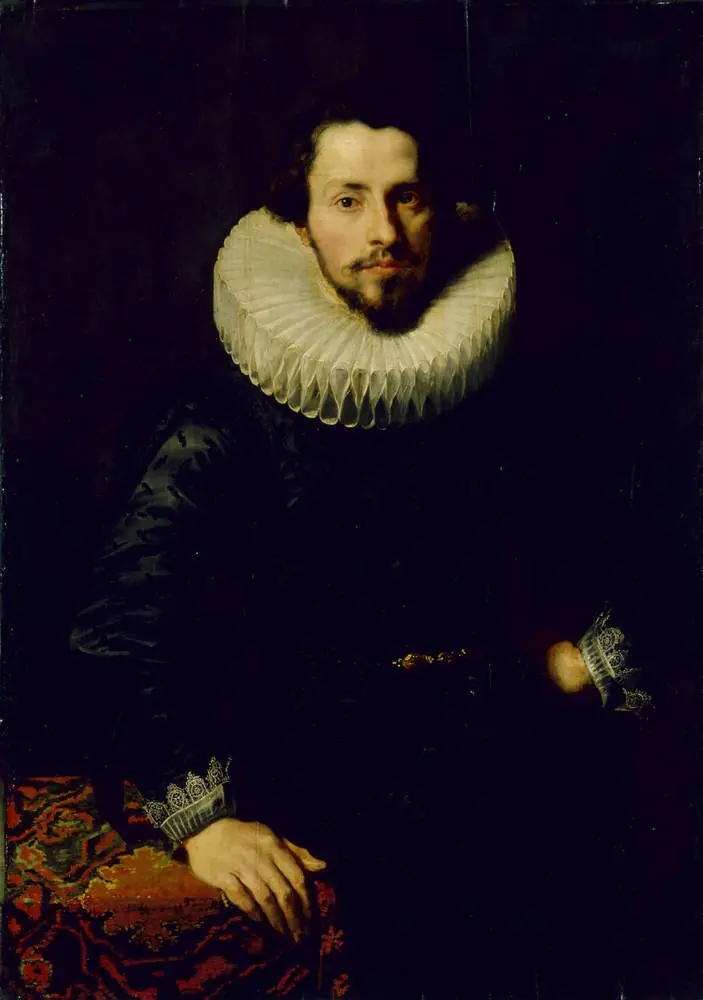
Portrait of Ferdinand van Boisschot is an oil painting by the Flemish Baroque painting artist Anthony van Dyck. It dates from 1630 and is held in the collection of the Metropolitan Museum of Art.
About this work
Subject & Meaning
Executed in oil paint on canvas in 1630, the piece functions as a formal portrait of this individual.
The work depicts Ferdinand van Boisschot as its primary subject. Executed in oil paint on canvas in 1630, the piece functions as a formal portrait of this individual. While the specific iconographic details or symbolic elements within the composition are not detailed in the provided records, the painting's meaning is established through its direct representation of van Boisschot. The work serves to document the appearance and presence of the sitter during the early 17th century.
Technique & Style
Executed in 1630, this portrait is an oil painting on canvas. The work measures 112.5 cm in height and 94 cm in width. While attributed to the studio of Anthony van Dyck, the piece functions as a formal depiction of Ferdinand van Boisschot.
The application of oil paint on a textile support reflects the standard materials employed for portraiture of this period and scale.
History & Provenance
Portrait of Ferdinand van Boisschot is an oil painting on canvas created in 1630, attributed to the studio of Anthony van Dyck. The work measures 112.5 cm by 94 cm. It entered the collection of George Greville, 2nd Earl of Warwick, and was displayed at Warwick Castle before being acquired by the Metropolitan Museum of Art. No inventory or accession number is recorded in the available documentation, and the sources consulted do not mention any exhibition history for the piece.
Legacy
The portrait entered the Metropolitan Museum of Art, securing its place in a public collection that has facilitated scholarly examination of Van Dyck's studio technique. Its 1630 execution demonstrates a refined naturalism in rendering clothing and facial expression, qualities that later artists emulated when seeking to convey status and intimacy in portraiture. The work's provenance, once owned by George Greville, 2nd Earl of Warwick, underscores its association with the British aristocracy, contributing to the narrative of Van Dyck's influence on elite portraiture in 17th-century England.
Overview
Anthony van Dyck, a prominent Flemish Baroque artist, completed the Portrait of Ferdinand van Boisschot in 1630. This oil painting captures its namesake subject, a notable figure from the Spanish Netherlands. Van Dyck, born in Antwerp in 1599, developed his skills early, becoming a master in the Guild of Saint Luke by 1617 after an apprenticeship with Peter Paul Rubens. The artwork is now part of the collection at The Metropolitan Museum of Art.
Own this work as a print
Artist & collection
Artist
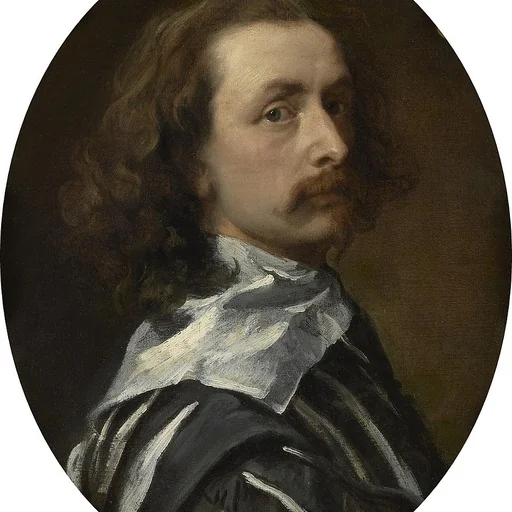
Sir Anthony van Dyck (; Dutch: Antoon van Dijck; 22 March 1599 – 9 December 1641) was a Flemish Baroque artist, who became the leading court painter in England after success in the Spanish Netherlands and Italy.

- Portrait of a Man, 1618
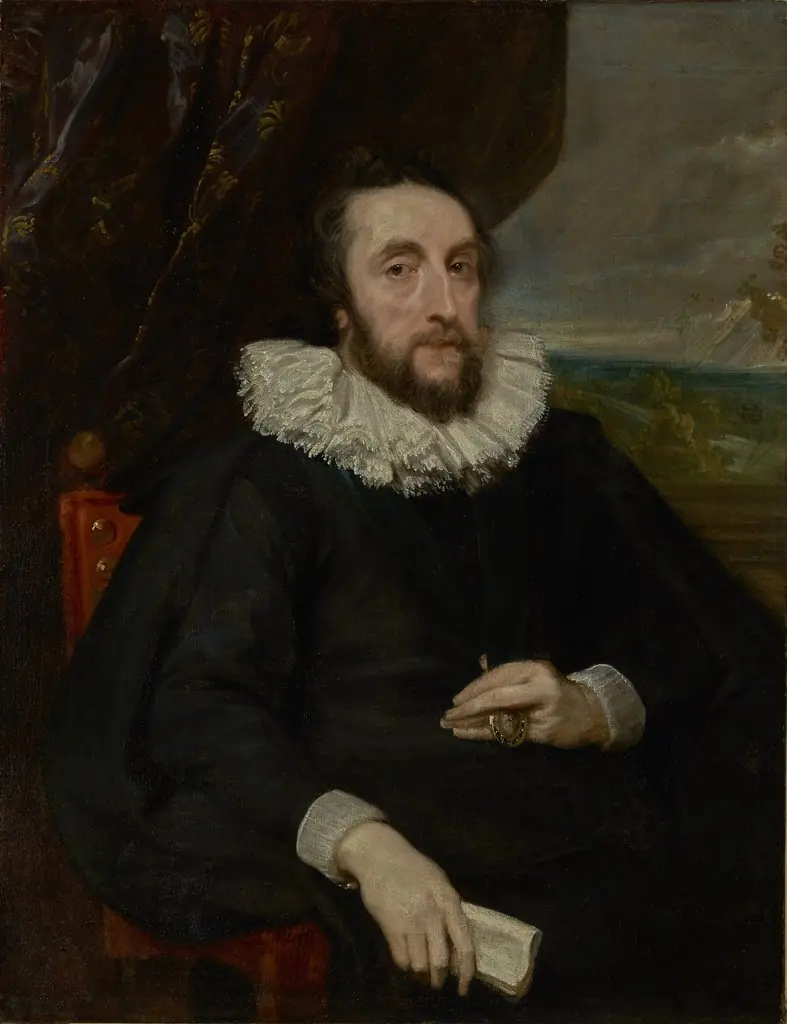 Portrait of Thomas Howard, 21st Earl of Arundel
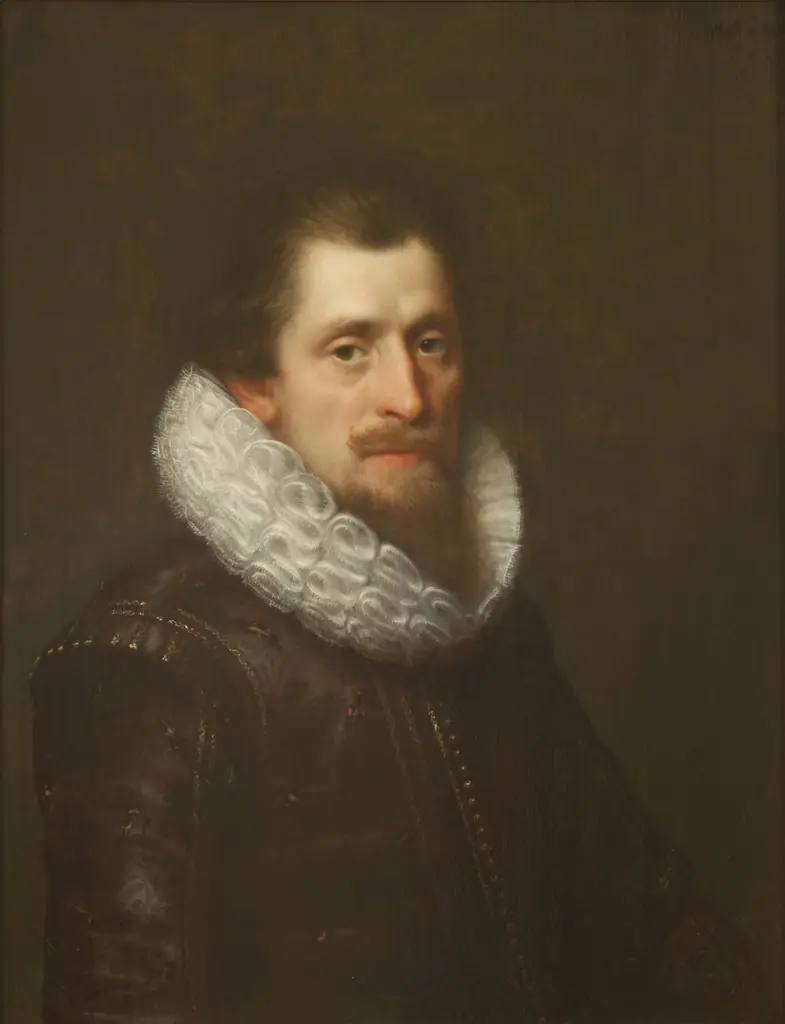 Portrait of a gentleman
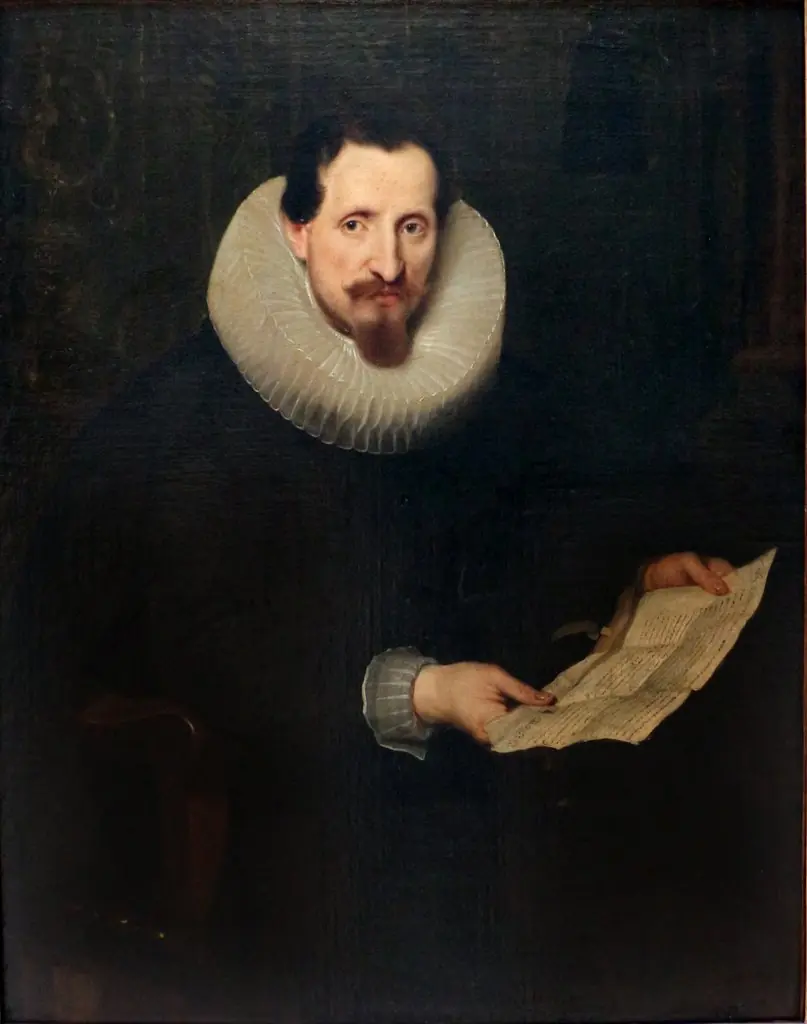 Portrait of Jan Roose
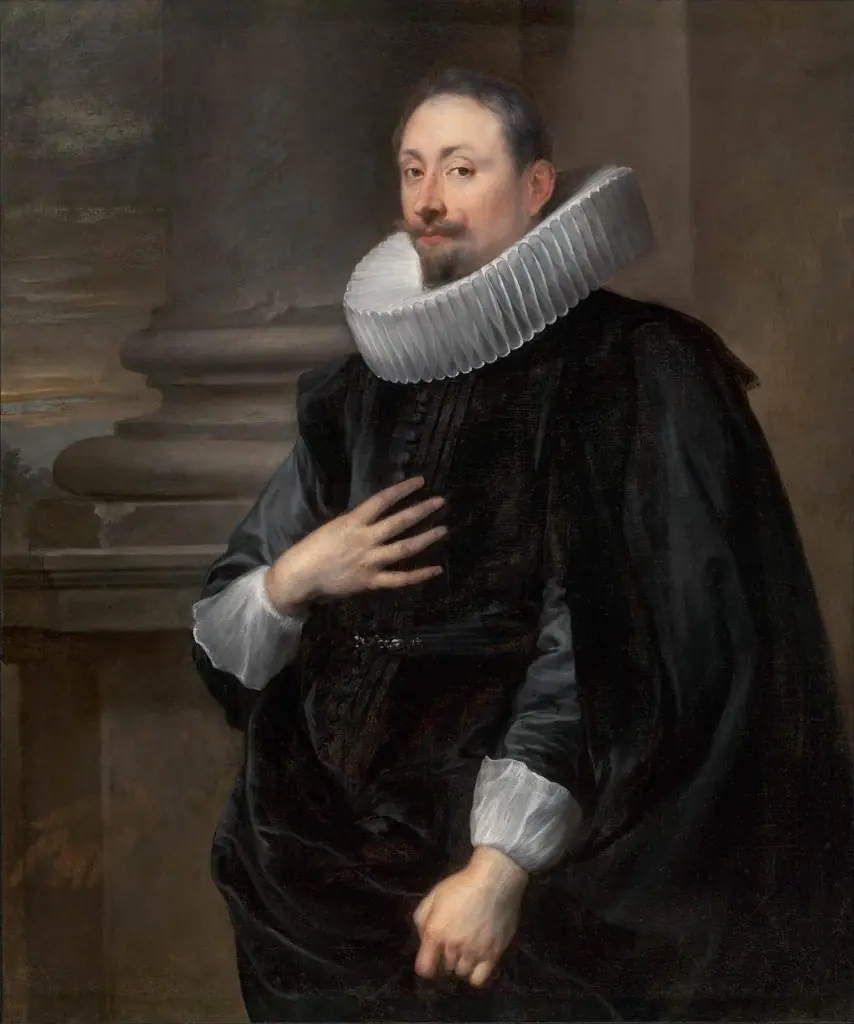 Peeter Symons
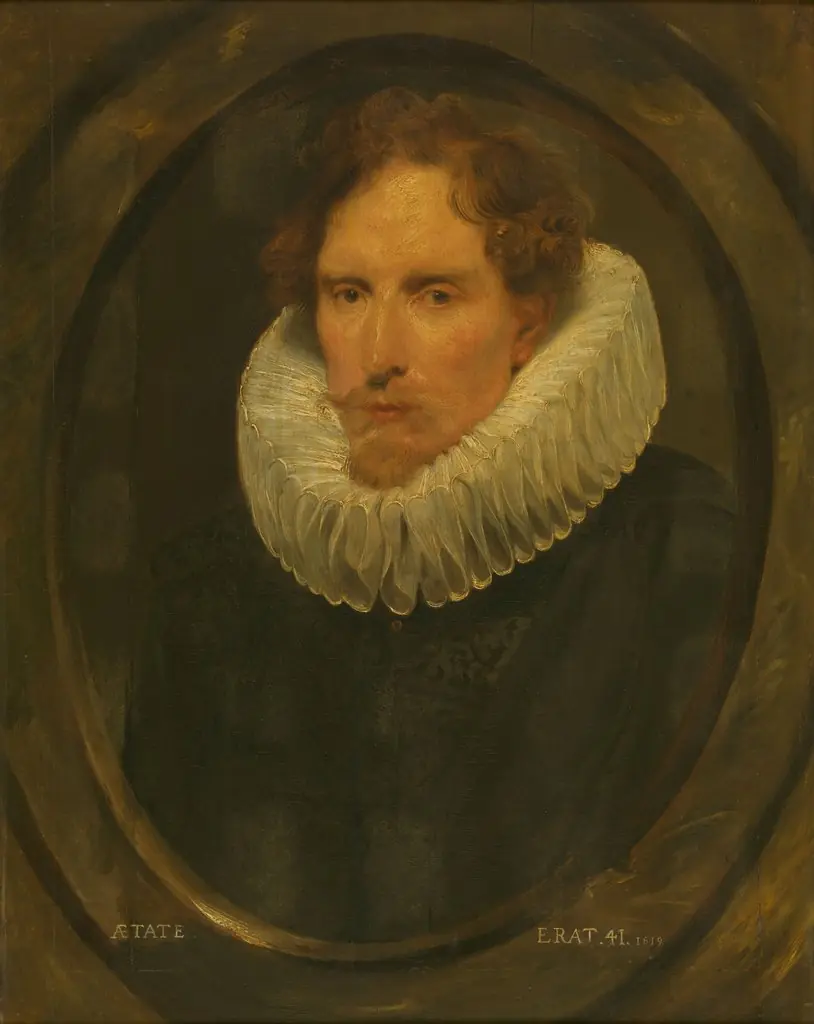 Man in Oval Frame
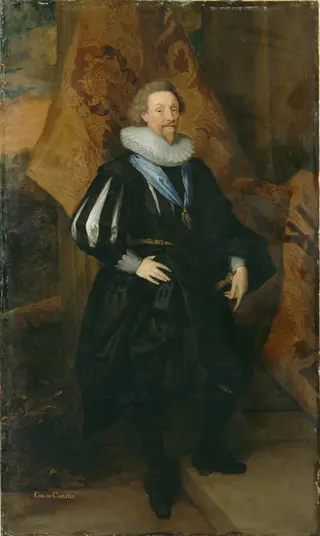 Portrait of James Hay, 1st Earl of Carlisle
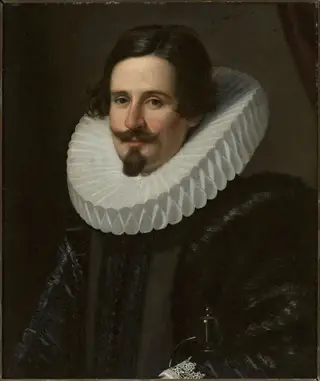 Portrait of a man in a frill
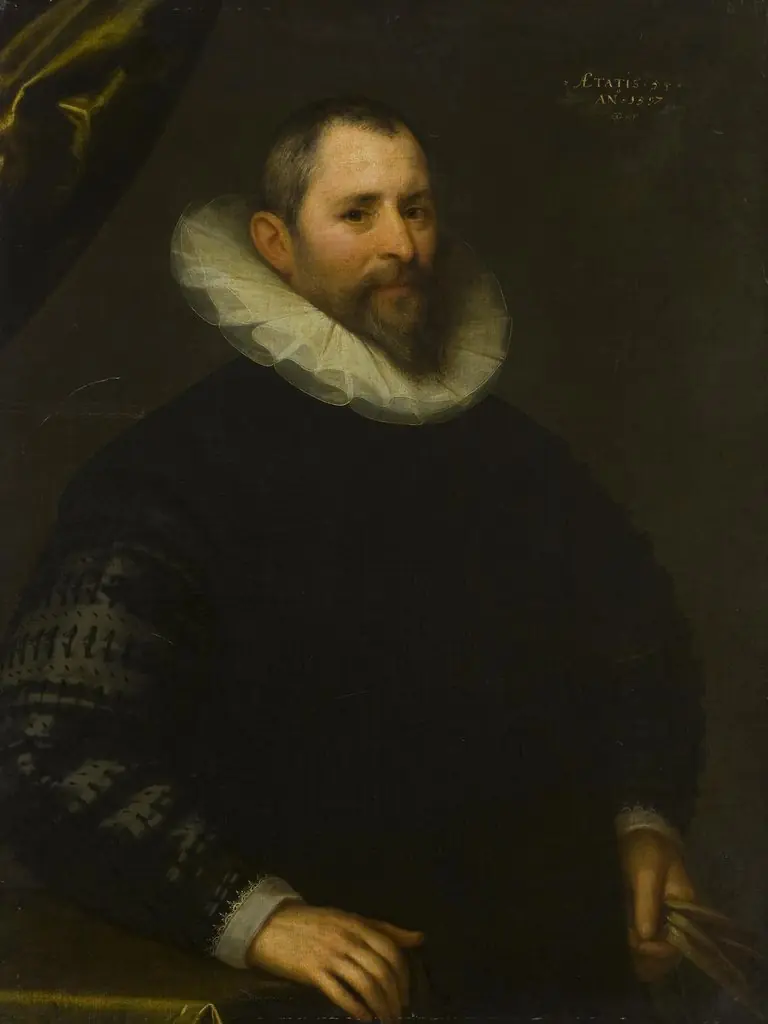 Portrait of Gottfried Hautappel
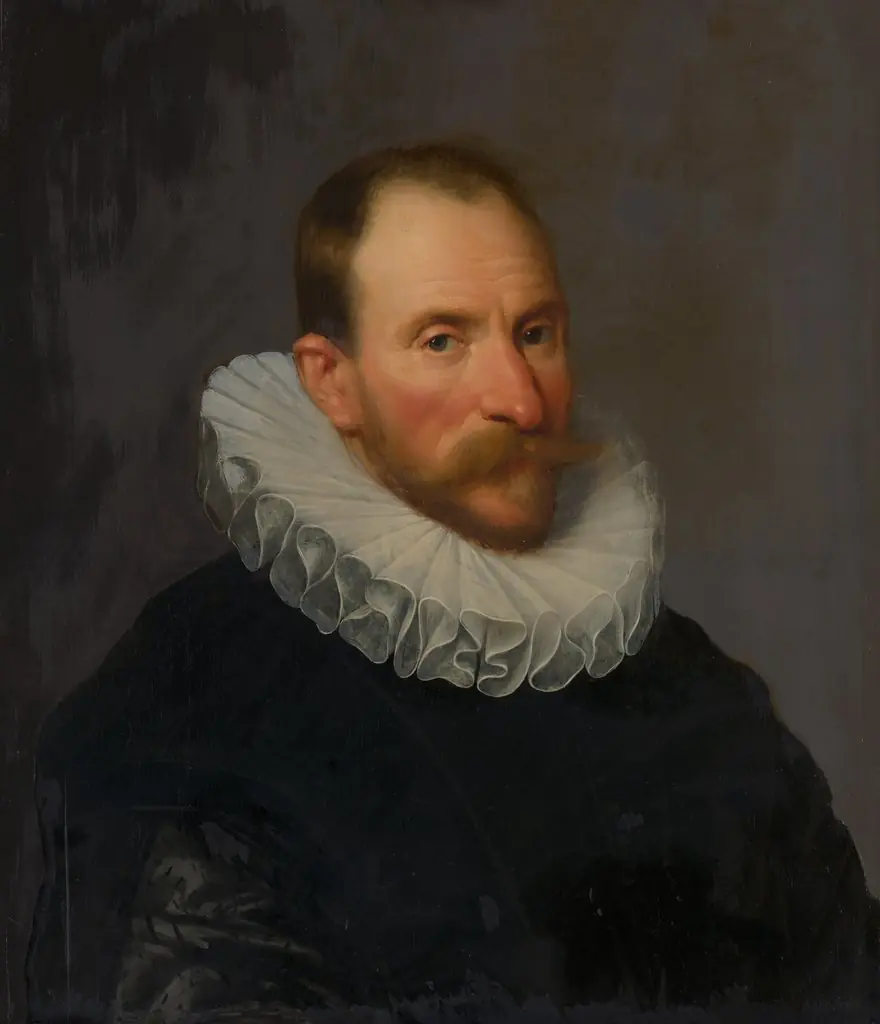 Portrait of Cornelis van Aerssen (1545-1627)
 Portrait of a Man at a Table