Artwork
Charles Suisse
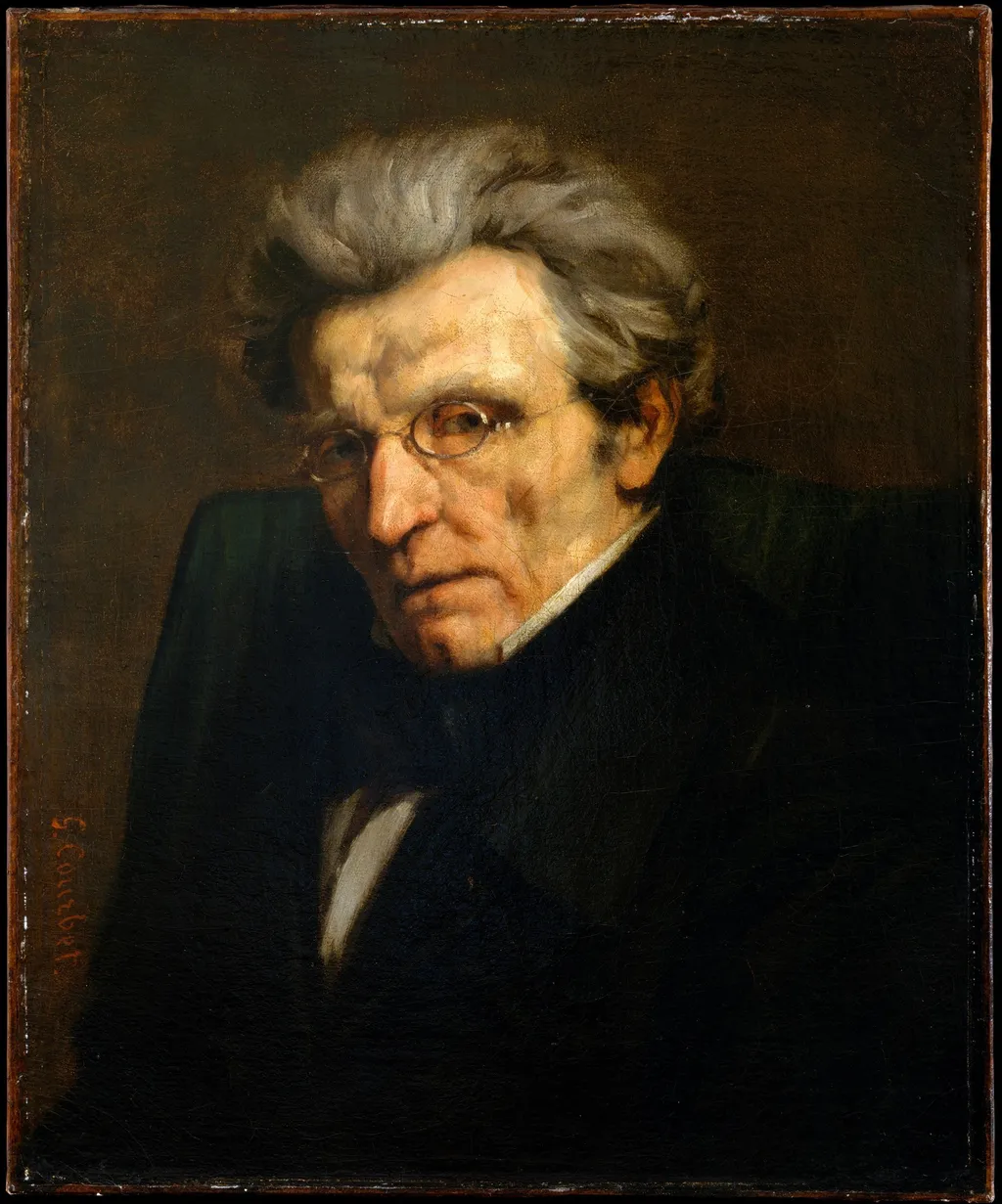
Charles Suisse is an oil painting by Gustave Courbet. It dates from 1861 and is held in the collection of the Metropolitan Museum of Art.
About this work
Subject & Meaning
The neutral background and direct gaze align with realist aims to record the subject with immediacy rather than idealization.
The painting depicts an unidentified man, presented in a straightforward, half-length portrait format. Courbet's handling emphasizes the sitter's unadorned presence rather than allegorical attributes, focusing attention on the individual's physiognomy and expression. The neutral background and direct gaze align with realist aims to record the subject with immediacy rather than idealization.
The work conveys the individual's social identity through costume and demeanor rather than symbolic emblems, reflecting Courbet's rejection of overt iconographic conventions in favor of a tangible, lifelike representation.
Technique & Style
Gustave Courbet's Charles Suisse (1861) is executed in oil on canvas, a medium typical of the artist's portraits. The support measures 59.1 × 49.2 cm, conforming to the modest scale favored for intimate likenesses. Courbet's handling is characteristically direct and unidealized, with visible brushwork that conveys both texture and immediacy in the rendering of the sitter's flesh, hair, and clothing.
Stylistically, the portrait adheres to Courbet's realist principles, eschewing academic finish in favor of a raw, almost tactile presence. The palette is restrained, dominated by earthy tones and subtle contrasts that emphasize volume without overt chiaroscuro.
History & Provenance
Charles Suisse is an oil-on-canvas portrait painted by Gustave Courbet in 1861. Measuring 59.1 cm in height and 49.2 cm in width, the work depicts an unidentified male sitter. After its creation, the painting entered the private collection of Louisine Havemeyer and her husband, Henry Osborne Havemeyer, prominent American art collectors.
The Havemeyers subsequently bequeathed the portrait to the Metropolitan Museum of Art in New York, where it has remained as part of the museum's holdings. No records of a specific commission have been identified in the available sources.
Overview
Gustave Courbet, a central figure in 19th-century French Realism, painted Charles Suisse in 1861. This oil portrait exemplifies his commitment to depicting ordinary individuals with directness and authenticity. The work reflects Courbet's broader artistic agenda, which challenged the prevailing academic traditions by focusing on observable reality rather than idealized subjects or historical narratives.
Context
Charles Suisse emerged during a period when Gustave Courbet was actively challenging the established norms of the French Academy. As a proponent of Realism, he advocated for art that engaged directly with contemporary life and observable phenomena, moving away from historical or mythological themes. This portrait underscores his pivotal role in shifting artistic focus towards everyday subjects and a more unvarnished representation of the world, influencing the trajectory of modern art.
Own this work as a print
Artist & collection
Artist
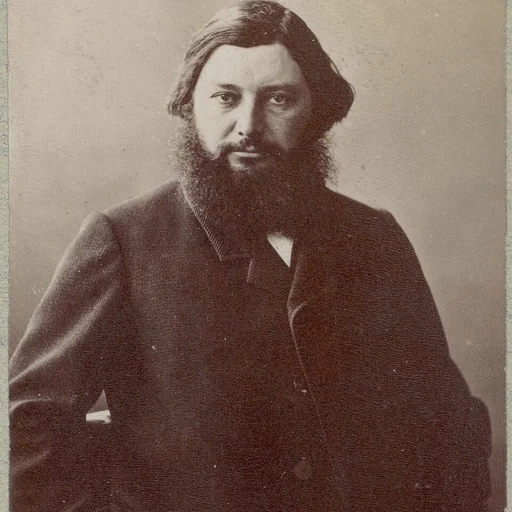
Jean Désiré Gustave Courbet (UK: KOOR-bay; US: koor-BAY; French:; 10 June 1819 – 31 December 1877) was a French painter who led the Realism movement in 19th-century French painting.

- Hector Berlioz
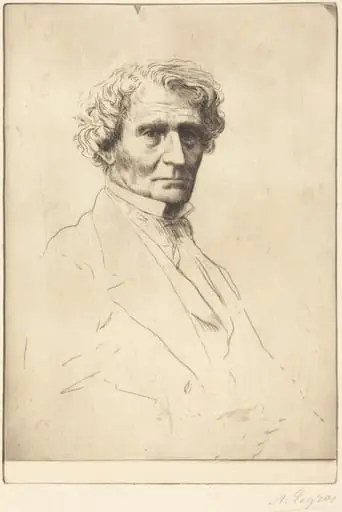 Hector Berlioz
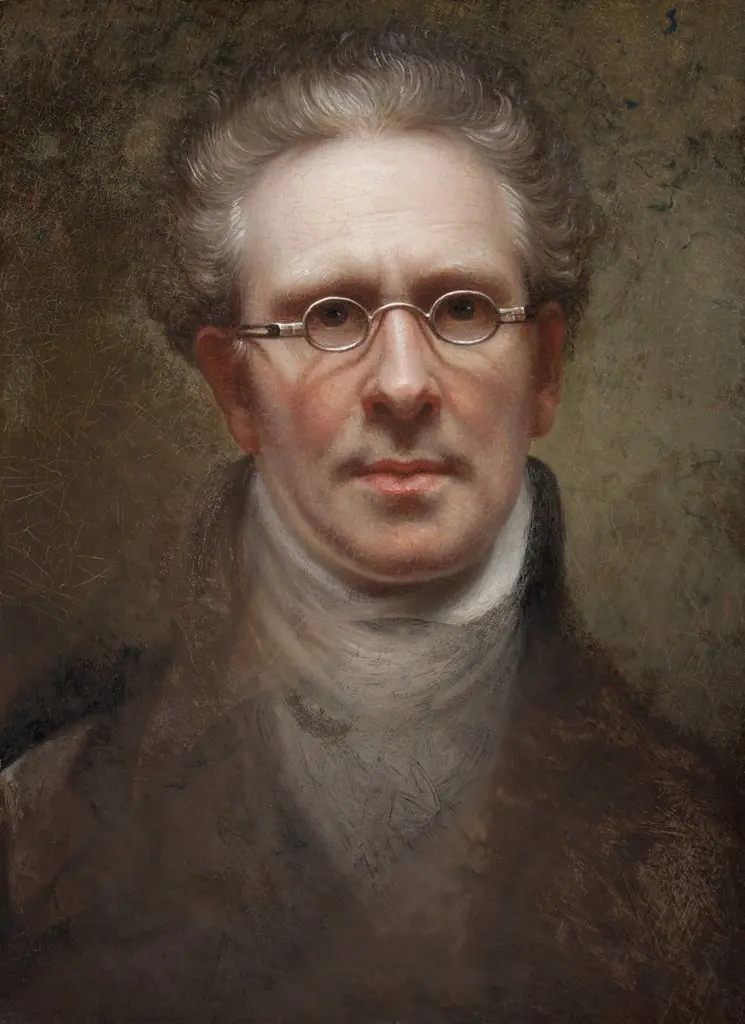 Self Portrait
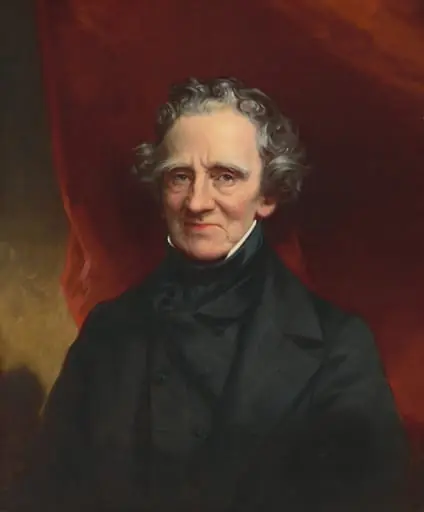 Self-Portrait
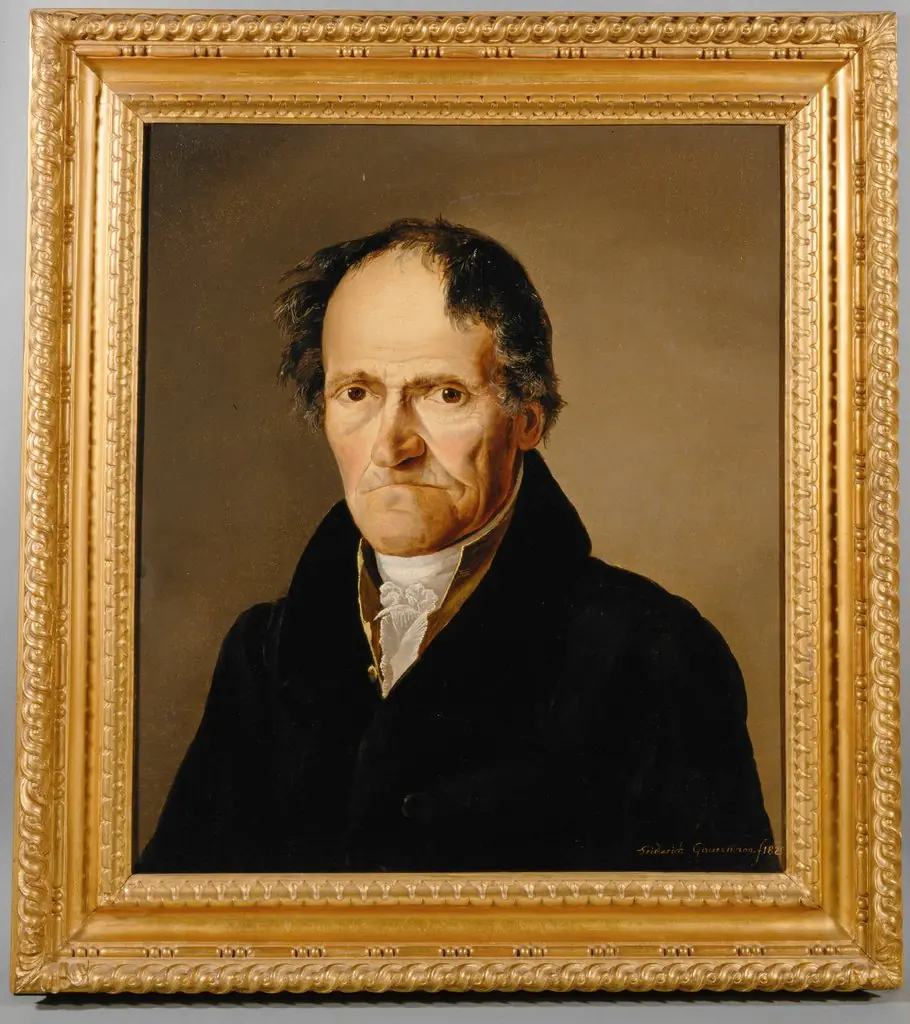 Anton Walter (1756 - 1826)
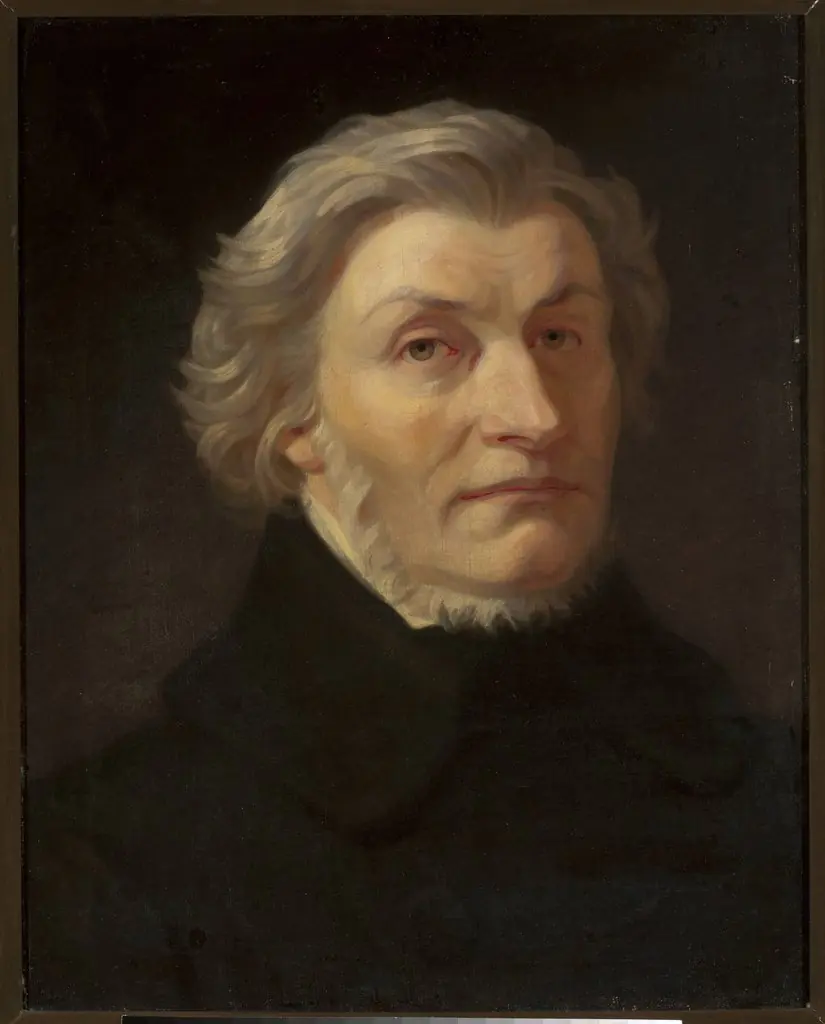 Portrait of Adam Mickiewicz
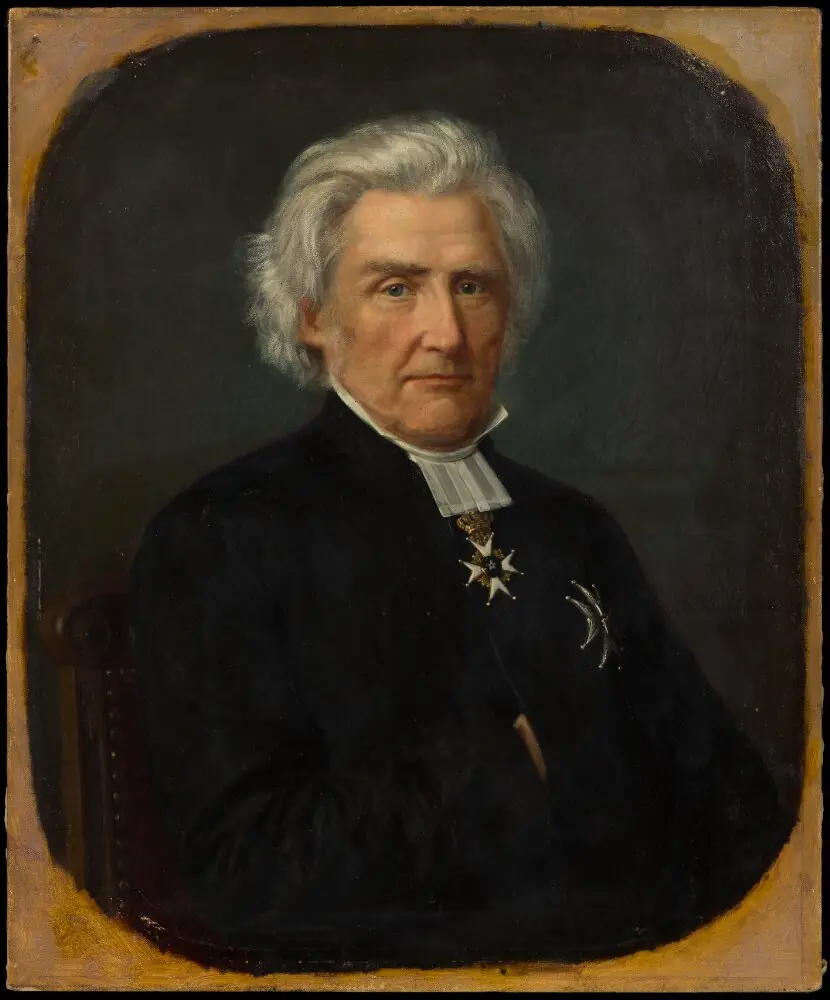 Peter Wieselgren (1800-1877), associate professor, dean, literature historian, temperance advocate, married to Mathilda Rosenqvist
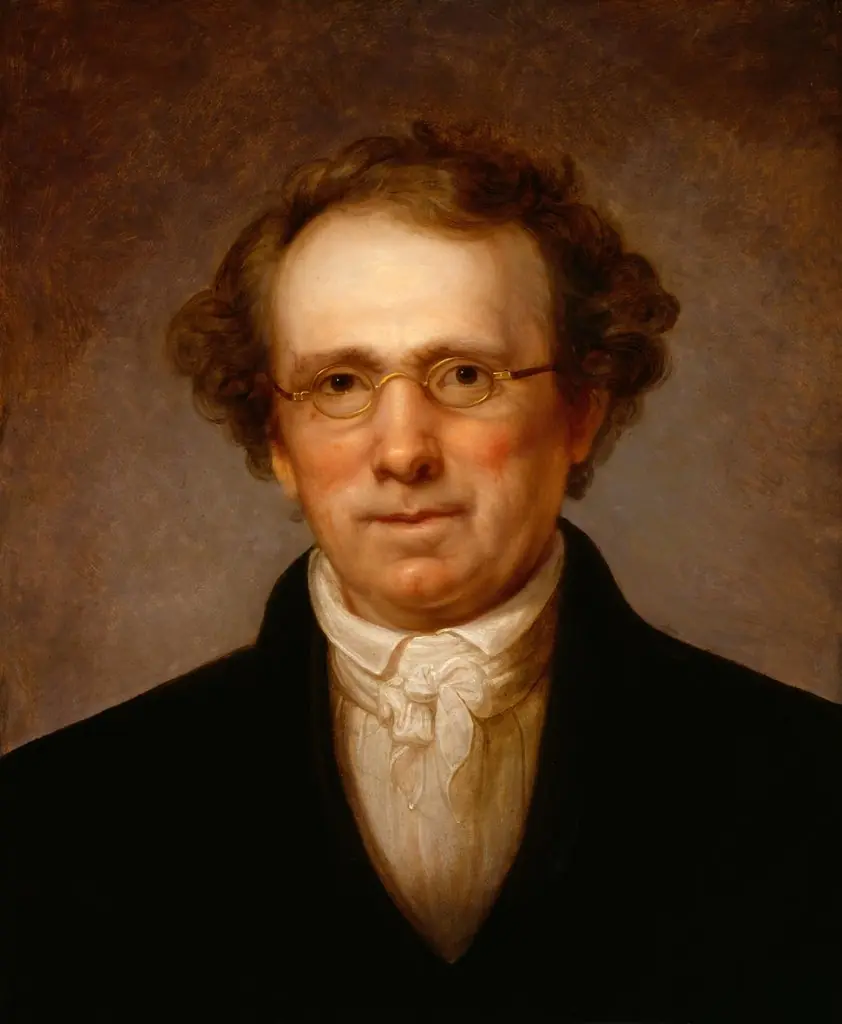 Portrait of Henry Robinson
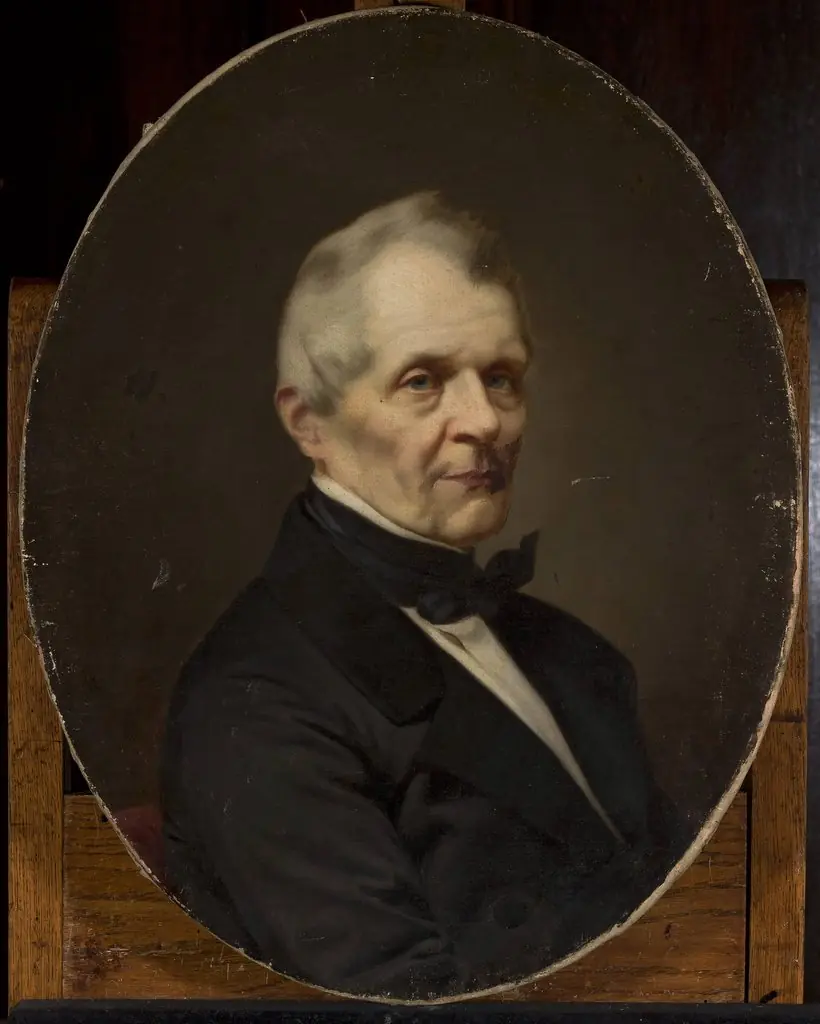 Portrait of Rafał Hadziewicz
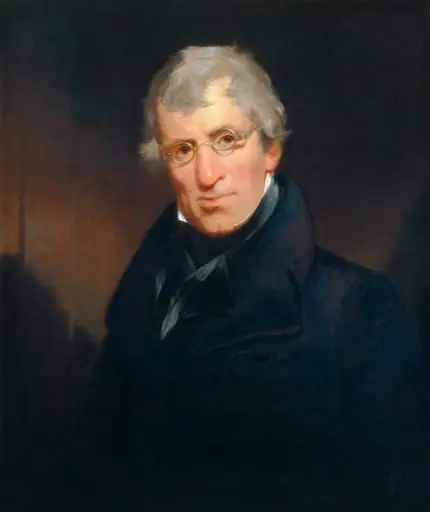 Thomas W. Dyott
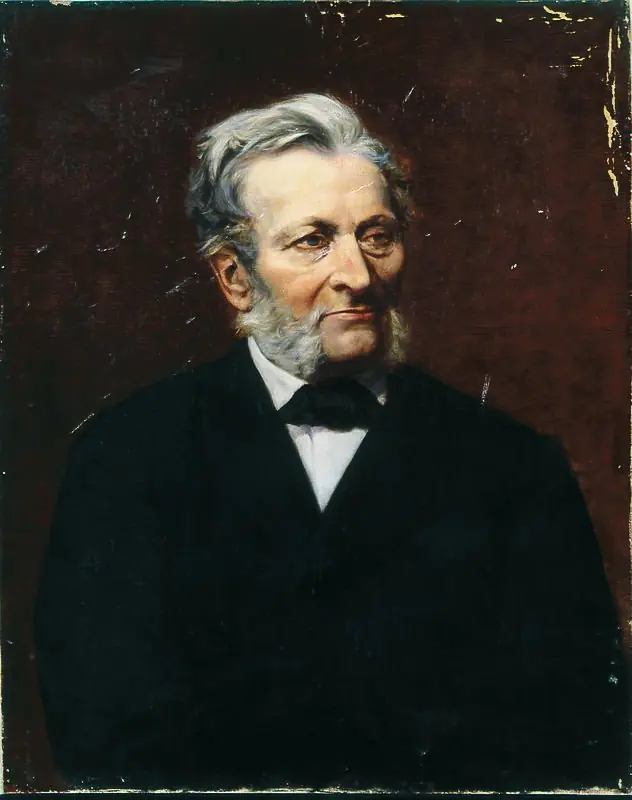 Portrait of Justynian Karnicki, president of Society of Fine Arts
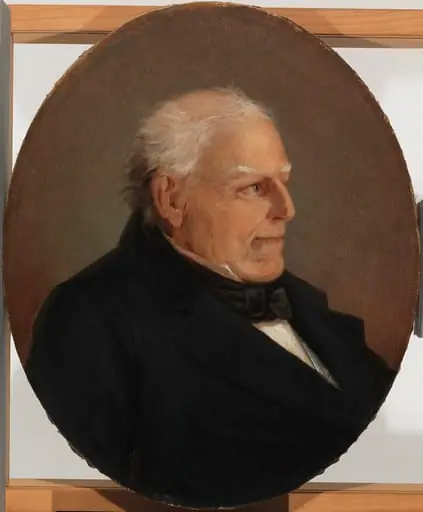 Kamarineuvos H. Rosenbergin muotokuva