Artwork
Portrait of Adolphe Marlet
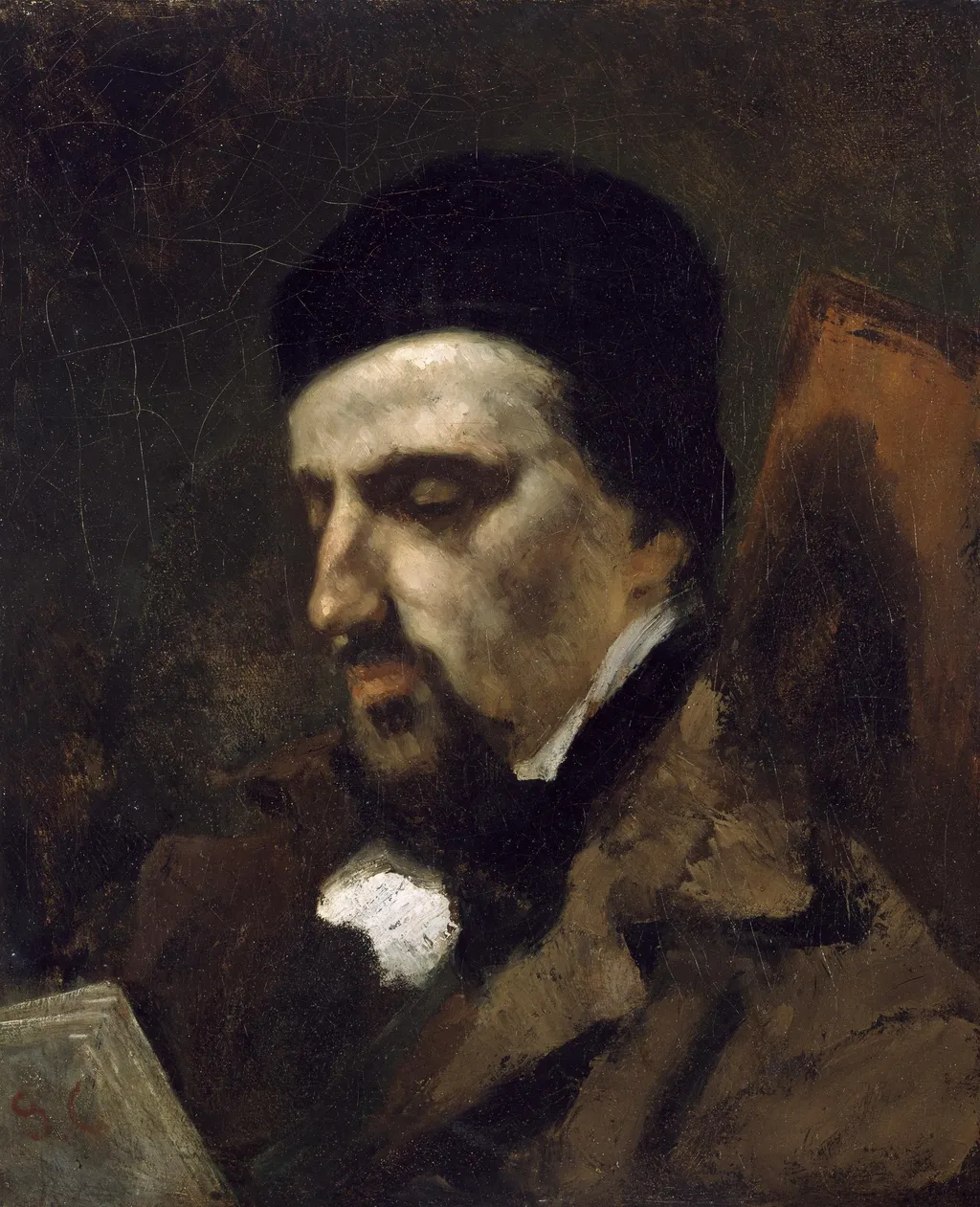
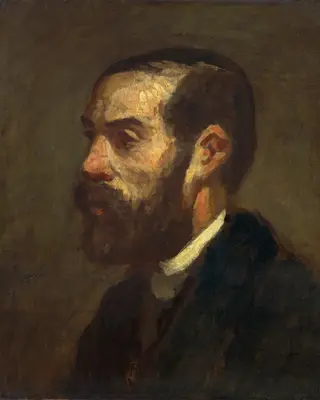
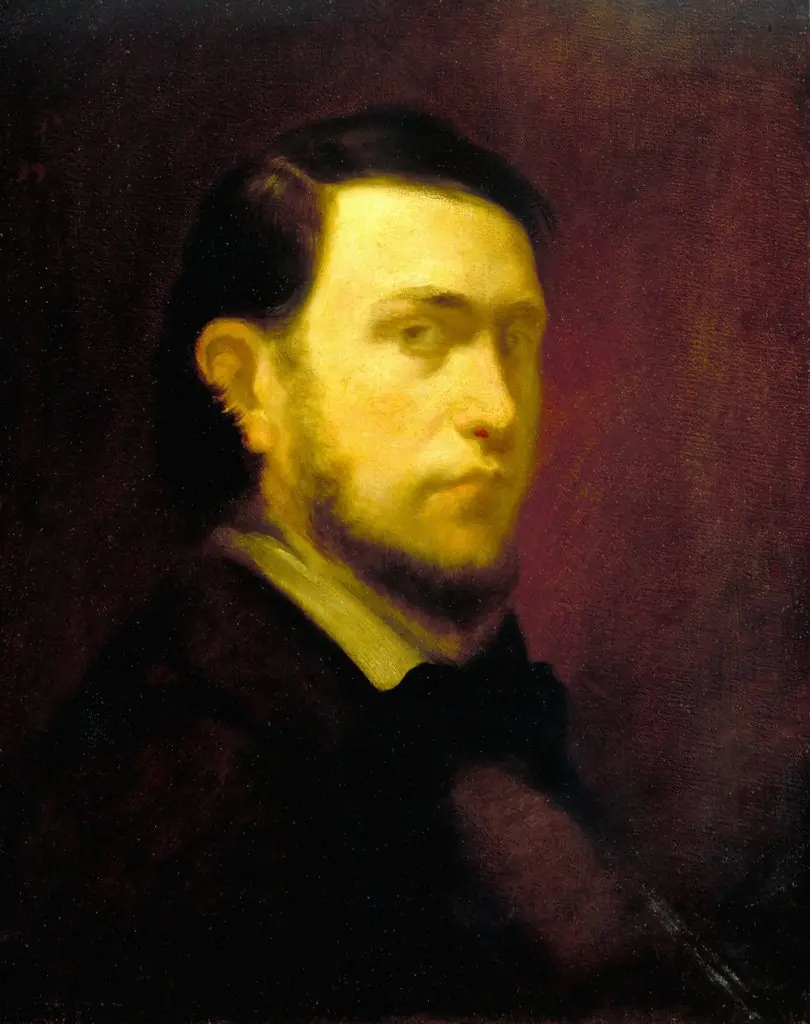
Portrait of Adolphe Marlet is an oil painting by the Realist artist Gustave Courbet. It dates from 1851 and is held in the collection of the National Gallery of Ireland.
About this work
Overview
It is part of the National Gallery of Ireland’s collection and stands as an early example of his commitment to realism in an era dominated by academic idealism.
Painted in 1851 by Gustave Courbet, this oil portrait depicts Adolphe Marlet, a figure known to the artist. The work exemplifies Courbet’s dedication to portraying individuals without embellishment, focusing on the physical presence and quiet dignity of the subject. It is part of the National Gallery of Ireland’s collection and stands as an early example of his commitment to realism in an era dominated by academic idealism.
Subject & Meaning
Adolphe Marlet, a French civil servant and friend of Courbet, is rendered with unadorned seriousness. His gaze, directed beyond the frame, suggests introspection rather than performative expression. The absence of symbolic elements or grandeur reinforces Courbet’s belief in the value of ordinary life.
The portrait does not seek to elevate or dramatize; instead, it affirms the individual’s presence through direct observation.
Technique & Style
Courbet applied oil paint with deliberate, tactile brushwork, emphasizing texture in the fabric of the jacket and the roughness of the beard. The dark background isolates the figure, drawing attention to subtle variations in tone across the face and collar. Light falls naturally, without theatrical contrast, and the composition is tightly cropped to the head and shoulders, reflecting a focus on the subject’s physicality over narrative context.
History & Provenance
The portrait was completed in 1851, during Courbet’s early period of developing his realist aesthetic. It remained in private hands until entering the National Gallery of Ireland’s collection, where it has been preserved as part of a broader representation of 19th-century European painting. Its provenance reflects its status as a personal work, not commissioned for public display, yet significant for its artistic convictions.
Context
In the early 1850s, French art institutions favored historical and mythological subjects rendered in polished, idealized forms. Courbet’s portrait challenged these norms by presenting a contemporary, non-elite man with unvarnished honesty. This approach aligned with broader cultural shifts toward secularism and empirical observation, positioning Courbet as a quiet revolutionary in the visual arts.
Legacy
Though not widely exhibited, the portrait contributed to the foundation of Realism as a movement that prioritized truth over convention. Its influence extended indirectly to later artists who sought to depict modern life without romanticization. Courbet’s insistence on the dignity of the ordinary helped redefine the possibilities of portraiture in the decades that followed.
Own this work as a print
Artist & collection
Artist
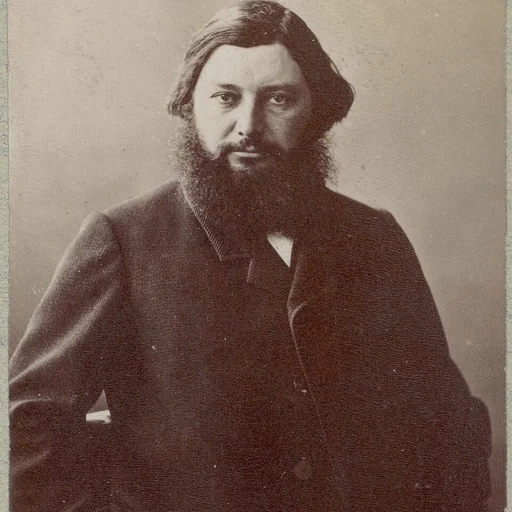
Jean Désiré Gustave Courbet (UK: KOOR-bay; US: koor-BAY; French:; 10 June 1819 – 31 December 1877) was a French painter who led the Realism movement in 19th-century French painting.