Artwork
Eve or The Apple
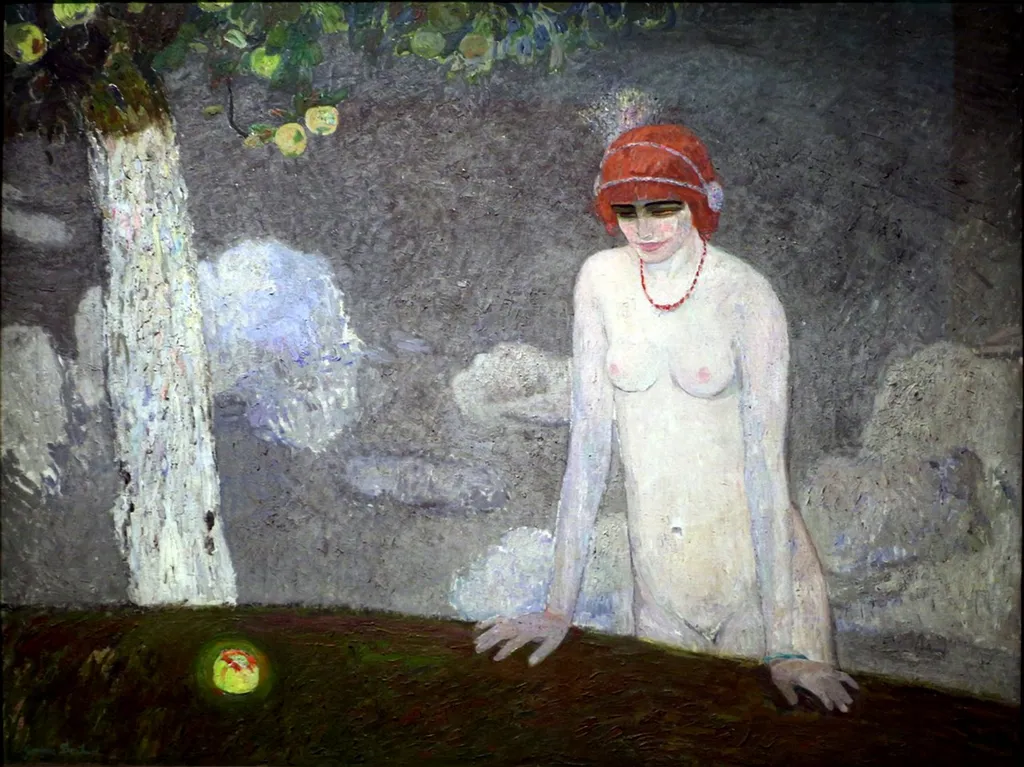
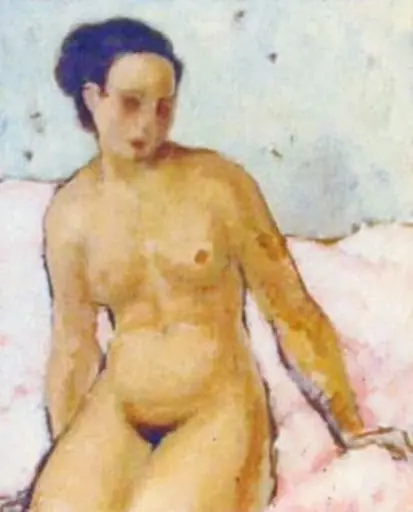
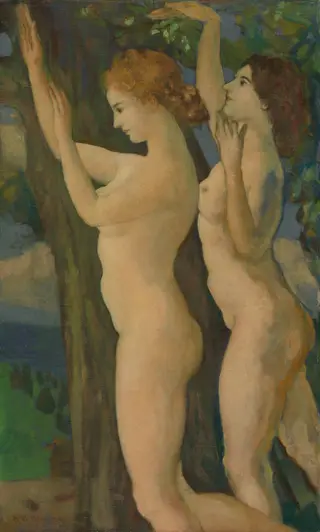
Eve or The Apple is an oil painting by Gustave De Smet. It dates from 1913 and is held in the collection of the Royal Museums of Fine Arts of Belgium.
About this work
Overview
A key figure in the emergence of Flemish Expressionism, De Smet developed a visual language marked by emotional intensity and simplified forms.
Gustave De Smet painted Eve or The Apple in 1913 using oil on canvas. A key figure in the emergence of Flemish Expressionism, De Smet developed a visual language marked by emotional intensity and simplified forms. This work reflects his engagement with broader European modernist currents, particularly the expressive distortions and heightened color palettes associated with German Expressionism, while retaining a distinctly Belgian sensibility.
Subject & Meaning
The painting presents a nude female figure, loosely referencing the biblical Eve, though without overt narrative detail. Her quiet posture, downward gaze, and stillness suggest introspection rather than sin or temptation. The presence of an apple, implied by the title, and the tree in the background allude to the Eden myth, but the emphasis lies in the figure’s inner state, transforming religious symbolism into a meditation on solitude and awareness.
Technique & Style
De Smet employs bold, flattened planes and restrained color to structure the composition. The figure’s red hair and necklace contrast subtly against the muted grays and whites of the background. Chiaroscuro is used sparingly to model the body and define spatial depth, avoiding dramatic lighting in favor of a soft, even illumination. Forms are simplified yet deliberate, aligning with Expressionist priorities of emotional resonance over naturalistic detail.
History & Provenance
Created in 1913, the painting emerged during De Smet’s formative years as a leading voice in Flemish modernism. He was closely associated with fellow artists Constant Permeke and Frits Van den Berghe, with whom he shared studio spaces and exhibition platforms. While the painting’s early ownership is undocumented, it has remained within institutional and private collections in Belgium, reflecting its significance in the regional modernist canon.
Context
In early 20th-century Belgium, artists were redefining identity through art that rejected academic conventions. De Smet’s work responded to urbanization, spiritual questioning, and the influence of French and German avant-gardes. Eve or The Apple reflects this climate: it merges mythic subject matter with a modern, introspective tone, positioning the human figure not as a symbol of doctrine but as a vessel for quiet psychological presence.
Legacy
The painting endures as a quiet landmark in Flemish Expressionism, illustrating how myth could be reimagined through emotional restraint rather than theatricality. De Smet’s approach influenced later generations of Belgian artists who sought to convey inner life through simplified form and atmospheric tone. Though less widely known internationally, the work remains a touchstone in discussions of regional modernism and the human figure in early 20th-century painting.
Artist & collection

Artist
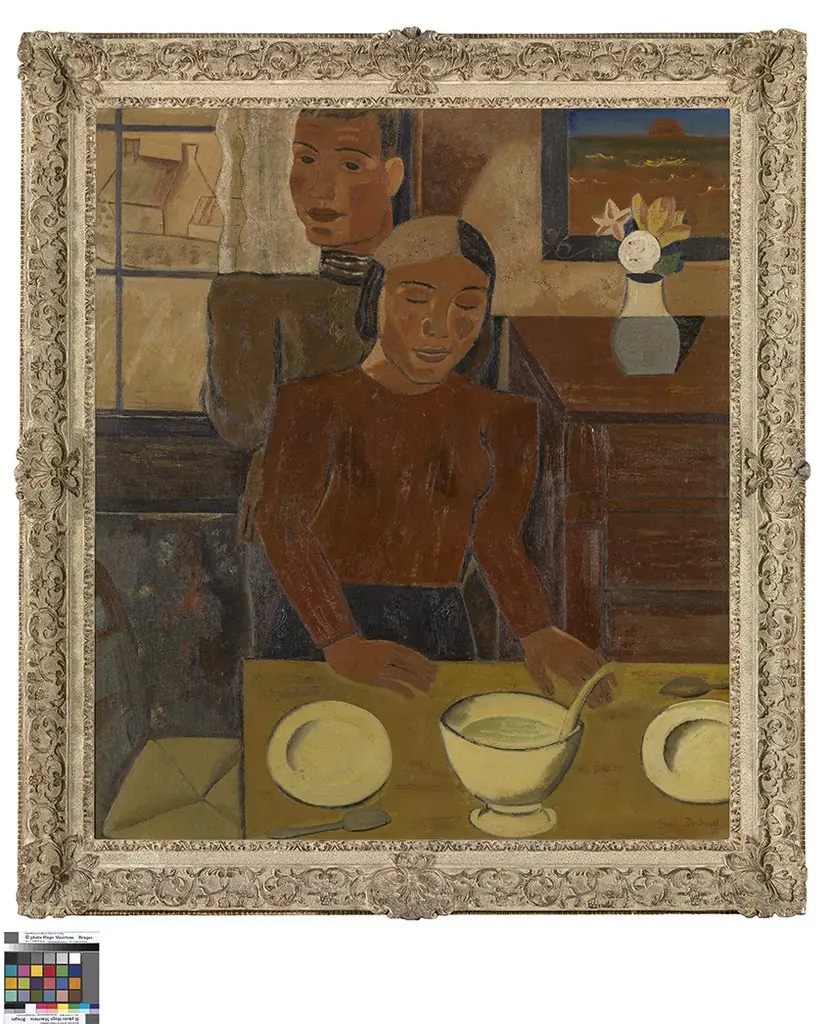
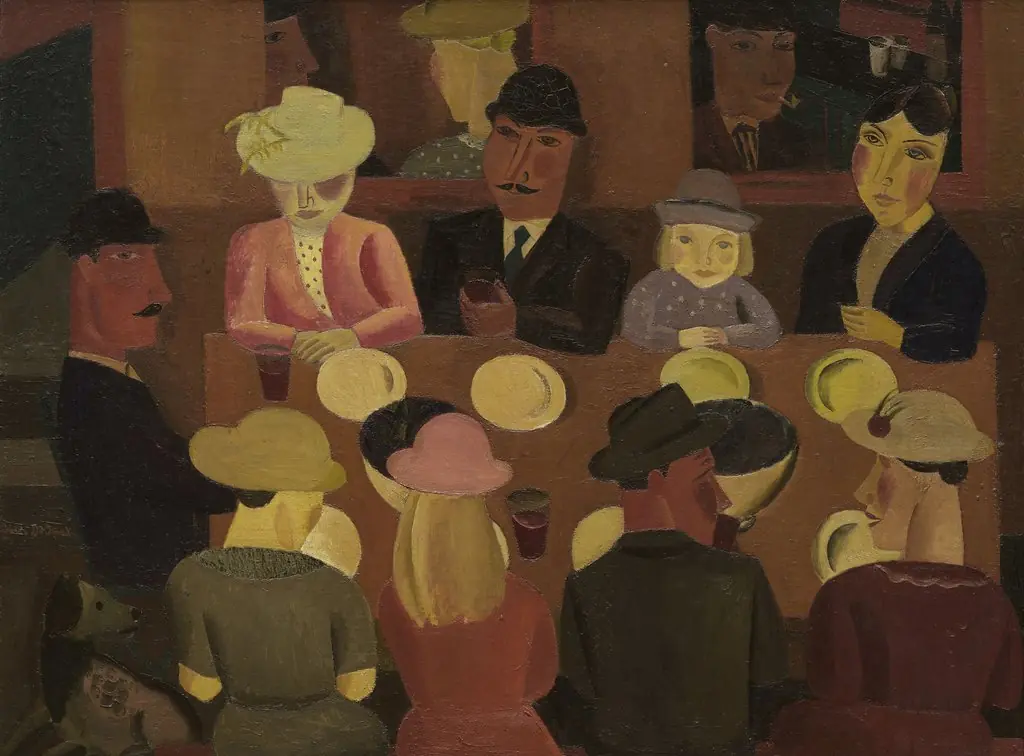
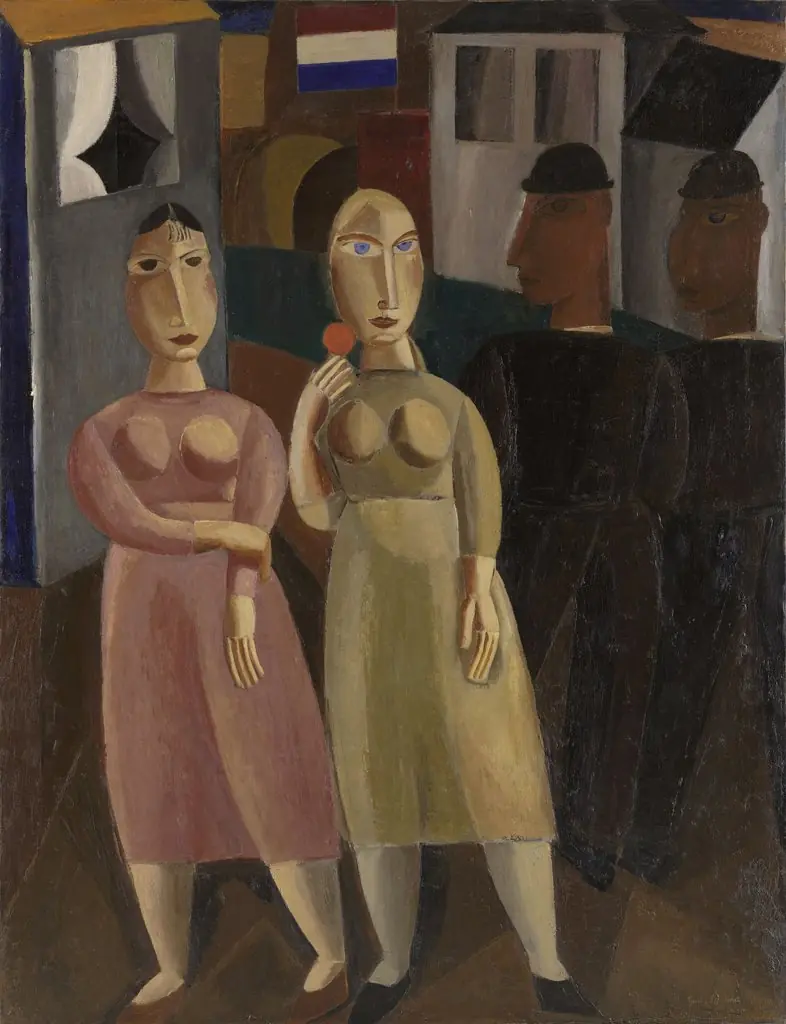
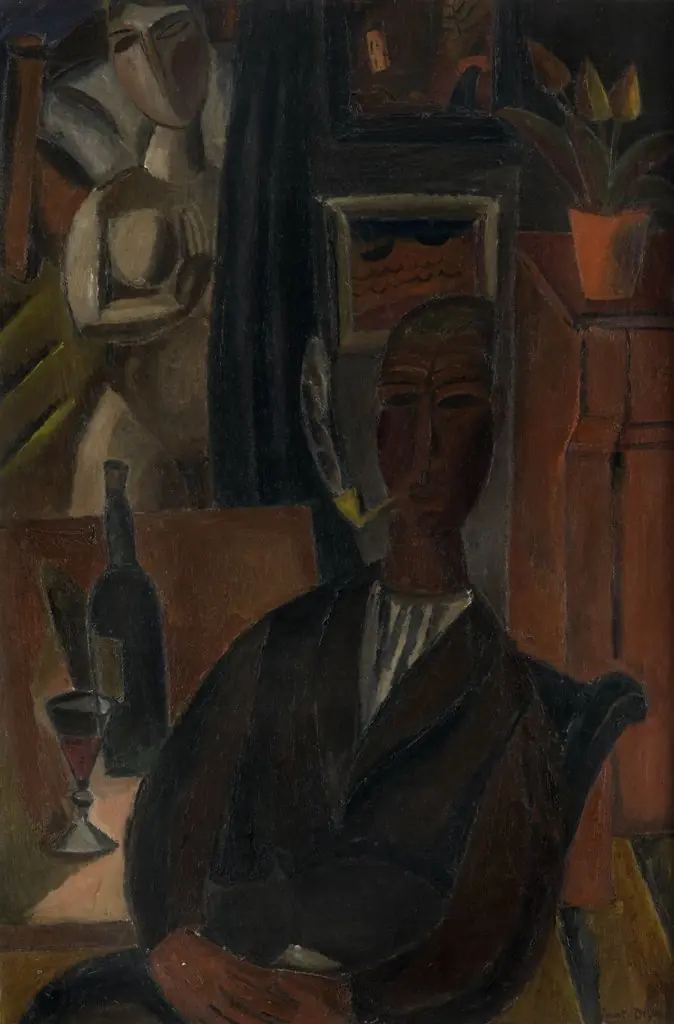
Gustave Franciscus De Smet, also known as Gustaaf De Smet and Gust De Smet (21 January 1877 – 8 October 1943) was a Belgian painter and printmaker.

Museum
Royal Museums of Fine Arts of Belgium
Continue through works from the same source collection.