Artwork
William Roper (1493/94–1578)
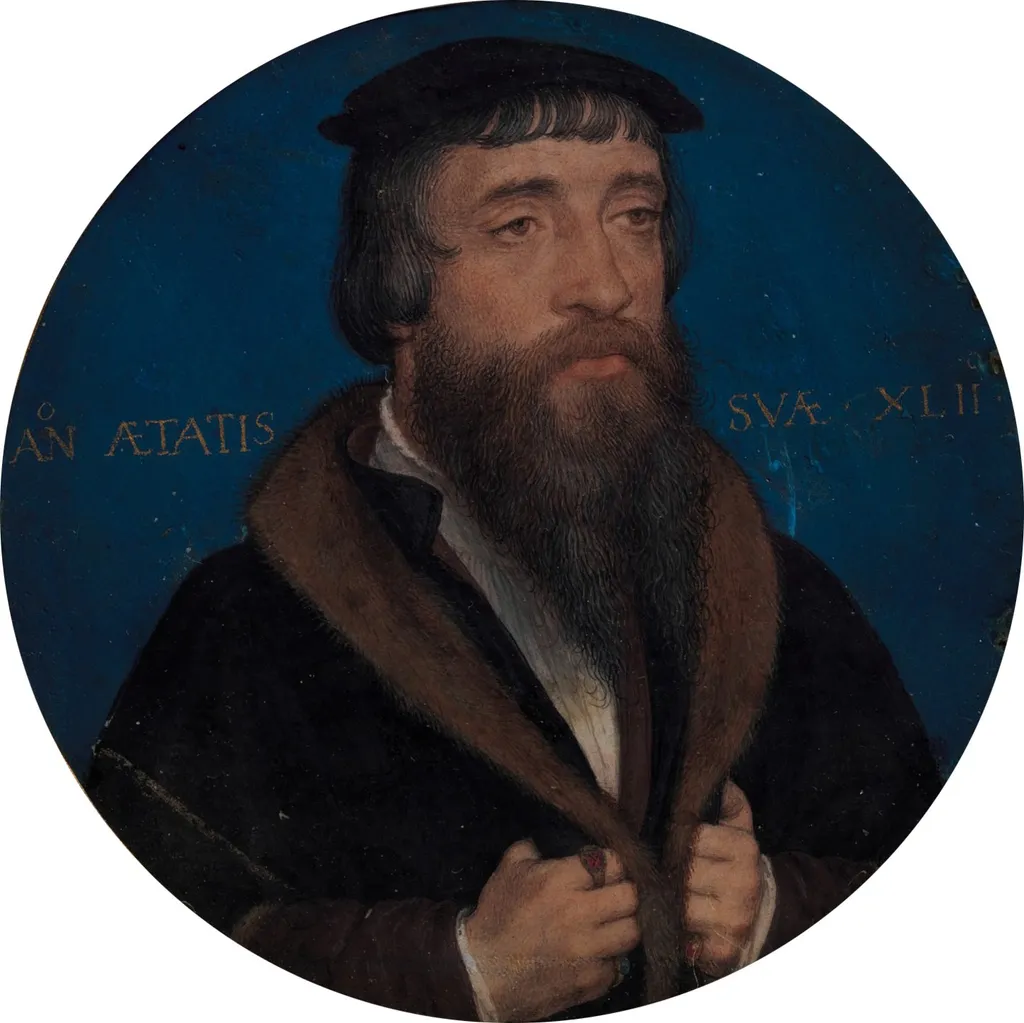
William Roper (1493/94–1578) is a gouache painting by the Northern Renaissance artist Hans Holbein the Younger. It dates from 1535 and is held in the collection of the Metropolitan Museum of Art.
About this work
Subject & Meaning
As a genre portrait, the artwork serves to document the likeness of Roper, who lived from 1493/94 to 1578.
The work is a portrait that depicts William Roper, the primary subject of the piece. Created in 1535 by Hans Holbein the Younger, the painting focuses on the individual representation of Roper rather than incorporating complex allegorical symbolism or broader narrative iconography. As a genre portrait, the artwork serves to document the likeness of Roper, who lived from 1493/94 to 1578.
The piece was later included in the exhibition "The Tudors: Art and Majesty in Renaissance England," highlighting its significance within the context of Renaissance portraiture and the Tudor era.
Technique & Style
Executed in 1535, this portrait of William Roper by Hans Holbein the Younger is a small-scale work created using gouache paint on a vellum support. The combination of opaque watercolor and animal skin membrane was a specialized technique often employed for intimate, detailed likenesses during the Renaissance. As a painting classified within the portrait genre, the work demonstrates the artist's precision in rendering facial features on a non-absorbent surface. The piece is currently held in the collection of the Metropolitan Museum of Art.
History & Provenance
The portrait of William Roper was executed by Hans Holbein the Younger in 1535 as a gouache painting on vellum. It belongs to the portrait genre and was created in the early sixteenth century, reflecting Holbein’s mature style.
The work entered the collection of the Metropolitan Museum of Art, where it remains on view in New York. Its presence in the museum was highlighted during the exhibition The Tudors: Art and Majesty in Renaissance England, which traced the visual culture of the period. The painting’s material, technique, and subject identify it as a seminal example of Holbein’s portraiture.
The portrait of William Roper by Hans Holbein the Younger is held in the collection of the Metropolitan Museum of Art. The work, created in 1535 on vellum with gouache paint, has been featured in the exhibition titled "The Tudors: Art and Majesty in Renaissance England."
Overview
This portrait, created in 1535 by the German-Swiss artist Hans Holbein the Younger, depicts William Roper. Executed in gouache, a distinctive opaque paint, the work exemplifies Holbein's skill within the portrait genre. It is now housed in the collection of The Metropolitan Museum of Art, representing a significant example of 16th-century Northern Renaissance artistry.
Context
Hans Holbein the Younger established himself as a preeminent portraitist of the 16th century, working in the Northern Renaissance tradition. While renowned for such likenesses, his artistic output also encompassed religious subjects, satirical works, and innovative book designs. This diverse practice distinguished him from his father, Hans Holbein the Elder, whose artistic roots lay in the earlier Late Gothic school.
Artist & collection
Artist
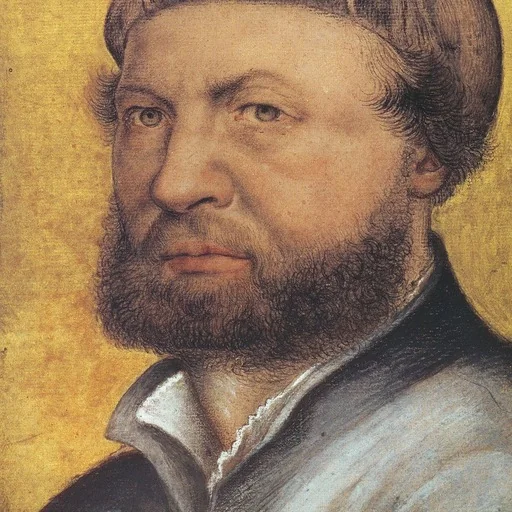
Hans Holbein the Younger (UK: HOL-byne, US: HOHL-byne, HAWL-; German: Hans Holbein der Jüngere; c.

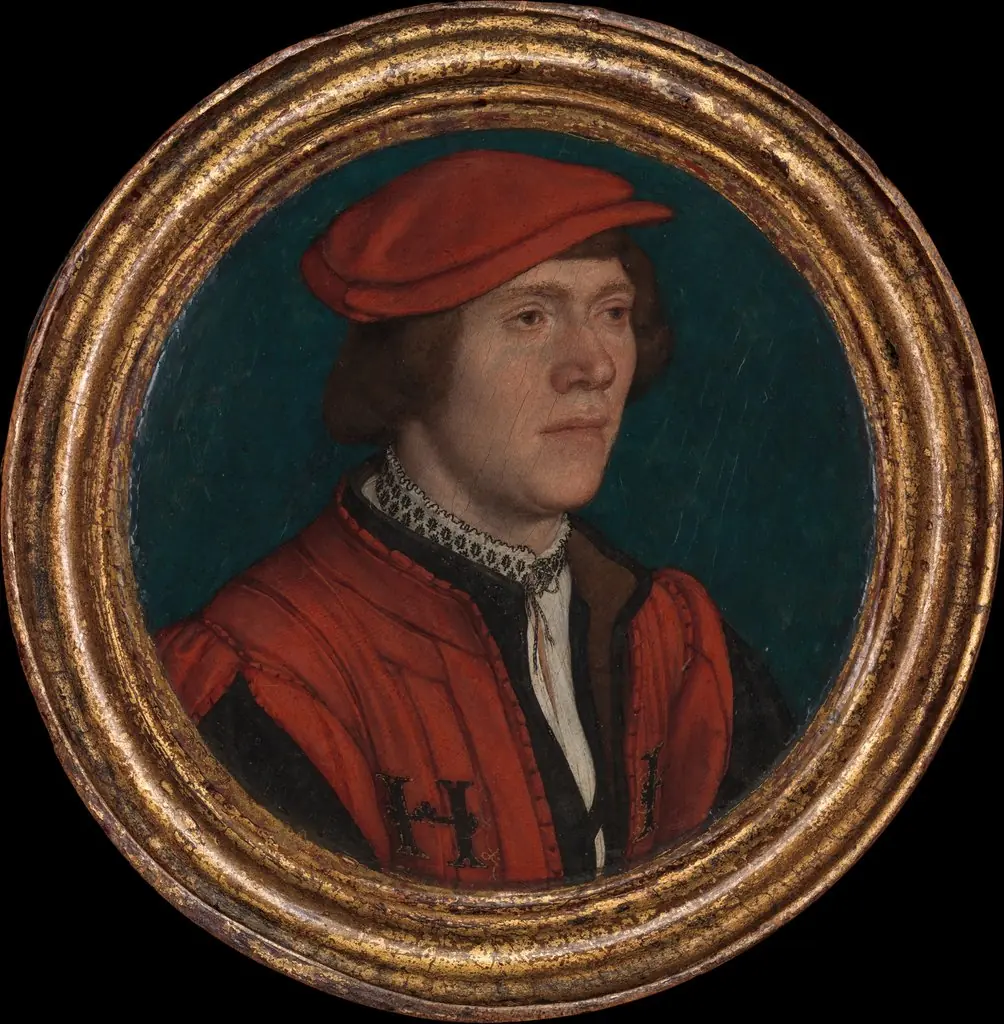
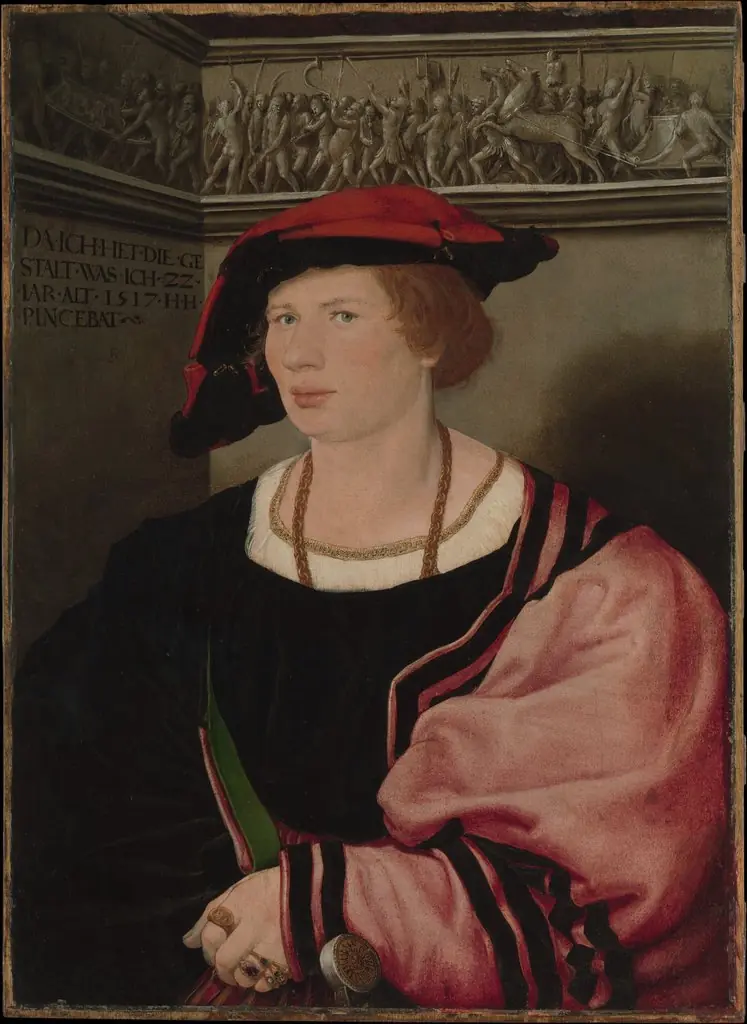
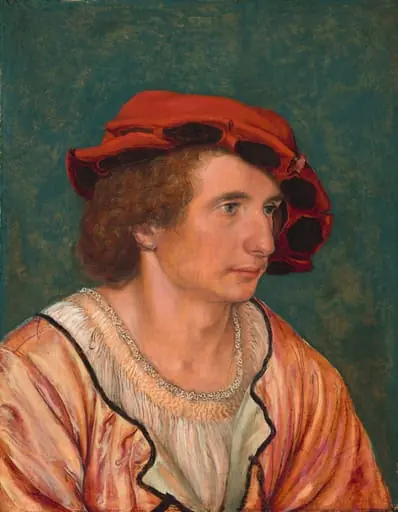
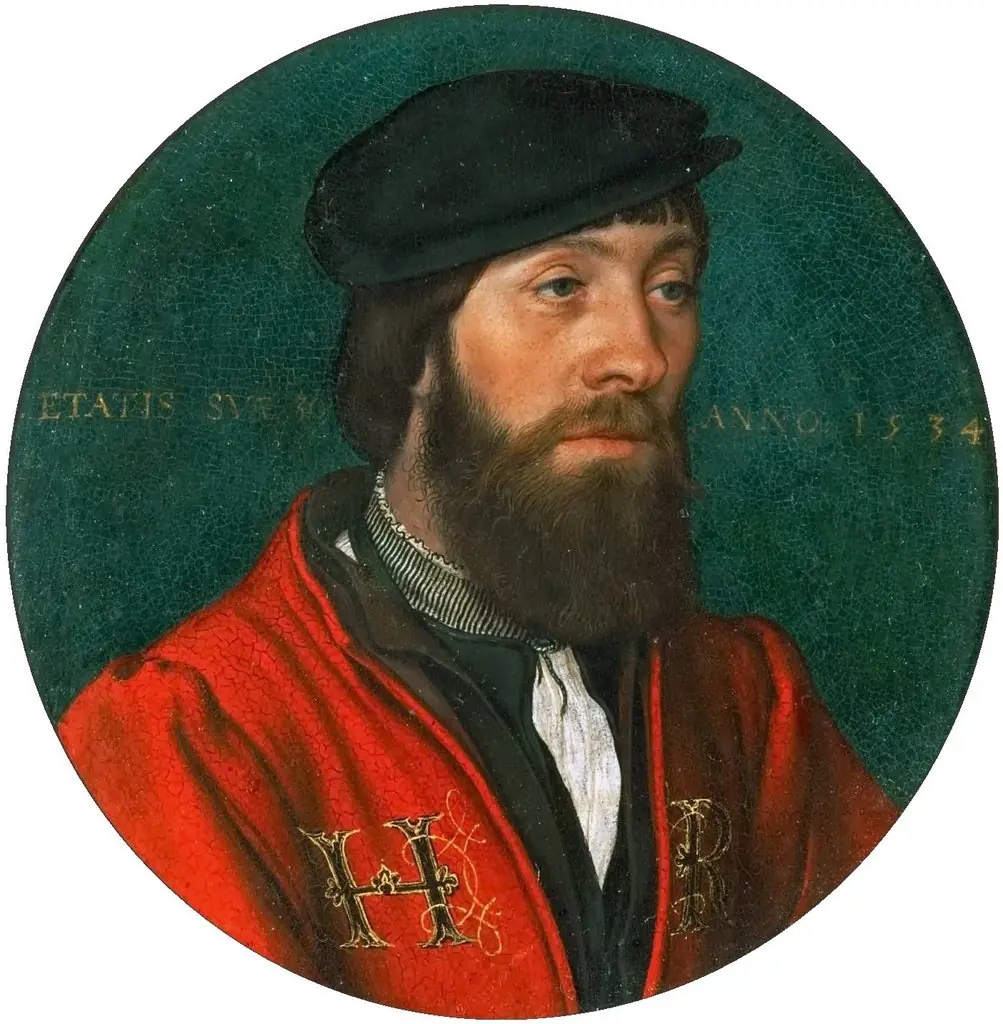
- A Man in a Black Cap
 A servant of King Henry VIII
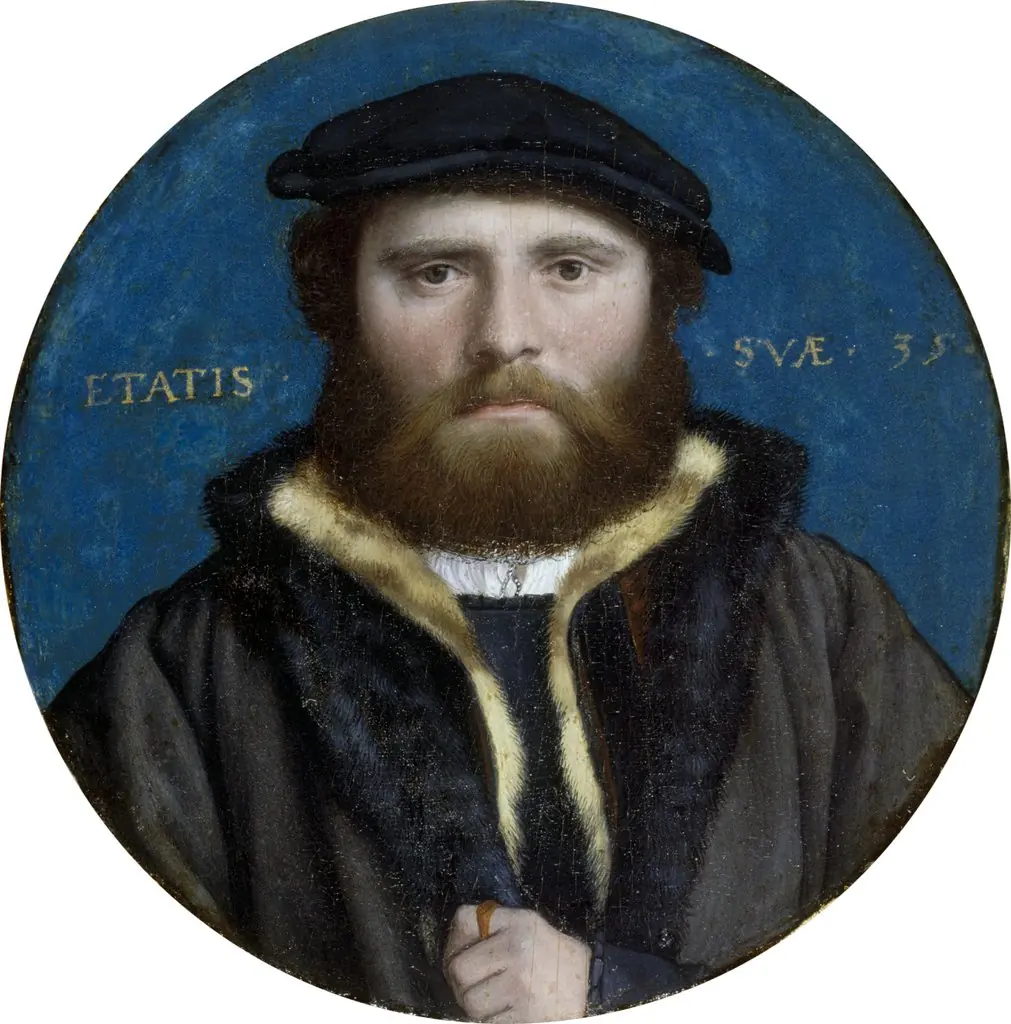 Hans of Antwerp
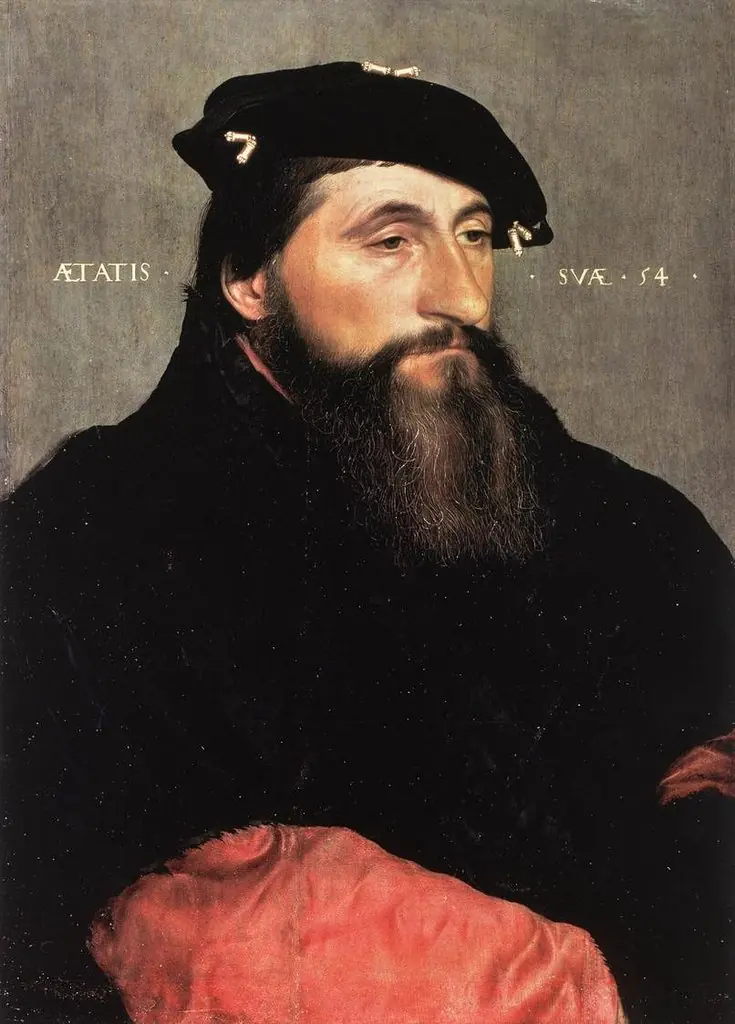 Duke Antony the Good of Lorraine
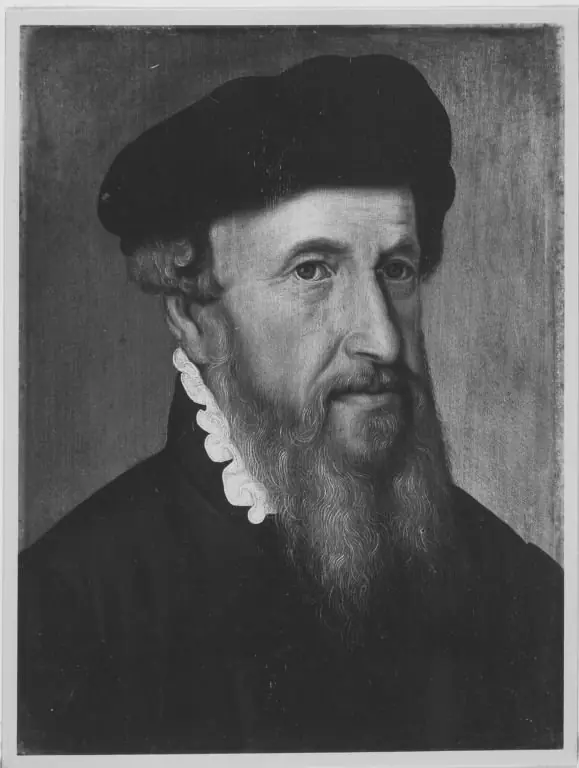 Self portrait
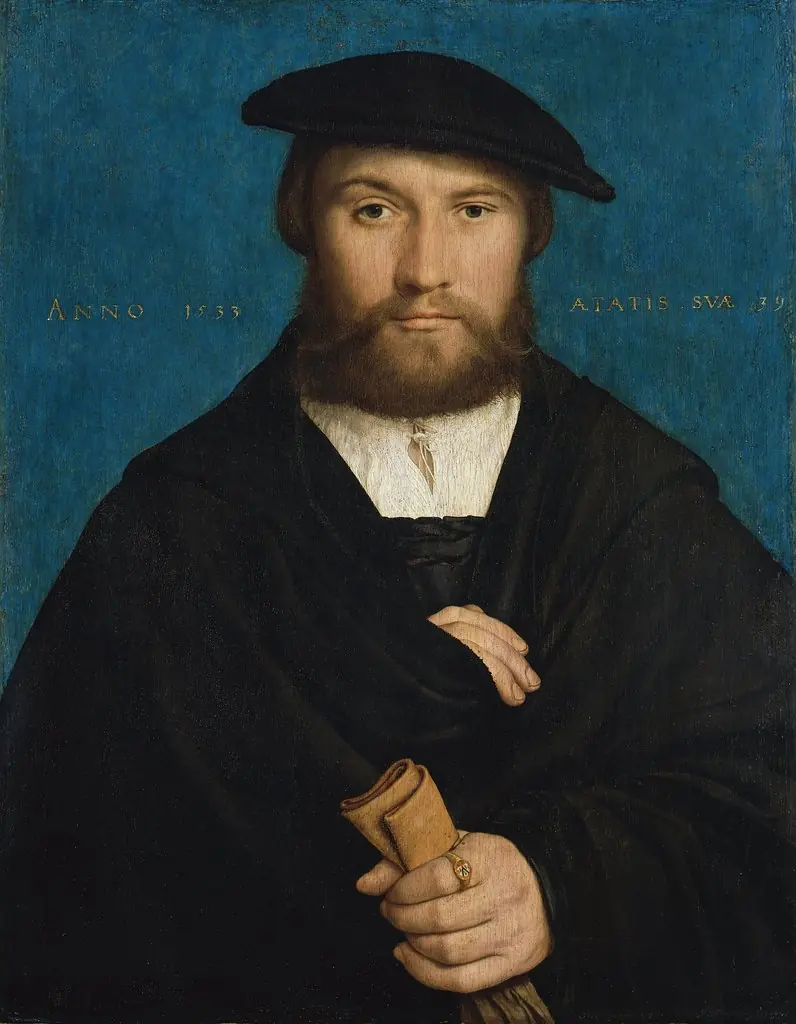 Hermann Hillebrandt de Wedigh
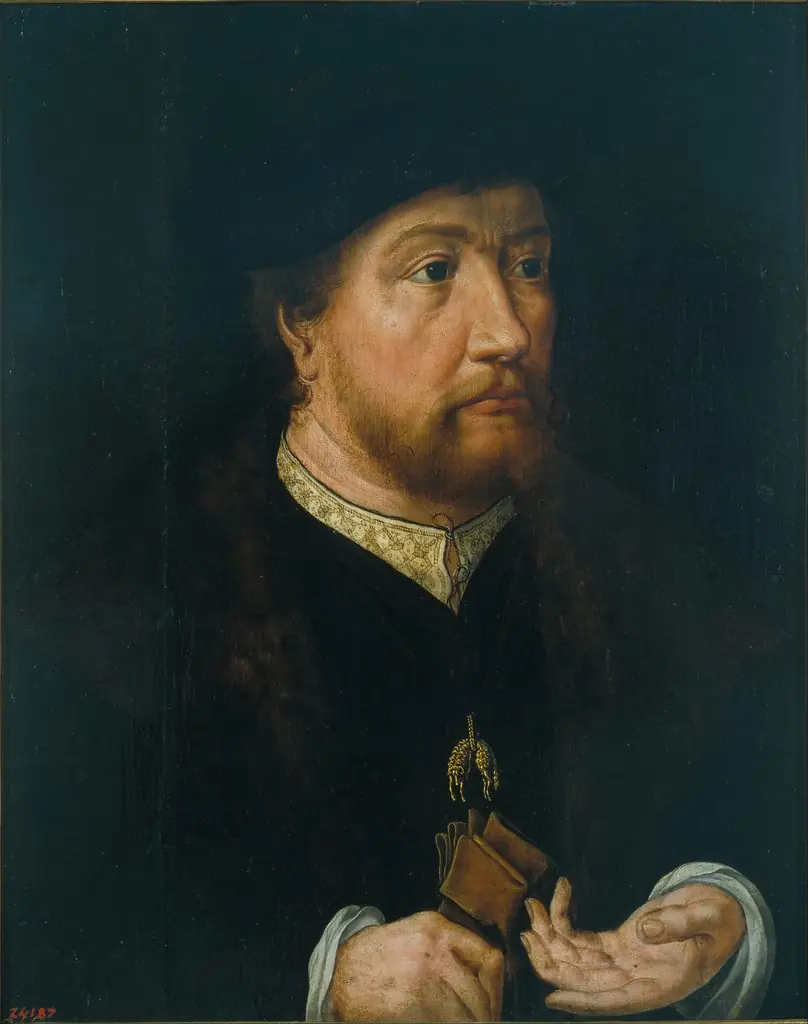 Portrait of Henry III, Count of Nassau
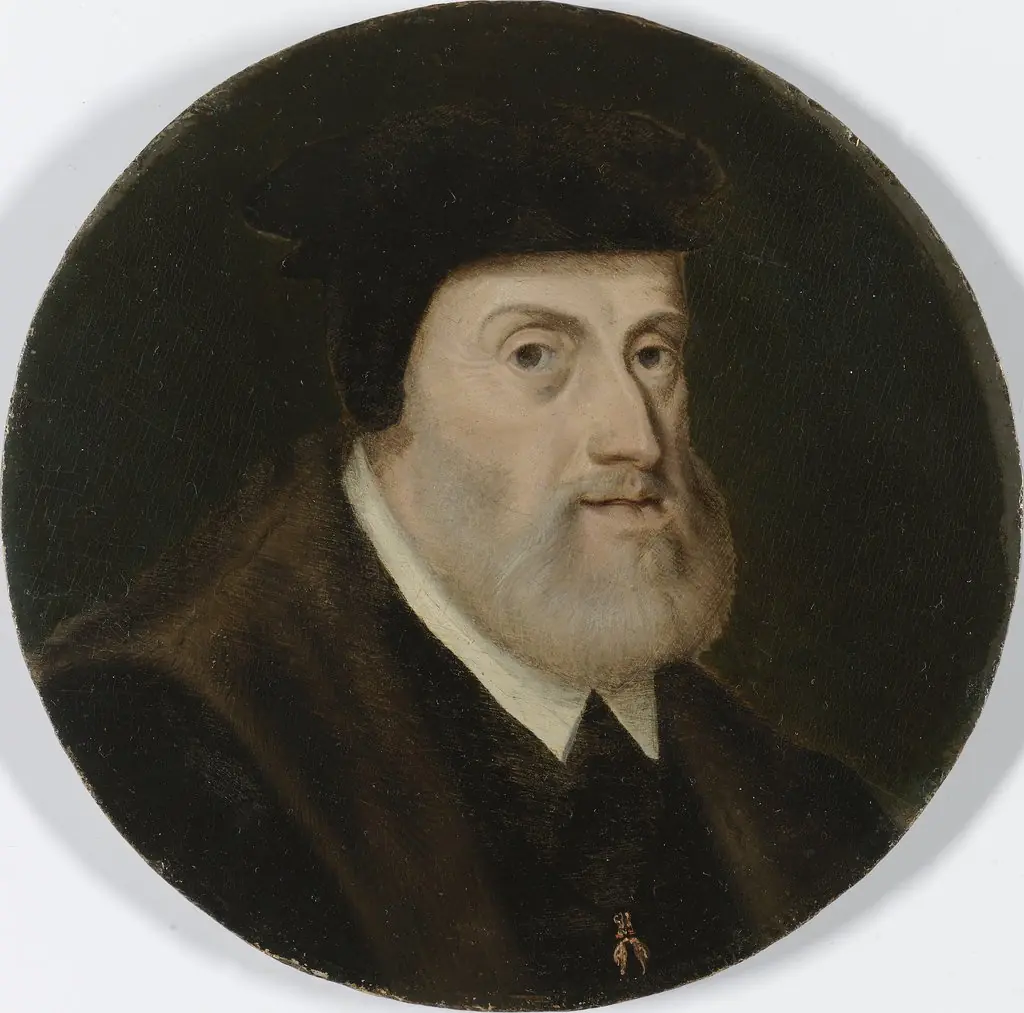 Portrait of Charles V (1500-58), emperor of the Holy Roman Empire
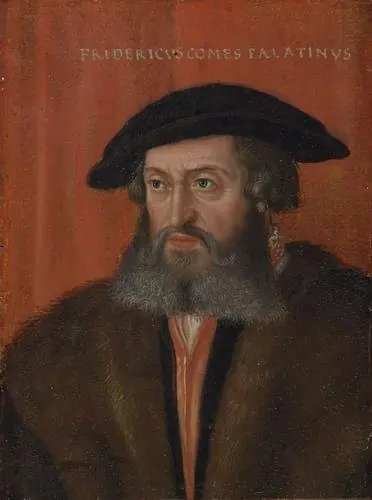 Portrait of elector Frederick II, the wise of the Palatinate"
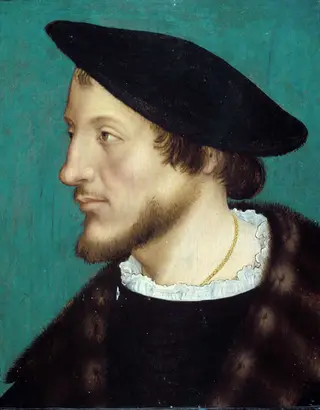 Young Man
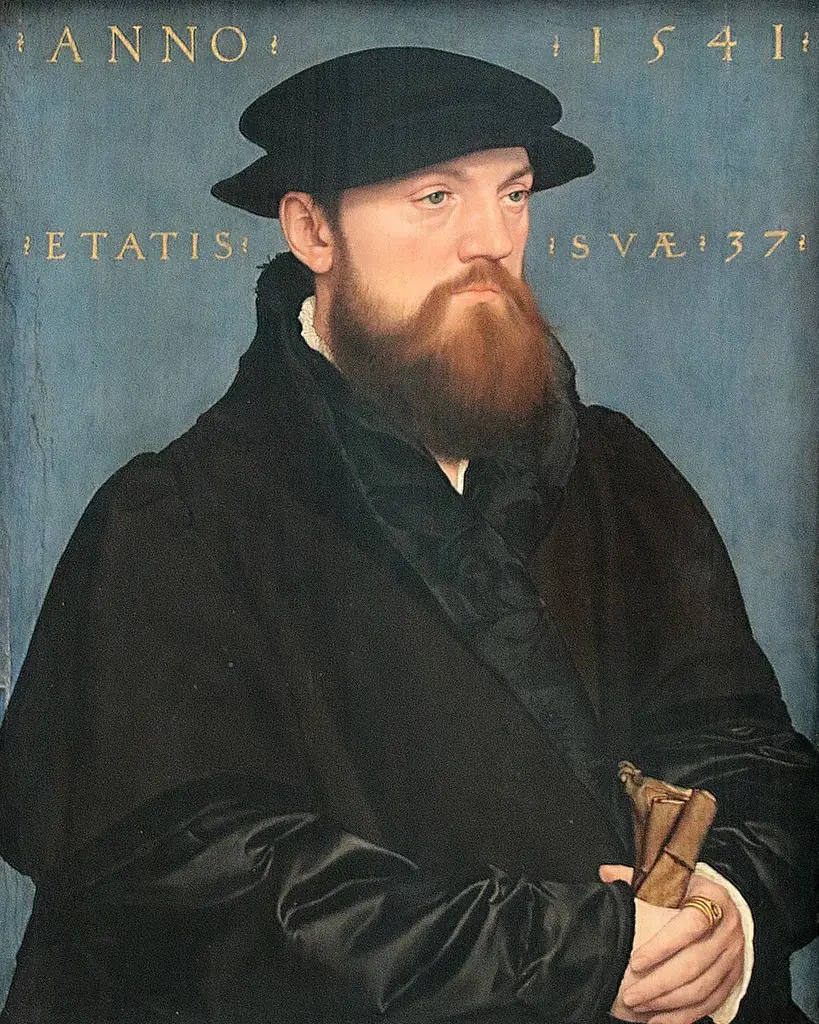 Roelof de Vos van Steenwijk
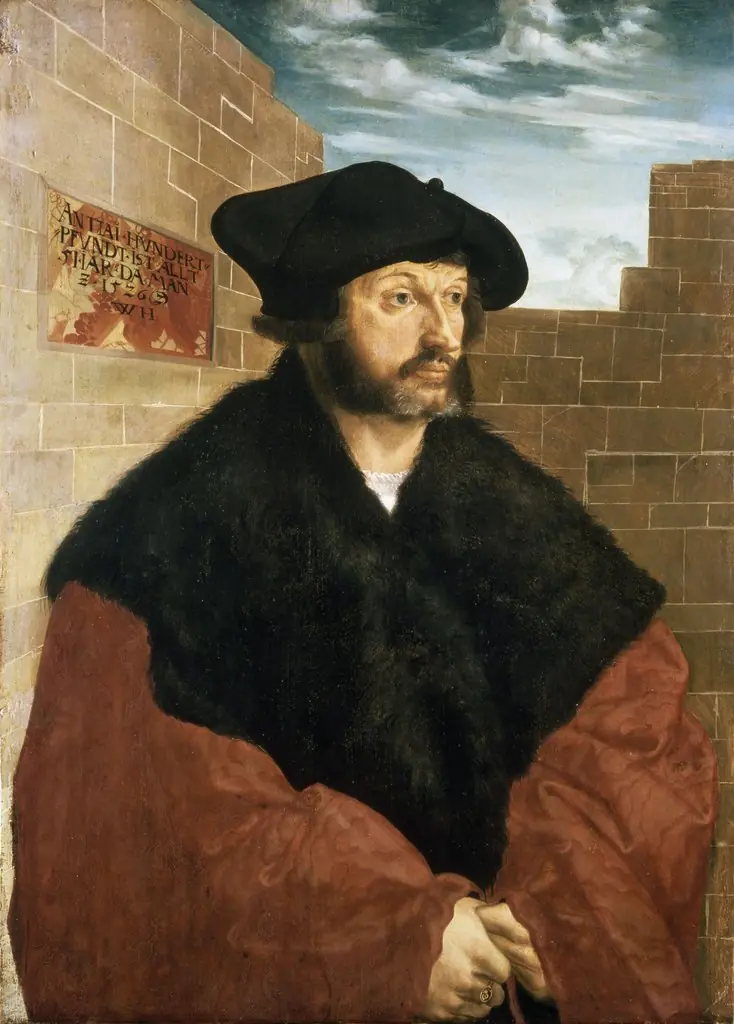 Portrait of Anton Hundertpfundt