Artwork
Portrait of a Elderly Man
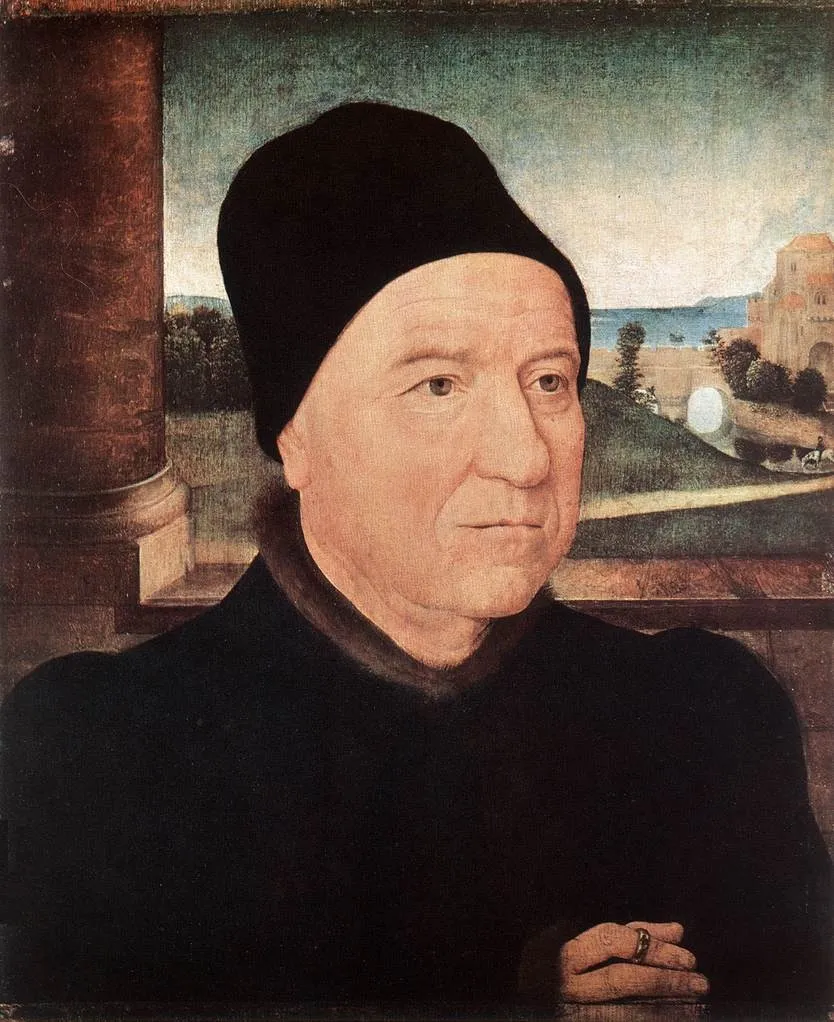
Portrait of a Elderly Man is an oil painting by the Northern Renaissance artist Hans Memling. It dates from 1470 and is held in the collection of the Gemäldegalerie Berlin.
About this work
Overview
The painting is historically significant as half of an innovative double portrait, originally joined with a companion piece depicting an old woman.
Portrait of an Elderly Man is a bust-length oil on oak panel painting by the Early Netherlandish artist Hans Memling, dated to 1470. Measuring 34 by 29 centimeters, the artwork depicts an unidentified older man positioned slightly off-center, facing right while making direct eye contact with the viewer. The painting is historically significant as half of an innovative double portrait, originally joined with a companion piece depicting an old woman. Unlike conventional devotional diptychs of the period, this pair was created solely for commemorative purposes, marking an important shift in the function of portraiture toward preserving the likenesses of individuals nearing the end of their lives. The panel is currently held in the Gemaldegalerie Berlin.
Subject & Meaning
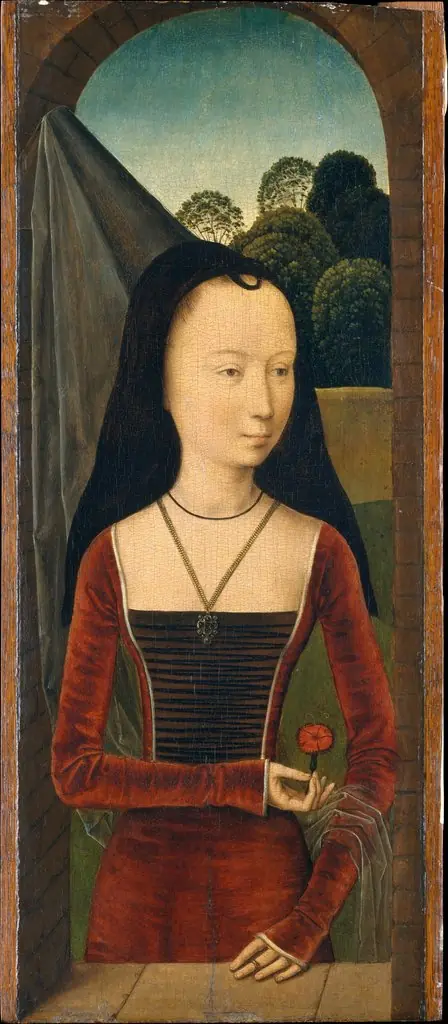
The sitter is an elderly man, likely in his late sixties, whose deeply lined face and contemplative expression suggest a life of experience. He wears a dark, close-fitting cap and a black garment with a brown fur collar, while his right hand rests on a stone ledge, wearing a ring on the fourth finger. The portrait deliberately withholds specific markers of social identity, rank, or profession, focusing instead on the universal human condition of aging and mortality. The companion portrait of an old woman, now separated, shares a continuous landscape background with this panel. Scholars propose the sitters were Gherardo Canigiani, director of the London Medici branch, and his wife Elizabeth Stockton, who married in 1472. As a purely secular commemorative pair, the work was not intended to highlight piety or devotion, allowing Memling to focus on the intimate, human presence of the sitter.
Technique & Style
Executed in oil on an oak panel, the painting demonstrates Memling's sophisticated layering and glazing techniques, which yield depth and luminosity. The composition balances the figure against a landscape background, a distinctive contribution Memling made to portraiture, offsetting the head with the neutral expanse of sky and enlivening the shoulder area with distant topographical detail. The palette is dominated by blacks and browns in the figure and foreground, contrasted with muted greens, blues, and pale sky tones in the rolling landscape, which features hills, scattered trees, water, distant buildings, and a small figure on horseback. Light falls evenly across the face from the left, creating soft shadows and subtle modeling. The brushwork is smooth and layered, with precise handling in the face and more atmospheric treatment in the distant scenery. The surface exhibits fine craquelure throughout.
History & Provenance
Created around 1470, the painting originally formed a continuous double portrait with its companion panel, the Portrait of an Old Woman, through interlocking dowels. Dendrochronological findings and the absence of later painterly inventions, such as atmospheric reflections, indicate this is a relatively early work by Memling. The companion piece is now located in the Musee du Louvre in Paris. The Portrait of an Elderly Man is owned by the Kaiser Friedrich Museumsverein and resides in the Gemaldegalerie Berlin. The separation of the two panels occurred at some point in their history, altering the original physical context of the unified diptych.
Context
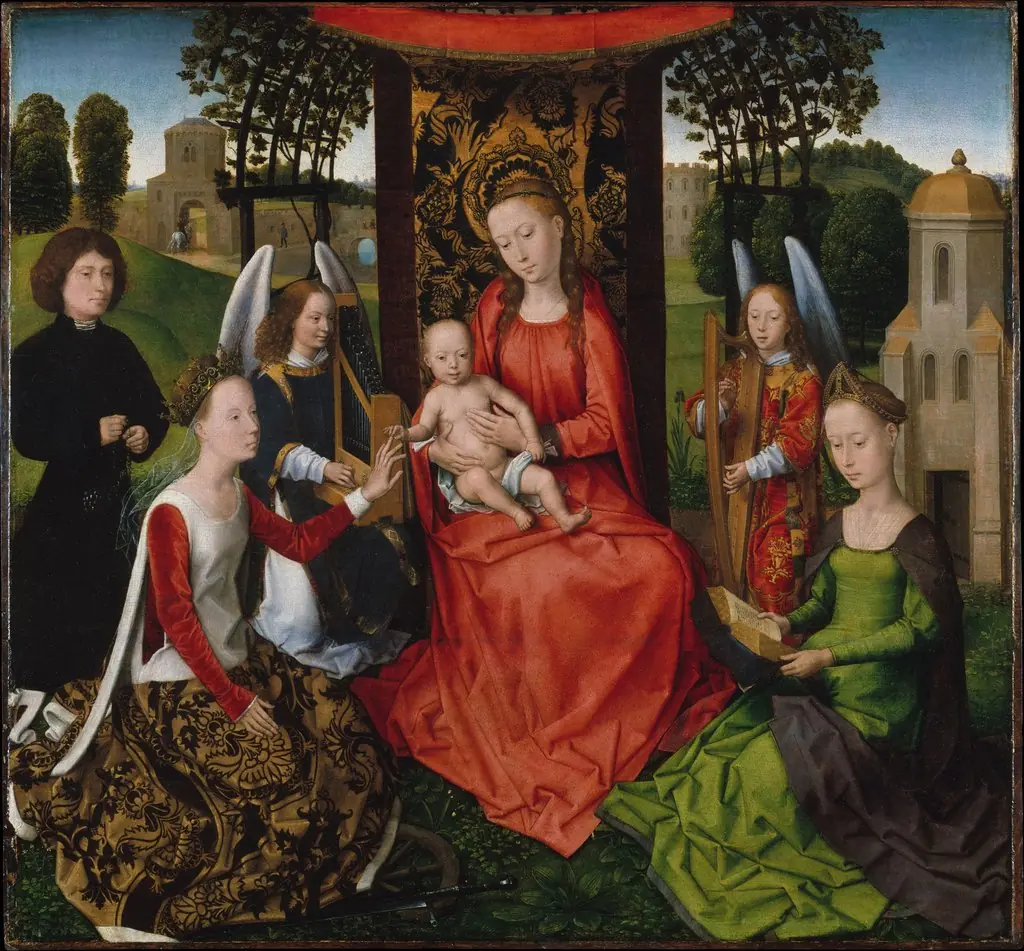
Hans Memling was a German-Flemish painter active in Bruges, where he became a citizen by 1465 and a leading artist with a large workshop. Having trained under Rogier van der Weyden in Brussels, Memling bridged earlier Gothic traditions and emerging Renaissance ideals. His portraits were particularly popular among Italian patrons in Bruges, including bankers and merchants connected to the Medici. The double portrait format seen in this work was largely unknown in 15th-century Netherlandish painting and appears to be Memling's own invention. This specific secular approach, divorced from a devotional triptych, granted Memling the freedom to portray a different, more introspective side of his sitters, contrasting with the overt displays of social rank seen in his other commissions, such as the portraits of Tommaso di Folco Portinari and Maria Maddalena Baroncelli.
Artist & collection
Artist
Hans Memling was a German-Flemish painter who worked in the tradition of Early Netherlandish painting.

![Saint Veronica [obverse], by Hans Memling](https://artifactworldgallery.com/img/hans-memling--saint-veronica-obverse--5a649fd8b09c96b9-w320.webp)
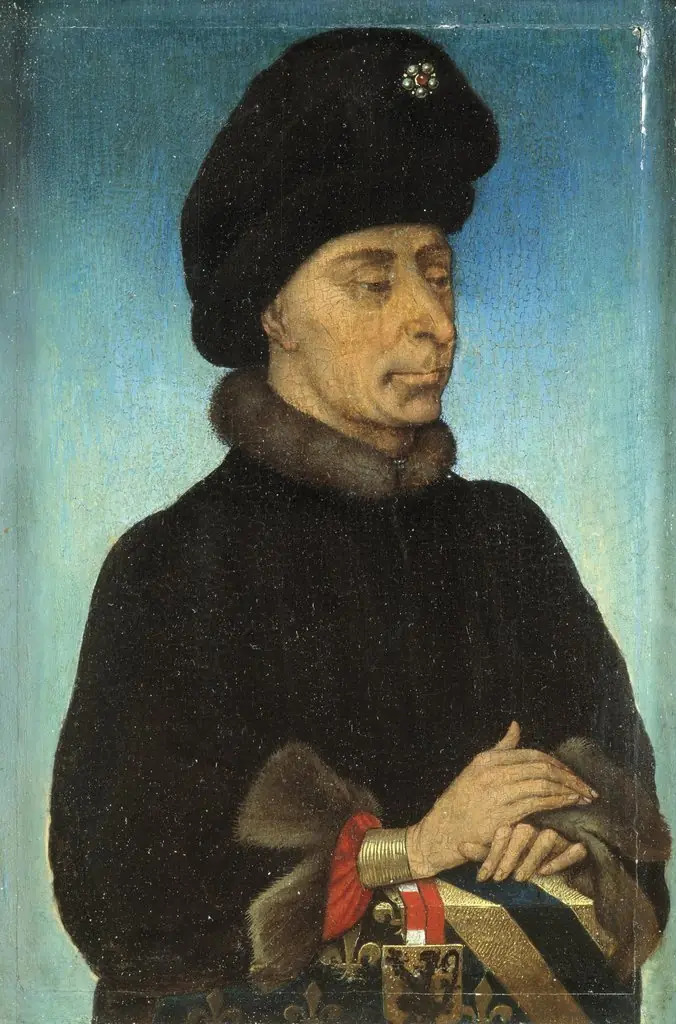 John the Fearless, Duke of Burgundy
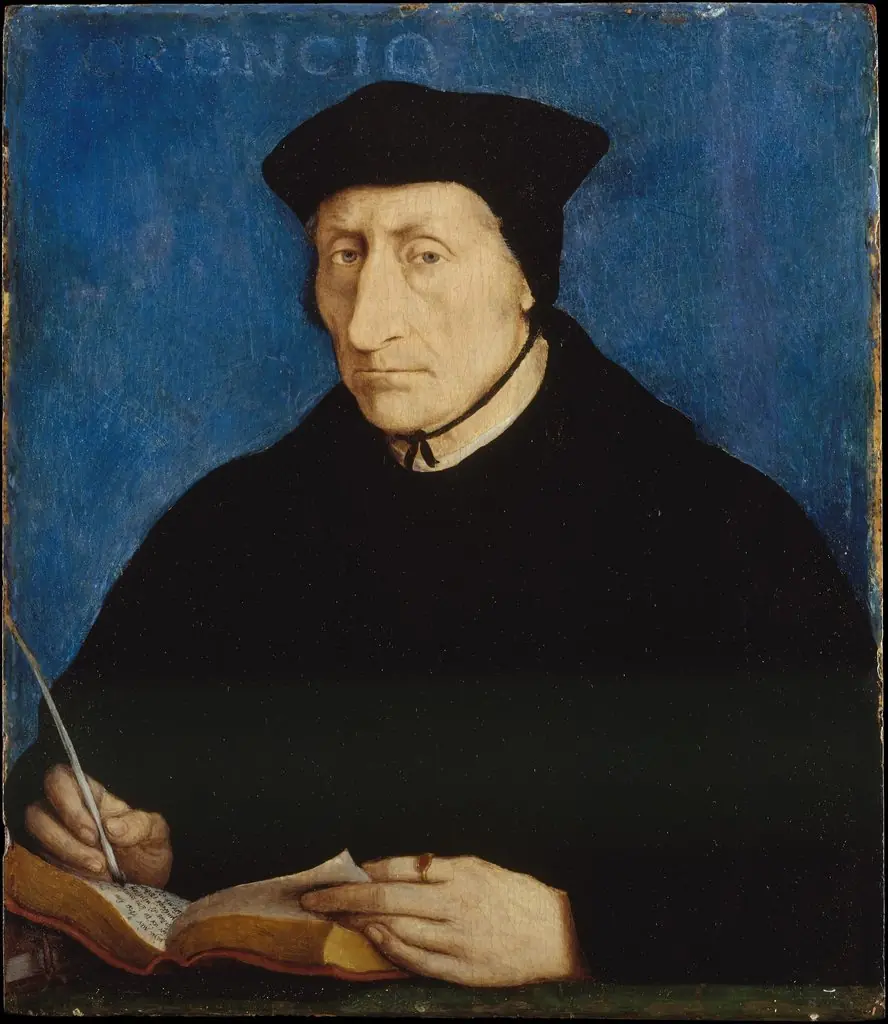 Guillaume Budé (1467–1540)
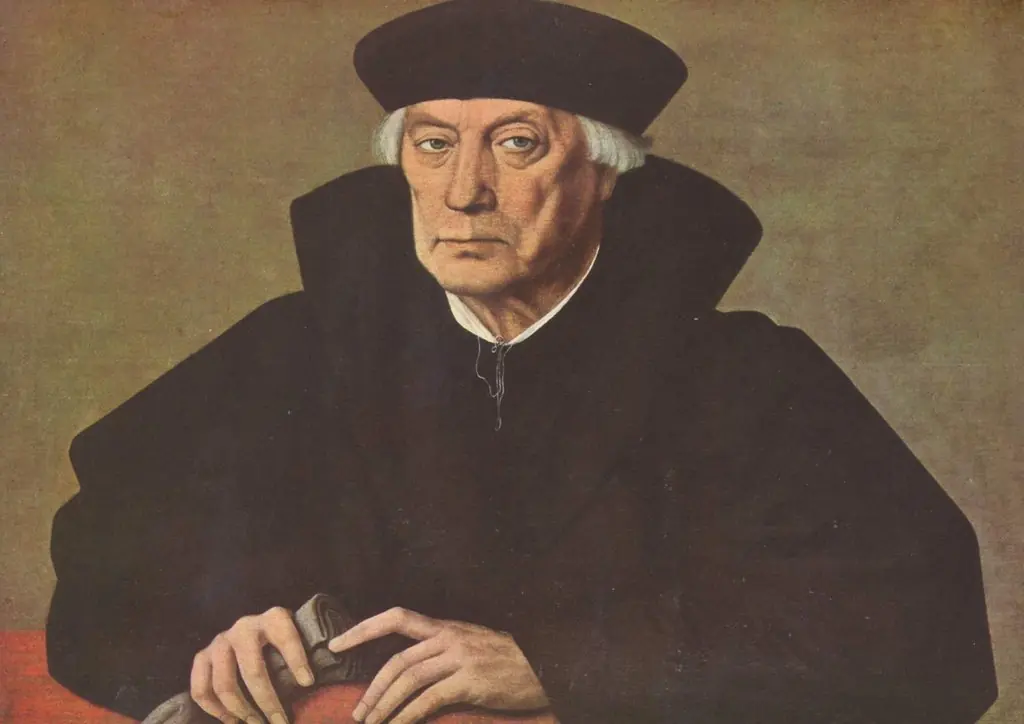 Portrait of Jean de Carondelet (1469-1544)
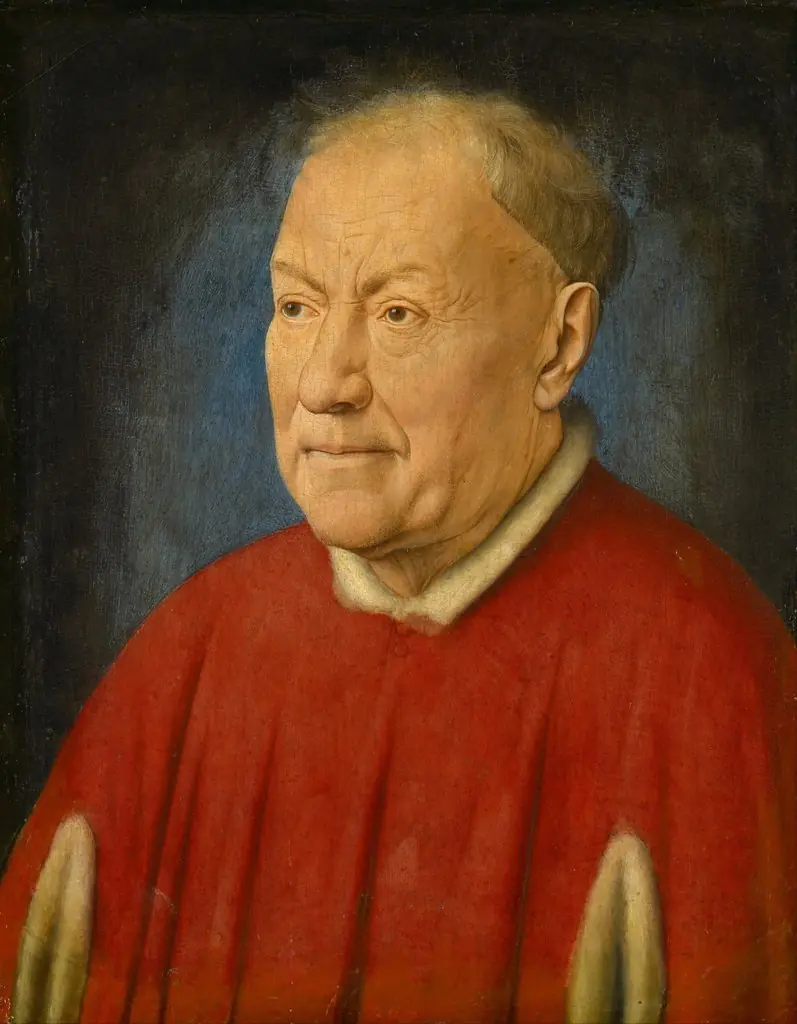 Portrait of Cardinal Niccolò Albergati
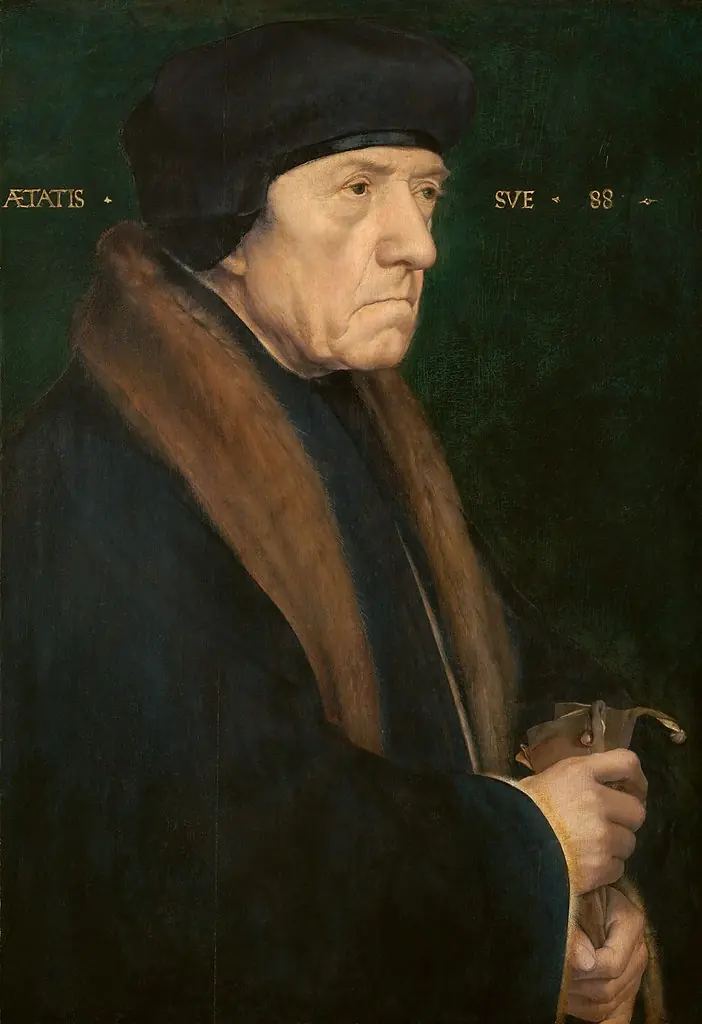 Portrait of John Chambers
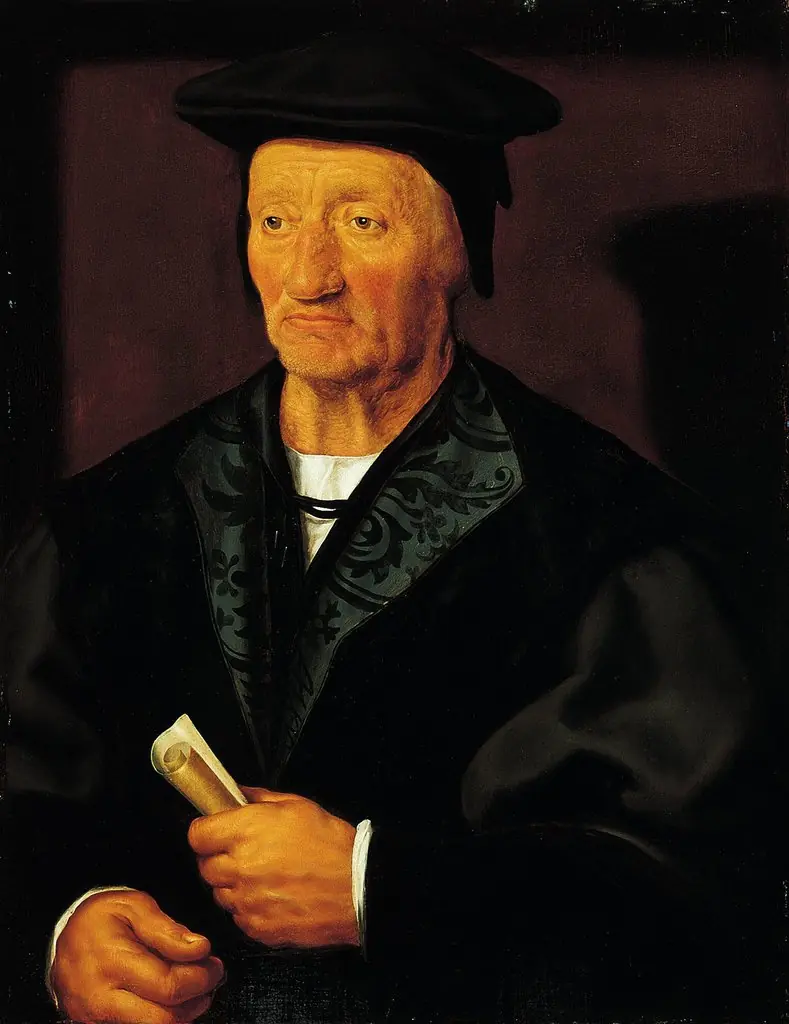 Portrait of Sebastian Münster
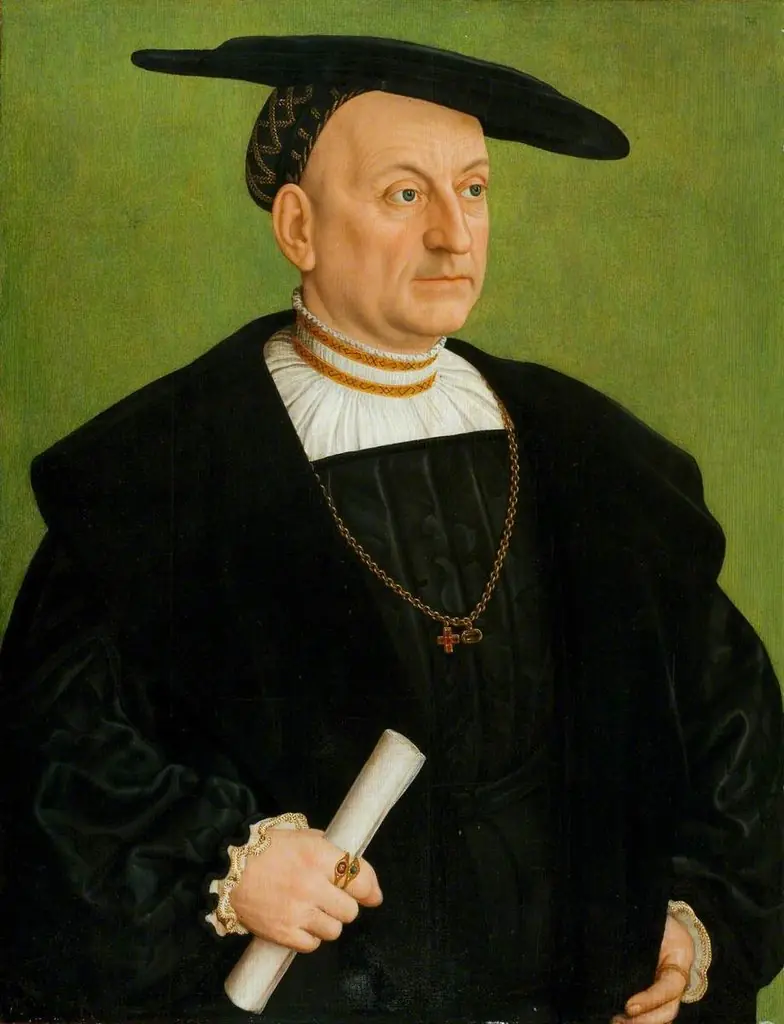 Portrait of Onophrius Scheit
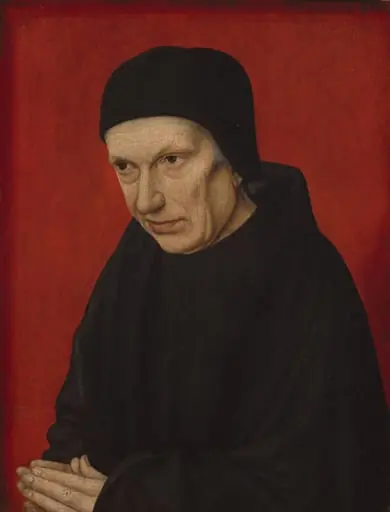 Portrait of an Ecclesiastic
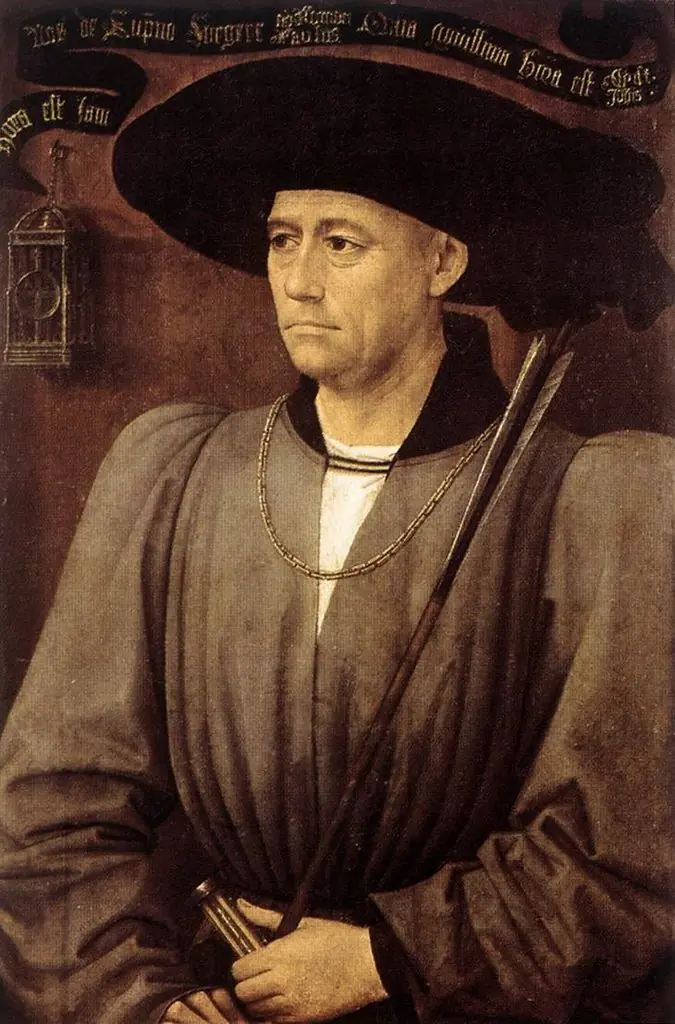 Portrait of a Tournament Judge
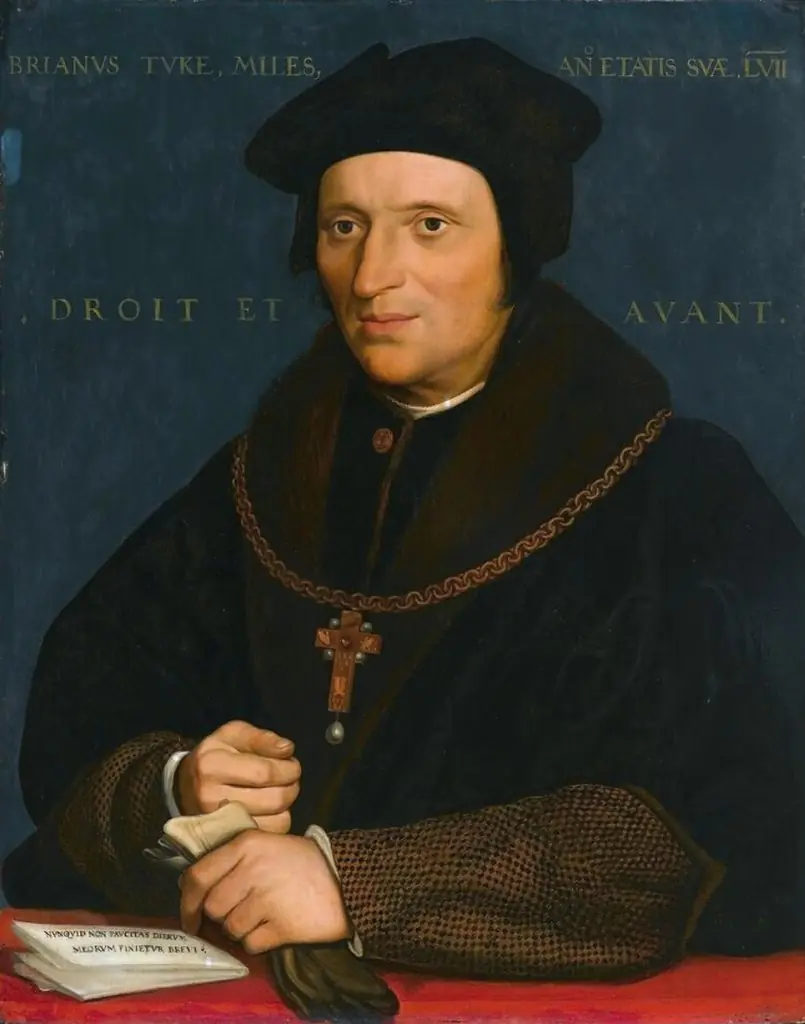 Portrait of Sir Bryan Tuke