Artwork
In the Hammock
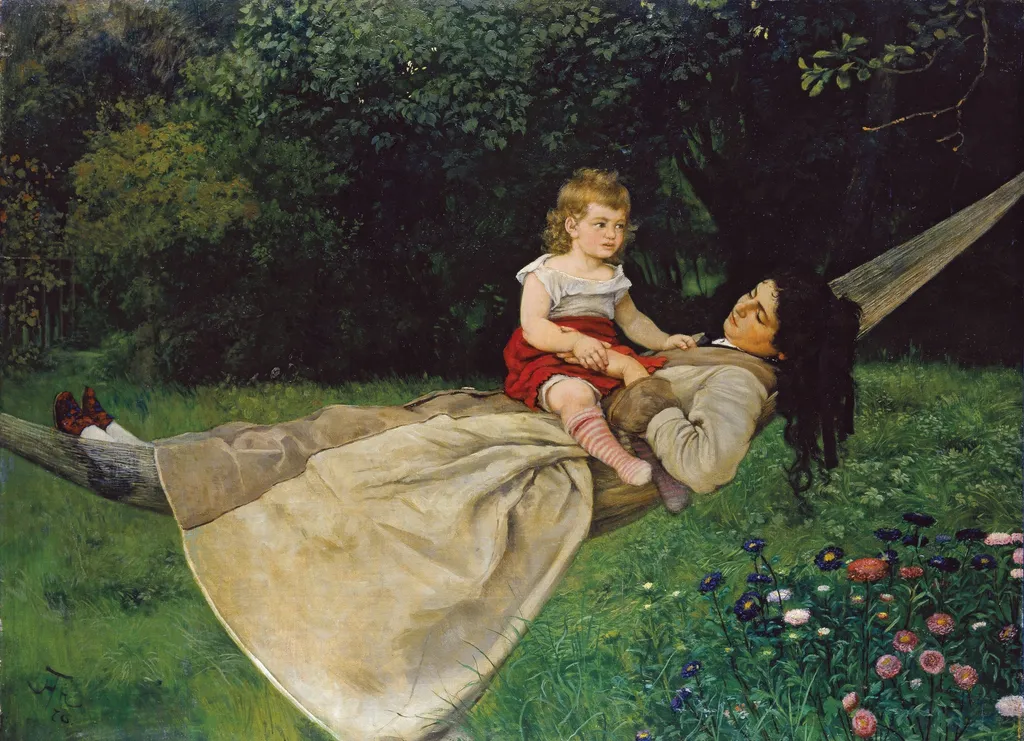
In the Hammock is an oil painting by the German Expressionist artist Hans Thoma. It dates from 1888 and is held in the collection of the Städel Museum.
About this work
Overview
This piece exemplifies his interest in quiet, everyday moments, rendered with a restrained palette and soft focus that emphasize tranquility over drama.
Painted in 1888, In the Hammock is an oil-on-canvas work by German artist Hans Thoma. Though often linked to regional realism rather than Expressionism, Thoma’s approach blends intimate domestic scenes with careful attention to natural surroundings. This piece exemplifies his interest in quiet, everyday moments, rendered with a restrained palette and soft focus that emphasize tranquility over drama.
Subject & Meaning
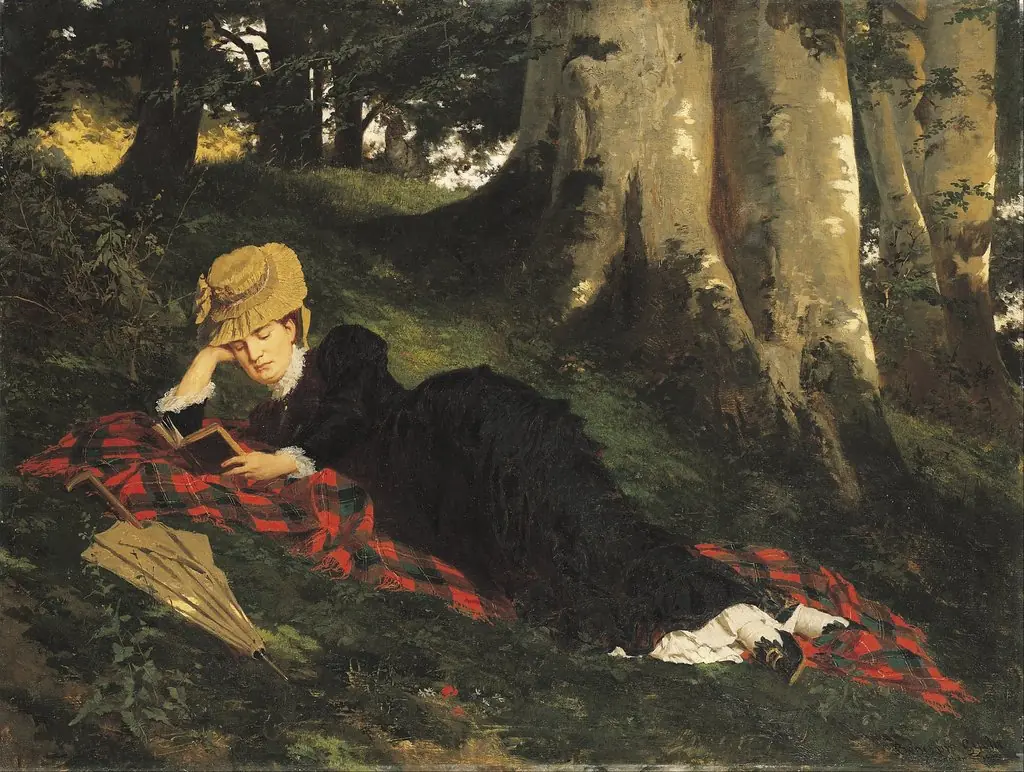
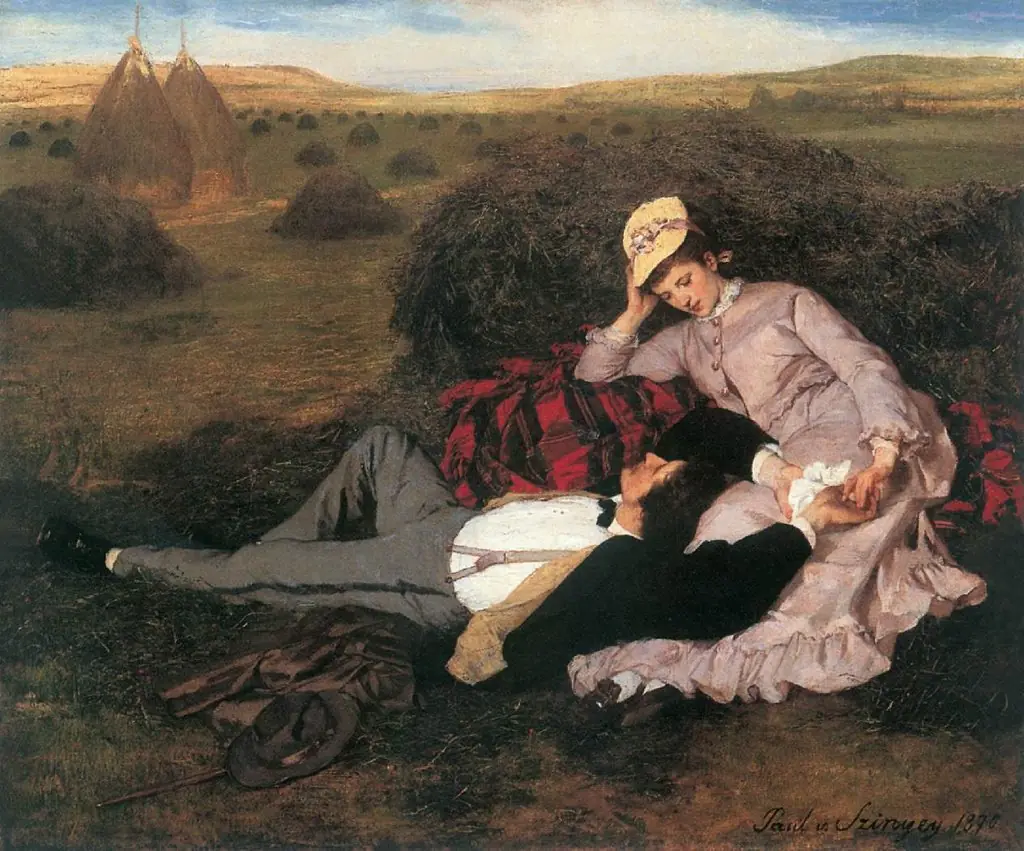
The painting portrays a tender, private moment: a woman reclines in a hammock, her head resting on the unseen lap of a man, while a small child rests on her abdomen. The absence of the man’s full figure suggests intimacy through implication rather than literal representation. The figures’ stillness and the enclosed setting evoke themes of familial bond, rest, and the quiet rhythms of rural domestic life.
Technique & Style
Thoma employs delicate brushwork to render textures, fabric folds, leaf surfaces, and the weave of the hammock, with subtle variation in tone. Color is used sparingly: the woman’s red skirt and the child’s matching garment contrast gently against white linens and muted greens. The composition directs attention inward, with the hammock forming a cradle-like frame that enhances the sense of enclosure and calm.
History & Provenance
Created during Thoma’s mature period, In the Hammock was painted after his tenure at the Karlsruhe Academy, where he taught for decades. While specific ownership history is not widely documented, the work aligns with his broader output of the 1880s, domestic scenes rooted in southwestern German life. It reflects his shift from historical subjects toward personal, lyrical imagery favored by collectors of the time.
Context
In late 19th-century Germany, artists like Thoma responded to industrialization by idealizing rural simplicity. In the Hammock fits within a broader trend of sentimental domesticity, drawing from folk traditions and regional identity. Unlike urban realists, Thoma avoided social commentary, instead offering a quiet celebration of private harmony, resonating with middle-class audiences seeking emotional refuge.
Legacy
Though less known internationally than his contemporaries, Thoma’s focus on intimate, nature-infused scenes influenced regional German painting well into the 20th century. In the Hammock remains a representative example of his ability to convey emotional depth through understated composition. It continues to be studied for its nuanced portrayal of familial quietude, distinct from the more dramatic narratives of his era.
Own this work as a print
Artist & collection
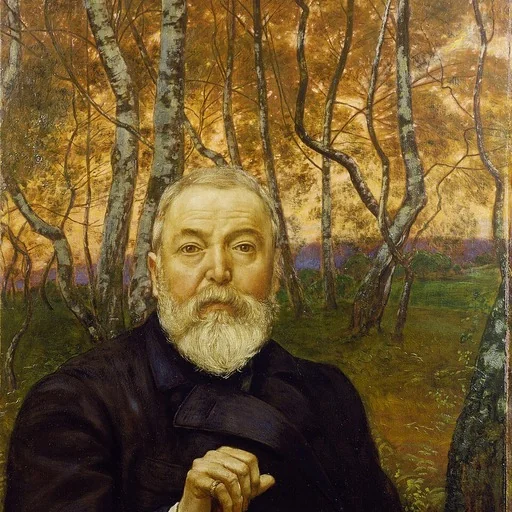
Artist
Hans Thoma (2 October 1839 – 7 November 1924) was a German painter. An alumnus and later professor of Karlsruhe Academy, he is known for his landscapes, portraits, and symbolic works rooted in German regional life and…