Artwork
Temptation of Christ
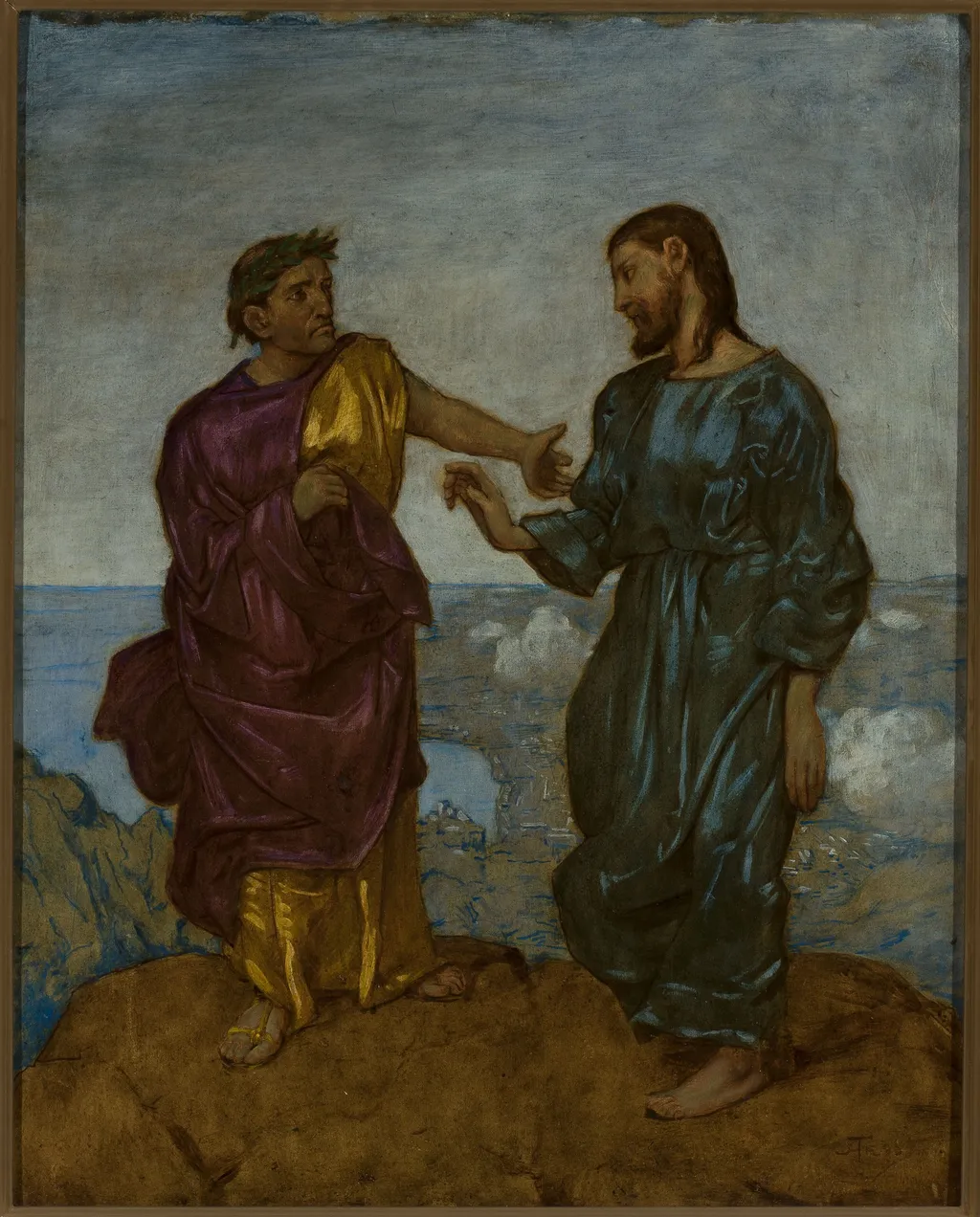
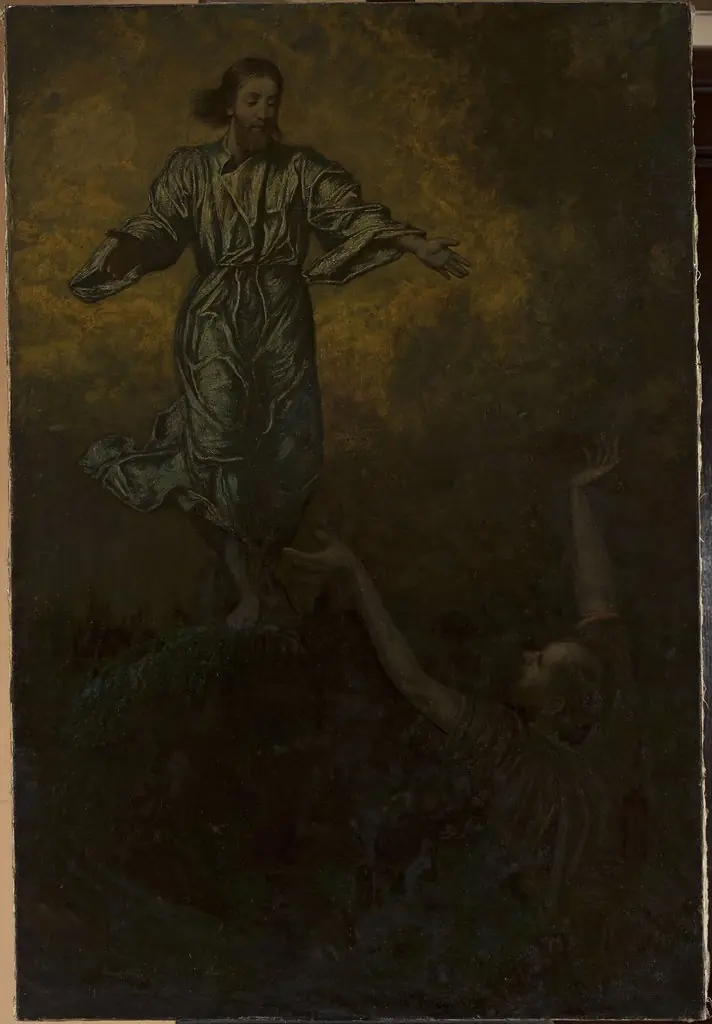
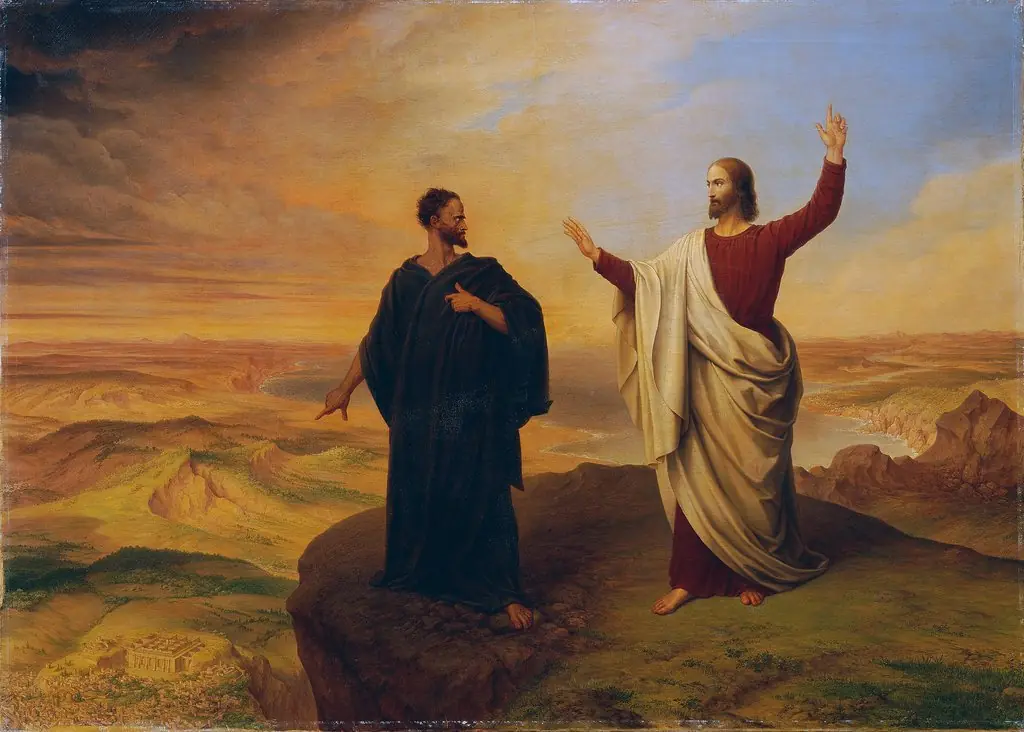
Temptation of Christ is an oil painting by the Symbolist artist Hans Thoma. It dates from 1896 and is held in the collection of the National Museum in Warsaw.
About this work
Overview
Temptation of Christ, a religious genre painting, was created by German Symbolist painter Hans Thoma in 1896. Executed in oil paint, the work is now part of the National Museum in Warsaw's collection.
Subject & Meaning
The painting depicts a pivotal religious moment: the temptation of Christ. Two figures, distinguishable by their attire, a purple robe with gold accents on the left and a blue robe on the right, stand on a rocky outcropping, engaged in a gesture of interaction. The setting, with a body of water beneath a gray sky, provides a contemplative backdrop.
Technique & Style
Thoma employs subtle interplay of light and shadow to add depth to the scene, characteristic of his expressive use of luminosity. The composition guides the viewer's focus towards the central figures, highlighting the artist's skill in balancing color and spatial arrangement.
History & Provenance
Created in 1896, the painting is part of the National Museum in Warsaw's collection. Thoma, known for works reflecting German regional life, also had a career in academia (Karlsruhe Academy) and politics (Baden State Parliament).
Context
While Thoma's oeuvre often explored German regional themes, Temptation of Christ reflects his engagement with broader religious subjects, aligning with Symbolist explorations of the spiritual and the inner life.
Legacy
This work contributes to Thoma's legacy as a painter who effectively merged expressive light and color techniques with narrative depth, though its specific impact within his broader oeuvre or on subsequent artists is not distinctly highlighted by available information.
Own this work as a print
Artist & collection
Artist
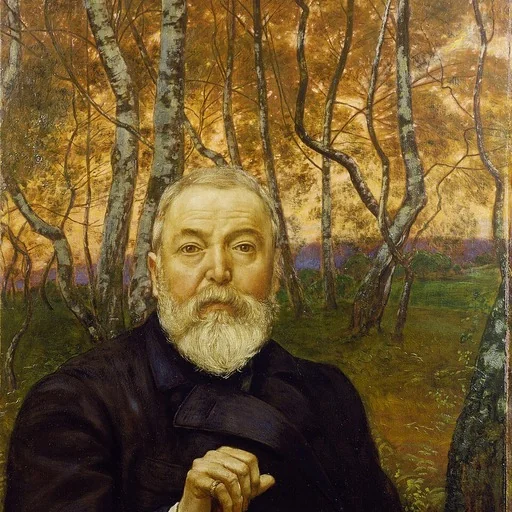
Hans Thoma (2 October 1839 – 7 November 1924) was a German painter. An alumnus and later professor of Karlsruhe Academy, he is known for his landscapes, portraits, and symbolic works rooted in German regional life and…

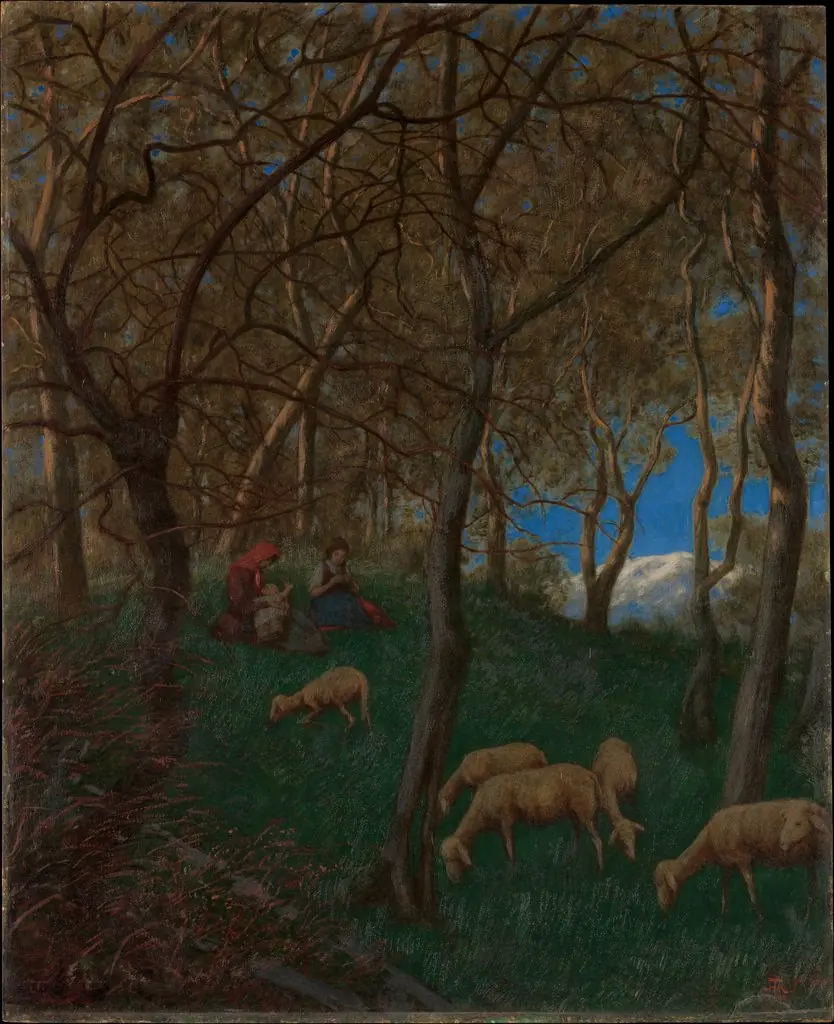
- The Tribute Money
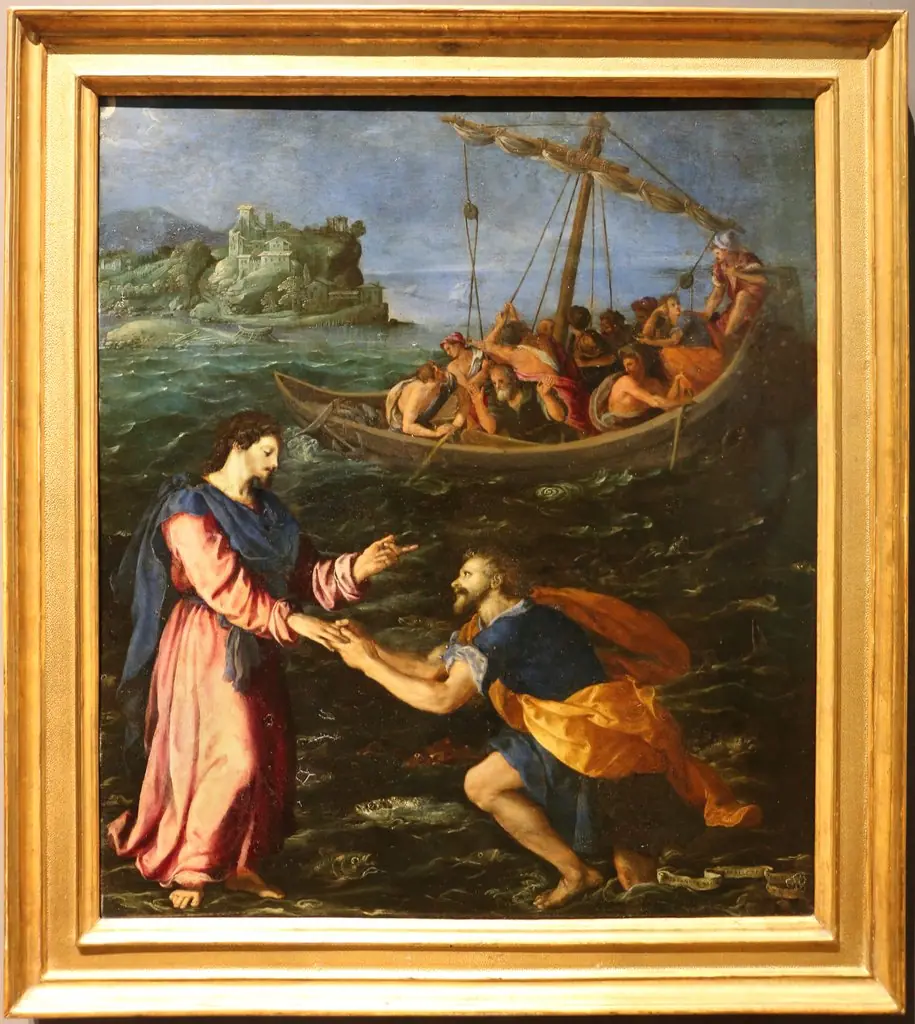 chiamata di san pietro che cammina sulle acque
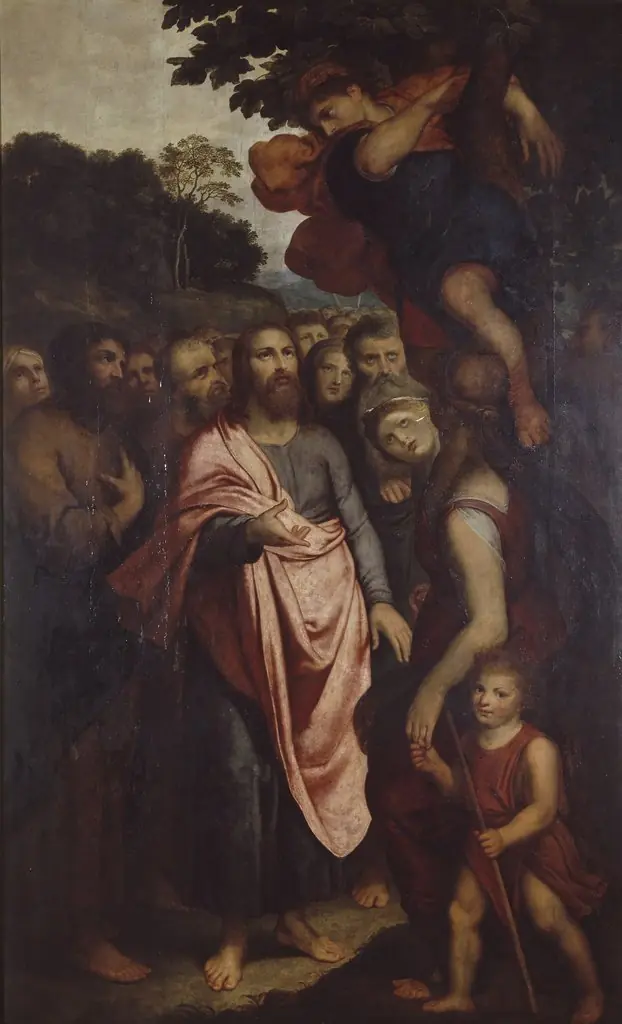 The Calling of Zacchaeus who is Sitting in a Fig Tree
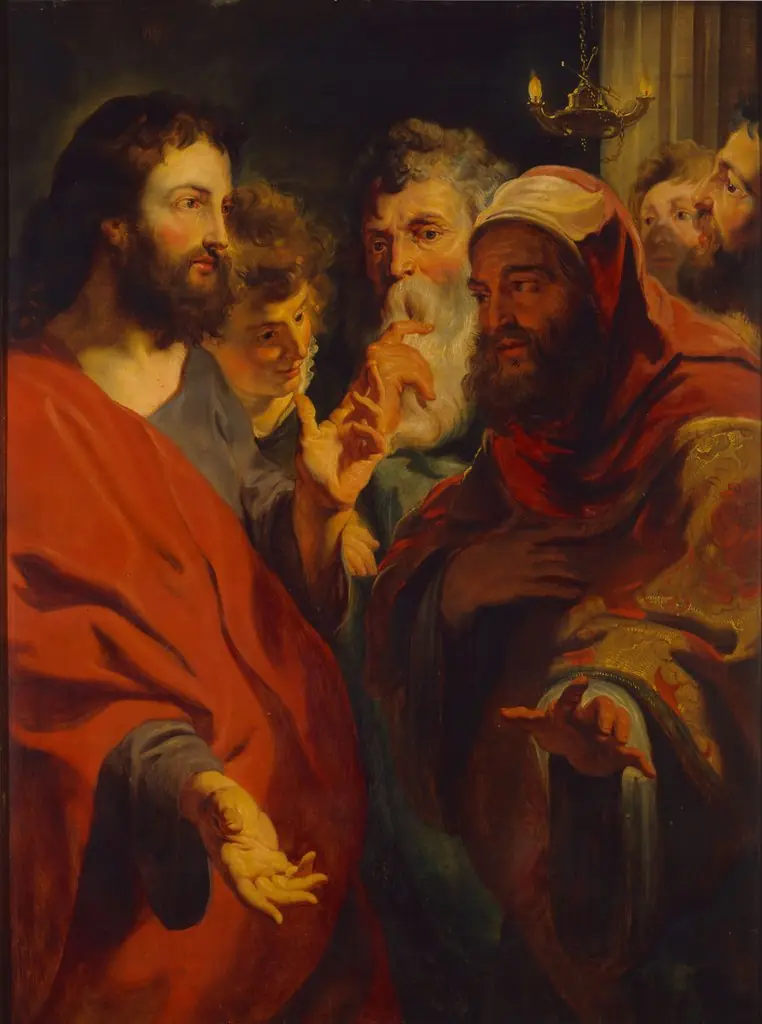 Christ instructing Nicodemus
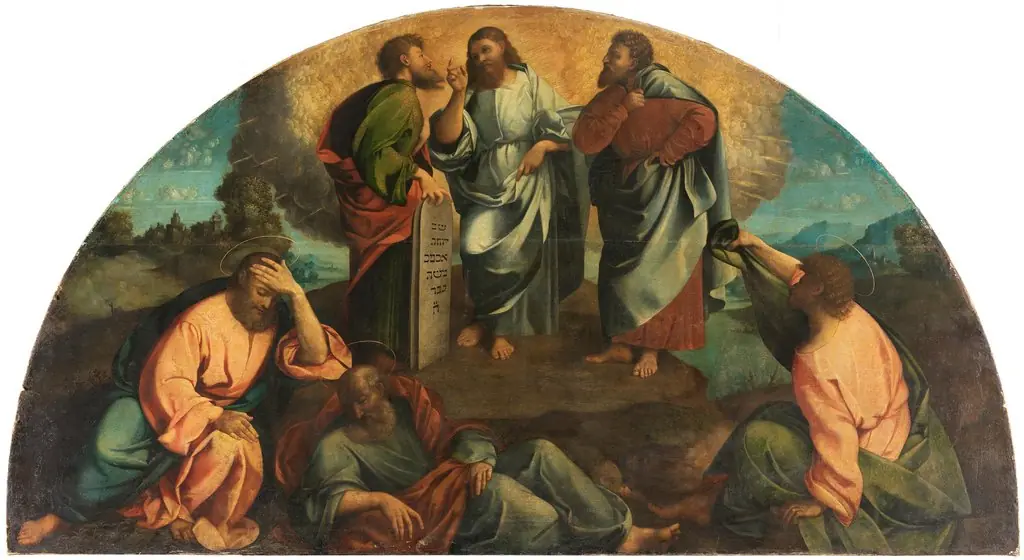 Transfiguration of Jesus (lunette)
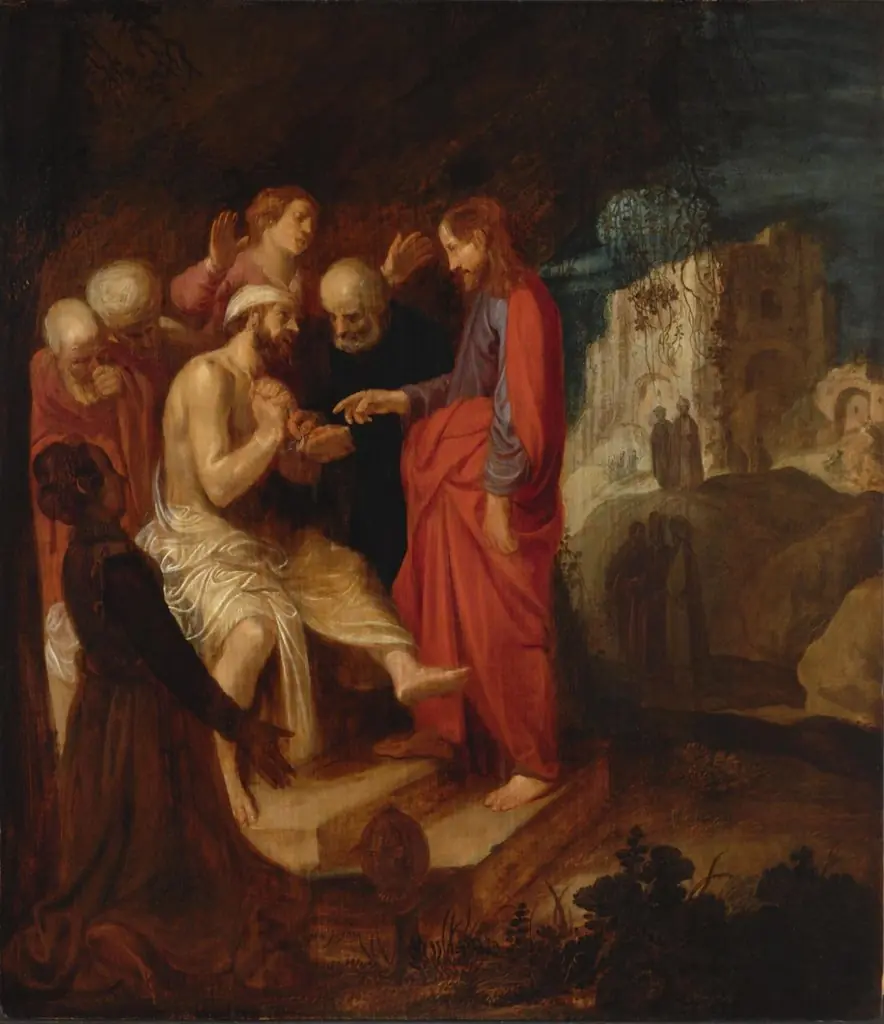 The Raising of Lazarus
 Die Versuchung Christi
 Jacob wrestling with the angel
 Christ Curing a Possessed Man
 "What is truth?" Christ and Pilate
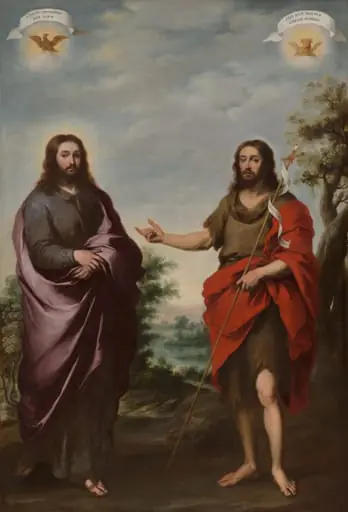 Ecce Agnus Dei
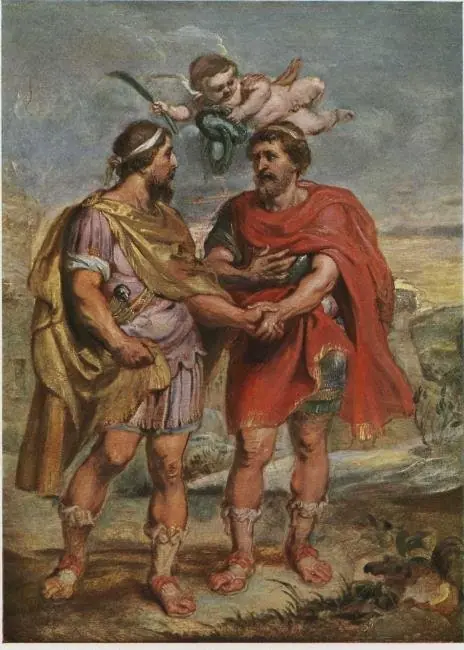 Romulus and Titus Tatius