Artwork
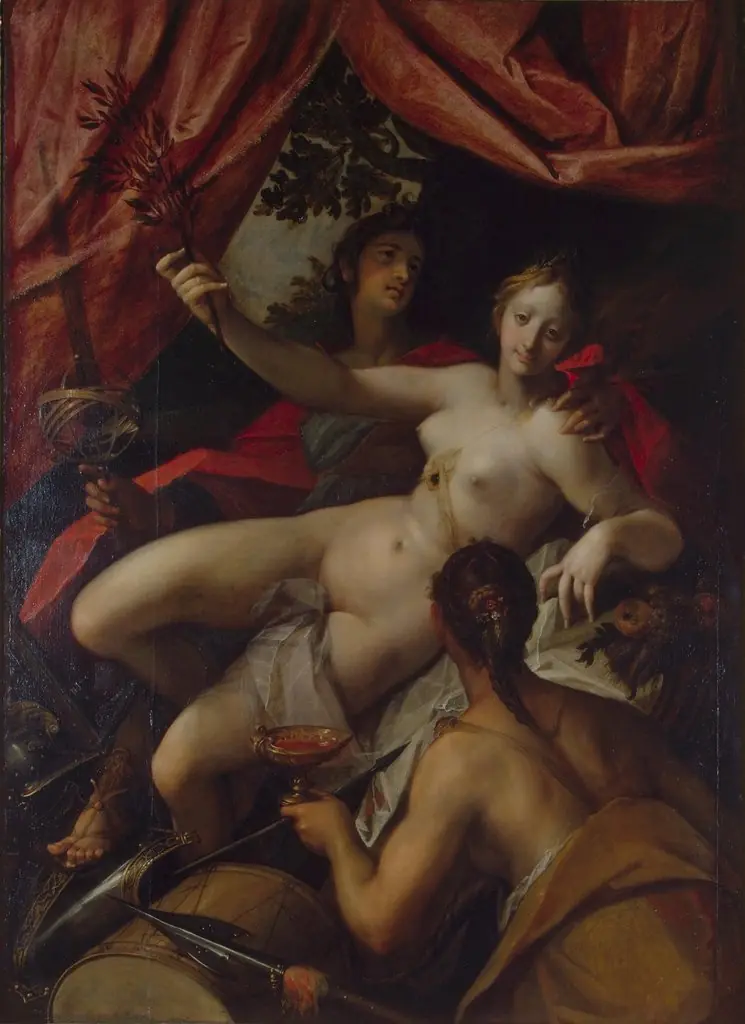
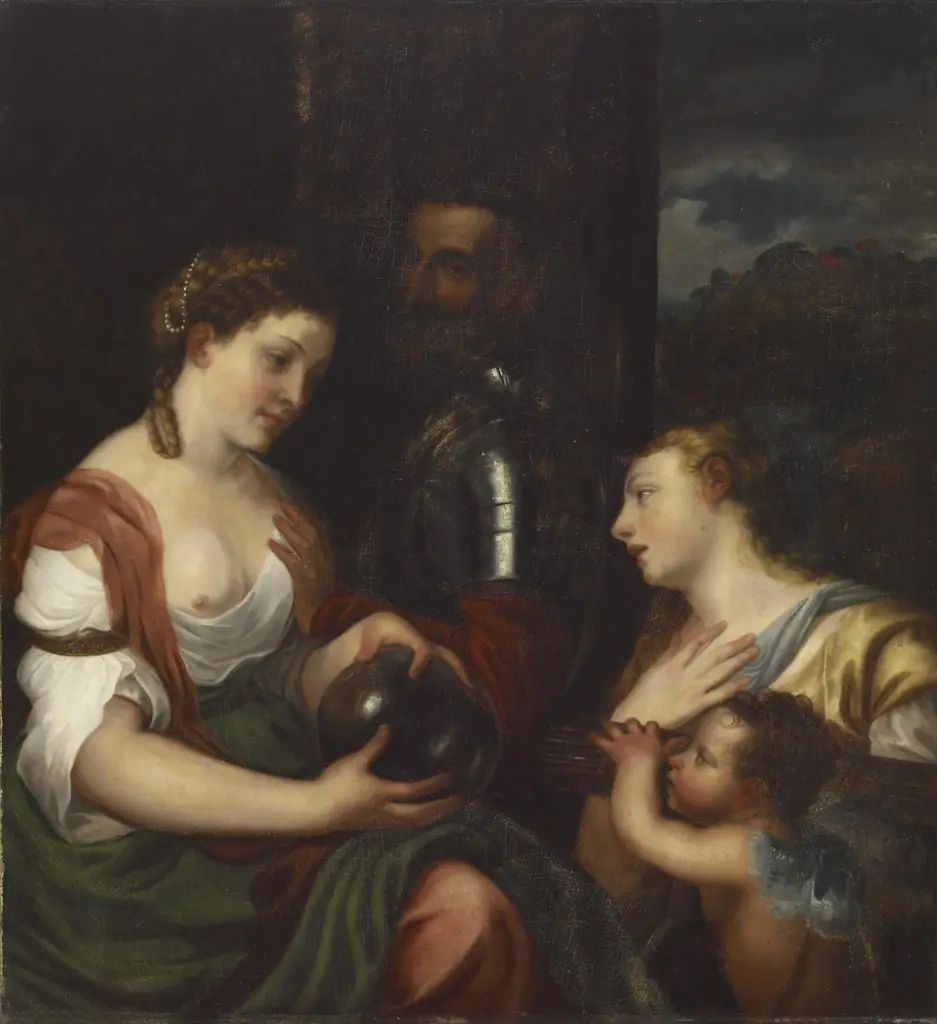
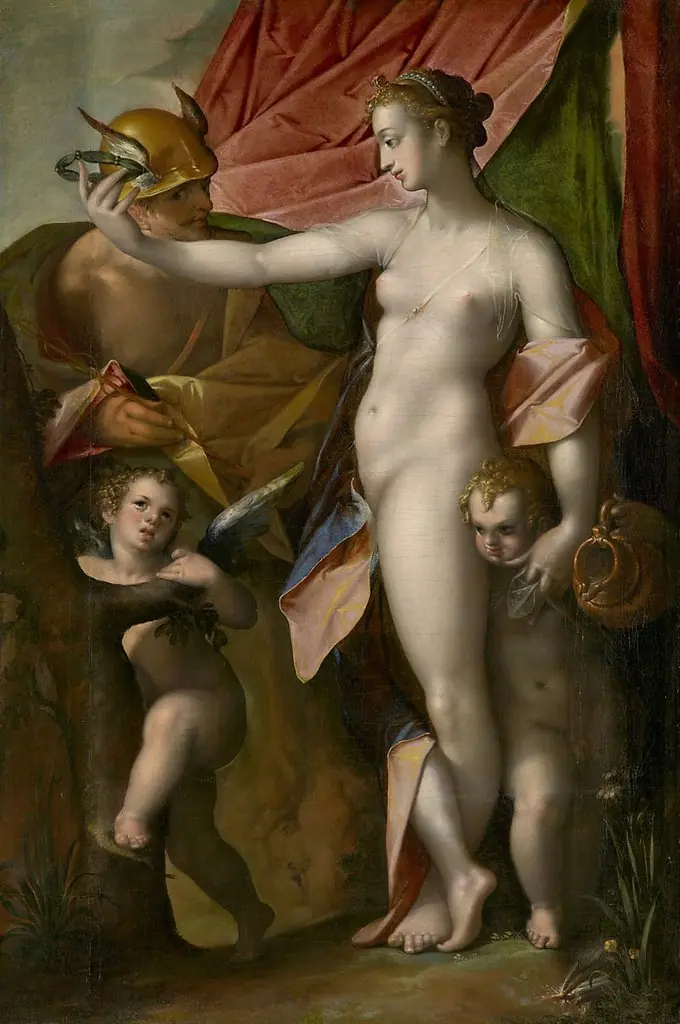
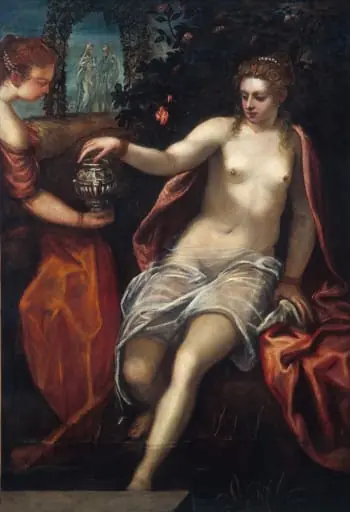
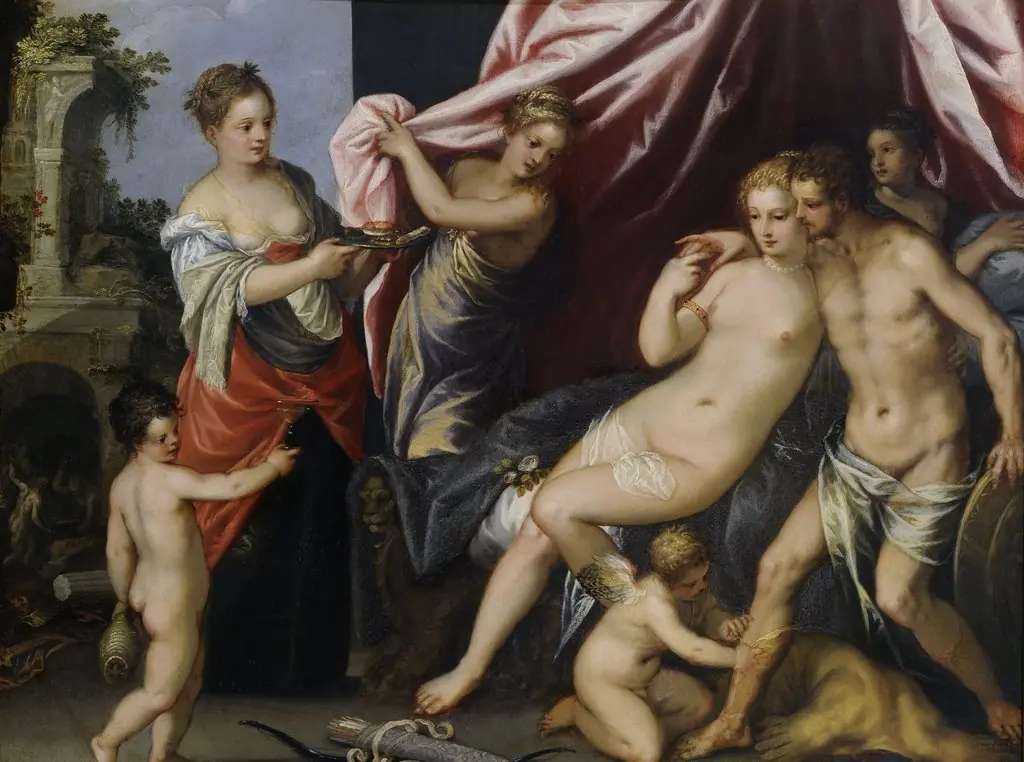
Pallas Athena, Venus and Juno
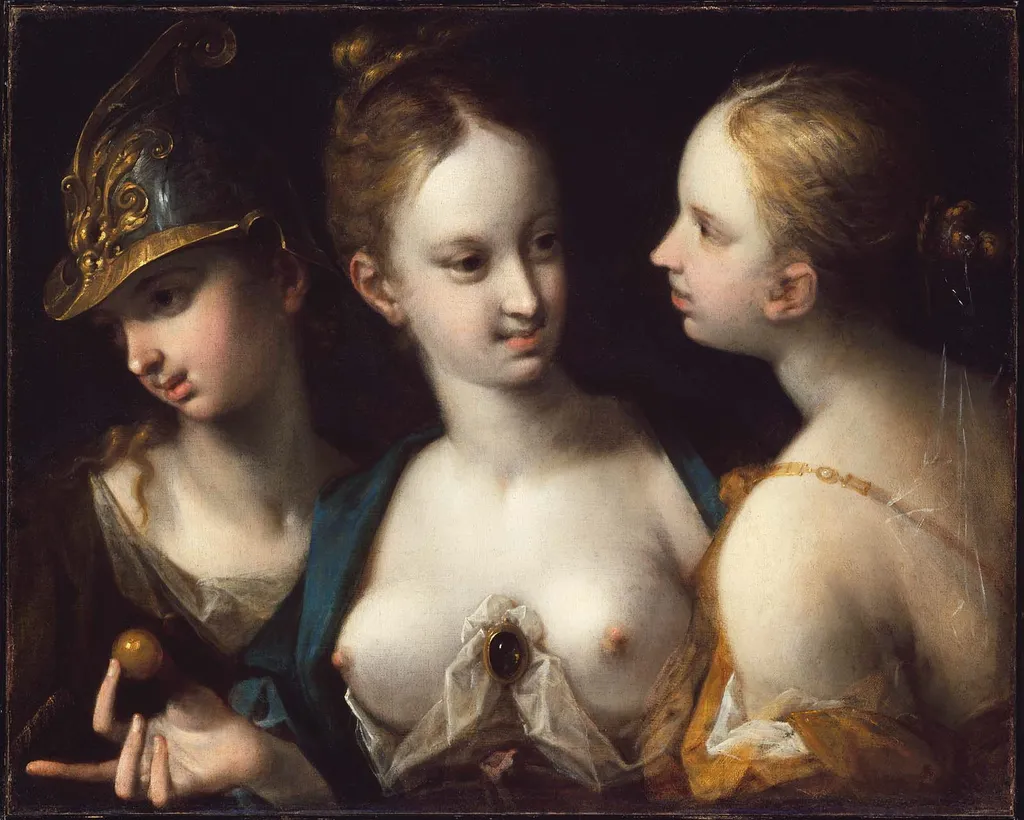
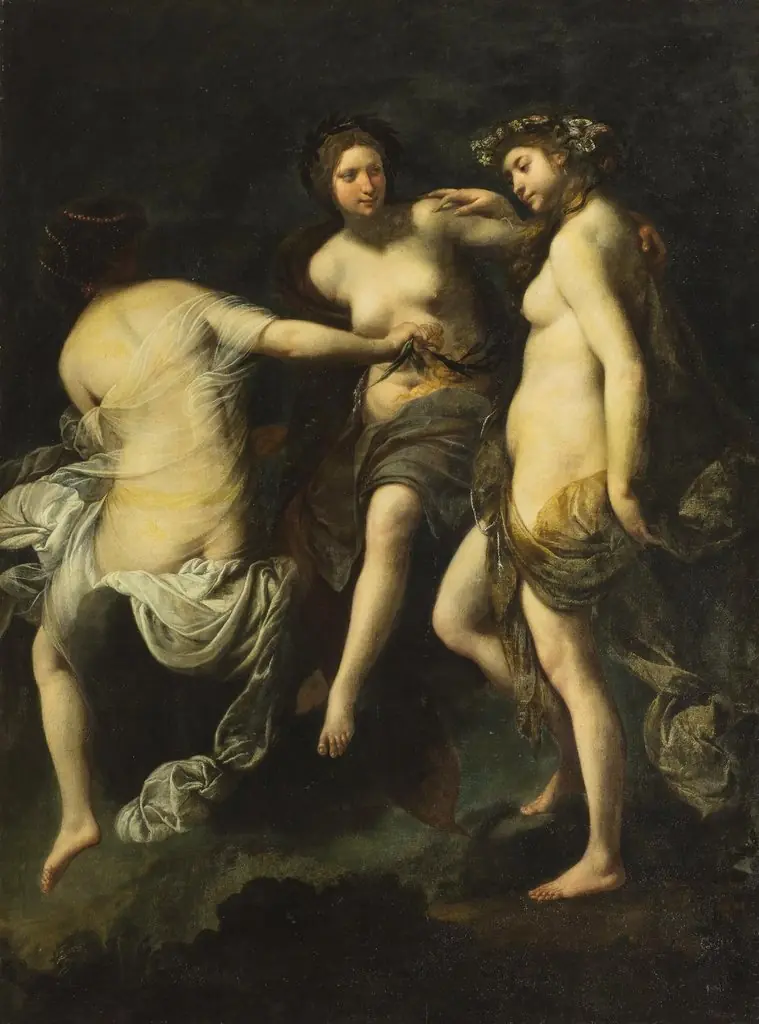
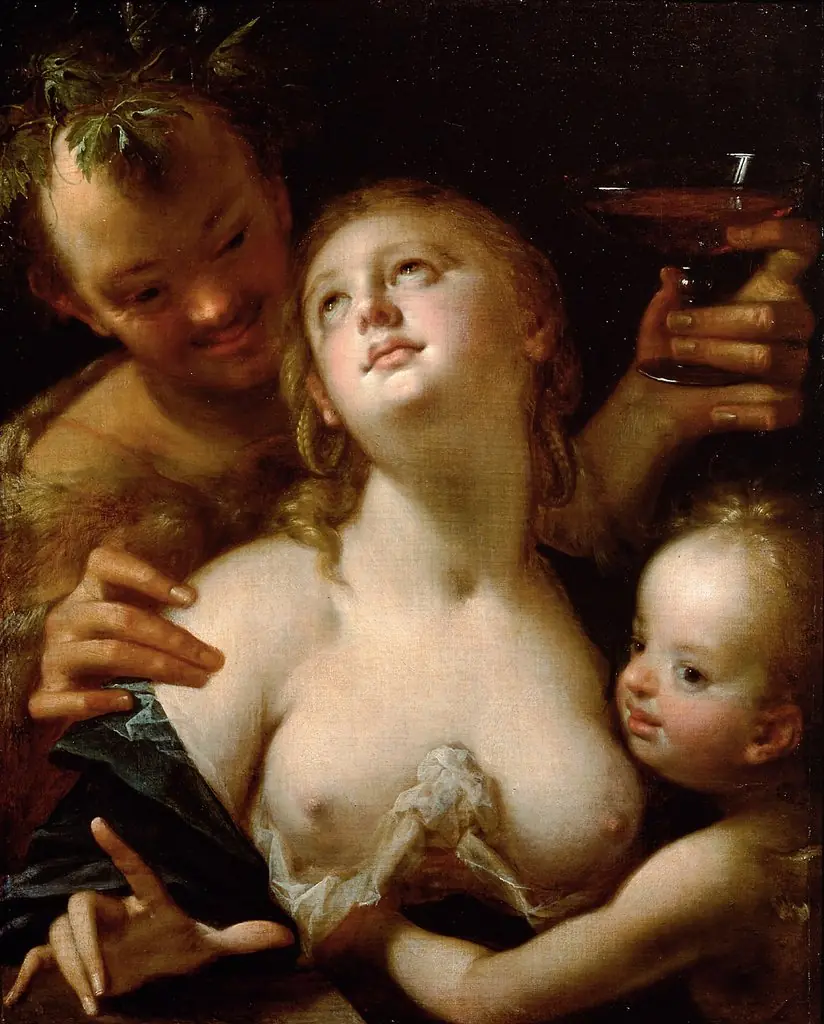
Pallas Athena, Venus and Juno is an oil painting by the Mannerist artist Hans von Aachen. It dates from 1597 and is held in the collection of the Museum of Fine Arts Boston.
About this work
Subject & Meaning
Created by Hans von Aachen in 1593, the work presents these three goddesses as its central subject.
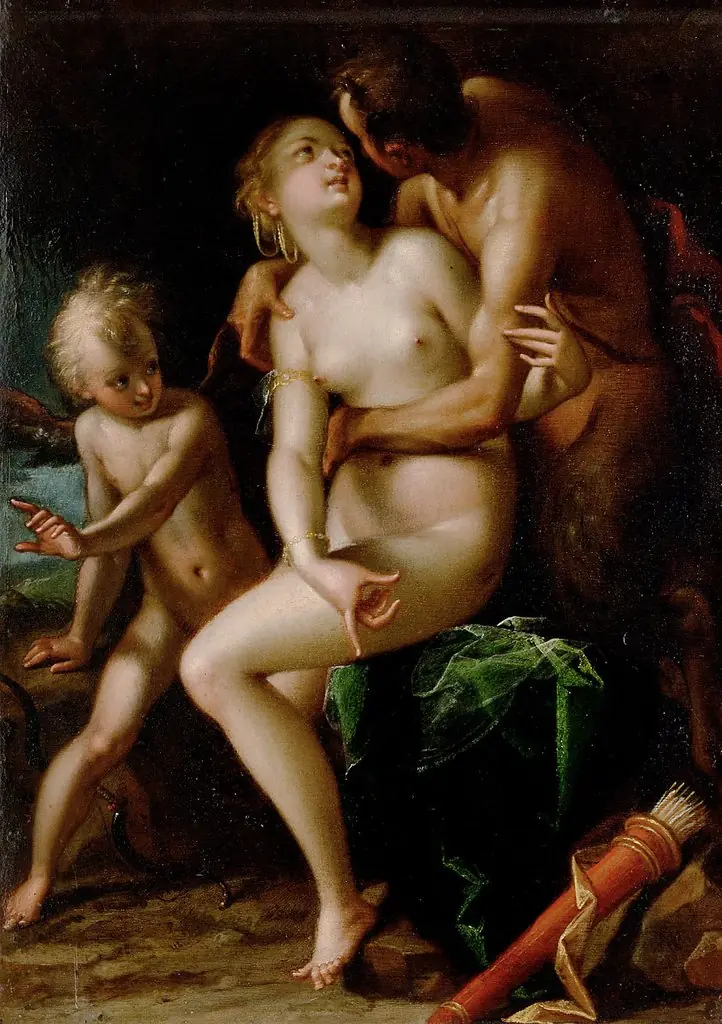
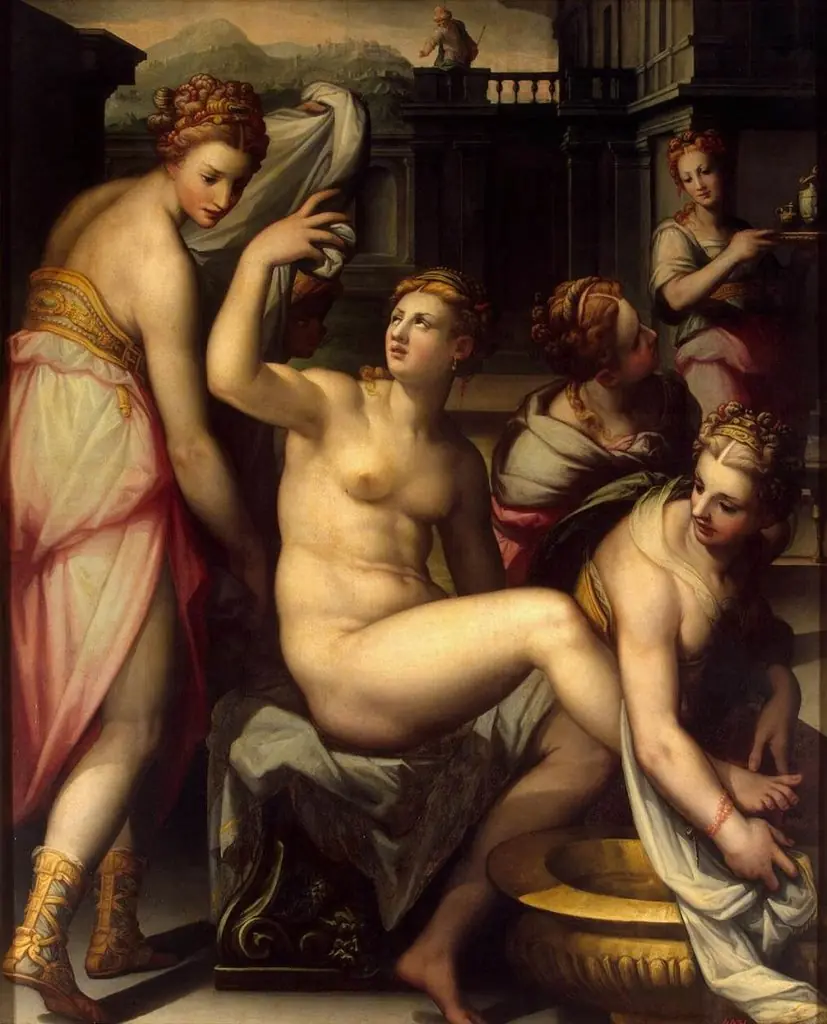
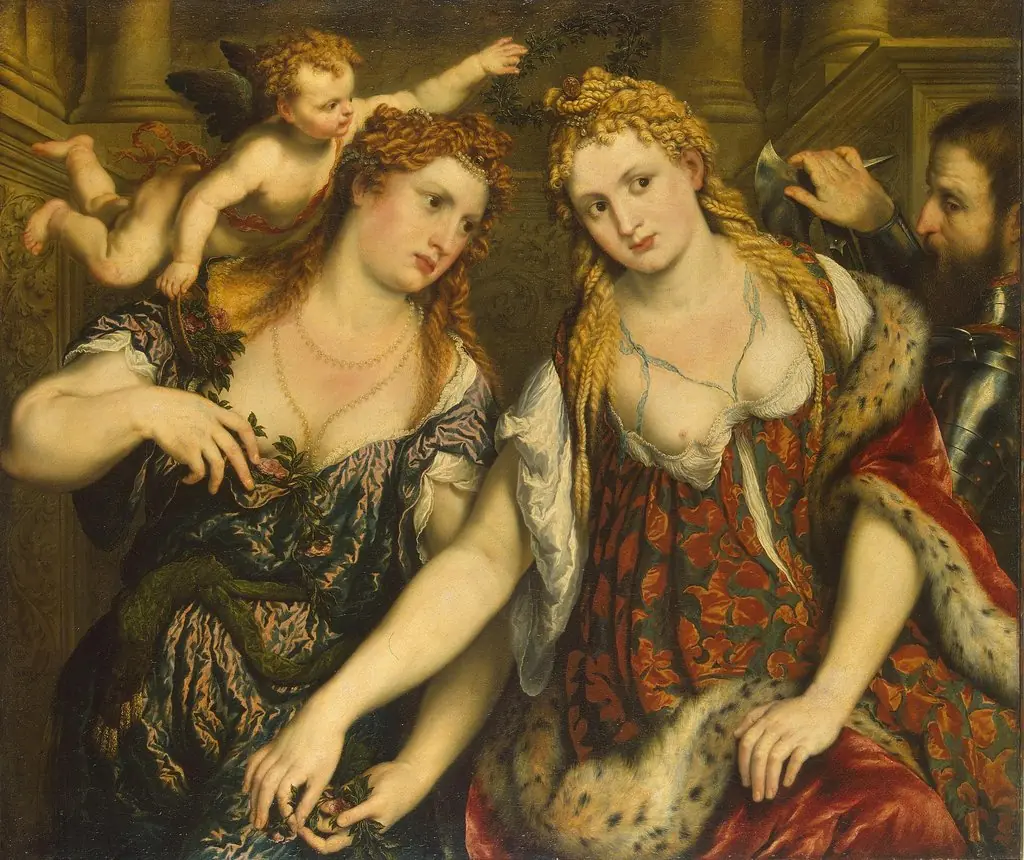
The painting depicts the mythological figures Venus, Athena, and Juno, drawn from Roman mythology. Created by Hans von Aachen in 1593, the work presents these three goddesses as its central subject. While the specific narrative interaction or symbolic arrangement of the figures is not detailed in the available records, the composition is firmly rooted in the genre of classical mythology, featuring the three major female deities of the Roman pantheon.
Technique & Style
Hans von Aachen's Pallas Athena, Venus and Juno is an oil painting executed on canvas in 1593. The work depicts figures from Roman mythology, specifically Venus, Athena, and Juno, rendered in the artist's characteristic style. The painting measures 54 cm in height and 67 cm in width.
As an oil-on-canvas piece, it reflects the material practices of late 16th-century European painting, utilizing traditional pigments and binding media to achieve its mythological narrative.
History & Provenance
Hans von Aachen executed the oil painting Pallas Athena, Venus and Juno in 1593. Created on canvas, the work depicts three figures from Roman mythology. The painting is currently held in the collection of the Museum of Fine Arts, Boston.
Overview
Hans von Aachen’s oil painting Pallas Athena, Venus and Juno (1597) presents three mythological goddesses grouped closely against a dark backdrop. The composition highlights the figures through dramatic lighting, giving each a sculptural presence. The work exemplifies the Northern Mannerist aesthetic that von Aachen cultivated while working for the Habsburg court, and it now belongs to the Museum of Fine Arts in Boston.
Context
In the late sixteenth century, Northern artists such as von Aachen adapted Italian Mannerist conventions to suit the tastes of Central European patrons. The work reflects the intellectual climate of Rudolf II’s court, which prized allegorical imagery and the revival of classical antiquity, merging scholarly interest with decorative appeal.
Own this work as a print
Artist & collection
Artist
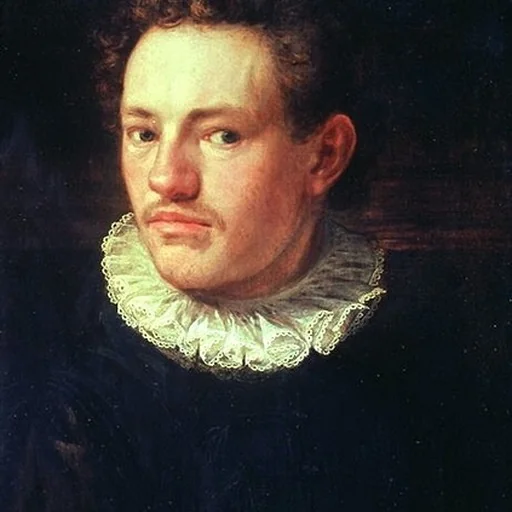
Hans von Aachen (1552 – 4 March 1615) was a German painter who was one of the leading representatives of Northern Mannerism.