Artwork
Déclaration
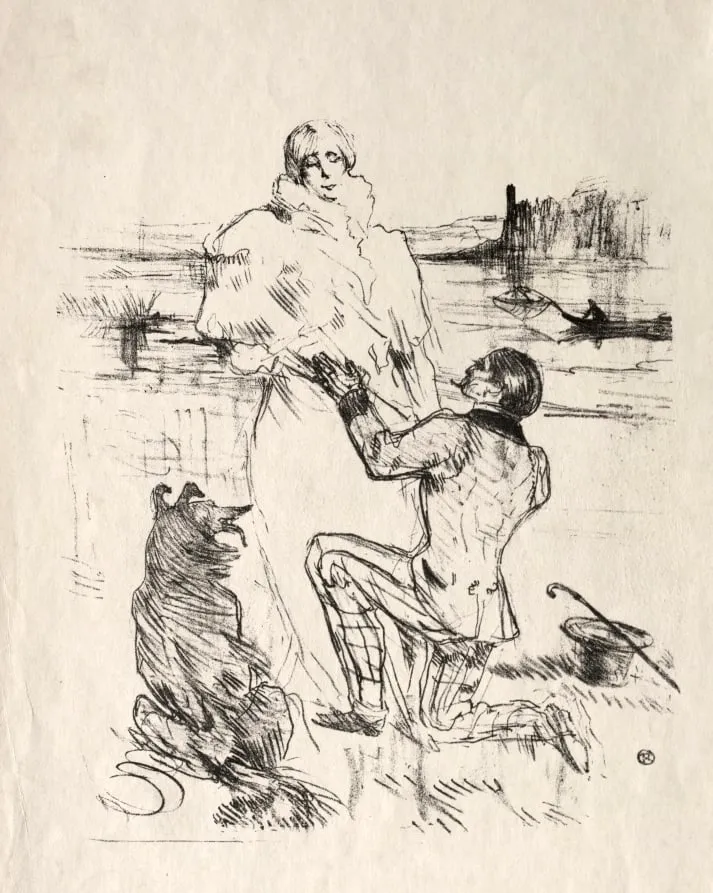
Déclaration is a print by Henri de Toulouse-Lautrec. It dates from 1900 and is held in the collection of the Cleveland Museum of Art.
- Accession no.
- 1950.340
- Credit line
- Dudley P. Allen Fund
About this work
Overview
Created in 1900, Déclaration is a lithograph by Henri de Toulouse-Lautrec, capturing a quiet, intimate moment amid the bustling energy of Parisian life.
Created in 1900, Déclaration is a lithograph by Henri de Toulouse-Lautrec, capturing a quiet, intimate moment amid the bustling energy of Parisian life. Though born into nobility, Toulouse-Lautrec immersed himself in the city’s underbelly, documenting its performers, patrons, and private gestures. This work stands apart from his more theatrical posters, offering a tender, unguarded scene rendered with immediacy and restraint.
Subject & Meaning
The image depicts a man kneeling before a woman, his hands clasped in hers, as she stands wrapped in a heavy coat. A dog rests nearby, and a discarded hat lies at their feet, suggesting a pause in motion or a moment of decision. The river and distant boats in the background imply a riverside setting, perhaps the Seine, reinforcing the sense of a fleeting, private encounter. The scene evokes vulnerability and unspoken emotion rather than public spectacle.
Technique & Style
Toulouse-Lautrec employed rapid, expressive linework typical of his graphic style, using lithographic stone to achieve a sketchlike quality. The rough, uneven contours and sparse shading convey movement and emotional tension without detail. The background is deliberately muted, allowing the figures to dominate. The composition feels unplanned, as if drawn from life in real time, emphasizing spontaneity over polish.
History & Provenance
Executed in the final year of Toulouse-Lautrec’s life, Déclaration belongs to a series of intimate drawings and prints made during his time in Paris and the surrounding regions. It was likely produced for personal or limited circulation, not commercial display. The work entered the collection of The Cleveland Museum of Art in the 20th century, where it remains as part of their holdings of late 19th-century French graphic art.
Context
In 1900, Paris was a city of contrasts, industrial growth alongside lingering bohemian traditions. Toulouse-Lautrec, increasingly isolated by illness, turned from nightlife posters to quieter observations of human connection. Déclaration reflects this shift: away from the cabaret’s glare toward solitary, unperformed moments. The work aligns with broader fin-de-siècle interests in psychological realism and the dignity of ordinary gestures.
Legacy
Though less known than his posters, Déclaration exemplifies Toulouse-Lautrec’s ability to convey emotional depth through minimal means. Its influence is seen in later 20th-century graphic artists who valued immediacy and psychological nuance over grand narrative. The print endures as a quiet testament to his capacity to find humanity in the margins of urban life, beyond the stage lights and applause.
Artist & collection
Artist
Comte Henri Marie Raymond de Toulouse-Lautrec-Montfa (24 November 1864 – 9 September 1901), known as Toulouse-Lautrec (French: ), was a French painter, printmaker, draughtsman, caricaturist, and illustrator.

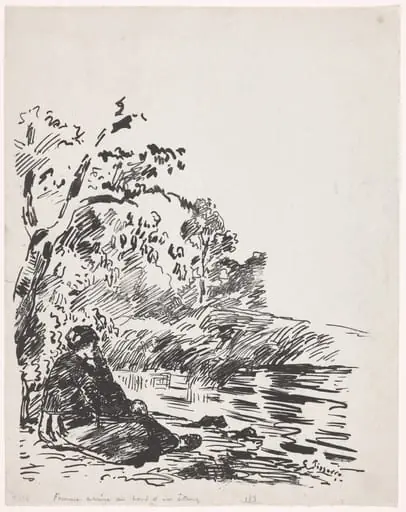
- Woman Sitting by a Pond
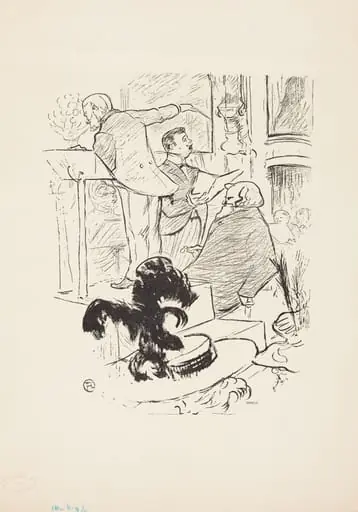 Les grands concerts de l'opera
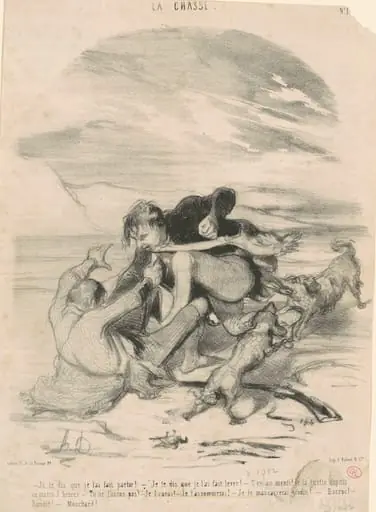 Je te dis que je l'ai fait partir
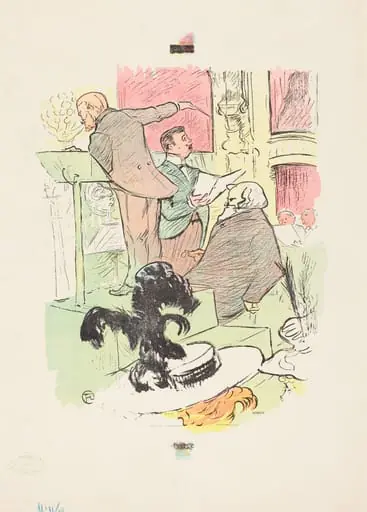 Les grands concerts de l'opera
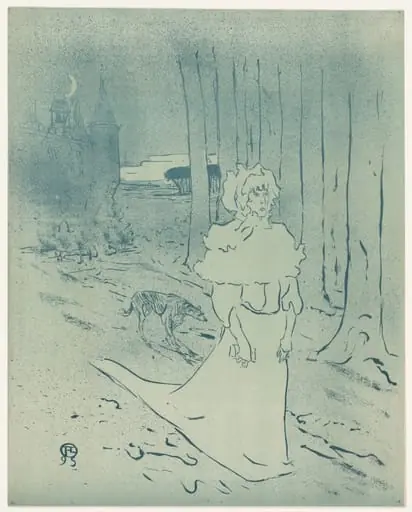 The Chatelaine or the Tocsin
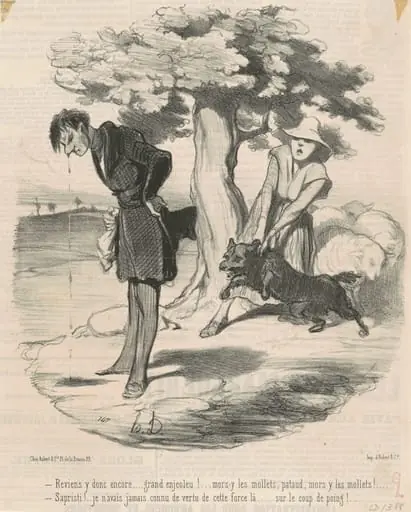 Reviens y donc encore ... grand enjeoleu! ...
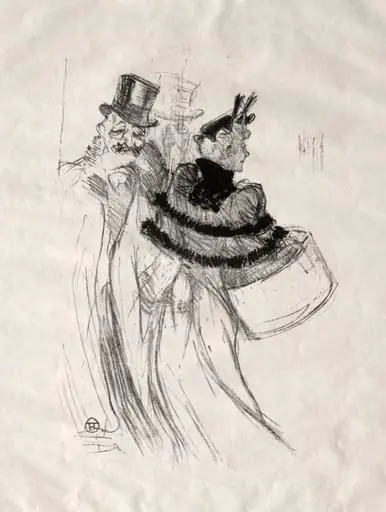 The Old Gentlemen
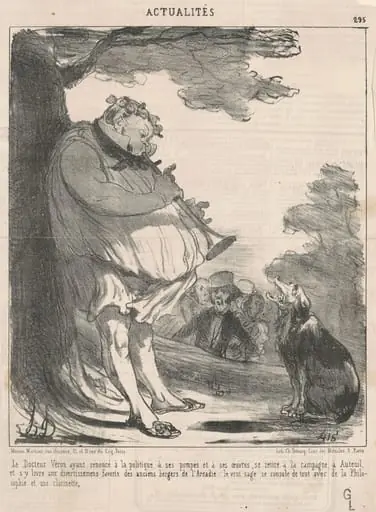 Le docteur Véron ... a Auteuil ...
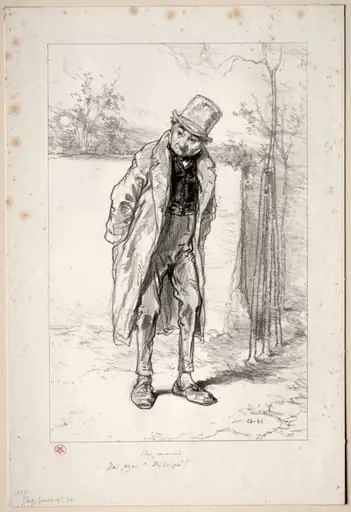 Physionomies Parisiennes: Au Marais. Ici, Azor! ici!
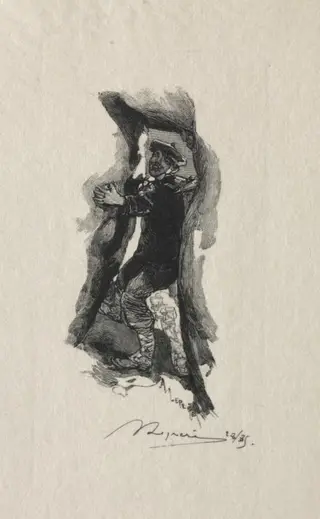 Au defile de Sept-Cavernes
 Le Promenade du convalescent
 Bohèmes