Artwork
Dance (I)
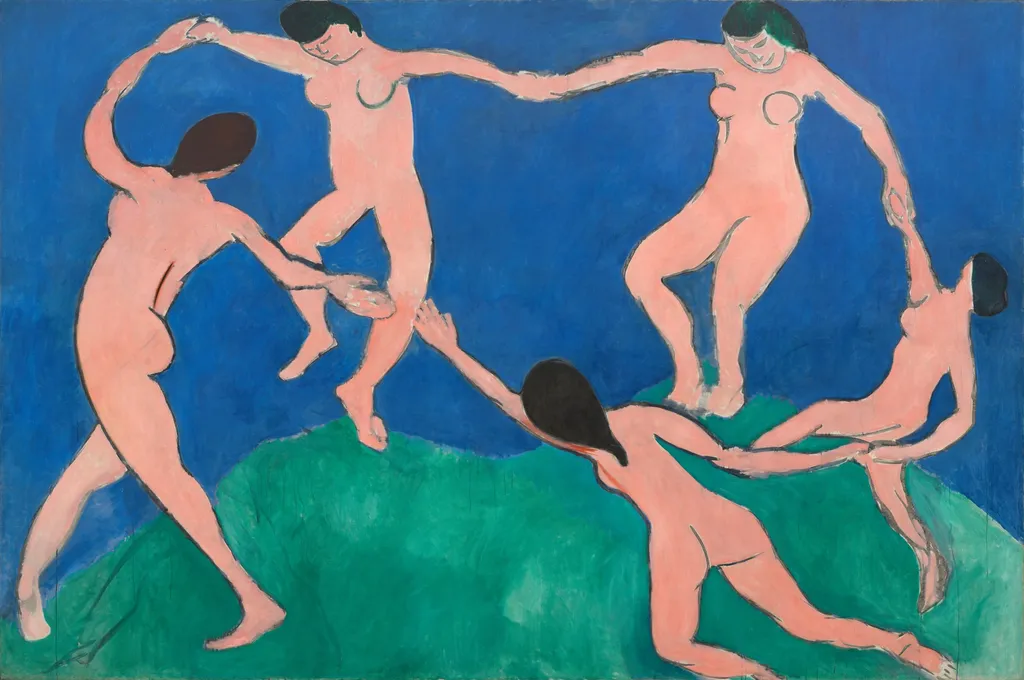
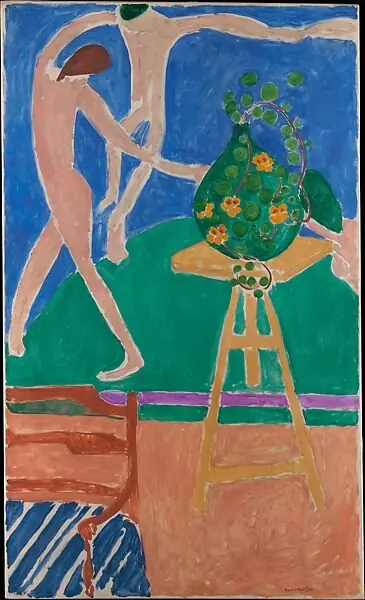
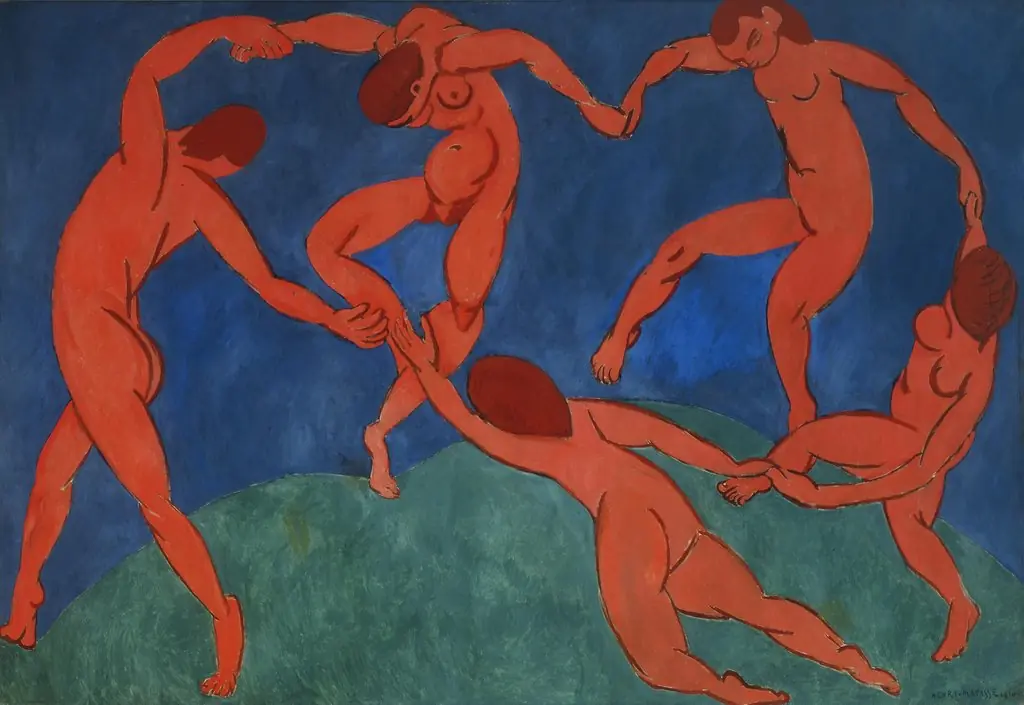
Dance (I) is an oil painting by the Fauvist artist Henri Matisse. It dates from 1909 and is held in the collection of the Museum of Modern Art.
About this work
Overview
Created in 1909, Dance (I) is an oil painting by Henri Matisse that belongs to the Museum of Modern Art’s collection. The work exemplifies the Fauvist emphasis on vivid, non‑naturalistic color and a liberated compositional rhythm, presenting a scene that is both immediate and abstracted.
Subject & Meaning
The canvas depicts five nude figures, each with dark hair, arranged in a circular motion that suggests a communal dance. Set against a stark blue sky and a muted green hill, the composition conveys a sense of collective joy and kinetic energy, emphasizing movement over individual detail.
Technique & Style
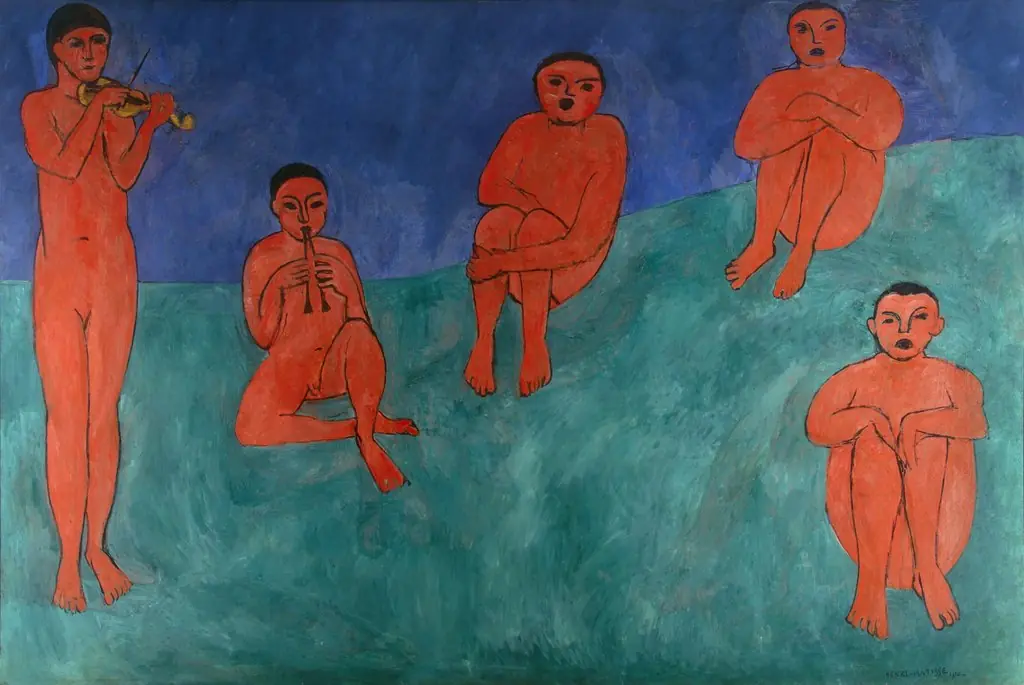
Matisse employs broad, unmodulated areas of color and bold outlines to reduce the bodies to essential forms. The simplified rendering strips away anatomical precision, focusing instead on the flow of line and the interplay of contrasting hues, hallmarks of his Fauvist approach.
History & Provenance
After its completion, the painting entered the collection of the Museum of Modern Art, where it remains on display. Its acquisition reflects MoMA’s early 20th‑century commitment to showcasing avant‑garde European art.
Context
Dance (I) was produced during a period when Matisse was exploring the expressive potential of color and form, parallel to his contemporaries in the Fauvist movement. The work anticipates later modernist investigations into abstraction and the reduction of subject to pure visual rhythm.
Artist & collection
Artist
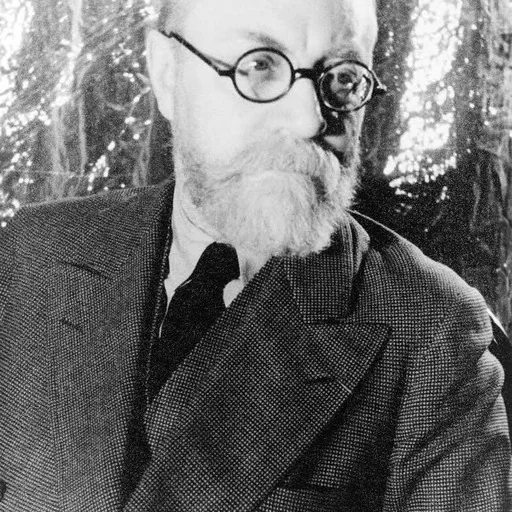
Henri Émile Benoît Matisse (French:; 31 December 1869 – 3 November 1954) was a French visual artist, known for both his use of colour and his fluid and original draughtsmanship.