Artwork
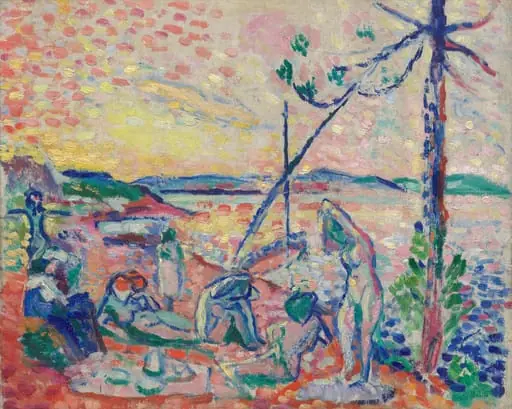
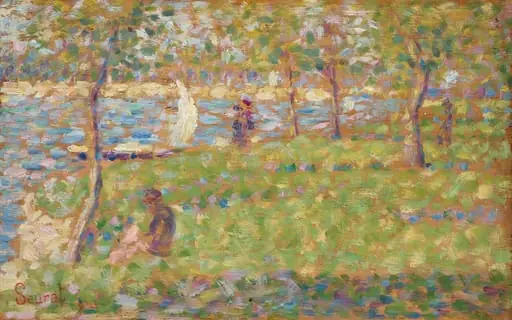
Study for "Luxe calme et volupté"
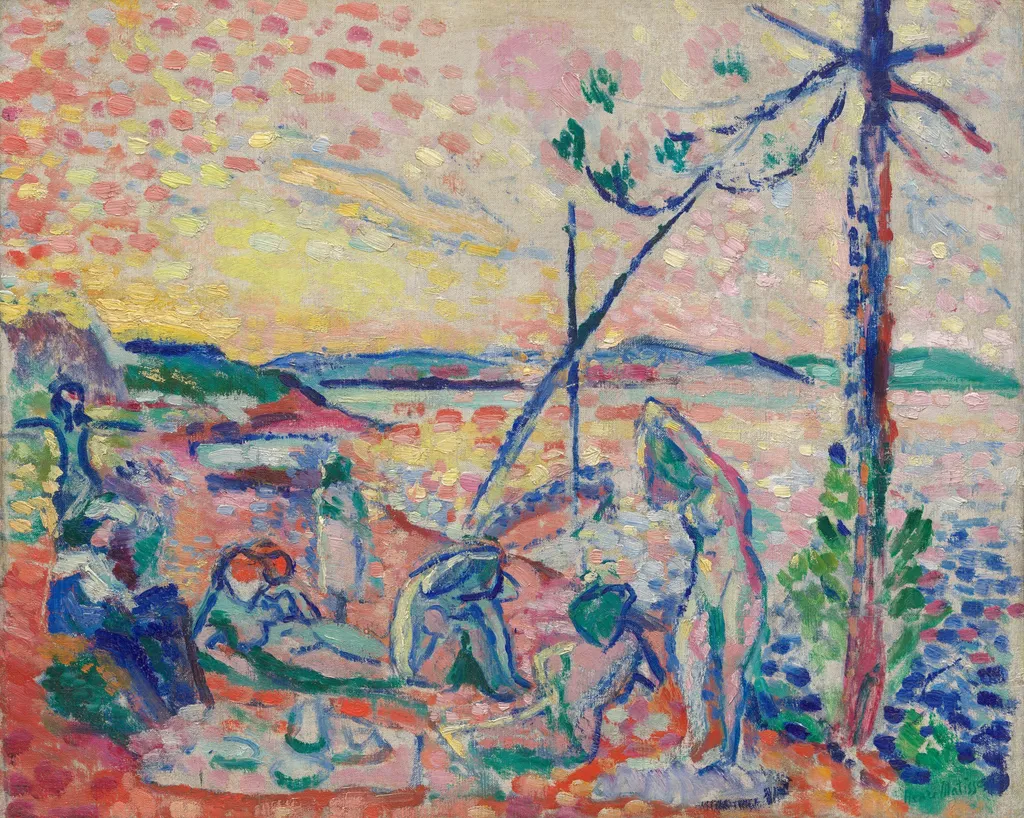
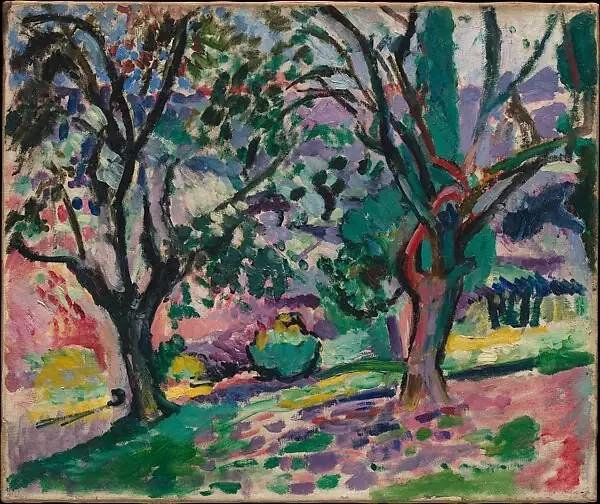
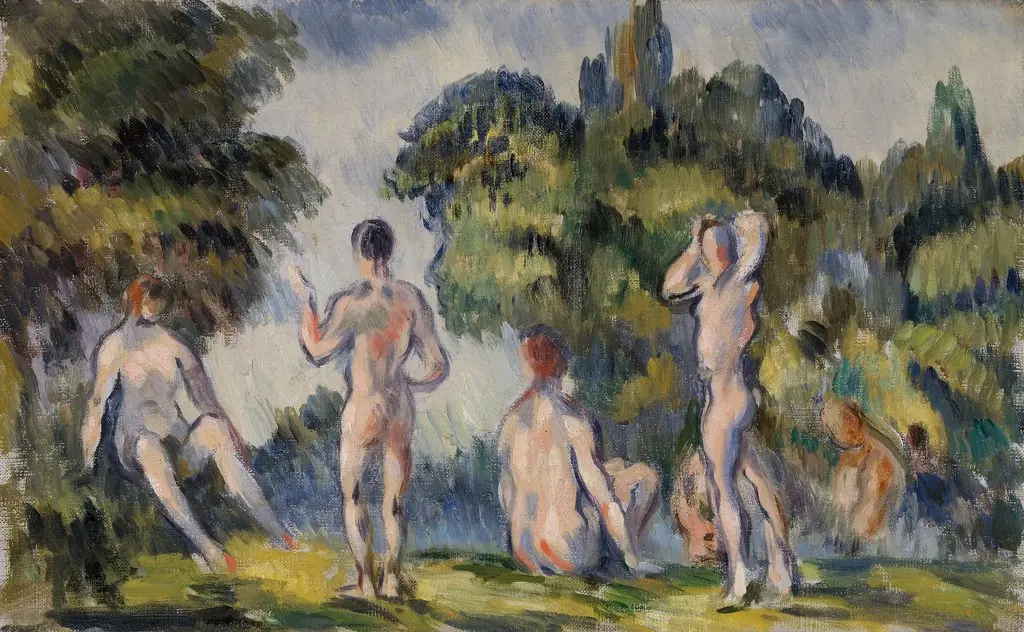
Study for "Luxe calme et volupté" is an oil painting by the Neo-Impressionist artist Henri Matisse. It dates from 1904 and is held in the collection of the Museum of Modern Art.
About this work
This painting is titled "Study for Luxe calme et volupté" by Henri Matisse. It's from 1904, made with oil paint. The Museum of Modern Art holds this work, which is a study for a larger piece, indicating it's a preliminary work.
This study likely helped Matisse plan and refine his ideas. You can learn more about the artist's style and other works at the Museum of Modern Art.
Overview
Created in 1904, this oil painting serves as a preparatory study for Henri Matisse’s larger composition titled Luxe calme et volupté. Executed on canvas, the work is part of the Museum of Modern Art’s collection and illustrates Matisse’s investigative process in shaping the final piece, offering insight into his compositional planning during an early phase of his career.
Subject & Meaning
The scene gathers Matisse’s wife, Amélie Parayre, and their son, Pierre, on the sun‑lit shores of Saint‑Tropez, accompanied by a solitary bather. The inclusion of family members within a leisure setting reflects a personal intimacy while also engaging with contemporary ideals of relaxed, affluent recreation that the title suggests.
Technique & Style
Executed in the Neo‑Impressionist mode that Matisse explored at the time, the study employs loose brushwork and a luminous palette to suggest light and atmosphere rather than detailed rendering. The oil medium allows for subtle color modulation, hinting at the vibrant, decorative surface that would characterize the finished composition.
History & Provenance
After its completion, the study entered the collection of the Museum of Modern Art, where it has remained on display. Its presence in a major public institution underscores its value as a document of Matisse’s developmental process and as a reference point for scholars tracing his early modernist experiments.
Context
During the early 1900s, Matisse was actively engaging with Neo‑Impressionist techniques alongside peers such as Pablo Picasso, contributing to the broader shift toward modernist abstraction. This work exemplifies his transitional phase, where color, light, and compositional experimentation laid groundwork for the more radical developments that would follow.
Artist & collection
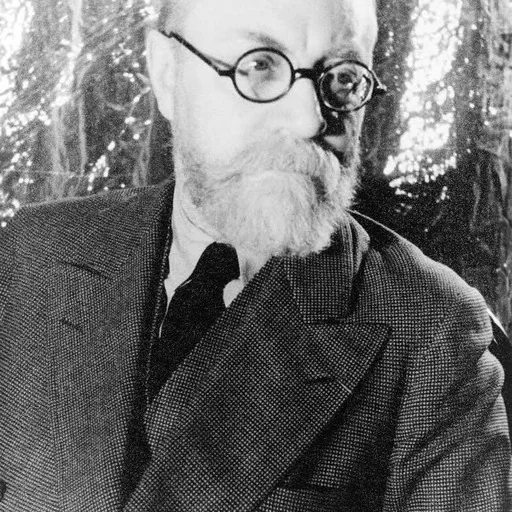
Artist
Henri Émile Benoît Matisse (French:; 31 December 1869 – 3 November 1954) was a French visual artist, known for both his use of colour and his fluid and original draughtsmanship.