Artwork
The Plum Blossoms
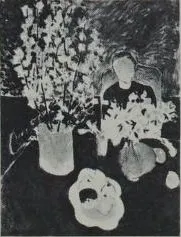
The Plum Blossoms is an oil painting by the Post-Impressionist artist Henri Matisse. It dates from 1948 and is held in the collection of the Museum of Modern Art.
About this work
MoMA acquired it as a representative piece from Matisse’s later period, showing his continued exploration of color and form.
The Plum Blossoms is a 1948 oil painting by French artist Henri Matisse. It was created toward the end of his long career, when he was already an established figure in modern art.
The work is part of the collection at the Museum of Modern Art in New York. MoMA acquired it as a representative piece from Matisse’s later period, showing his continued exploration of color and form.
If you’re curious about where you can see it, check out the museum: Museum of Modern Art.
Overview
The Plum Blossoms is an oil-on-canvas painting created by Henri Matisse in 1948. It exemplifies the artist's late-period work, characterized by vibrant color and simplified forms.
Technique & Style
Matisse's use of oil paint in The Plum Blossoms showcases his bold and fluid style, reflecting his ongoing exploration of color and form.
History & Provenance
The painting is part of the Museum of Modern Art's collection in New York, acquired as a representative work from Matisse's later career.
Context
The Plum Blossoms is a still life that aligns with Matisse's contributions to modern art and the post-Impressionist movement, alongside artists like Pablo Picasso.
Artist & collection
Artist
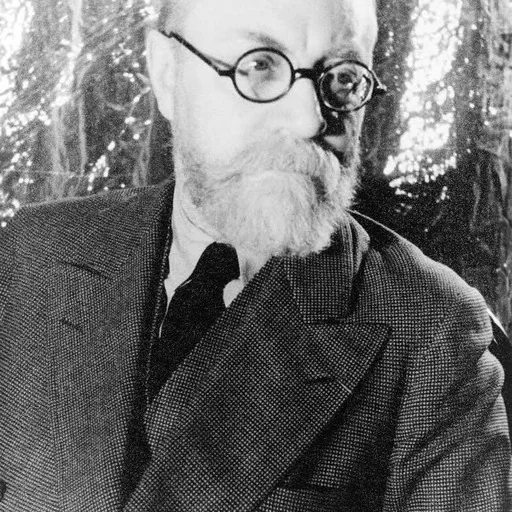
Henri Émile Benoît Matisse (French:; 31 December 1869 – 3 November 1954) was a French visual artist, known for both his use of colour and his fluid and original draughtsmanship.

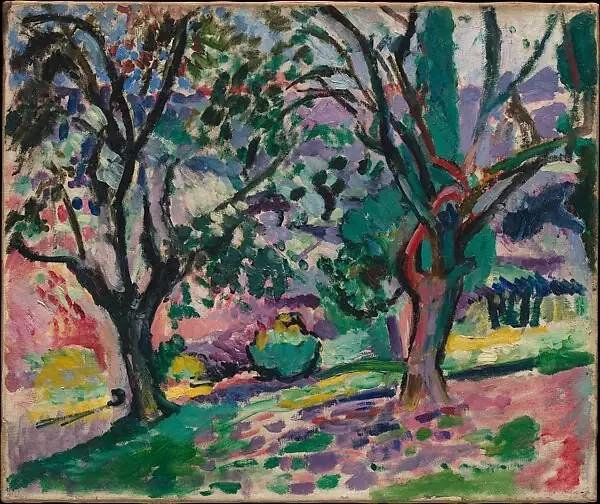
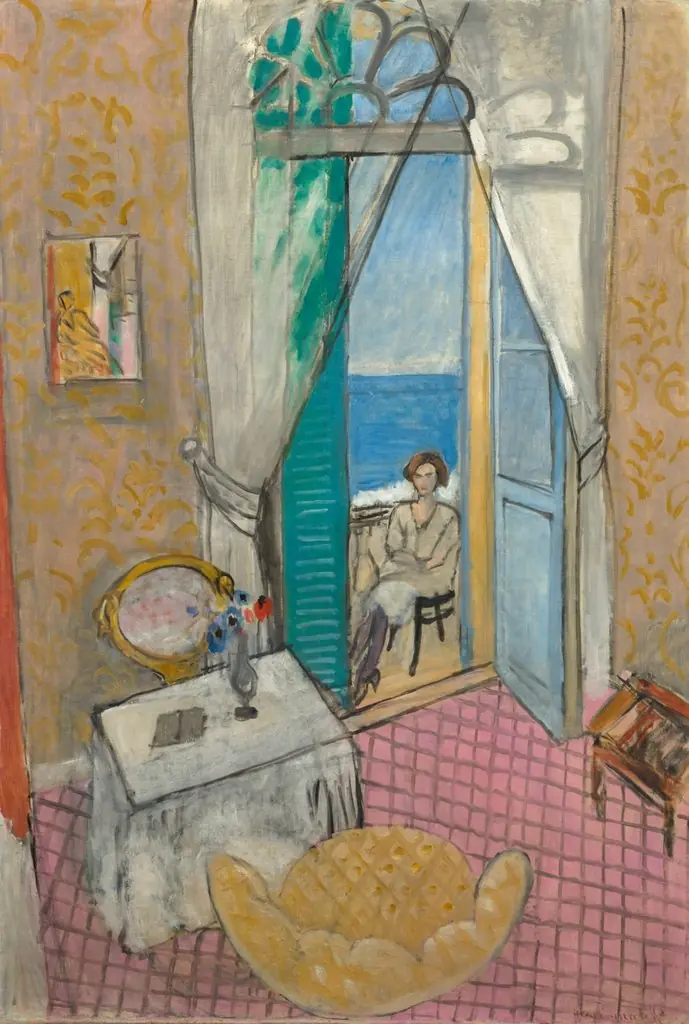
 Lilacs
 Branche de lierre
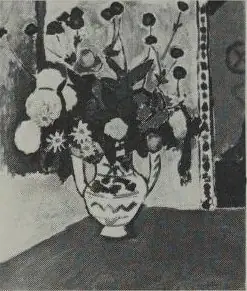 Bouquet (Vase with Two Handles)
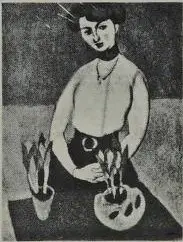 Girl with Tulips
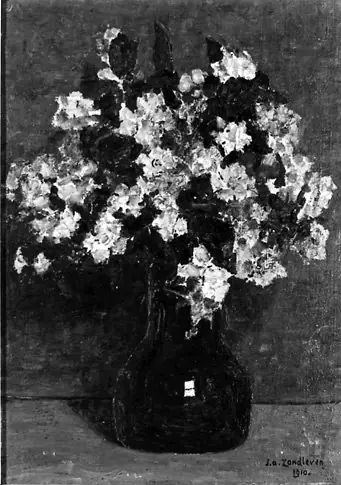 Bloemen in fles
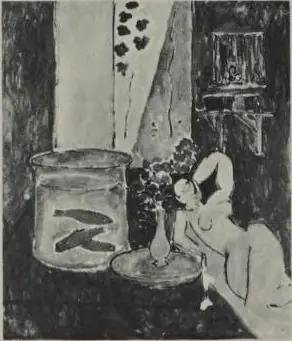 Goldfish and Sculpture
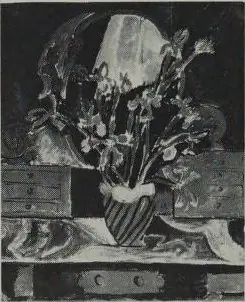 Vase of Irises
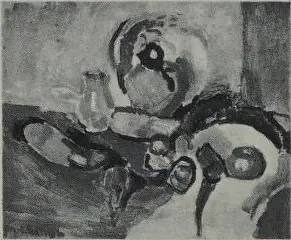 Still Life with Vegetables
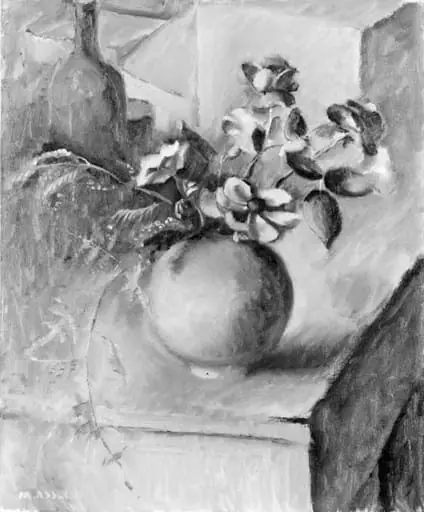
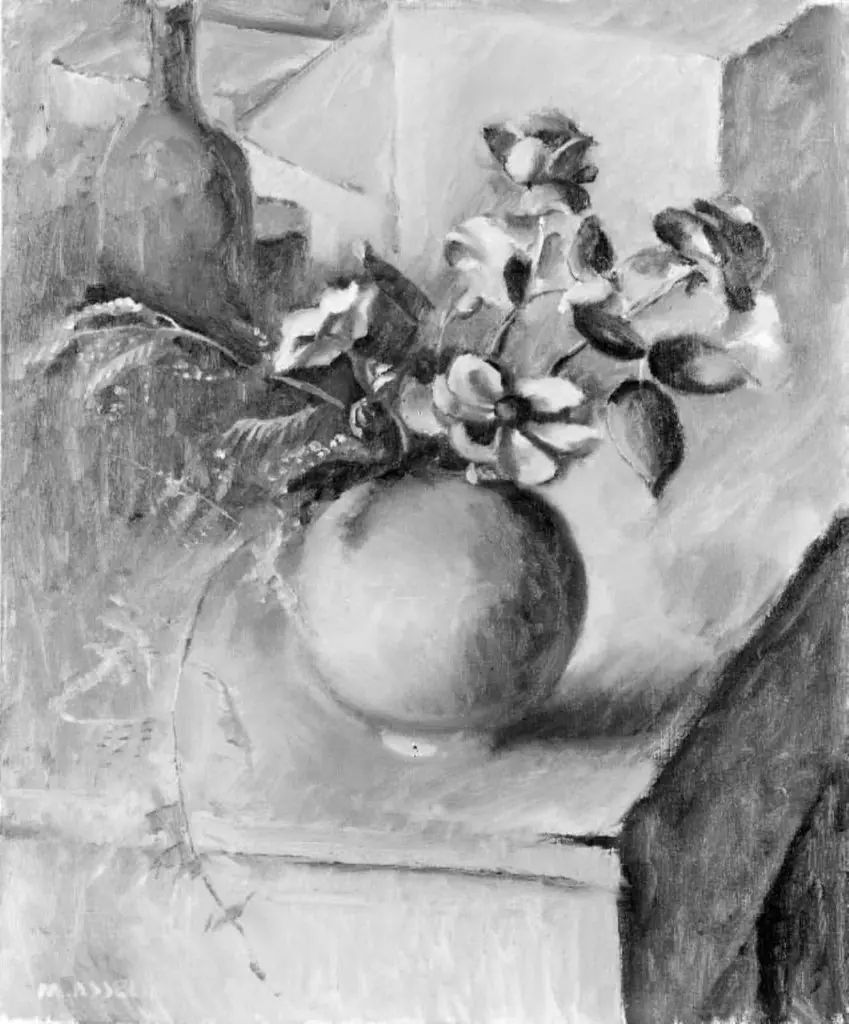 Windflowers
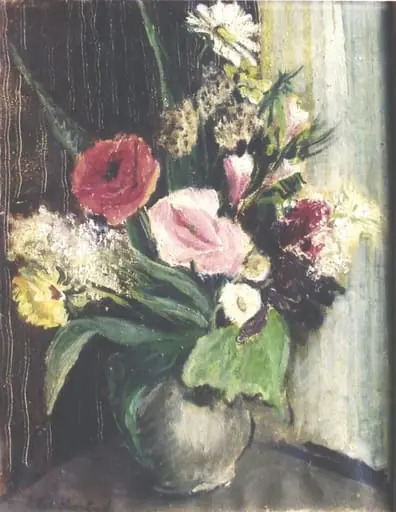 Natură statică cu flori
 Les Bretonneries: Breton Women Making Haystacks (Bretonnes Faisant les Foins) and Wedding in Brittany (La Noce en Bretange)
 Windflowers