Artwork
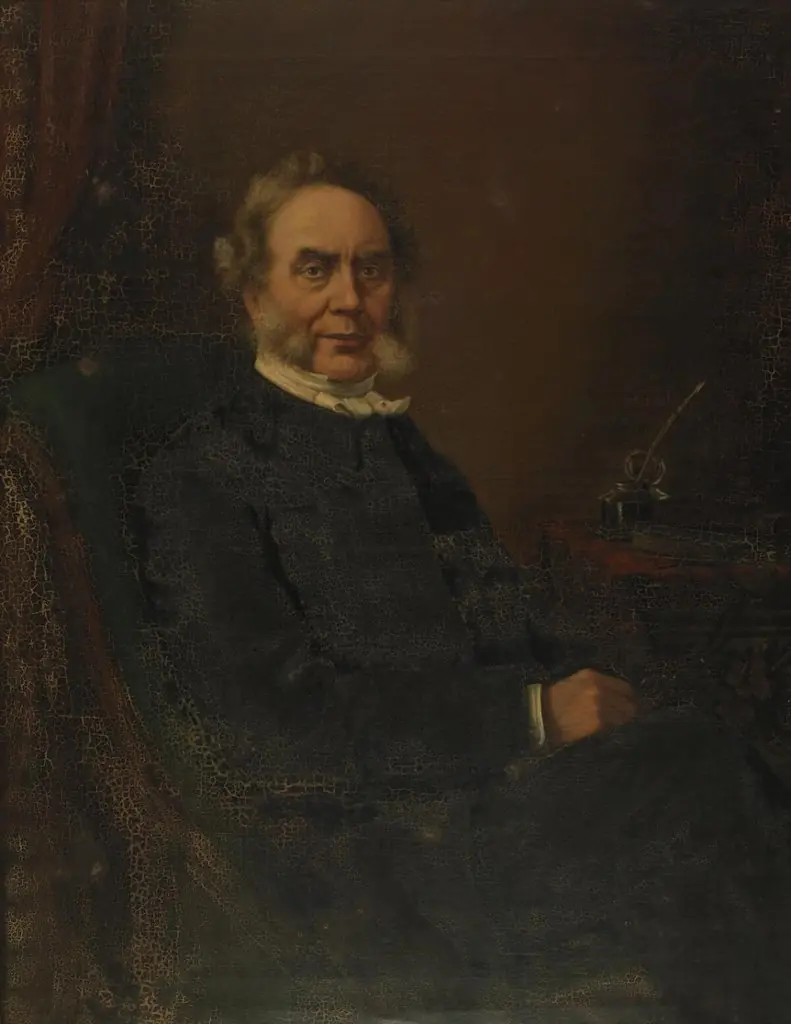
Portrait of the father of the artist
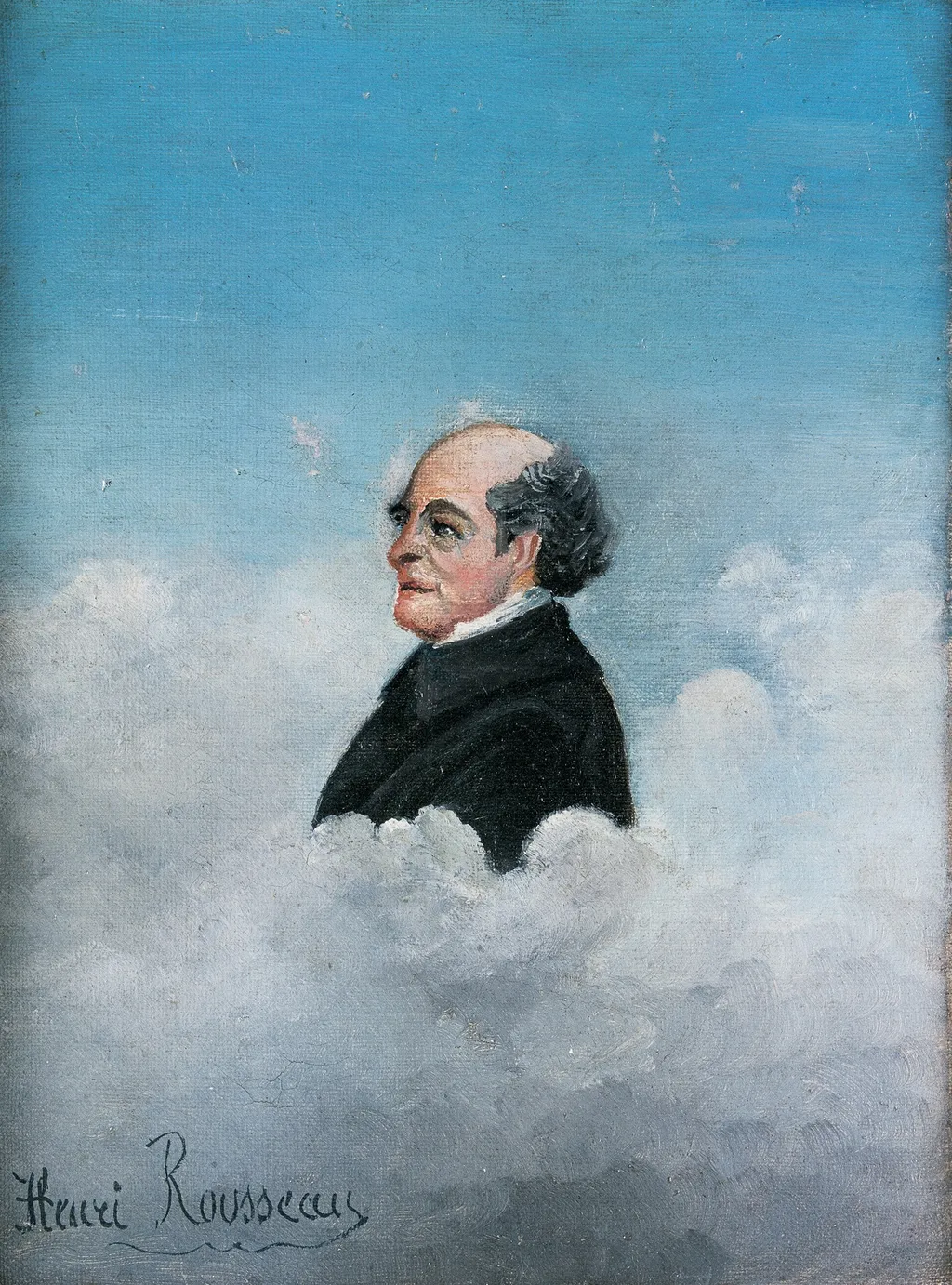
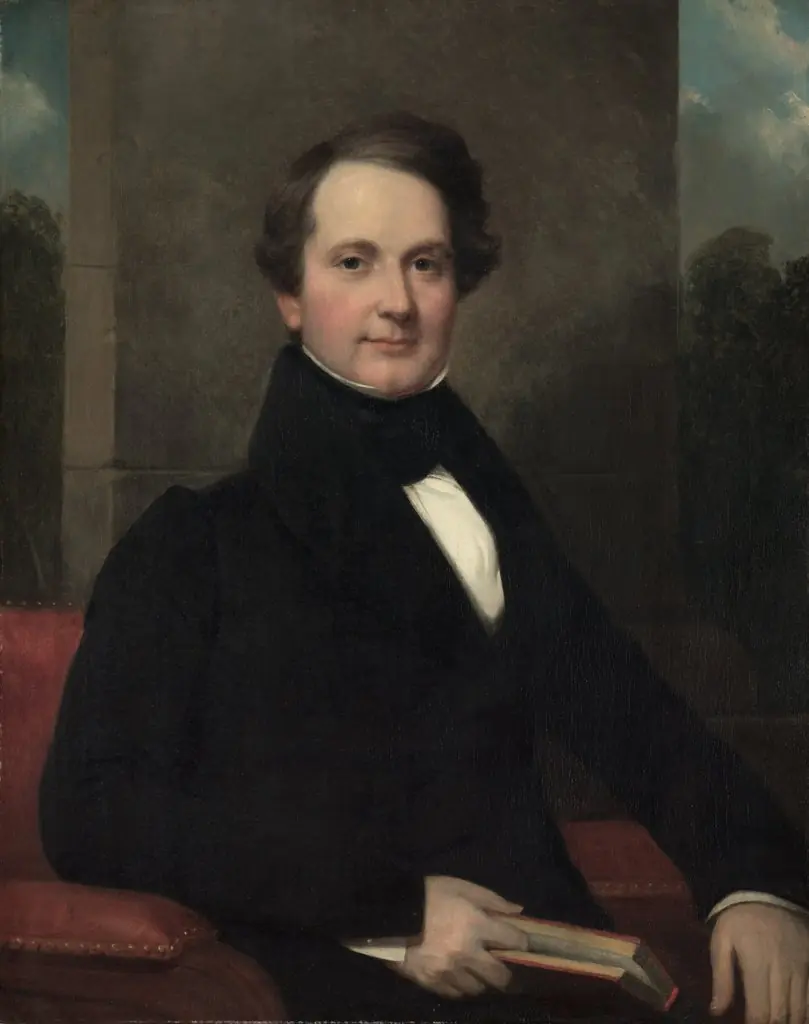
Portrait of the father of the artist is an oil painting by the Post-Impressionist artist Henri Rousseau. It dates from 1905 and is held in the collection of the National Museum of Fine Arts, Argentina.
About this work
Overview
Though classified as post-Impressionist, the painting diverges from academic norms through its flattened perspective and unrefined execution.
Painted in 1905, this oil-on-canvas portrait depicts the father of Henri Rousseau, a self-taught French artist. Created after Rousseau’s retirement from his civil service job, the work reflects his distinctive approach to representation, unconventional in its simplicity and directness. Though classified as post-Impressionist, the painting diverges from academic norms through its flattened perspective and unrefined execution.
Subject & Meaning
The subject is a middle-aged man, rendered with quiet dignity. His slightly turned head and solemn expression convey a sense of stillness rather than narrative. The plain white shirt and dark jacket suggest modesty and routine, aligning with the sitter’s likely working-class status.
No symbolic elements are present; the focus remains on the quiet presence of the individual, untreated with idealization or sentimentality.
Technique & Style
Rousseau applied oil paint with broad, deliberate strokes, avoiding fine modeling or subtle gradations. The sky behind the figure is rendered in flat, unmodulated blue, with cloud forms simplified into rounded shapes. Facial features are rendered with minimal detail, and contours are clear rather than blended. This deliberate lack of refinement defines his so-called naïve style, prioritizing emotional clarity over technical polish.
History & Provenance
The painting was completed during Rousseau’s early period as a full-time artist, shortly after leaving his position as a toll collector. It remained in private hands for much of the 20th century and was not widely exhibited until later scholarly interest in his work emerged. Its provenance traces back to the artist’s family, underscoring its personal significance over public display.
Context
In early 20th-century Paris, Rousseau’s work stood apart from mainstream movements. While contemporaries pursued abstraction or expressive color, he pursued a direct, almost childlike realism. His portraits, including this one, were often dismissed by critics but quietly admired by avant-garde peers like Picasso, who recognized in them a raw authenticity absent from academic traditions.
Legacy
Though overlooked in his lifetime, Rousseau’s approach to portraiture influenced later modernists drawn to untrained vision and emotional honesty. This painting, like others in his oeuvre, contributed to the redefinition of artistic legitimacy beyond technical mastery. Today, it is studied as an example of how personal vision can challenge institutional norms in art.
Own this work as a print
Artist & collection

Artist
Henri Julien Félix Rousseau (French: ; 21 May 1844 – 2 September 1910) was a French post-Impressionist painter in the Naïve or Primitive manner.

Museum
National Museum of Fine Arts, Argentina
Continue through works from the same source collection.