Artwork
Portrait of a Gentleman
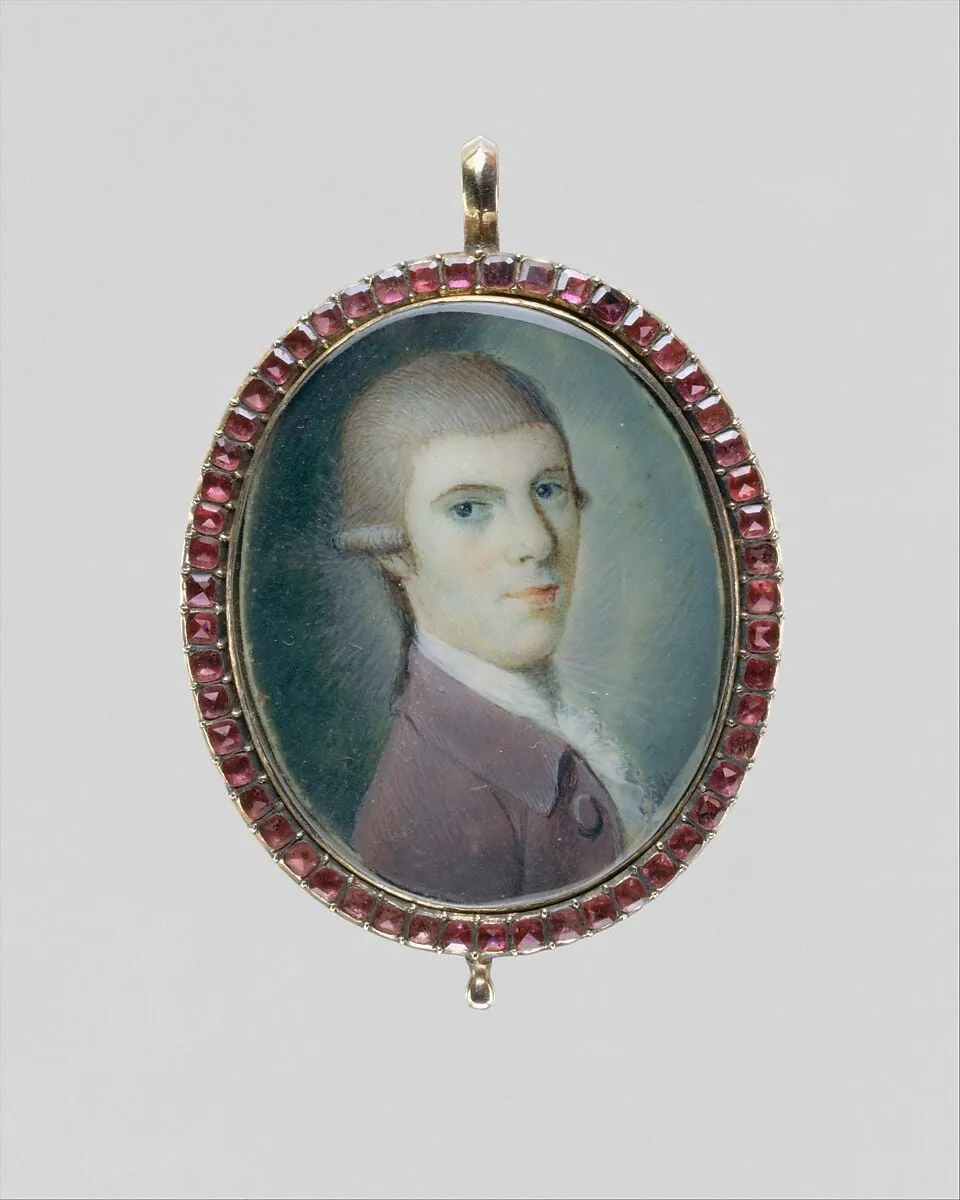
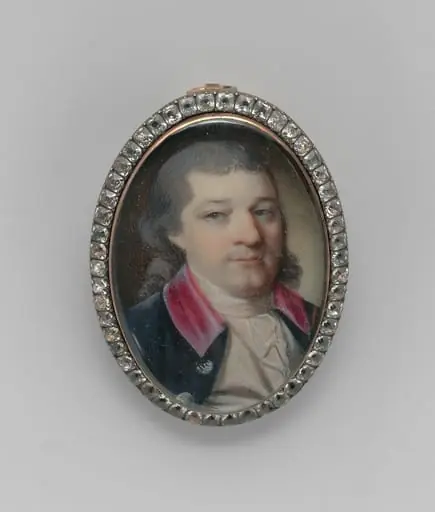
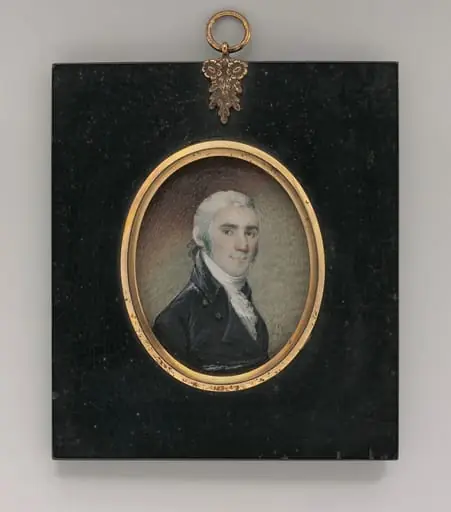
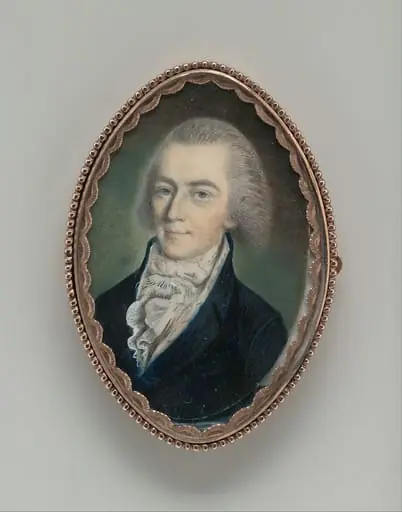
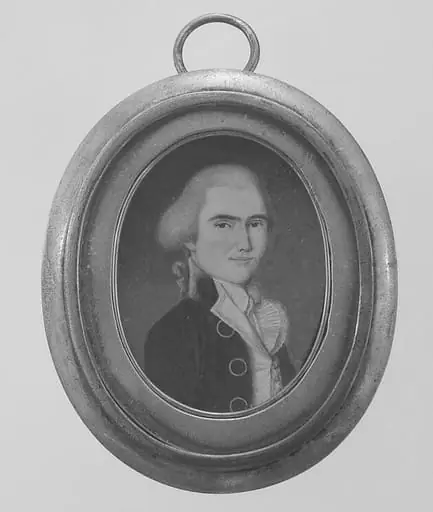
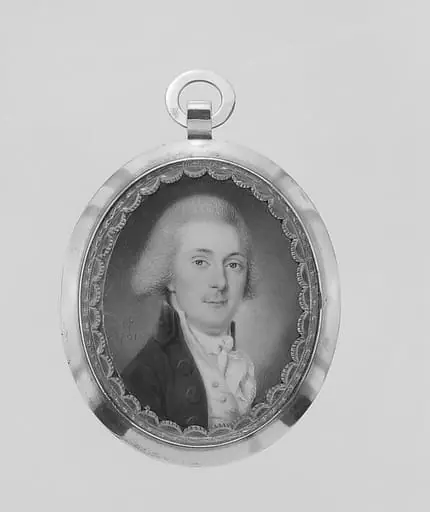
Portrait of a Gentleman is a watercolor painting by the American Impressionist artist Henry Benbridge. It dates from 1770 and is held in the collection of the Metropolitan Museum of Art.
About this work
Subject & Meaning
The composition presents a solitary male sitter, typical of elite portraiture of the period, emphasizing his status through formal attire and a composed pose.
The painting titled Portrait of a Gentleman depicts a man rendered in watercolor on ivory by Henry Benbridge in 1768. The composition presents a solitary male sitter, typical of elite portraiture of the period, emphasizing his status through formal attire and a composed pose. As a portrait, the work serves as a visual record of the sitter’s identity and social standing, reflecting contemporary expectations of a gentleman and functioning as both a personal likeness and a symbolic assertion of refinement.
Technique & Style
The work is executed in watercolor on a thin ivory support, a technique documented for Henry Benbridge’s 1768 portrait. Measuring approximately 3.2 × 4.8 inches, the small format allows intimate, close‑up study of the sitter. Benbridge renders the gentleman in a three‑quarter view, using fine linear detail and muted tonal washes that convey texture of clothing and flesh.
The composition reflects the neoclassical sensibility of early American portraiture, emphasizing poised posture and subtle facial expression. As part of The American Wing’s collection at the Metropolitan Museum of Art, the piece is displayed under museum‑standard environmental controls, preserving its delicate surface.
Overview
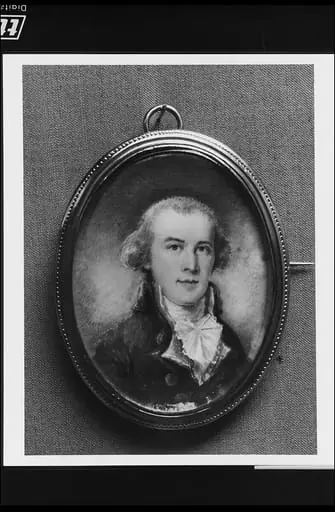
This small watercolor portrait by Henry Benbridge, created around 1770, depicts an unidentified gentleman. The subject, shown from the chest up, wears a dark coat and a white cravat, with his powdered hair tied back. His gaze is directed forward, and his features are softly illuminated, characteristic of the intimate scale of the work.
Context
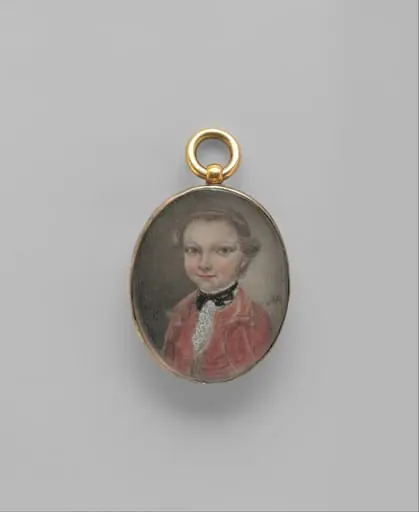
Miniature portraits, often painted on ivory, gained considerable popularity in the eighteenth century as personal keepsakes. Their small dimensions made them ideal for carrying, allowing individuals to keep images of family members or loved ones close at hand. This intimate scale contrasts with the larger, more imposing oil portraits by contemporaries such as John Singleton Copley, which served a different public function.
Artist & collection

Artist
Henry Benbridge was an American painter who specialized in portrait painting.