
Subject
Nymph
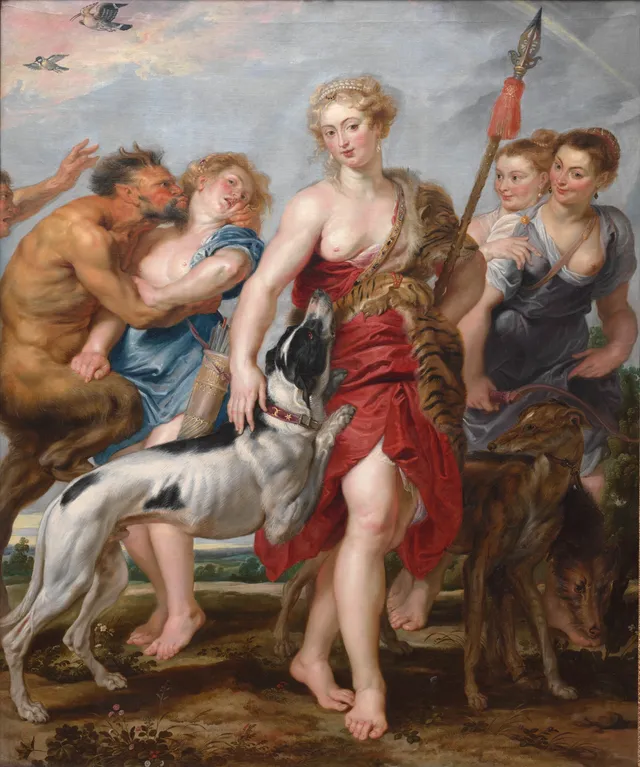
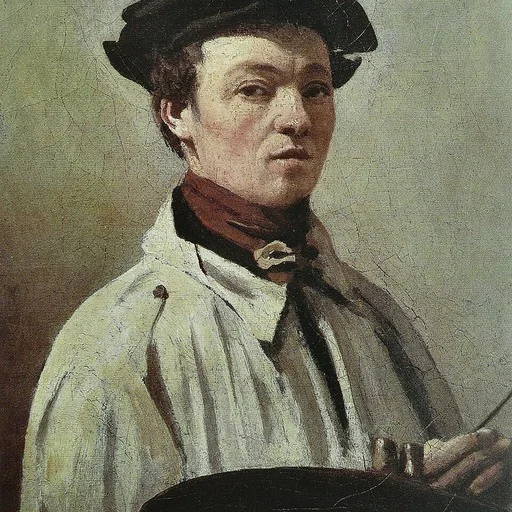
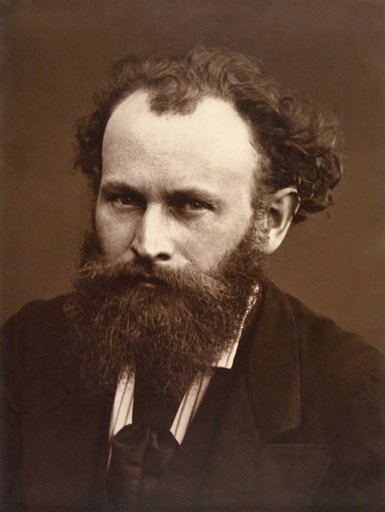
Nymph is a subject in art. The gallery holds 82 works in this subject in art, including works by Titian, Jean Baptiste Camille Corot and Édouard Manet.
In ancient Greek belief, a nymph (νύμφη, nýmphē) was a minor female nature deity—not a remote Olympian but a personification of the living landscape, tied to a particular spring, grove, mountain, or sea. The Greeks classified them by habitat: Naiads of fresh water (fountains, streams, and rivers), Nereids and Oceanids of the sea, Dryads and Hamadryads of trees and woodland, and Oreads of the mountains. These categories frequently overlapped, and nymphs populated terracotta vases, mosaics, and the frescoed walls of Roman houses long before they re-entered the Western canon, giving artists a sanctioned vehicle for depicting the unclothed female body within an Arcadian, mythological frame.
The theme was decisively revived in the Italian Renaissance, when humanist patrons rediscovered Ovid and Statius. Titian's late "poesie" for Philip II of Spain—Diana and Actaeon and Diana and Callisto (both 1556–1559)—set goddess and nymphs bathing in a verdant glade, fusing sensuous color with narrative dread as a mortal intrudes on a sacred scene. Such compositions established the durable visual grammar of the subject: nude or lightly draped maidens, woodland pools, dappled light, and an erotic charge held in check by classical pretext.
The motif reached its apogee in the nineteenth century, when academic painters and the British classical revival found Greek and Latin myth irresistible. William-Adolphe Bouguereau's Nymphs and Satyr (1873, Clark Art Institute) shows four nymphs dragging a reluctant satyr toward a pond, its polished surfaces and idealized anatomy epitomizing French academic technique. John William Waterhouse's Hylas and the Nymphs (1896, Manchester Art Gallery) recast the legend in a Pre-Raphaelite key, his Naiads rising from a lily pond to lure the youth to his disappearance. Alexandre Cabanel's Nymph and Satyr worked the same Salon vein.
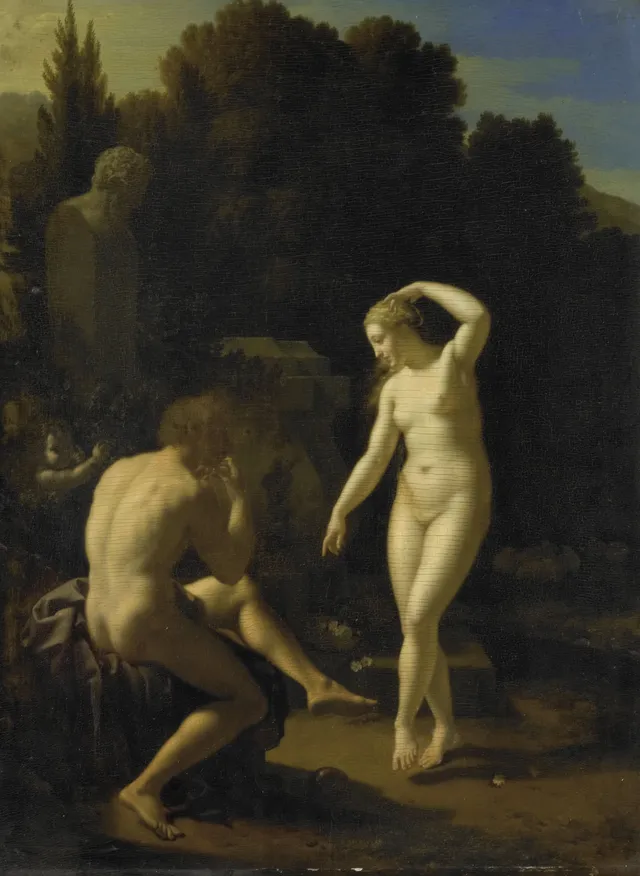
The subject runs through this collection across centuries—from the School of Fontainebleau's Nymph of Fontainebleau and Rubens's Diana and Her Nymphs Departing for the Hunt to Angelica Kauffmann's neoclassical Telemachus and the Nymphs of Calypso, Adriaen van der Werff's elegant cabinet pieces, and the Master of 1416's Ameto's Discovery of the Nymphs. By the modern era the convention invited critique: Manet's Nymph Surprised (1861) returned the viewer's gaze, exposing the voyeurism that the pastoral tradition had long disguised, and confirming the nymph as one of art's most resilient and revealing mythological subjects.
Key artists
Overview
A nymph is a minor female nature deity in ancient Greek and Roman folklore, distinct from major goddesses and generally regarded as a personification of nature. The term derives from the Ancient Greek nýmphē, meaning young woman, bride, or marriageable girl. Nymphs are typically tied to a specific place, landform, or tree and are usually depicted as maidens. Despite their divine nature and associations with healing, divination, and shapeshifting, they are not considered immortal in most classical traditions, though they were believed to live significantly longer than humans. They frequently appear as attendants to greater deities such as Artemis, Dionysus, or Aphrodite, and their interactions with mortals often revolve around love motifs, marked by capricious aggression or dangerous infatuation.
Iconography & meaning
In art, nymphs are conventionally represented as lovely maidens, typically nude or lightly clad, bearing flowers and wreaths. Water nymphs specifically are often shown with water jugs or urns balanced on their heads. Their symbolism encompasses birth, motherhood, growth, fertility, and sexuality, with their physical beauty providing a canvas for unregulated or dangerous desire. Because of the fertilizing power attributed to water, nymphs were viewed as nurturers of gods like Zeus and Dionysus, and as grantors of poetic and prophetic inspiration. They embody the creative and productive forces of the natural world, but encountering them in isolated places could bring madness, stroke, or dumbness to a mortal man. Since the Middle Ages, they have sometimes been conflated with fairies or elves in popular imagination.
Across movements & periods
The treatment of nymphs evolved significantly from antiquity through the modern era. In ancient Greek folk religion, they were venerated in modest rural cults, particularly at caves and springs, with archaeological evidence of vessels and terracottas from the 6th to 3rd centuries BCE. A specific motif that entered European art during the Renaissance was the sleeping nymph in a grotto, supposedly derived from a fifteenth century forgery of a Roman sculpture, which proved highly influential for artists and landscape gardeners for centuries. During the 17th and 18th centuries, nymph statues were integrated into the allegorical programs of absolutist garden architecture, such as the park at Versailles, where bathing nymphs demonstrated nature's subordination to sovereign power. By the 19th century, the figure appeared in both academic and early modern painting, retaining its association with mythic idylls and dangerous sexuality.
Notable depictions
Nymphs have been a persistent subject for artists across centuries. Ancient representations include statues by Praxiteles, a sculptural group by Arkesilaos, and various reliefs, as well as fountain figures and ancient coins. In painting, notable depictions include Titian's Shepherd and Nymph (1570), Rembrandt's The Bath of Diana with Actaeon and Callisto, Peter Paul Rubens' Diana and Her Nymphs Surprised by Fauns, and Lucas Cranach the Elder's Reclining Spring Nymph. Later treatments include Edouard Manet's Surprised Nymph (1861), Jean-Baptiste-Camille Corot's Dance of the Nymphs and A Nymph Playing with Cupido, and Arnold Bocklin's The Play of the Naiads. In sculpture, Gian Lorenzo Bernini's Apollo and Daphne (1622-1625) captures the dramatic transformation of a nymph, while Auguste Rodin's Faun and Nymph (1886) reflects a later 19th century engagement with the motif.
Legacy
The cultural afterlife of the nymph extends far beyond classical sculpture and painting. In Byzantine liturgy, the term was adapted to describe the Virgin Mary as an unwed bride, shifting the pagan connotation toward Christian virginity. The word also entered the modern lexicon to denote unregulated female sexuality, giving rise to the term nymphomania due to the mythological association of nymphs with sexual liberty and their frequent pairing with hypersexual satyrs. In literature, they appear in works by Mallarme and C.S. Lewis, while in music they feature in operas by Rameau and Gluck. The archetype continues to populate contemporary fantasy, appearing in tabletop roleplaying games, video games, and modern television, retaining its foundational associations with nature, capriciousness, and the boundaries between the human and the divine.
Works
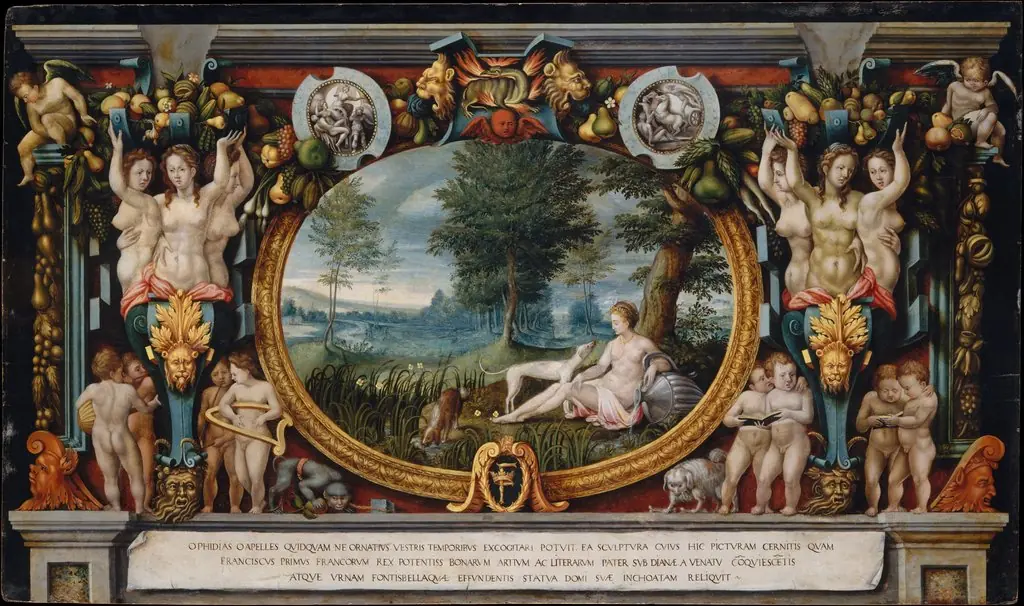 The Nymph of Fontainebleau
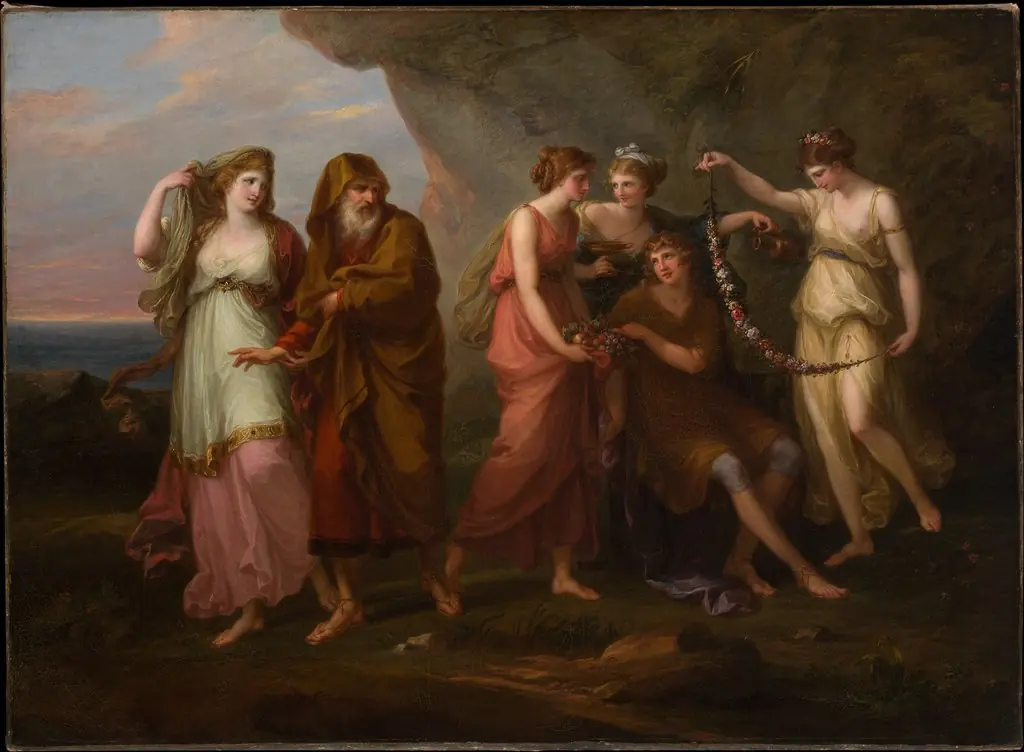 Telemachus and the Nymphs of Calypso
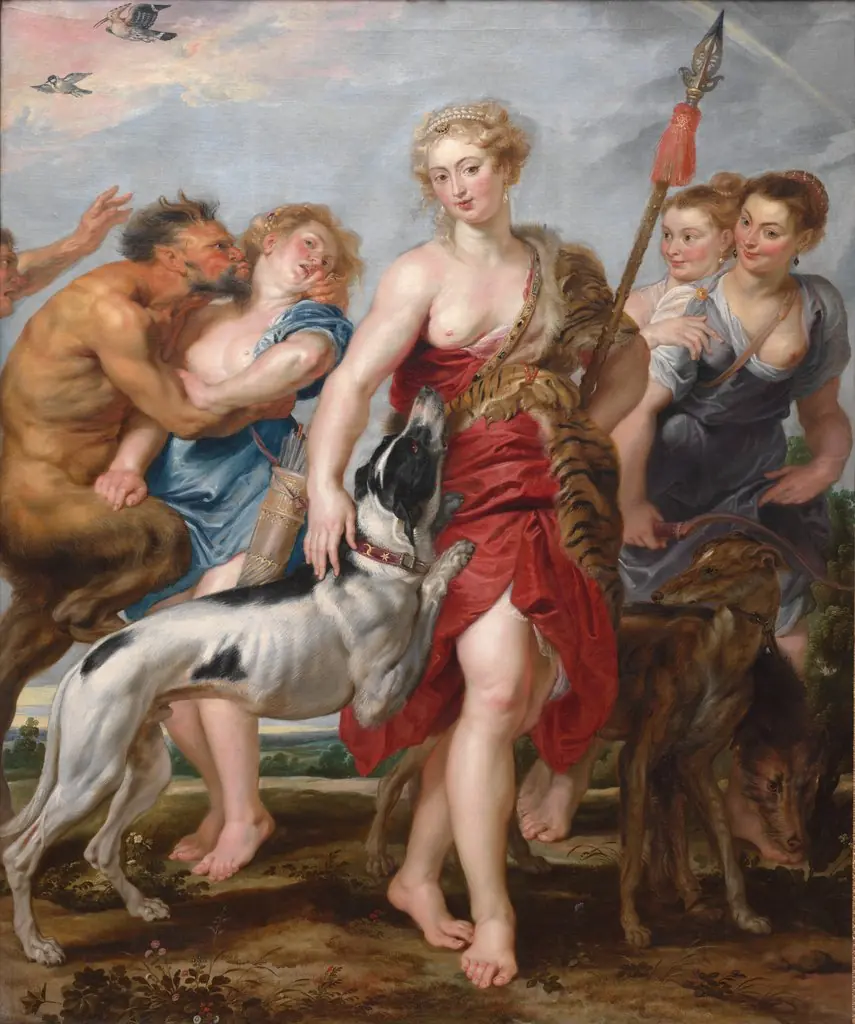 Diana and Her Nymphs Departing for the Hunt
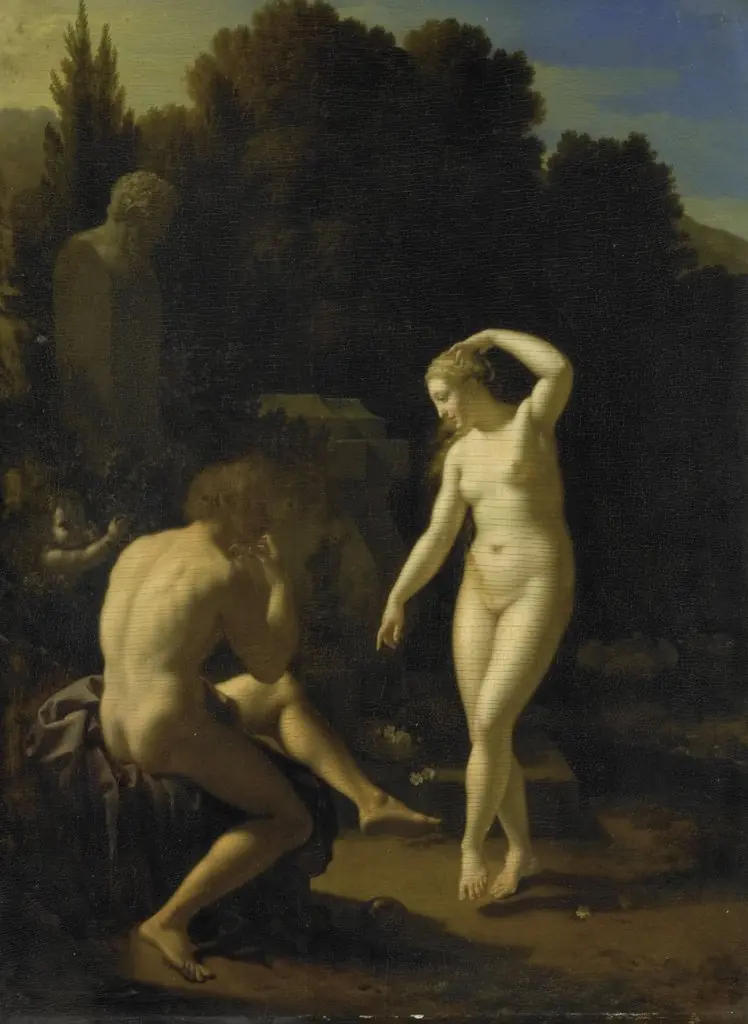 A Nymph Dancing to a Shepherd's Flute-Playing
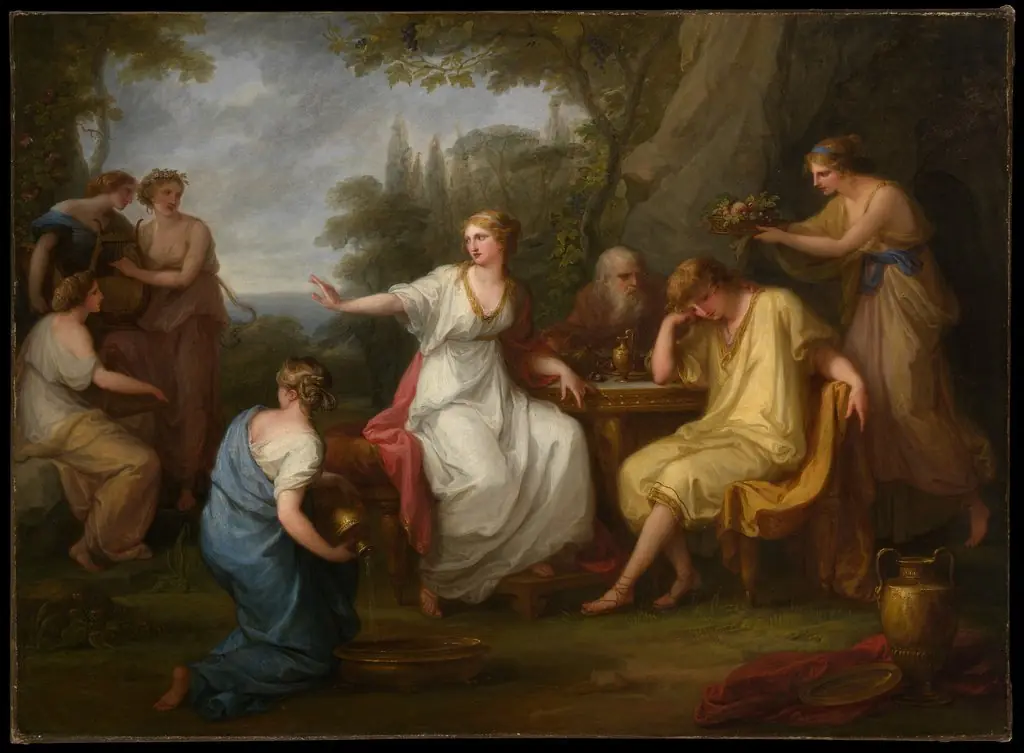 The Sorrow of Telemachus
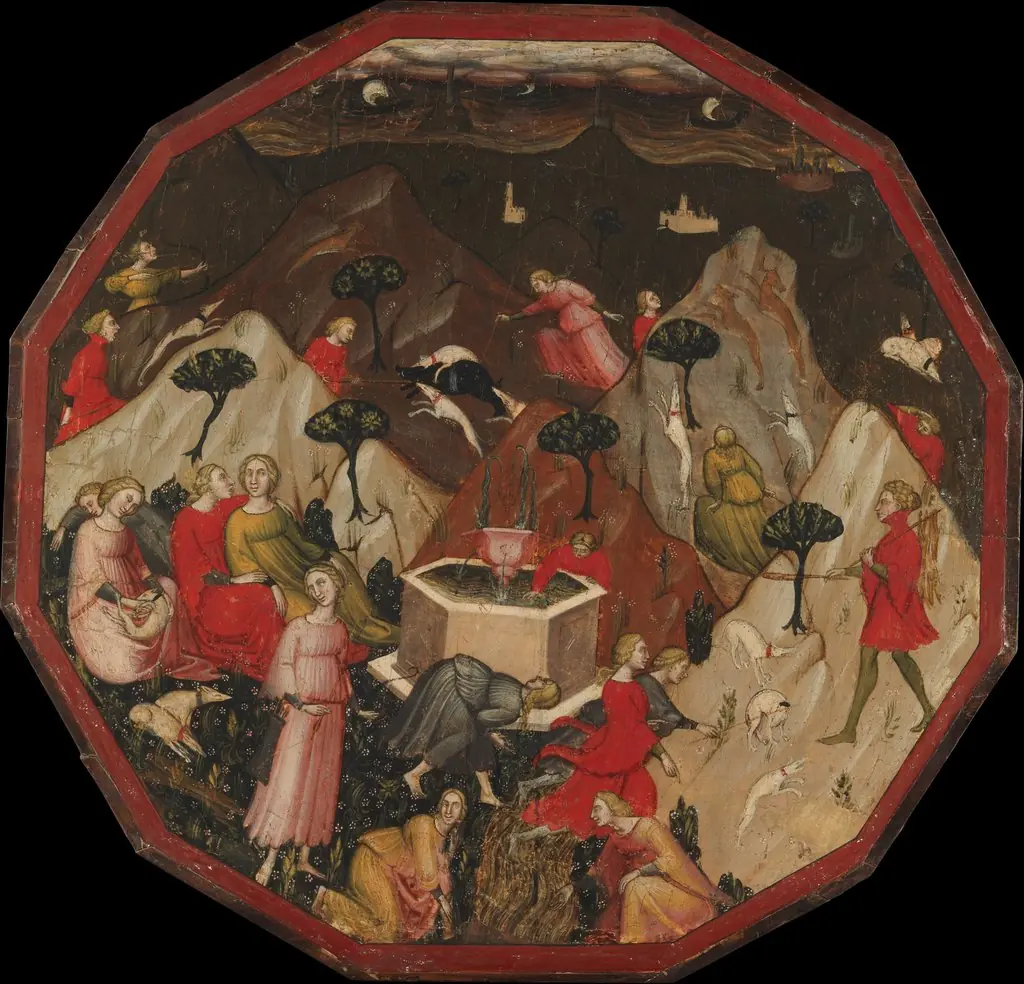 Ameto's Discovery of the Nymphs
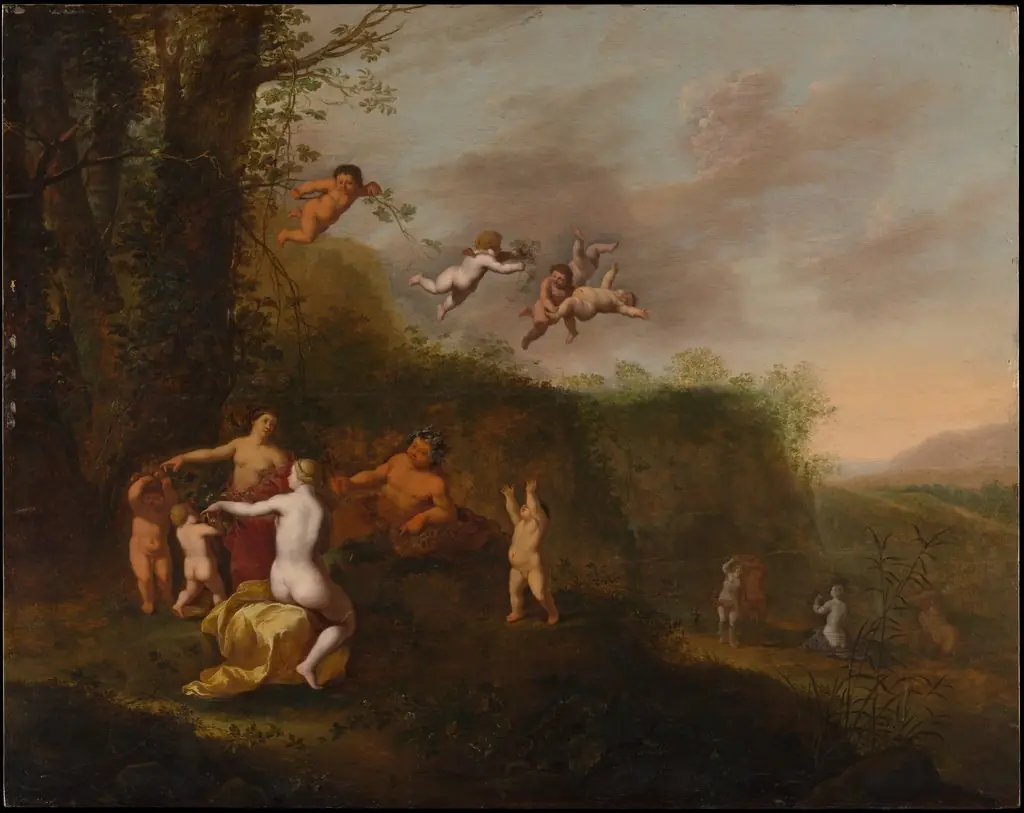 Bacchus and Nymphs in a Landscape
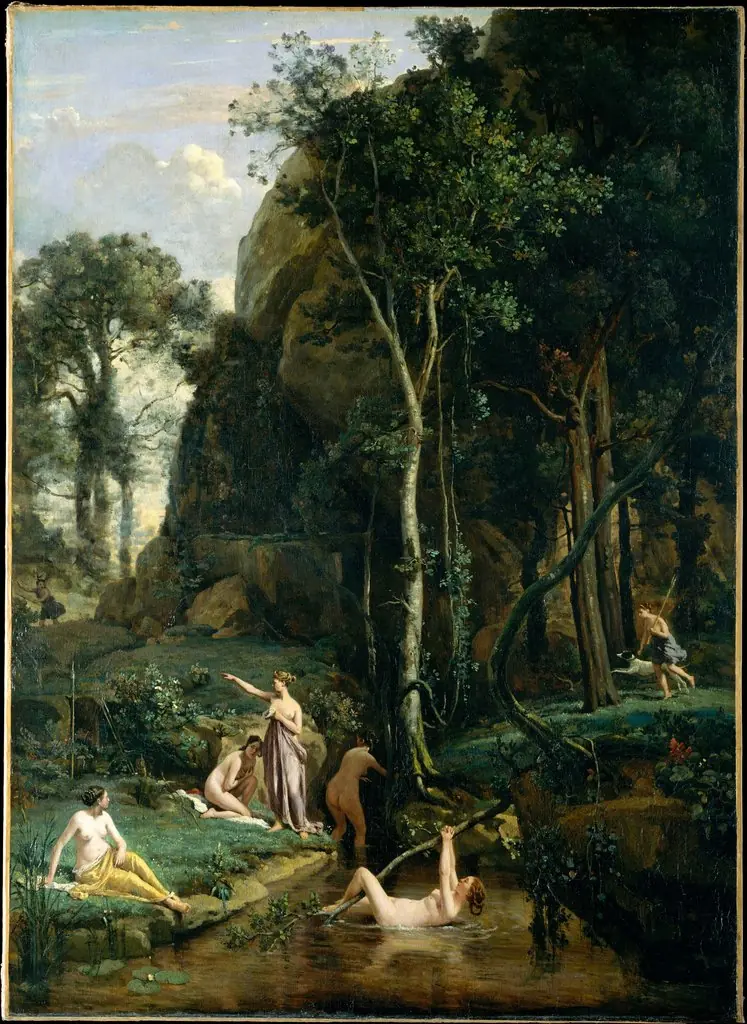 Diana and Actaeon (Diana Surprised in Her Bath)
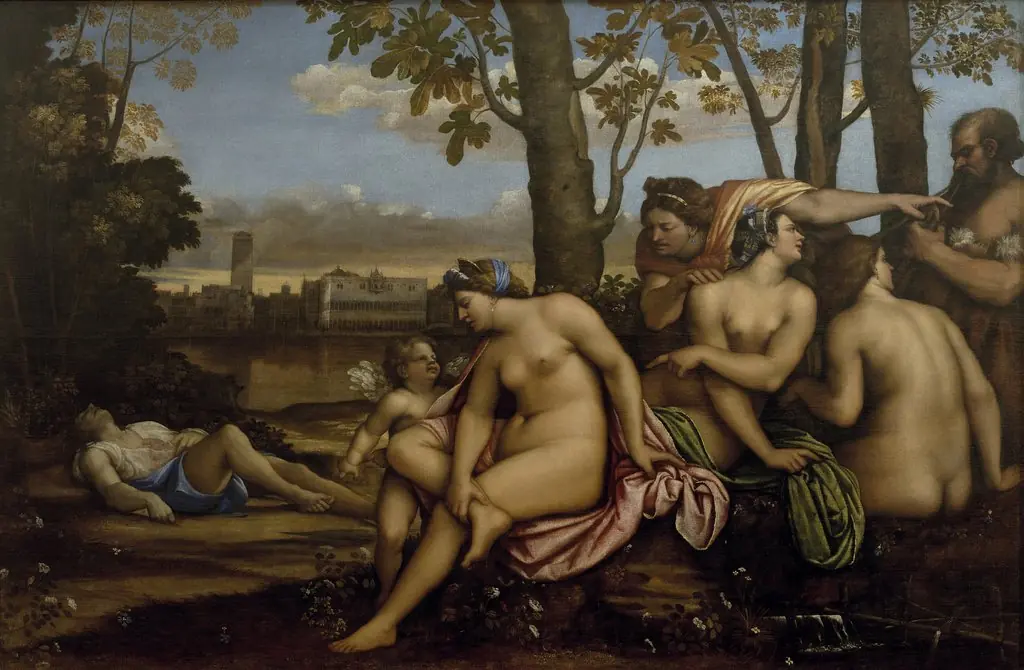 Death of Adonis
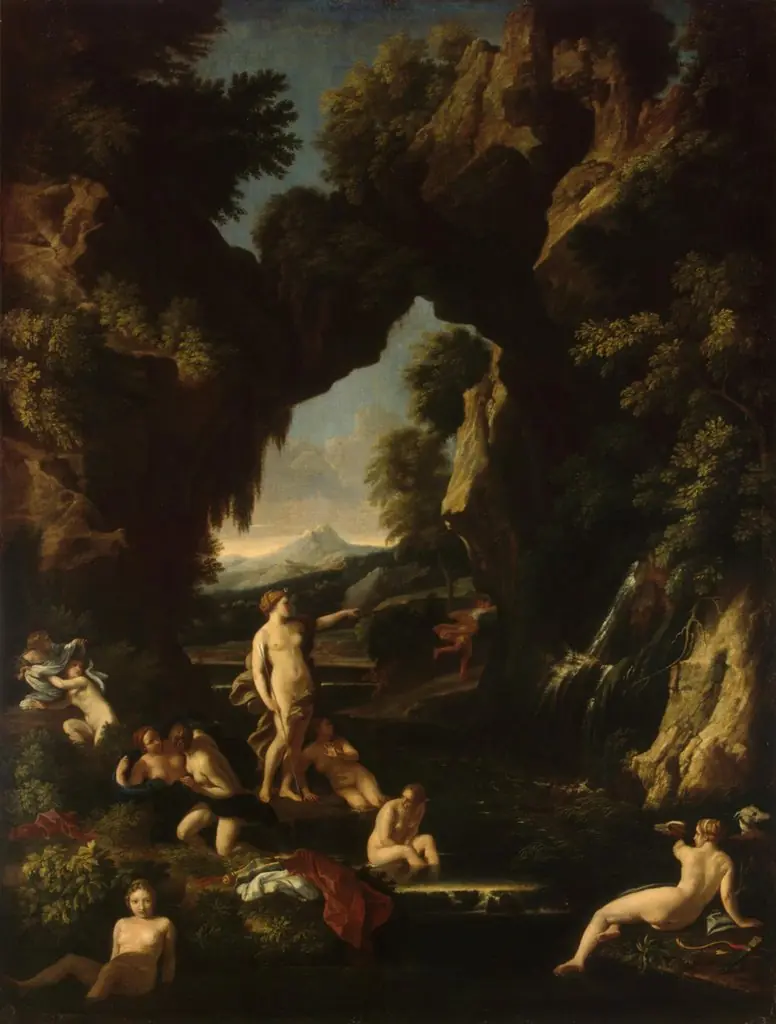 Landscape with Diana and Actaeon
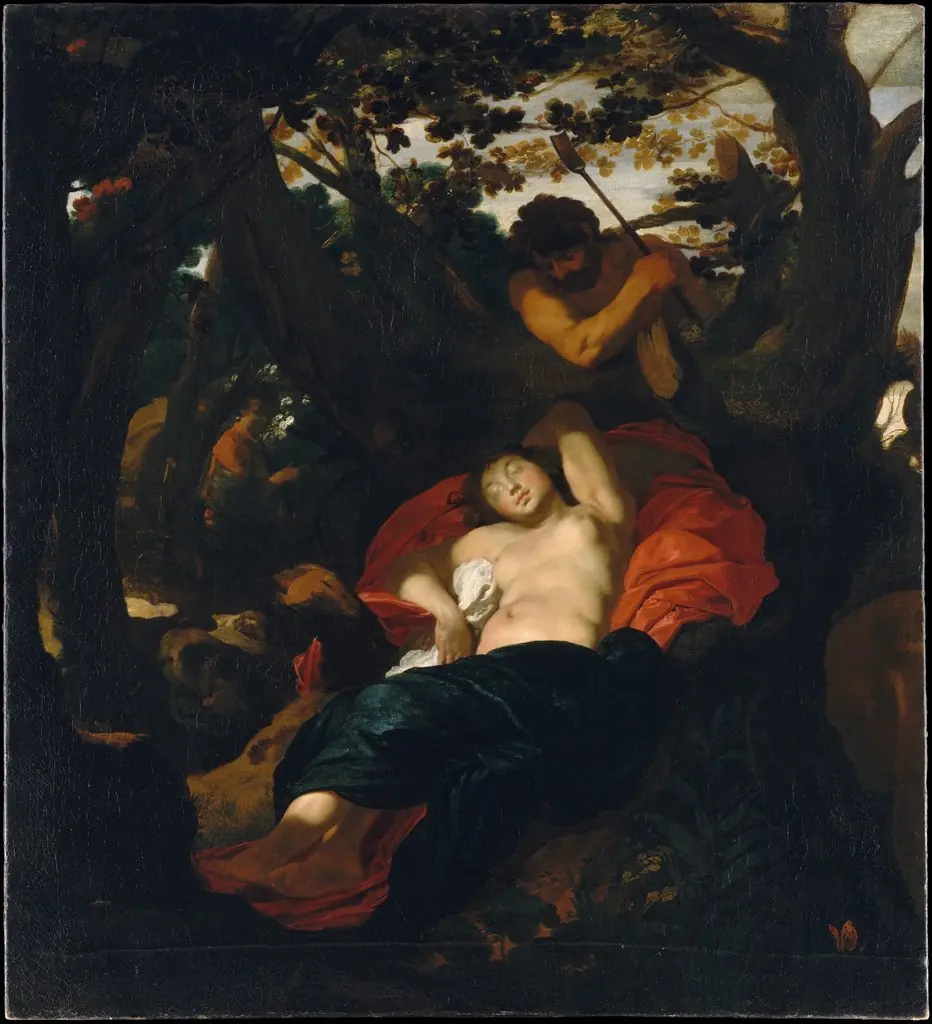 Nymph and Shepherd
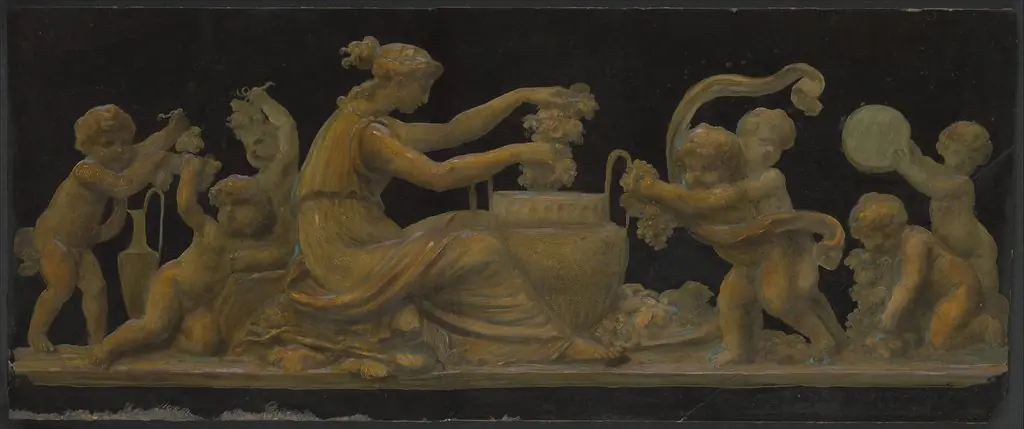 Nymph and Putti in a Vintage Scene; Nymph with a Wreath and Putti with Garlands of Flowers
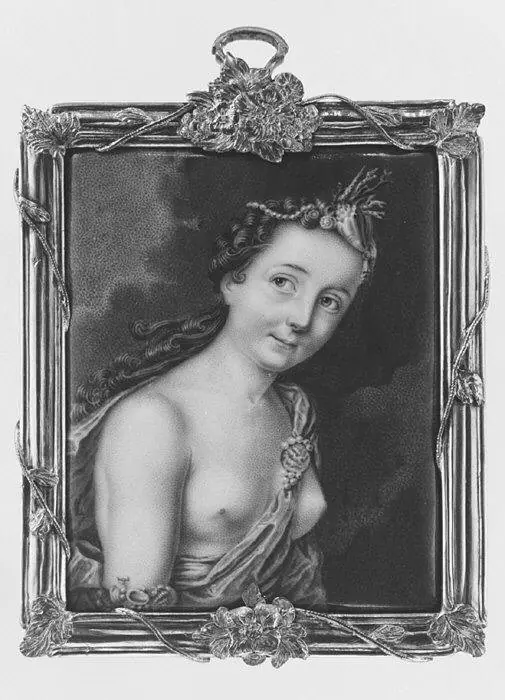 A Sea Nymph
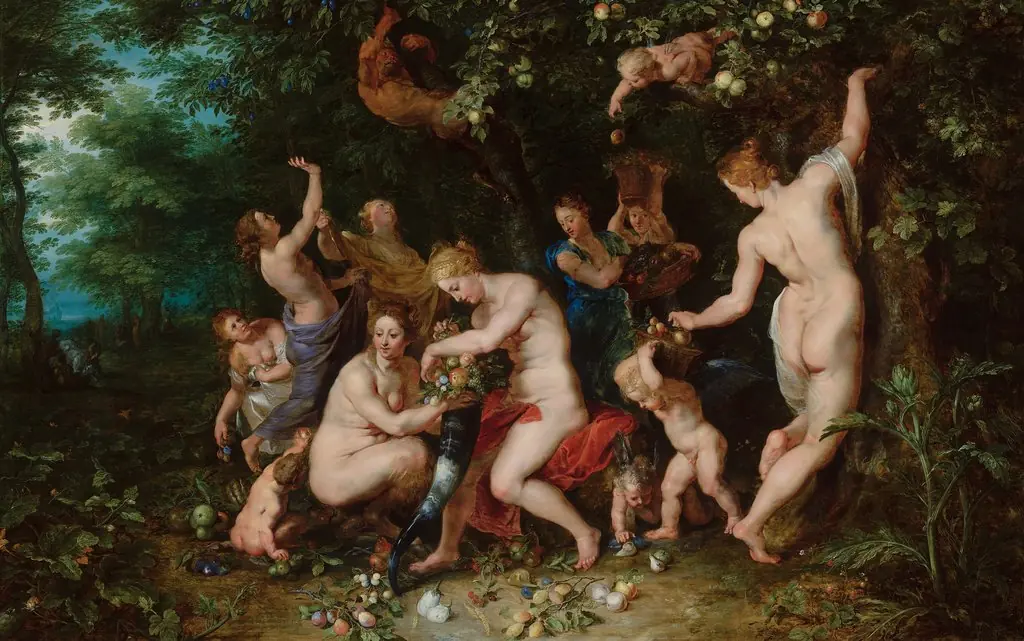 Nymphs filling the horn of plenty
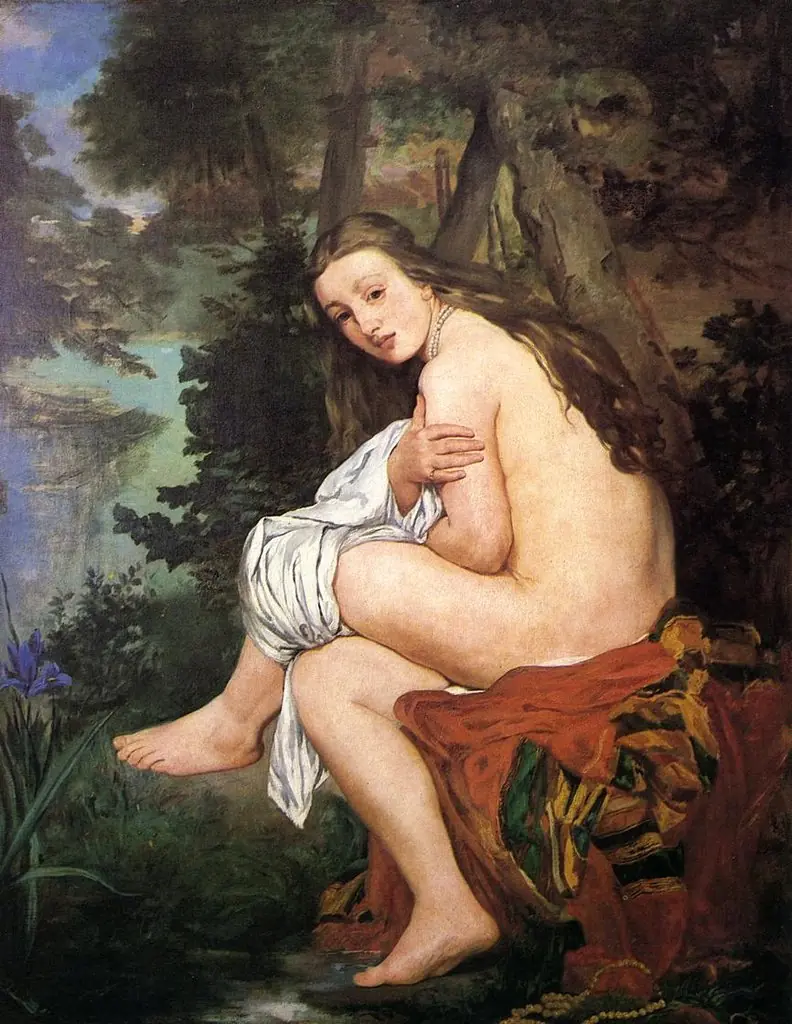 La Nymphe surprise
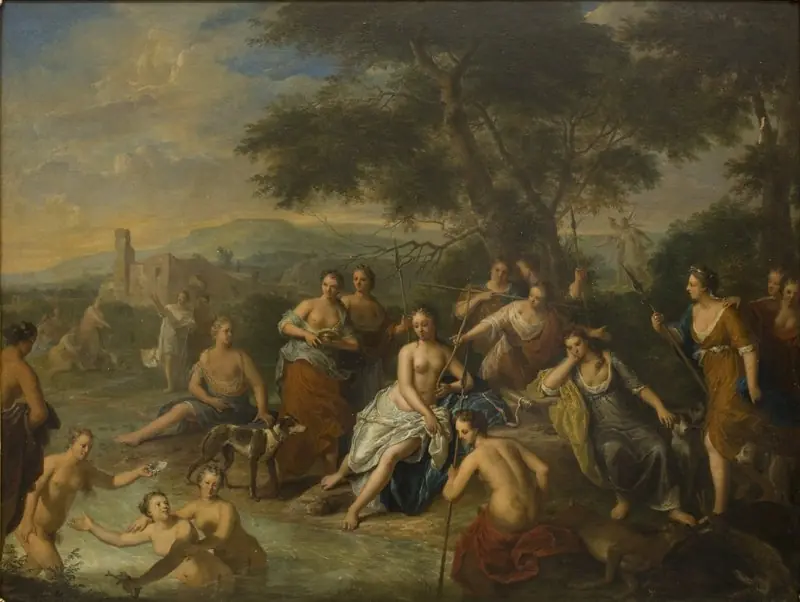 Diana and her Nymphs
 Bathing Nymphs
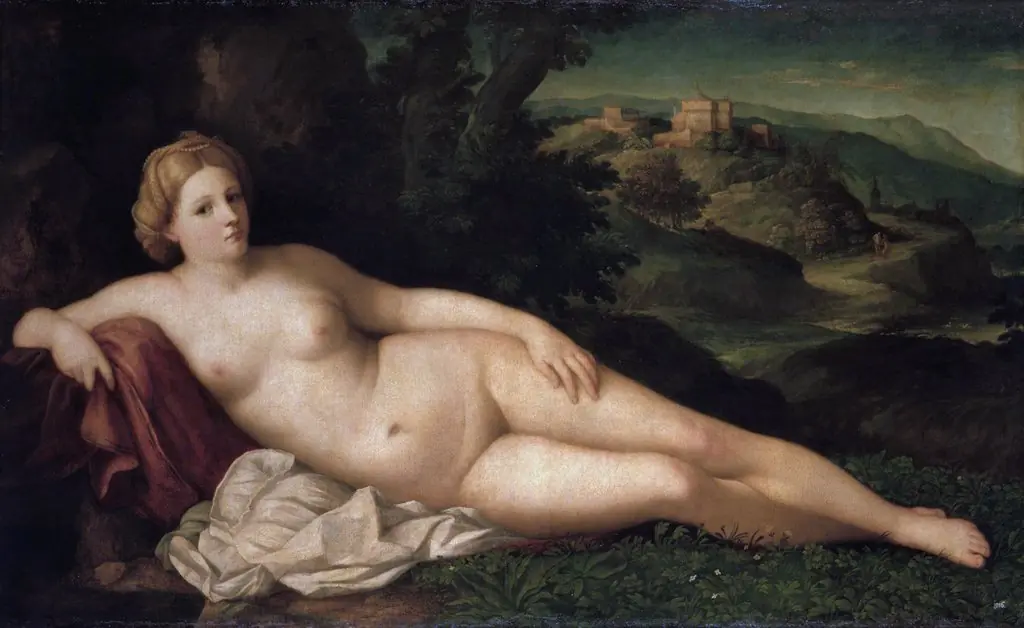 Resting Venus
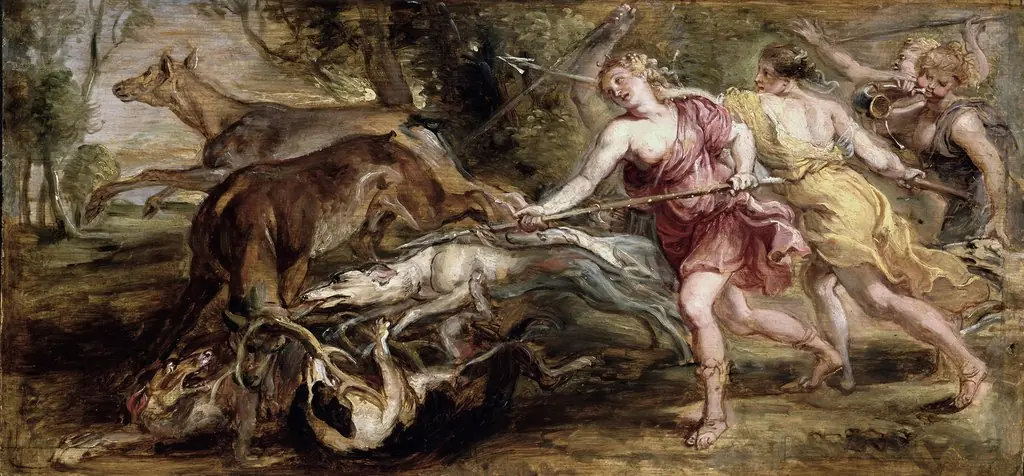 Diana and her Nymphs Hunting
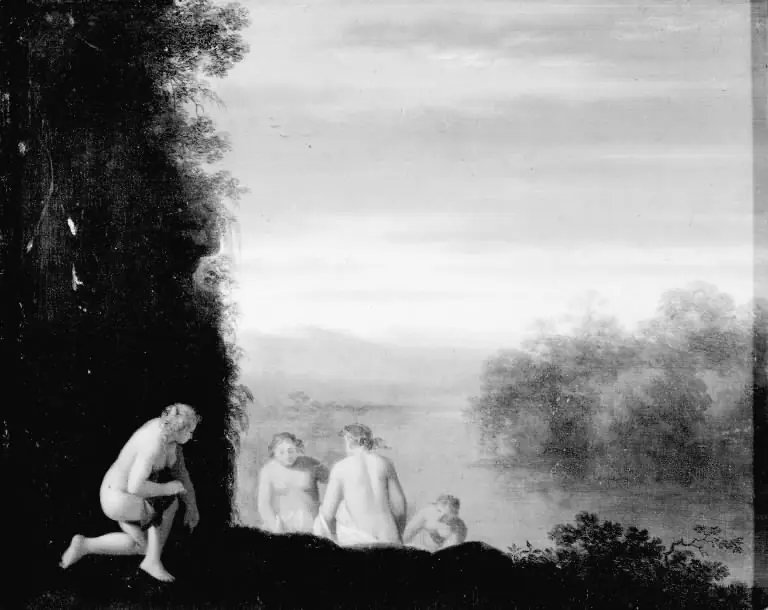 Nymphs in the Bath
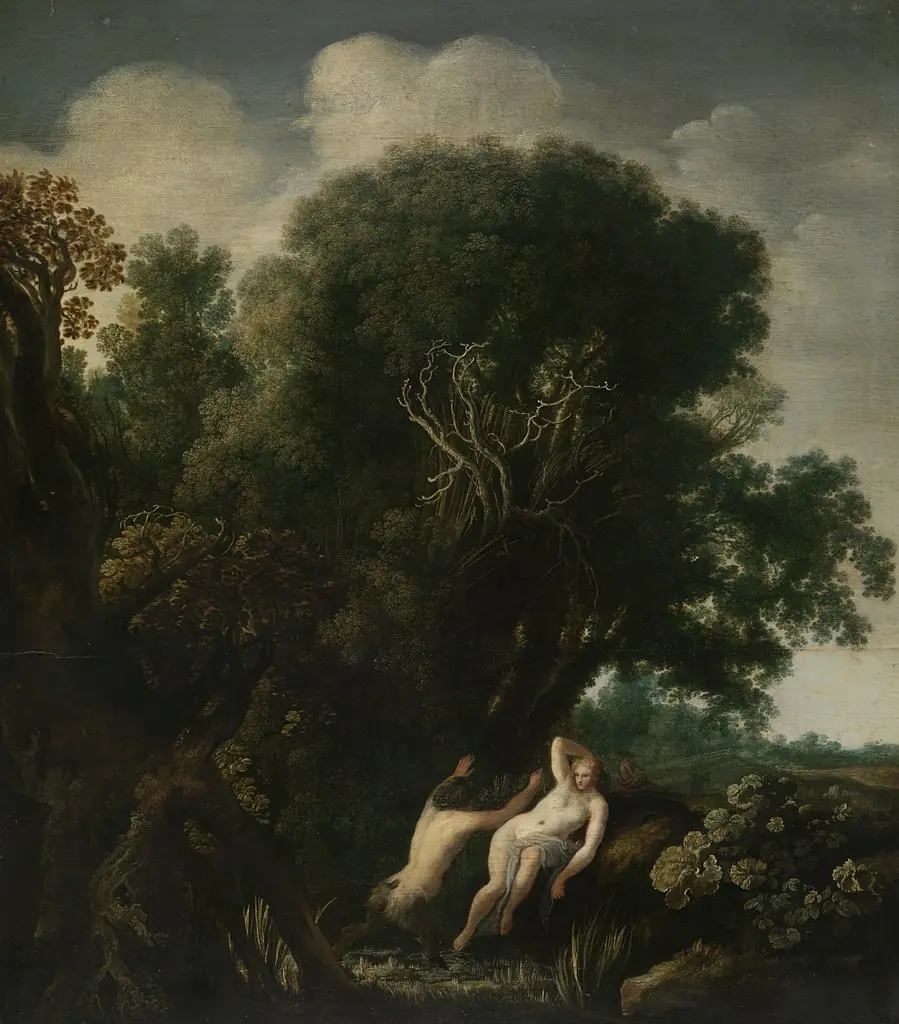 A Bathing Nymph Taken by Surprise by a Satyr
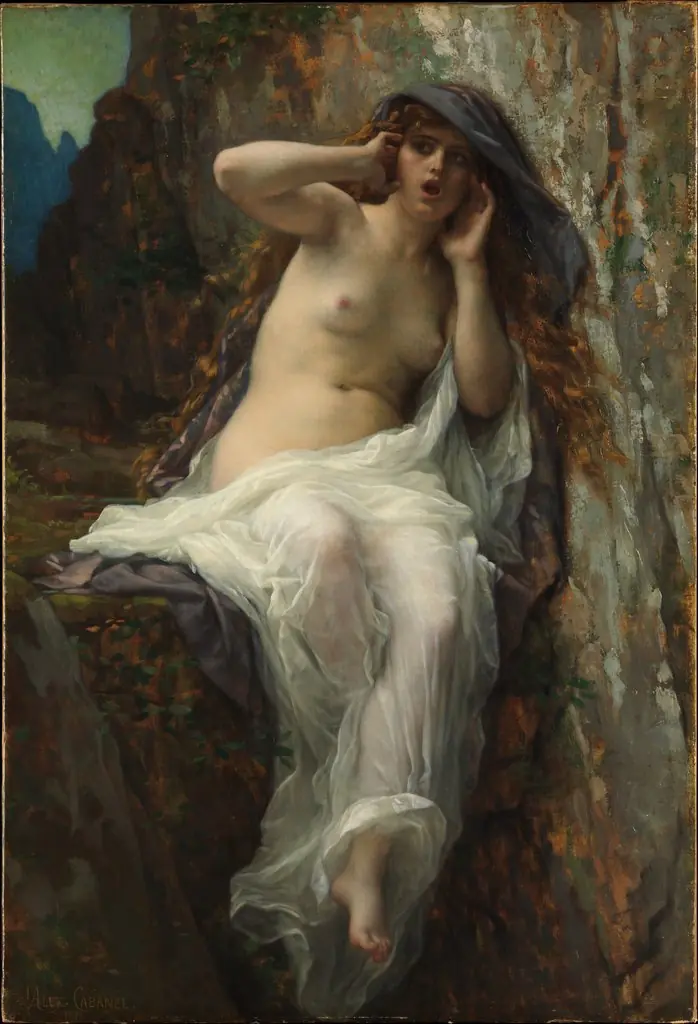 Echo
Echo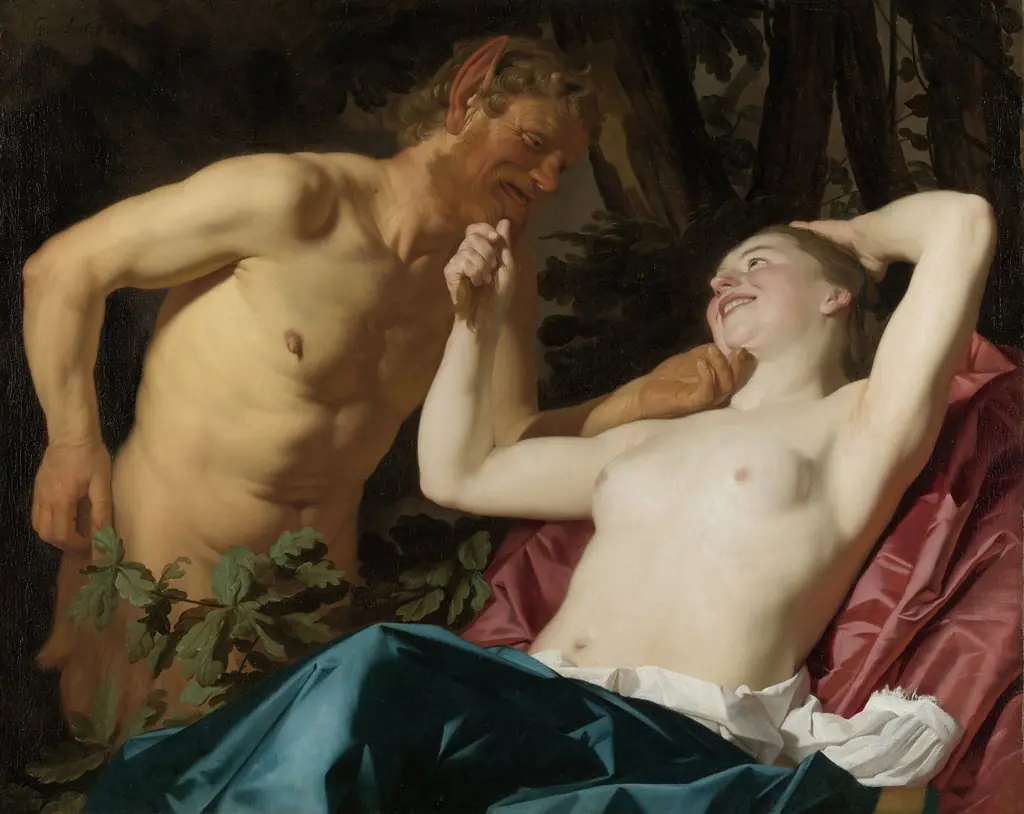 Satyr and Nymph
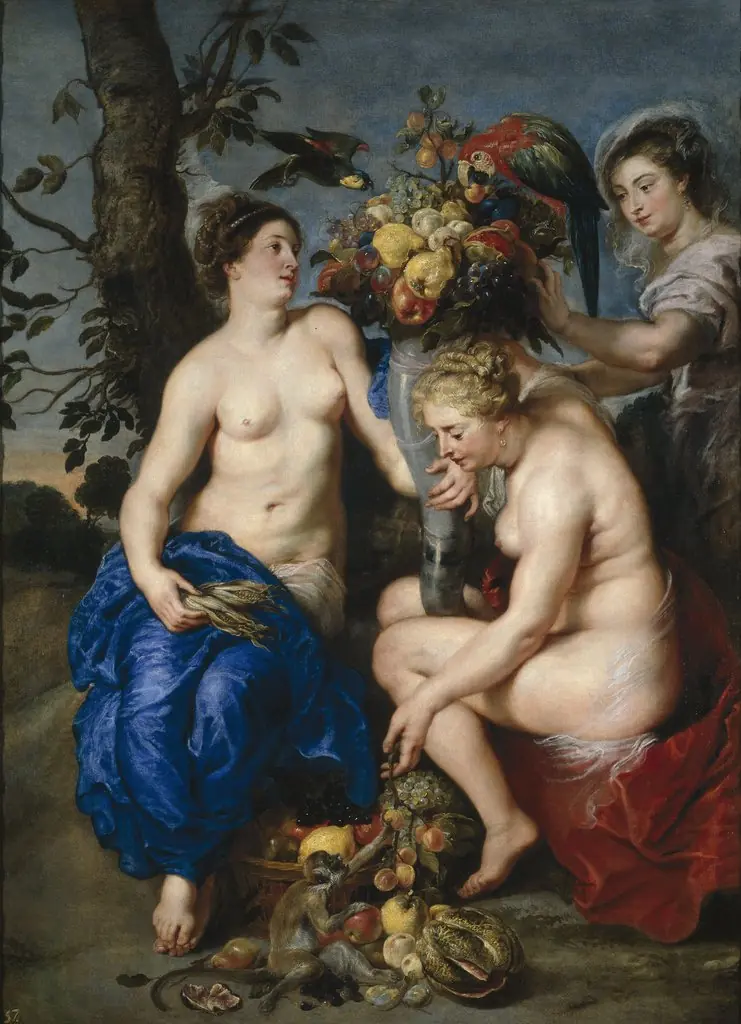 Ceres and Two Nymphs
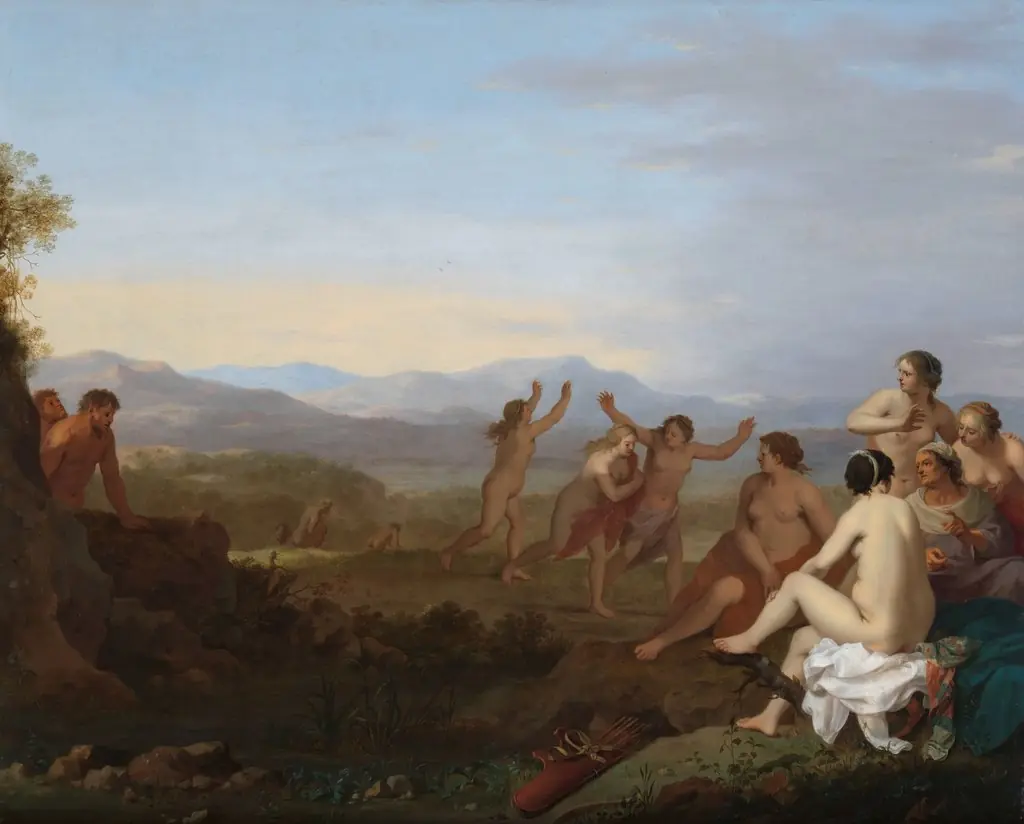 Satyrs Spying on Nymphs
 Nymphs Bathing
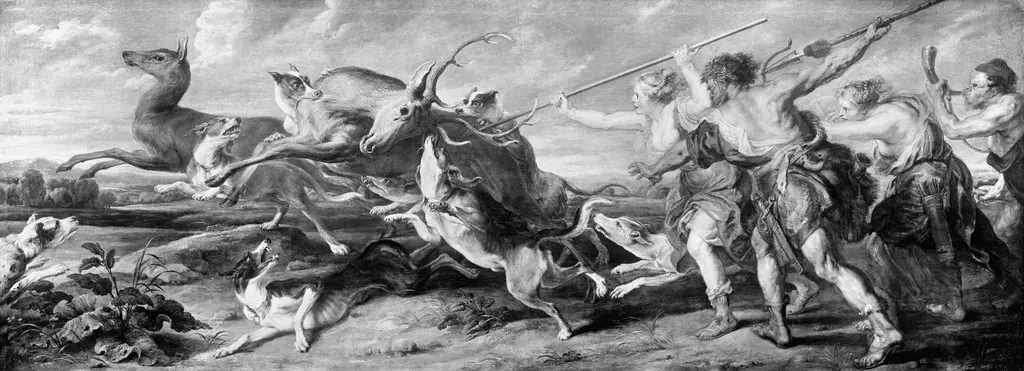 Diana on the stag hunt
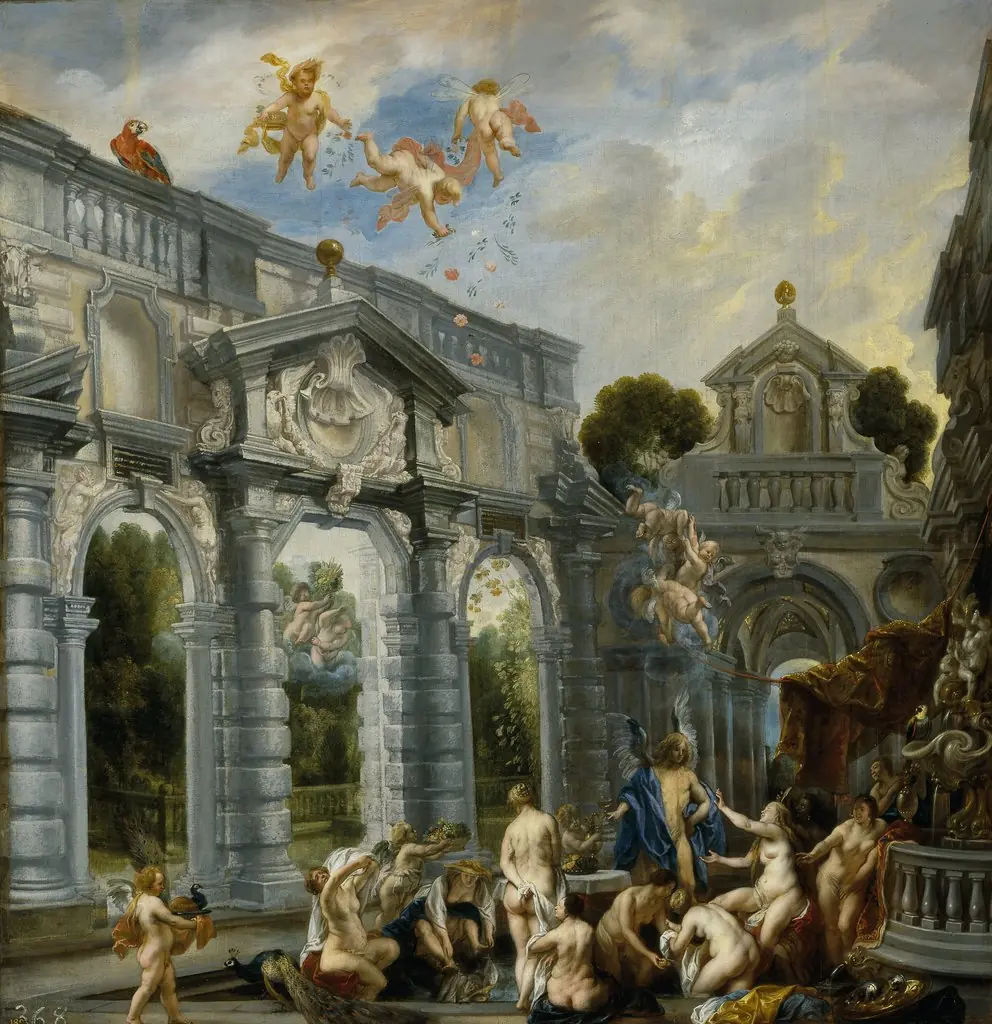 Nymphs at the Fountain of Love
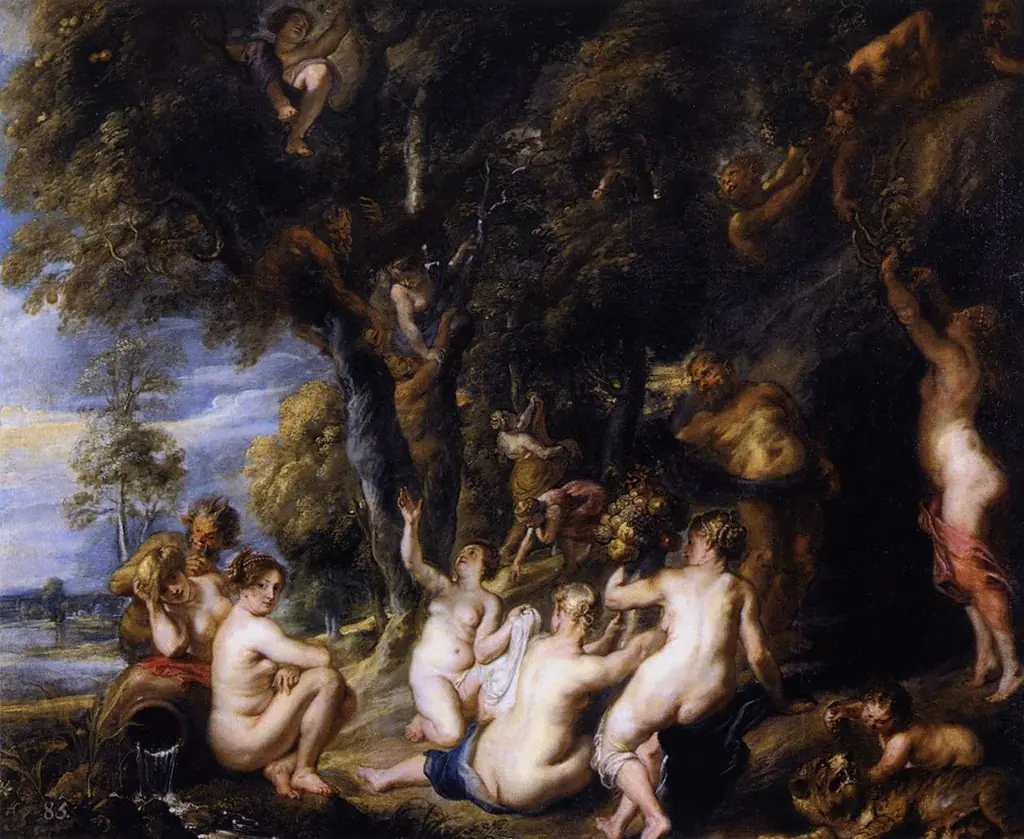 Nymphs and Satyrs
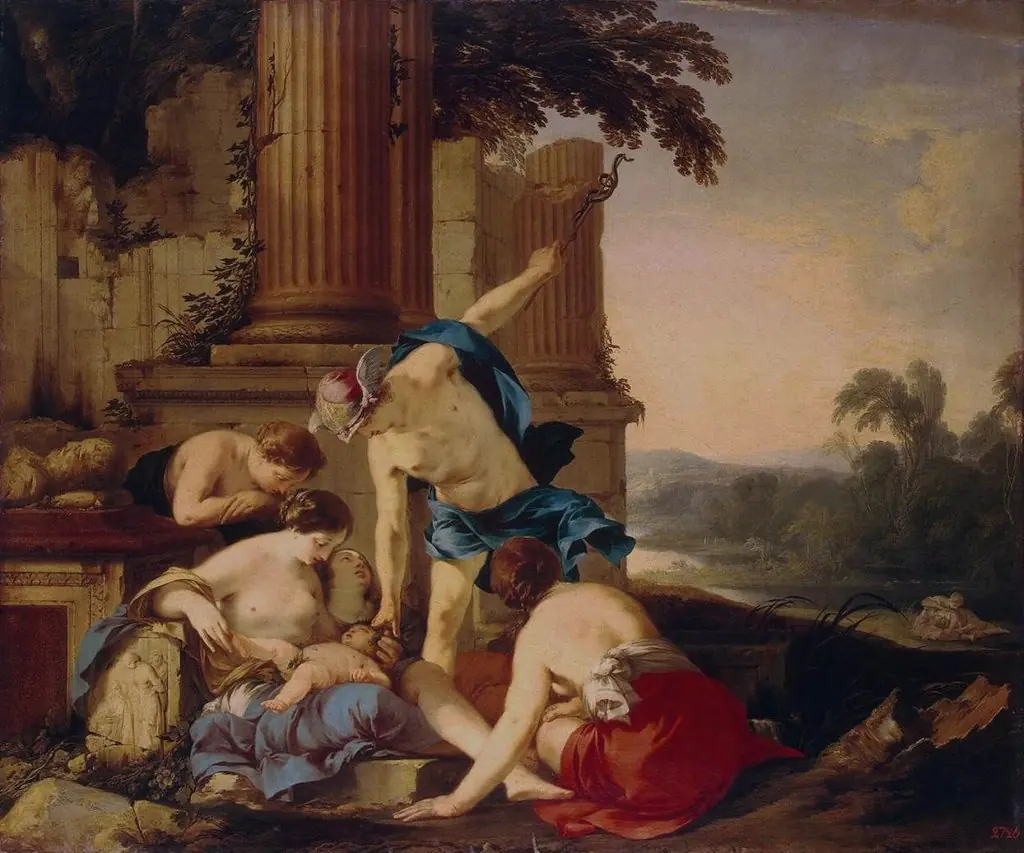 Mercury Takes Bacchus to be Brought up by Nymphs
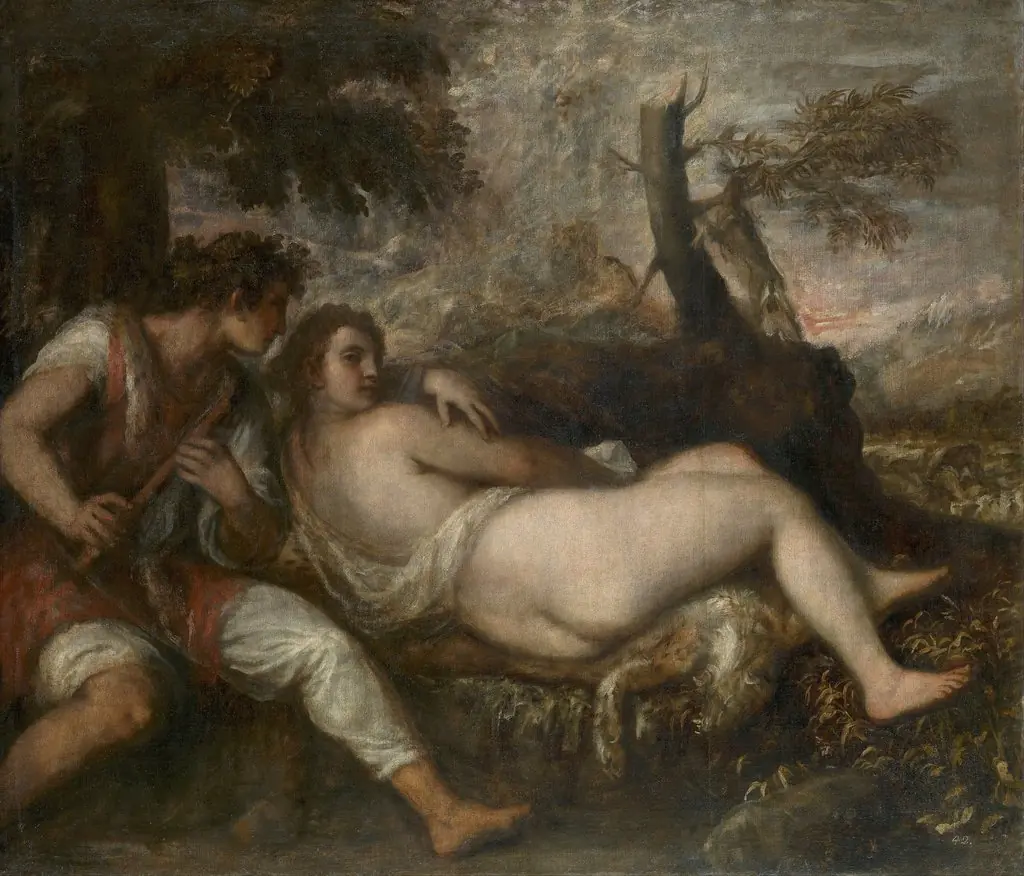 Nymph and Shepherd
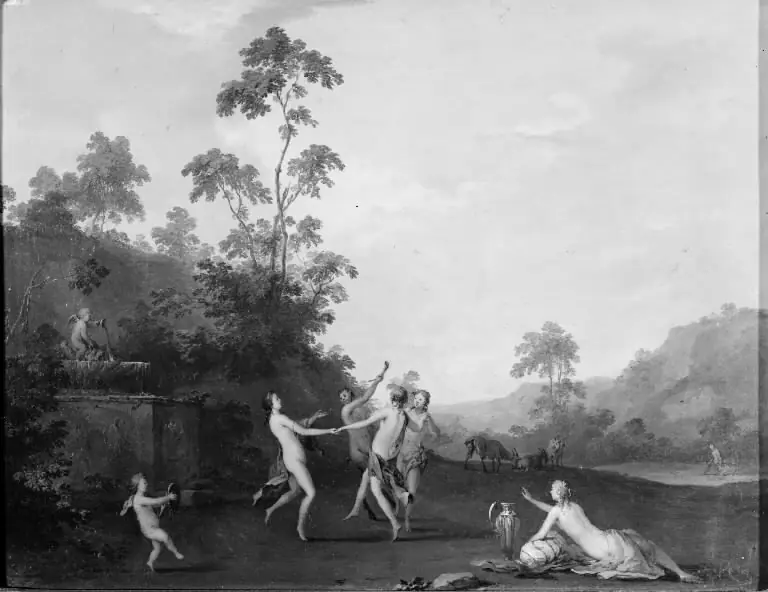 Three Nymphs Dancing with a Satyr
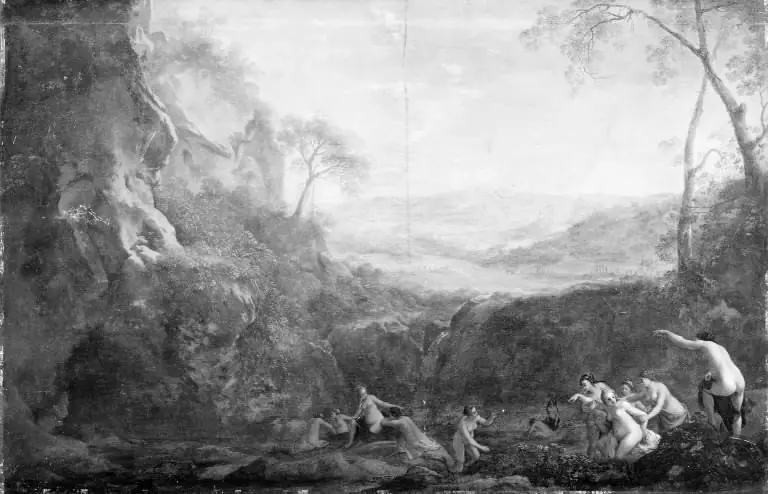 Landscape with Diana and Nymphs
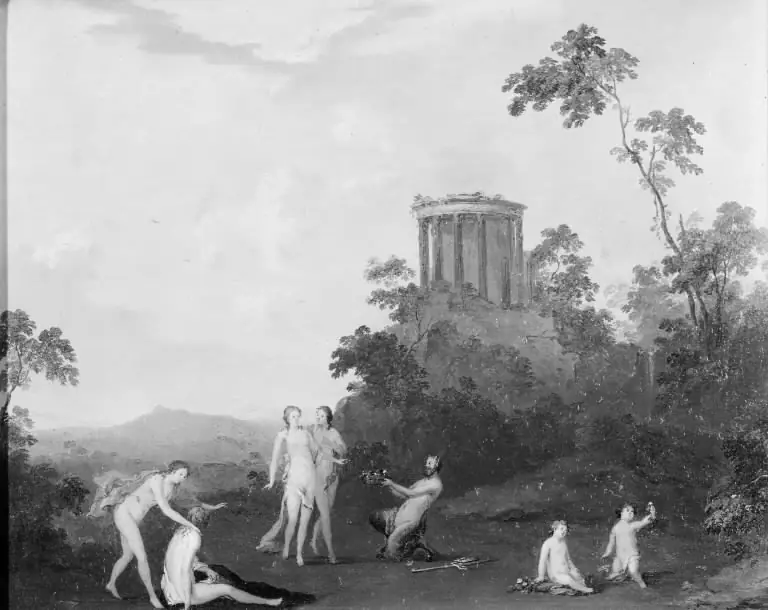 Nymphs and Satyr in front of a Temple
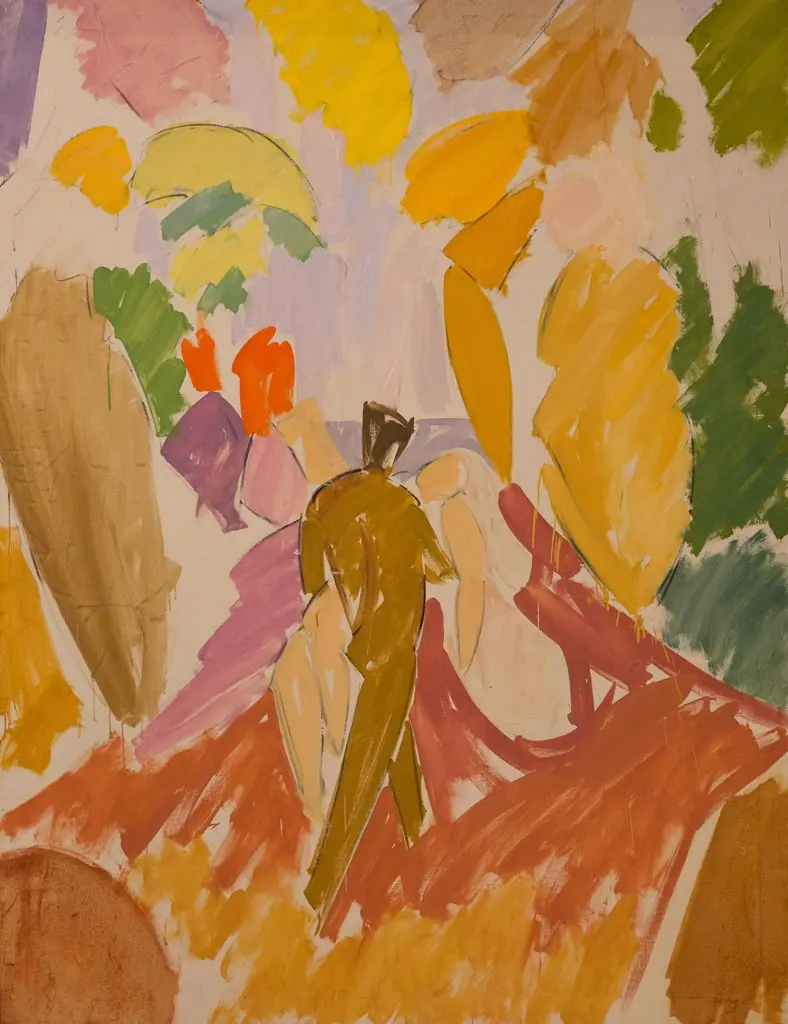 Faun and Nymph
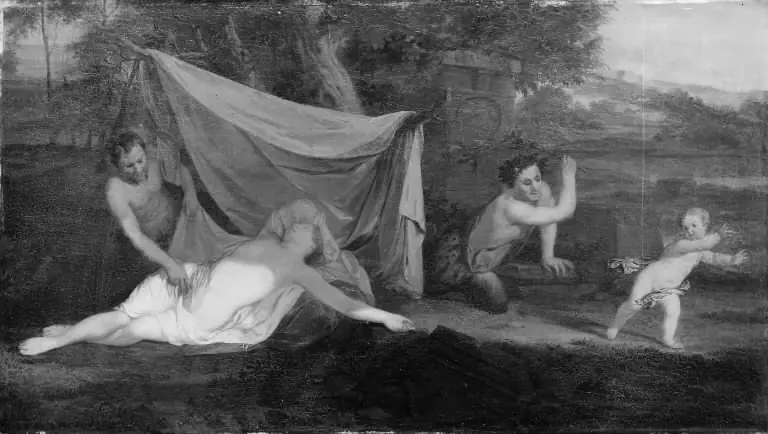 Faun and Nymph
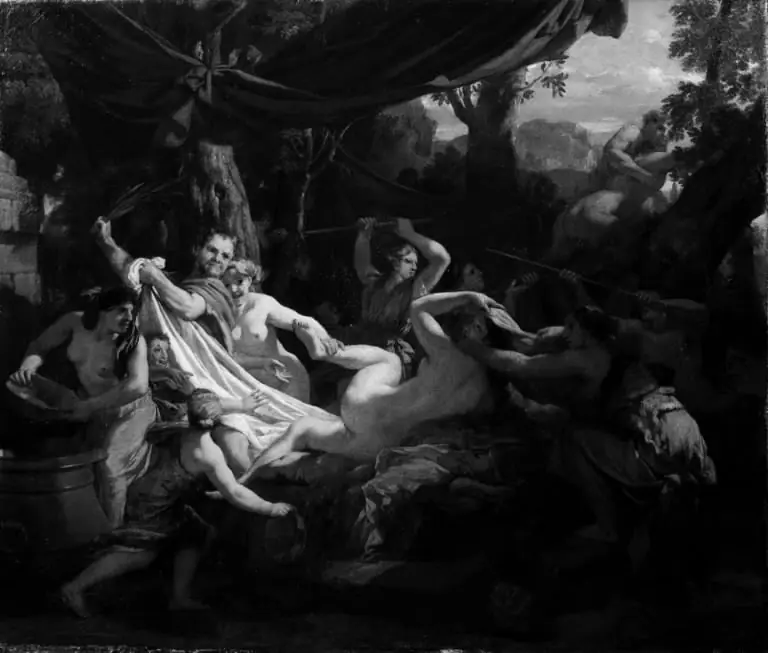 Nymphs Surprised by Satyrs
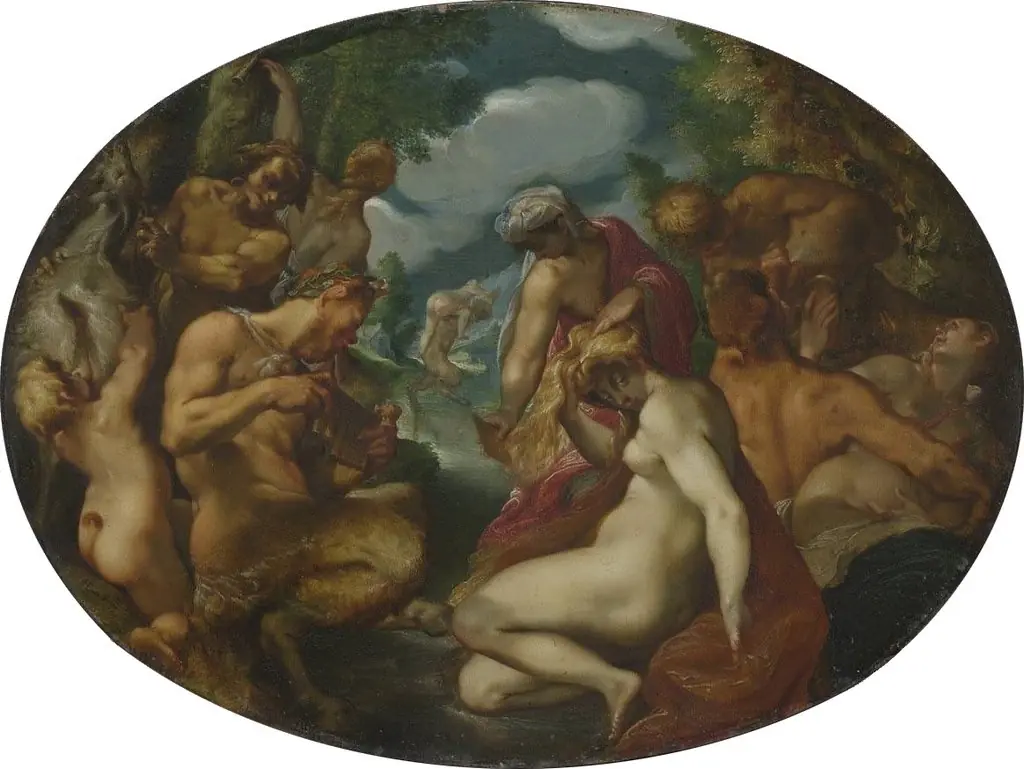 Satyrs and nymphs
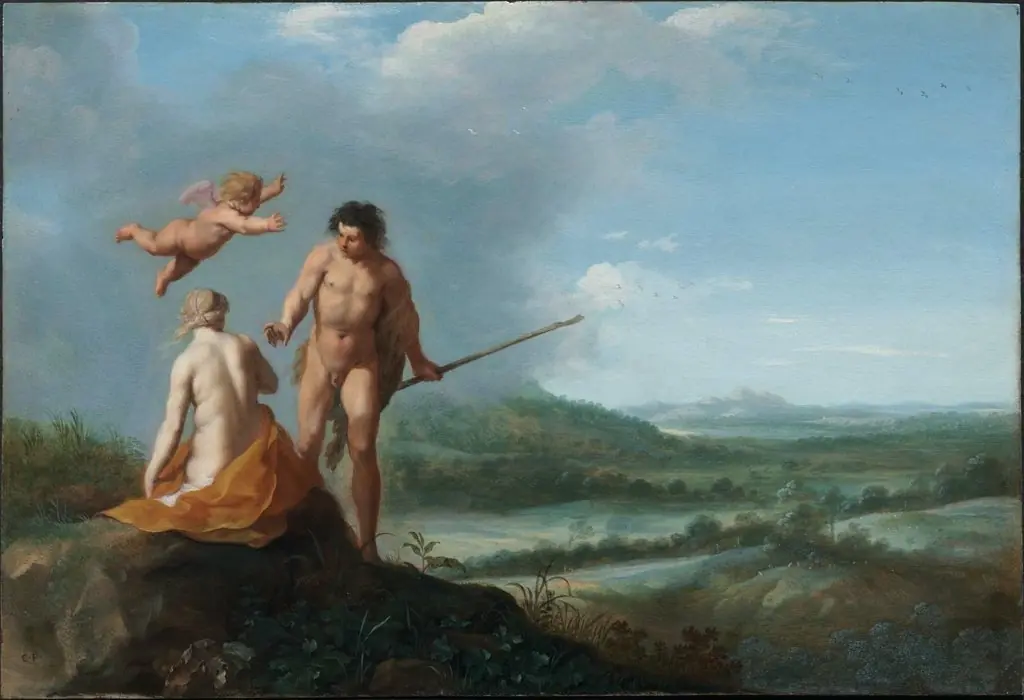 Nymph and Shepherd in a Landscape
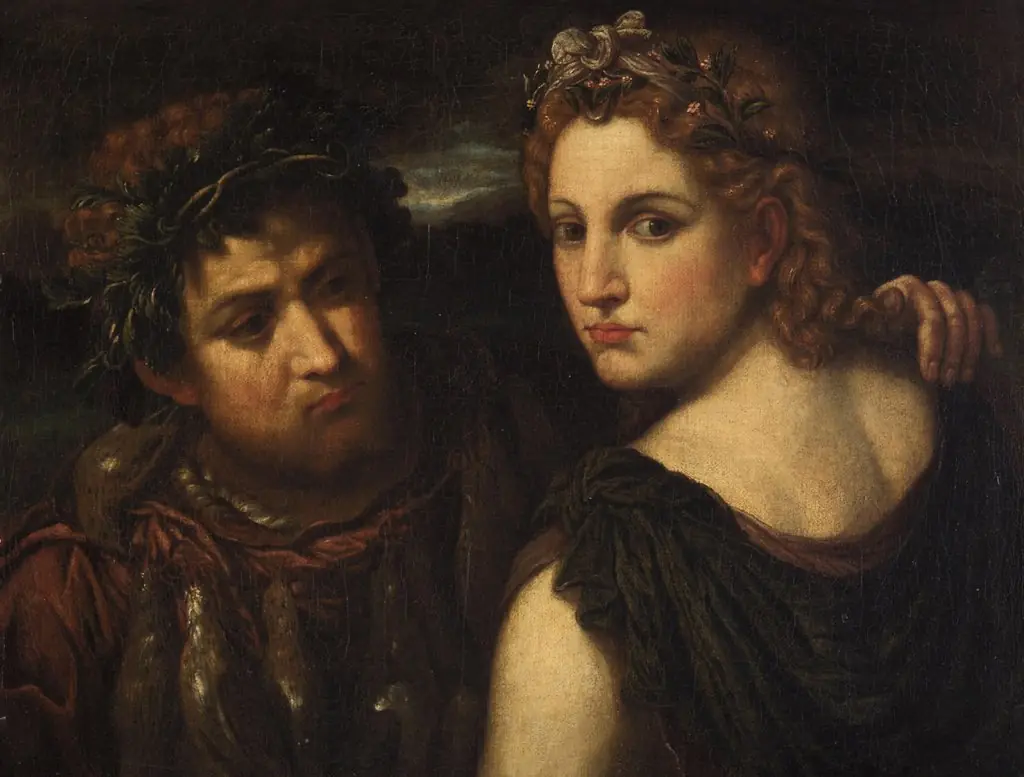 Nymph and Hunter
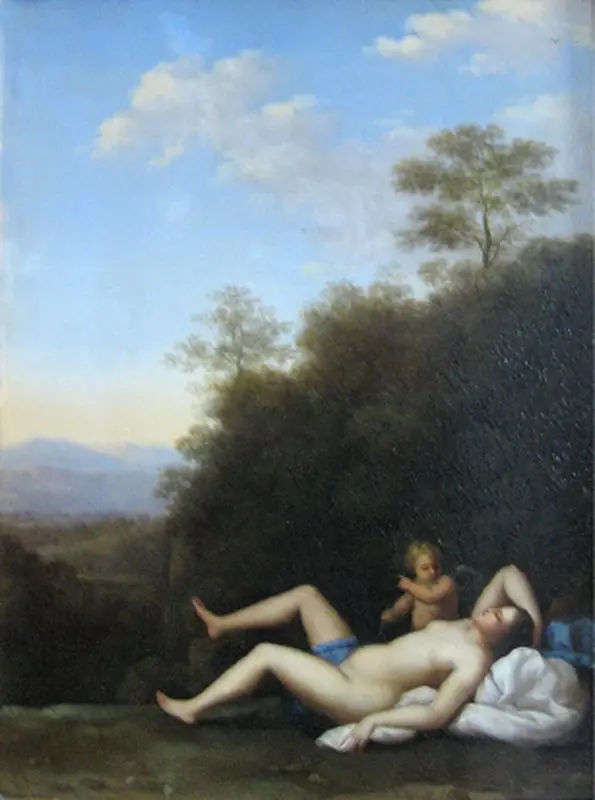 Sleeping Nymph
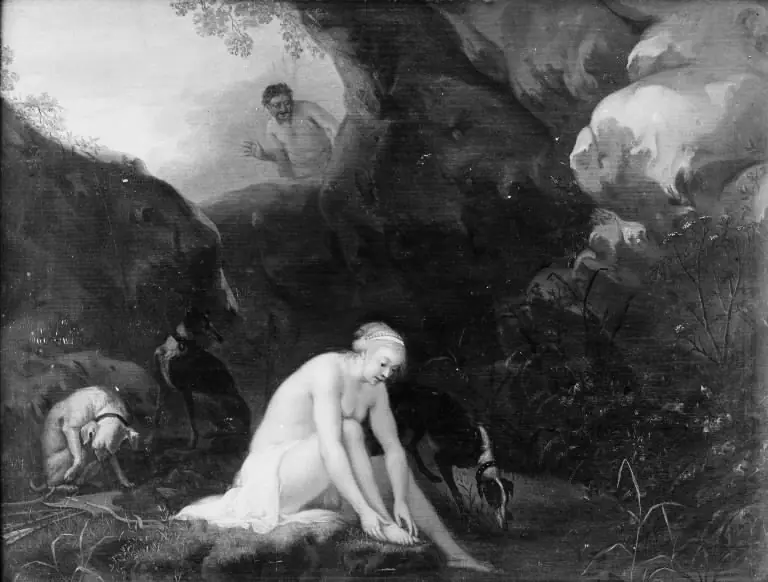 Bathing Nymph
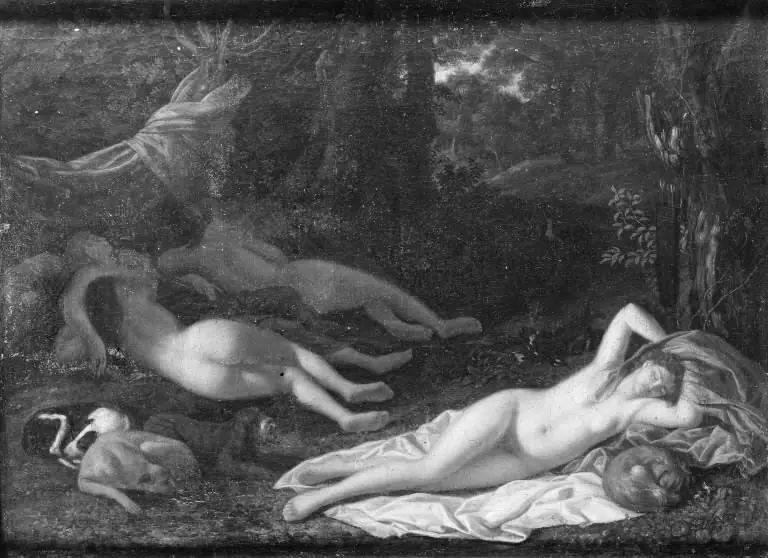 Diana and Nymphs
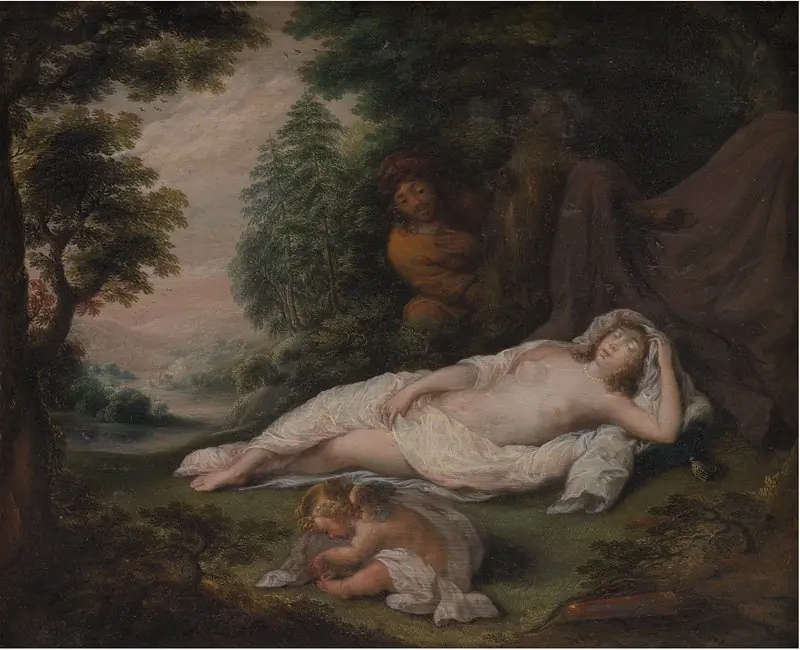 Sleeping Nymph Watched by a Man
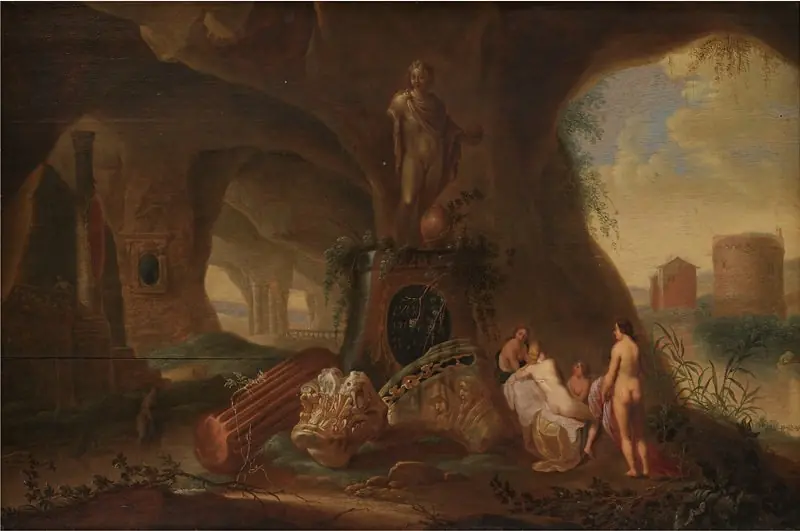 Nymphs in a Grotto
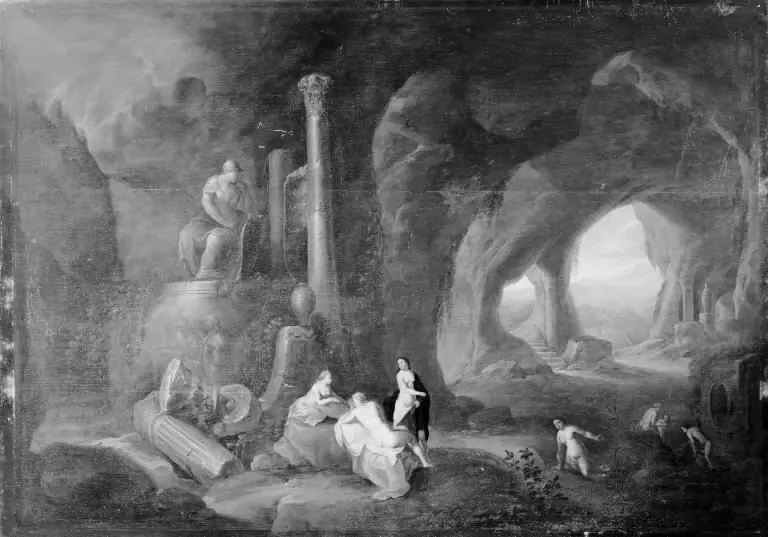 Seven Nymphs in a Grotto
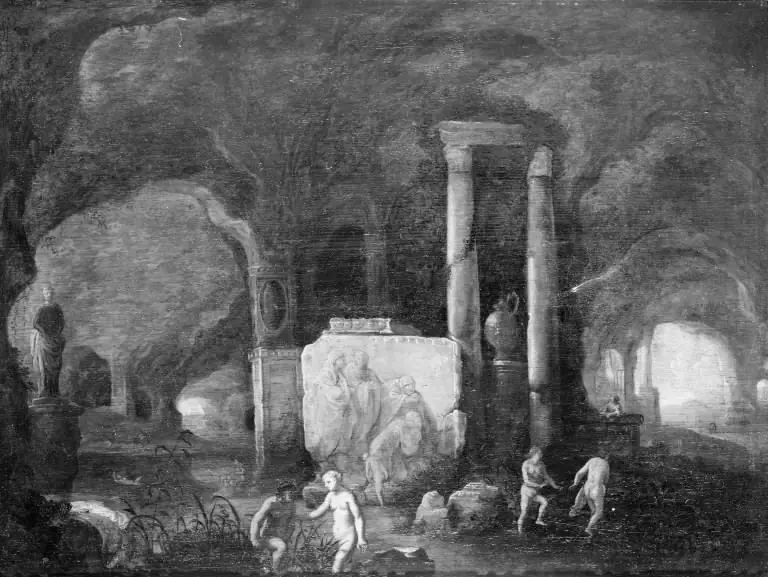 Grotto with Bathing Nymphs
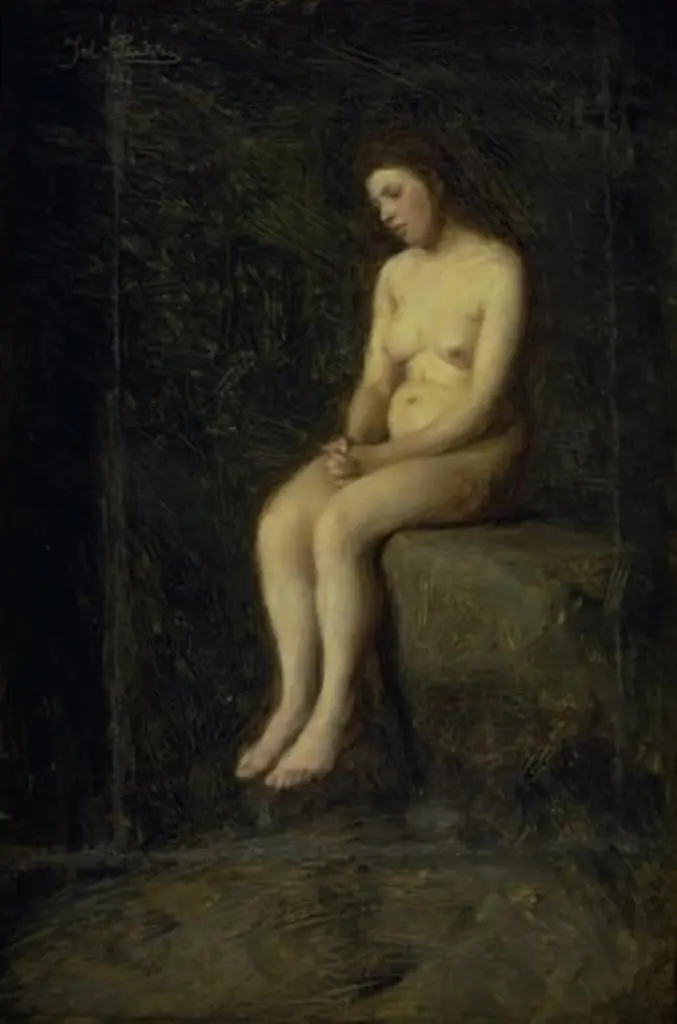 A Nymph. A Seated Female Model
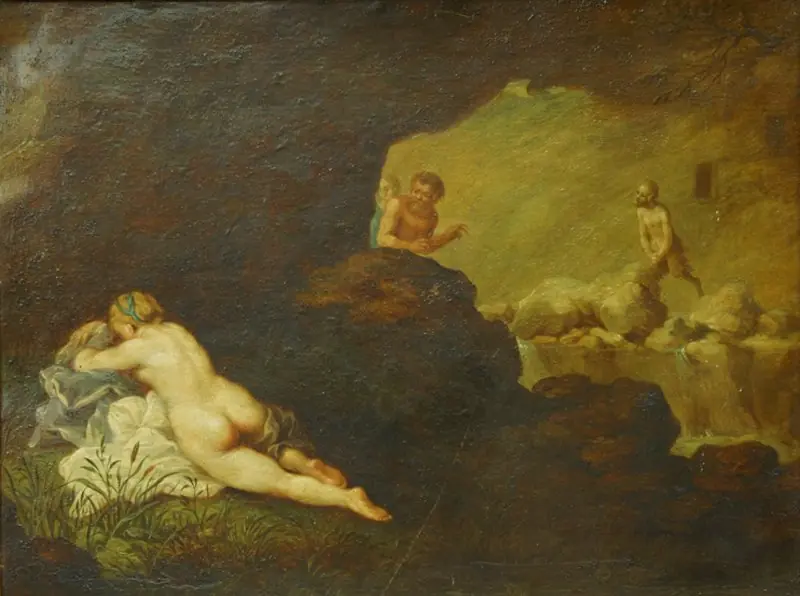 Sleeping Nymph
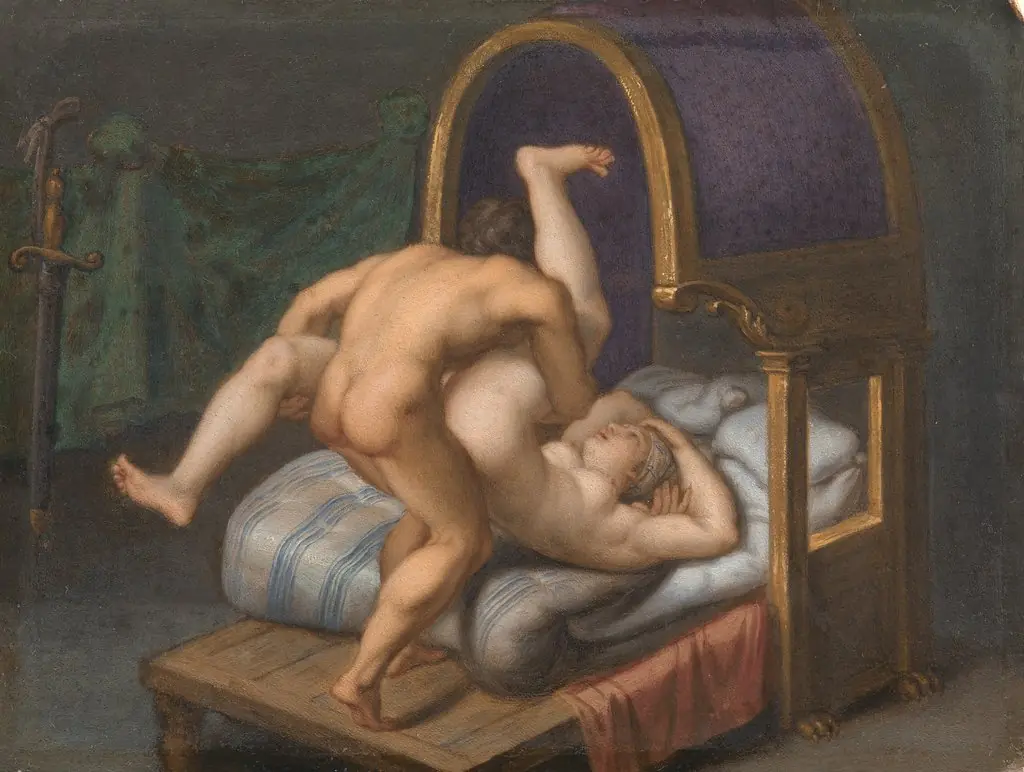 The Nymph Syrinx Pursued by Pan
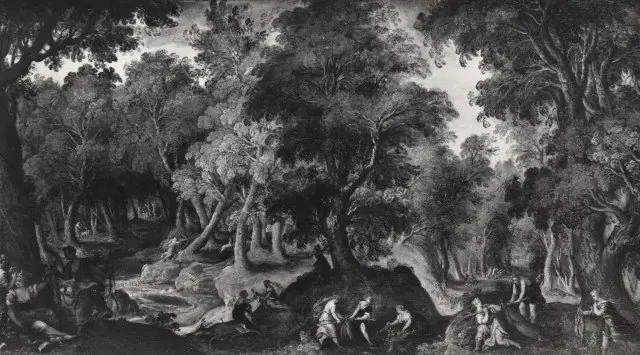 Wooded landscape with Diana and her nymphs
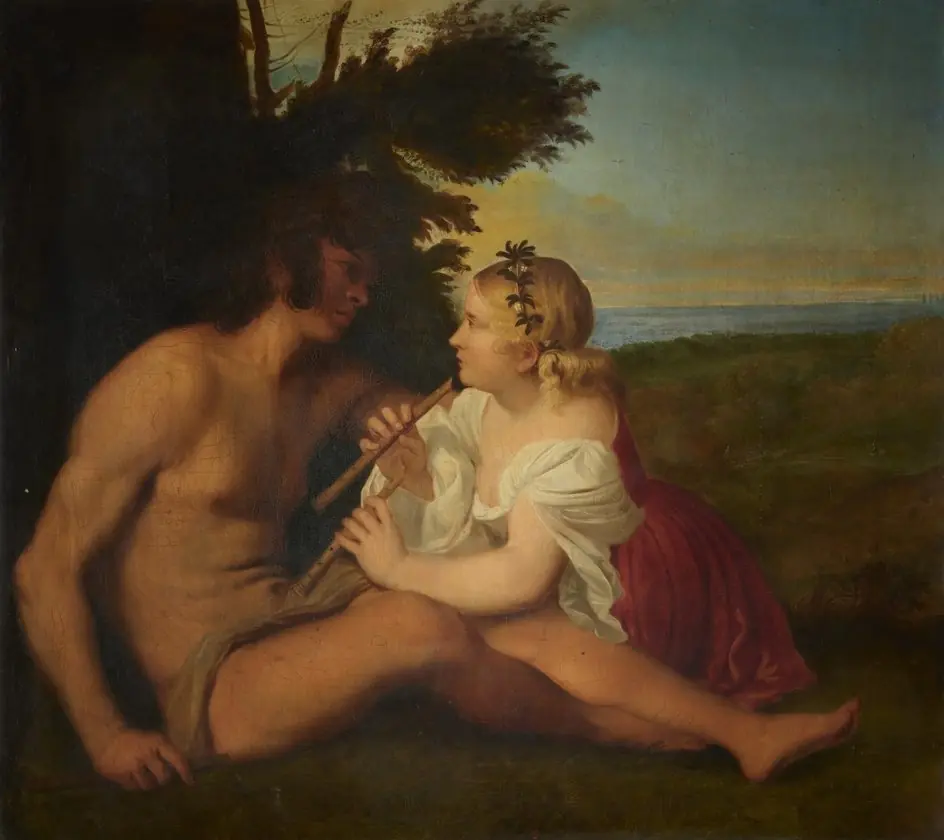 A Shepherd and a Nymph
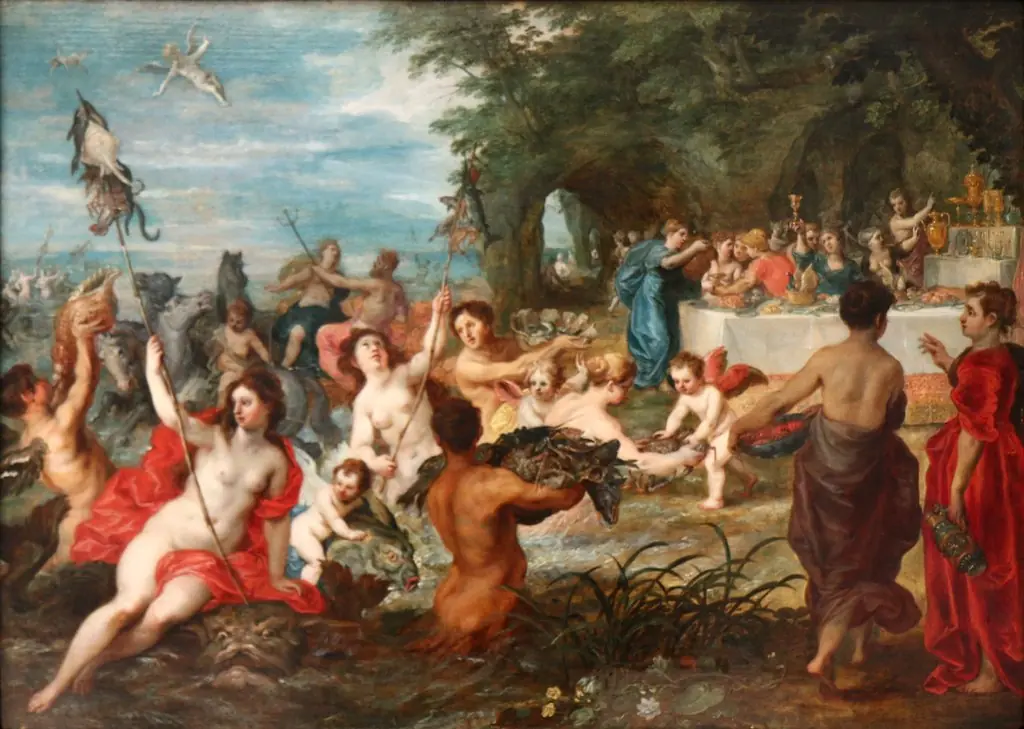 The wedding of Thetis and Peleus
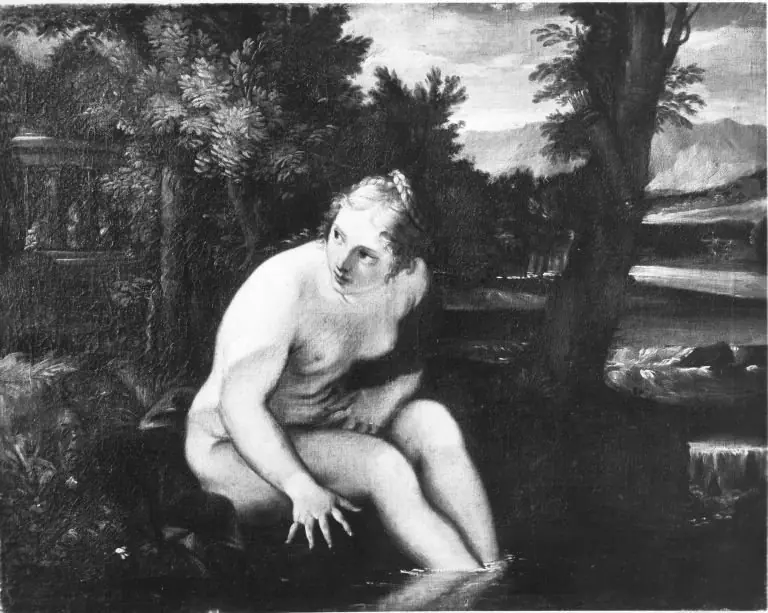 Bathing wood nymph
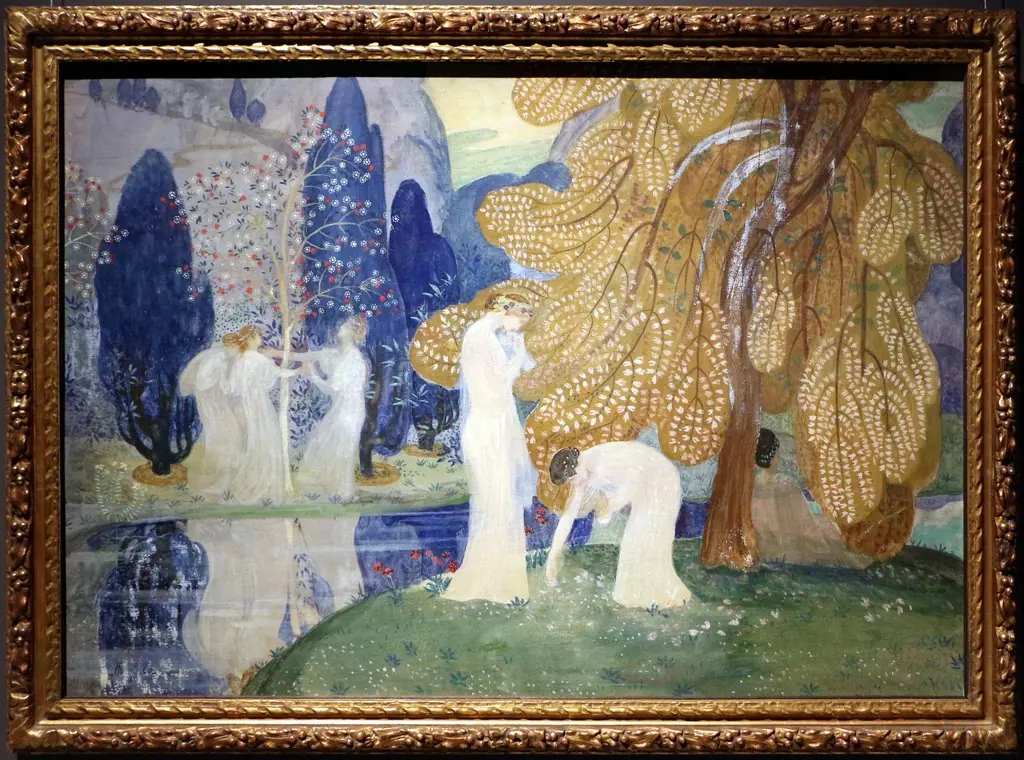 Dancing Nymphs
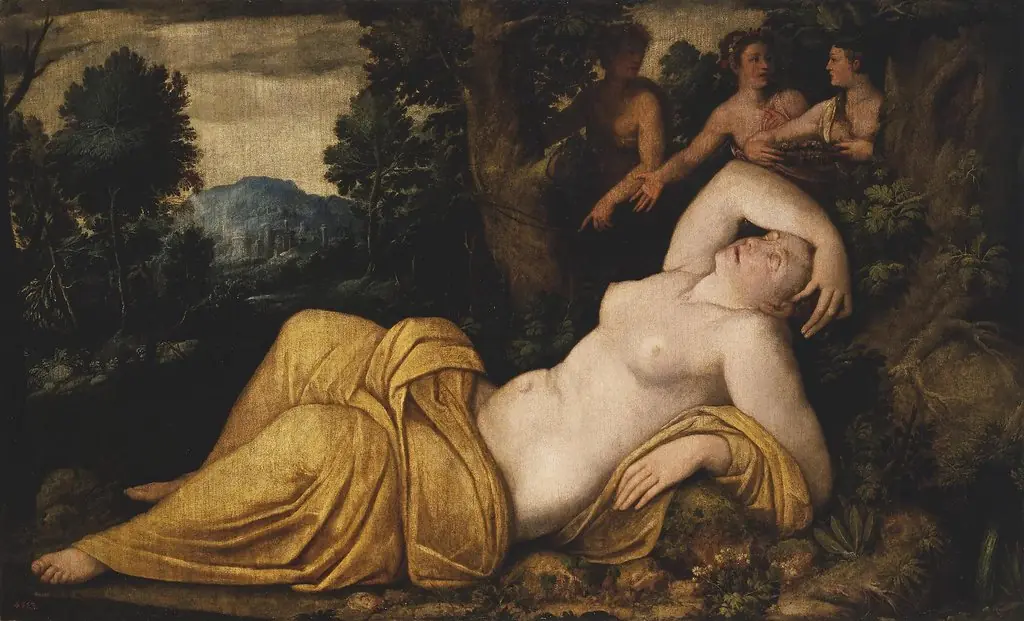 Nymph of Spring
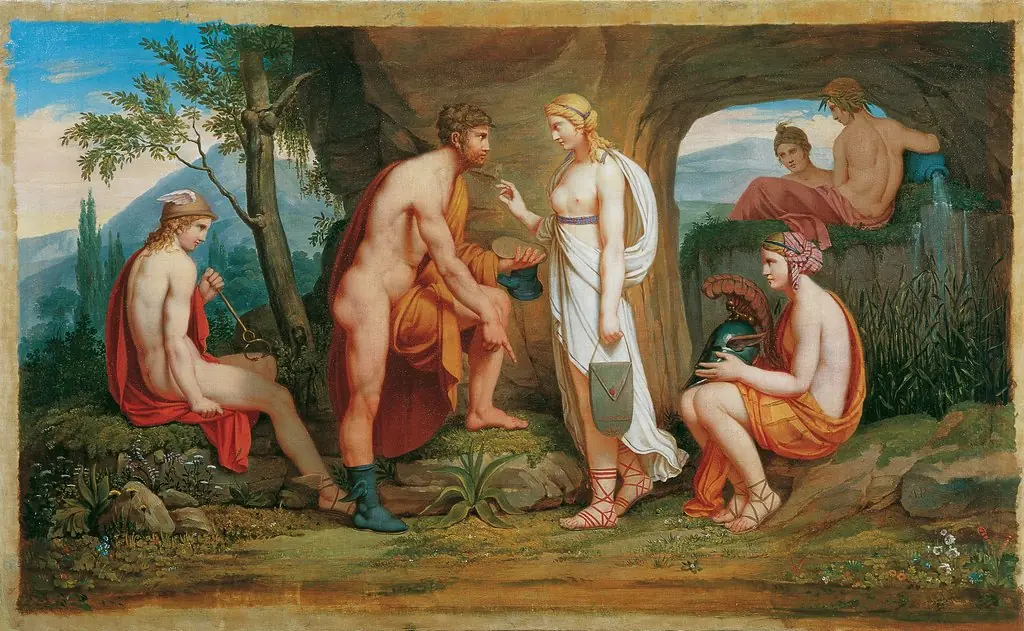 Perseus and the Nymphs
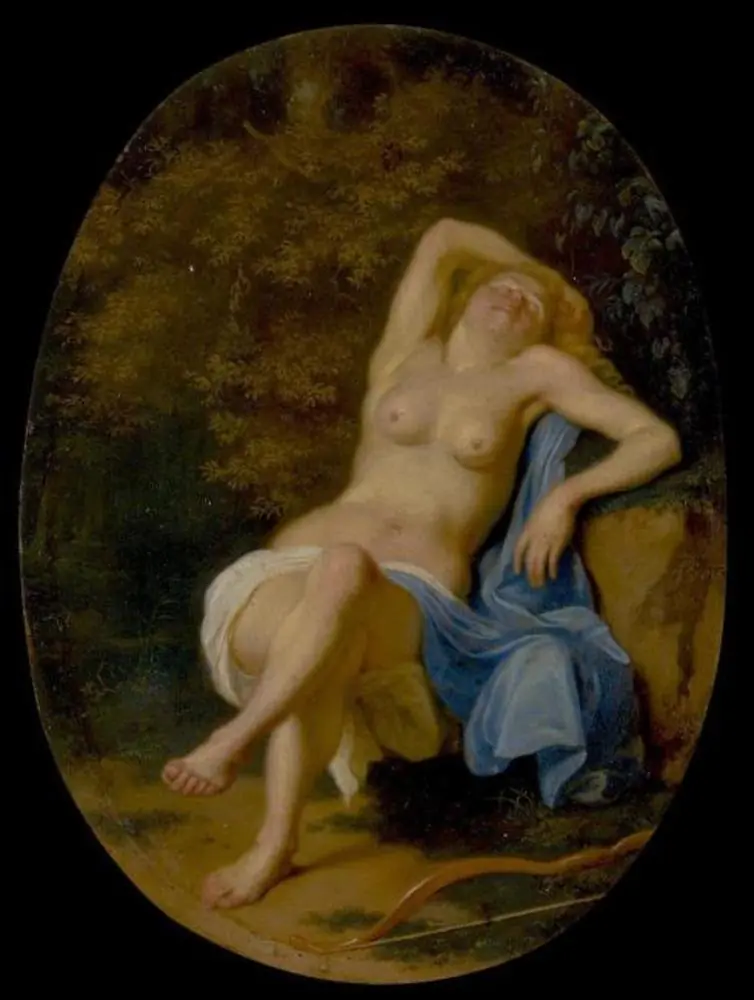 Resting Nymph
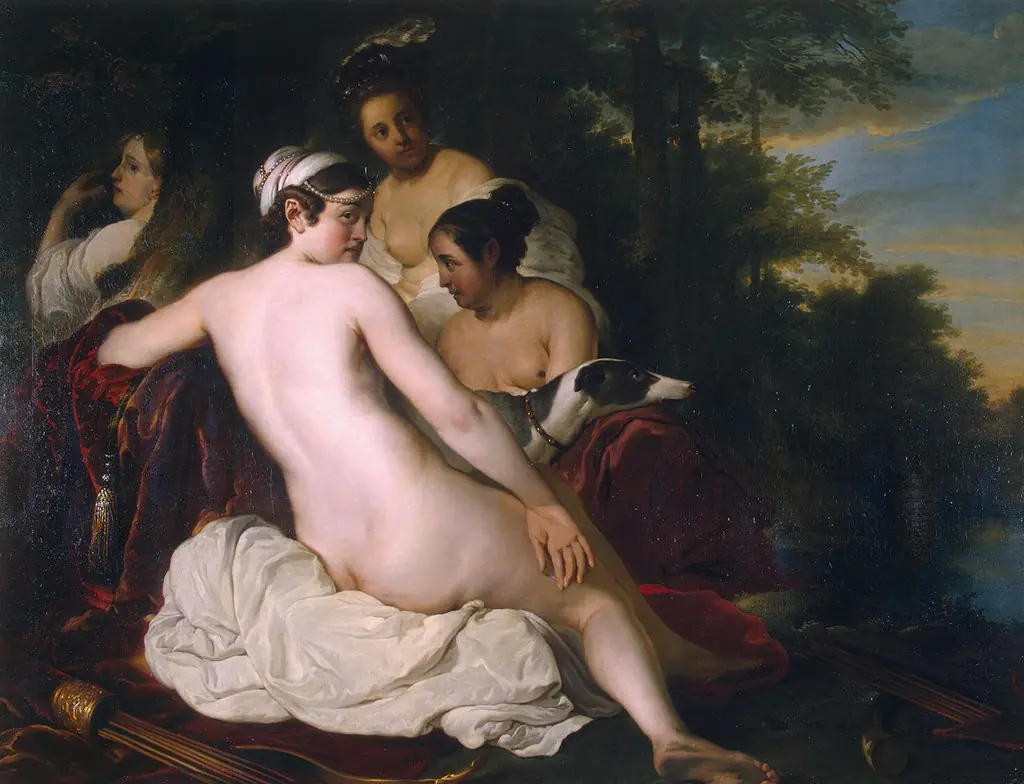 Rest of Diana and Her Nymphs
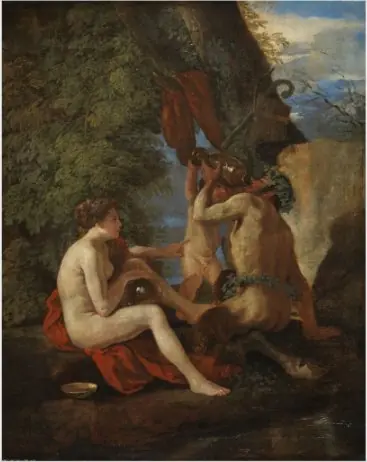 Nymph and Satyr
 A Young Girl with a Vase of Flowers
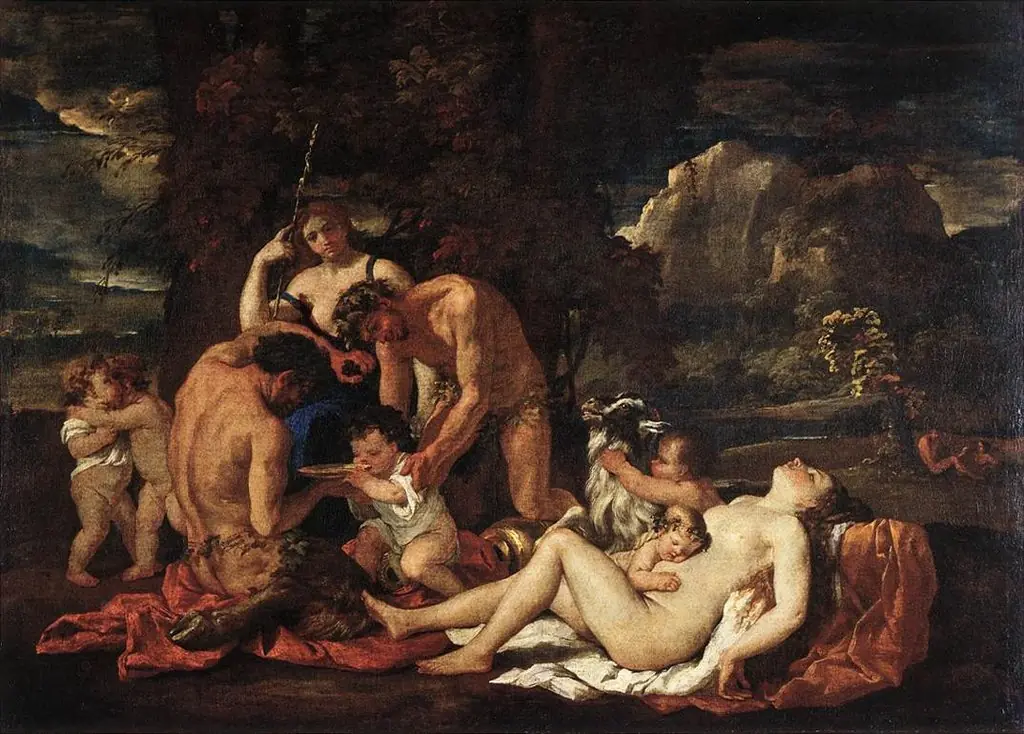 The Nurture of Bacchus
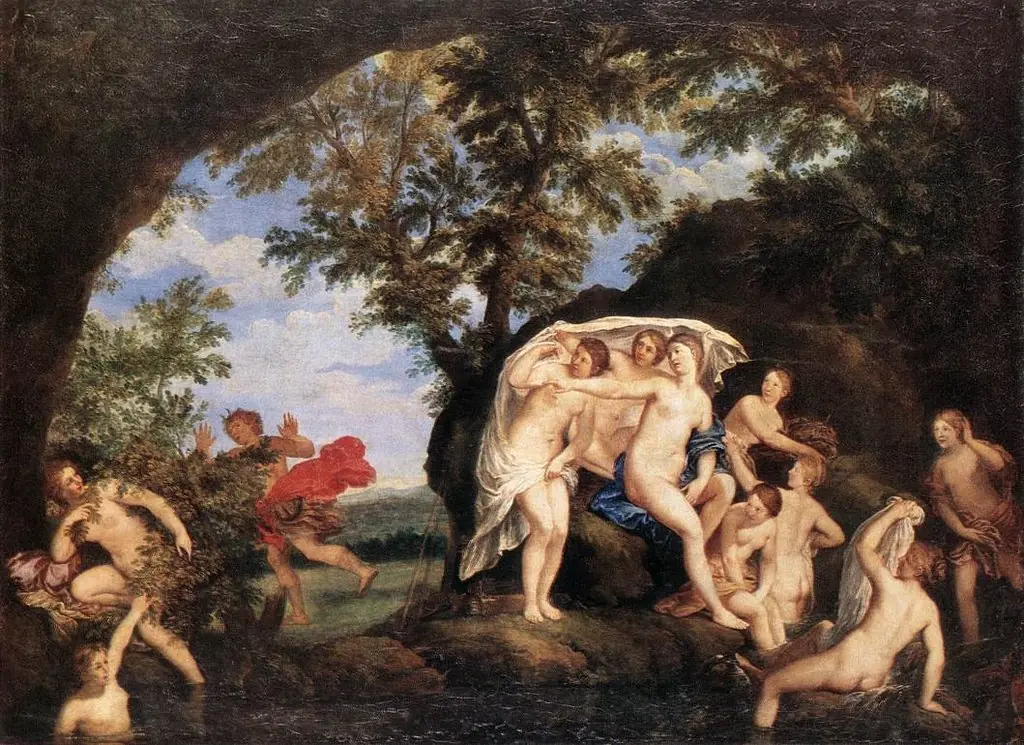 Diana and Actaeon with nine nymphs
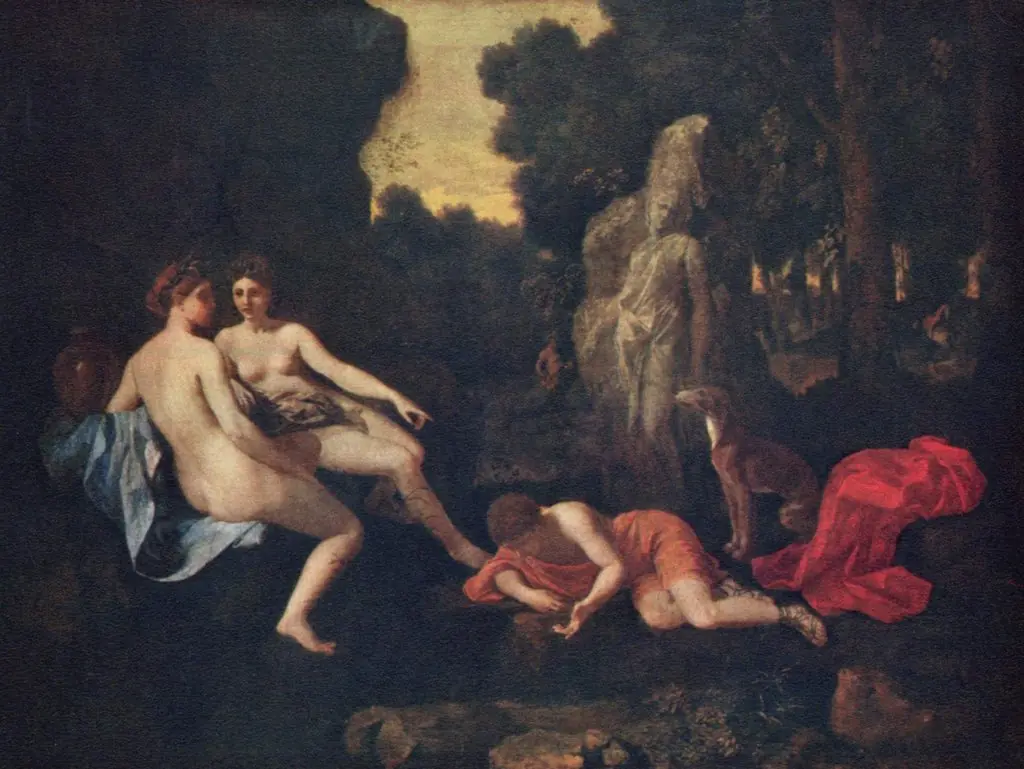 Narcissus with Two Nymphs and Echo
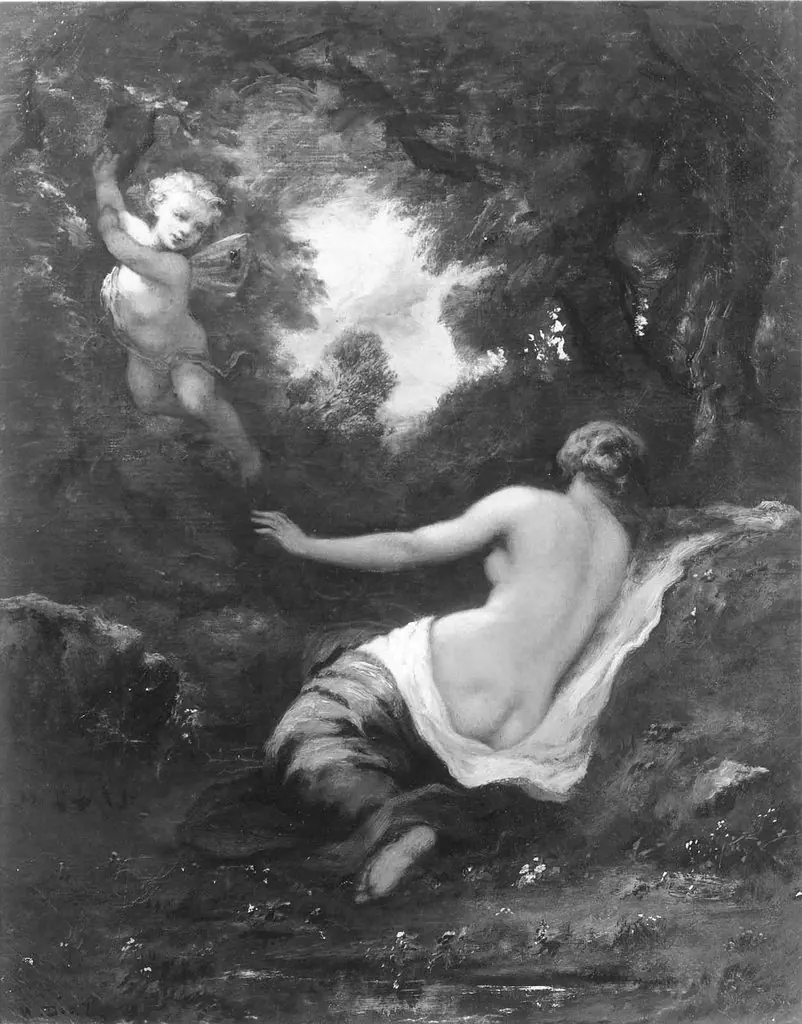 Venus and Cupid (I)
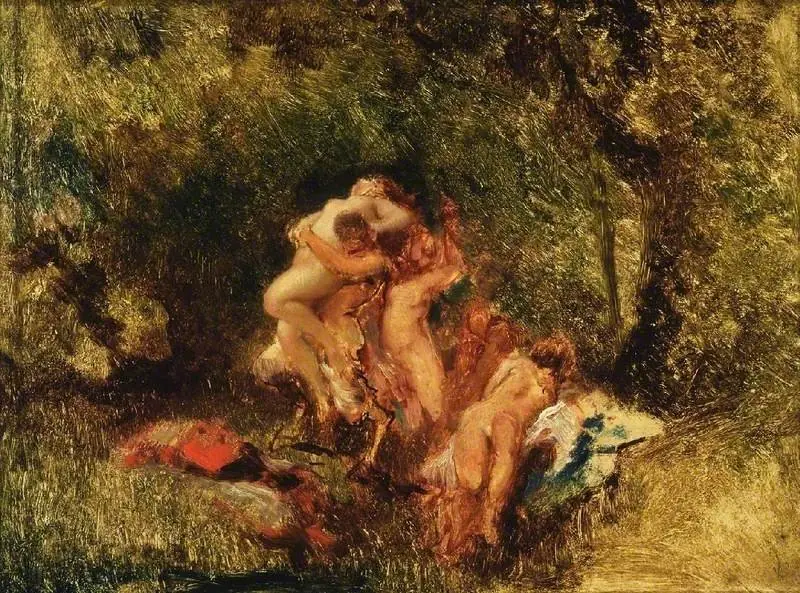 Nymphs et Satyres
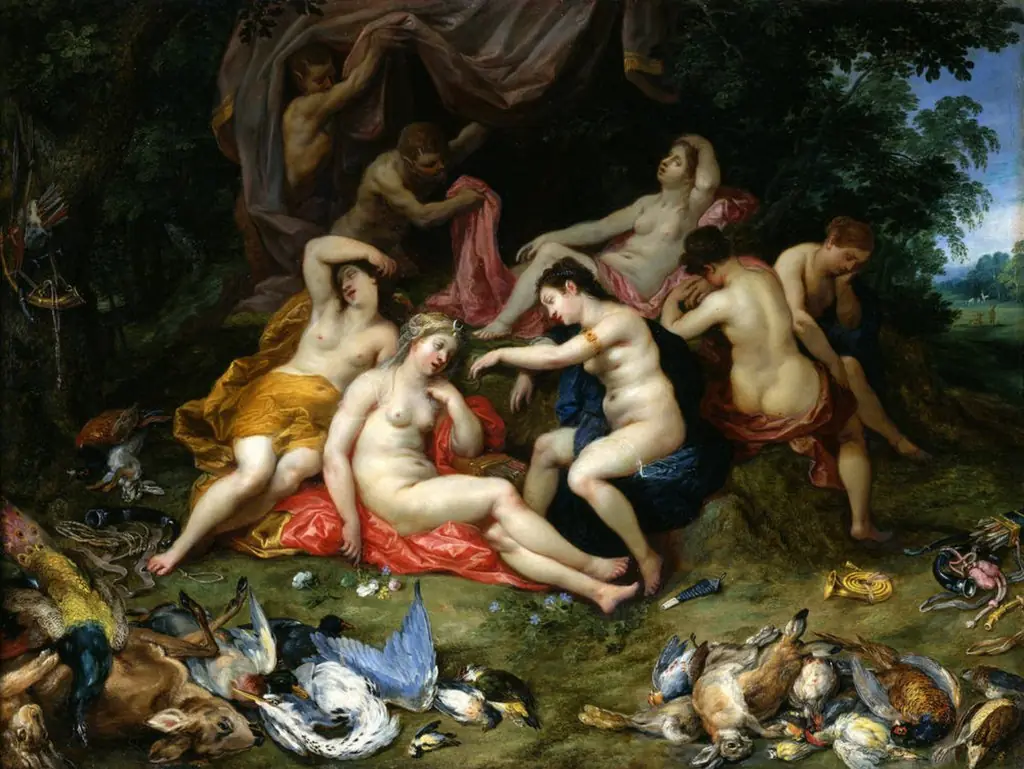 Diana and Her Nymphs Asleep, Spied Upon by Satyrs
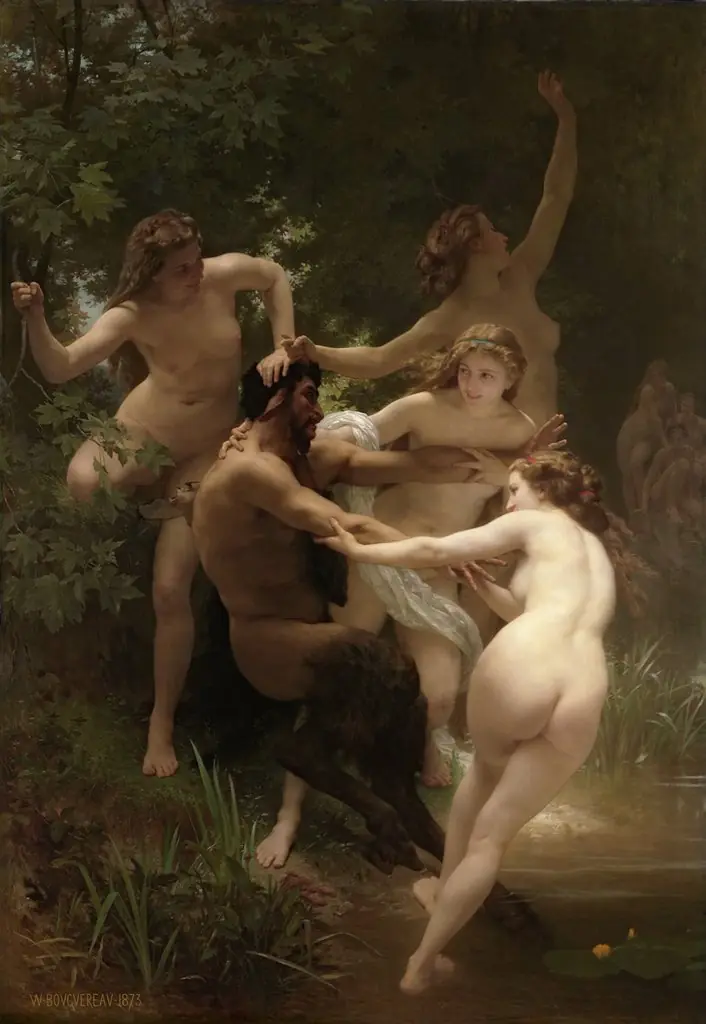 Nymphs and Satyr
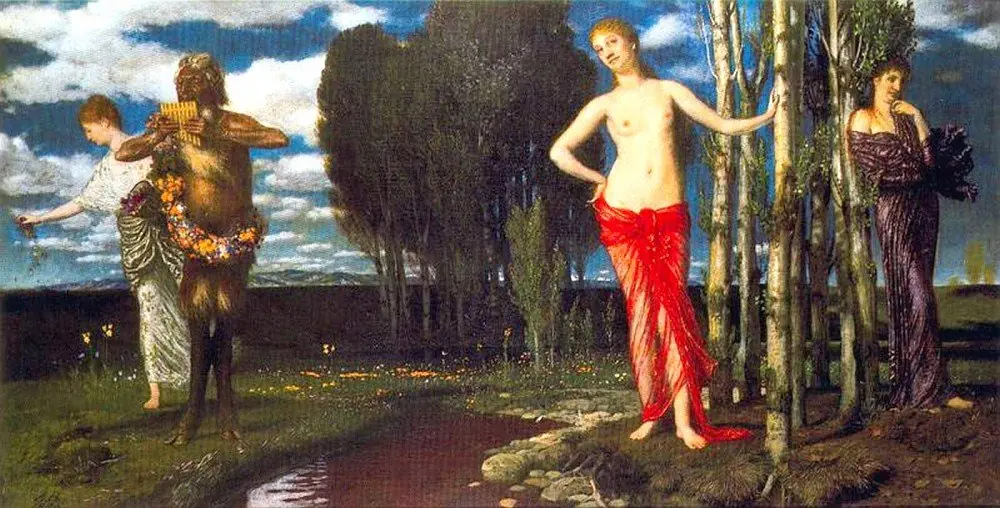 Spring Awakening
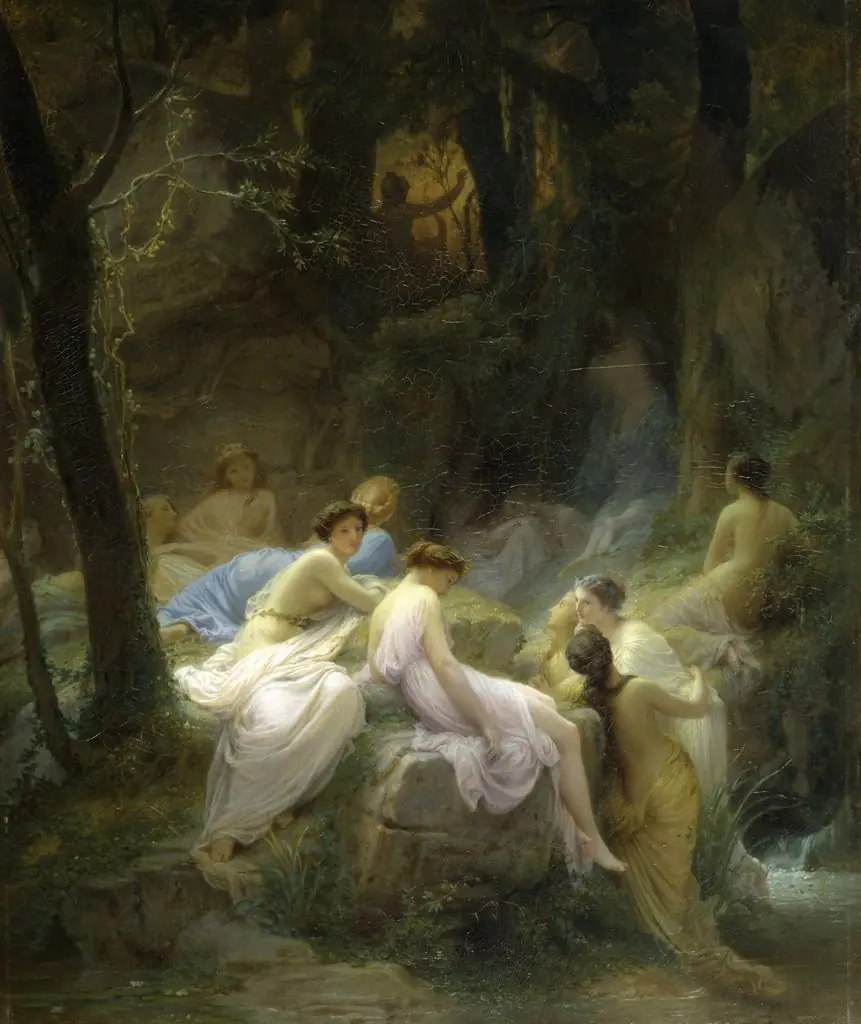 Nymphs Listening to the Songs of Orpheus
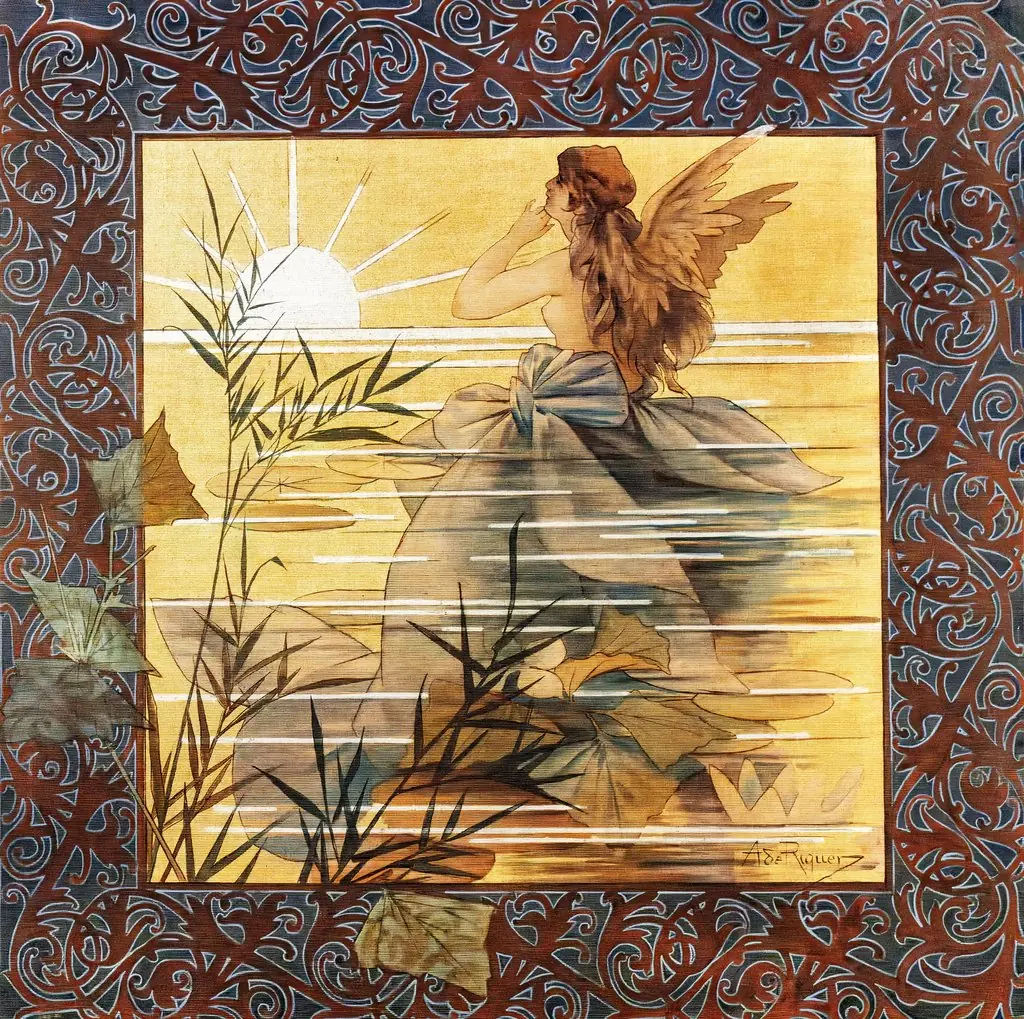 Composition with winged nymph at sunrise
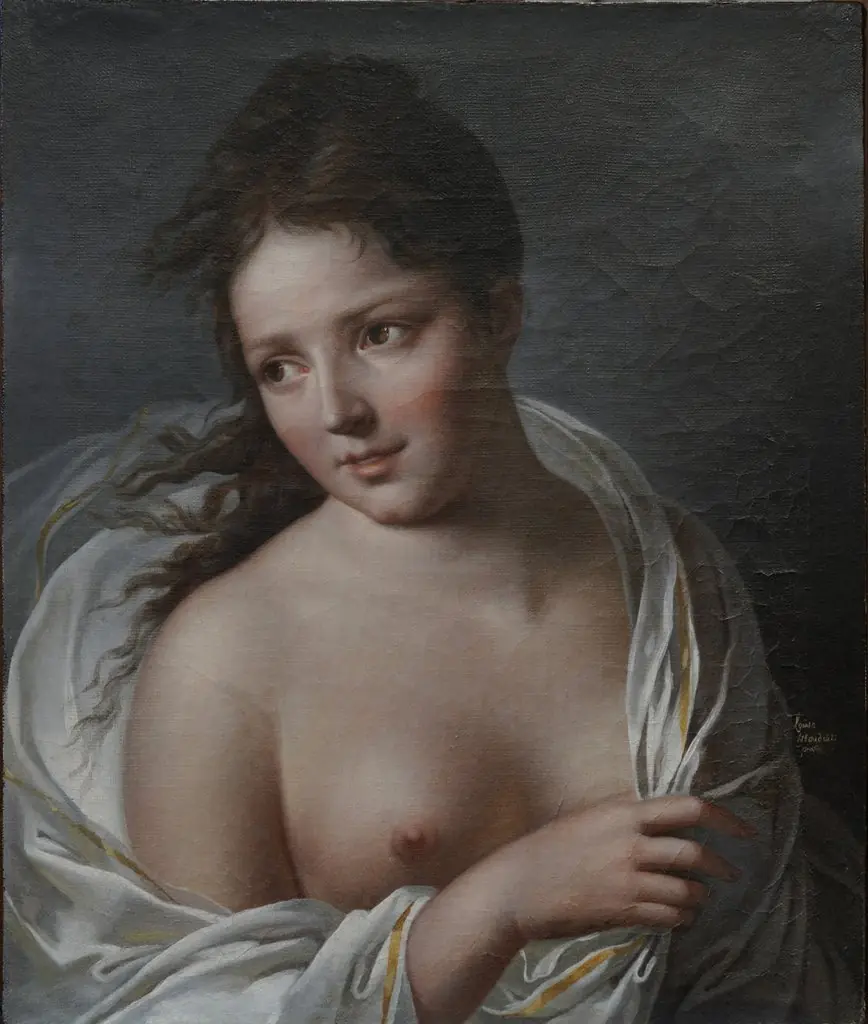 Nymph
Nymph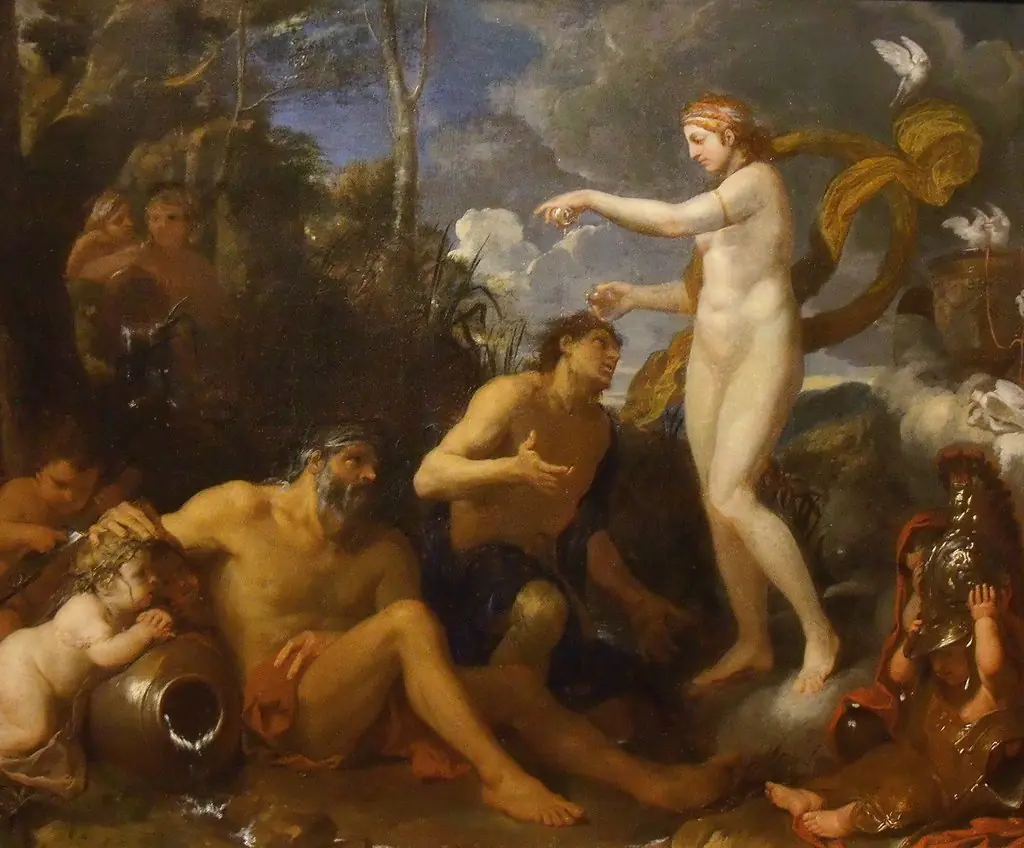 The deification of Aeneas
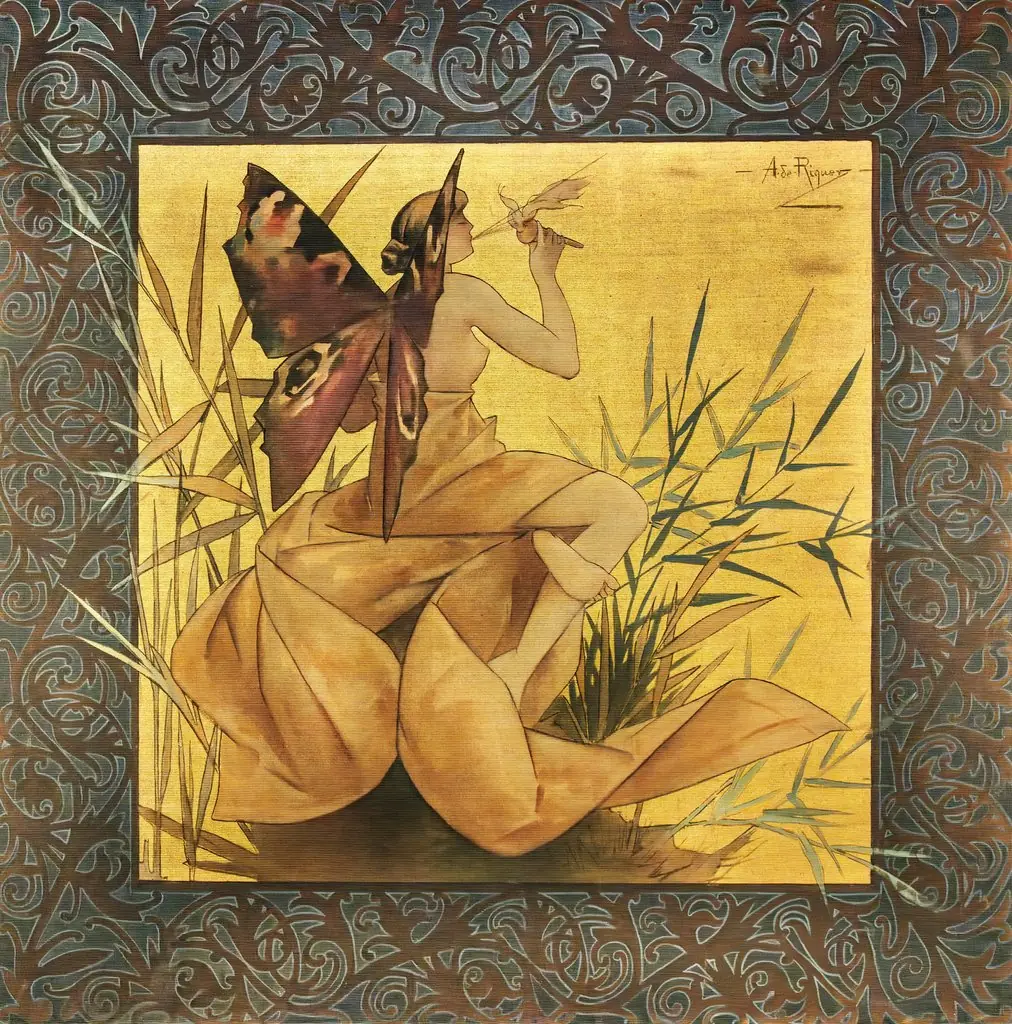 Composition with Winged Nymph Blowing Amongst Reeds
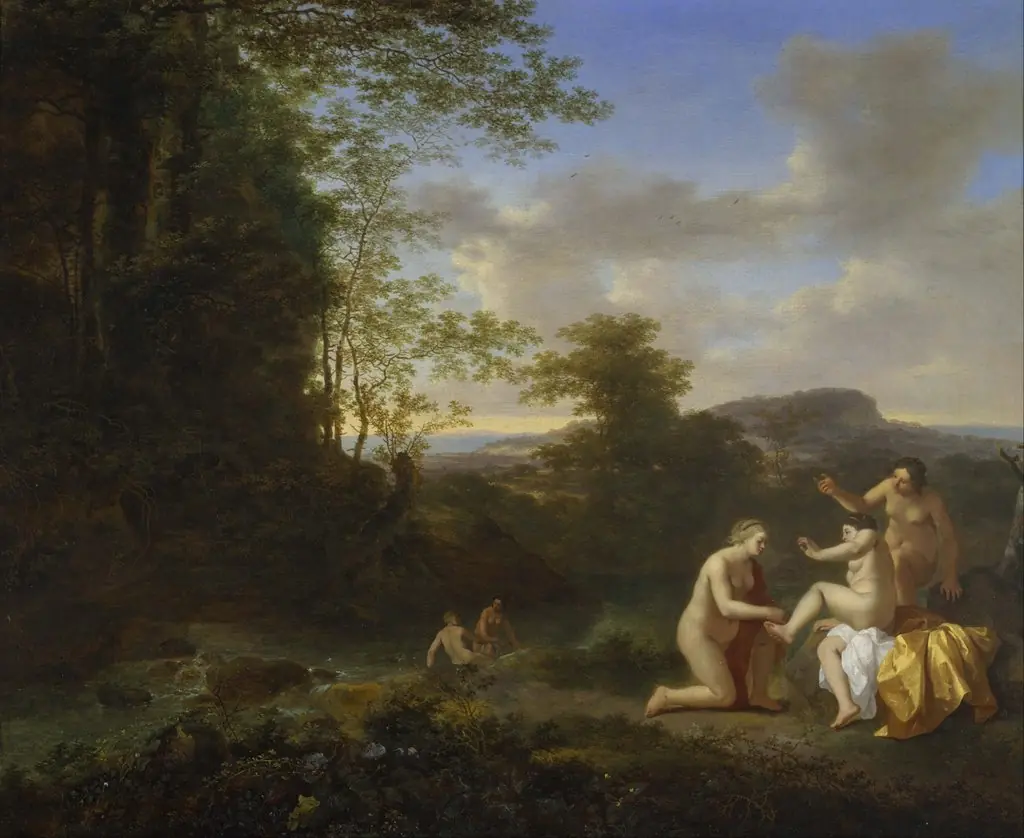 Landscape with Nymphs
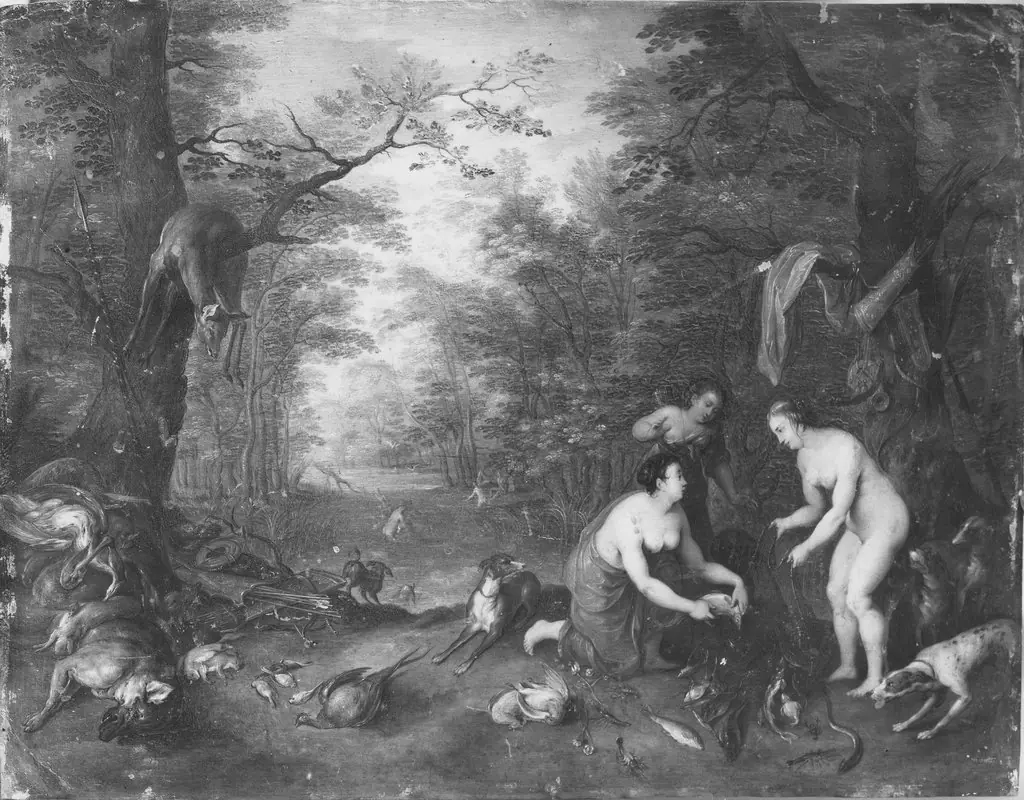 Diana Hunting
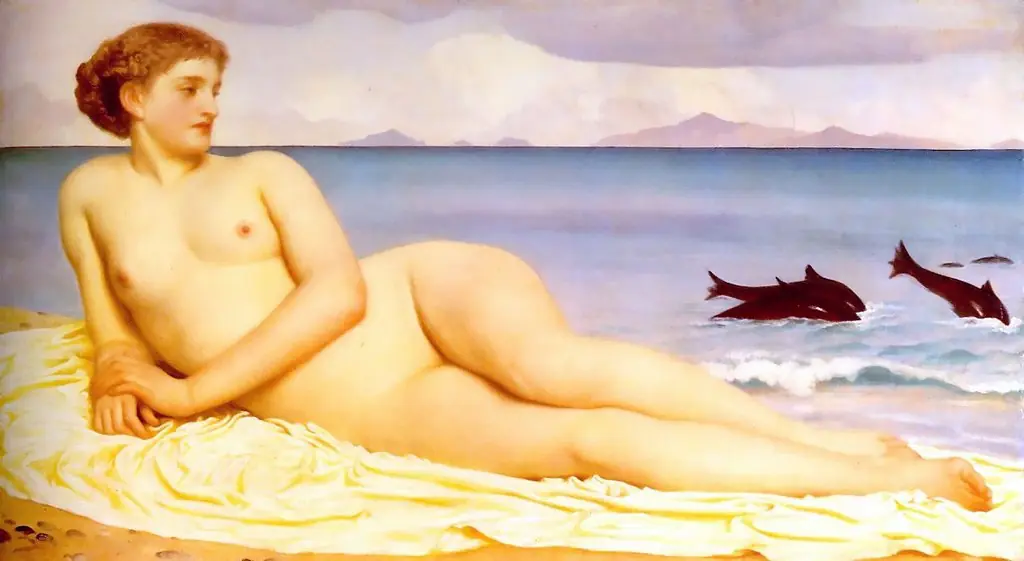 Actaea, the Nymph of the Shore
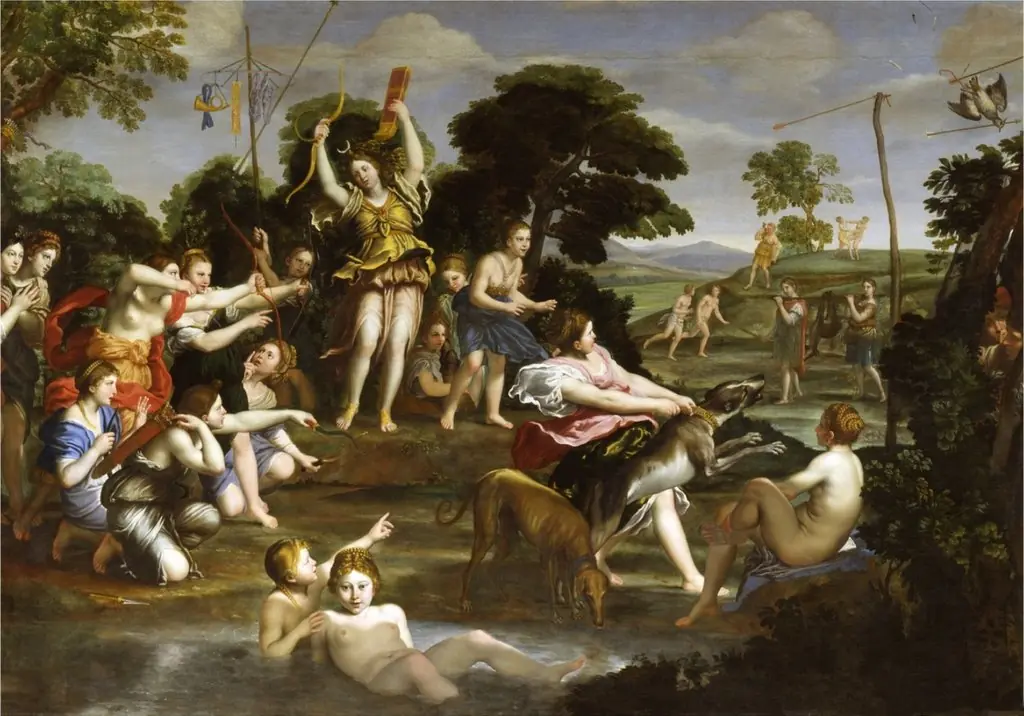 Diana and her Nymphs
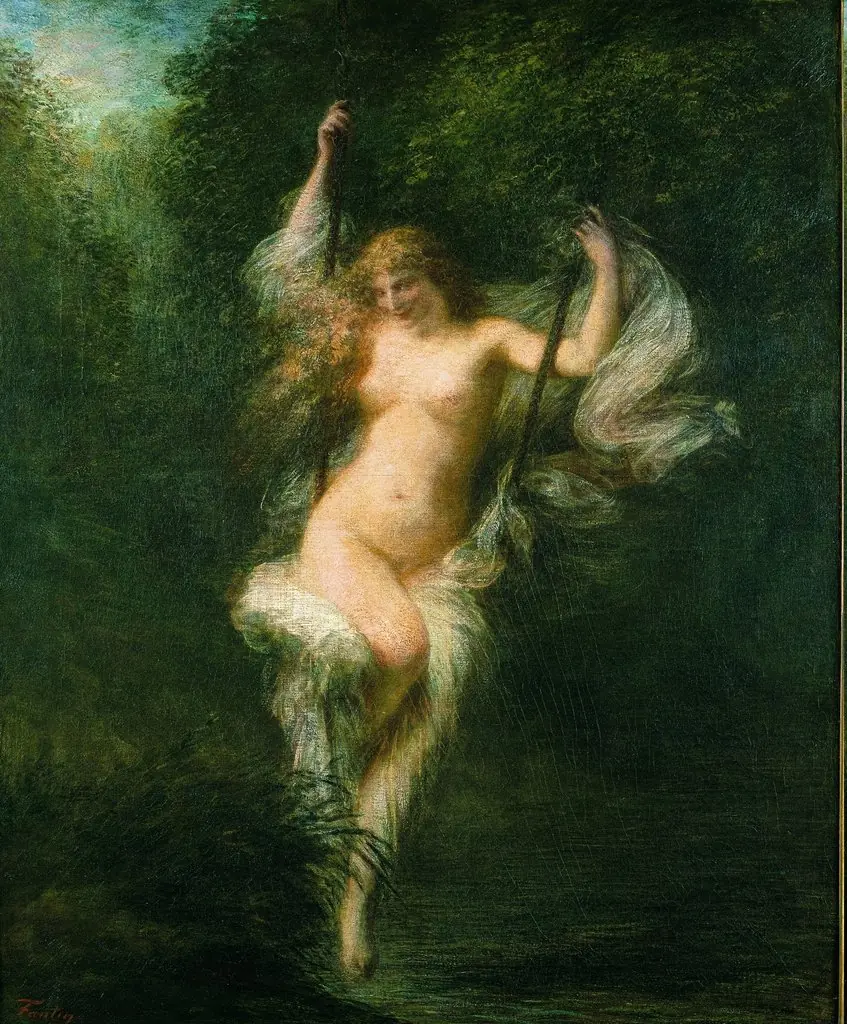 Sarah la bañista
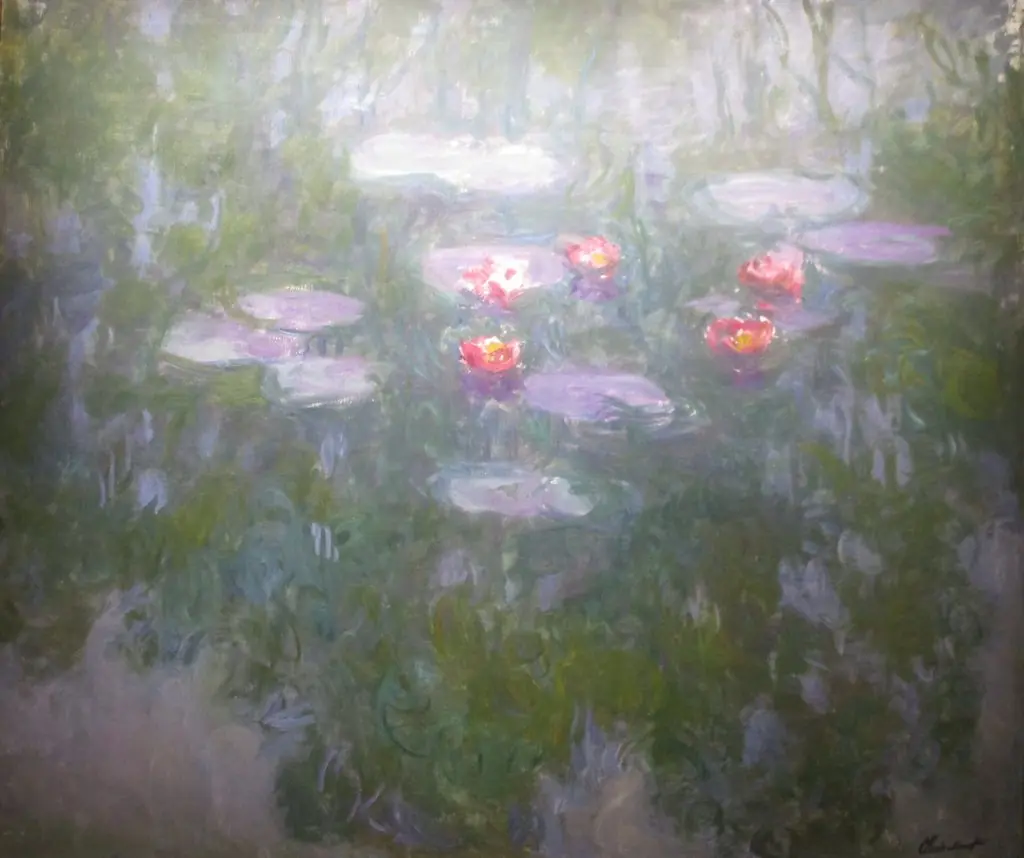 Nympheas
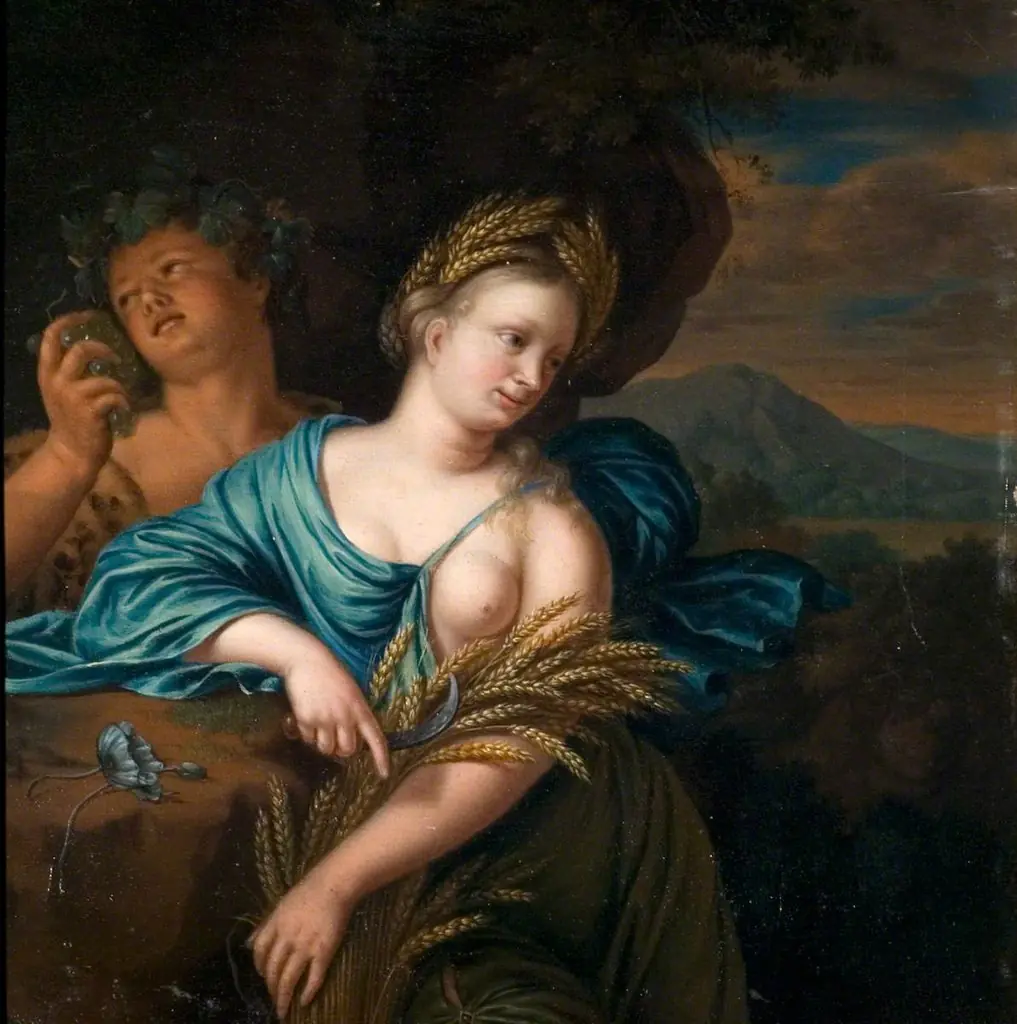 Bacchus and Ceres
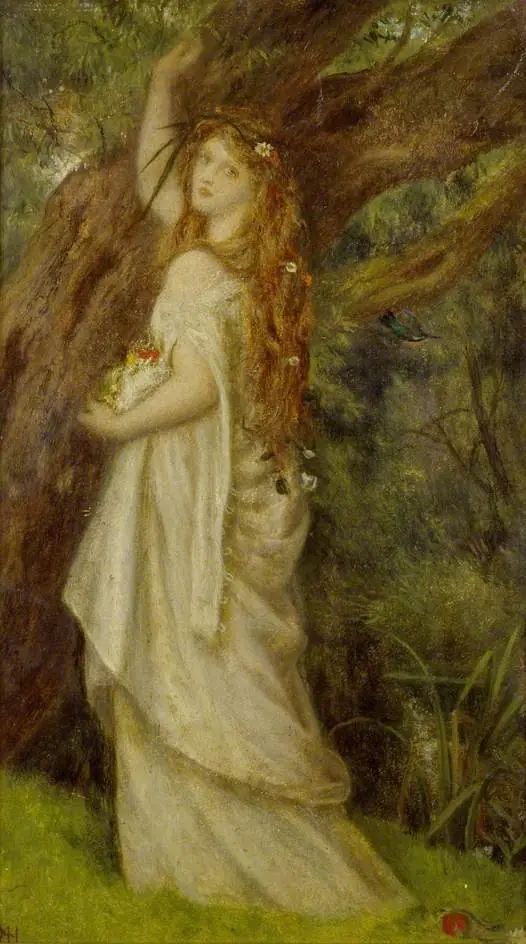 Ophelia
Frequently asked questions
What is Nymph?
Nymph is a subject in art. A nymph (Ancient Greek: νύμφη, romanized: nýmphē; Attic Greek: ; sometimes spelled nymphe) is a minor female nature deity in ancient Greek folklore.
How many Nymph works does Artifact World Gallery have?
Artifact World Gallery holds 82 public-domain Nymph works, all free to view and download.
Who are the key Nymph artists?
Key Nymph artists in the collection include Titian, Jean Baptiste Camille Corot and Édouard Manet.
Where can I see Nymph works?
Nymph works in the collection are held by Statens Museum for Kunst, Metropolitan Museum of Art and Hermitage Museum.