Artwork
Portrait of a man
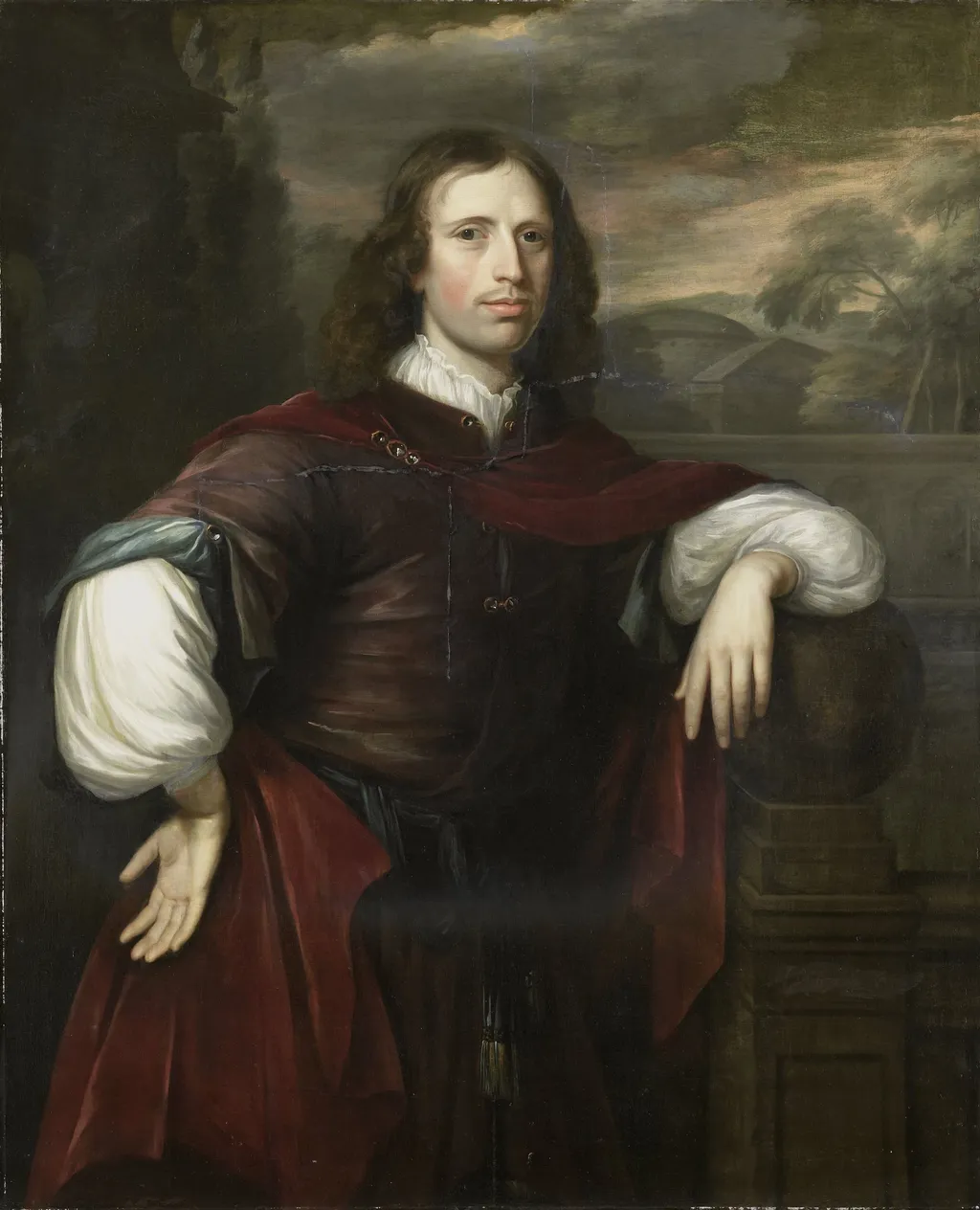
Portrait of a man is an oil painting by the Dutch Golden Age artist Herman Verelst. It dates from 1667 and is held in the collection of the Rijksmuseum.
About this work
Subject & Meaning
The painting depicts a man whose identity is not specified in the available sources, though he is identified as the main subject within the work.
The painting depicts a man whose identity is not specified in the available sources, though he is identified as the main subject within the work. Herman Verelst created this portrait in 1667, employing oil paint on canvas, a medium and technique typical of 17th-century Dutch portraiture. The composition aligns with contemporary portrait genre conventions, emphasizing the sitter's presence through formal rendering and subdued symbolism characteristic of the period.
The subject's presentation reflects the social standing of the sitter, as suggested by the work's inclusion in prominent collections and its historical ownership by Jeanne Catherine van Winter-Bicker.
The portrait is part of the Rijksmuseum and Amsterdam Museum collections and was owned by Jeanne Catherine van Winter-Bicker, indicating its historical significance and provenance within Dutch cultural institutions.
Technique & Style
Executed in 1667 by Herman Verelst, this portrait is an oil painting on canvas. The work measures 127 cm in height and 104 cm in width. As a formal portrait, the composition focuses on the depiction of a male subject, utilizing the fluid properties of oil paint to render the figure against the woven support.
History & Provenance
Created in 1667, this oil painting on canvas is the work of Herman Verelst. The portrait depicts an unidentified male subject and measures 127 cm in height by 104 cm in width. Historical records indicate that the work was once owned by Jeanne Catherine van Winter-Bicker. The painting is currently held in the collection of the Rijksmuseum in Amsterdam.
Context
The painting Portrait of a man by Herman Verelst, created in 1667 using oil on canvas, is classified as a Baroque-era portrait within the Dutch school of portraiture. It is housed in the Rijksmuseum and Amsterdam Museum collections and was originally owned by Jeanne Catherine van Winter-Bicker. The work depicts an unidentified man and exemplifies 17th-century portrait conventions through its realistic rendering and formal composition. Scholars consider it a significant example of Verelst's contribution to portraiture during the Dutch Golden Age.
Critical reception has emphasized its technical mastery and historical importance within Verelst's oeuvre, though specific exhibition history or contemporary reviews are not documented in the provided sources.
Overview
Herman Verelst’s oil portrait, dated 1667, presents a solitary male figure against a distant landscape. The sitter stands with his right arm resting on a pedestal and his left hand placed on his hip, dressed in a dark coat, a red cape, and a white shirt with billowing sleeves. The composition is anchored by a cloudy sky, trees and a building visible in the background.
Own this work as a print
Artist & collection

- Portrait of a man
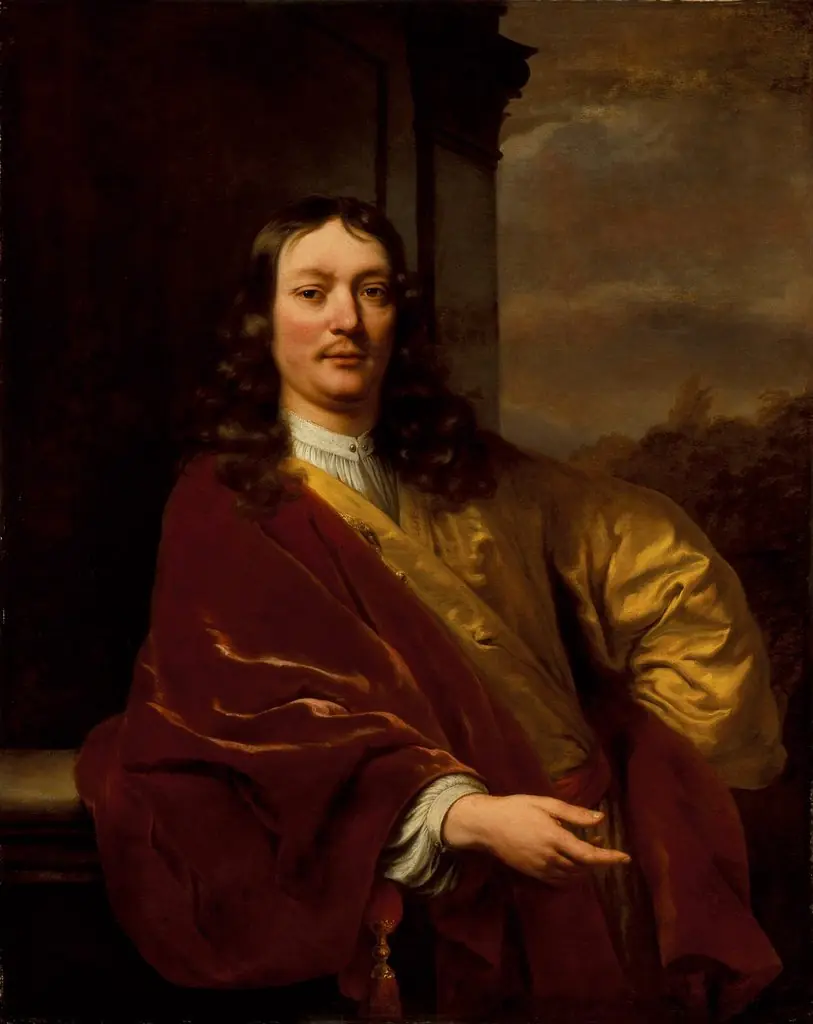 Portrait of a Man
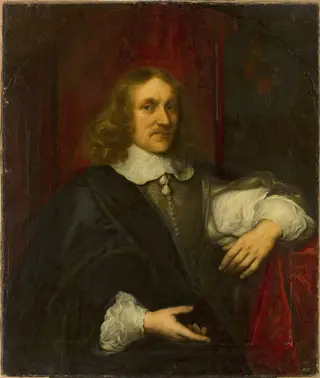
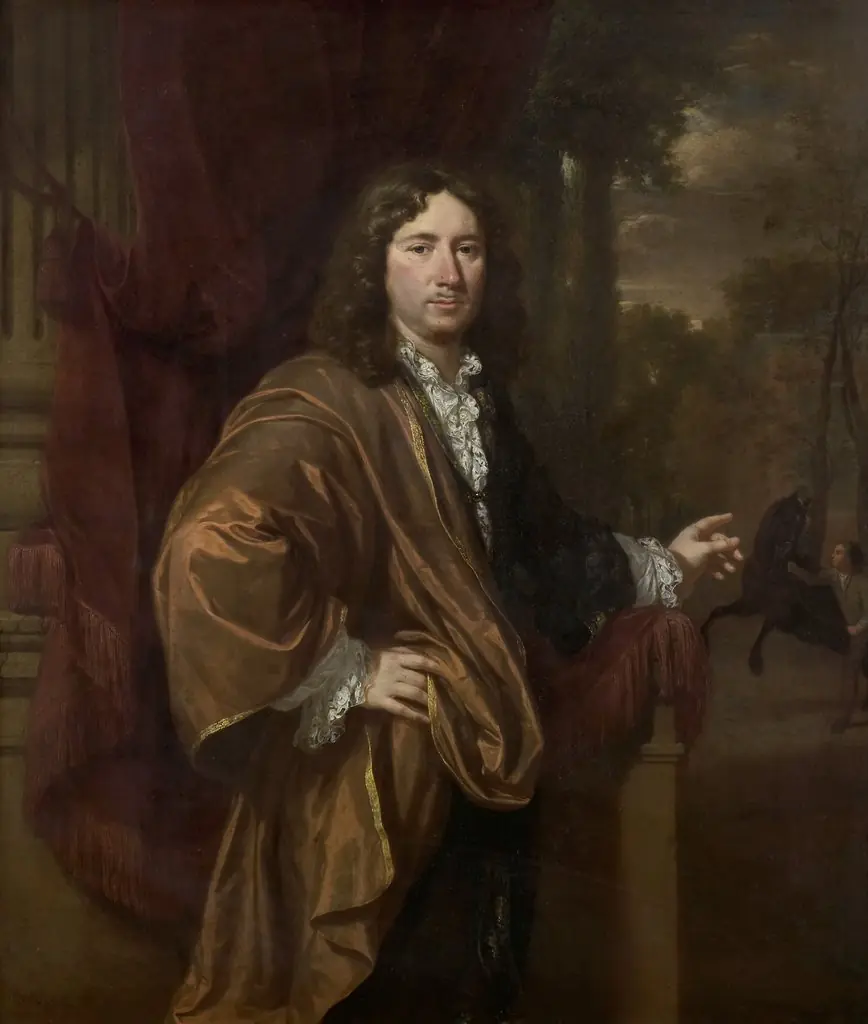 Portrait of a Man
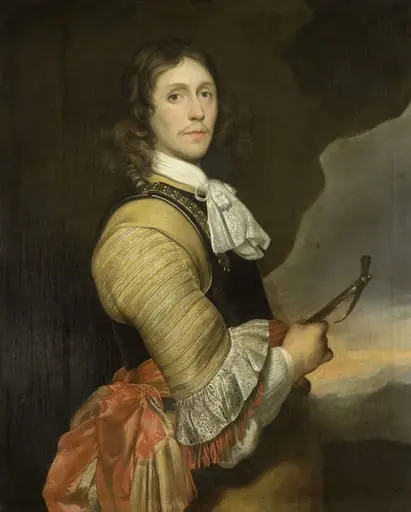 Portrait of a Captain
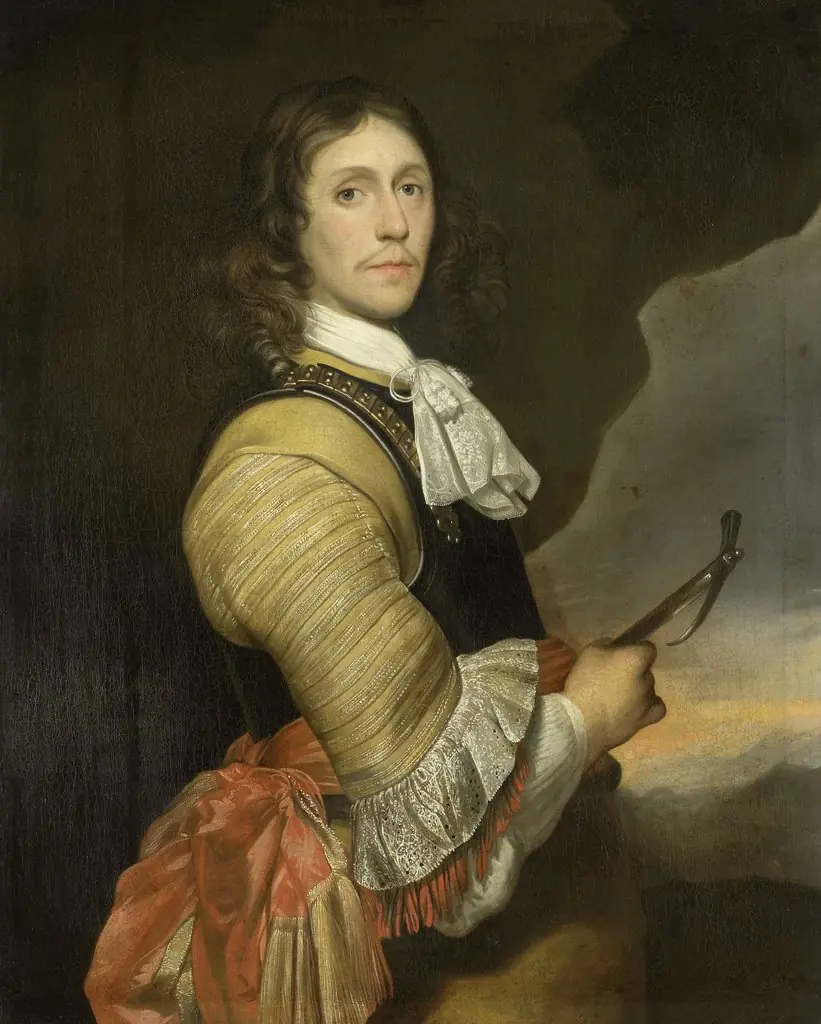 Portrait of an officer
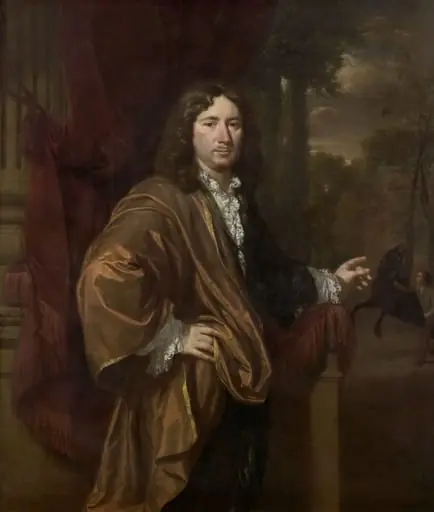 Portrait of a Man
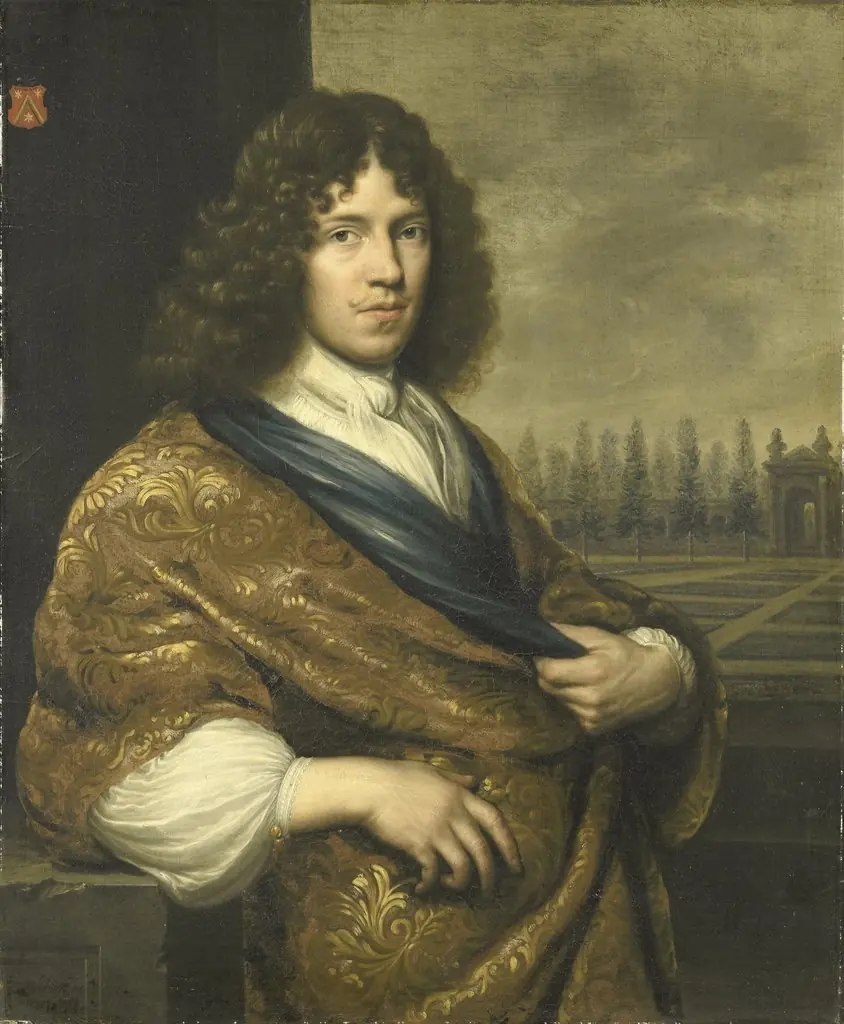 François Leidecker (1650-1718), Auditor General of Zeeland
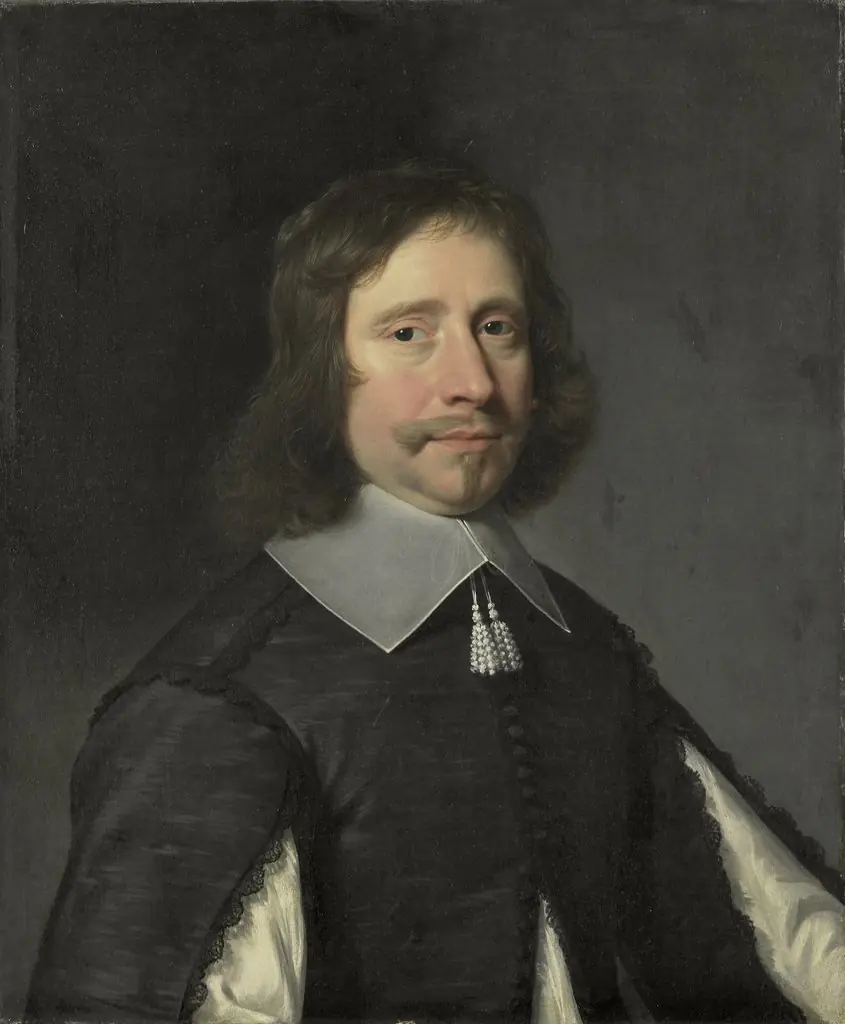 Portrait of a man, perhaps Philippe de la Trémoïlle (1596-?), count of Olonne
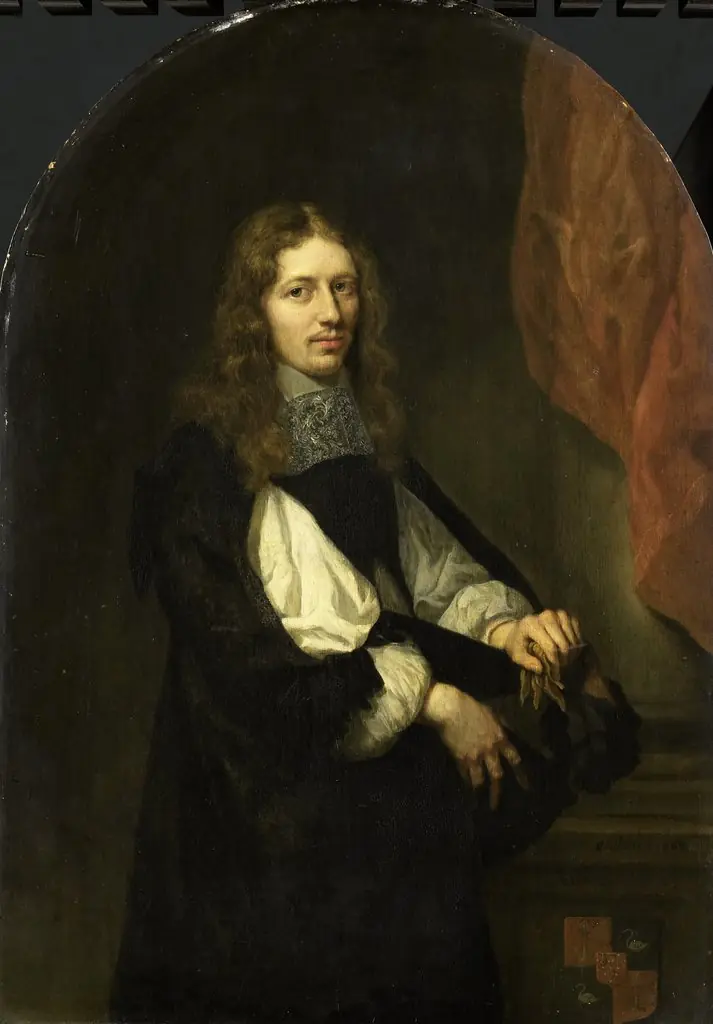 Portrait of Pieter de Graeff (1638-1707), lord of Zuid-Polsbroek, Purmerland, and Ilpendam. Alderman of Amsterdam
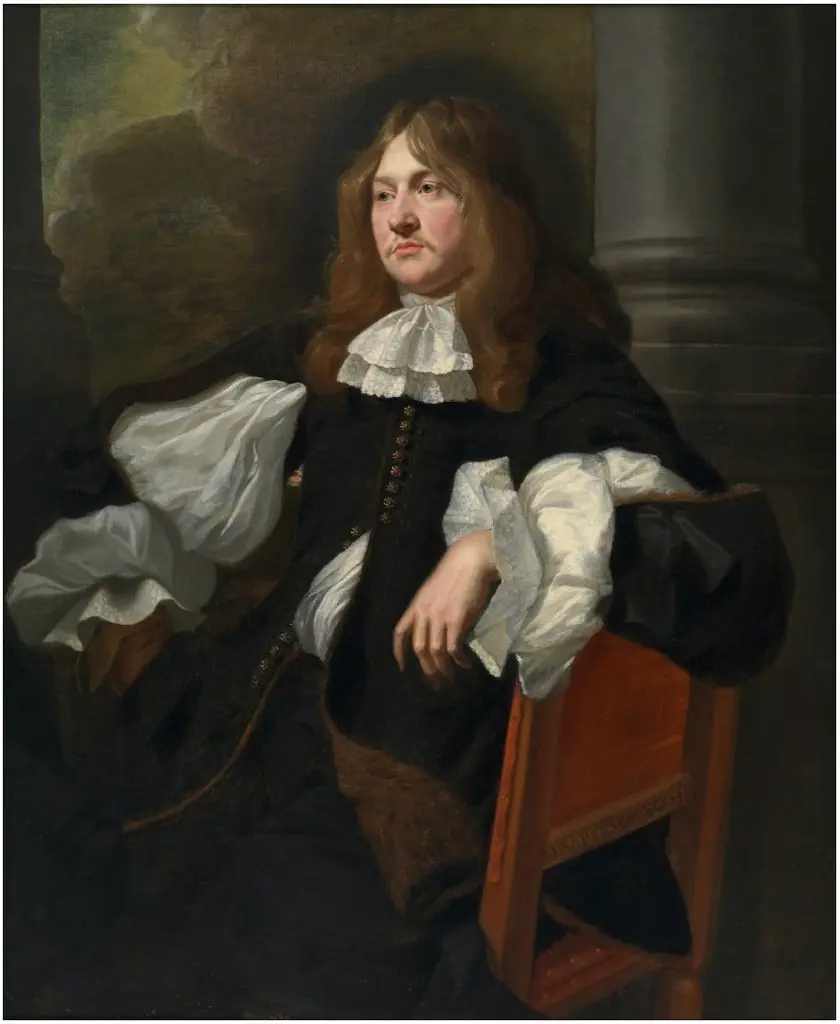 Portrait of Edward Hyde
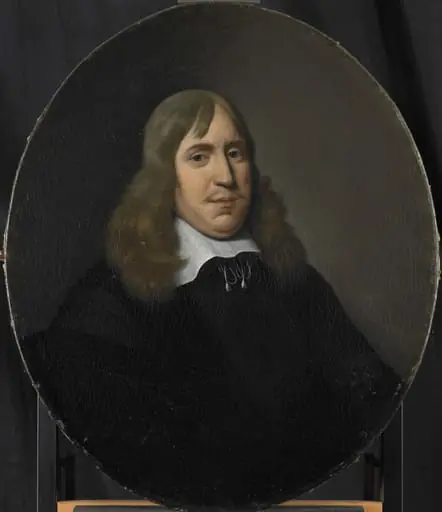 Portrait of Willem Hartigsvelt, Director of the Rotterdam Chamber of the Dutch East India Company, elected 1657
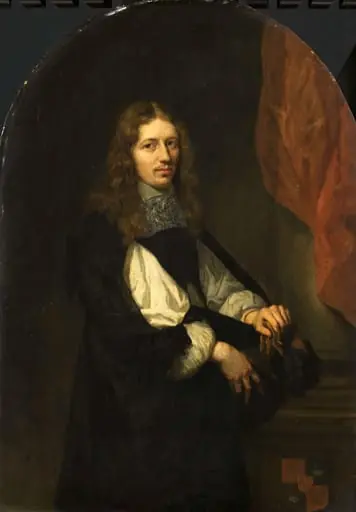 Portrait of Pieter de Graeff (1638-1707), lord of Zuid-Polsbroek, Purmerland, and Ilpendam. Alderman of Amsterdam