Artwork
“The Deep Green of Summer Mountains”
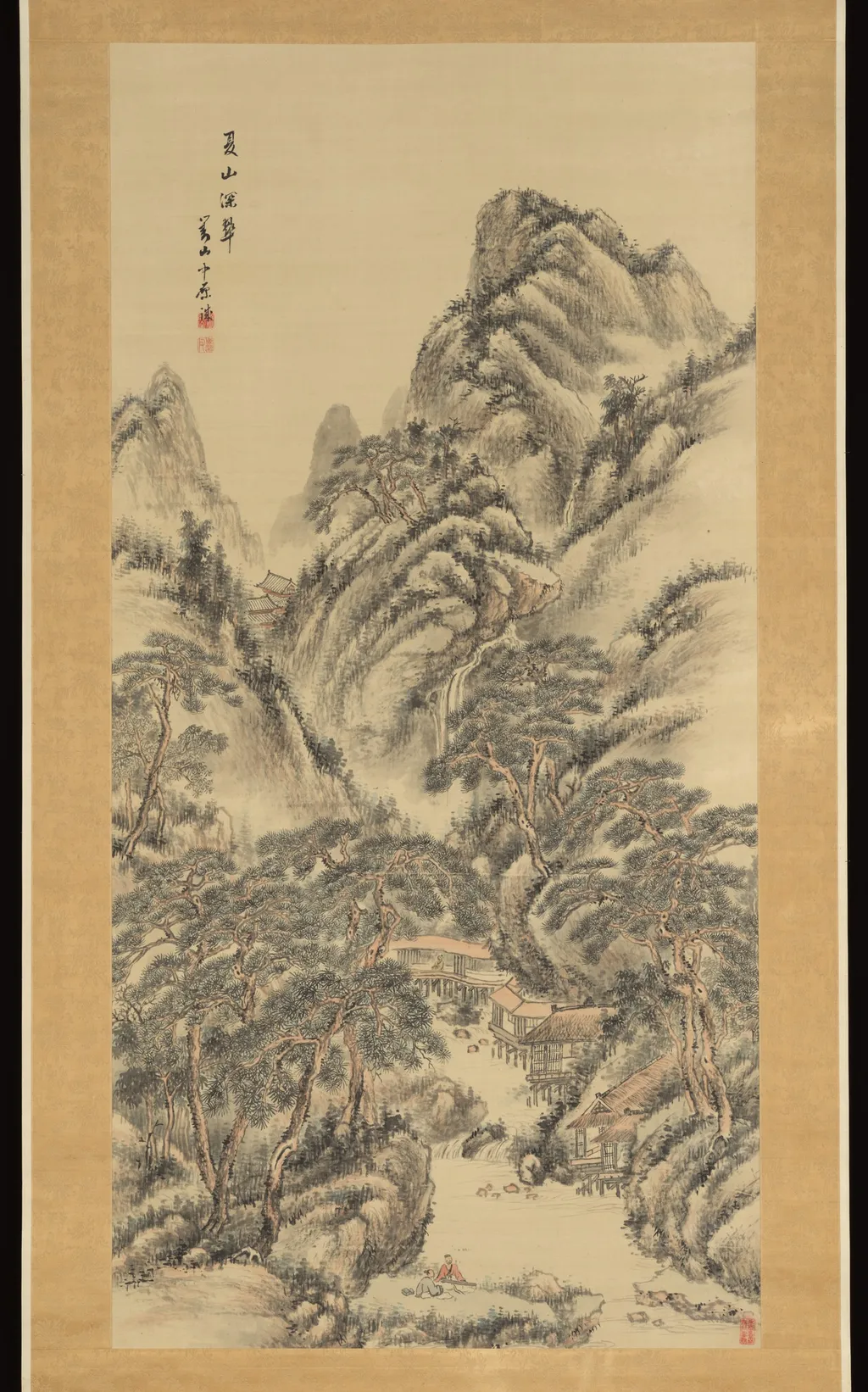
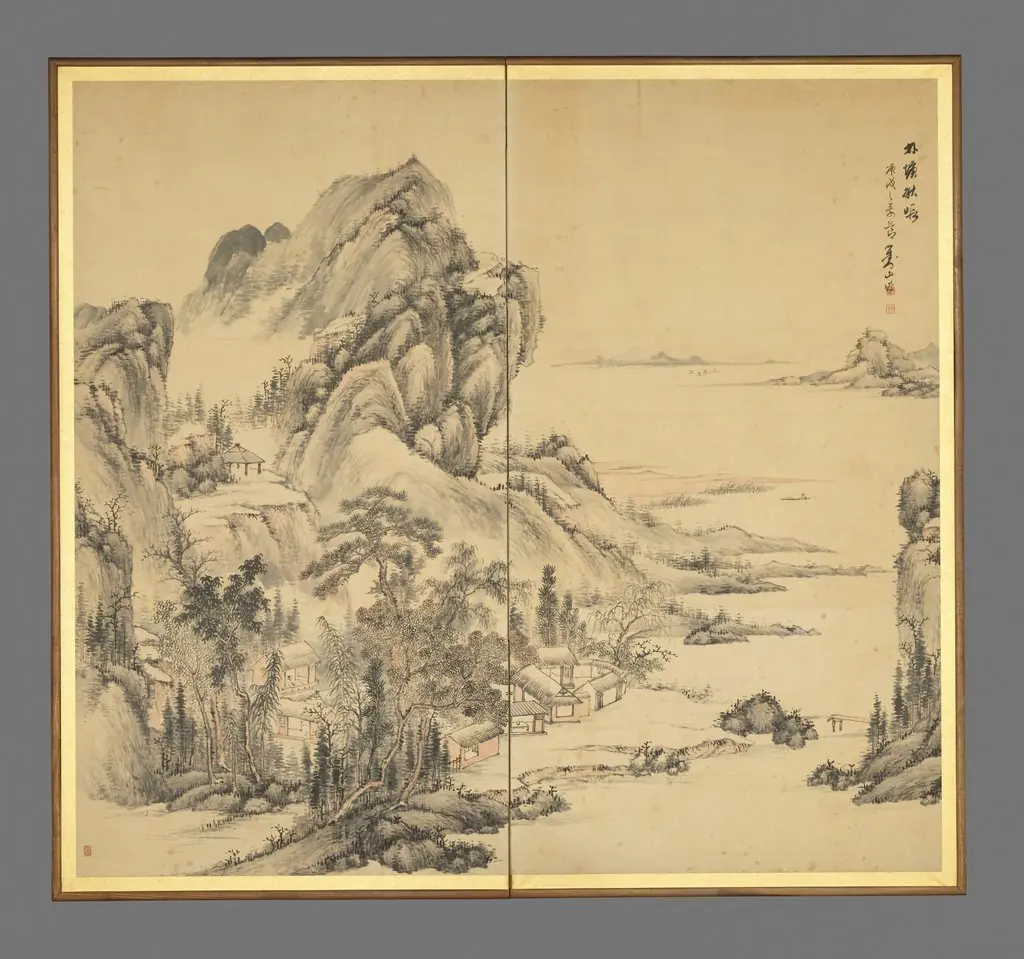
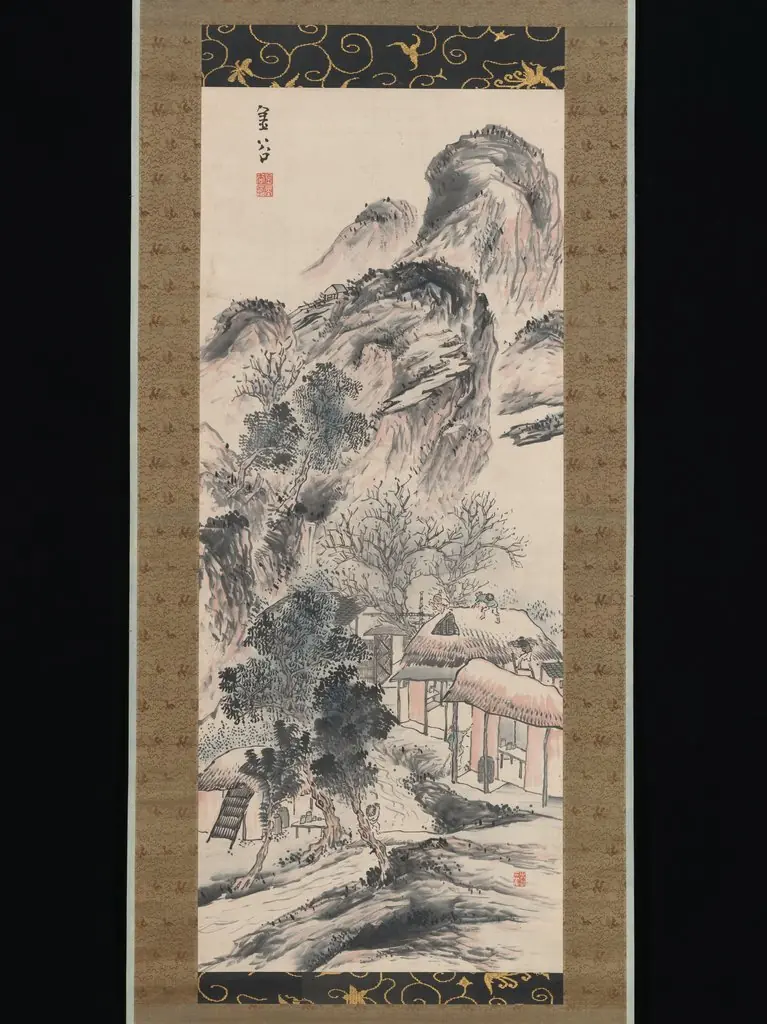
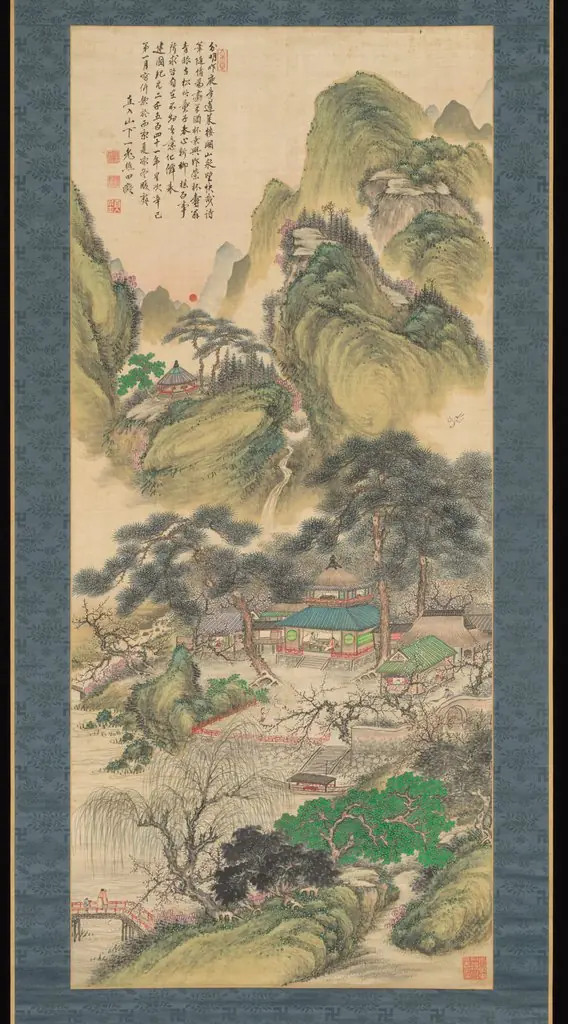
“The Deep Green of Summer Mountains” is an unspecified painting by the Nanga artist Hine Taizan. It dates from 1854 and is held in the collection of the Metropolitan Museum of Art.
About this work
Overview
Painted in 1854 by Hine Taizan, this ink-on-paper work captures the quiet grandeur of summer mountains. It belongs to the collection of The Metropolitan Museum of Art, where it is preserved as an example of mid-nineteenth-century Japanese landscape painting. The piece reflects the artist’s engagement with traditional ink techniques while conveying a personal sensitivity to seasonal atmosphere.
Subject & Meaning
The painting depicts layered mountain ranges shrouded in mist, their slopes densely covered with dark green foliage. There is no human presence, emphasizing nature’s solitude and endurance. The title suggests a meditation on summer’s lush vitality, rendered not through color but through tonal gradations of ink, evoking depth and stillness rather than literal representation.
Technique & Style
Hine Taizan employed monochrome ink washes, building form through subtle variations in density and brush pressure. The composition uses layered washes to suggest distance, with softer edges in the background and sharper contours in the foreground. The brushwork is controlled yet fluid, aligning with literati traditions that valued expressive restraint over decorative detail.
History & Provenance
The painting was created during the late Edo period, a time when traditional ink painting persisted alongside emerging Western influences. It entered The Metropolitan Museum of Art’s collection through documented acquisition, though its earlier ownership history remains unrecorded in public sources. Its preservation reflects institutional recognition of its technical and aesthetic significance.
Context
Hine Taizan worked within a lineage of Japanese ink painters who drew inspiration from Chinese Southern Song and Yuan dynasty models. In 1854, Japan was still largely isolated, and artists like him continued to refine classical forms. This work stands as a quiet counterpoint to the political and social changes unfolding in the decades before the Meiji Restoration.
Legacy
Though not widely known outside specialist circles, the painting exemplifies the endurance of literati aesthetics in late Edo Japan. It contributes to scholarly understanding of how traditional techniques were sustained during a period of transition. Its presence in a major Western museum underscores its role in cross-cultural appreciation of East Asian ink painting.
Own this work as a print
Artist & collection

 清 王原祁 倣吳鎮山水圖 軸|Landscape after Wu Zhen
 Spring Cleaning
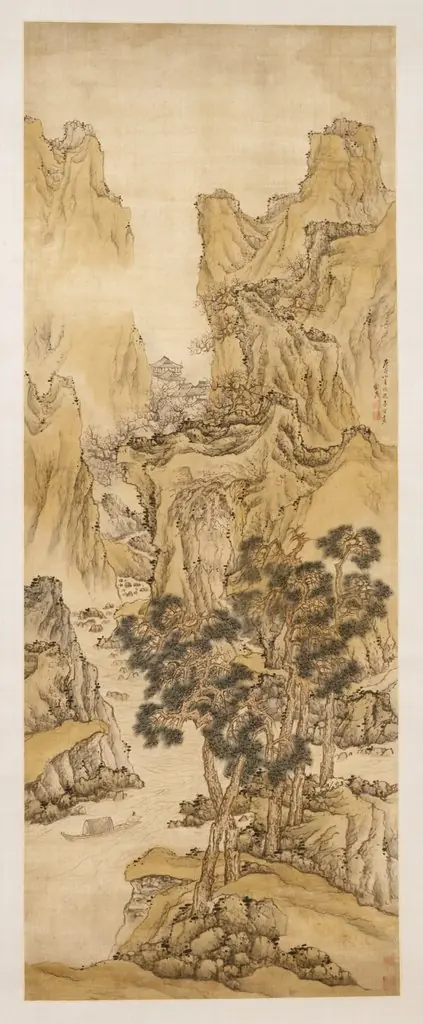 The Peach Blossom Spring
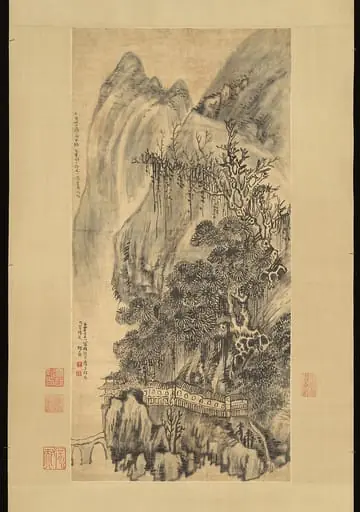 明/清 王鐸 山水圖 軸|Landscape
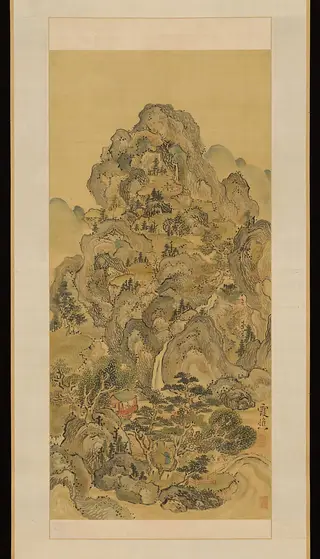 Untitled
 Spring Sunrise at Hōrai
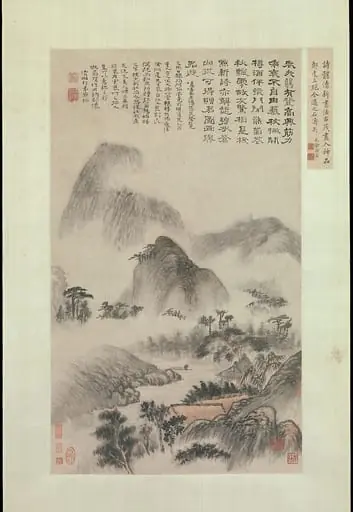 清 石濤(朱若極) 重陽山水圖 軸|Landscape Painted on the Double Ninth Festival
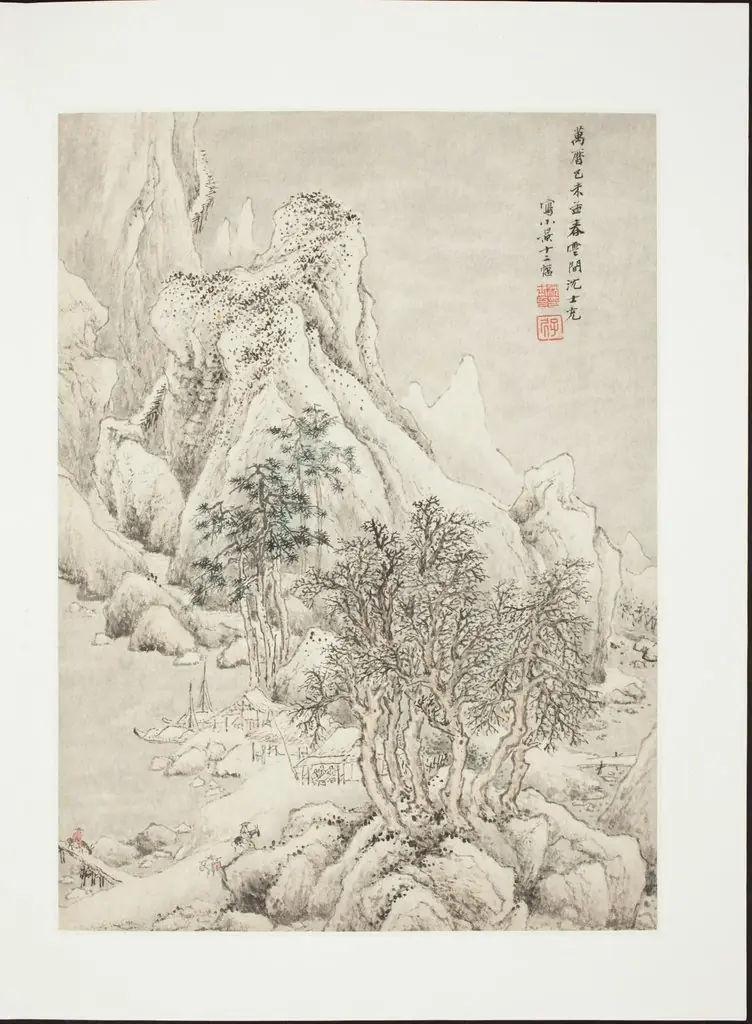 Landscapes After Old Masters
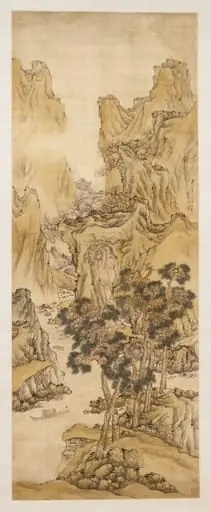 The Peach Blossom Spring
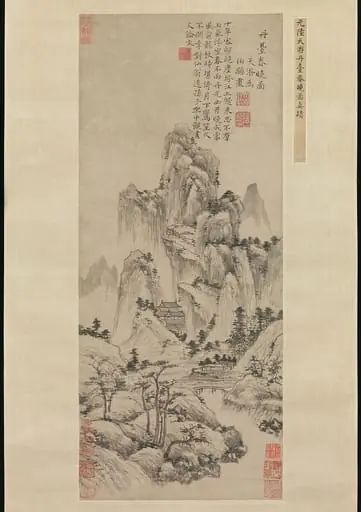 元 陸廣 丹臺春曉圖 軸|Spring Dawn Over the Elixir Terrace
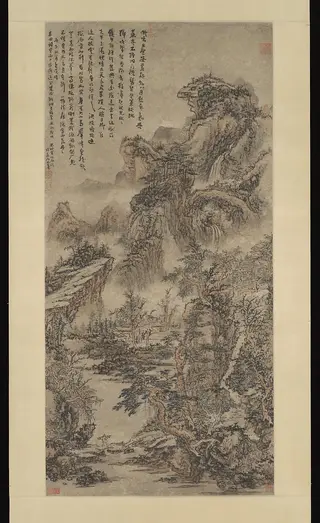 清 倣髡殘 蒸嵐昏巒圖 軸|Wooded Mountains at Dusk
- 北宋 傳屈鼎 夏山圖 卷|Summer Mountains