Artwork
Summer
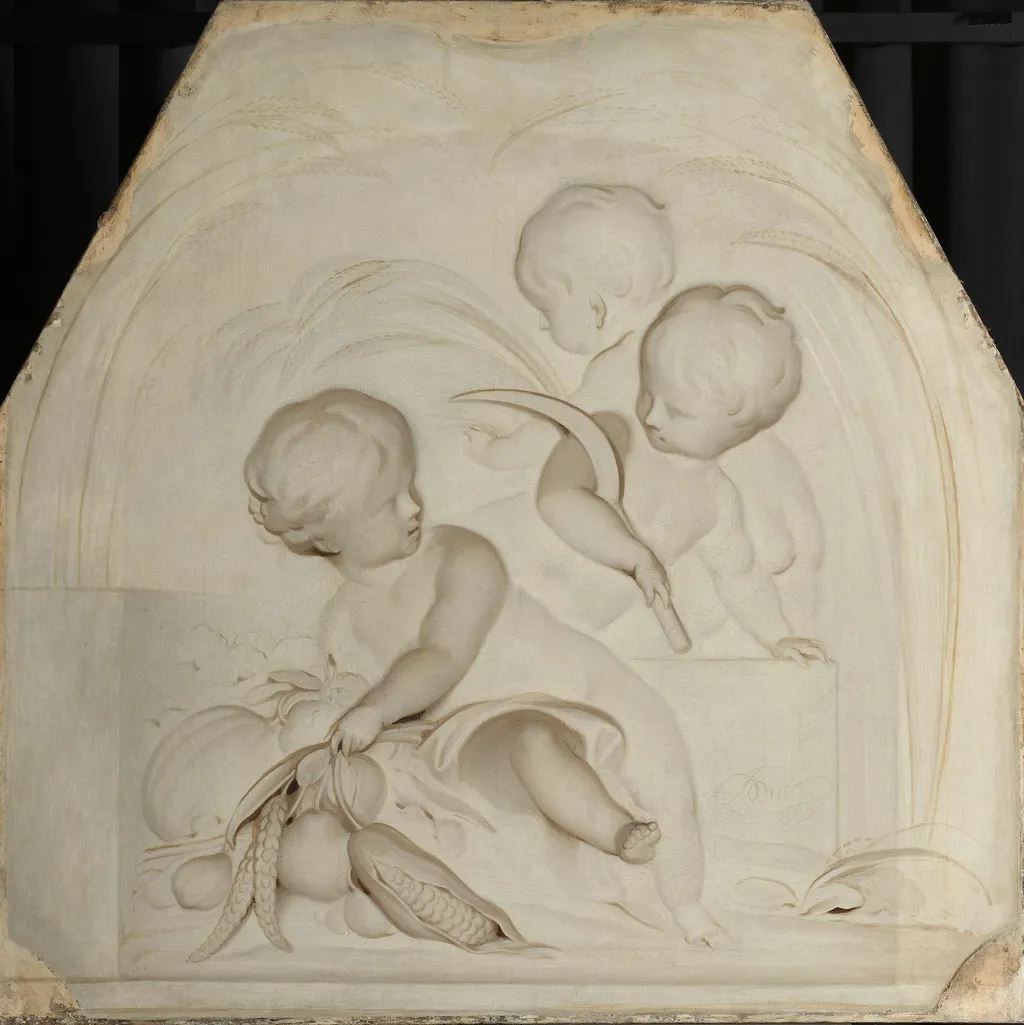
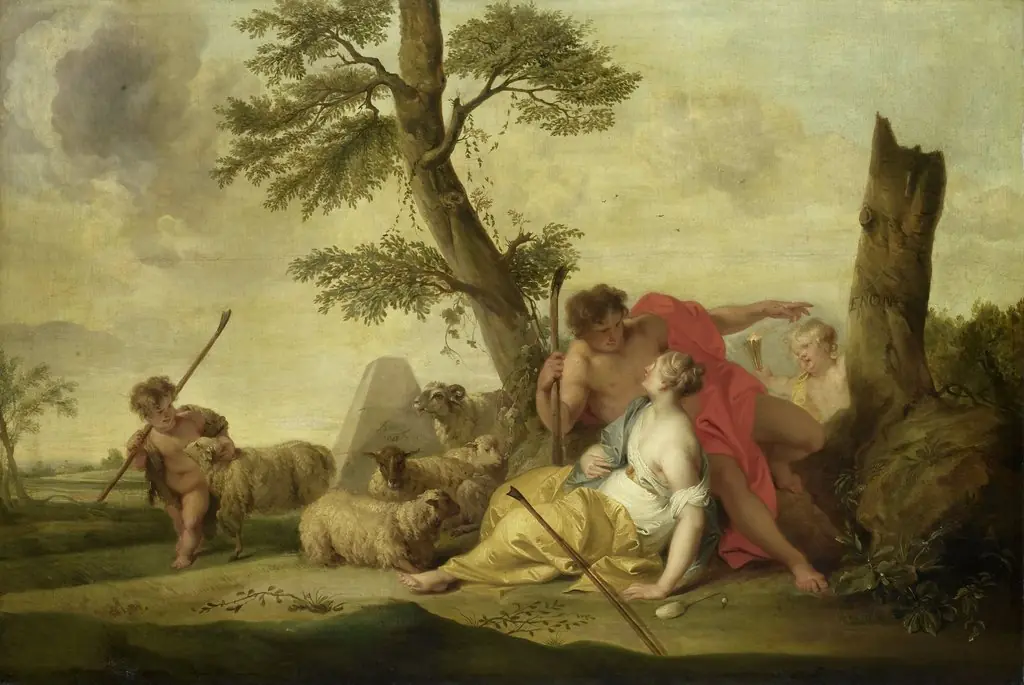
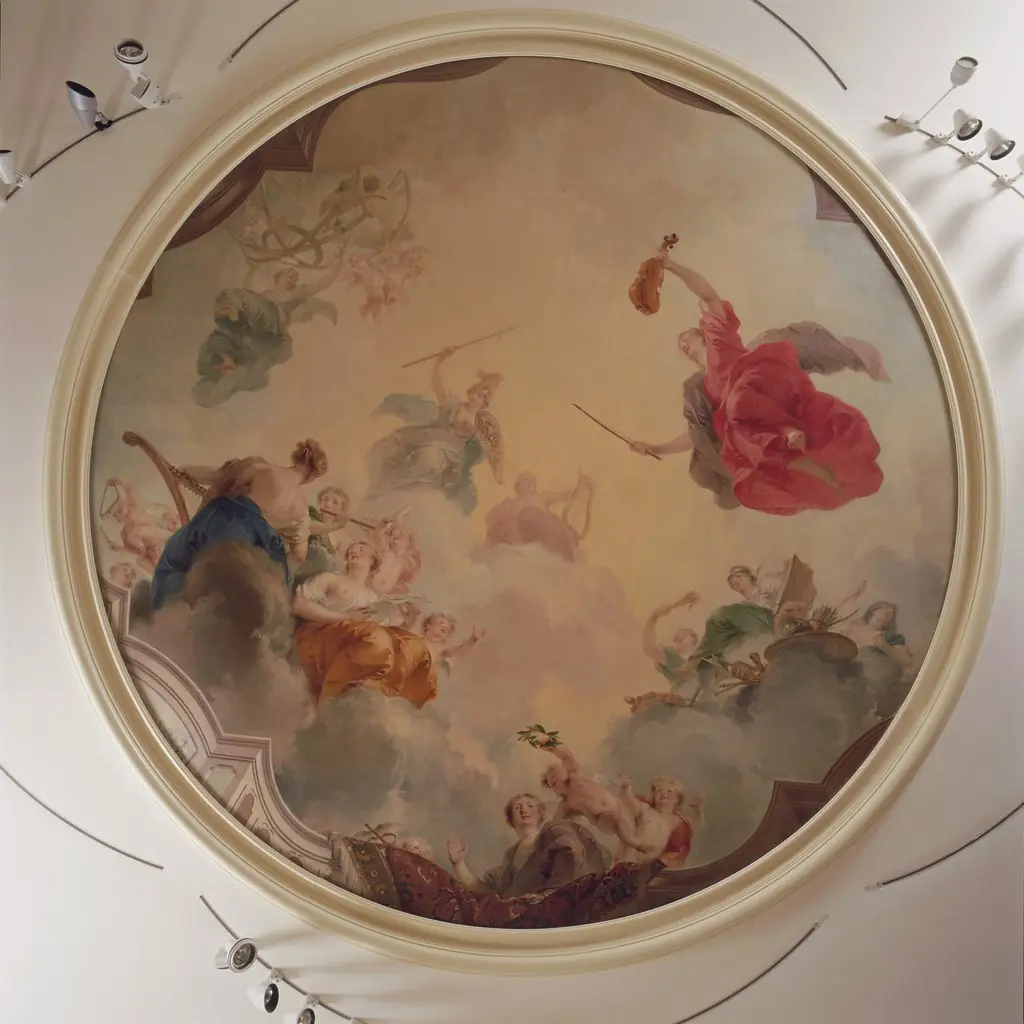
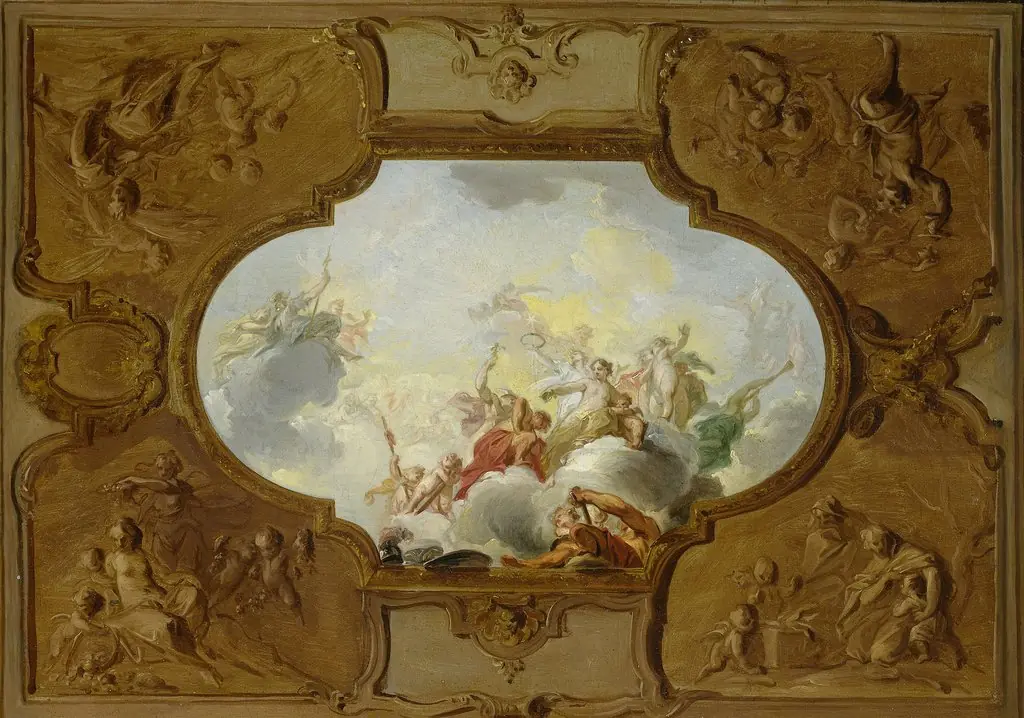
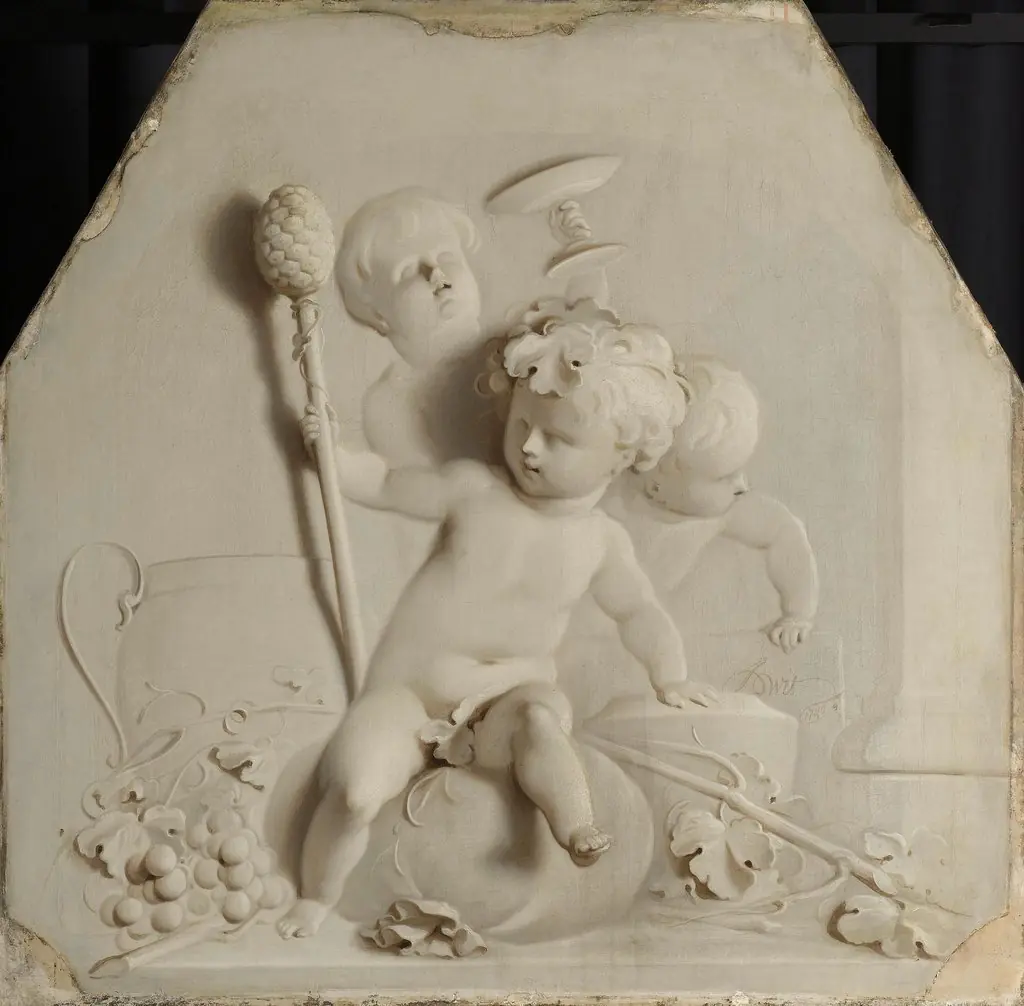
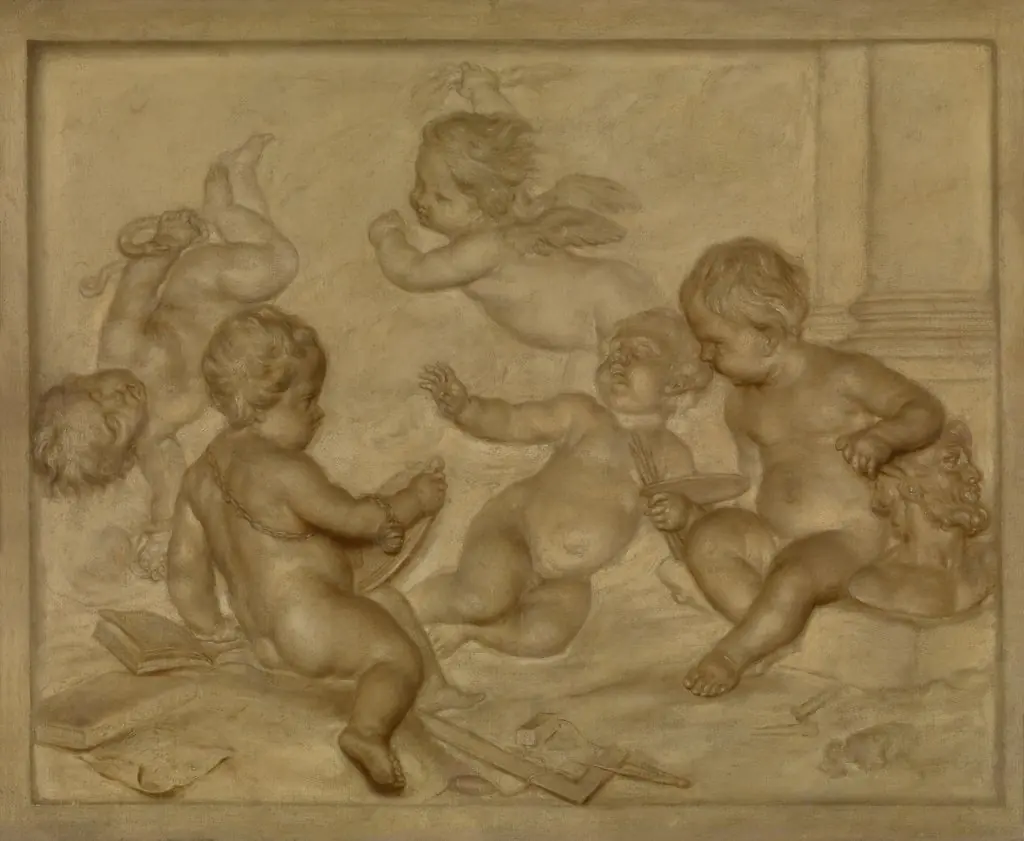
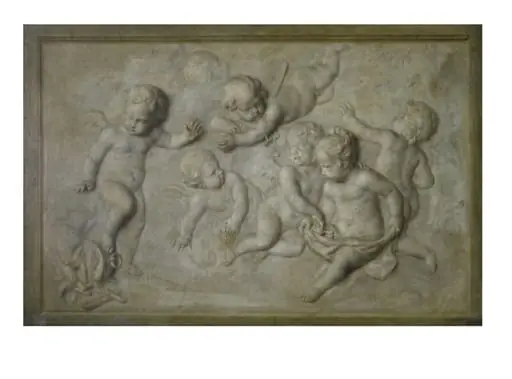
Summer is an oil painting by the Rococo painting artist Jacob de Wit. It dates from 1740 and is held in the collection of the Rijksmuseum.
About this work
Subject & Meaning
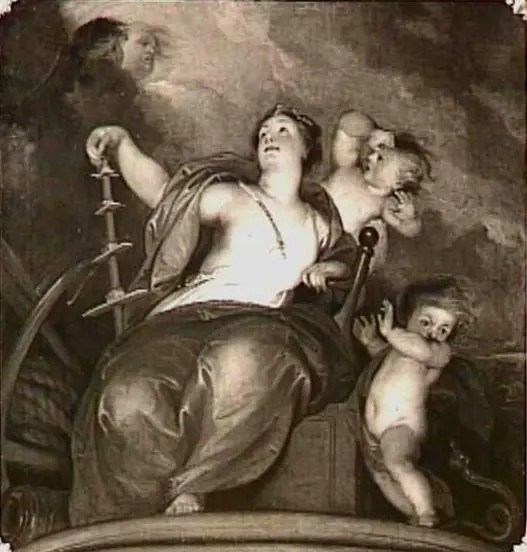
The painting depicts an allegorical figure of Summer, rendered as a classical woman holding a sheaf of wheat and surrounded by seasonal fruits.
The painting depicts an allegorical figure of Summer, rendered as a classical woman holding a sheaf of wheat and surrounded by seasonal fruits. She is crowned with a garland of wheat ears, a motif commonly associated with harvest and abundance in Dutch allegorical traditions. The presence of ripe grapes and other fruits reinforces the theme of fertility and the bounty of the season.
The work is part of a larger series of seasonal allegories created by Jacob de Wit, where each figure embodies a distinct time of year through attributes drawn from classical iconography and agricultural symbolism.
Technique & Style
Jacob de Wit's allegorical painting Summer, created in 1740, is executed in oil paint on a canvas support. The work measures 109 cm in height and 110.5 cm in width, presenting a square format typical for this specific allegory. As an oil-on-canvas piece from the mid-18th century, the medium allows for the detailed rendering characteristic of de Wit's style.
The painting currently resides in the collection of the Rijksmuseum, where its physical dimensions and material composition are documented.
History & Provenance
The painting Summer by Jacob de Wit has been held in the collection of the Rijksmuseum, where it remains located. According to the Wikidata record for the work, its inception is dated 1 January 1740, and it is catalogued as an oil-on-canvas allegory. No accession number or inventory identifier is recorded in the available sources, and no exhibition history is documented.
Legacy
Jacob de Wit’s Summer (1740) has endured as a touchstone for later allegorical painting in the Netherlands. Its composition, blending pastoral abundance with mythological grace, became a model for eighteenth-century decorative cycles, particularly in ceiling and overdoor schemes where illusionistic relief was prized. The work’s presence in the Rijksmuseum since the nineteenth century ensured its visibility among artists and scholars, reinforcing de Wit’s reputation as a master of grisailles and trompe-l’œil effects.
Though not widely replicated in print, Summer’s iconography of seasonal bounty influenced later Dutch and Flemish painters who sought to harmonize classical themes with Rococo elegance. Its inclusion in major exhibitions of Dutch Golden Age art has cemented its status as a key example of allegorical genre painting, bridging the Baroque and Rococo periods.
Overview
The painting 'Summer' is an allegorical work created in 1740 by Jacob de Wit, a Dutch painter and decorator, using oil paint on a panel.
Own this work as a print
Artist & collection
Artist
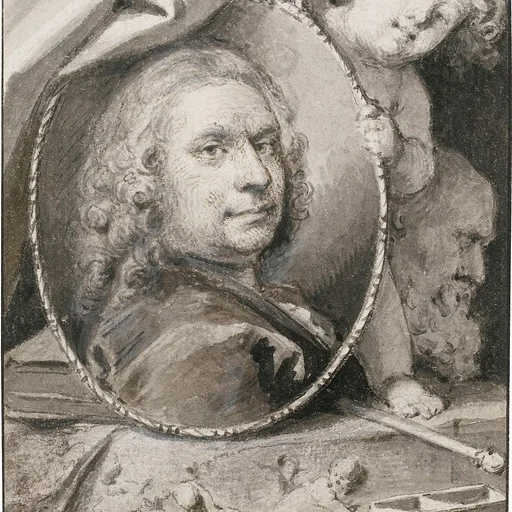
Jacob de Wit (19 December 1695 – 12 November 1754) was a Dutch painter and interior decorator. He is best known for his depictions of religious scenes.