Artwork
Achelous Defeated by Hercules. The Origin of the Cornucopia. (Allegory of Fruitfulness)
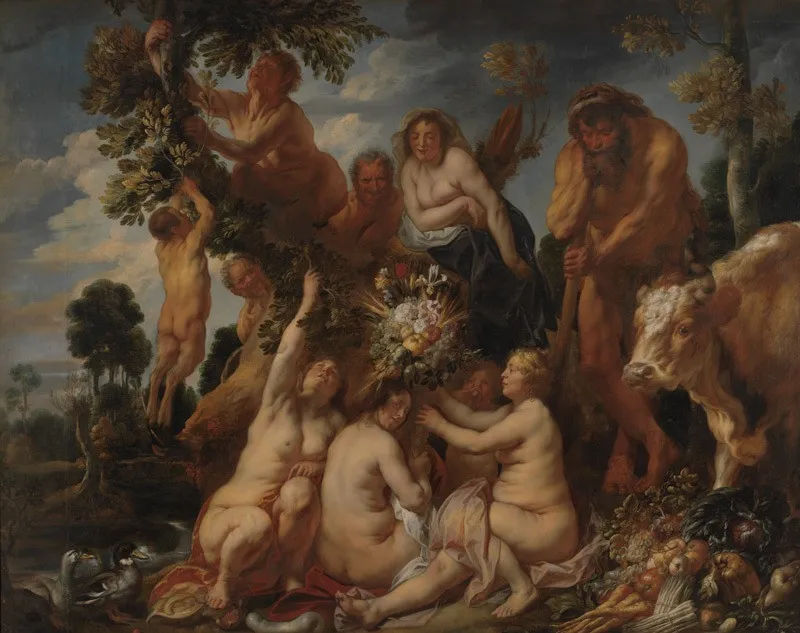
Achelous Defeated by Hercules. The Origin of the Cornucopia. (Allegory of Fruitfulness) is an oil painting by the Flemish Baroque painting artist Jacob Jordaens. It dates from 1649 and is held in the collection of the Statens Museum for Kunst.
About this work
Subject & Meaning
According to Ovid's account, the horn was transformed into the cornucopia, the "horn of plenty," which became an enduring emblem of abundance and fruitfulness.
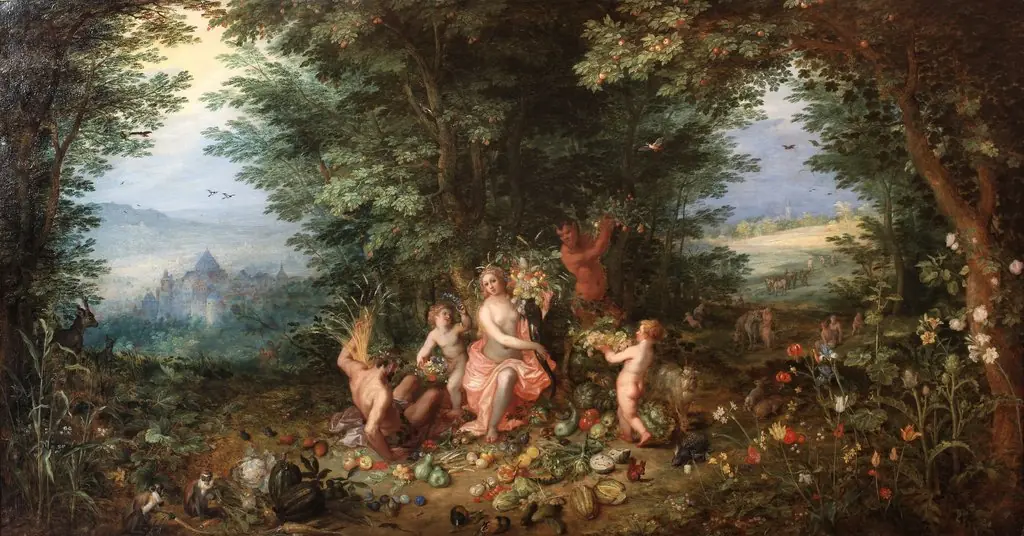
The painting illustrates the mythological contest between the river god Achelous and the hero Hercules, in which Hercules defeats Achelous and breaks off one of his horns. According to Ovid's account, the horn was transformed into the cornucopia, the "horn of plenty," which became an enduring emblem of abundance and fruitfulness.
Jordaens frames the scene as an allegory of fruitfulness, drawing on the classical tradition in which the cornucopia symbolizes the bountiful gifts of nature. The presence of Hercules, the victor who unwittingly gives rise to this symbol of plenty, links heroic triumph to the generative power of the earth. The work thus operates on two intertwined levels: a narrative depiction of a specific mythological episode and a broader allegorical celebration of natural abundance.
By presenting the origin of the cornucopia within a richly populated mythological tableau, Jordaens invites the viewer to read the painting as a meditation on how strength and struggle can yield prosperity, with the horn overflowing with nature's produce serving as the central visual emblem of that meaning.
Technique & Style
Jacob Jordaens executed Achelous Defeated by Hercules. The Origin of the Cornucopia. (Allegory of Fruitfulness) in 1649 using oil paint applied to a canvas support.
The work functions as a mythological allegory depicting the defeat of the river god Achelous by Heracles and the subsequent origin of the cornucopia. The painting measures 240 cm in height and 311 cm in width, indicating a large-scale composition typical of Jordaens' grand narrative style. As an allegory of fruitfulness, the piece utilizes the oil medium to render the dynamic figures and symbolic elements central to the mythological genre.
History & Provenance
The painting Achelous Defeated by Hercules. The Origin of the Cornucopia. (Allegory of Fruitfulness) was created by Jacob Jordaens in 1649.
Executed in oil on canvas, the work measures 240 cm in height and 311 cm in width. It is currently held in the collection of the Statens Museum for Kunst. The artwork depicts the mythological figure Heracles and the cornucopia, serving as an allegory of fruitfulness within the genre of mythological painting.
Overview
Created in 1649 by Jacob Jordaens, this oil on canvas exemplifies Flemish Baroque allegory. The composition centers on a mythic encounter, populated by nude figures, a cow, a serpent and a profusion of fruit spilling from a horn-shaped vessel. The scene unfolds against a landscape of trees and a cloud‑filled sky, rendered with the vivid coloration and dynamic movement typical of the period.
Context
In the mid‑17th century, Flemish artists frequently revisited classical myths to convey moral and civic virtues. Jordaens’ choice of the Heracles‑Achelous episode aligns with contemporary interest in agricultural prosperity, resonating with a society recovering from war and seeking symbols of renewal and wealth.
Artist & collection
Artist
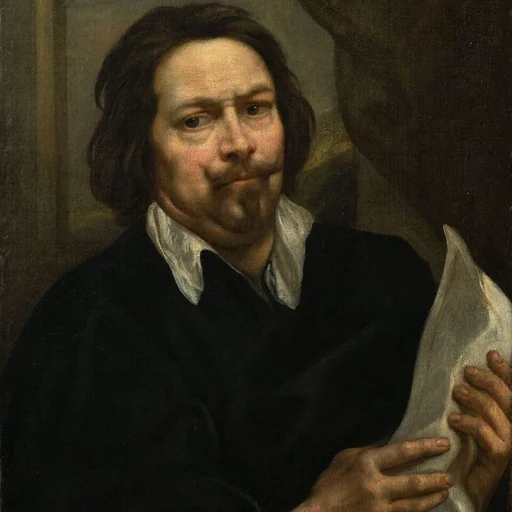
Jacques (Jacob) Jordaens (19 May 1593 – 18 October 1678) was a Flemish painter, draughtsman and a designer of tapestries and prints.

 The Holy Family with Shepherds
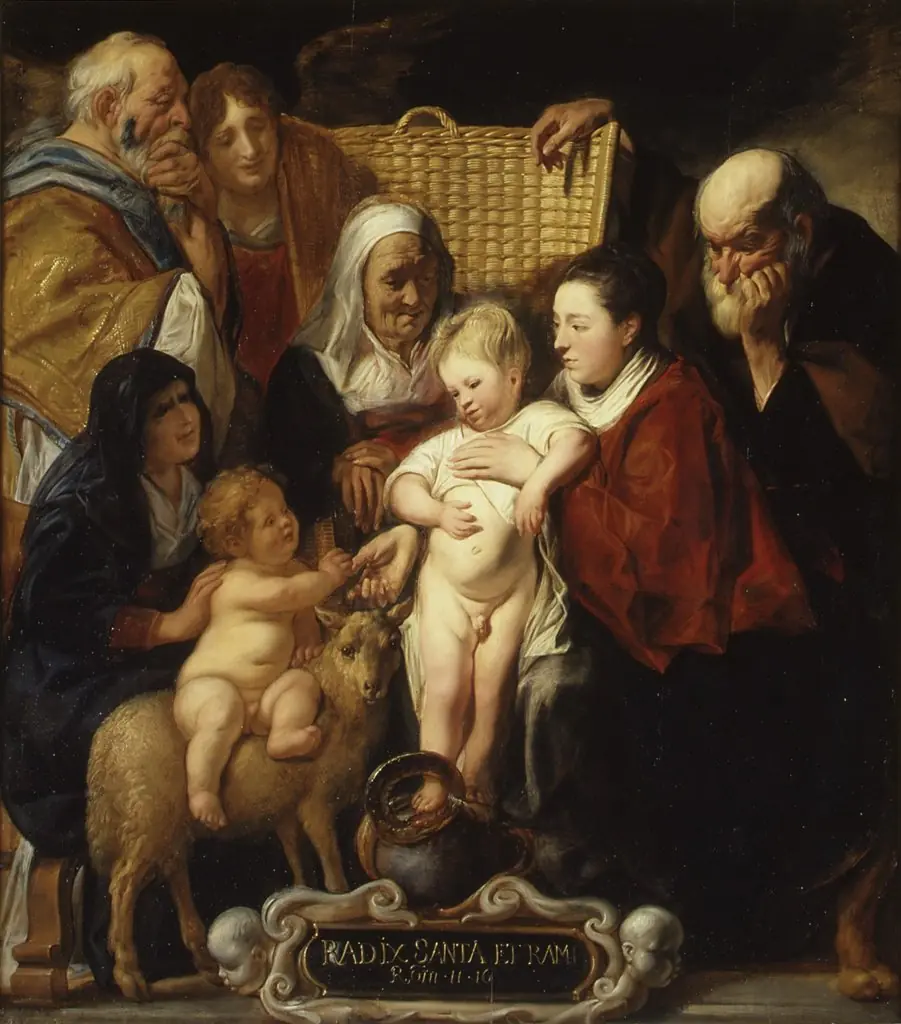 The Holy Family with Saint Anne and the Young Baptist and His Parents
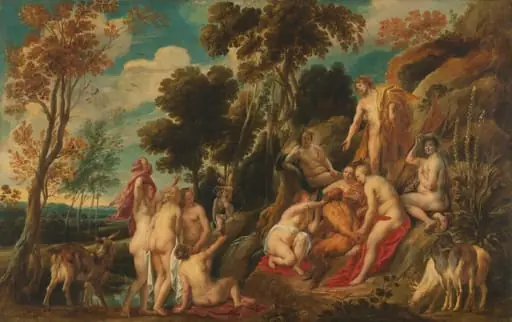 Untitled
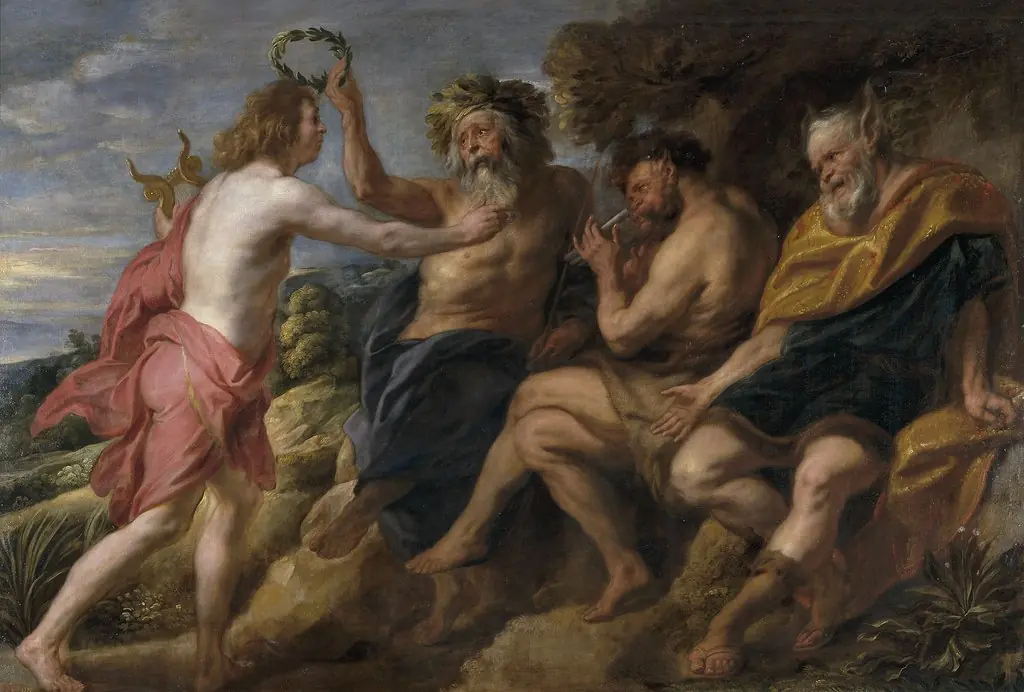 Apollo as Victor over Pan
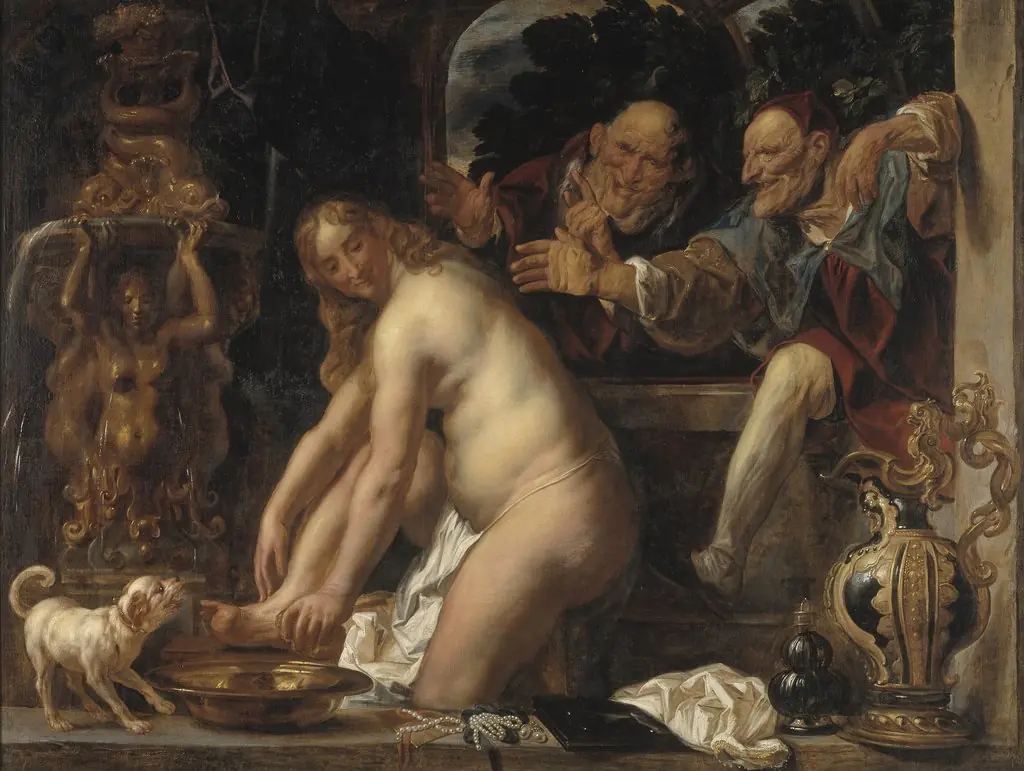 Susanna and the Elders
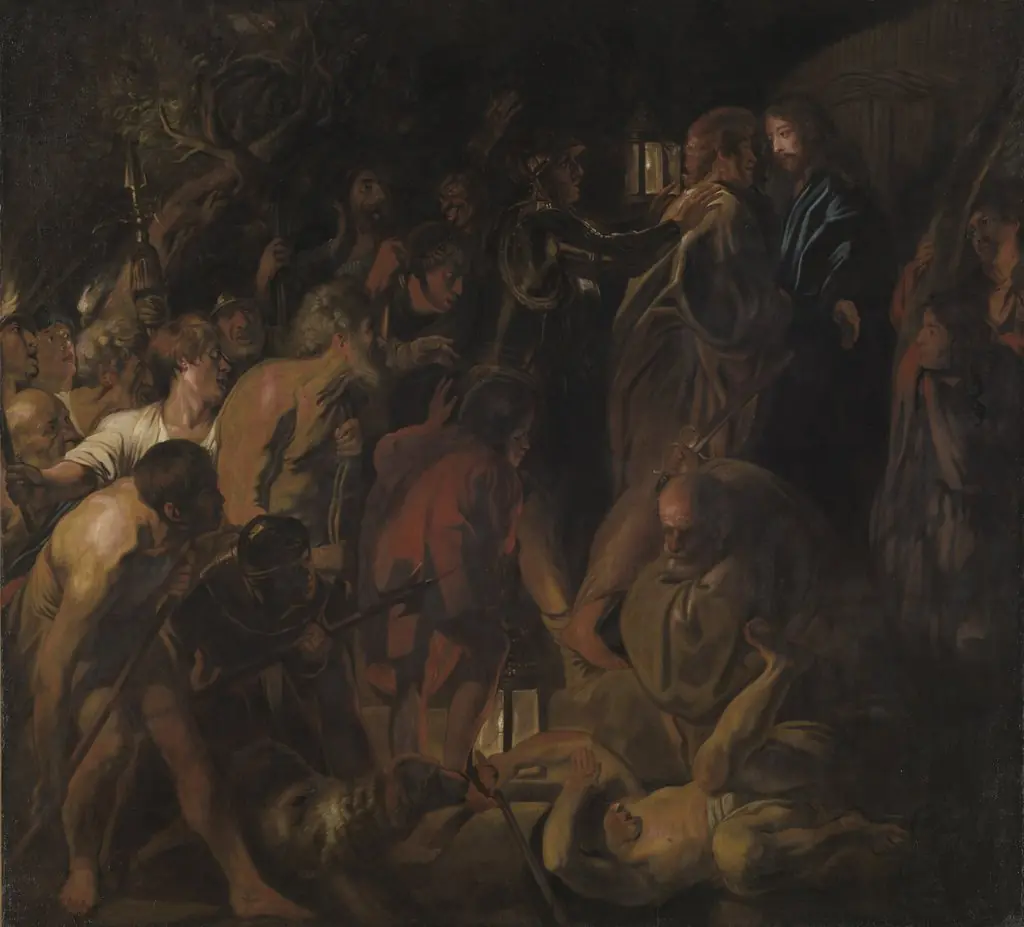 The Betrayal of Christ
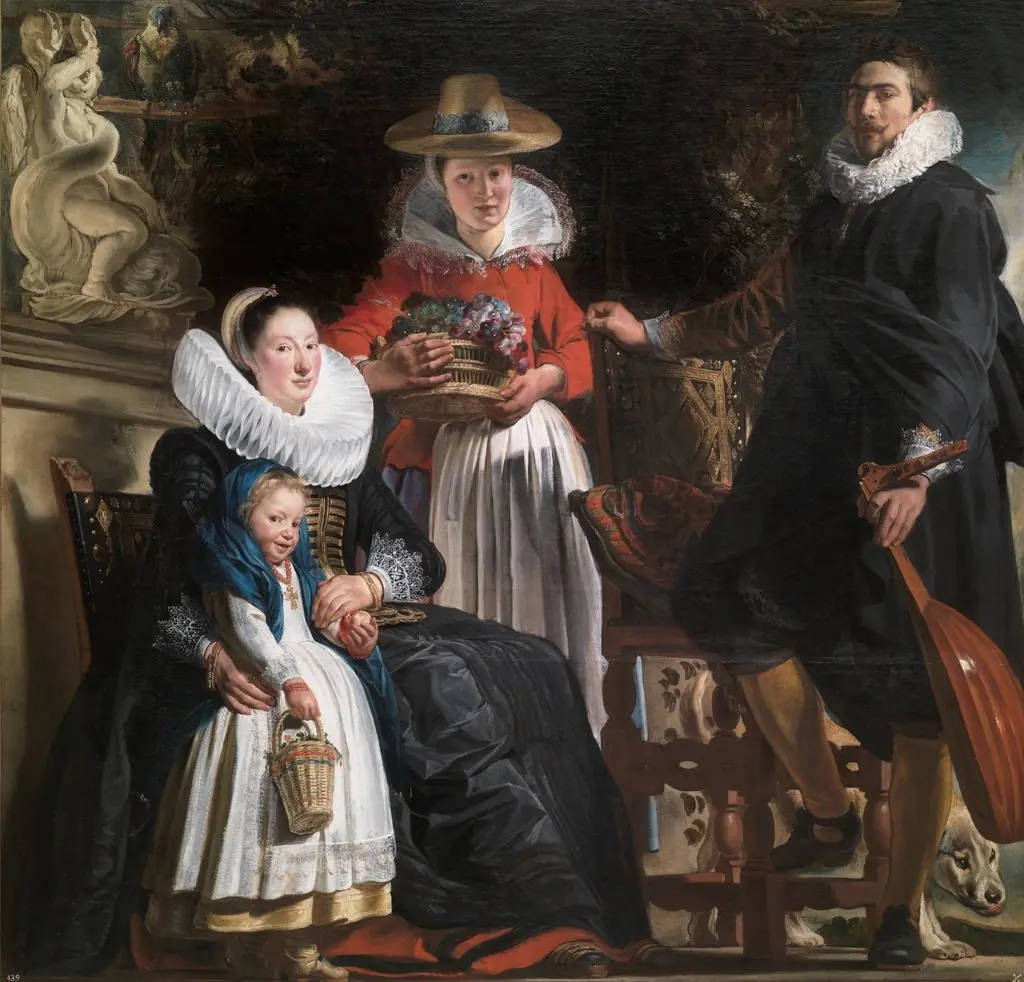 Portrait of the artist with his family
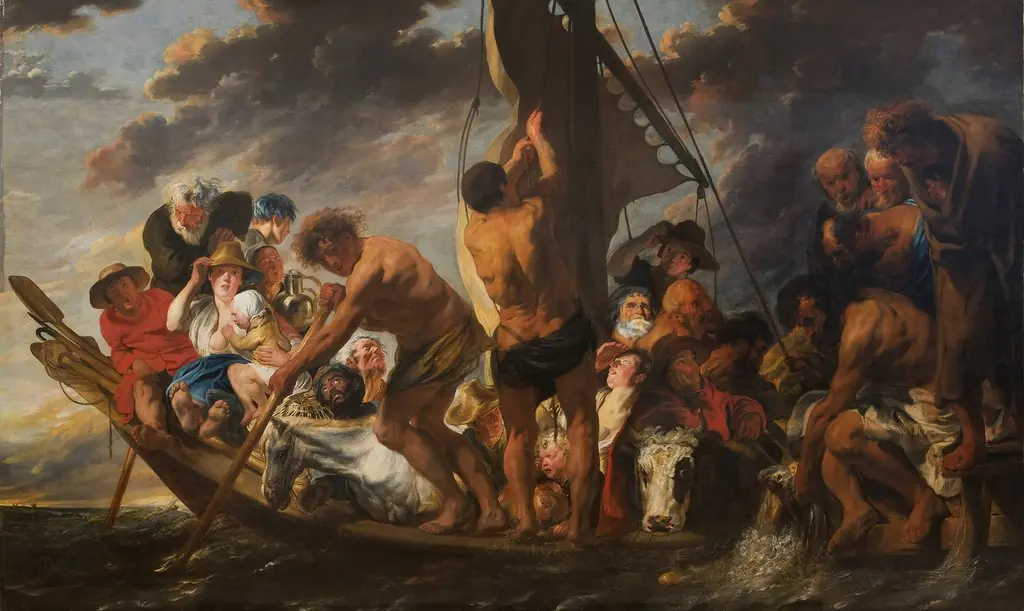 The Tribute Money. Peter Finding the Silver Coin in the Mouth of the Fish. Also called "The Ferry Boat to Antwerp"
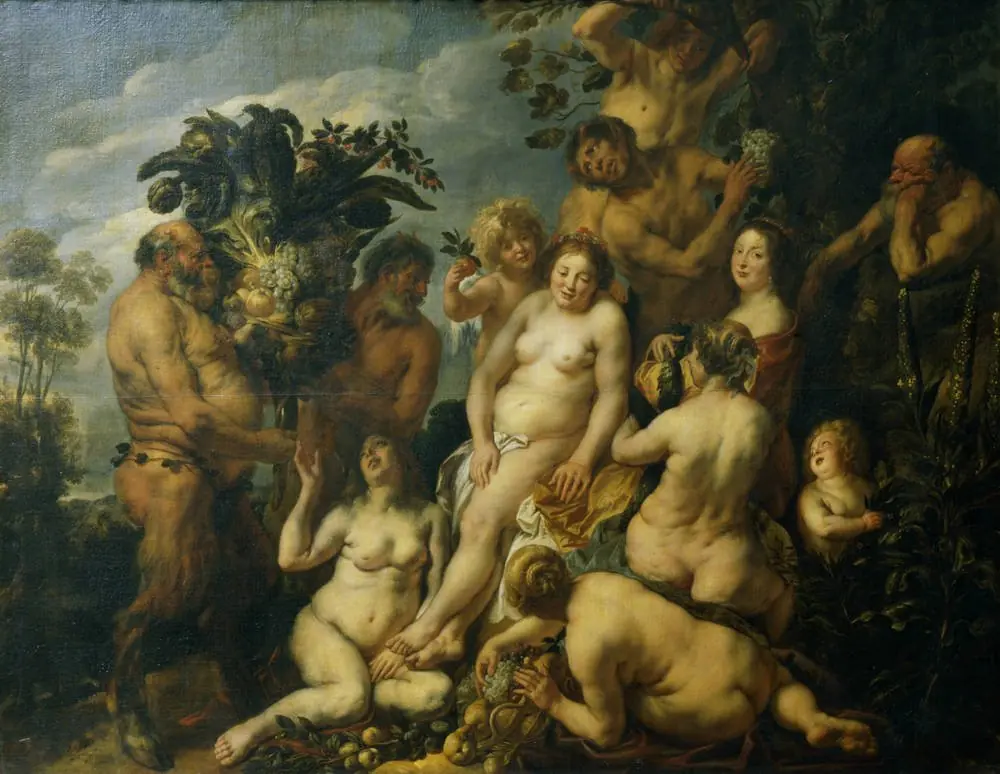 Allegory of Fertility
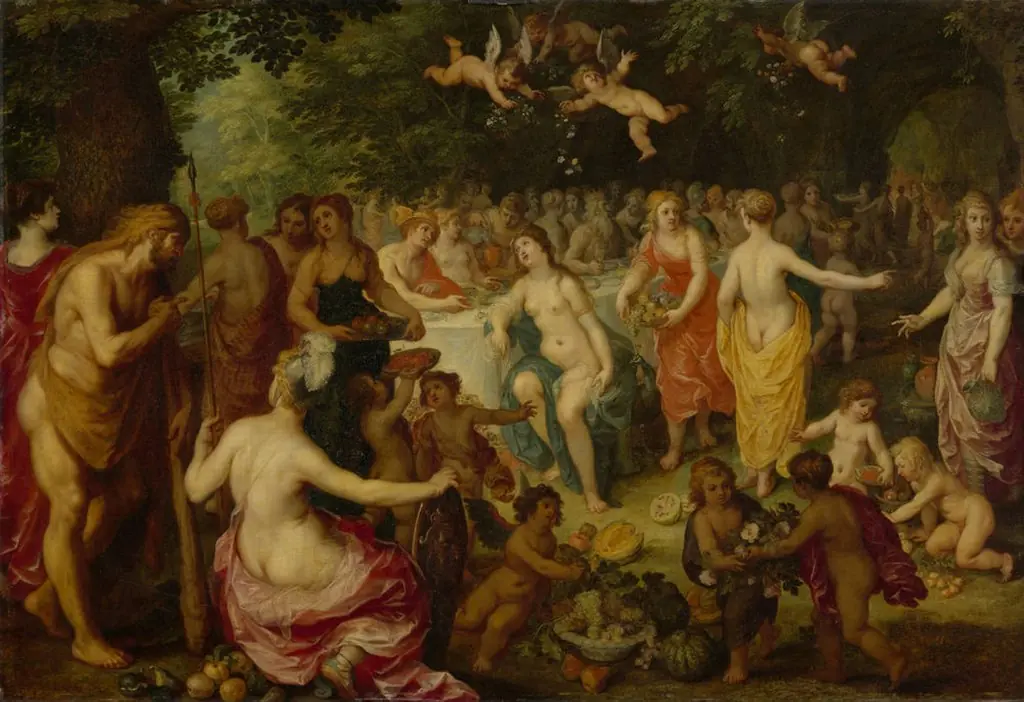 The Feast of the Gods
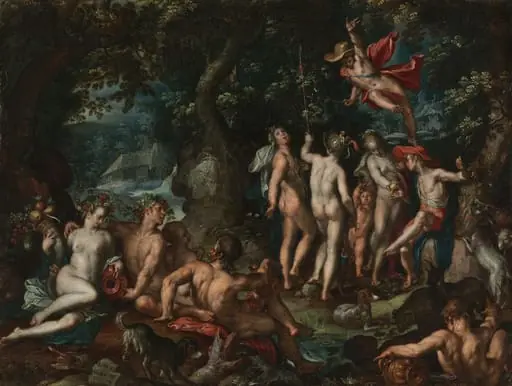 The Judgment of Paris
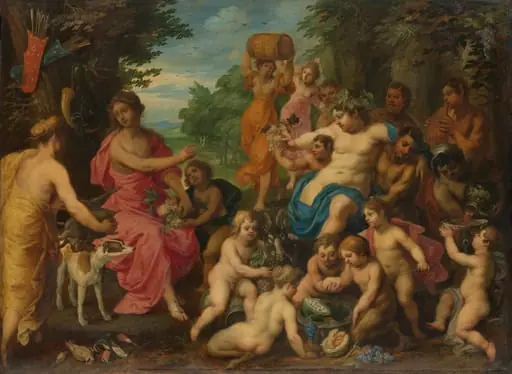 Diana Offered Wine and Fruit by Bacchus and his Retinue
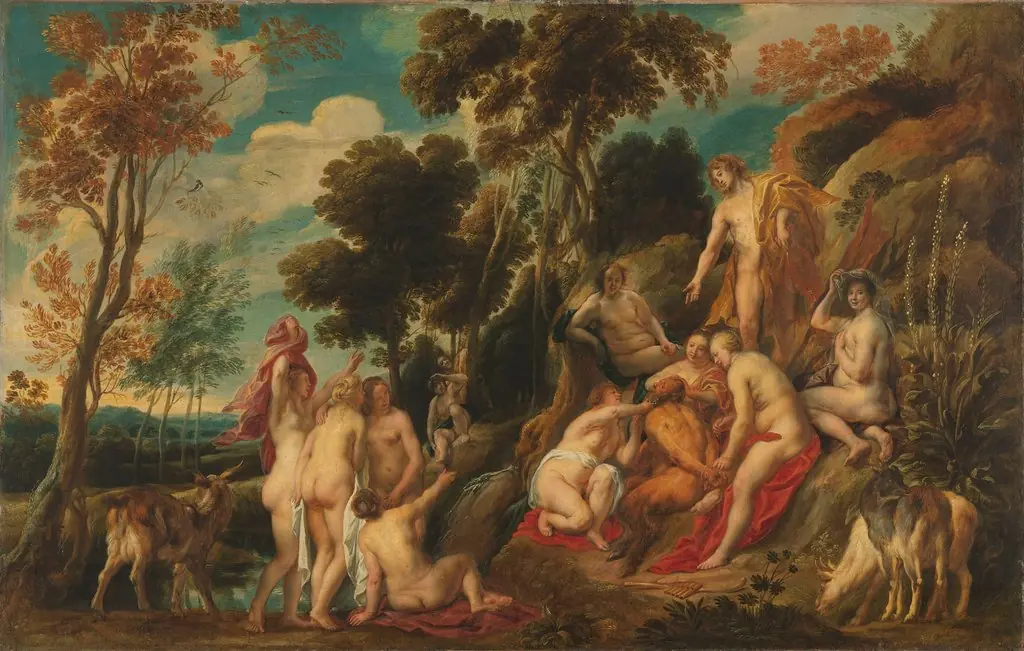 Marsyas punished by the Muses
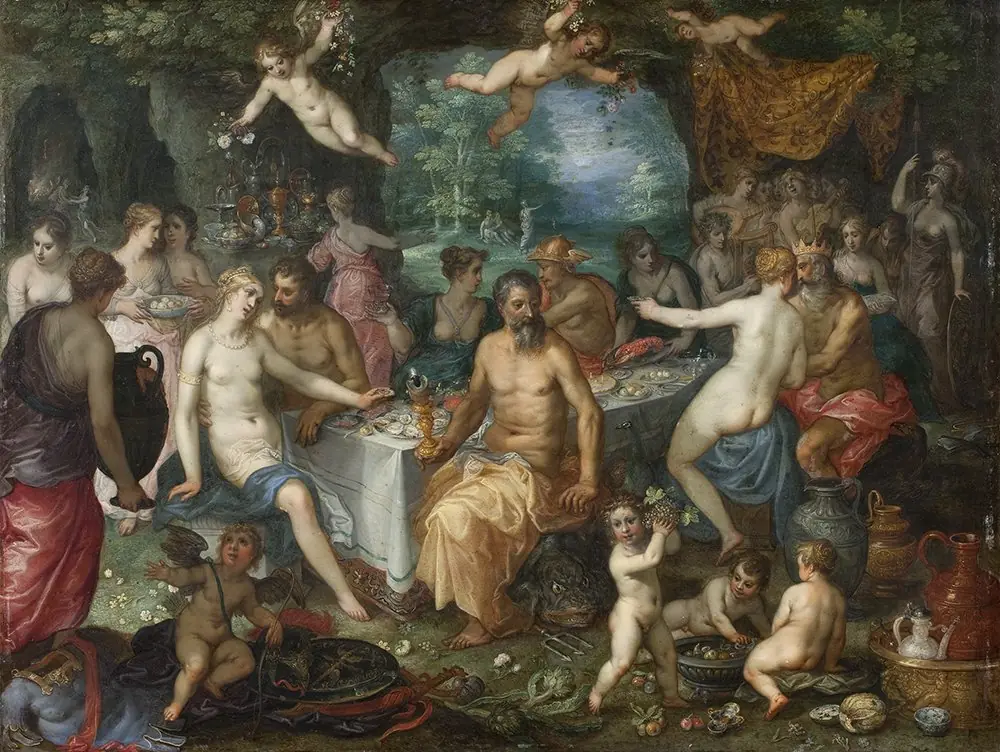 The Feast of the Gods. The Wedding of Peleus and Thetis
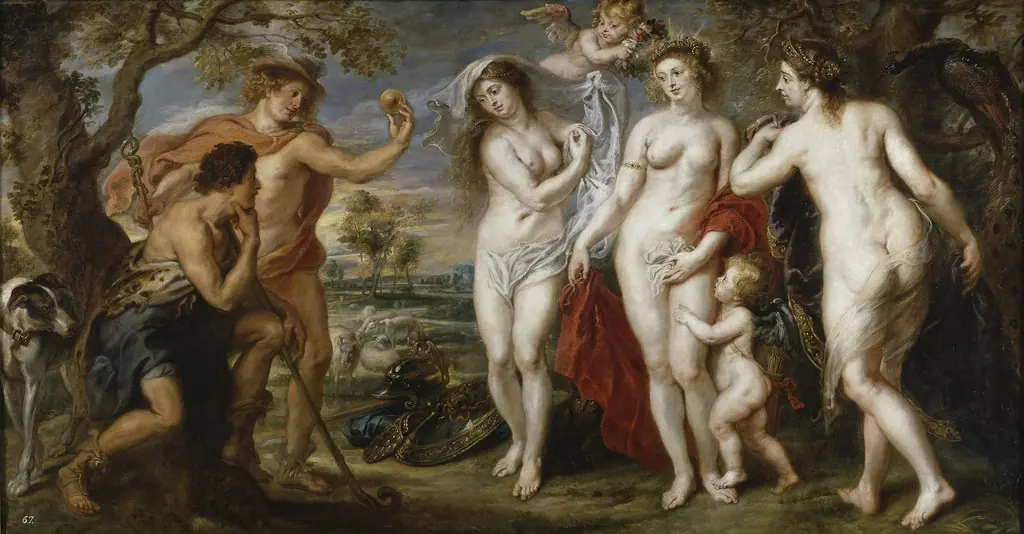 The Judgement of Paris
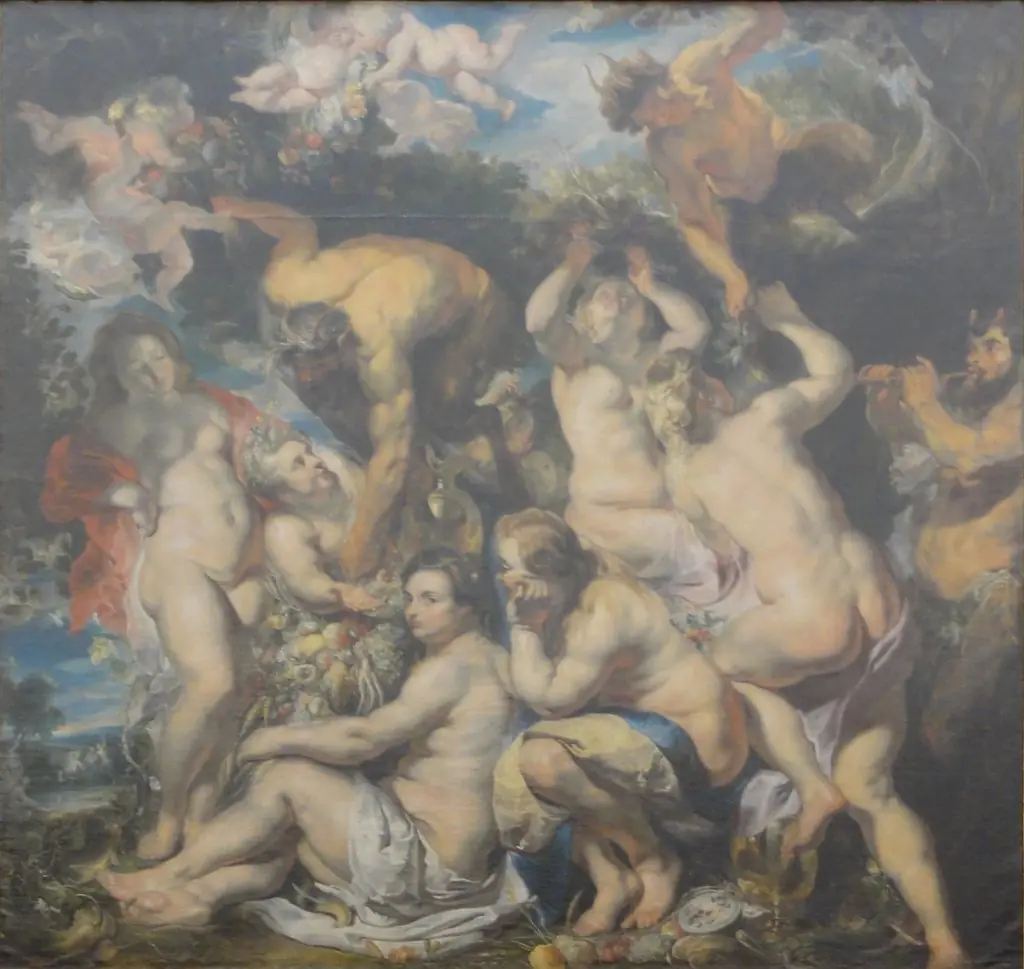 Allegory of fertility
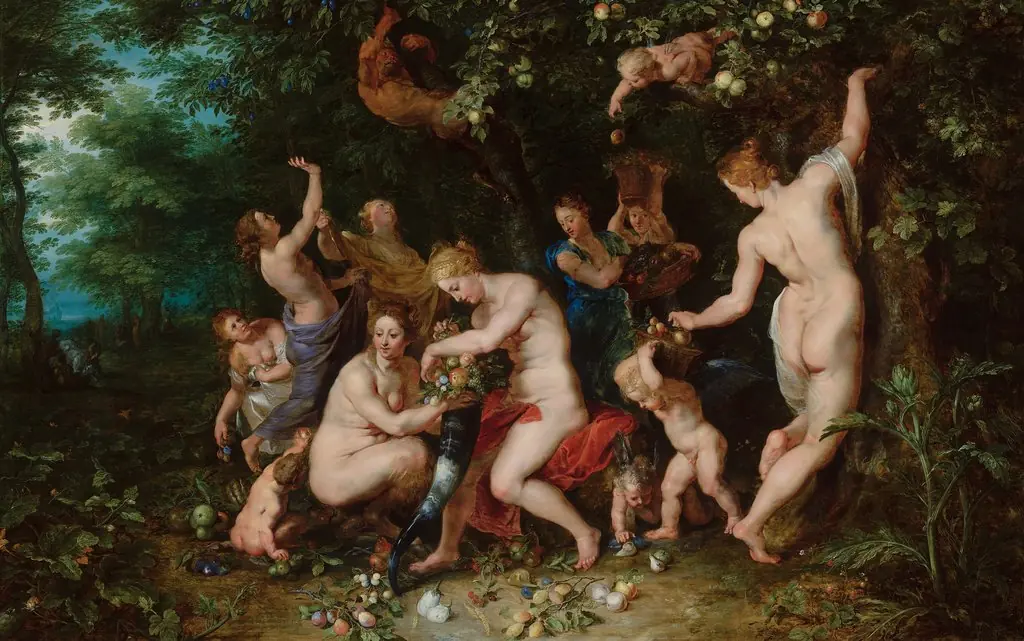 Nymphs filling the horn of plenty
 Earth
Earth- Achelous Defeated by Hercules. The Origin of the Cornucopia. (Allegory of Fruitfulness)