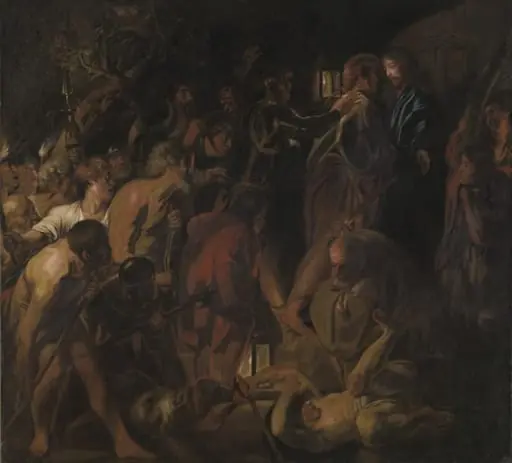
Artwork
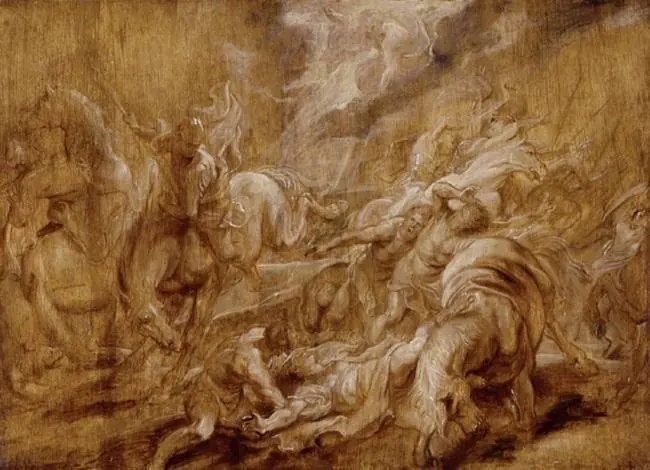
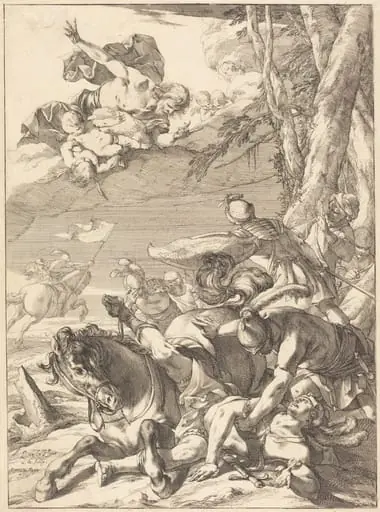
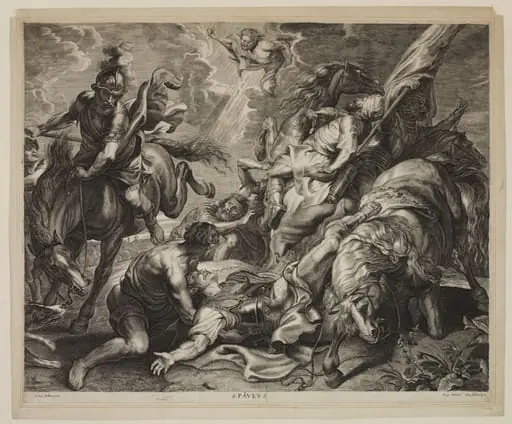
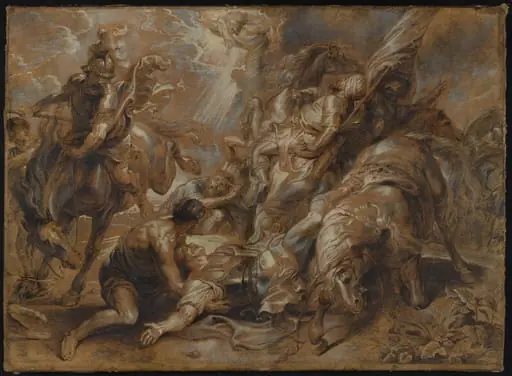
The Conversion of Saul with Christ and the Cross
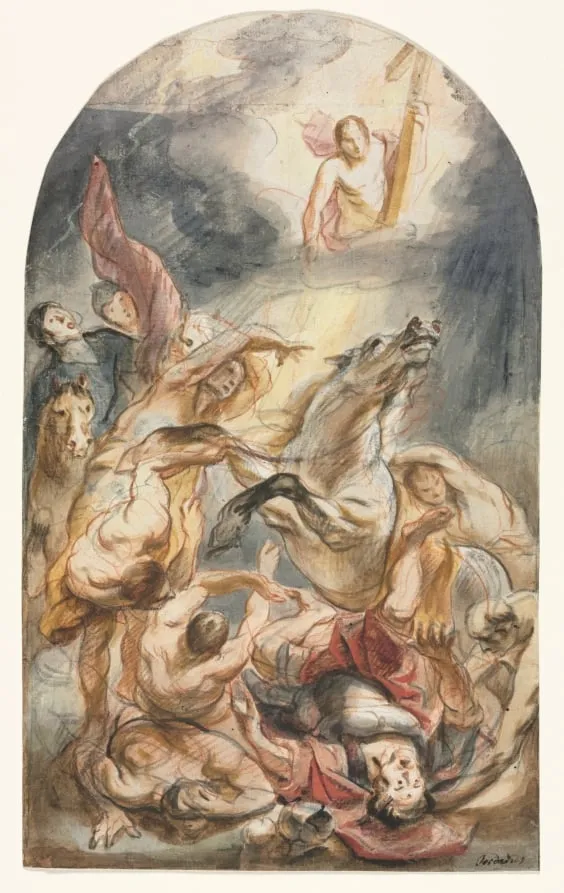
The Conversion of Saul with Christ and the Cross is a drawing by the Baroque artist Jacob Jordaens. It dates from 1646 and is held in the collection of the Cleveland Museum of Art.
- Accession no.
- 1954.367
- Credit line
- Delia E. Holden and L. E. Holden Funds
About this work
Overview
This drawing by Jacob Jordaens is a study for a painting depicting the Conversion of Saint Paul, created around 1647. It showcases the artist's use of light and composition to convey a pivotal biblical event.
Subject & Meaning
The drawing illustrates the moment when Saul of Tarsus, on the road to Damascus, is enveloped by a brilliant light and hears Christ's voice, leading to his conversion. Saul is shown blinded and helpless, surrounded by others who attempt to assist him.
Technique & Style
Jordaens employed a mix of chalks, ink, and watercolor to achieve a dynamic, high-contrast effect, characteristic of chiaroscuro. The loose, expressive lines and vivid rendering of light underscore the dramatic intensity of the scene.
History & Provenance
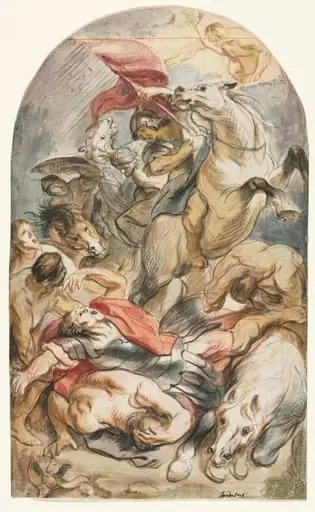
The drawing is one of two studies for a lost painting created for the abbey church at Tongerlo, near Antwerp. The companion drawing is held in the same museum's collection.
Artist & collection
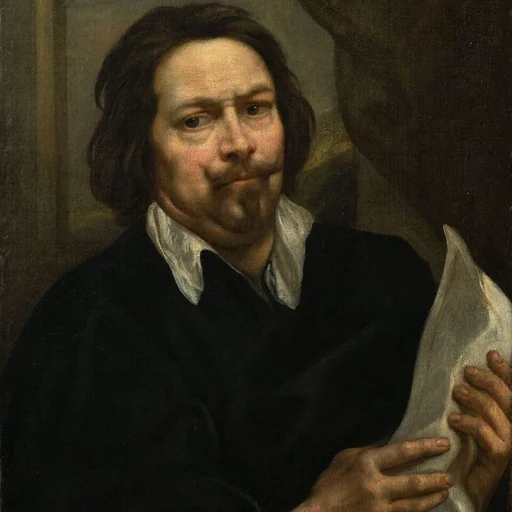
Artist
Jacques (Jacob) Jordaens (19 May 1593 – 18 October 1678) was a Flemish painter, draughtsman and a designer of tapestries and prints.

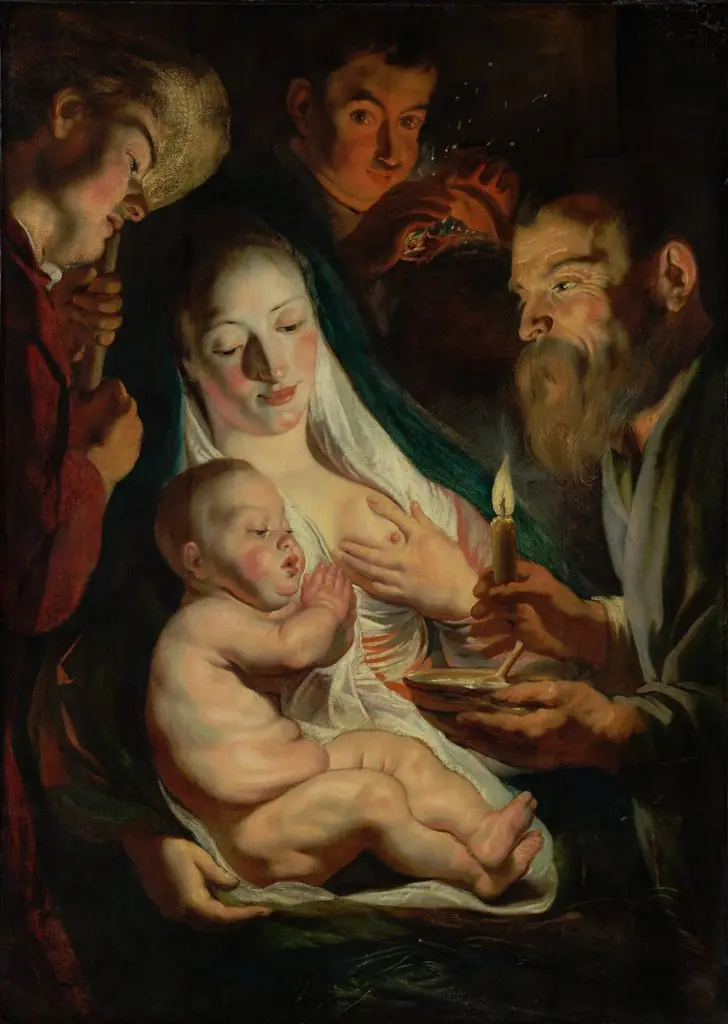 The Holy Family with Shepherds
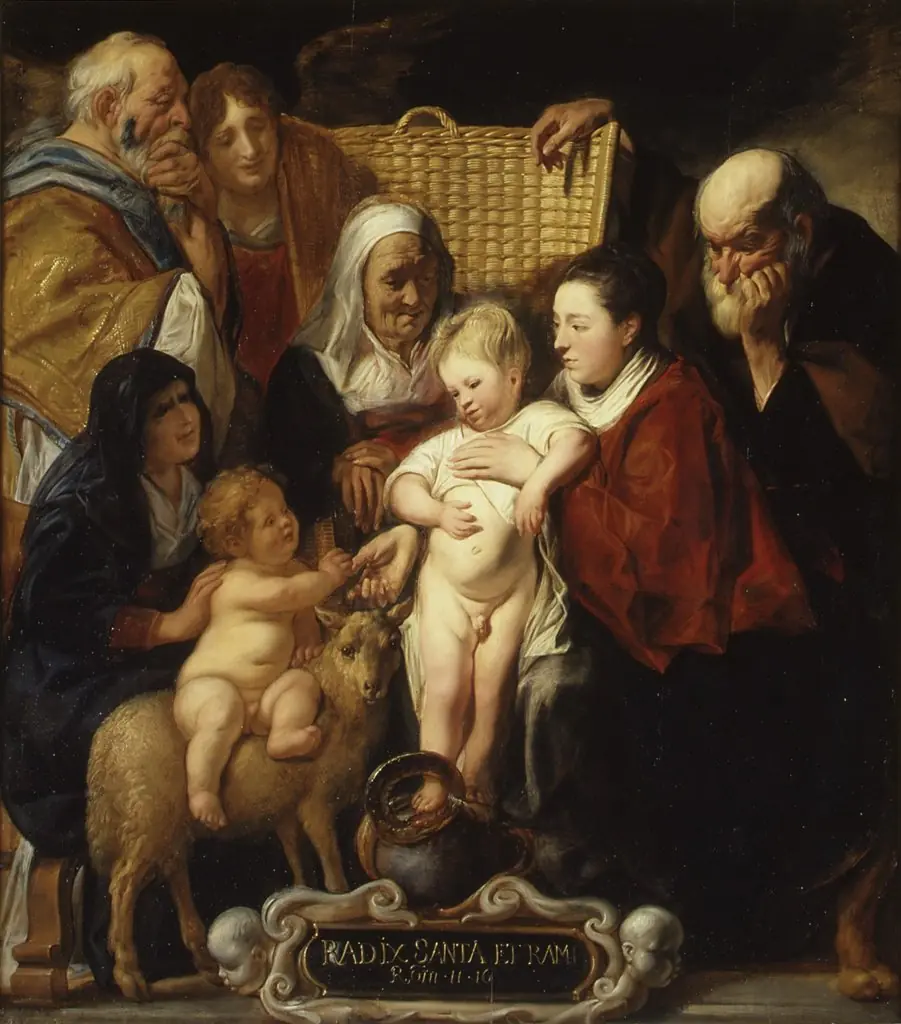 The Holy Family with Saint Anne and the Young Baptist and His Parents
 Untitled
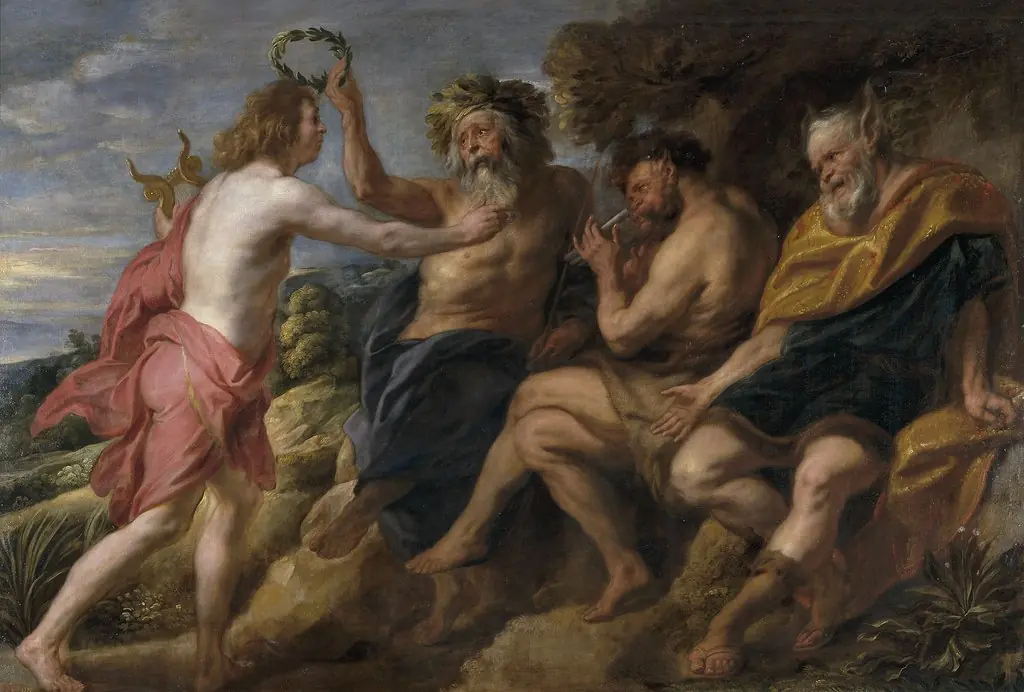 Apollo as Victor over Pan
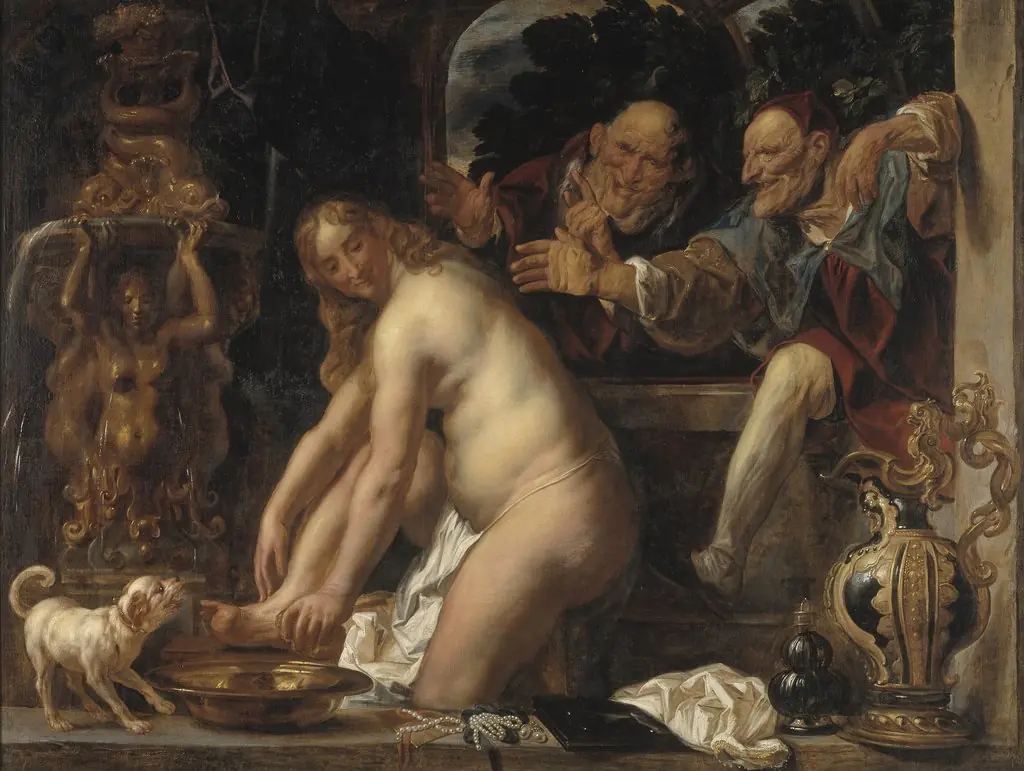 Susanna and the Elders
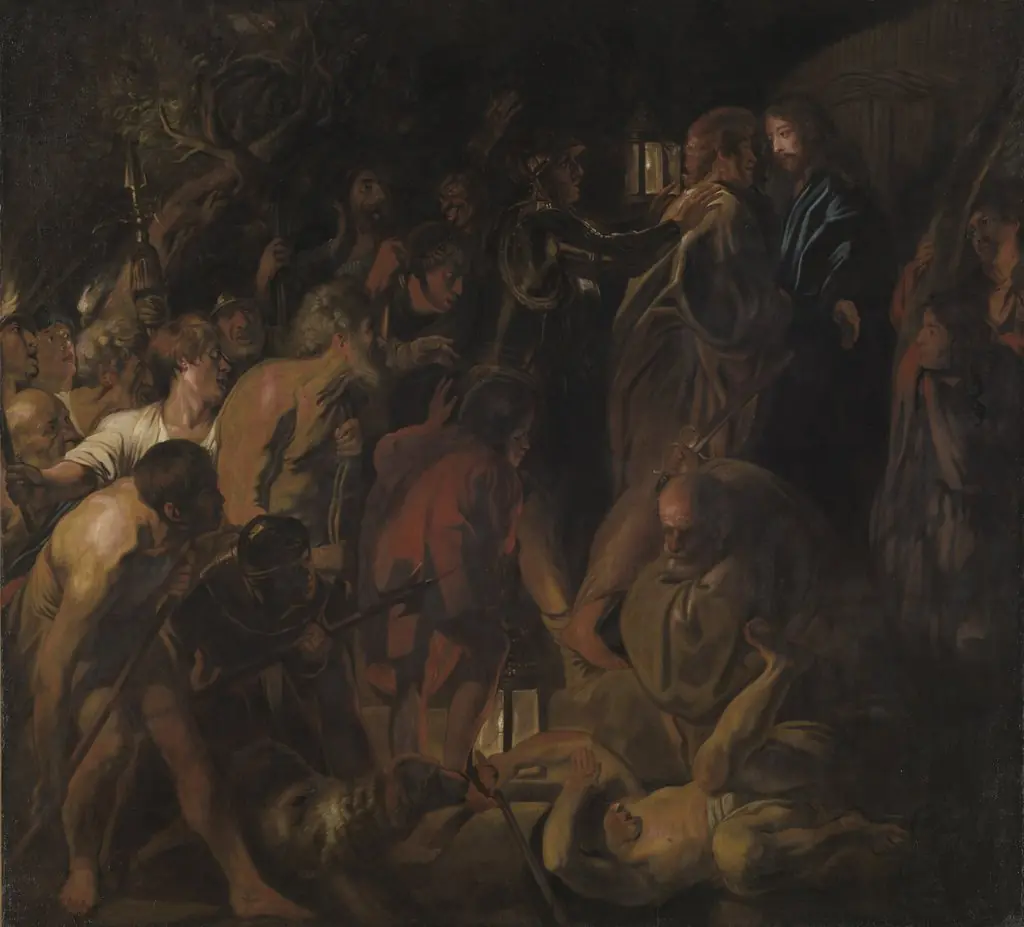 The Betrayal of Christ
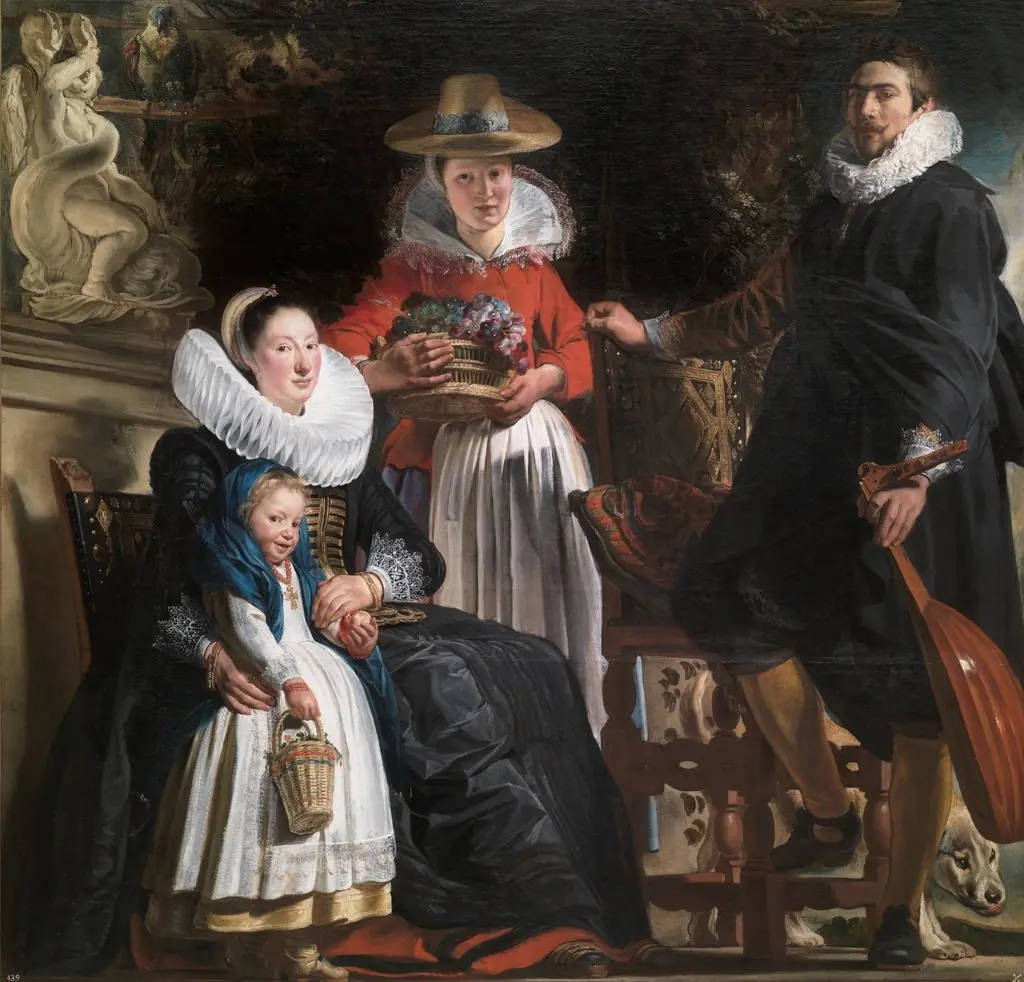 Portrait of the artist with his family
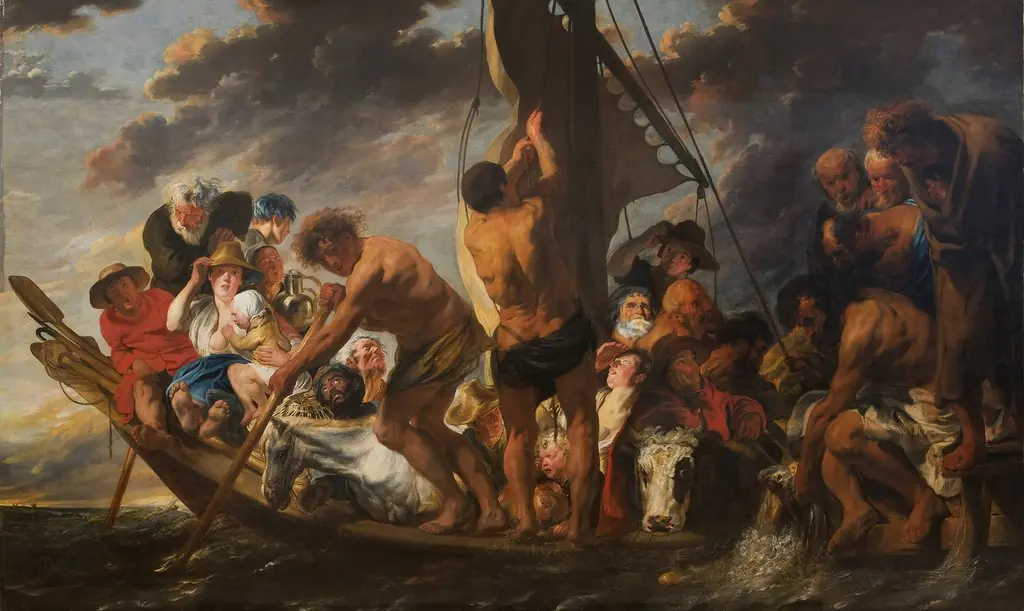 The Tribute Money. Peter Finding the Silver Coin in the Mouth of the Fish. Also called "The Ferry Boat to Antwerp"