Artwork
Meleager and Atalanta
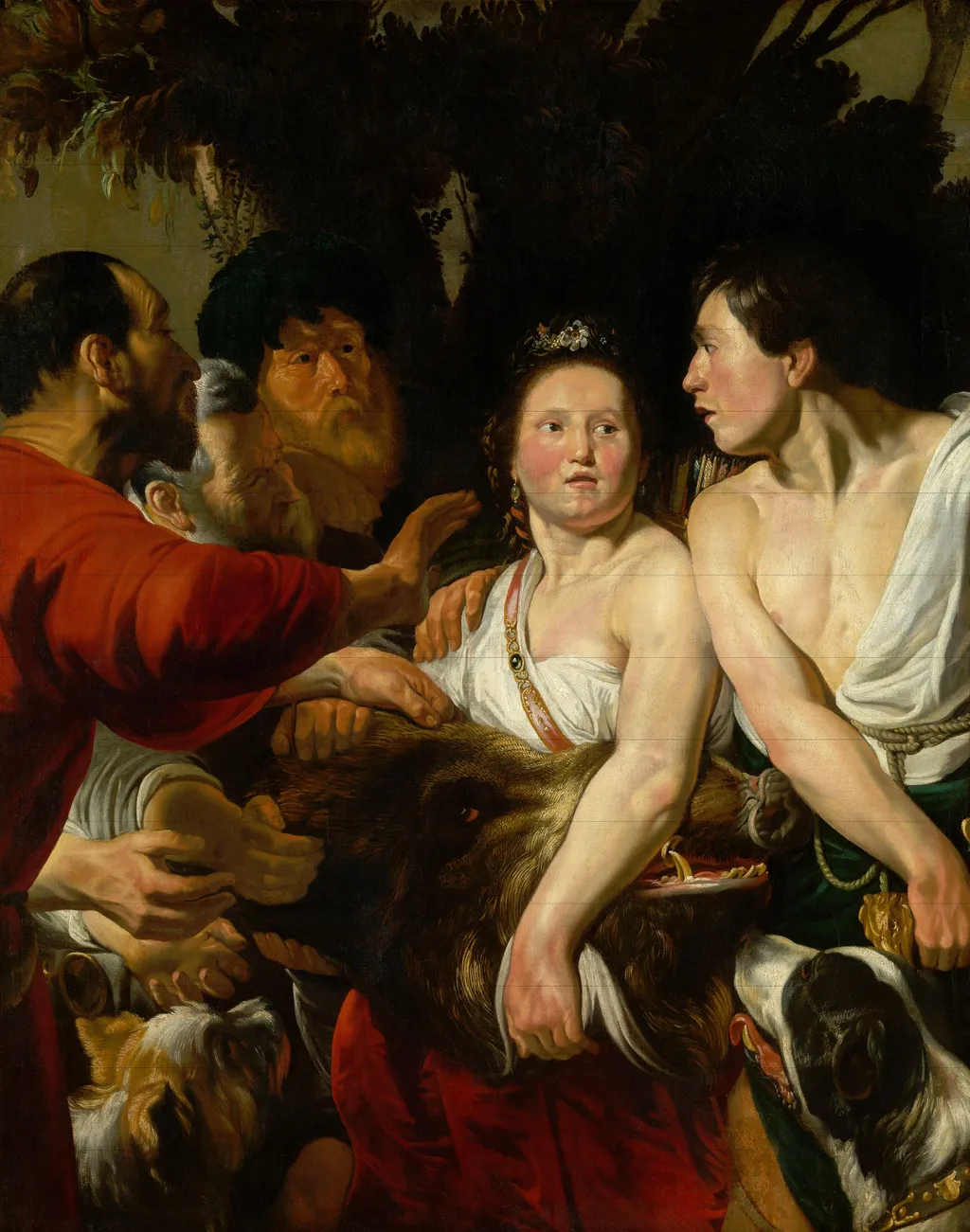
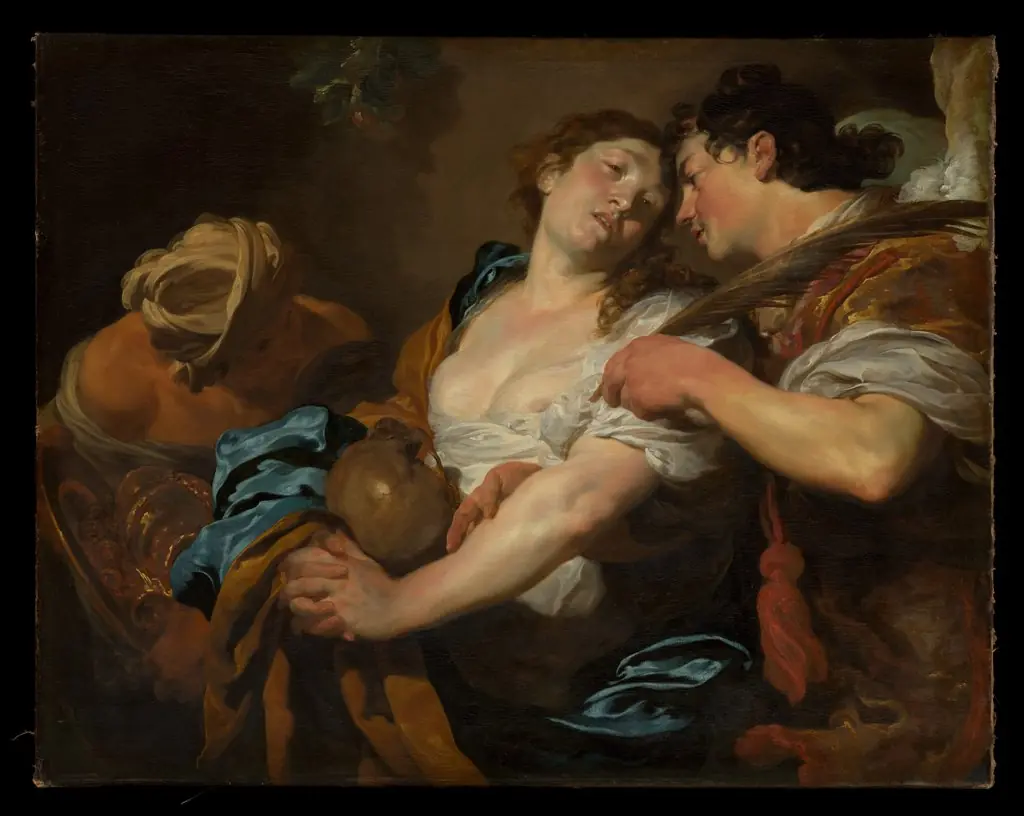
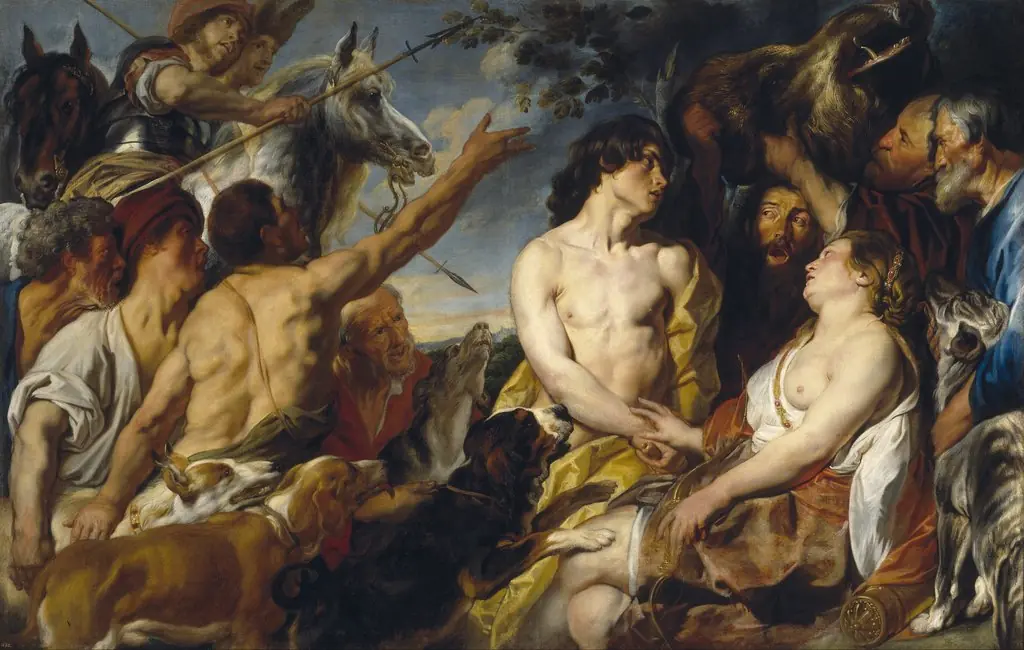
Meleager and Atalanta is an oil painting by the Flemish Baroque painting artist Jacob Jordaens. It dates from 1617 and is held in the collection of the Royal Museum of Fine Arts Antwerp.
About this work
Jordaens painted this work early in his career, before he revisited the same story in a later canvas that now hangs in the Prado Museum.
‘Meleager and Atalanta’ is an oil painting made by Jacob Jordaens around 1617. The medium is oil on canvas, giving the figures a solid presence.
It shows a scene from the myth of Meleager and the hunt for the Calydonian Boar. Jordaens painted this work early in his career, before he revisited the same story in a later canvas that now hangs in the Prado Museum.
The painting is part of the collection at the Royal Museum of Fine Arts Antwerp.
Subject & Meaning
The painting illustrates the Greek myth of Meleager and Atalanta, set after the Calydonian boar hunt. Meleager, son of King Oeneus of Calydon, and Atalanta, daughter of Athamas and Themisto and renowned for her devotion to the hunt, are shown exchanging a gaze as Meleager entrusts to Atalanta the head of the Calydonian boar, which Artemis had sent to ravage Calydon in anger at Oeneus's neglect of sacrifice. The boar's carcass and the hunting dogs serve as the principal attributes of the scene, identifying the moment of the dispute over the spoils that traditionally followed the successful hunt, when the assembled heroes, including Castor and Pollux, Jason, Theseus, and Peleus, clashed over the division of the prize. The subject allowed Jordaens to combine mythological narrative with the dynamic action of the chase, a theme widely treated in Roman sarcophagi depicting Meleager's death and in later works by Rubens and Poussin.
Technique & Style
Executed in oil on canvas, the work measures 152 cm in height and 120 cm in width. Jordaens’s handling emphasizes a vertical format, with the figures arranged in close proximity to heighten dramatic exchange. The composition foregrounds Meleager and Atalanta, their gazes locked as she receives the boar’s head, a moment rendered with tactile immediacy.
The palette favors earthy browns and deep reds, punctuated by cooler highlights on armor and drapery, while the impasto in the drapery folds and boar’s bristles conveys a vigorous, tactile presence. No overt damage is reported in institutional records, indicating stable condition under museum care.
History & Provenance
Jacob Jordaens created the oil-on-canvas painting *Meleager and Atalanta* between 1617 and 1618. The work depicts the mythological figures Meleager and Atalanta alongside the head of the Calydonian Boar. It is currently held in the collection of the Royal Museum of Fine Arts Antwerp in Belgium, which is part of the Vlaamse Kunstcollectie. Jordaens revisited this specific subject matter in later years, producing another version dated between 1620 and 1623 that is now located in the Museo del Prado.
Meleager and Atalanta is held in the collection of the Royal Museum of Fine Arts Antwerp, where it is recorded under the inventory designation Vlaamse Kunstcollectie. The work, an oil on canvas measuring 152 cm by 120 cm, was painted by Jacob Jordaens in 1617‑1618 and has been exhibited in major retrospectives of Flemish Baroque art at the museum. It was also featured in the 2025 exhibition "Baroque Masterpieces from the Flemish Kunstcollectie" at the Royal Museum of Fine Arts Antwerp.
Context
Jacob Jordaens painted Meleager and Atalanta in 1617-1618 as an oil-on-canvas mythological work, now housed in the Royal Museum of Fine Arts Antwerp. The painting depicts the moment after the Calydonian boar hunt when Atalanta exchanges a glance with Meleager, who holds the boar’s head. Jordaens revisited this subject later, producing a version dated 1620-1650 that entered the Museo del Prado collection. Contemporary scholarship notes the influence of Rubens on Jordaens’ treatment of the theme, with Rubens himself executing at least two related compositions of Meleager and Atalanta. The work is recognized as part of the Baroque Flemish painting tradition and has been discussed in both French and Spanish art historical sources.
Legacy
The 1617 painting established Jordaens's engagement with the Calydonian hunt, a subject he returned to in a later canvas now held by the Museo del Prado, dated 1620-1650, where the narrative is rendered in a softer, more poetic mode. The Spanish-language source notes that the Prado version joins the manner of the young Jordaens with his mature style, indicating the earlier Antwerp canvas served as a formative point of reference in his own evolving treatment of the myth. The same source situates Jordaens's repeated handling of the theme within a broader Flemish Baroque tradition of Calydonian hunt imagery, alongside Peter Paul Rubens's treatments of Atalanta and Meleager at the Prado and the Kunsthistorisches Museum. The work's continued institutional presence in the Royal Museum of Fine Arts Antwerp, within the Vlaamse Kunstcollectie, reflects its standing as part of Jordaens's mythological output.
Own this work as a print
Artist & collection
Artist
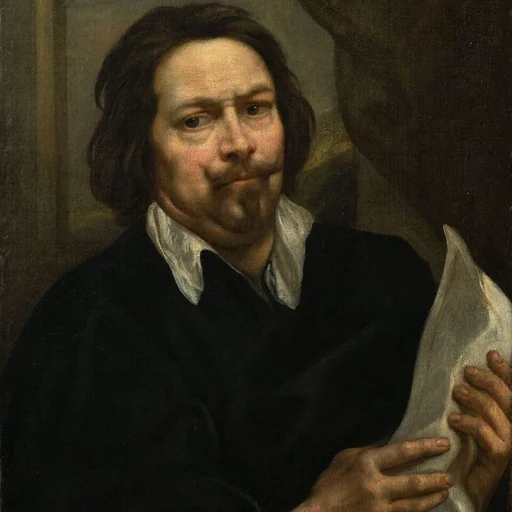
Jacques (Jacob) Jordaens (19 May 1593 – 18 October 1678) was a Flemish painter, draughtsman and a designer of tapestries and prints.

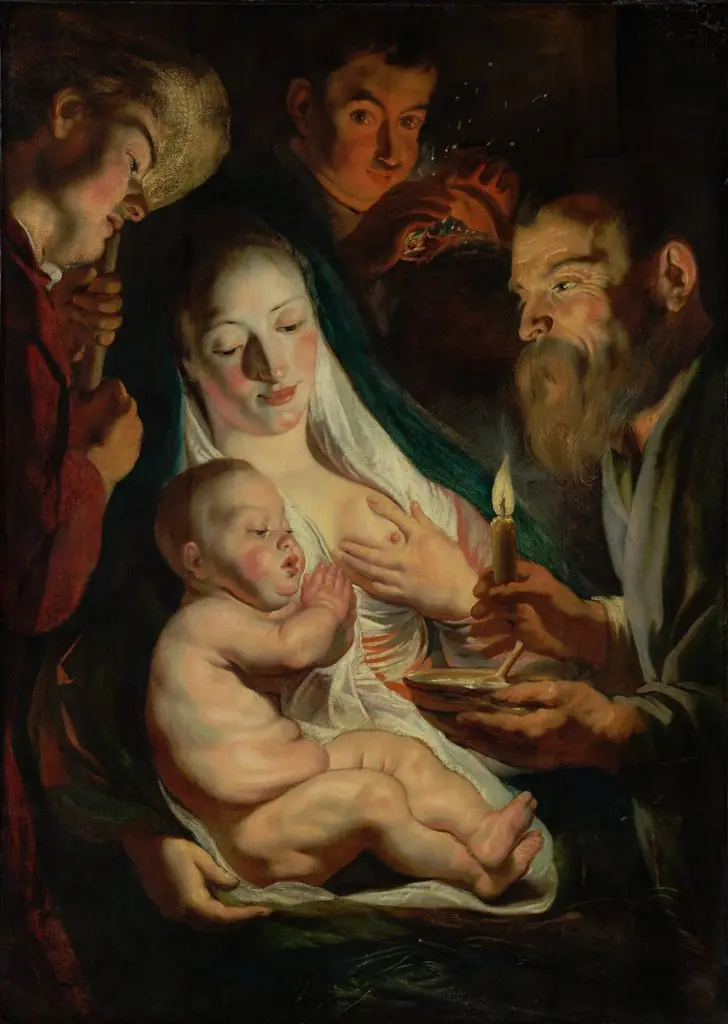 The Holy Family with Shepherds
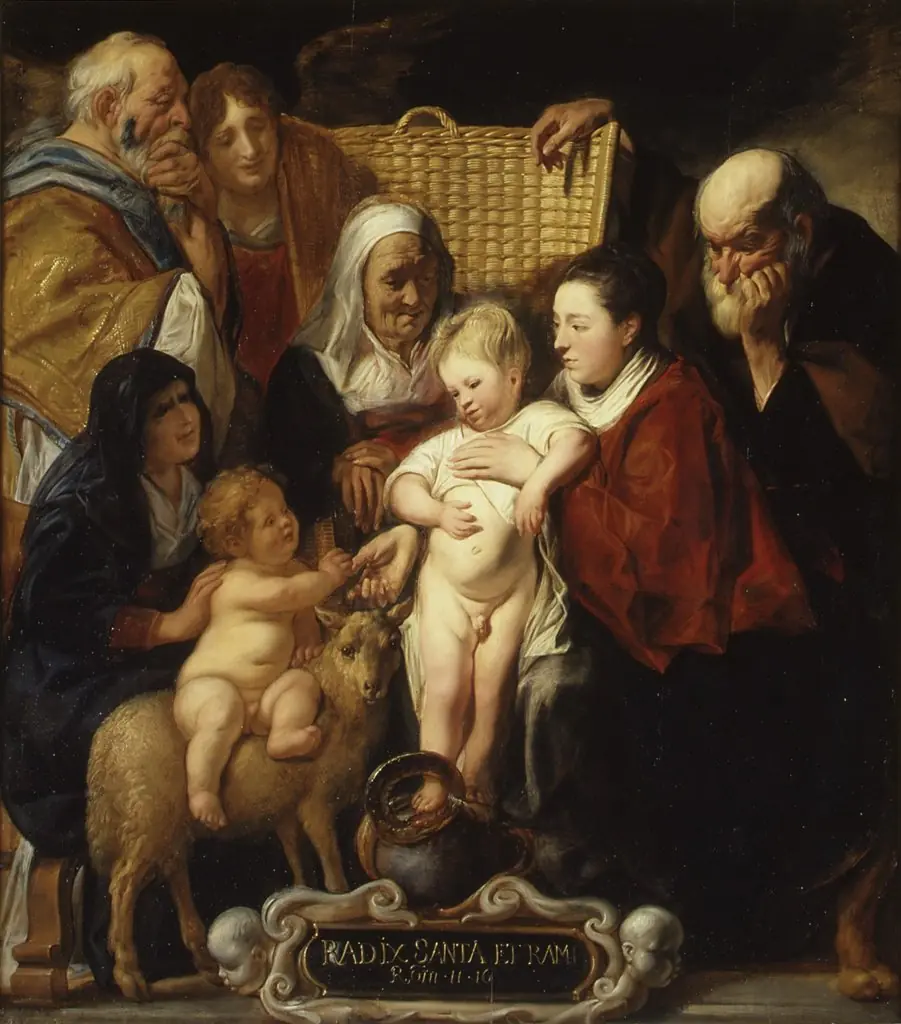 The Holy Family with Saint Anne and the Young Baptist and His Parents
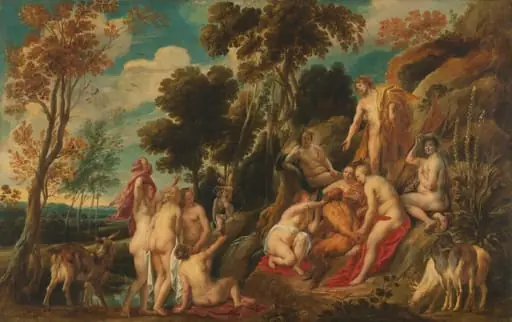 Untitled
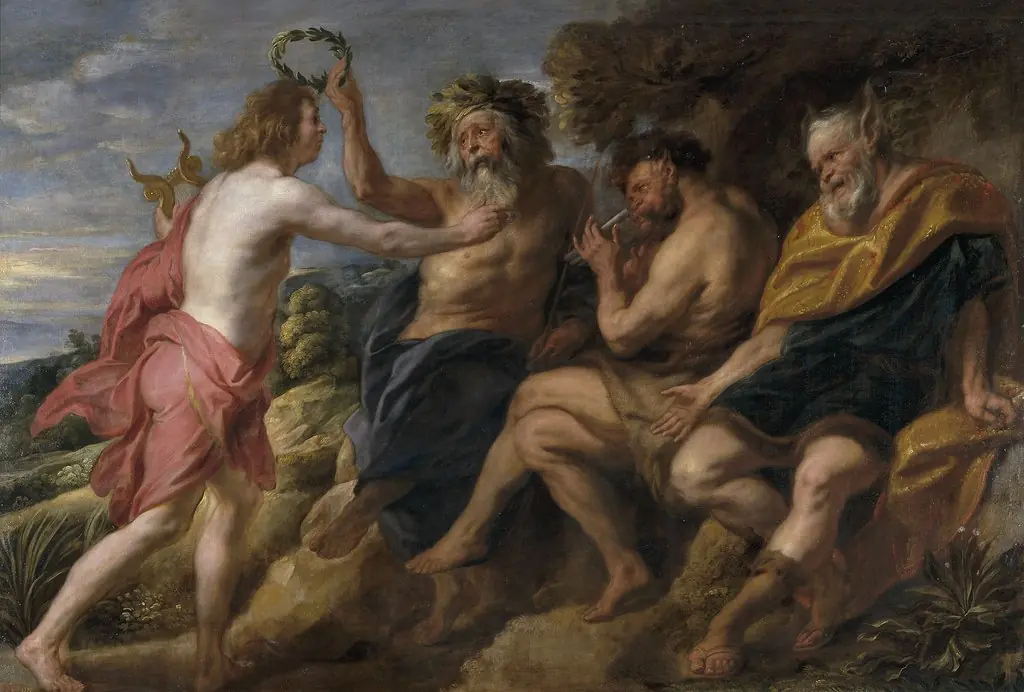 Apollo as Victor over Pan
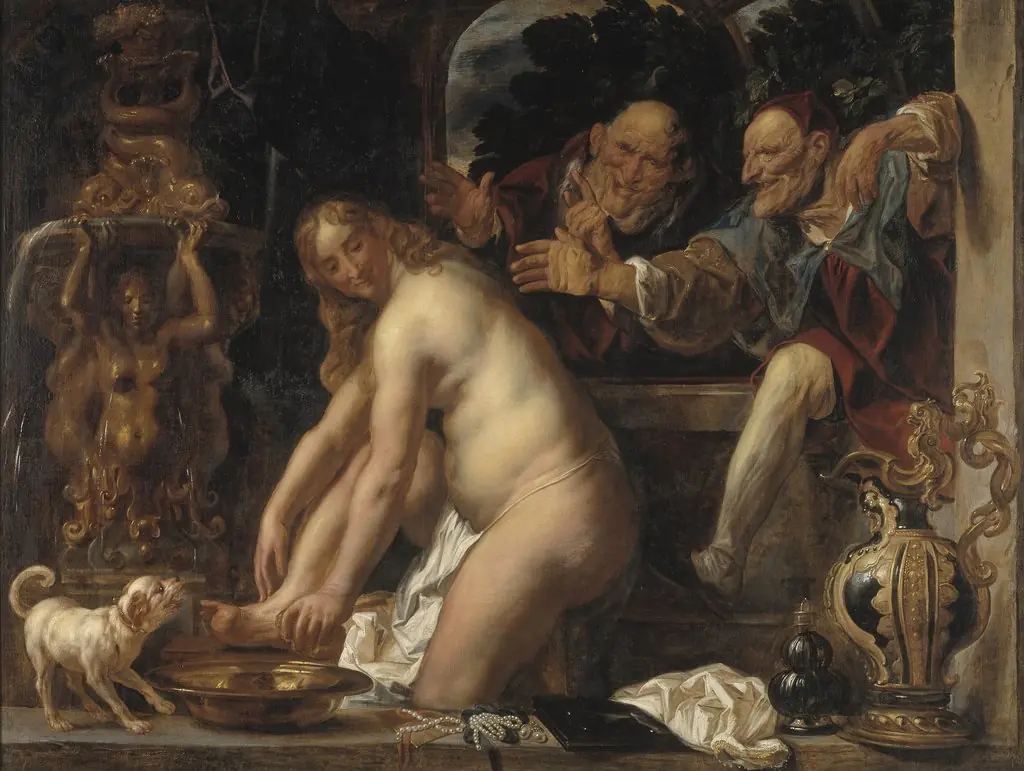 Susanna and the Elders
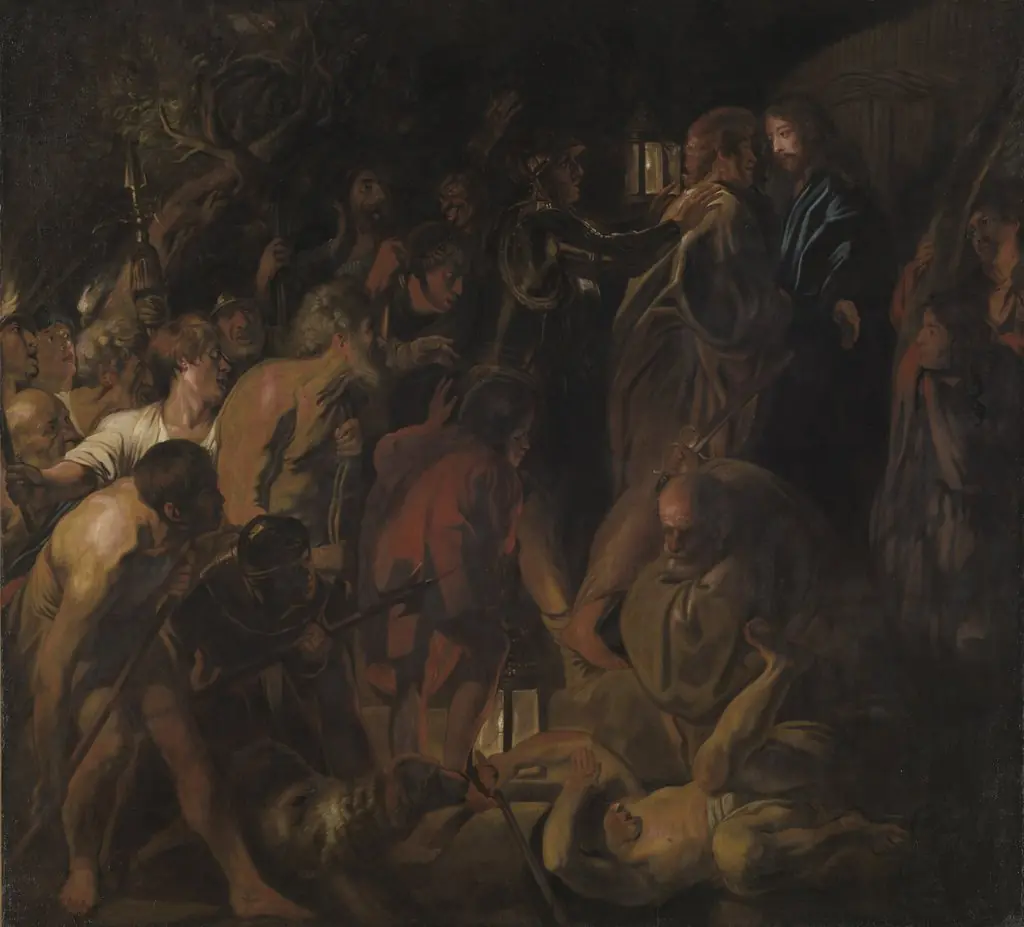 The Betrayal of Christ
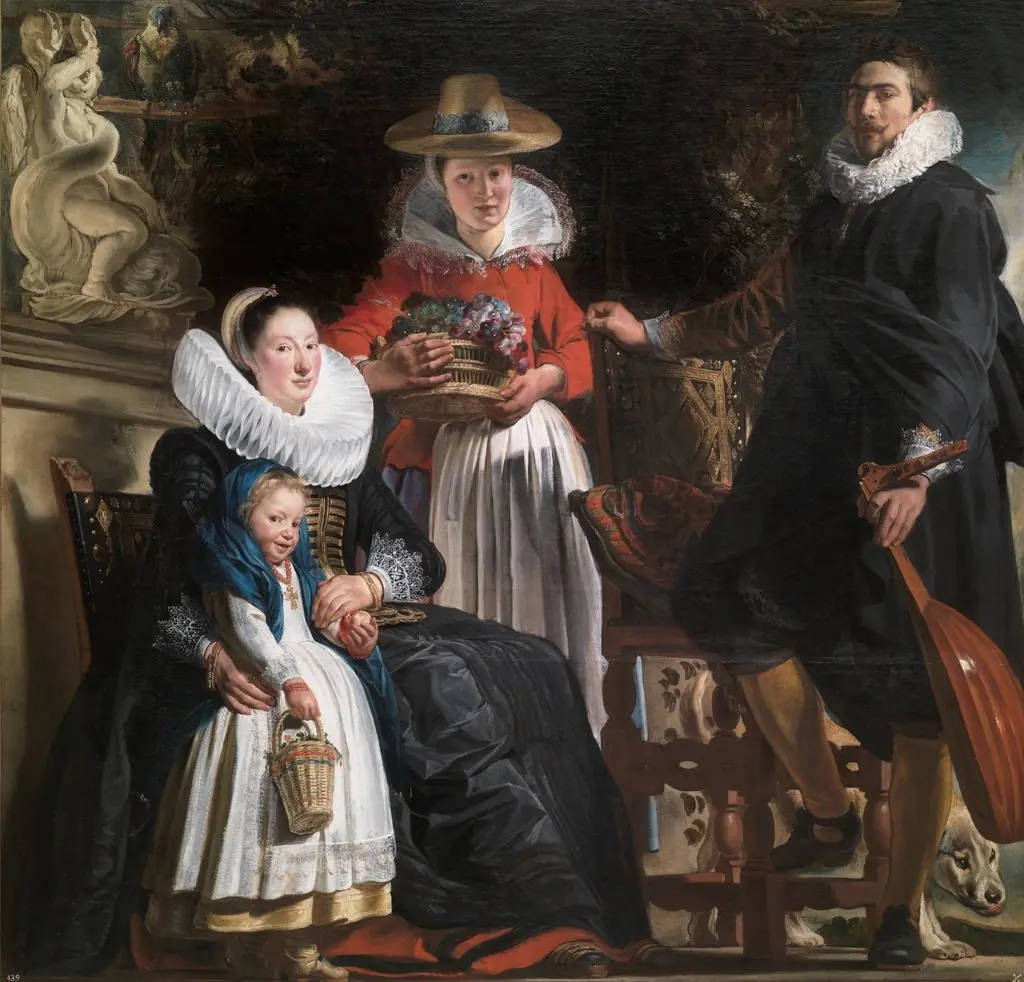 Portrait of the artist with his family
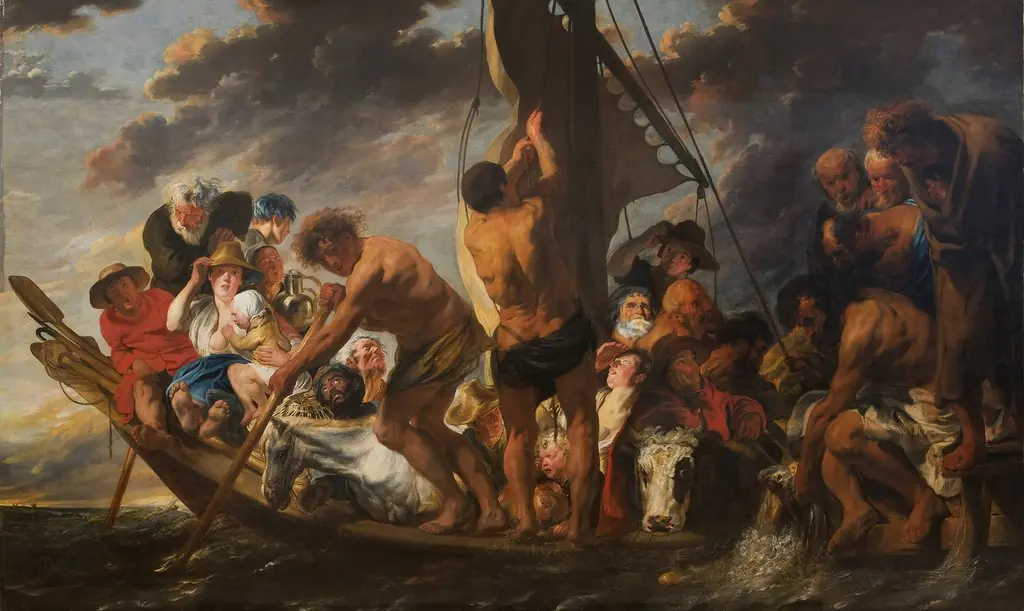 The Tribute Money. Peter Finding the Silver Coin in the Mouth of the Fish. Also called "The Ferry Boat to Antwerp"