Artwork
Nebukadnezar erhält die Königswürde zurück
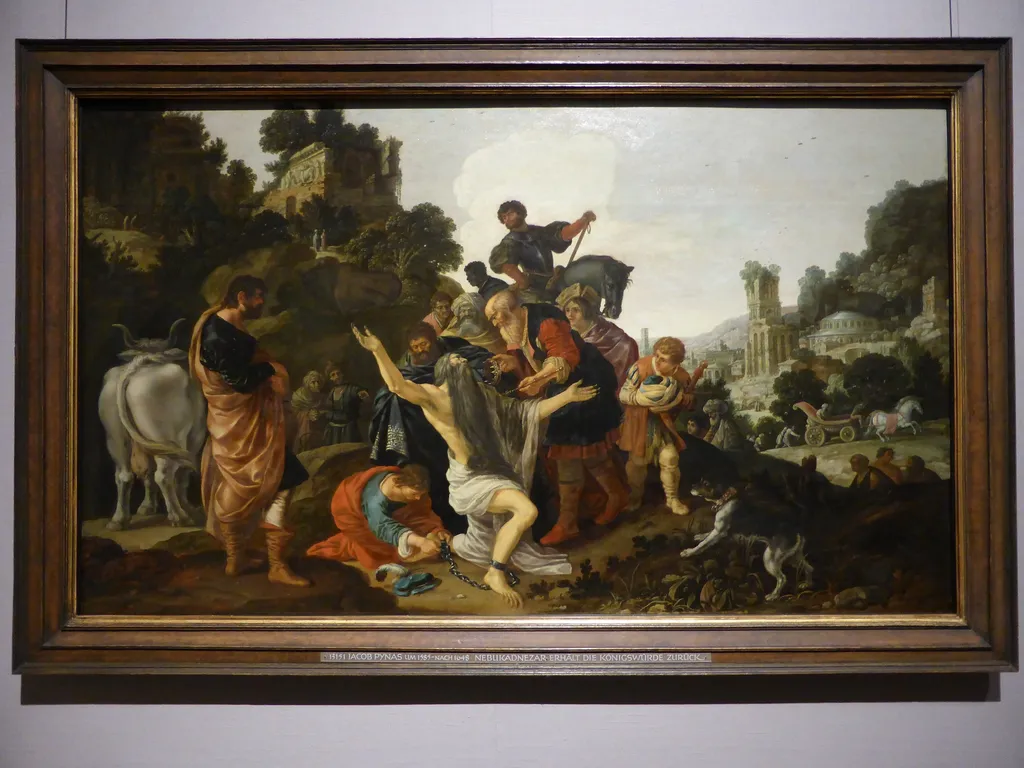
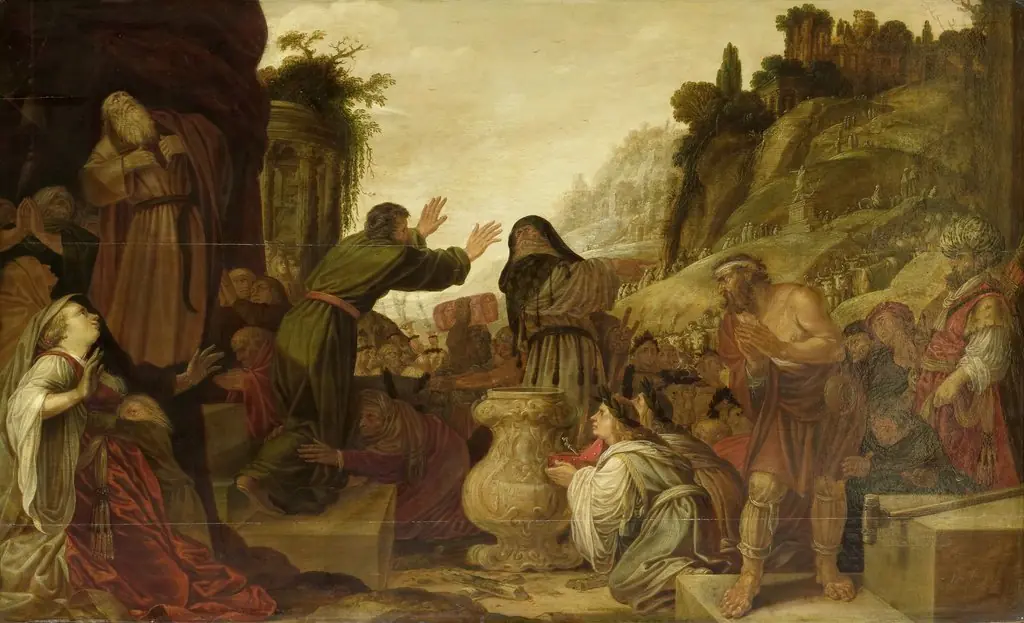
Nebukadnezar erhält die Königswürde zurück is an unspecified painting by the Early Baroque Italian artist Jacob Pynas. It dates from 1616 and is held in the collection of the Bavarian State Painting Collections.
About this work
Subject & Meaning
The composition serves to visualize this specific episode of divine or political reinstatement, focusing on the king as the central protagonist of the scene.
Jacob Pynas's 1616 painting, Nebukadnezar erhält die Königswürde zurück, falls within the genre of religious art. The work depicts the biblical figure Nebuchadnezzar II, specifically illustrating the moment of his restoration to the royal crown. As a religious narrative piece, the subject matter centers on the historical and scriptural event of the Babylonian king regaining his sovereignty.
The composition serves to visualize this specific episode of divine or political reinstatement, focusing on the king as the central protagonist of the scene.
Technique & Style
Created in 1616, this work is classified as a religious painting by Jacob Pynas. It is executed in the medium of oil on panel, a standard support for the period, though the specific ground and layering techniques are not detailed in the available records. The composition depicts the biblical figure Nebuchadnezzar II within the genre of religious art.
The physical dimensions of the support are recorded as 73 cm in height and 122.5 cm in width. Currently held by the Bavarian State Painting Collections at the Alte Pinakothek, the artwork remains part of a major institutional collection.
History & Provenance
Jacob Pynas painted Nebukadnezar erhält die Königswürde zurück in 1616, a religious work now held by the Bavarian State Painting Collections in the Alte Pinakothek. The painting’s dimensions are 73 cm by 122.5 cm, and its creation aligns with the year 1616 recorded in the source.
Context
Jacob Pynas painted Nebukadnezar erhält die Königswürde zurück in 1616, a religious work now housed in the Bavarian State Painting Collections at the Alte Pinakothek. The painting depicts Nebuchadnezzar II and was created during the Dutch Golden Age, reflecting biblical themes common in 17th-century European art. It is classified as a religious genre painting within the broader context of Dutch biblical art and the artist's oeuvre, which includes other works exploring Old Testament narratives.
Overview
Painted in 1616 by Dutch artist Jacob Pynas, this work depicts a moment from the biblical Book of Daniel in which Nebuchadnezzar II, king of Babylon, is restored to his throne after a period of divine punishment. Executed in the early Baroque style, the painting reflects Pynas’s engagement with religious narratives and his training in the Northern European tradition, despite its Italianate compositional influences. It remains part of the Alte Pinakothek’s collection in Munich.
Legacy
Though Jacob Pynas is less known than his contemporaries, this work stands as a rare surviving example of his religious output. Its inclusion in a major public collection ensures continued study of how Northern artists adapted Italian Baroque forms to Dutch devotional themes. The painting contributes to understanding the transmission of biblical iconography across regions during the early Baroque period.
Own this work as a print
Artist & collection
Artist
Jacob Symonsz. Pynas (1592 or 1593 – after 1650) was a Dutch Golden Age painter and draughtsman. He is best known for having briefly taught the painter Rembrandt in 1625.


- Abraham banishes Hagar and Ishmael
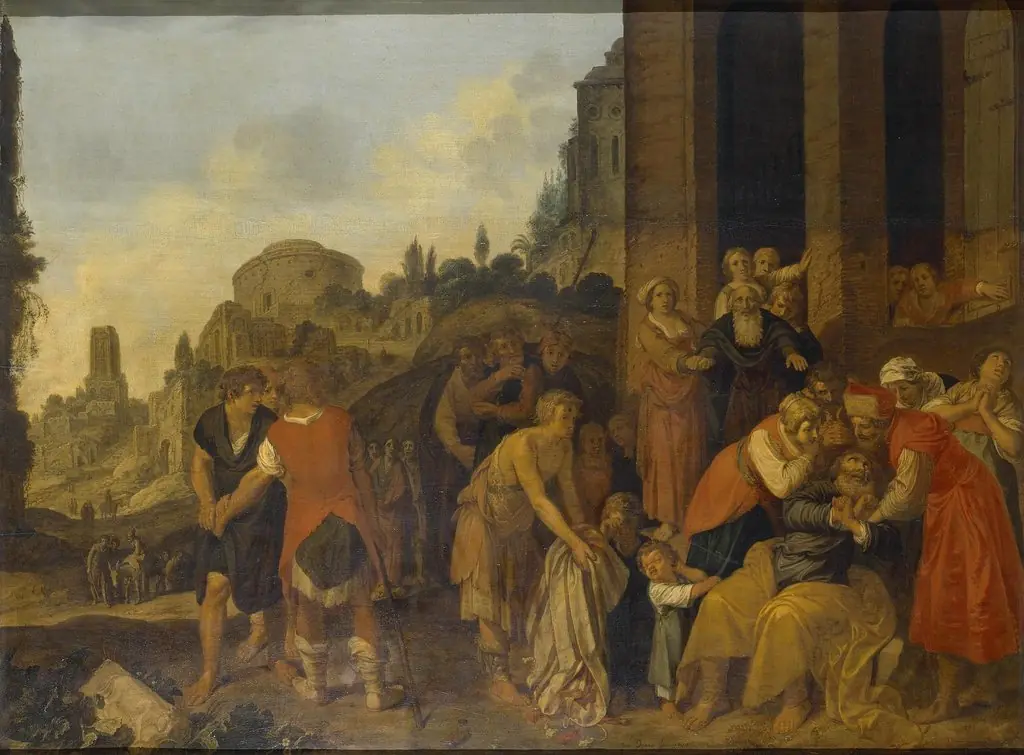 Jacob's Sons Show Him Joseph's Blood-Stained Robe
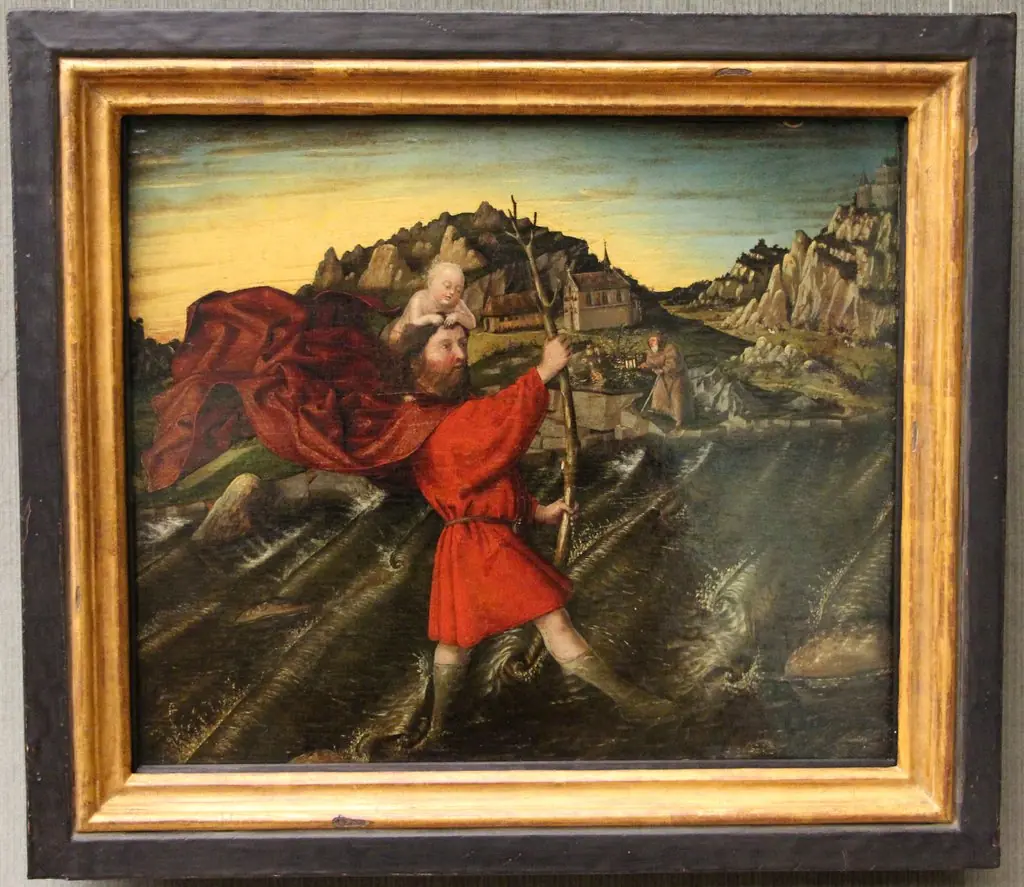 Saint Christopher (Berlin)
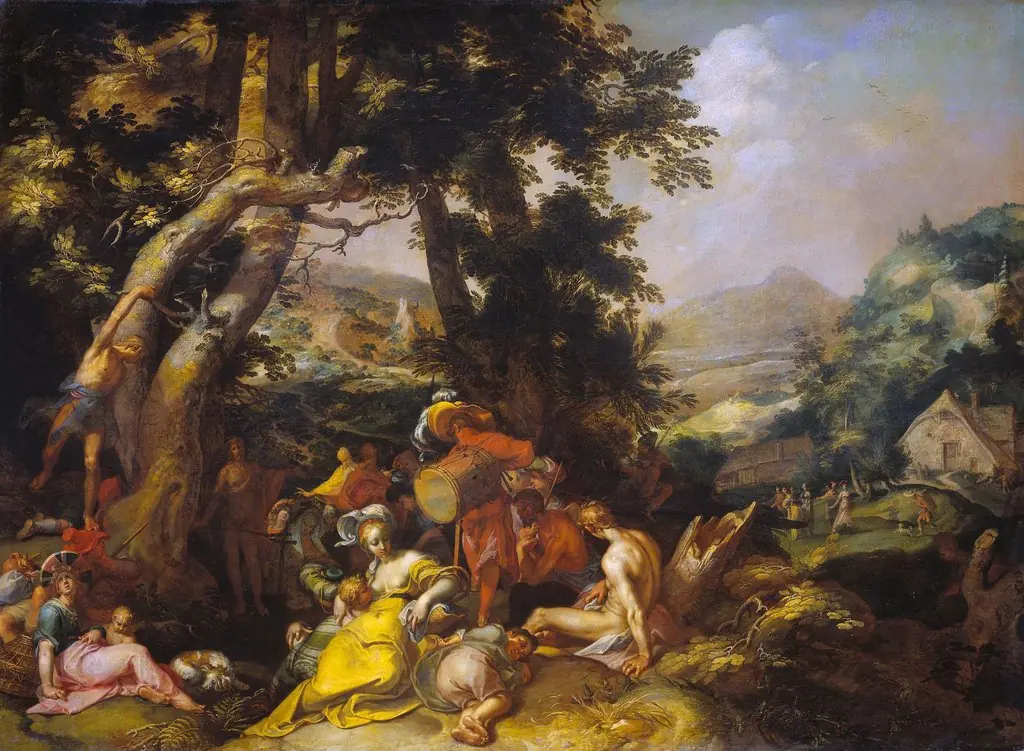 Landscape with the Ministry of John the Baptist
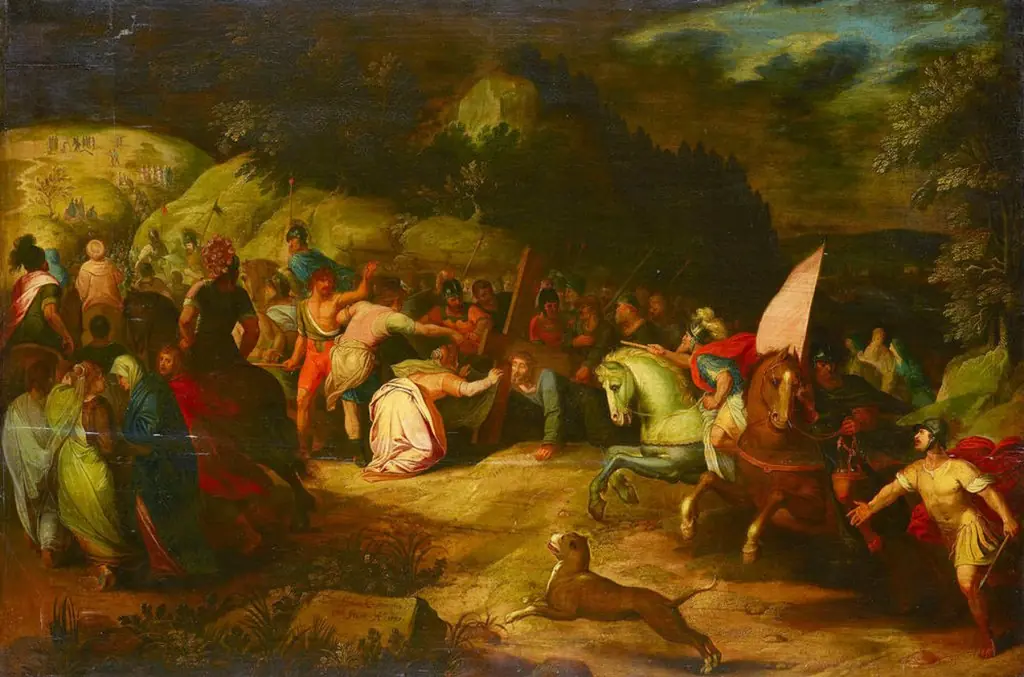 Christ collapsing under the cross on his way to Golgotha
 Baptism of Christ
 Moses Strikes the Rock
 Parable of the Prodigal Son
 Rural labours or Spring
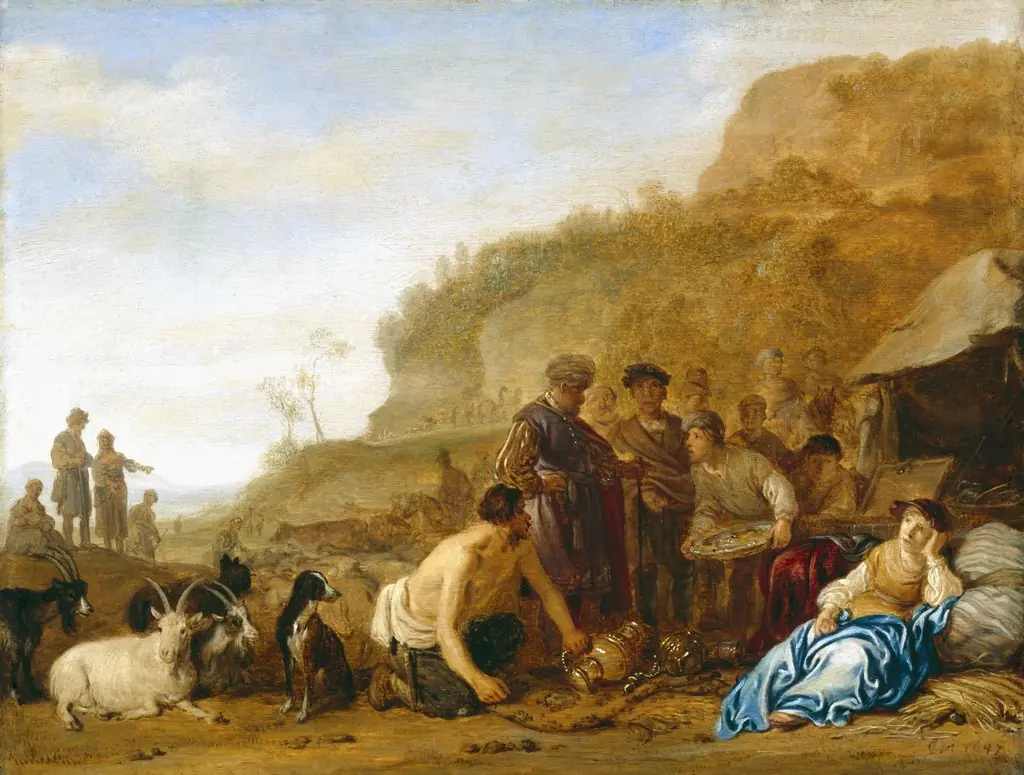 Laban Searching for His Gods
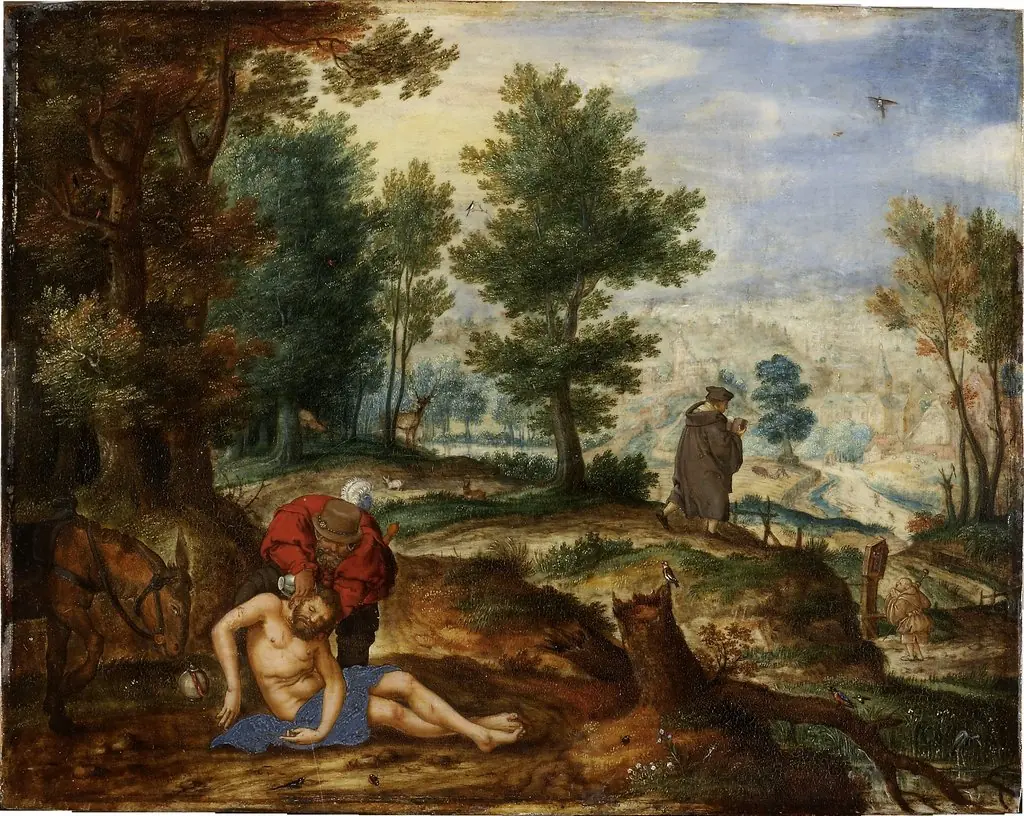 Landscape with the Good Samaritan
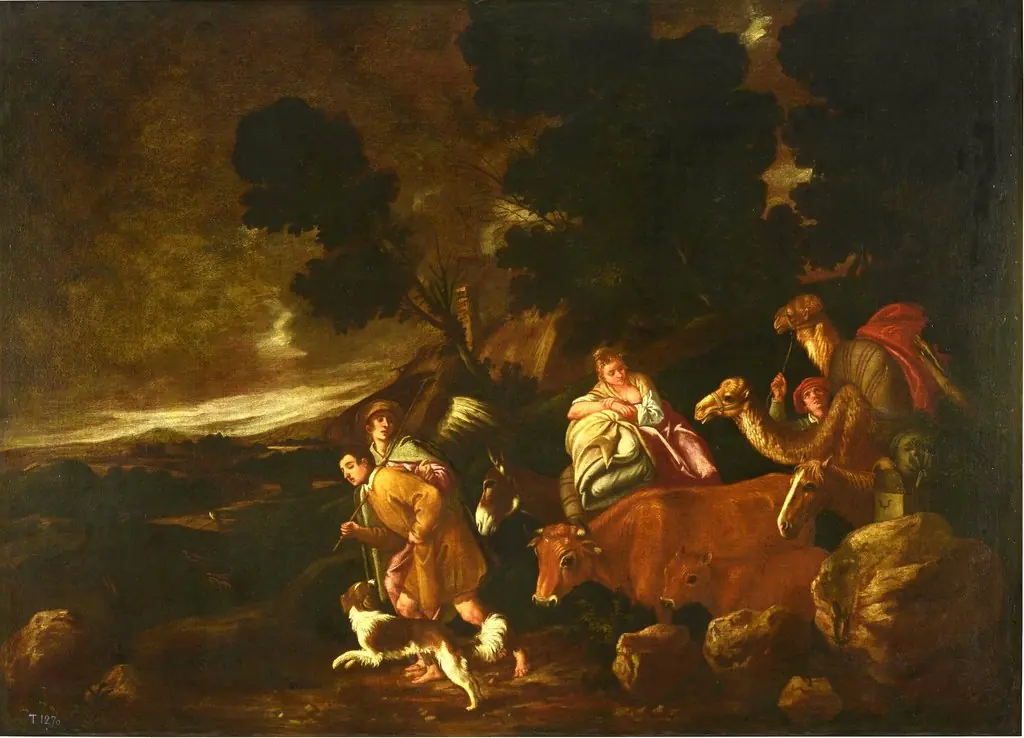 Viaje de Tobías y Sara