Artwork
The Death of Marat
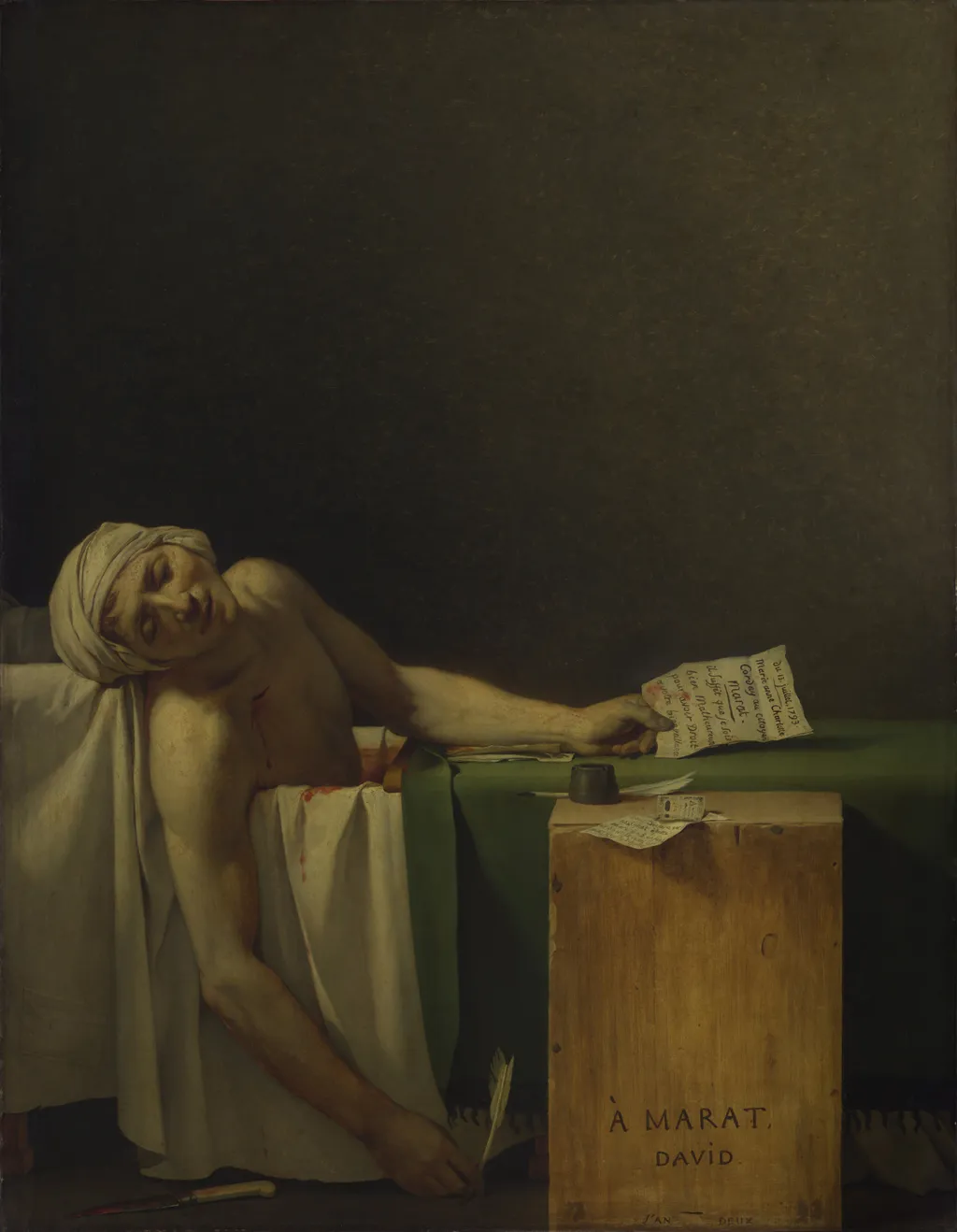
The Death of Marat is an oil painting by the Neoclassicist artist Jacques-Louis David. It dates from 1793 and is held in the collection of the Royal Museums of Fine Arts of Belgium.
About this work
This painting shows a man who died in a bathtub. The artist painted it right after the event in 1793. The man was a French revolutionary leader named Jean-Paul Marat.
David knew Marat well. He painted this work while serving on a revolutionary security committee. The artist used real details to shape how we see the scene.
Look up the artist who made this next.
Subject & Meaning
Iconographically, the work functions as political propaganda, elevating Marat to the status of a secular saint or martyr for the Republic.
The painting depicts the murdered revolutionary leader Jean-Paul Marat lying dead in his bathtub, a setting necessitated by a severe skin condition that required frequent bathing for relief. David portrays the moment immediately following Marat's assassination by Charlotte Corday on July 13, 1793, showing the victim slumped with a wound visible beneath his collarbone while still clutching a quill and a deceptive letter used by his killer to gain entry.
Iconographically, the work functions as political propaganda, elevating Marat to the status of a secular saint or martyr for the Republic. The composition deliberately echoes Christian imagery, specifically Michelangelo's Pieta and Caravaggio's Entombment of Christ, utilizing a soft, glowing light to sanctify the nude, idealized body. By omitting Marat's physical disfigurements and presenting him with a serene expression while working for the people, David transforms a brutal political murder into a sacred sacrifice for liberty.
Technique & Style
The Death of Marat is an oil on canvas measuring 165 by 128 cm (some sources cite 162 by 128 cm), painted in the Neoclassical style during the summer and autumn of 1793. David completed the work within roughly three months of Marat's assassination, presenting it to the National Convention on 14 November 1793. Infrared reflectography has shown that the underdrawing of Marat's face combines a sketch David made at the scene with the death mask, while the painted version omits Marat's facial dysmorphia and closes his half-open eyes.
The composition is rigorously classical: a dark, largely unarticulated background lightens toward the upper right, and a strong diagonal of light falls across the body. The horizontal mass of the draped bathtub is set against the vertical of the wooden writing-block, producing a sense of stillness. Marat's slumped pose, with the drooping arm and inclined head, has been compared to Michelangelo's Pieta and Caravaggio's Entombment of Christ, lending the figure the air of a sacred martyr.
Naturalistic details such as the bloodied knife on the floor, the quill, the inkwell, the assignat, and the stained letter coexist with idealization of the nude body and a serene, almost smiling expression, fusing history-painting conventions with reportage of a contemporary event.
History & Provenance
The Death of Marat was commissioned by the National Convention immediately after Jean-Paul Marat's assassination on 13 July 1793, as a visual tribute to the slain Montagnard leader. Jacques-Louis David received the order from deputy Francois-Elie Guiraut and began the work within weeks, completing the oil on canvas in the summer-autumn of 1793, roughly three months after Marat's death. The painting was presented to the Convention in November 1793; after David's exile in Belgium it was concealed by his pupil Antoine-Jean Gros, later passing to David's heirs and finally bequeathed to the Royal Museums of Fine Arts of Belgium, where it has been exhibited since 1893.
The Death of Marat is held in the Royal Museums of Fine Arts of Belgium, Brussels, where it entered the collection in 1886 as a bequest from Jules David-Chassagnolle, the painting's last private owner. Its first public showing was a two-week display in October 1793, after which it was handed over to the National Convention and hung in the Tuileries palace on 14 November 1793. Following David's death, his heirs staged several unsuccessful exhibitions aimed at selling the work. After the 1886 bequest, the painting has been on continuous view in the Brussels museum since 1893.
Context
Created in 1793 by Jacques-Louis David, a leading Neoclassical painter and active Jacobin, The Death of Marat serves as a political martyrdom piece for the French Republic. David, who served on the Committee of General Security, transformed the brutal reality of Marat's assassination into a sacred image reminiscent of Michelangelo's Pieta and Caravaggio's Entombment of Christ. The work was commissioned by the National Convention to honor Marat as a revolutionary hero, with copies produced by David's pupils to propagate this ideal during the Reign of Terror.
Following the Thermidorian Reaction, the painting fell into obscurity until it was hidden by David's pupil Antoine-Jean Gros during the artist's exile. Critical attention was renewed in 1845 when Charles Baudelaire and Pierre-Joseph Proudhon praised the work. In modern scholarship, art historian T. J. Clark identified the painting as an early modernist work for its direct use of political material without transmutation.
The piece remains a pivotal example of how David elevated contemporary events to the status of history painting.
Overview
Jacques-Louis David's 1793 oil painting, The Death of Marat, captures a pivotal moment of the French Revolution. This work portrays the recently assassinated revolutionary leader, Jean-Paul Marat, in his final moments. Created by the era's foremost Neoclassical painter, the canvas quickly became one of the most recognized visual representations of the revolutionary period, embodying its intensity and political fervor.
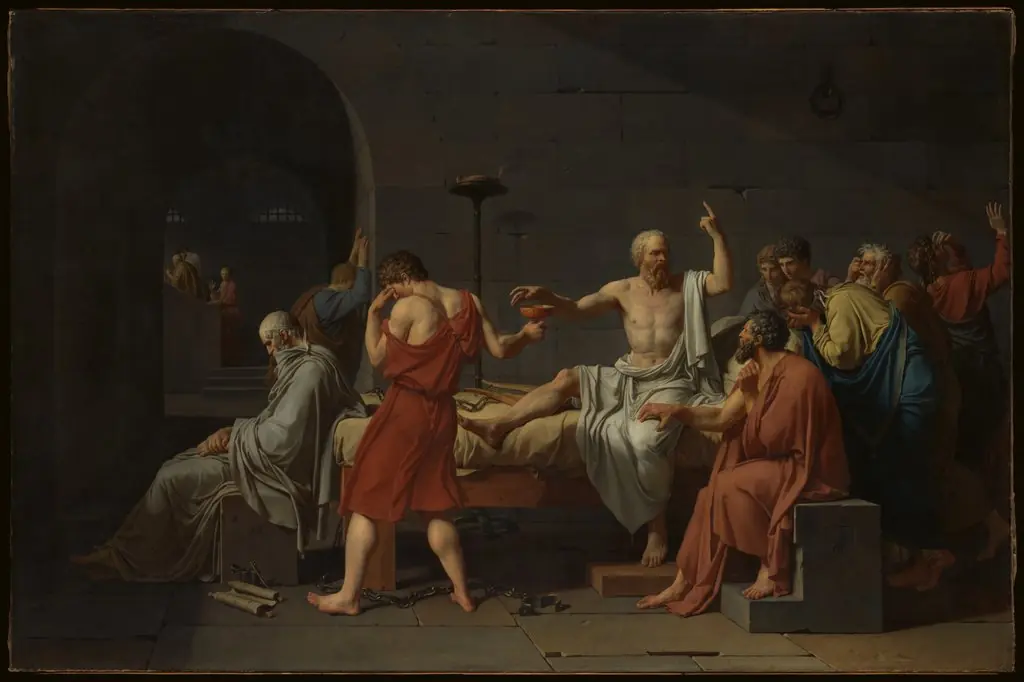
Own this work as a print
Artist & collection
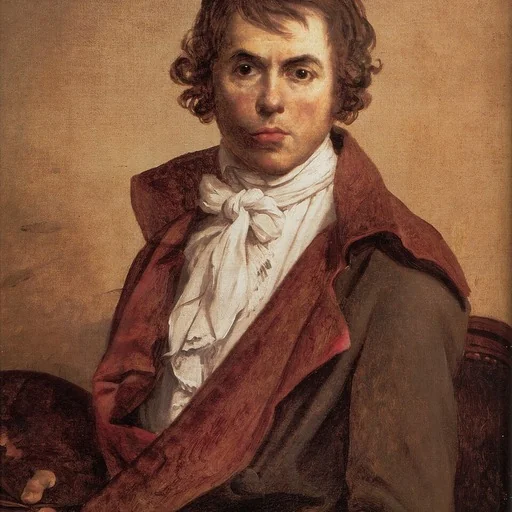
Artist
Jacques-Louis David was born in Paris on 30 August 1748 into a bourgeois family; his father died in a duel when the boy was nine, and a maternal uncle guided his education.

Museum
Royal Museums of Fine Arts of Belgium
Continue through works from the same source collection.
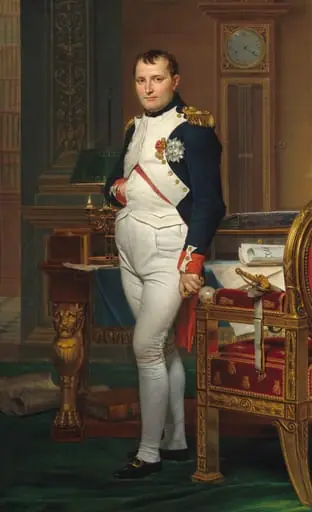 The Emperor Napoleon in His Study at the Tuileries
 Madame David
- The Death of Socrates
 Portrait of Antoine-Laurent Lavoisier and his wife
 Cupid and Psyche
 General Étienne-Maurice Gérard (1773–1852), Marshal of France
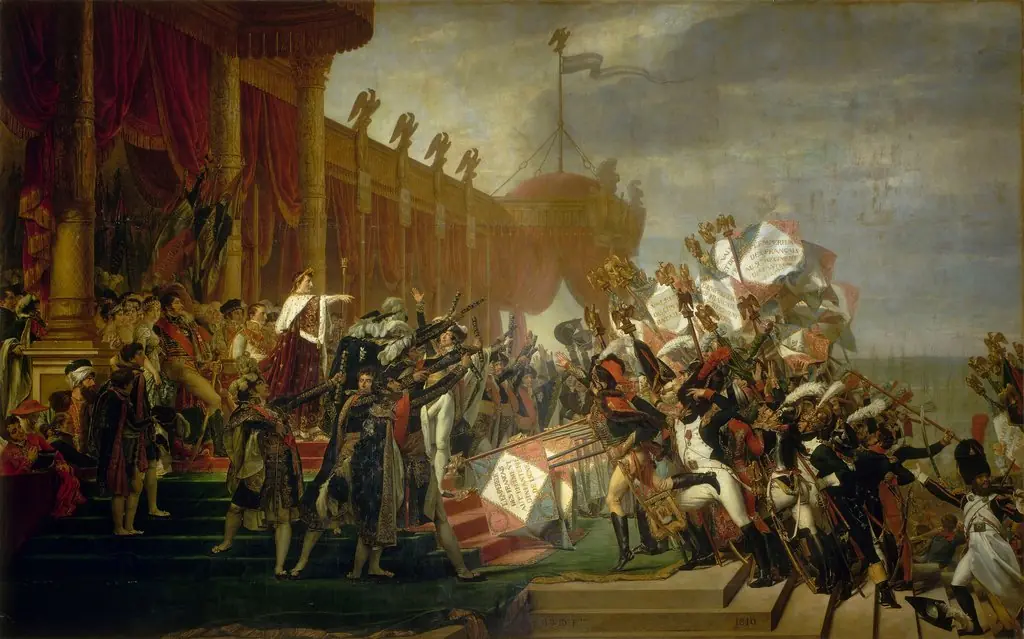 The Distribution of the Eagle Standards
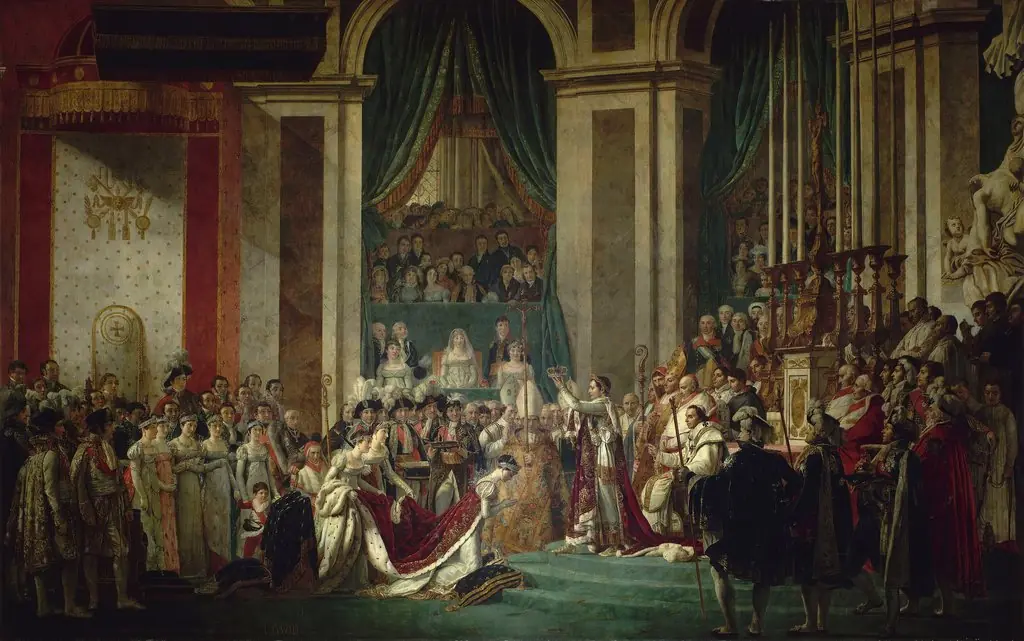 Coronation of Emperor Napoleon I and Coronation of the Empress Josephine
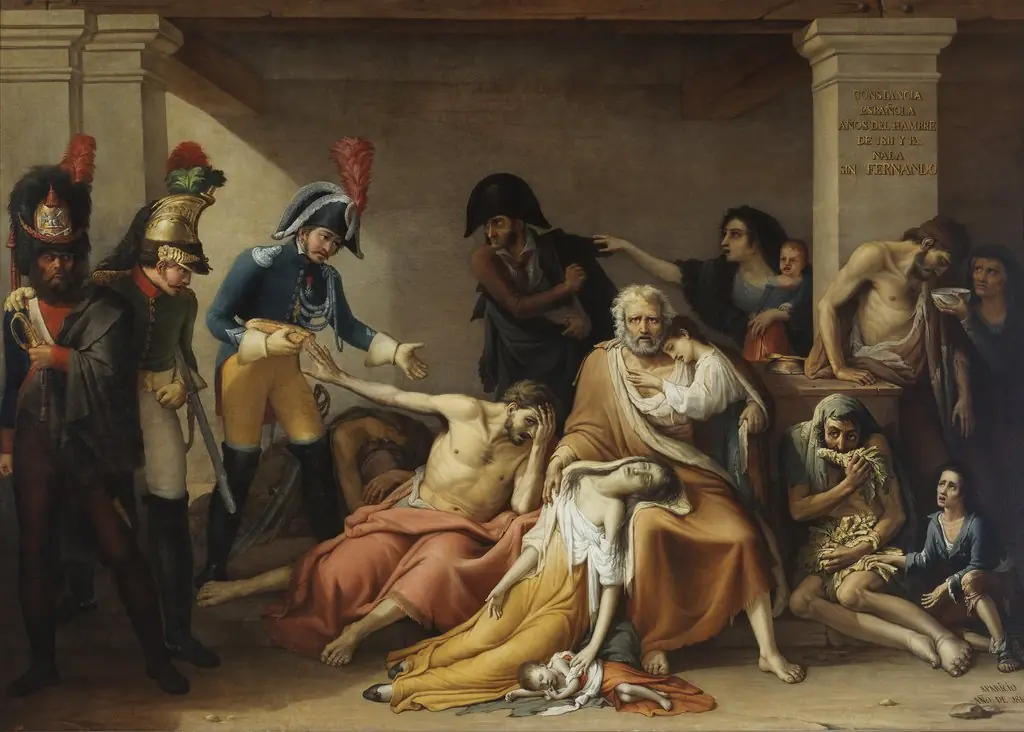 El año del hambre de Madrid
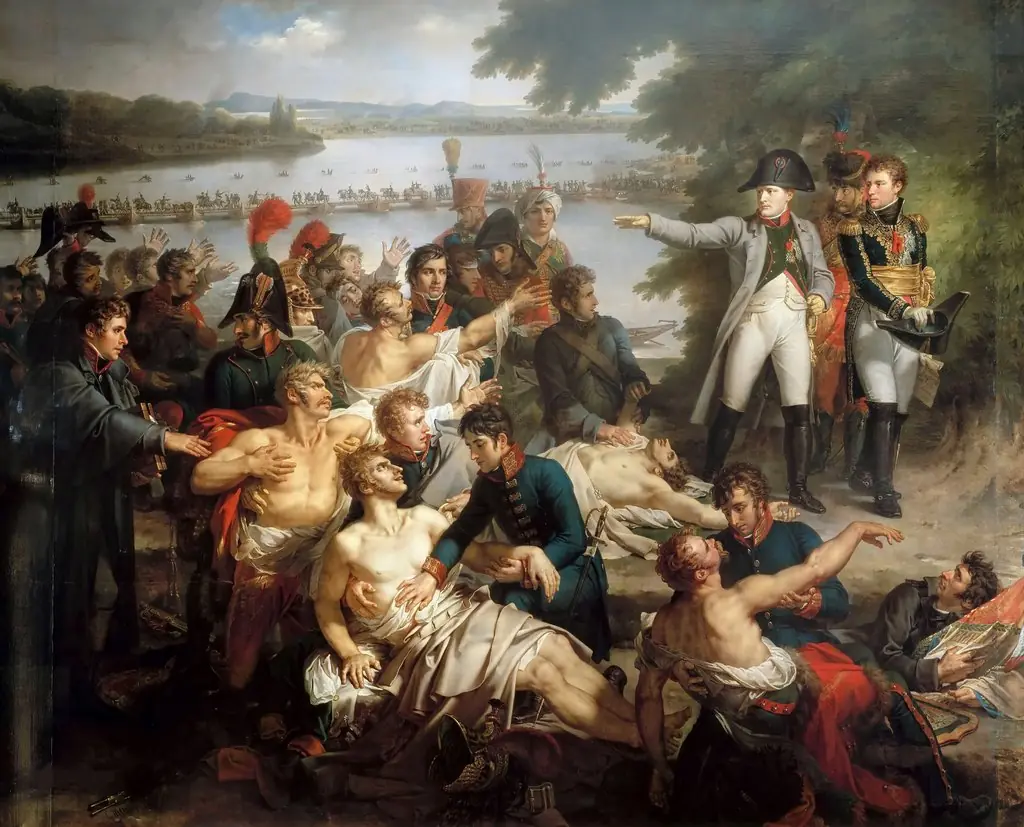 Napoleon's Return to the Island of Lobau After the Battle of Essling
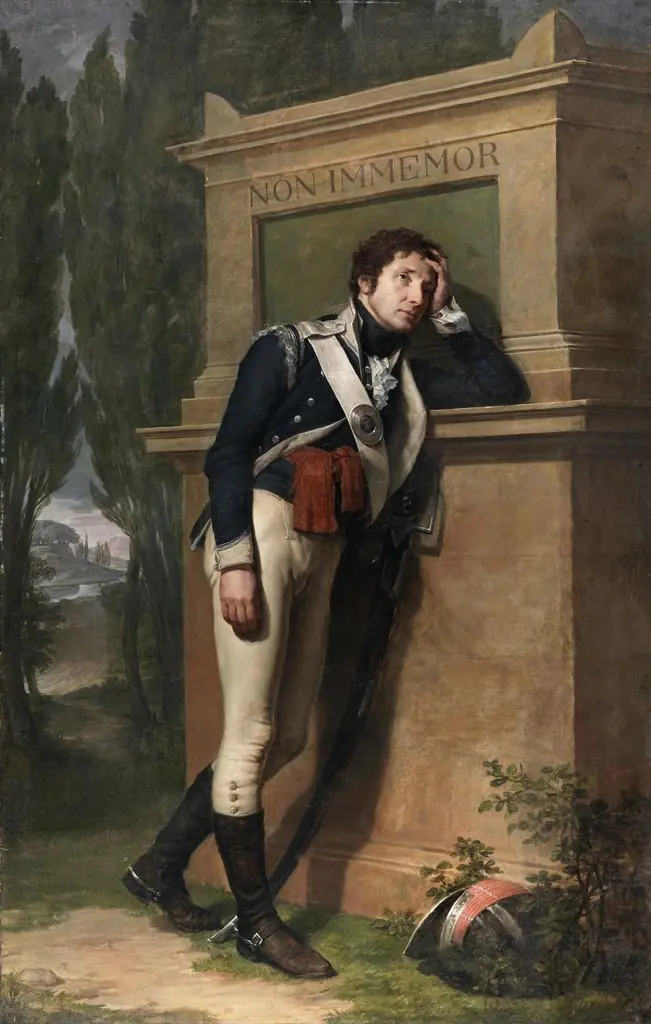 Portrait of Lieutenant Richard Mansergh Saint George (1756/9-1798)
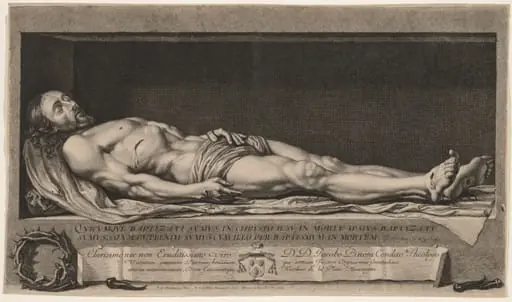 The Body of Christ in the Sepulchre
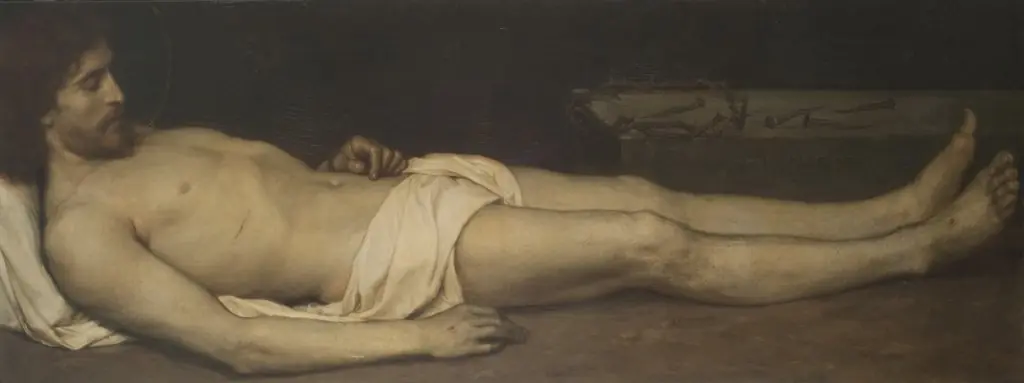 Cristo muerto
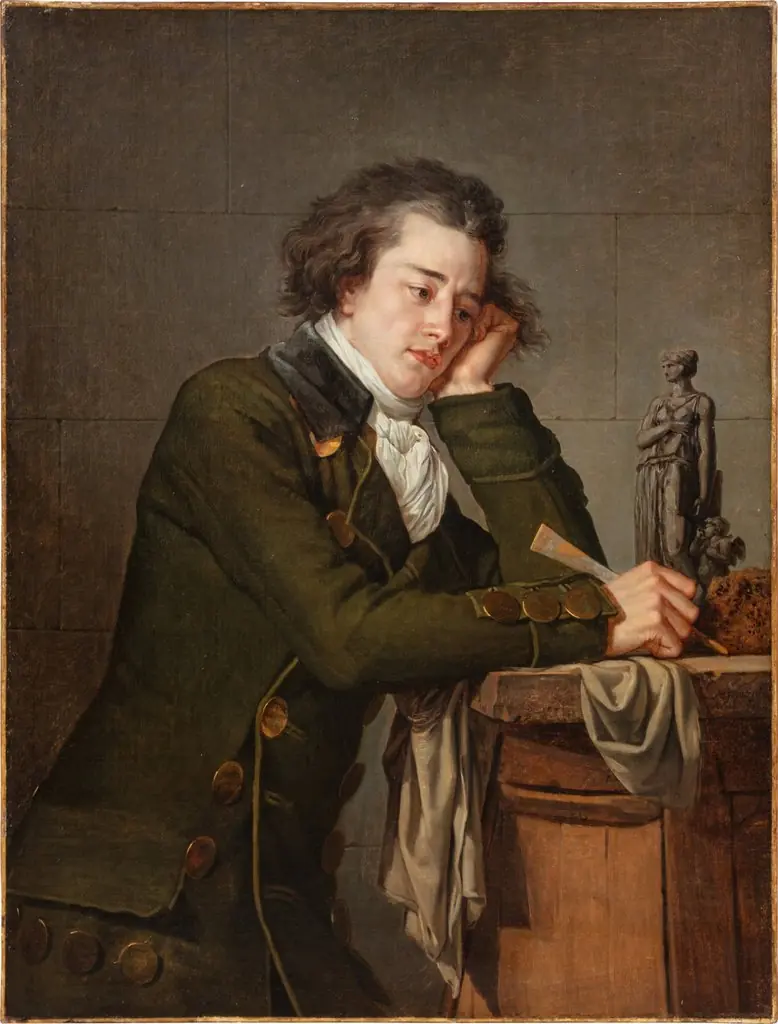 Portrait of Antoine-Denis Chaudet
 Judith in the Tent of Holofernes
 The Death of Viriatus, Chief of the Lusitanians
 Virgil Reading the "Aeneid" to Augustus, Octavia, and Livia
 Lictors bring to Brutus the bodies of his sons
 Young Woman Ironing