Mythology in Art
From Botticelli's modesty to Boucher's boudoir, tracing how European masters reinvented the gods for five centuries.
What you'll explore
The lessons
-
The Birth of a Myth
From the in-app quiz
-
Which artist is credited with transforming the myth of Venus into a symbol of Neoplatonic love in this era?
- Raphael
- Sandro Botticelli Answer
- Titian
Botticelli is the artist who famously reimagined Venus as a figure of divine, Neoplatonic love, bridging the gap between ancient myth and Christian philosophy.
-
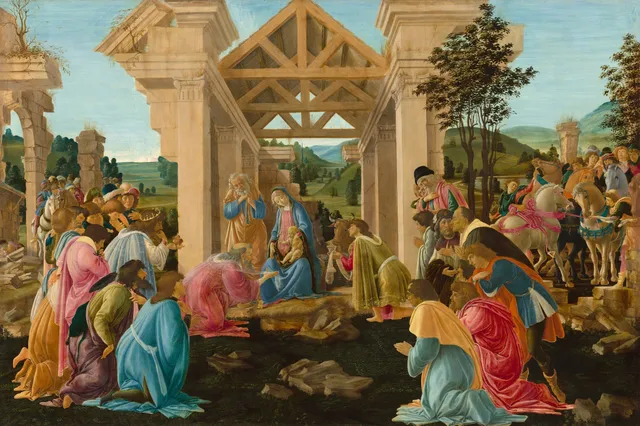
Identify the painting that depicts the Adoration of the Magi by the same master who painted the Birth of Venus.
The correct work is Botticelli's 'The Adoration of the Magi', painted in 1480, which shares the same master as his famous mythological works.
-
-
Flesh and Power in the Baroque
From the in-app quiz
-
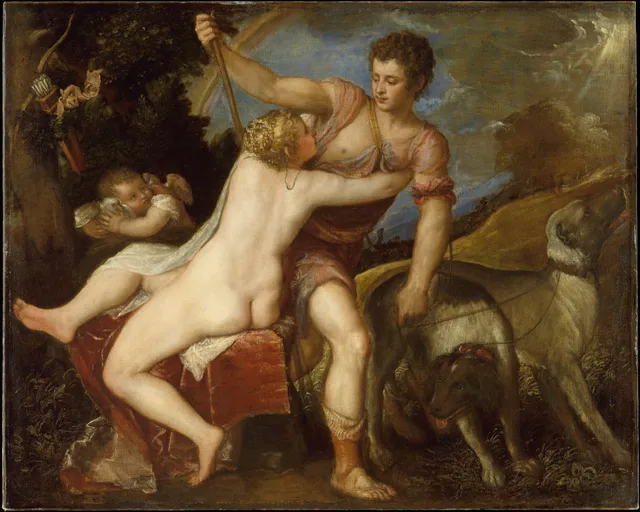
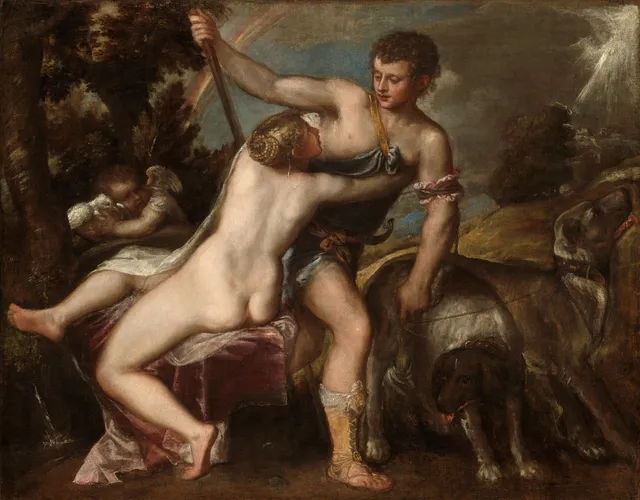
Which painting by Titian captures Venus and Adonis in a moment of urgent, physical struggle?
Venus and Adonis Titian Answer You have identified the correct work: Titian's 'Venus and Adonis' at the National Gallery of Art. This painting is famous for the way Venus physically clings to Adonis, highlighting the struggle between love and the call of the hunt.
-
Which Flemish painter traveled to Italy to study Titian's canvases, copied his 'Venus and Adonis,' and carried its sensuous power onto the grand Baroque stage?
- Titian
- Peter Paul Rubens Answer
- Sandro Botticelli
- Jacques-Louis David
Peter Paul Rubens studied and copied Titian in Italy, then amplified that urgent treatment of flesh and myth to celebrate the glory of Antwerp and the European courts.
-
-
The Rococo Boudoir
From the in-app quiz
-
Which artist is celebrated for transforming mythological scenes into lighthearted, erotic fantasies for the French court?
- François Boucher Answer
- Sandro Botticelli
- Jacques-Louis David
François Boucher is the master of the Rococo style, known for painting mythological figures with a playful, decorative, and often erotic lightness.
-
Identify the painting that depicts a domestic, intimate moment, reflecting the Rococo shift away from grand mythological narratives.
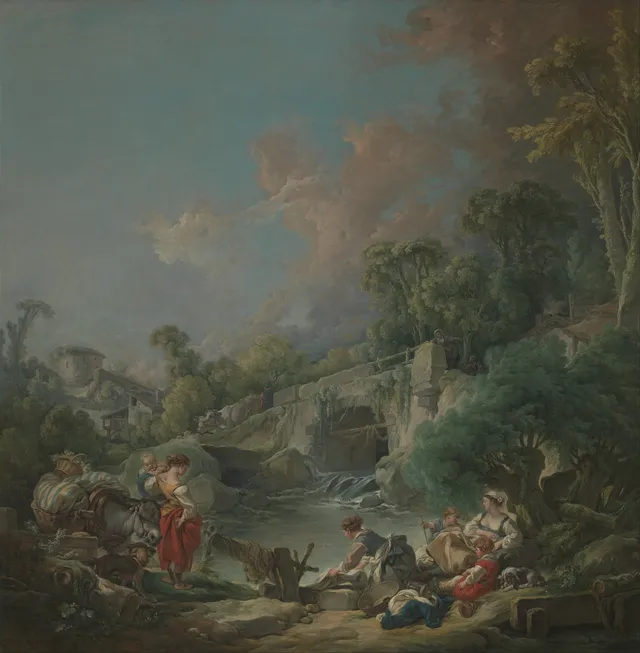 Washerwomen François Boucher Answer
 François Boucher's "Washerwomen" is the correct choice, showing a gentle, domestic scene typical of the Rococo focus on intimate, everyday life.
-
-
Reason and Virtue
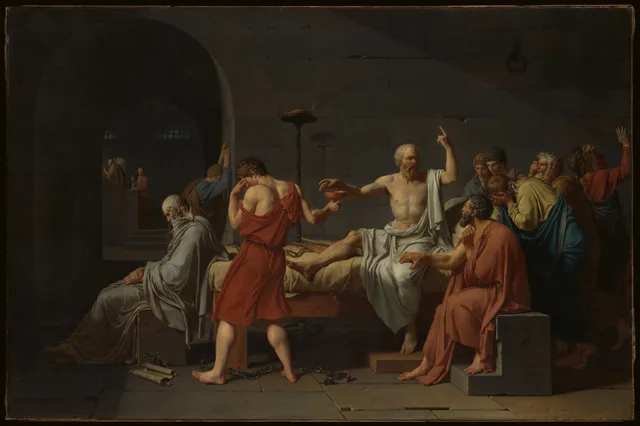 The Death of Socrates Jacques-Louis David
 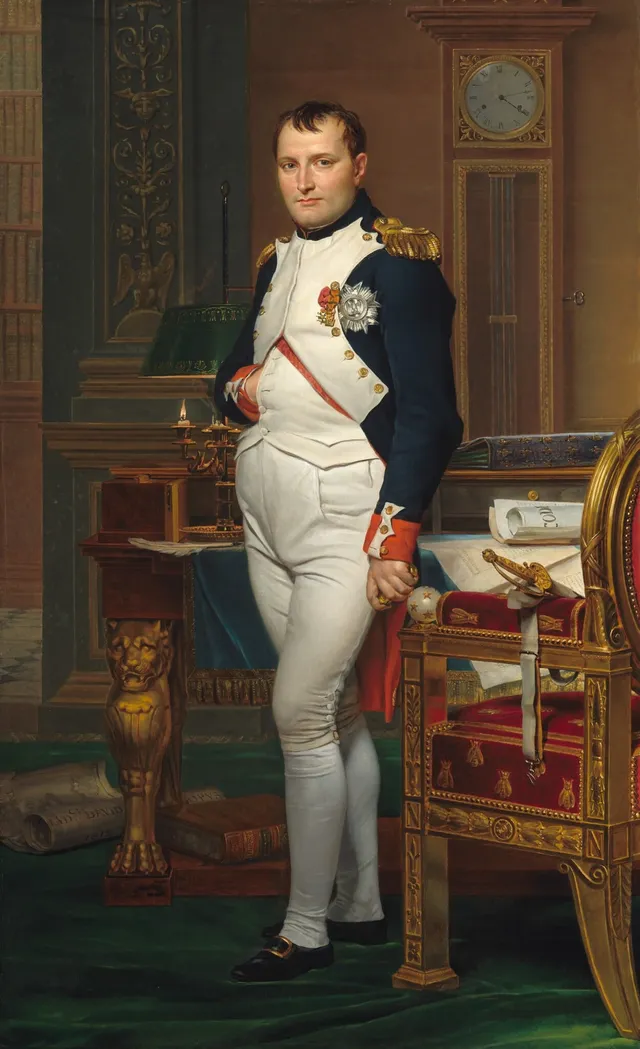 The Emperor Napoleon in His Study at the Tuileries Jacques-Louis David
 From the in-app quiz
-
Which painting depicts the death of Socrates, serving as a Neoclassical allegory for political martyrdom?
You have correctly identified Jacques-Louis David's 'The Death of Socrates,' a masterpiece of Neoclassicism that portrays the philosopher's final moments with stoic dignity. This work stands in stark contrast to the softer, more playful styles of the preceding era.
-
Who painted 'The Emperor Napoleon in His Study,' applying the Neoclassical style to modern imperial power?
- Sandro Botticelli
- François Boucher
- Jacques-Louis David Answer
- Titian
That is correct; Jacques-Louis David used his precise, disciplined style to capture Napoleon's image as a dedicated ruler. His work bridged the gap between ancient ideals and contemporary political reality.
-
-
Dreams and Shadows
From the in-app quiz
-
Which painting by Odilon Redon reimagines Pandora not as a vessel of evil, but as a mysterious, dreamlike figure?
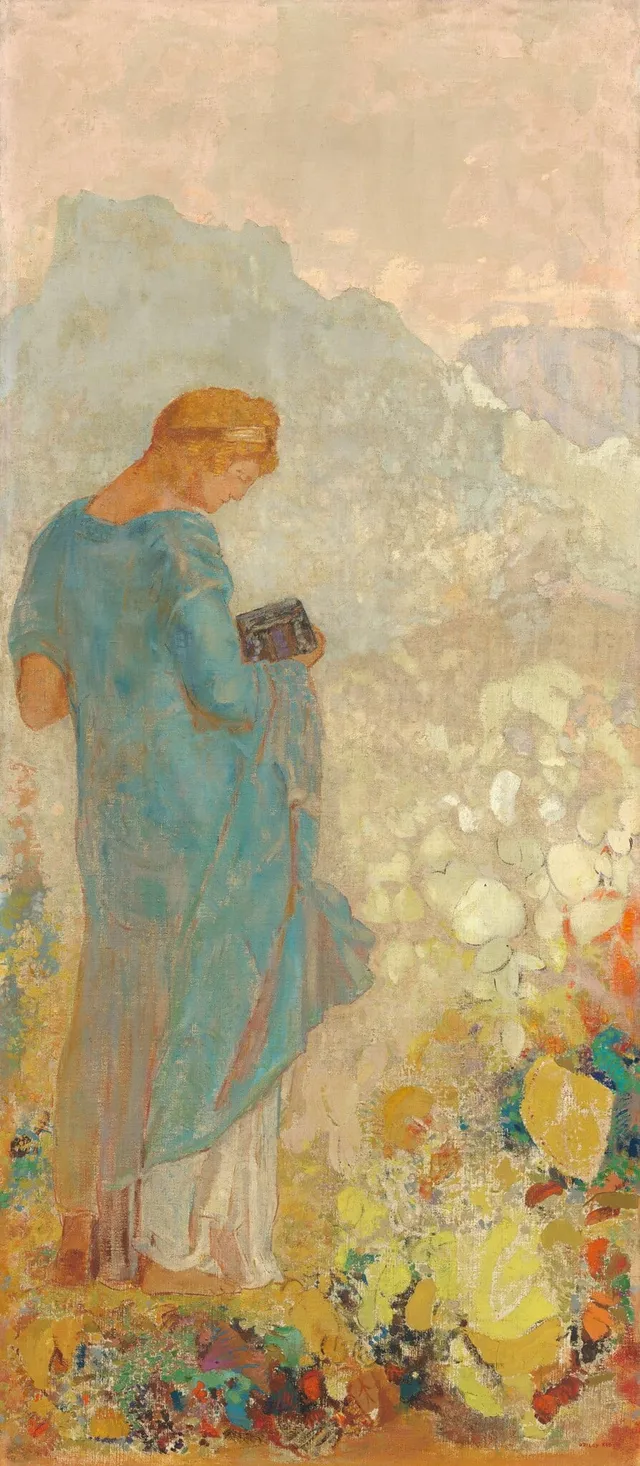 Pandora Odilon Redon Answer
 You have found Redon's 'Pandora,' where the myth is transformed into a quiet, psychological vision of a single, glowing eye rather than a swarm of evils.
-
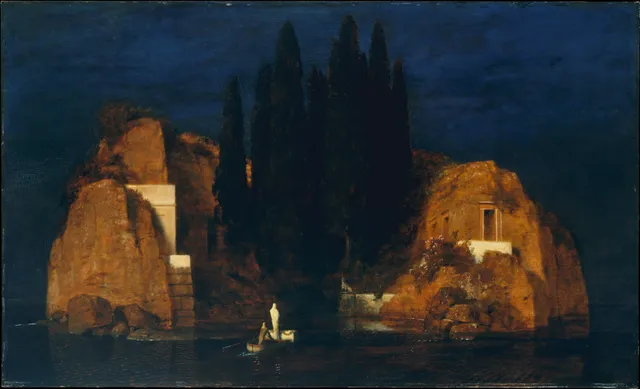
Who is the artist behind 'Isle of the Dead,' a work that uses mythic isolation to evoke existential dread?
- John William Waterhouse
- Arnold Böcklin Answer
- Jean Léon Gérôme
- Odilon Redon
The correct artist is Arnold Böcklin, who painted this haunting scene of a lone boat approaching a silent, cypress-lined shore.
-
-
Where the Myths Live Today
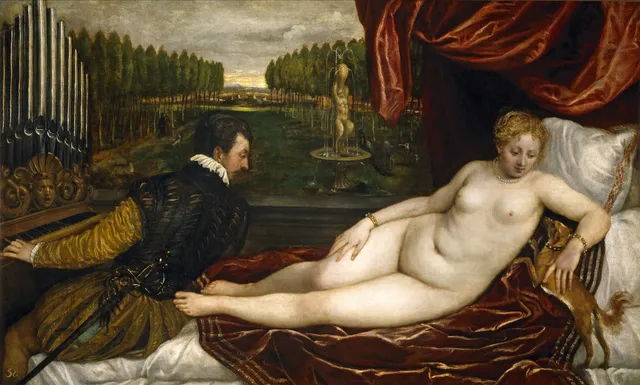 Venus and Music Titian
 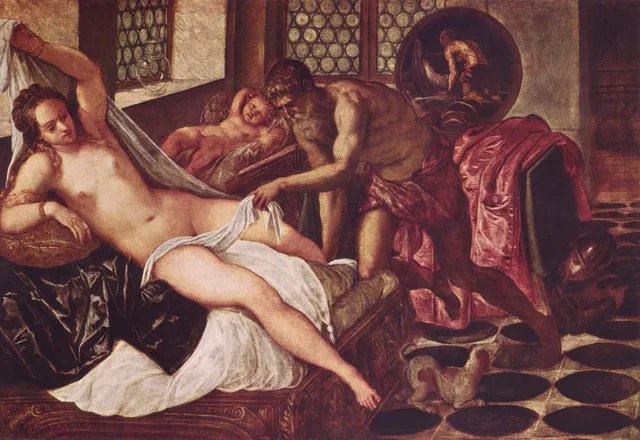 Venus and Mars Surprised by Vulcan Jacopo Tintoretto
 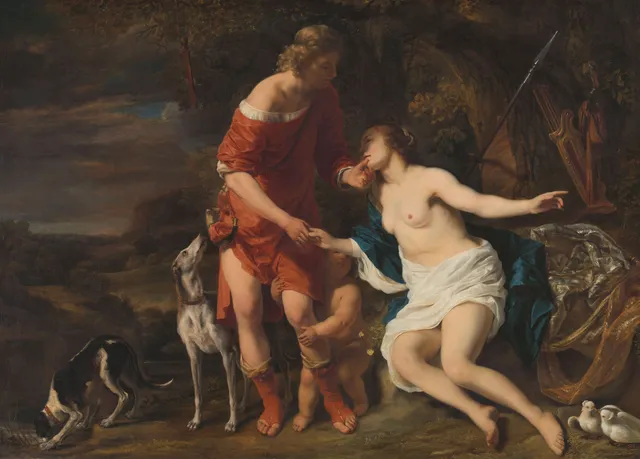 Venus and Adonis Ferdinand Bol
 From the in-app quiz
-
Which painting by Titian, created in 1550, serves as a final reminder of the enduring, sensual power of the goddess in our journey?
Titian's "Venus and Music" from 1550 is the work that captures this enduring power, now held in the Museo del Prado. The other options are different works by Titian or from different dates.
-
If you were to visit a museum to see the painting "Venus and Mars Surprised by Vulcan," which artist's work would you be seeking?
- Jacopo Tintoretto Answer
- Peter Paul Rubens
- Ferdinand Bol
The painting "Venus and Mars Surprised by Vulcan" was created by Jacopo Tintoretto in 1555. It is a dynamic scene now held in the Bavarian State Painting Collections.
-