Artwork
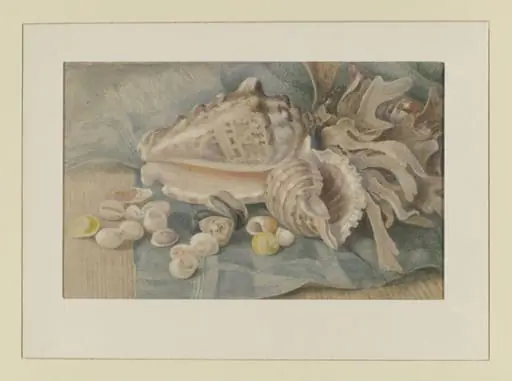
Still Life with Sea Shells
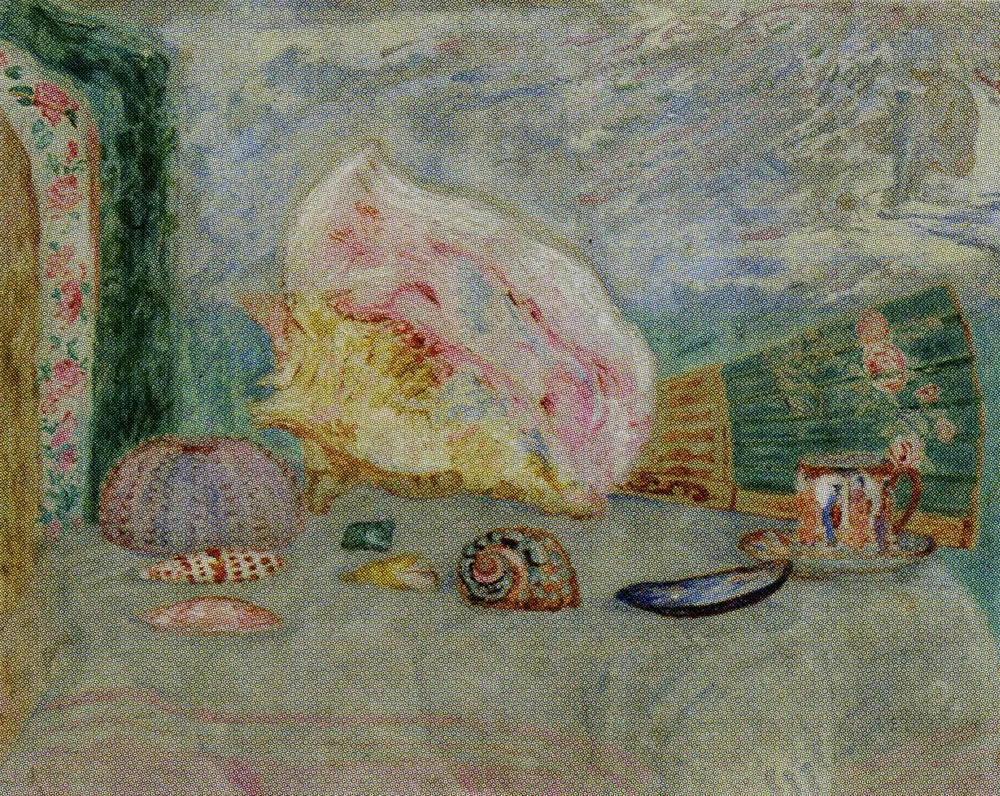
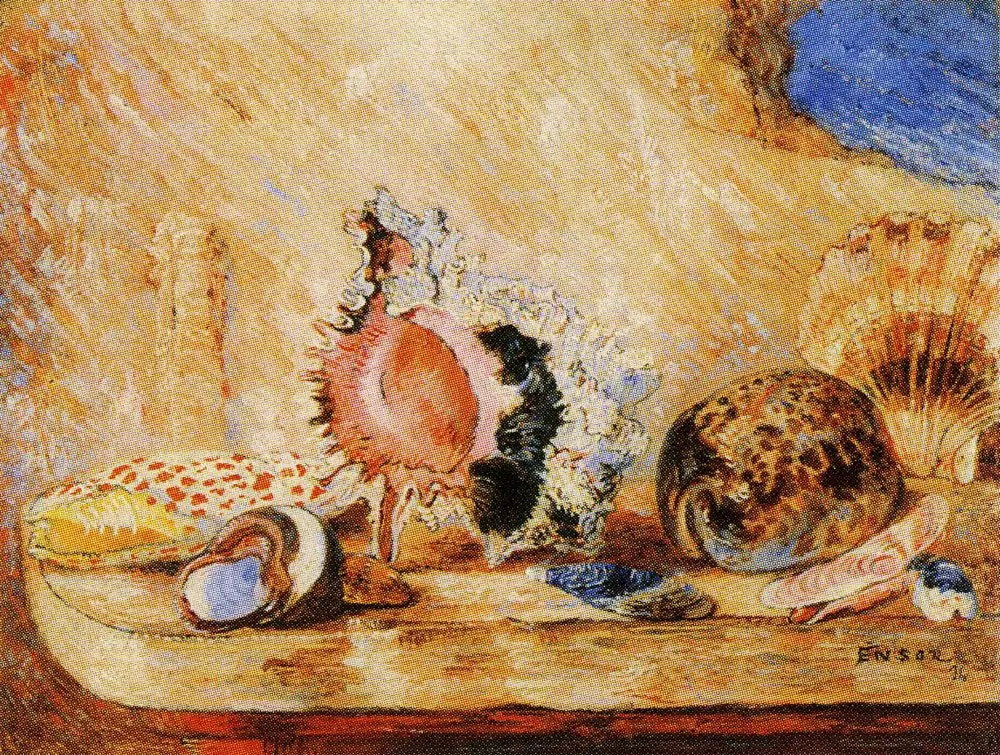
Still Life with Sea Shells is an oil painting by the Symbolist artist James Ensor. It dates from 1923 and is held in the collection of the Museum of Fine Arts Boston.
About this work
Overview
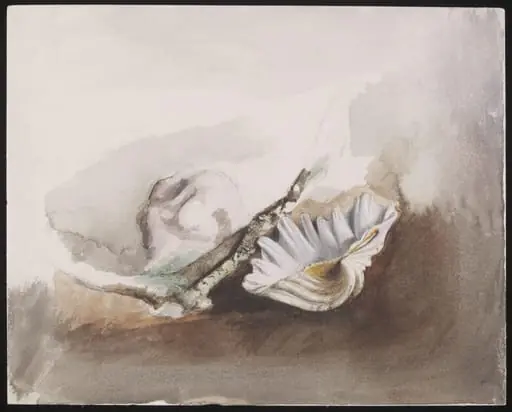
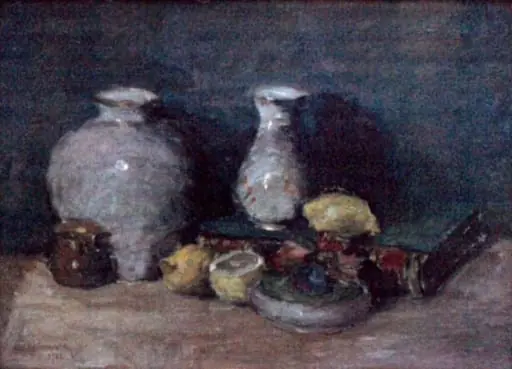
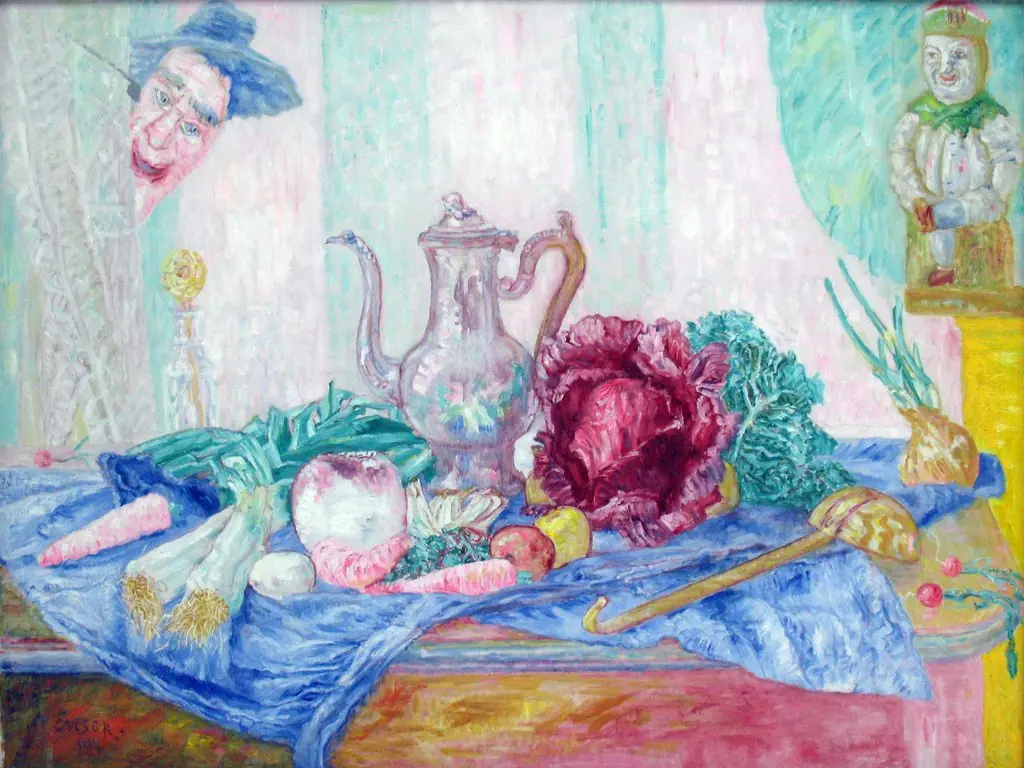
Painted in 1923 by Belgian artist James Ensor, this still life presents a quiet arrangement of everyday objects: seashells, a folded cloth, and a small bowl.
Painted in 1923 by Belgian artist James Ensor, this still life presents a quiet arrangement of everyday objects: seashells, a folded cloth, and a small bowl. Executed in oil, the work reflects Ensor’s late style, marked by subdued tones and tactile brushwork. Though unassuming in subject, the composition carries the quiet intensity characteristic of his later years, when he increasingly turned inward, focusing on solitary, worn domestic scenes.
Subject & Meaning
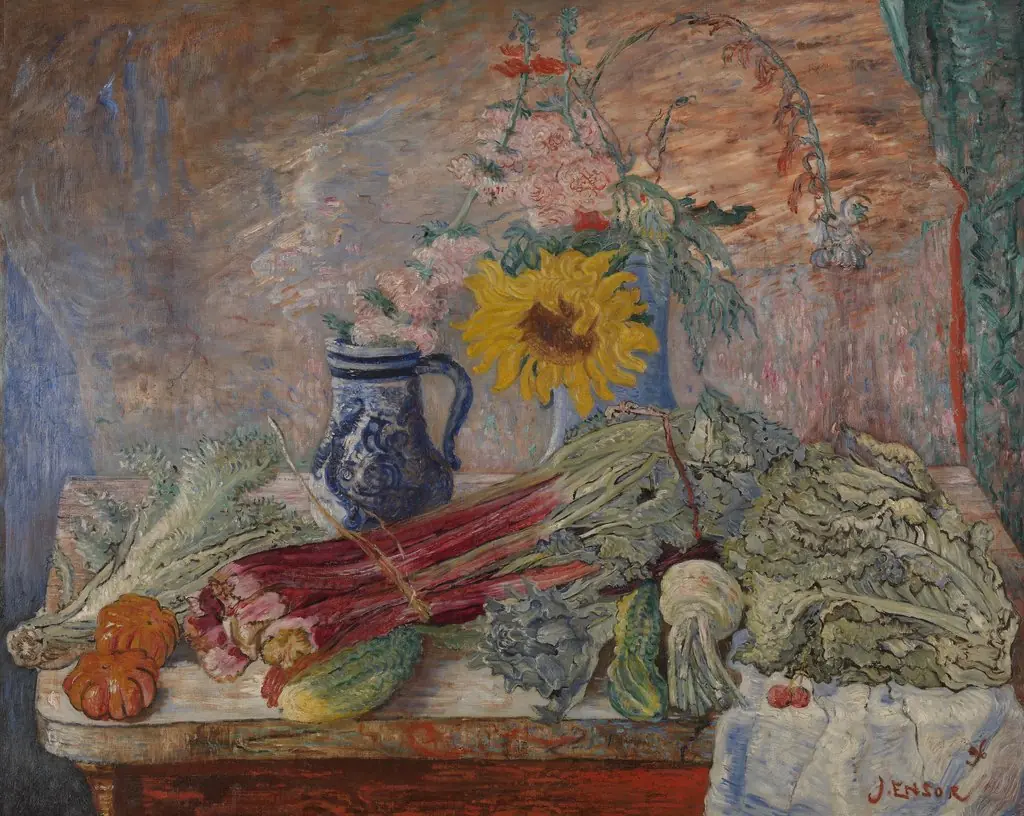
The arrangement, seashells, a crumpled cloth, and a modest bowl, draws from the traditional still life, yet avoids ornamentation. Ensor strips away symbolism typically associated with vanitas, instead suggesting absence and quiet decay. The objects appear discarded, their forms softened by time.
Their placement feels accidental, as if left behind after a moment of attention, evoking memory rather than moral allegory.
Technique & Style
Ensor applied oil paint with deliberate thickness in places, creating a raised, tactile surface that emphasizes texture over smoothness. The palette is muted, with faint hints of red and blue emerging from a grayed ground. Brushstrokes vary from broad and loose to finely detailed, particularly around the shells and fabric folds. The background, resembling peeling wallpaper, adds to the sense of neglect and temporal erosion.
History & Provenance
Created in the final decade of Ensor’s life, the painting was produced in Ostend, where he lived and worked for most of his career. It remained in his possession until his death in 1949. Later acquired by the Museum of Fine Arts, Boston, it entered their collection as part of a broader effort to document Ensor’s late-period output, which had been overlooked in earlier assessments of his career.
Context
By 1923, Ensor had long moved beyond the provocative symbolism of his earlier years and the influence of Les XX. He worked in relative isolation, turning to intimate, unadorned subjects. This still life aligns with a broader trend in his late oeuvre: a retreat from public spectacle toward private, contemplative scenes. The work reflects a personal aesthetic shaped by solitude and the passage of time.
Legacy
Though less celebrated than his earlier works, this painting contributes to an understanding of Ensor’s evolution as an artist who resisted categorization. Its quiet, textured realism anticipates later interest in the emotional weight of ordinary things. It stands as a quiet testament to his enduring focus on the overlooked, influencing postwar artists drawn to materiality and psychological depth in still life.
Artist & collection
Artist
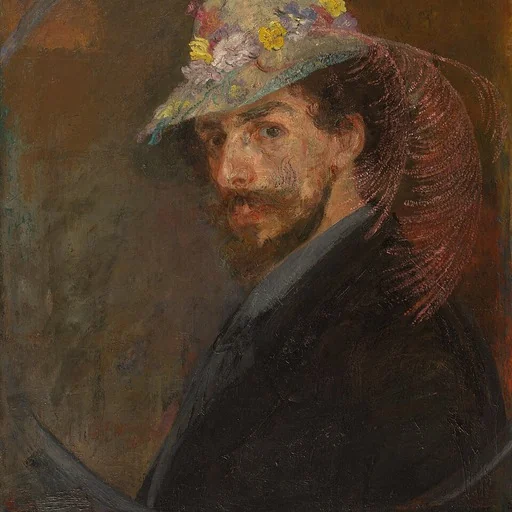
James Sidney Edouard, Baron Ensor (13 April 1860 – 19 November 1949) was a Belgian painter and printmaker, an important influence on expressionism and surrealism who lived in Ostend for most of his life.