Artwork
The Violin Player
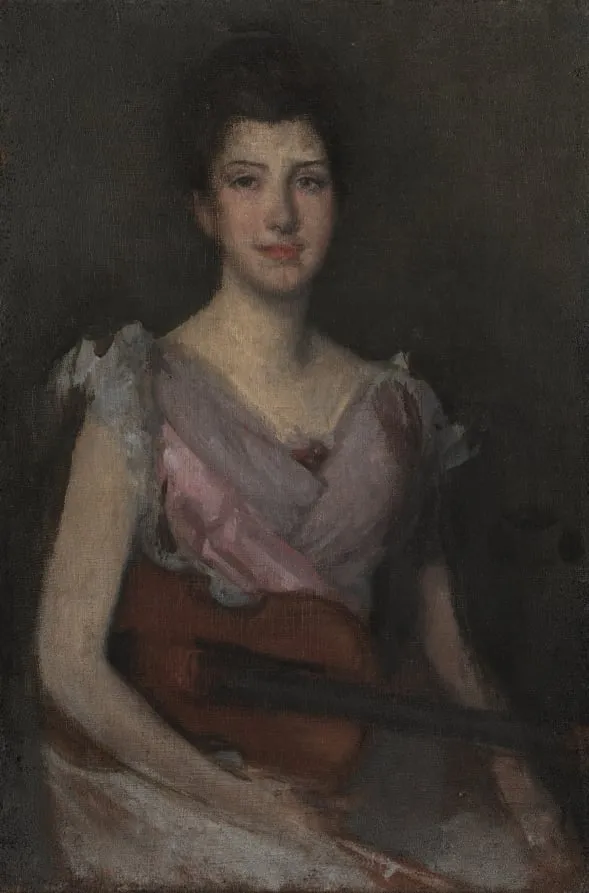
The Violin Player is an unspecified painting by the American Impressionist artist James McNeill Whistler. It dates from 1894 and is held in the collection of the Cleveland Museum of Art.
- Accession no.
- 1942.1133
- Credit line
- Gift of Mrs. Howard P. Eells in memory of her husband Howard Parmelee Eells
About this work
Overview
Painted around 1894 by James McNeill Whistler, this work depicts a woman seated with a violin, rendered in muted tones and delicate brushwork.
Painted around 1894 by James McNeill Whistler, this work depicts a woman seated with a violin, rendered in muted tones and delicate brushwork. The painting resides in The Cleveland Museum of Art. Its quiet composition emphasizes atmosphere over narrative, aligning with Whistler’s interest in tonal harmony and restrained expression. The figure is neither named nor contextualized, inviting contemplation rather than storytelling.
Subject & Meaning
The subject is a woman in a pink dress, holding a violin, her face softly blurred and her dark hair gathered tightly. Her identity remains unknown, and no specific scene or emotion is indicated. The violin suggests a musical presence, yet no sound is implied. The ambiguity of her expression and posture conveys introspection, reinforcing Whistler’s preference for mood over literal interpretation.
Technique & Style
Whistler employed thin, layered washes of paint to achieve subtle transitions between light and shadow. The pink of the dress catches ambient light with minimal contrast, while the dark background recedes without sharp definition. Brushstrokes are loose yet controlled, avoiding detail in favor of tonal balance. The effect is one of quiet luminosity, characteristic of his later aesthetic focused on harmony over realism.
History & Provenance
The painting was completed in the final years of Whistler’s career, during a period when he increasingly favored intimate, non-narrative portraits. It entered The Cleveland Museum of Art’s collection in the 20th century, following earlier ownership by private collectors in Europe and the United States. Its provenance reflects the growing appreciation for Whistler’s tonal works among American institutions after his death.
Context
Created during the height of Aesthetic Movement ideals, the painting reflects Whistler’s belief that art should prioritize beauty and sensory effect over moral or narrative content. While contemporaries explored Impressionist light and color, Whistler pursued a more subdued, tonal approach. This work aligns with his series of musical titles and restrained compositions, distancing itself from overt realism or emotional drama.
Legacy
The painting exemplifies Whistler’s mature style, influencing later artists interested in atmospheric portraiture and tonal abstraction. Though not widely exhibited, it remains a key example of his shift away from narrative toward emotional resonance through color and form. Its quiet presence continues to inform discussions on the boundaries between portraiture and mood in late 19th-century American art.
Artist & collection
Artist
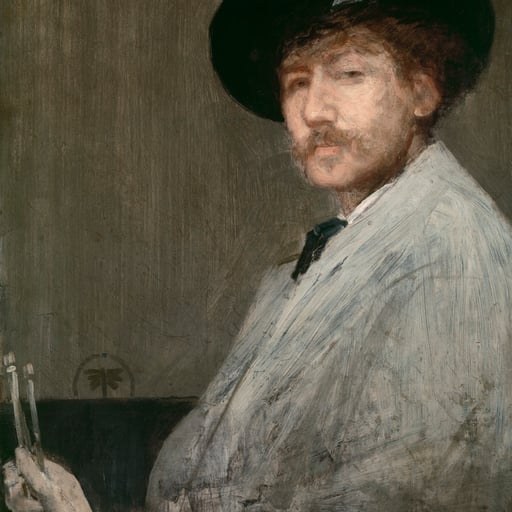
James Abbott McNeill Whistler (; July 10, 1834 – July 17, 1903) was an American painter in oils and watercolor, and printmaker, active during the American Gilded Age and based primarily in the United Kingdom.

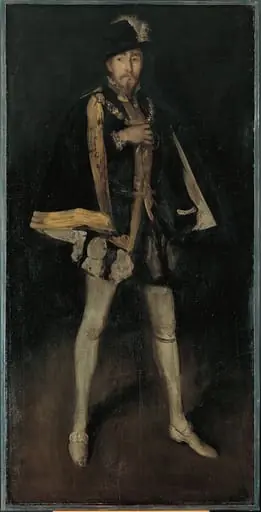 Arrangement in Black, No. 3: Sir Henry Irving as Philip II of Spain
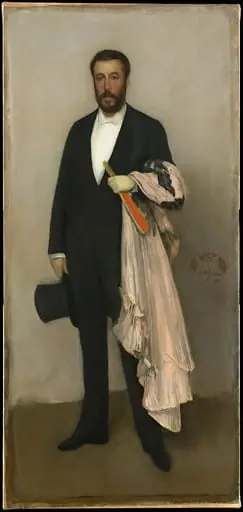 Arrangement in Flesh Colour and Black: Portrait of Theodore Duret
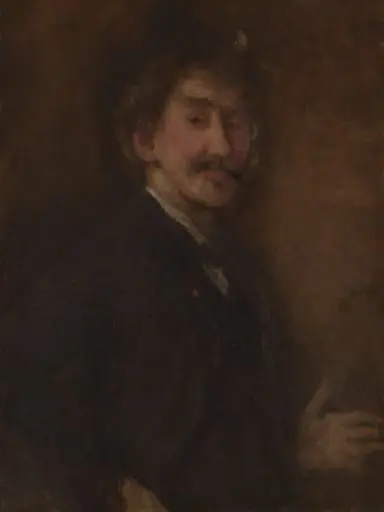 Gold and Brown: Self-Portrait
 Edward Guthrie Kennedy
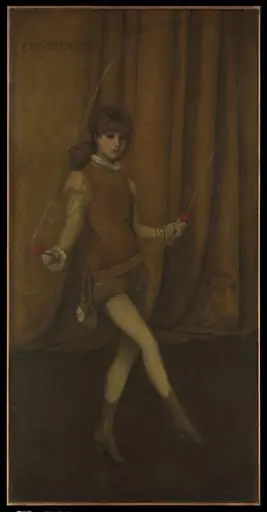 Harmony in Yellow and Gold: The Gold Girl—Connie Gilchrist
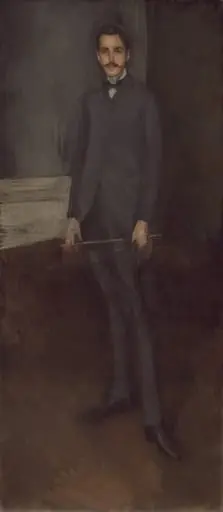 George W. Vanderbilt
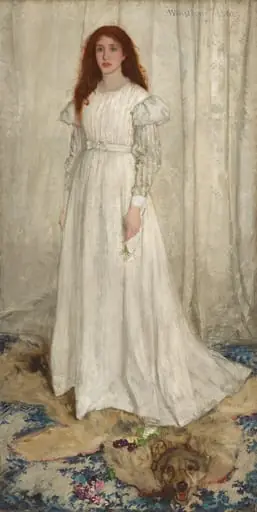 Symphony in White, No. 1: The White Girl
 Henry Irving as Philip II of Spain
- Bessie Potter
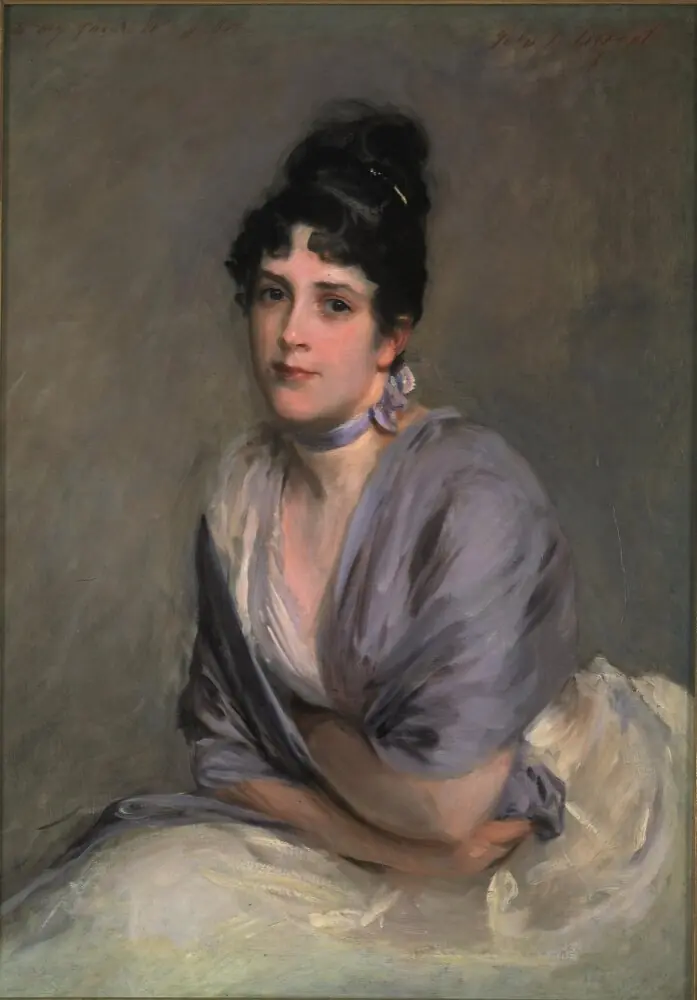 Mrs Frank Millet (Elizabeth Merrill)
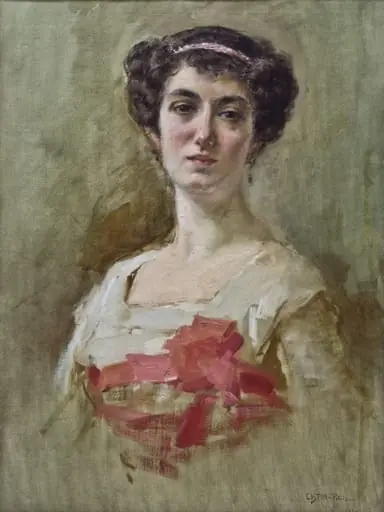 Portret de femeie
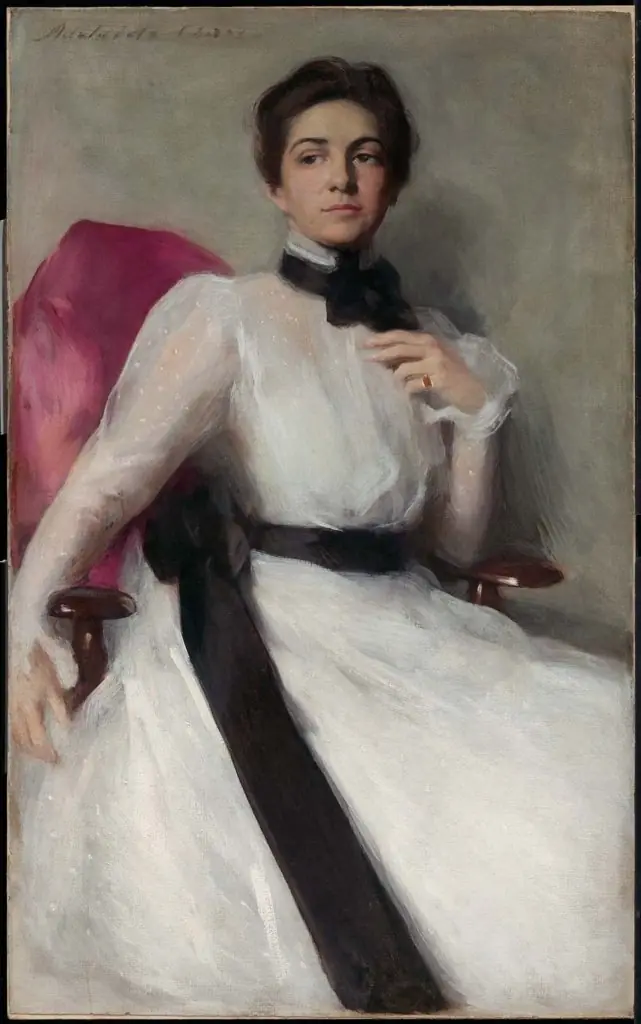 Elizabeth Lawrence Fiske (Mrs. George Hitchcock)
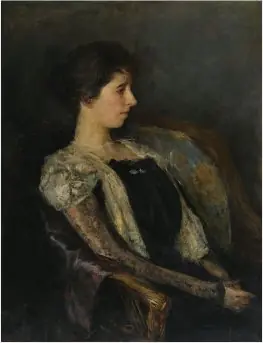 Elizabeth Corbet Yeats
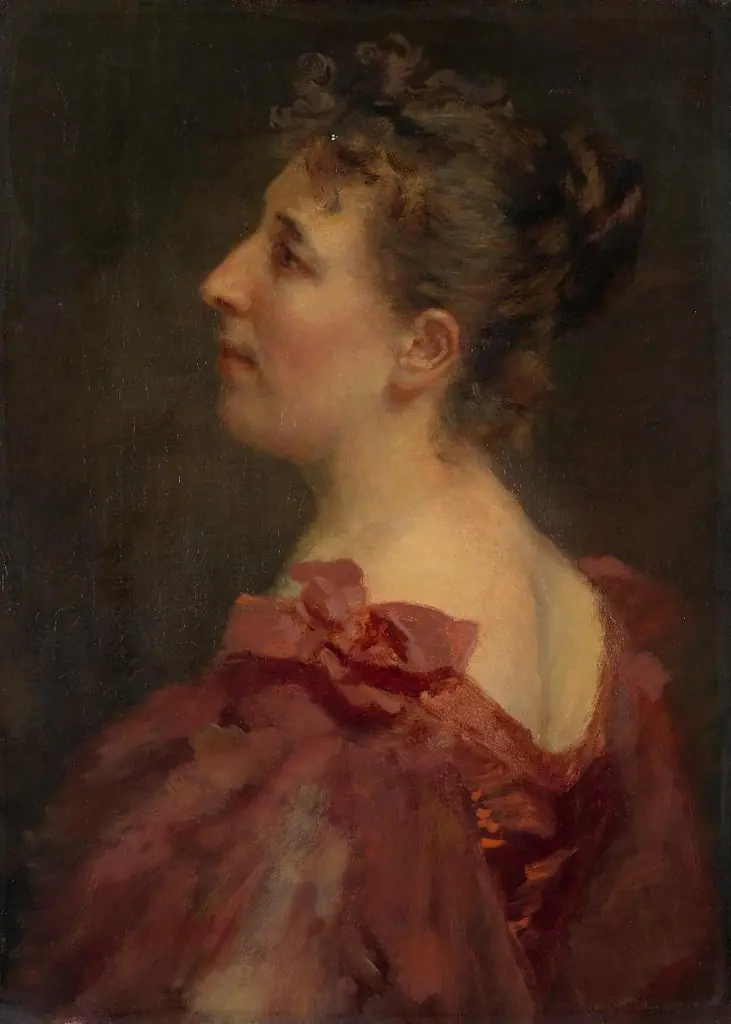 Bildnis Leonie Scheller-Kuhn
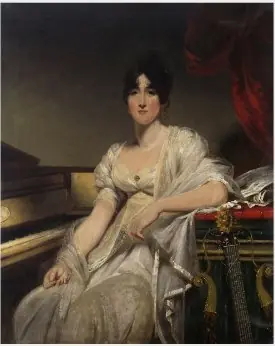 Portrait of Mrs Conyngham
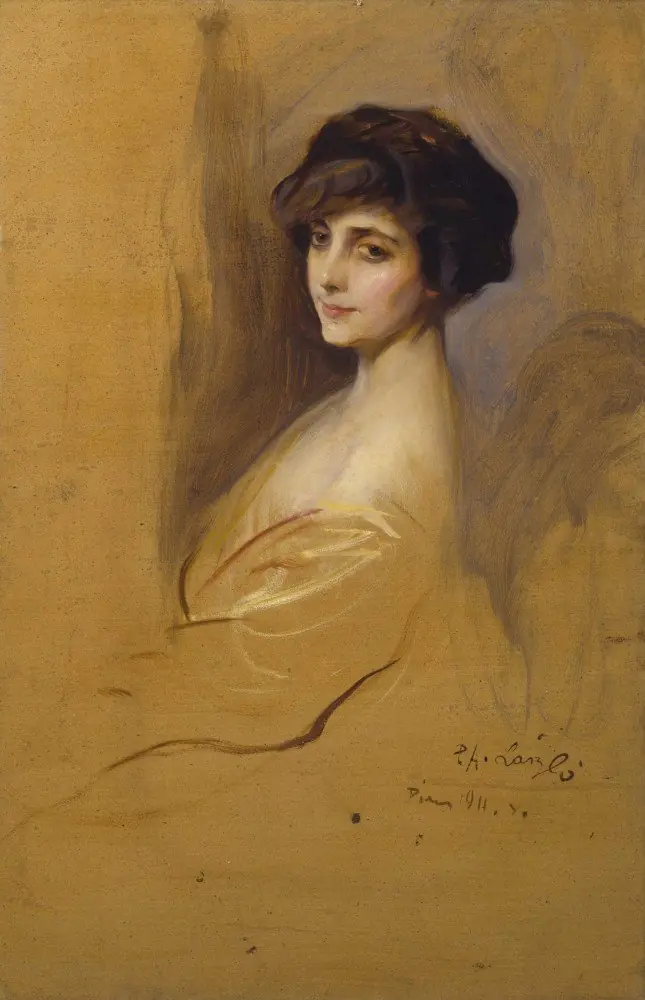 Madame Max Jaunez
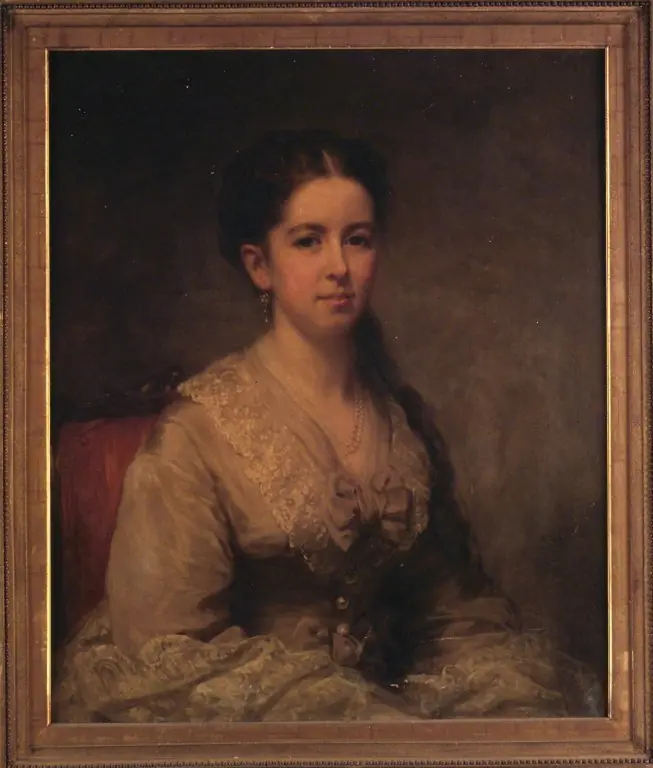 Ella M. Clapp Southwick
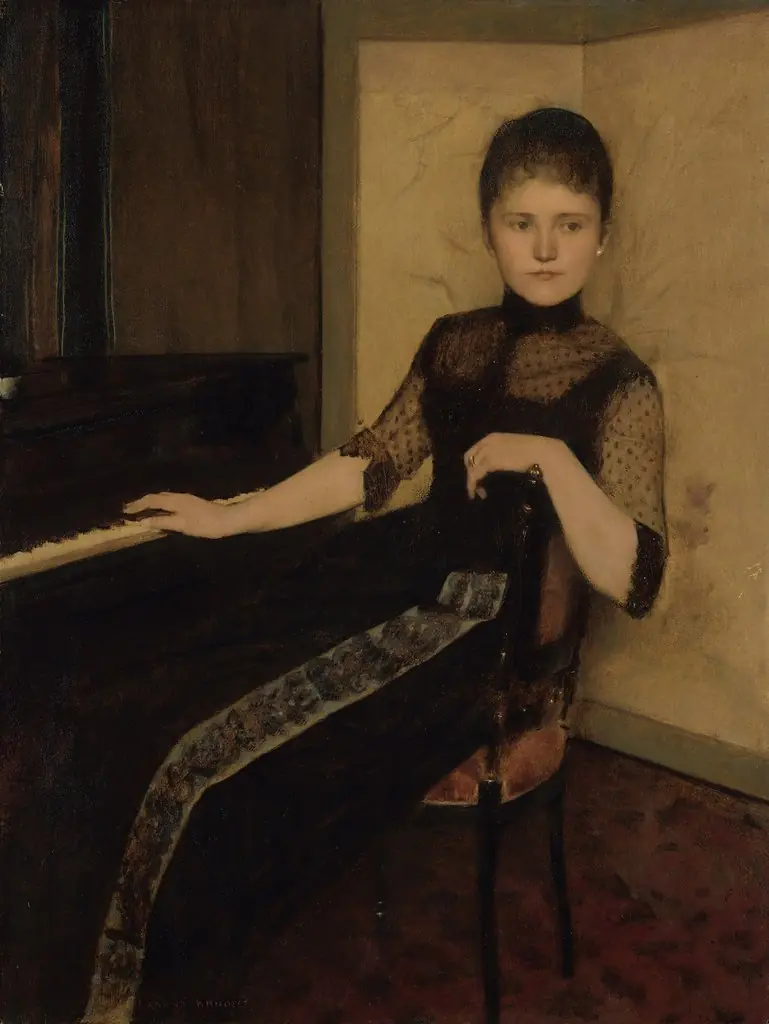 Portret van jonkvrouwe Maria Francisca Louisa Dommer van Poldersveldt (Ubbergen 1848 - 1925 ’s-Hertogenbosch)
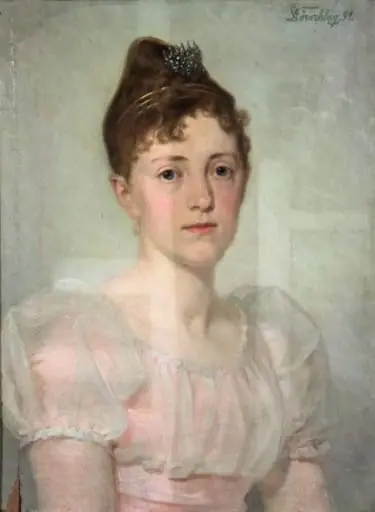 Tinera Anna Dorschlag
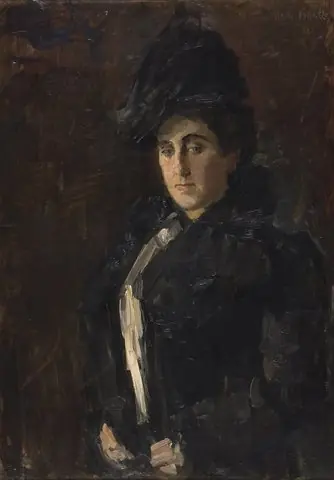 Portrait of a Woman