Artwork
William Smallwood
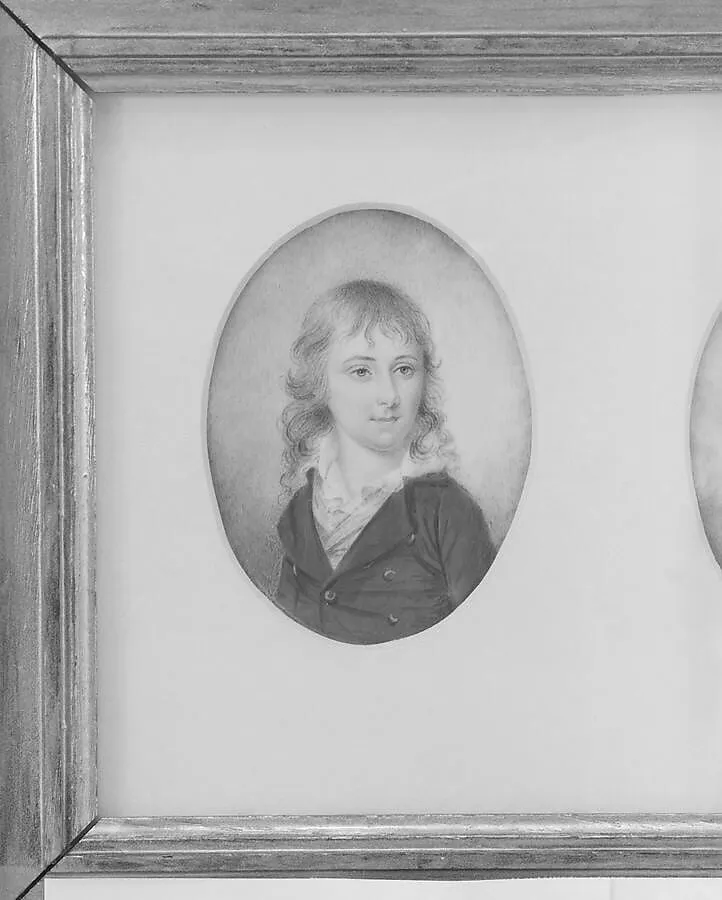
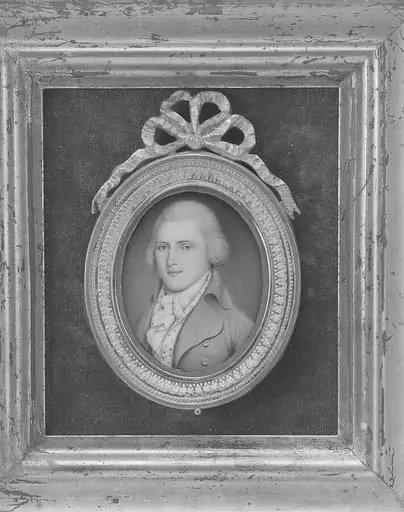
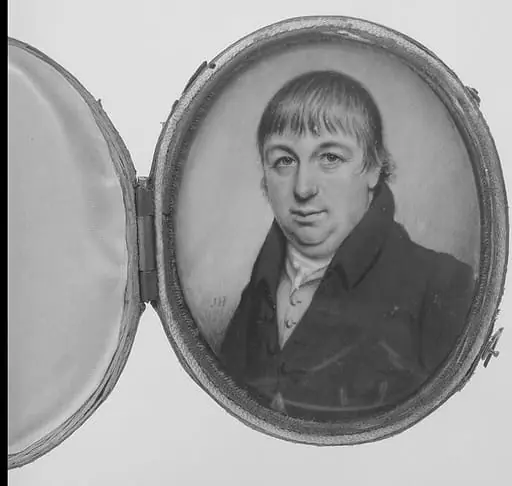
William Smallwood is a watercolor painting by the American Folk Art artist James Peale. It dates from 1798 and is held in the collection of the Metropolitan Museum of Art.
About this work
Subject & Meaning
The portrait format itself carries symbolic weight, presenting the sitter as a figure of social and familial importance and serving as a keepsake object.
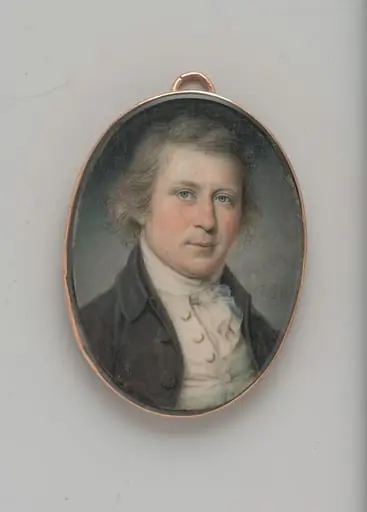
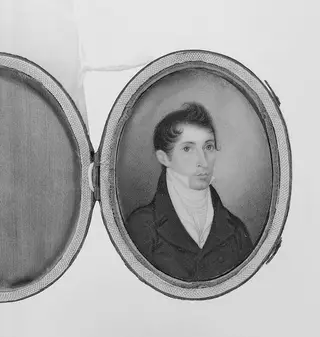
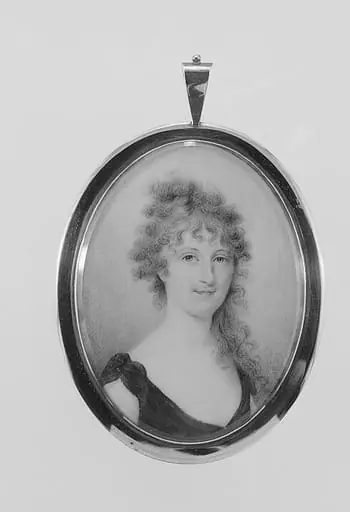
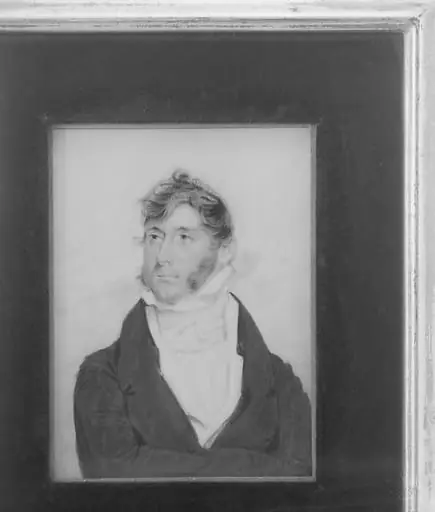
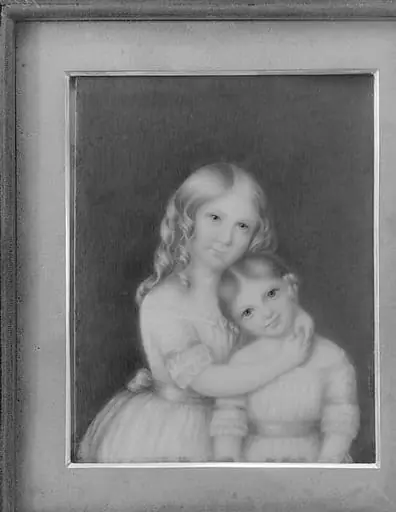
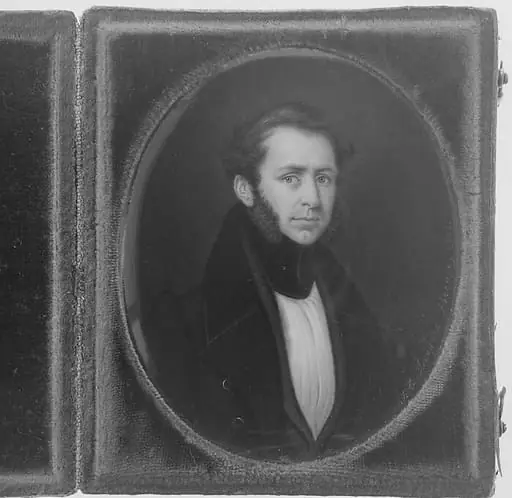
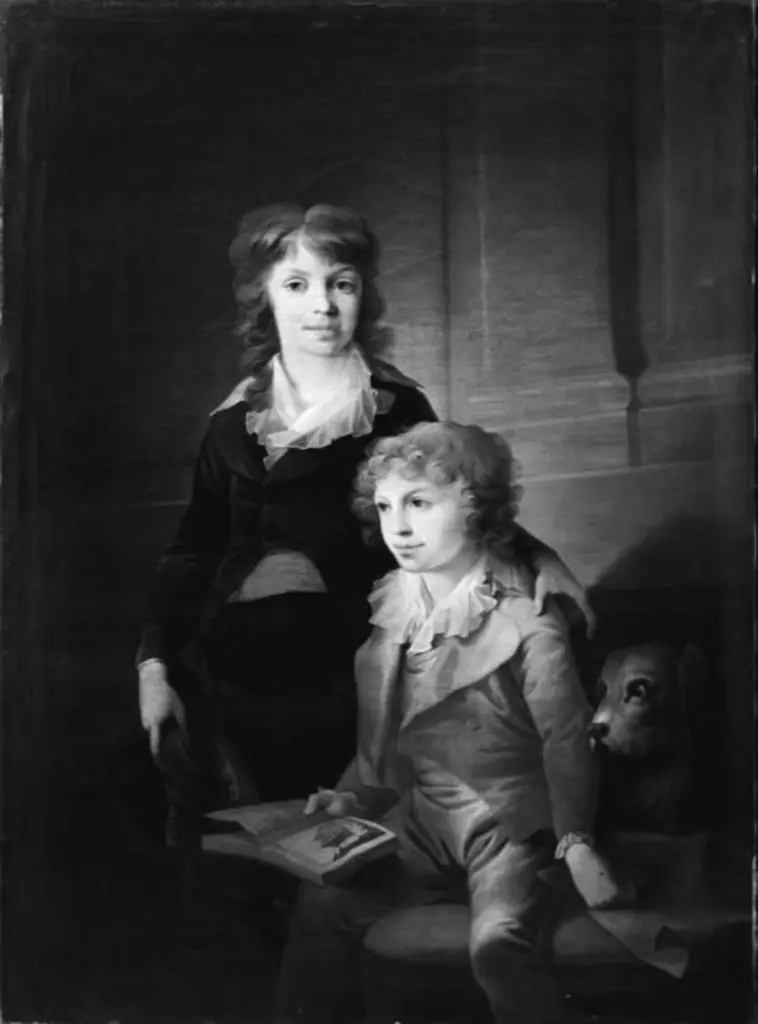
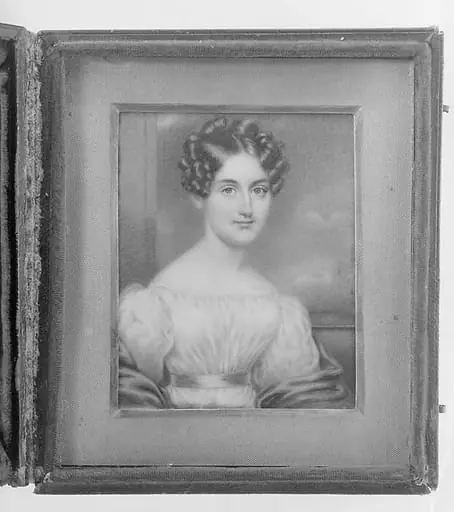
William Smallwood is a portrait depicting a boy, identified by the work's title as William Smallwood. The subject is rendered as a young male sitter in a portrait composition, a conventional format for late-eighteenth-century American likenesses intended to commemorate and preserve the appearance of an individual. As a portrait miniature in watercolor on ivory, the work belongs to a tradition of small-scale, intimate likenesses that conveyed personal identity and status, often commissioned by family members.
The portrait format itself carries symbolic weight, presenting the sitter as a figure of social and familial importance and serving as a keepsake object. Beyond the identification of the boy as William Smallwood, the available records do not specify additional iconographic attributes, allegorical elements, or symbolic objects that would elaborate further on the work's meaning.
Technique & Style
James Peale executed the 1798 portrait of William Smallwood using watercolor applied directly onto an ivory support. This specific combination of medium and material was characteristic of the miniature painting tradition, allowing for the fine, delicate handling required for such a small-scale work. The physical dimensions of the piece measure 6.9 cm in height and 5.1 cm in width, confirming its classification as a miniature format.
The formal qualities emphasize the genre of portraiture, depicting the young sitter with a focus on precise detail inherent to the watercolor-on-ivory technique. The work is currently housed within the collection of the Metropolitan Museum of Art, where it remains a notable example of Peale's output during the late 18th century.
Overview
This watercolor on ivory depicts William Smallwood, a young boy, painted by American artist James Peale around 1798. The miniature portrait showcases Peale's skill in this intricate medium, capturing the subject with a direct, frontal gaze. It represents a common form of personal art during the late 18th century, providing a glimpse into the artistic practices and social customs of the period.
Context
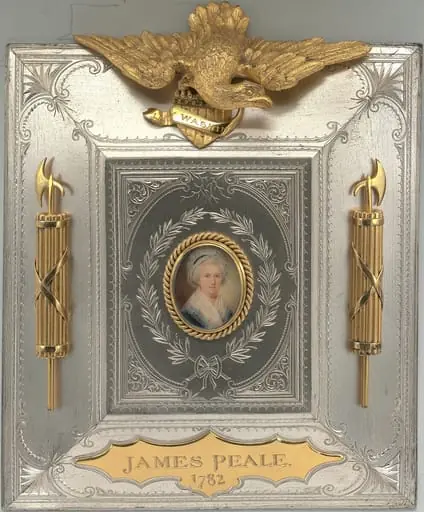
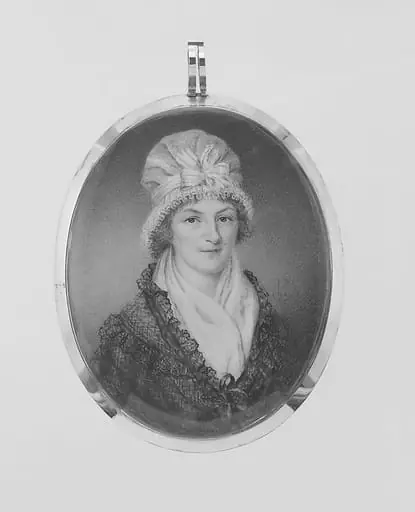
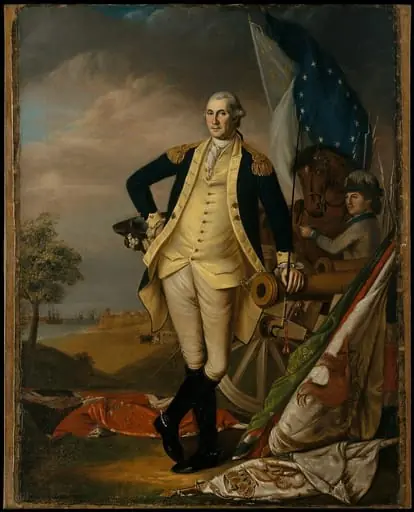
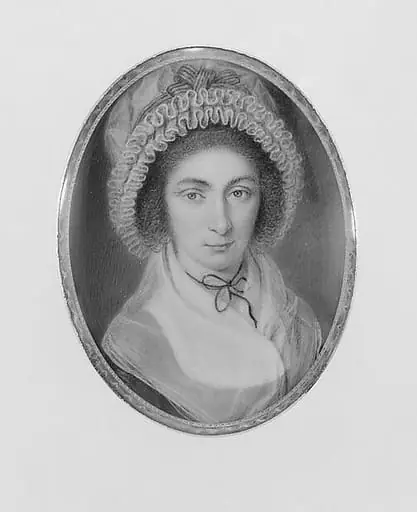
Active during the late 18th and early 19th centuries, James Peale was an American painter from a notable artistic family, being the younger brother of Charles Willson Peale. Miniature portraits like William Smallwood were a popular and accessible art form of the time, serving as important personal documents before the advent of photography. Peale contributed significantly to this genre, alongside his larger-scale works.
Artist & collection

Artist
James Peale (1749 – May 24, 1831) was an American painter, best known for his miniature and still life paintings, and a younger brother of noted painter Charles Willson Peale.